








Structural Carbon Steel For Steel Structure Projects
Carbon steel is widely used in steel structure projects due to its stable mechanical performance, good weldability, and cost efficiency.
In structural applications, material selection focuses on load level, structural role, and fabrication requirements, rather than the number of available grades.
For our steel structure projects, we primarily work with two commonly specified structural carbon steel grades:
ASTM A572 50등급 – for primary load-bearing members
ASTM A36 – for secondary structural members
These grades are widely used in building and industrial steel structures and are suitable for welded structural systems.

Material Scope & Engineering Support
The carbon steels supplied are intended for structural applications, suitable for welded steel structures in building and industrial projects.
In addition to material supply, we support drawing-based fabrication of structural steel components according to project requirements, including columns, beams, connection plates, base plates, and other project-specific structural assemblies.
Fabrication scope and material grade are aligned with approved drawings and technical specifications.
In addition to material supply, we support drawing-based fabrication of structural steel components according to project requirements, including columns, beams, connection plates, base plates, and other project-specific structural assemblies.
Fabrication scope and material grade are aligned with approved drawings and technical specifications.
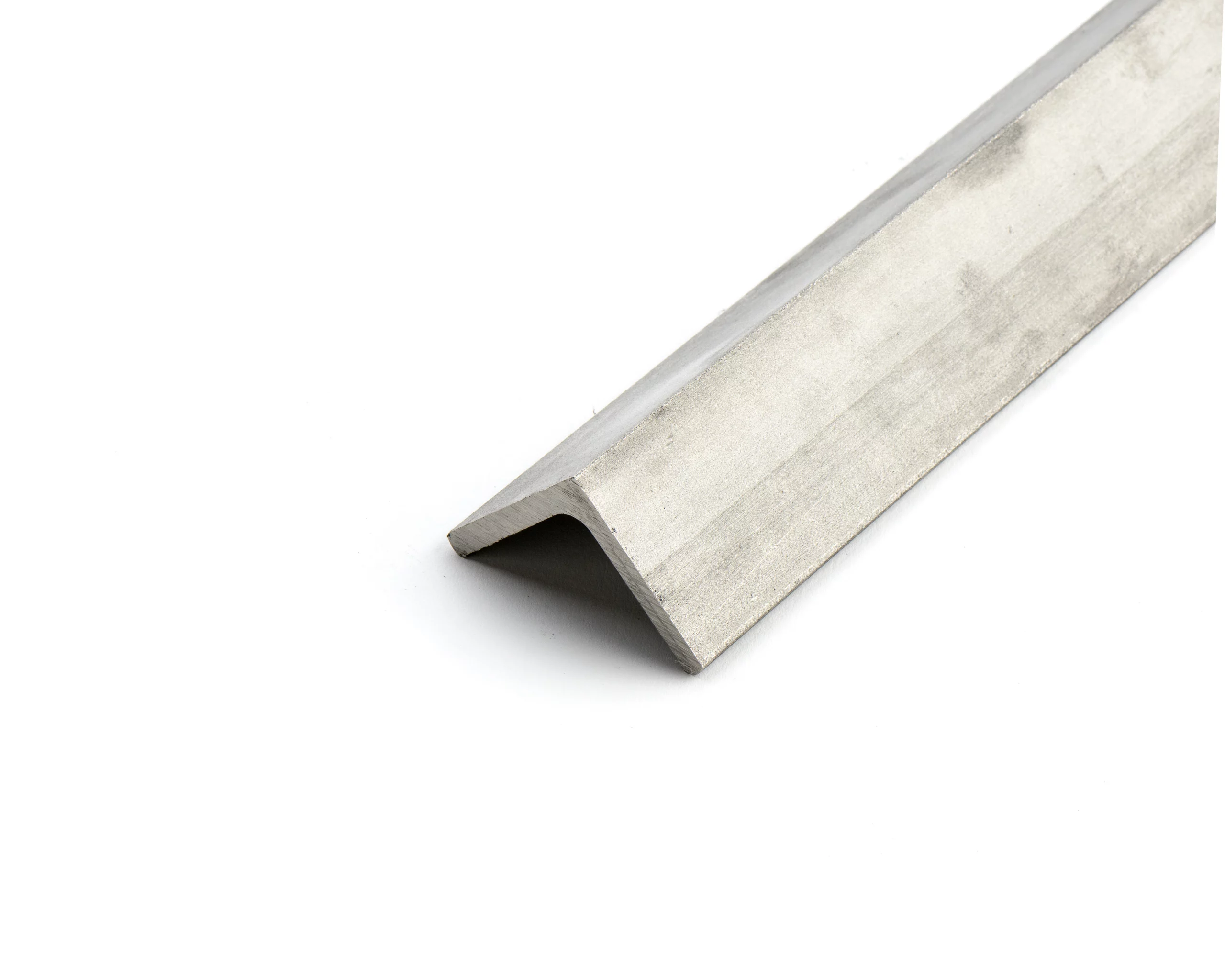
angle
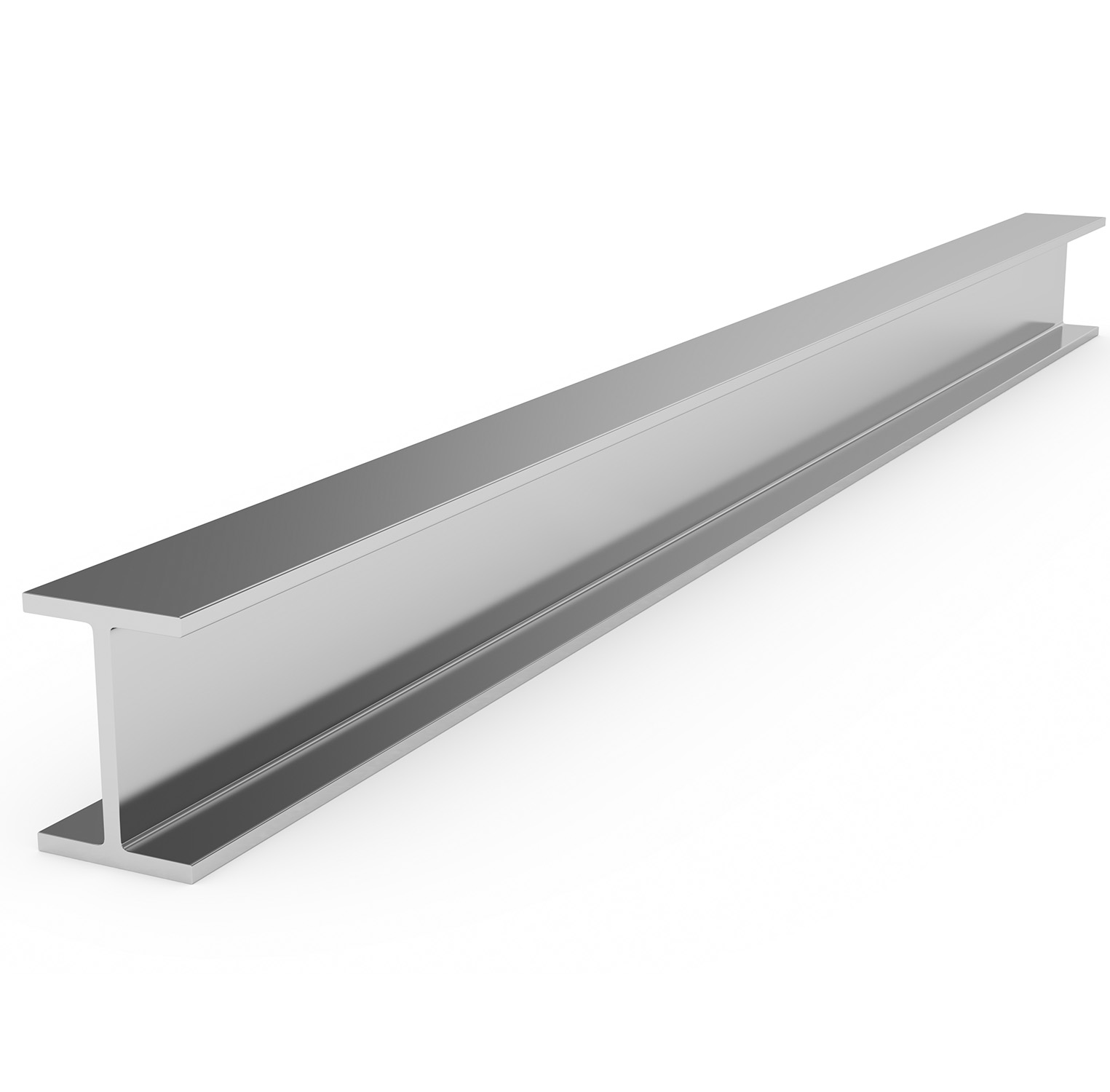
채널
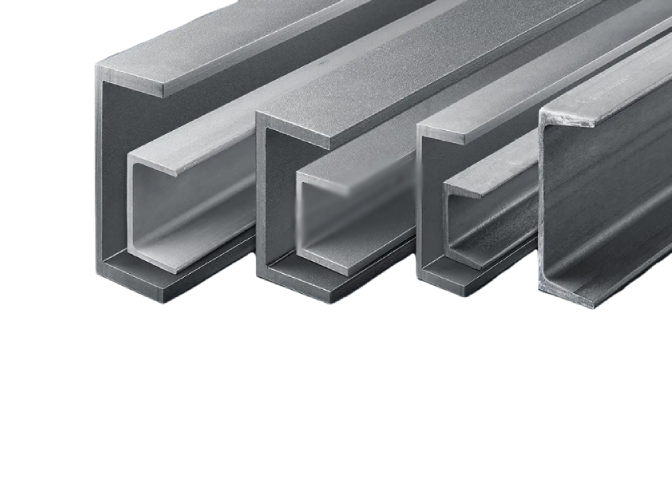
채널
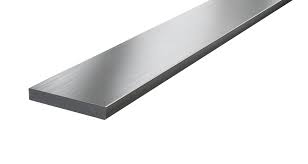
플랫 바
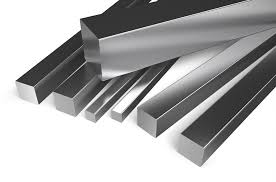
square bars
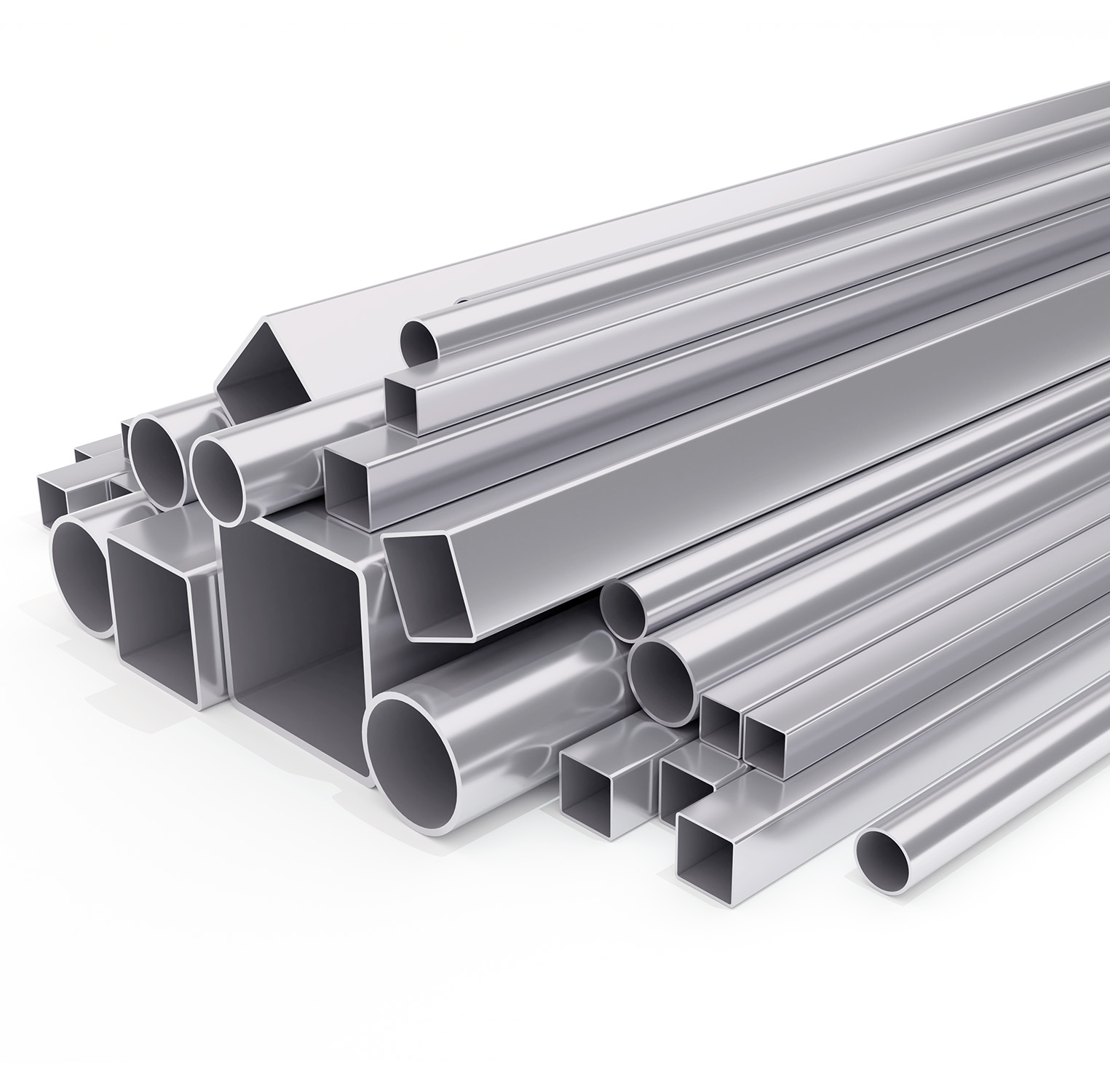
튜브
Structural Steel Grades for Project Use
ASTM A572 50등급
ASTM A36
Comparison
ASTM A572 50등급
Primary Structural Members
ASTM A572 Grade 50 is used for primary load-bearing components where higher strength is required.
Typical mechanical properties (reference):
Minimum yield strength: 355 MPa (50 ksi)
Tensile strength: 450–620 MPa
Elongation: ≥ 18–20% (depending on thickness)
Typical applications:
Main columns
Primary beams
Major trusses and transfer members
This grade allows for higher load capacity or optimized section sizes in primary structural systems.
Consult the Materials ↗
ASTM A36
Secondary Structural Members
ASTM A36 is used for secondary and auxiliary structural members with lower load demand.
Typical mechanical properties (reference):
Minimum yield strength: 250 MPa (36 ksi)
Tensile strength: 400–550 MPa
Elongation: ≥ 20–23% (depending on thickness)
Typical applications:
Secondary beams
Purlins and bracing
Platforms, stairs, and auxiliary frames
ASTM A36 offers excellent weldability and fabrication flexibility, making it suitable for non-critical structural members.
Consult the Materials ↗
Grade Comparison for Structural Applications
| 목 | ASTM A36 | ASTM A572 50등급 |
|---|---|---|
| Structural role | Secondary members | Primary members |
| Min. yield strength | 36 ksi (250 MPa) | 50 ksi (355 MPa) |
| Tensile strength | 400–550 MPa | 450–620 MPa |
| 용접성 | 훌륭한 | Very good |
| Typical applications | Purlins, bracing, platforms | Columns, main beams |
| Relative cost | 낮추다 | 더 높은 |
Quality and Traceability
All structural carbon steel materials are supplied with standard documentation, including:
Mill test certificates
Grade identification
Batch traceability
This ensures consistency between material supply, fabrication, and structural design intent.

밀 테스트 보고서

밀 테스트 보고서

밀 테스트 보고서
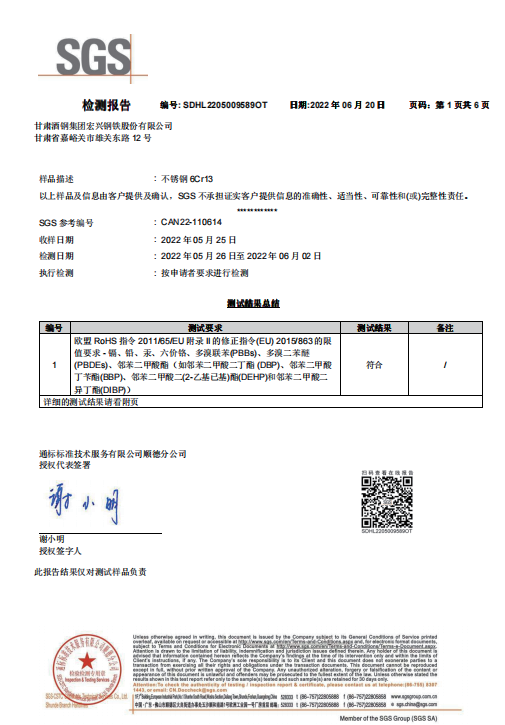
SGS from the mill
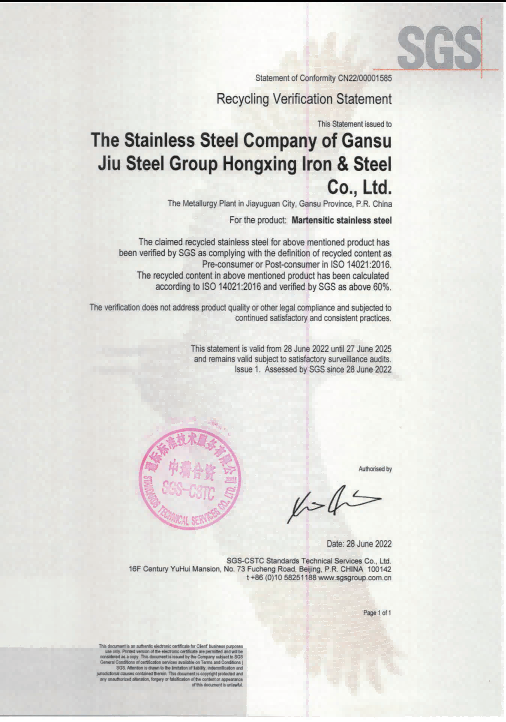
SGS from the mill
문의하기
중국 광둥성 포산시 순더구 러총진 위허로 142호, 창작센터 611호실. 528300


