







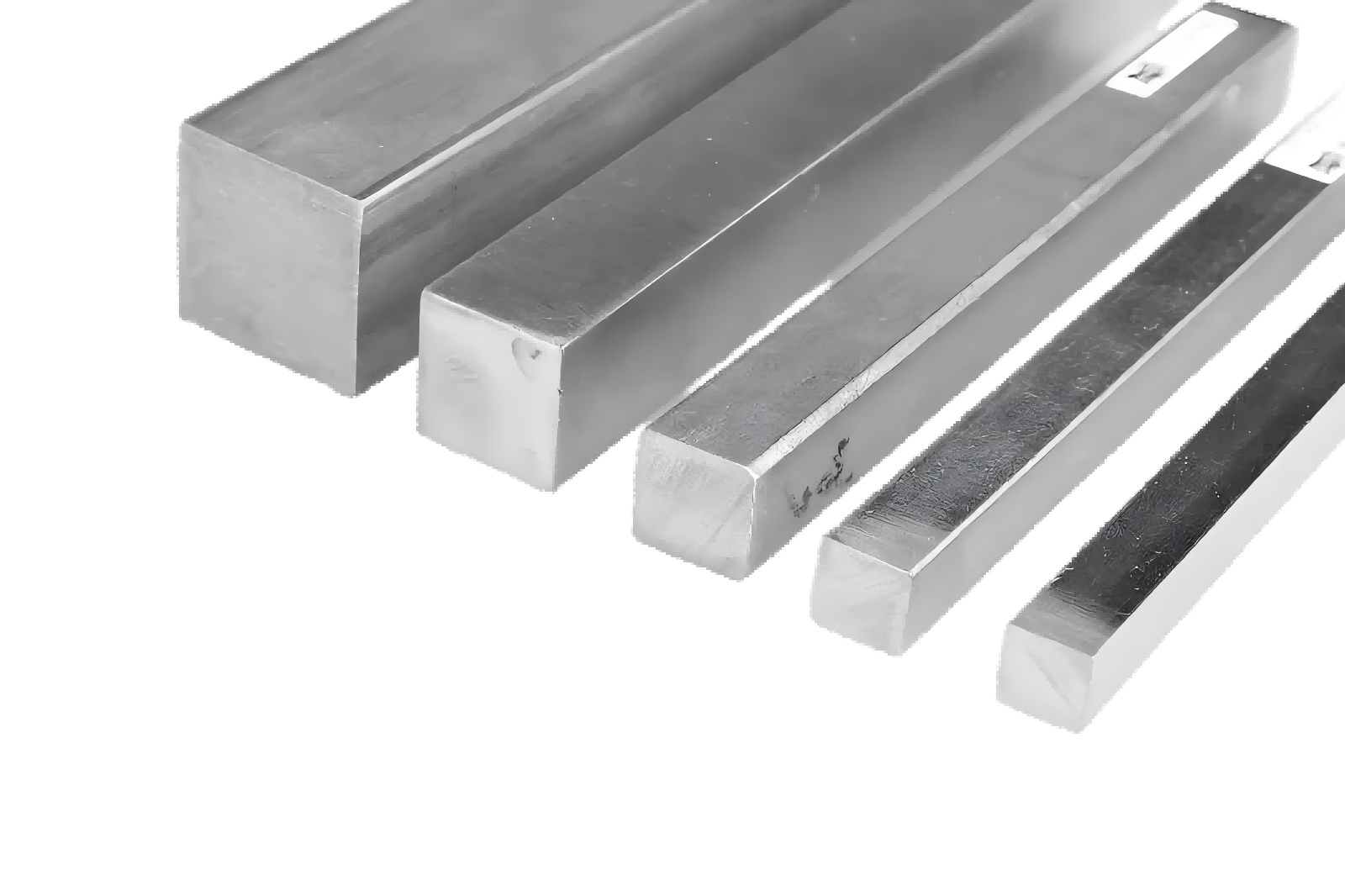



Çin'den Aldığınız Gıda Sınıfı Paslanmaz Çelik Gerçekten Gıda Sınıfı mı?
Birçok yabancı alıcı, gıda sınıfı paslanmaz çelik Çin'den gelen malzemeler veya ürünler (mutfak eşyaları, sofra takımları ve gıda işleme ekipmanları gibi) genellikle 304 veya 316 paslanmaz çeliğin otomatik olarak gıda sınıfı olduğu varsayımına dayanmaktadır. Ürün "304 paslanmaz çelik", "316 paslanmaz çelik" veya "gıda sınıfı" olarak etiketlendiği sürece güvenli olduğuna inanırlar. Ancak gıda sınıfı olmak aslında iki ayrı iddiadır ve bunların karıştırılması, tedarik riskinin çoğunun kaynağıdır: Birincisi, alaşımın kendisinin gıda ile temas performans gereksinimlerini karşılayıp karşılayamayacağı; ikincisi ise, önünüzdeki belirli partinin bunu kanıtlayıp kanıtlayamayacağıdır. Bu makale, nitelikli malzemeyi sadece doğru kelimeleri kullanan bir etiketten ayırt edebilmeniz için her iki yöntemi de ele alıyor.

Gıda sınıfı paslanmaz çelik nedir? Nasıl tanımlanır?
Paslanmaz çeliği kalite adına göre sertifikalandıran bir düzenleyici kurum bulunmamaktadır. ABD Gıda ve İlaç İdaresi'nin (FDA) 21 CFR 117.40 (gıda ile temas eden yüzey gereksinimleri) ve Çin'in GB 4806.9-2023 gibi çerçeveler kapsamında, gıda ile temas eden bir malzemenin üç performans gereksinimini karşılaması gerekir: korozyon direnci, kimyasal kararlılık (düşük reaktiviteye sahip - metalleri sızdırmaz veya tadı etkilemez) ve temizliğin kolaylığı (Bakterilerin barınmasına direnç gösteren, pürüzsüz, gözeneksiz bir yüzey).
Gıda sınıfı paslanmaz çelik, bu özellikleri kazandıran minimum krom ve nikel içeriğiyle formüle edilmiştir; genellikle 300 serisi için 16%+ krom ve 8–10%+ nikel içerir. Normal sınıf çelikler (200 serisi ve diğer düşük nikel alaşımları dahil) aynı yüzey kalitesine sahip olabilir ve ayırt edilemez görünebilir, ancak asidik veya yüksek sıcaklık koşullarında ağır metallerin gıdaya geçmesini engelleyen alaşım bileşimine sahip değildirler. Fark görünür değildir; fabrika sertifikasında yer alır.
304, 316, Ve 430 Paslanmaz çelik, pratikte bileşimleri yukarıdaki üç gereksinimi karşıladığı için gıda sınıfı olarak kabul edilir; herhangi bir düzenleyici kurumun onlara marka sertifikası vermesinden dolayı değil. Bu önemli bir ayrımdır, çünkü "gıda sınıfı" ifadesi alaşımın performansına ilişkin bir iddiadır, herkesin kendi kendine beyan edebileceği bir etiket değildir.
Paslanmaz çeliğin tamamı gıda ile temas için uygun mudur?
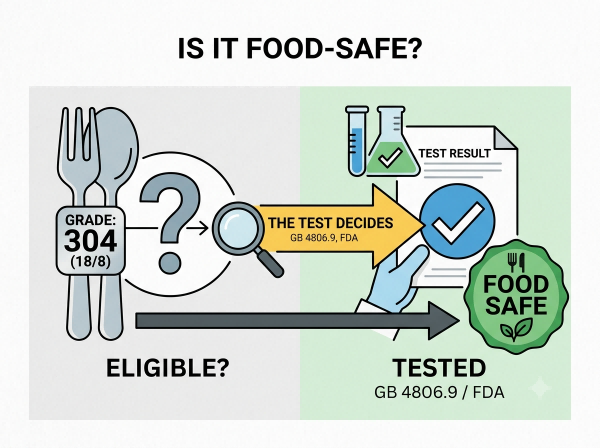
Dolayısıyla yukarıdaki mantık, birçok alıcının kafasını karıştıran bir soruyu da yanıtlıyor: Paslanmaz çeliğin tamamı gıda ile temas için güvenli midir? Cevap kesinlikle hayır. Sadece belirli kaliteler –bunların arasında 304, 316 ve 430– öncelikle gıda teması standartlarını karşılayabilecek krom ve nikel seviyelerini içerir; paslanmaz çelik ailesinin büyük bir kısmı bu amaçla formüle edilmemiştir. Ancak bu kaliteler için bile, uygun olmak onaylanmış olmakla aynı şey değildir: kalite, bir parçanın GB 4806.9-2023, FDA veya AB eşdeğerleri gibi bir standarda göre test edilmesini sağlar. Belirli bir partinin gerçekten gıda güvenli olup olmadığını belirleyen şey, kalite adı değil, gerçek test sonucudur.
Yani 304 (18/8), 316 veya 430 modelinizin gerçekten güvenli olup olmadığını merak ediyorsanız: Kalite adı, malzemenin uygun olduğunu gösterir, onaylandığını değil. Gerçekten gıda güvenli malzeme, GB 4806.9-2023, FDA veya AB standartlarına göre migrasyon testi ile doğrulanır; gerçek temas koşulları altında gıdaya sızan zararlı kurşun, nikel veya diğer ağır metallerden arındırılmış olduğu varsayılmaz, kontrol edilir. Bobin üzerine damgalanan kalite değil, bu doğrulama, belirli bir partinin güvenli olup olmadığına karar veren şeydir.
304, 316 ve 430 numaralı çelikleri gıda sınıfı yapan nedir? Performans karşılaştırması
İşte üç kalite seviyesinin gıda ile temas için önemli olan gereksinimler açısından karşılaştırması:
| Boyut | 304 | 316 | 430 |
|---|---|---|---|
| Korozyon direnci | Çoğu oksitleyici aside karşı güçlüdür; uzun süreli tuz/klorür maruziyetinde aşınmaya neden olabilir. | En güçlüsü — molibden, yüksek klorür, yüksek tuz ve yüksek asit koşullarında bile aşınmaya karşı direnç gösterir. | Kuru ve düşük korozyonlu ortamlarda yeterlidir; nem, tuz veya asit altında daha kolay aşınır. |
| Kimyasal kararlılık | Geniş bir yelpazedeki gıda temas koşullarında stabildir. | En dayanıklı olanıdır — agresif temizlik kimyasallarına ve asidik yiyeceklere karşı dayanıklıdır. | Hafif koşullarda stabildir; sürekli asit veya klorür maruziyetinde daha az tahmin edilebilir. |
| Temizleme kolaylığı | Pürüzsüz, gözeneksiz yüzey (2B/BA/cilalı yüzey) — dezenfekte edilmesi kolay | Aynı şekilde, bu boyutta alaşımdan ziyade yüzey kalitesi daha önemlidir. | Aynı şekilde, temizlenebilirlik öncelikle yüzey kalitesine bağlıdır, temel alaşıma değil. |
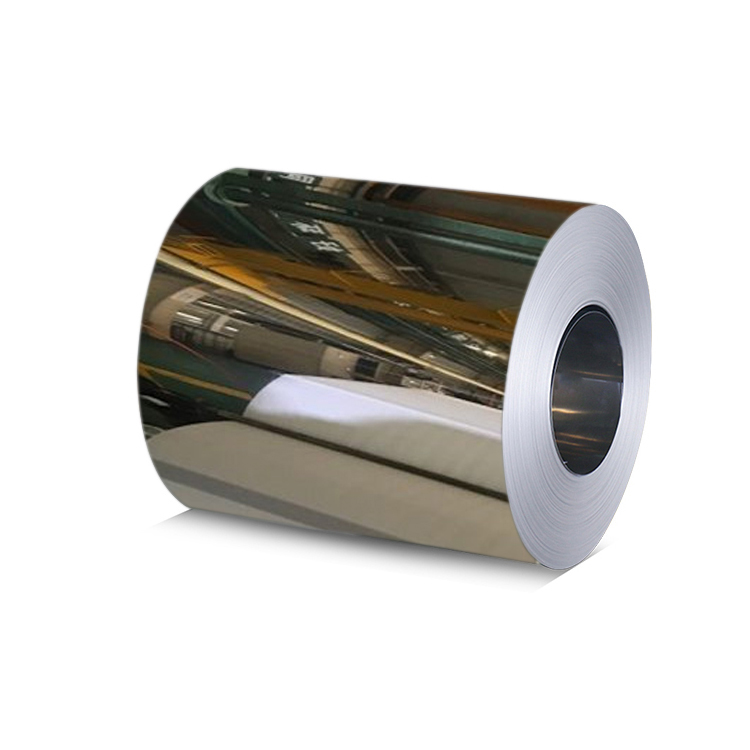
Şunu da belirtmekte fayda var: "Temizleme kolaylığı" çoğunlukla alaşım değil, yüzey kalitesiyle ilgili bir konudur. İyi cilalanmış bir 430 levha, iyi cilalanmış bir 304 levha kadar kolay temizlenir; üç kalite arasındaki gerçek fark, günlük temizlenebilirlik değil, korozyon direnci ve stres altındaki kimyasal kararlılıkta ortaya çıkar. Bu aynı zamanda bunun nedenidir. son işlem özellikleri (2B, BA, aynaGıda ile temas eden malzemelerin tedarikinde kalite seçimi kadar önemli bir faktördür.
Nasıl Seçilir: 316 Gerçekten En İyisi Mi?
İnternette her iki cevabı da bulacaksınız; bazı kaynaklar 316'yı altın standart olarak adlandırırken, diğerleri 304'ün tamamen yeterli olduğunu söylüyor. Her ikisi de aslında farklı açılardan aynı temel noktayı vurguluyor: Tek bir "en iyi" kalite sınıfı yoktur, sadece belirli bir çalışma koşulu için en iyi kalite sınıfı vardır. 304 ve 316'yı karşılaştırmak, ancak ortam sabit tutulduğunda (aynı klorür maruziyeti, aynı temizlik kimyasalları, aynı sıcaklık) anlamlıdır. Aynı koşullar altında, 316, molibden içeriği nedeniyle korozyon direncinde her zaman 304'ten daha iyi performans gösterecektir. Ancak "daha iyi performans göstermek" "gerekli olmak" ile aynı şey değildir; kuru, düşük klorürlü bir ortamda, 304, 316'nın karşıladığı aynı performans standardını daha düşük maliyetle karşılar. Tartışma aslında hangi kalitenin daha iyi olduğuyla ilgili değil; karşılaştırmanın hangi koşullar altında yapıldığıyla ilgilidir ve bu açıkça belirtildiğinde anlaşmazlığın çoğu ortadan kalkar.
Pratikte:
304 Gıda sınıfı uygulamaların büyük çoğunluğunu kapsar: genel gıda işleme ekipmanları, sofra takımları, hazırlık yüzeyleri ve kuru veya düşük korozyonlu depolama. Standart ortamlar için daha uygun maliyetli bir seçenektir.
316 Tuz, asit veya yoğun kimyasal temizliğin sürekli olarak kullanıldığı yerlerde (soya sosu ve sirke işleme, deniz ürünleri ekipmanları, kıyı veya yüksek nemli tesisler gibi) fiyat farkına değer.
430 Kuru ve aşındırıcı olmayan temas yüzeyleri için geçerli ve daha düşük maliyetli bir seçenek olabilir; ancak gerçek performans sınırlarının ötesine en sık zorlanan kalitedir, bu nedenle maliyetten tasarruf etmek için belirtmeden önce çalışma koşullarını doğrulayın.
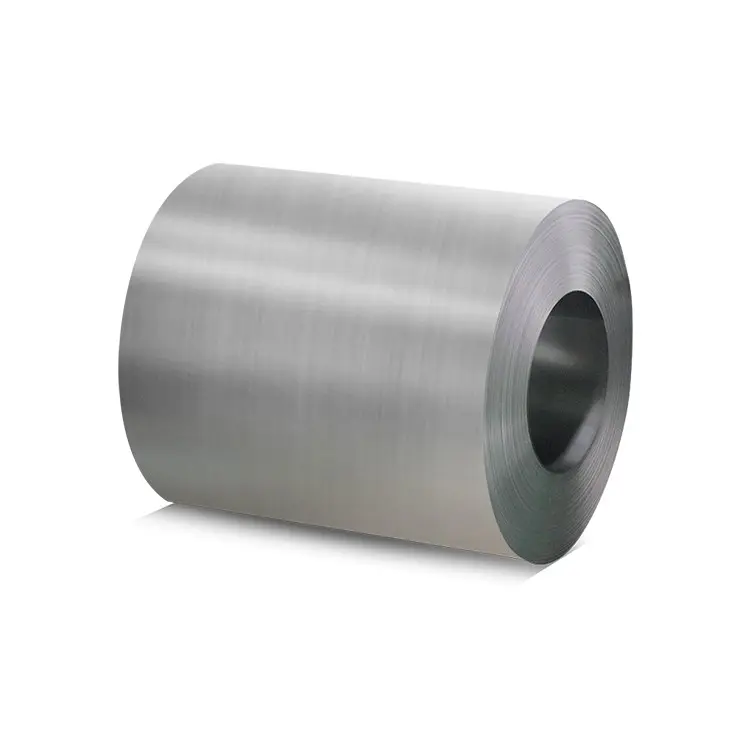
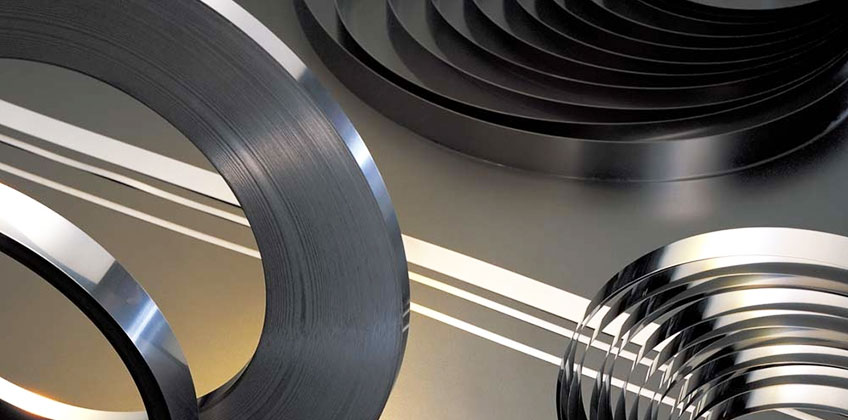
Paslanmaz Çelik 304
Genel endüstriyel ve mutfak kullanımları için mükemmel şekillendirilebilirlik ve güvenilir korozyon direncine sahip çok yönlü gıda sınıfı alaşım.
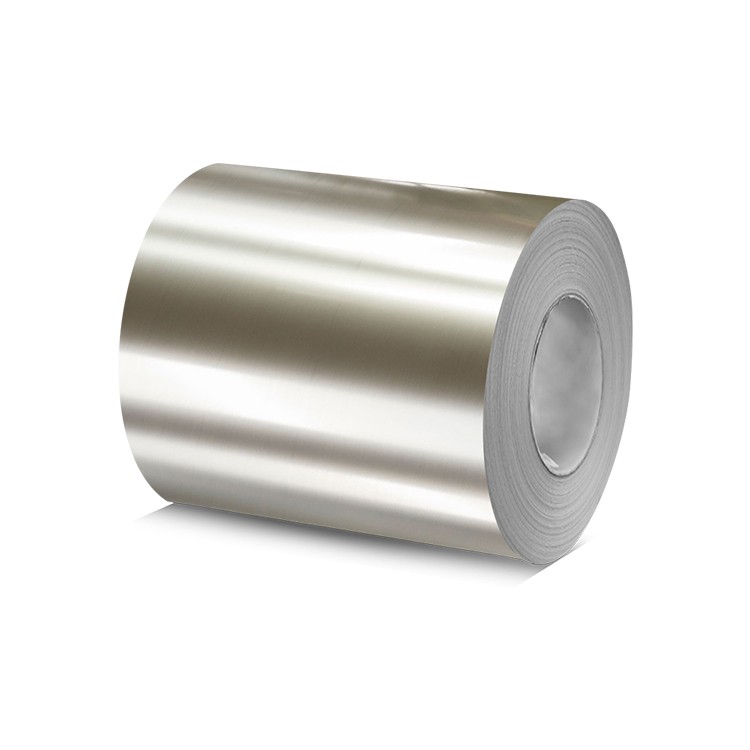
Paslanmaz Çelik 316
Üstün molibden içeren sınıfı, deniz tuzu, ağır asitler ve agresif kimyasal ortamlara karşı üstün koruma sağlar.
Paslanmaz Çelik 430
Uygun maliyetli ferritik kalite, kuru ve ılıman çalışma koşulları için ideal olan pratik termal iletkenlik ve orta düzeyde direnç sunar.
Çin'de Gıda Sınıfı Paslanmaz Çelik Olarak Ne Kabul Edilir?
Buradaki mantık ABD veya AB'den farklı değil; aynı ilke farklı bir düzenleme yoluyla uygulanıyor. Gıda sınıfı olmak hiçbir zaman kalite derecesiyle ilgili değildi. isimBurada önemli olan, malzemenin ilgili testi gerçekten geçip geçmediğidir. Çin'in bu teste ilişkin uygulaması ise şöyledir: GB 4806.9-2023Gıda işleme, depolama ve hazırlamada kullanılan metal malzemeler ve ürünleri düzenleyen ulusal gıda güvenliği standardıdır. Belirli alaşım isimlerini onaylamak yerine, çelikten gıdaya ne kadar kurşun, arsenik, krom ve diğer ağır metallerin geçmesine izin verildiğine dair katı sınırlar koyar; bu sınırlar, göç testi (genellikle asidik gıda temasını simüle etmek için 4% asetik asit çözeltisi kullanılarak) yoluyla doğrulanır.
Uluslararası alanda, gıda sınıfı paslanmaz çeliğin genellikle aşağıdaki standartlardan birini karşılaması gerekir:

Uluslararası alanda, gıda sınıfı paslanmaz çeliğin genellikle aşağıdaki standartlardan birini karşılaması gerekir:
| Standart | Bölge | Ana Gereksinimler |
|---|---|---|
| GB 4806.9-2023 | Çin | Kurşun, krom ve nikel gibi elementlerin çözünebilirliğini belirtir ancak belirli çelik kalitelerini zorunlu kılmaz. |
| FDA (ABD) | Amerika | Performans esaslı (21 CFR 117.40): Gıda ile temas eden yüzeyler korozyona dayanıklı, temizlenebilir ve toksik olmayan özellikte olmalıdır. |
| EN 10088 (AB) | AB | Düşük metal göçü ve daha sıkı asit testleri gerektiren LFGB testini kullanır. |
| JIS G4305 | Japonya | Malzeme saflığını sıkı bir şekilde kontrol eder ve nikel içeriğinin ≥8% olmasını zorunlu kılar. |
Standartlar sıralanmaz; farklı pazarlar için farklı ölçütlerdir.
GB 4806.9-2023, FDA çerçevesi ve AB standartları, aynı temel risk için (ağır metallerin gıdaya geçişi) farklı spesifik eşikler belirlese de, bu birini "gerçek" gıda sınıfı, diğerlerini ise daha düşük bir versiyon yapmaz. Her biri kendi yetki alanındaki meşru uyumluluk standardıdır. Örneğin:
- Nikel SızdırmaFDA, 304 paslanmaz çelikten nikel sızıntısını ≤0,1 mg/kg ile sınırlandırırken; Çin'in GB 4806.9-2023 standardı ≤0,4 mg/kg'a kadar izin vermektedir. Her ikisi de geçerli düzenleyici eşiklerdir; ancak aynı standart olmadıkları için aynı eşik değillerdir.
- Asidik TestAB, 24 saatlik pH 5 testi gerektirirken, Çin 2 saatlik pH 4 testi gerektiriyor. Bu farklı bir test protokolü, "güvenli" tanımında bir farklılık değil.
Bu durum, alıcı olarak sizin için şu anlama geliyor: GB 4806.9-2023 standardına tamamen uygun malzeme, Çin iç pazarı ve daha katı standartlar belirlemeyen pazarlara ihracat için gerçekten gıda sınıfıdır. Ancak son pazarınız veya müşteriniz özellikle FDA veya AB uyumluluğu gerektiriyorsa, bu durum satın alma siparişinizde belirtilmeli ve ilgili test raporuyla teyit edilmelidir; GB 4806.9-2023 migrasyon testi otomatik olarak paket halinde gelmez, çünkü ikisi farklı limitlere göre test yapmaktadır.
Çin pazarındaki gıda sınıfı paslanmaz çelik güvenilir mi?
Yukarıdaki kontroller, bu arıza türünün varsayımsal değil, gerçek ve iyi belgelenmiş olması nedeniyle mevcuttur:
Kalitesiz Ürünlerin Yaygın Örnekleri
Ürünler "304" veya "gıda sınıfı" olarak etiketlenmiş olsa bile, yine de riskler söz konusudur:
201 Paslanmaz Çelik 304 Olarak Görünüyor
2024 yılında CCTV (Çin Merkezi Televizyonu), standart değerin 6 katı daha yüksek manganez seviyelerine sahip 201 paslanmaz çelikten üretilen 19 termos bardak ürününü ortaya çıkardı. Uzun süreli kullanım, ağır metal maruziyetine yol açabilir. 201 paslanmaz çelik, 304'ün 8%'sinden çok daha düşük olan yalnızca 1–2% nikel içerir ve zayıf korozyon direnci nedeniyle manganez, krom ve diğer ağır metallerin sızmasına yatkındır.
İkincil Eritmede Geri Dönüştürülmüş Malzemeler
Bazı küçük fabrikalar hurda çelik kullanıyor ve bu da kurşun ve kadmiyum gibi aşırı miktarda safsızlığa yol açıyor. 2023 yılında Shandong Piyasa Düzenleme Bürosu, 7,81 TP3T paslanmaz çelik ürününün etiketinde belirtilen malzeme içeriğiyle uyuşmadığını tespit etti.
"Gıda Sınıfı 304"ün Yanlış Etiketlenmesi
Çin Bilimler Akademisi Metal Araştırma Enstitüsü'ne göre, Çin standartlarında "304" resmi bir gıda sınıfı etiketi olarak kullanılmamaktadır. "Gıda sınıfı 304 çelik" gibi pazarlama terimleri bir tedarikçi geleneğidir, bir sertifikasyon değildir ve genellikle yanıltıcı olarak kullanılır.
Burada cevaplanmaya değer, ilgili bir soru.
201 paslanmaz çelik gıda ile temas için uygun mu? Genellikle hayır. Düşük nikel içeriği nedeniyle manganez ve kromun sızmasına yatkındır; bu nedenle özellikle yüksek sıcaklık veya aşırı asidik koşullar altında gıdalarla doğrudan temas etmemelidir.
Bununla birlikte, 201 numaralı malzeme tamamen değersiz değildir; yemek masası iskeletleri ve yapısal destekler gibi gıda ile temas etmeyen uygulamalarda iyi bir maliyet etkinliği sunar. Sorun 201'in kendisi değil; sorun 201'in yanlış etiketlenmesi veya 304 gibi satılması.
Bunu kanıtlamak için evraklarla birlikte gelen belgeleri alın.
Sanmei Metal, Baosteel, Taiyuan Steel ve Tsingshan gibi fabrikalardan doğrudan tedarik yapmaktadır ve her sevkiyat eksiksiz denetim raporlarıyla (MTR/SGS) birlikte gönderilir; böylece hangi kalitede malzeme geldiği konusunda asla şüpheye düşmezsiniz.
Satın Aldığınız Gıda Sınıfı Paslanmaz Çeliğin Orijinal Olduğundan Nasıl Emin Olabilirsiniz?
Saygın Çelik Fabrikalarını ve Sertifikalarını Seçin
Tanınmış olanlar da dahil olmak üzere Çinli yerel çelik fabrikaları, tüketici sağlığını koruyan paslanmaz çelik ürünleri üretmek için GB 4806.9-2023 standardına sıkı sıkıya uymaktadır. Uluslararası alanda büyümek için, önde gelen çelik fabrikaları: BAOWU Ayrıca bazı ürünleri için FDA sertifikası alarak ABD pazarına girmek için sağlam bir temel oluşturmuşlardır. Bu nedenle, tedarikçi seçerken, ürünlerin gıda güvenliği standartlarını karşıladığından emin olmak için tedarikçinin ve destekledikleri çelik fabrikalarının gücünü değerlendirmek çok önemlidir.
Elinizde bulunan belgeyle başlayın.
The değirmen test raporu (MTR) Her sevkiyatla birlikte gelmesi gereken belge, kimyasal bileşim tablosu aracılığıyla malzemenin gerçek kalitesini (yani gıda sınıfı etiketi taşıyan 201 değil, gerçekten 304 veya 316 olduğunu) doğrular. Ancak bu belge, GB 4806.9-2023 veya FDA/AB standartlarına göre migrasyon uyumluluğunu tek başına doğrulamaz; bu standartlar, asidik simülasyon altında gıdaya ne kadar kurşun, arsenik veya krom sızdığını ölçer ve fabrikanın standart bileşim kontrolünden ayrı bir testtir. Her ikisini de isteyin ve sipariş sırasında hangi standarda ihtiyacınız olduğunu belirtin.
Başlıca Test Göstergeleri ve Kurumları
- Nikel İçeriği Testi: 304 paslanmaz çelik en az 8% nikel içermelidir, 201 paslanmaz çelik ise genellikle 5%'den daha azdır.
- Ağır Metal Sızıntı Testleri: GB 4806.9-2023 veya FDA 21 CFR 175.300'ü geçmesi gerekir.
- Güvenilir Ajanslar: SGS (resmi web sitesi), TÜV Rheinland (resmi web sitesi).
Fabrika Test Raporunuzu elinize ulaşmadan önce nasıl okuyacağınızı öğrenin.
Her orijinal gönderi bir MTR (Malzeme İnceleme Raporu) ile birlikte gelir. Kılavuzumuz, kimyasal bileşim tablosunu satır satır inceleyerek, kaliteyi kendiniz doğrulamanızı sağlar; laboratuvara gerek yoktur.
Paslanmaz çeliğin gıda sınıfı olup olmadığını nasıl anlarsınız?
Yukarıdaki göstergeler genellikle bir numunenin laboratuvara veya bir kuruluşa gönderilmesi anlamına gelir. Eğer bu aşamaya gelmeden önce hızlı bir değerlendirme istiyorsanız, dışarıdan test gerektirmeden, yerinde kendiniz yapabileceğiniz kontroller şunlardır:
- Manyetik Test — Gerçek 304/316 genellikle manyetik olmayan özellik gösterirken, 201 genellikle kararsız, düşük nikel içerikli yapısı nedeniyle belirgin bir manyetik özellik gösterir. Basit bir manyetik kontrolü iki şey zorlaştırır: Soğuk işleme (bükme, damgalama, kaynak) gerçek 304/316'yı bile hafif manyetik hale getirebilir, bu nedenle tek başına zayıf bir çekim sahte malzemenin kanıtı değildir — ve ayrı ancak meşru bir gıda güvenliği sınıfı olan 430, doğası gereği manyetiktir ve 201 ikamesiyle karıştırılmamalıdır. Bununla birlikte, "304" olarak satılan güçlü manyetik bir parça, güvenilir bir uyarı işareti olmaya devam etmektedir.
- Limon Asidi Testi — Yüzeye limon suyu damlatın ve 24 saat bekletin. Kalitesiz veya yanlış etiketlenmiş çelik, gerçek 304/316 çeliğinde görülmeyen paslanma veya renk değişimine neden olur.
- XRF Spektrometresi — Burada tamamen kendin yap (DIY) olmayan, ancak hızlı ve düşük maliyetli tek adım: genellikle nokta başına yaklaşık 50 ¥ (RMB) olan, yerinde nikel içeriğini ölçmek için kullanılır.
Paslanmaz çelik ve hatta Çin'de üretilen gıda sınıfı paslanmaz çelik bile güvenli mi?
Birçok konuya değindik, bu yüzden tüm bu makalenin etrafında döndüğü asıl soruyu ele alalım: Çin'de üretilen paslanmaz çelik gerçekten güvenli mi ve gıda güvenliğine uygun mu? Evet, gerçekten test edilip doğrulandığında. 304, 316 ve 430 dahil olmak üzere Çin'de üretilen paslanmaz çelik, başka herhangi bir yerden temin edilen malzeme kadar gıda güvenliğine uygun olabilir; ancak etikette "Çin'de üretilmiştir" ve "gıda sınıfı" yazması tek başına bir güvenlik garantisi değildir. Güvenlik, belirli bir partinin gerçek belgelerle doğrulanmış, tanınmış bir standardı (GB 4806.9-2023, FDA veya AB eşdeğerleri) geçmesinden kaynaklanır; bu, yalnızca menşe ülkesine veya kalite adına bağlı değildir.
Pratikte bu şu anlama gelir:
- Ulusal Standart GB 4806.9-2023'e sadık kalınÇin'in gıda sınıfı standartları uluslararası standartlardan farklı olsa da, bu standarda göre sertifikasyon, ürünleri kontrol etmenin etkili bir yoludur. 304/316 paslanmaz çelik satın alırken, satıcıdan her zaman eksiksiz bir test raporu isteyin. (FDA veya NSF gibi ek sertifikalar bir avantajdır.)
- Üçüncü Taraf Yeniden Test Etme: Malzeme bileşimini SGS veya TÜV gibi kuruluşlar aracılığıyla doğrulayın.
- Düşük Fiyat Tuzaklarına Dikkat EdinFiyat savaşları yaygındır, ancak aynı zamanda standart altı ürünlere de yol açarlar. Piyasa değerinin altında fiyatlandırılmış bir ürün görürseniz dikkatli olun ve eski bir sözü hatırlayın: "Ne kadar para verirseniz o kadarını alırsınız."
- Ulusal Standart GB 4806.9-2023'e sadık kalınÇin'in gıda sınıfı standartları uluslararası standartlardan farklı olsa da, bu standarda göre sertifikasyon, ürünleri kontrol etmenin etkili bir yoludur. 304/316 paslanmaz çelik satın alırken, satıcıdan her zaman eksiksiz bir test raporu isteyin. (FDA veya NSF gibi ek sertifikalar bir avantajdır.)
Sanmei Metal: Gıda Sınıfı Paslanmaz Çelikte Güvenilir Tedarikçiniz
"304" siparişi yerine "201" gönderilen alıcılardan yeterince mesaj aldık ve bunun nerede yanlış gittiğini tam olarak biliyoruz; ve bu neredeyse her zaman bir kimyasal gizemden değil, bir dokümantasyon eksikliğinden kaynaklanıyor.
Sanmei Metal, kaynağına kadar tam izlenebilirlik sağlayan paslanmaz çelik tedarik etmektedir: tedarikçilerimiz arasında şunlar yer almaktadır: ünlü çelik fabrikaları Çin'de Baosteel, Taiyuan Steel ve Tsingshan gibi köklü sertifikalara sahip firmalardan temin edilmektedir. Her sevkiyat, denetim raporlarıyla (MTR/SGS) birlikte gönderilir, bu nedenle satın aldığınız ürünün kalitesinin garantili olduğundan emin olabilirsiniz. hakiki gıda sınıfı paslanmaz çelik Sadece bir etiket değil, bunu destekleyecek belgelerle birlikte. Tedarik ihtiyaçlarınız varsa, çekinmeden iletişime geçin. bize Ulaşın.