
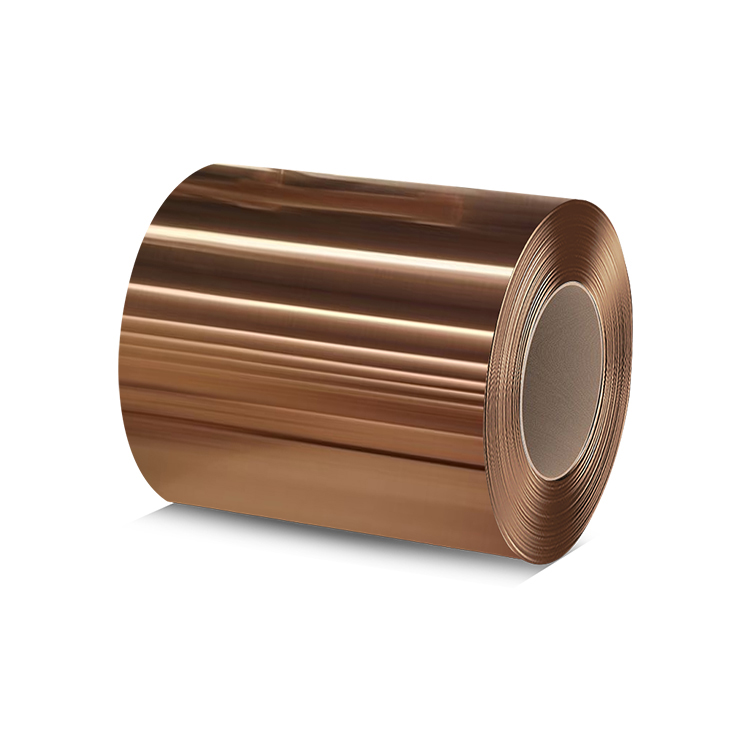
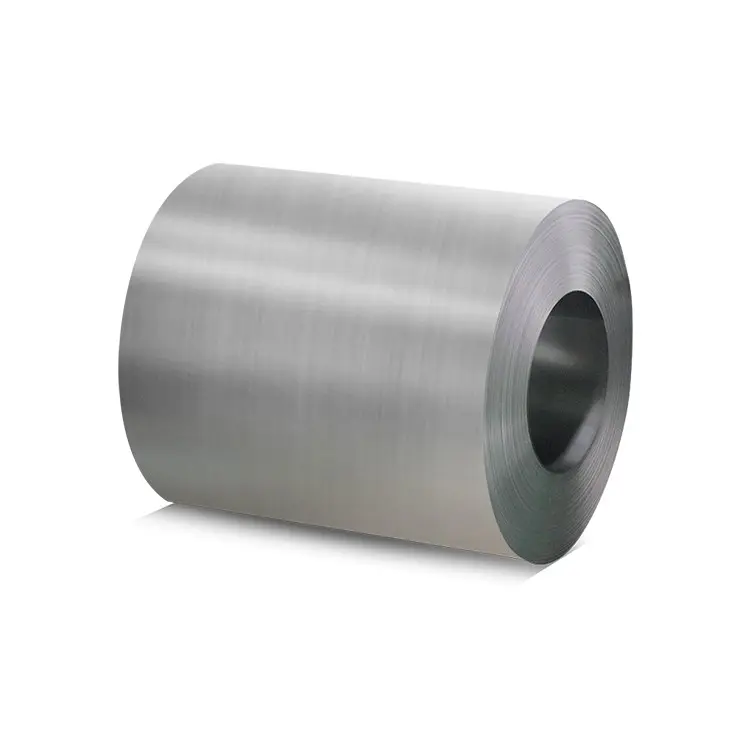
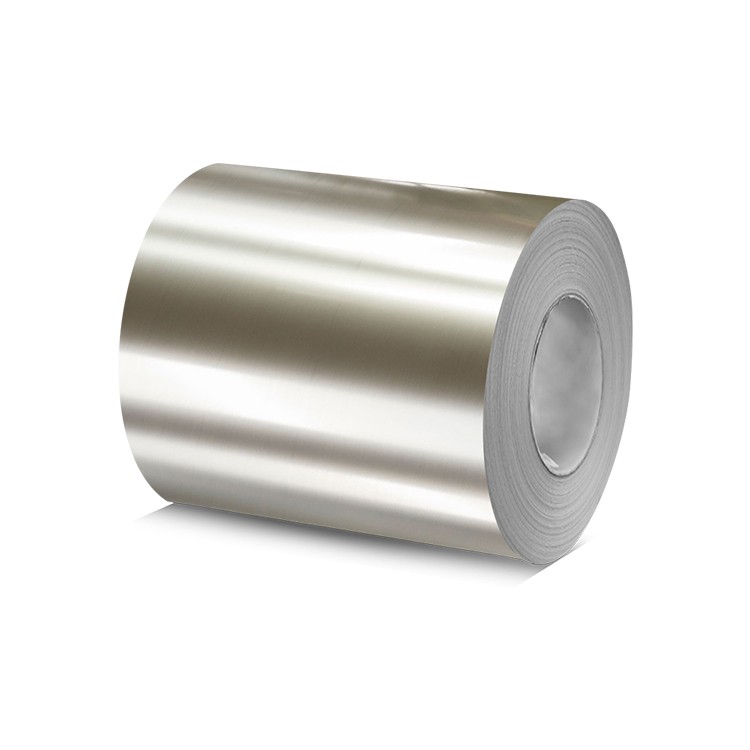

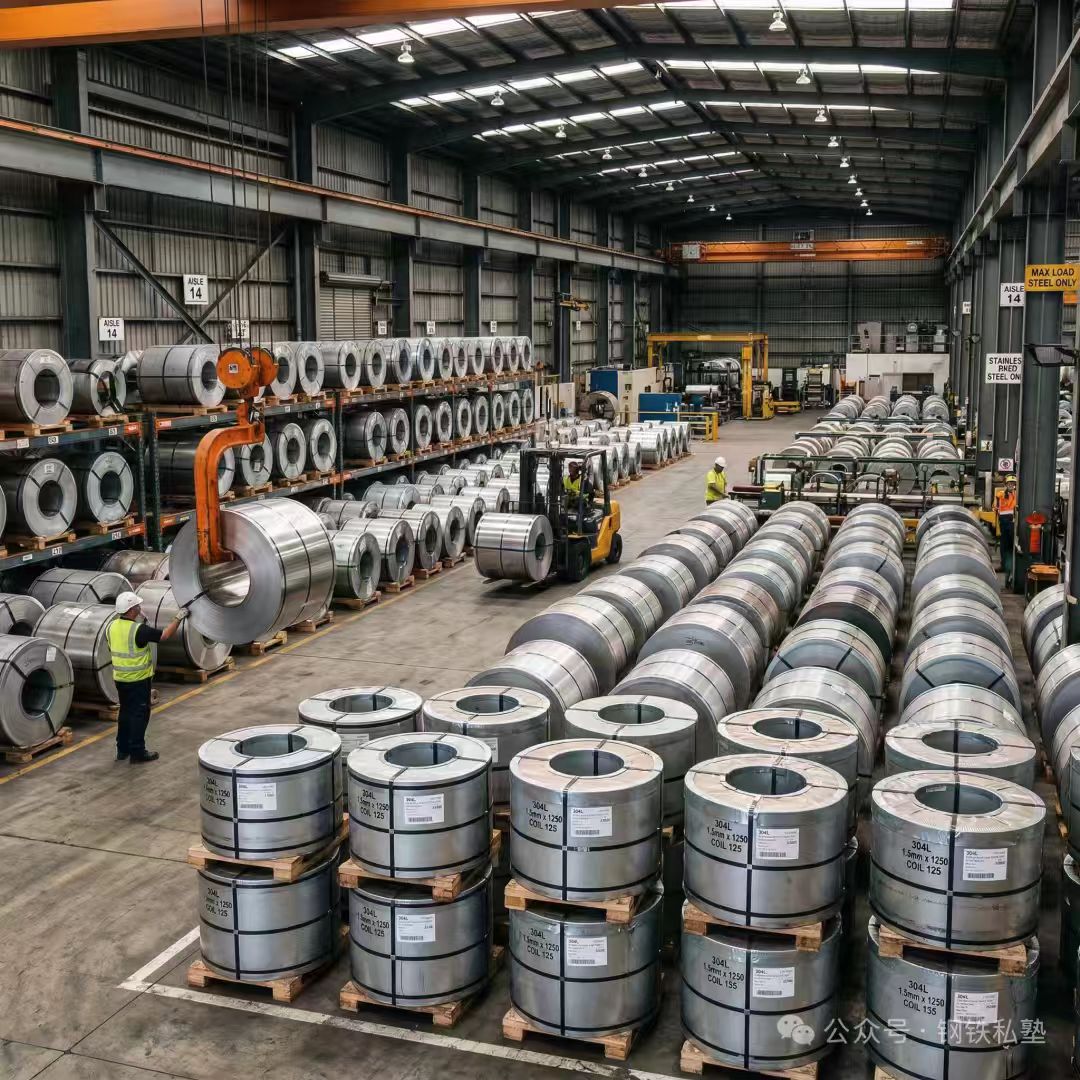

Siyah Paslanmaz Çelik Kaplamalar: 6 İşlem, Çok Sayıda Siyah Tonu
Siyah paslanmaz çelik Siyah paslanmaz çelik, niş bir mimari kaplamadan, dekoratif metal panellerde ve endüstriyel ürünlerde en çok talep edilen yüzey seçeneklerinden birine dönüştü. Ancak siyah paslanmaz çelik tek bir şey değil, bir kategoridir. Karartılmış yüzey, arkasındaki kaplama işlemi ve altındaki metal alt tabaka, nihai rengi, dayanıklılığı ve tasarım olanaklarını şekillendirir. Bu kılavuz, siyah paslanmaz çeliğin aslında ne olduğunu, üreticilerin paslanmaz çelik üzerinde siyah bir kaplamayı nasıl ürettiklerini (gerçek işlemlerle sıklıkla karıştırılan iki terim), aynı "siyahın" işleme bağlı olarak neden tamamen farklı görünebileceğini ve daha yeni bir stilin - sıcak tonlu, eskitilmiş siyahın - bu tabloya nasıl uyduğunu ayrıntılı olarak açıklıyor.
Siyah Paslanmaz Çelik Nedir?
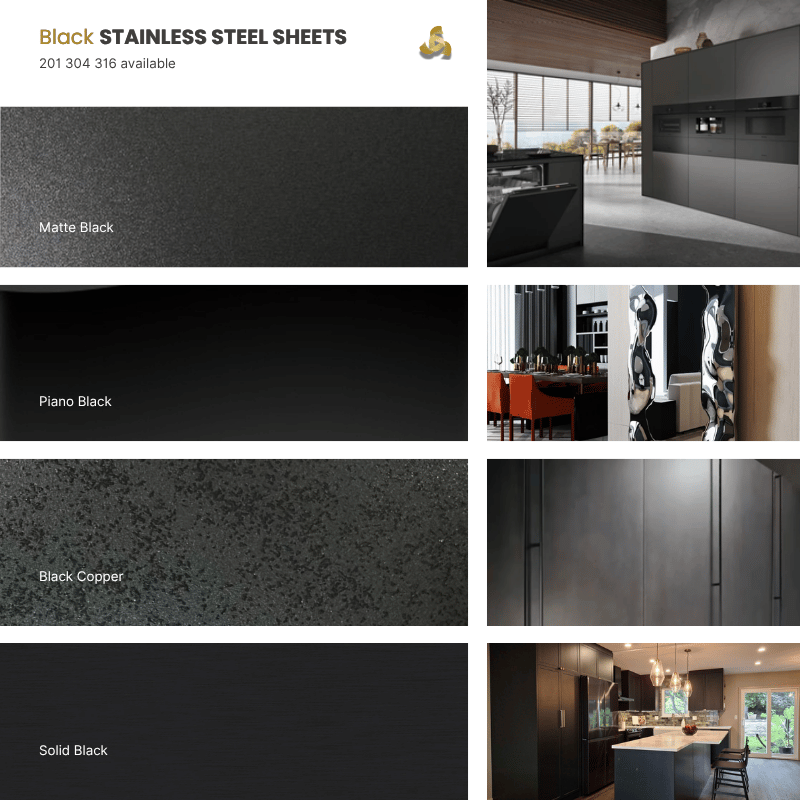
Bazı insanlar siyah paslanmaz çeliğin aslında ne olduğunu merak ediyor - paslanmaz çelik gerçekten doğal renginden siyaha dönebilir mi? Cevap evet. Siyah paslanmaz çelik, soğuk haddelenmiş paslanmaz çelik rulo veya levhanın siyahlaşana kadar yüzey işlemesiyle elde edilir. Temel metalin hangi kalitede olması gerektiğine dair kesin bir sınır yoktur, ancak 201, 304, Ve 316 en yaygın olanlardır, 430 Kullanımı da giderek artıyor. Farklı işlemler farklı siyah tonları üretiyor - mat siyah, ayna siyahı — her birinin kendine özgü parlaklığı ve derinliği var. Bu aynı zamanda iki panelin aynı "siyah paslanmaz çelik kaplama" etiketini taşımasına rağmen gerçek dünyadaki performans ve yüzey görünümü açısından büyük farklılıklar göstermesinin de nedenidir; çünkü dayanıklılığı ve görünümü belirleyen şey sadece malzeme değil, kaplama işleminin kendisidir.
Siyah Paslanmaz Çelik Nasıl Üretilir? Farklı Karartma İşlemleri
Siyah paslanmaz çelik, üç ana işlem yoluyla elde edilir. Su bazlı kaplama (elektrokaplama), orta düzeyde renk stabilitesine sahip en düşük maliyetli seçenektir; siyah kaplamalı paslanmaz çelik üretmenin en erişilebilir yoludur ve değer odaklı, yüksek hacimli standart projeler için uygundur. Vakum kaplama işlemi olan PVD, hedef malzemeye bağlı olarak orta ila yüksek maliyetlidir, ancak en yüksek dayanıklılığı ve renk stabilitesini sağlar; bu da onu, katı ton, hava koşullarına dayanıklılık veya parti tutarlılığı gereksinimleri olan mimari veya üst düzey projeler için tercih edilen yöntem haline getirir. Fırın boyası, altta metal kaplama tabanı olmadan doğrudan paslanmaz çelik yüzeyine uygulanır ve yüksek sıcaklıkta kürlenir; düşük ila orta maliyetlidir ve partiden partiye en güçlü renk uyumunu sağlar, ancak uzun süreli dış mekan maruziyetinden ziyade iç mekan veya daha az aşınmaya maruz kalan kullanım için daha uygundur; kısa süreli veya geçici projeler için idealdir.
| İşlem | Maliyet | Dayanıklılık / Renk Stabilitesi | En İyisi İçin |
|---|---|---|---|
| Su kaplama (elektrokaplama) | Düşük | Ilıman | Değer odaklı, yüksek hacimli standart projeler |
| PVD (vakum kaplama) | Hedef malzemeye bağlı olarak orta ila yüksek. | Yüksek | Ton, eskitme veya parti tutarlılığı konusunda katı gereksinimleri olan mimari veya üst düzey projeler. |
| Fırın boyası (fırınlanmış yüzey) | Düşük ila orta | Partiden partiye güçlü renk uyumu; uzun süreli dış mekan maruziyetinden ziyade iç mekan veya düşük aşınma riski olan uygulamalar için daha uygundur. | Kısa vadeli veya geçici projeler |
Siyah Eloksallı Paslanmaz Çelik mi? Siyah Oksit mi? Açıklığa Kavuşturulması Gereken İki Terim
Bazı insanlar "siyah eloksallı paslanmaz çelik levha" diye arama yapıyor, ancak teknik olarak söylemek gerekirse, eloksal işlemi alüminyum için tasarlanmıştır. Alüminyum doğal olarak, elektroliz altında kalınlaşmaya devam eden gözenekli bir oksit tabakası oluşturur; bu da onu hem aşınmaya dayanıklı hem de boyanması kolay hale getirir. Paslanmaz çeliğin yüzeyi ise tam tersi şekilde çalışır; krom oksit tabakası ince, yoğun ve kimyasal olarak kararlıdır (paslanmaz çeliği korozyona dayanıklı kılan da tam olarak budur), bu nedenle alüminyum gibi oksit tabakası oluşturma kapasitesine sahip değildir. Paslanmaz çelik teknik olarak eloksallanabilir, ancak ortaya çıkan tabaka alüminyumdakinden daha ince, daha az homojen, daha açık renkli ve daha az dayanıklıdır ve genellikle dayanabilmesi için ekstra bir koruyucu üst kaplama gerektirir. "Siyah eloksallı paslanmaz çelik" olarak pazarlananların çoğu aslında PVD veya su kaplama siyahıdır; gerçek eloksal işlemi nadiren kullanılır, hatta bu terim kullanıldığında bile.
Paslanmaz çelik üzerindeki siyah oksit kaplama, diğerleriyle karıştırılan bir başka terimdir. Bu, çelik yüzeyinin oksitleyici bir çözeltiyle reaksiyona girerek siyah bir demir oksit tabakası oluşturduğu kimyasal bir dönüşüm işlemidir; bu işlem, paslanmaz çeliğin koruyucu krom oksit tabakası aynı reaksiyona direnç gösterdiği için, düz karbon çeliği için paslanmaz çeliğe göre çok daha uygundur. Paslanmaz çelikte, siyah oksit daha ince ve daha az dayanıklı bir siyah renk üretir; bu nedenle, tek başına siyah paslanmaz çelik üretme yöntemi olarak değil, eskitme işleminin erken bir aşaması olarak (panel seçici olarak parlatılıp kaplanmadan önce koyu bir taban oluşturmak için uygulanır) en iyi sonucu verir. Bu eskitme işleminin nasıl çalıştığı hakkında daha fazla bilgi için aşağıdaki sıcak tonlu siyah bölümüne bakın.
Aynı siyah kaplamalı çelik, farklı sonuçlar.
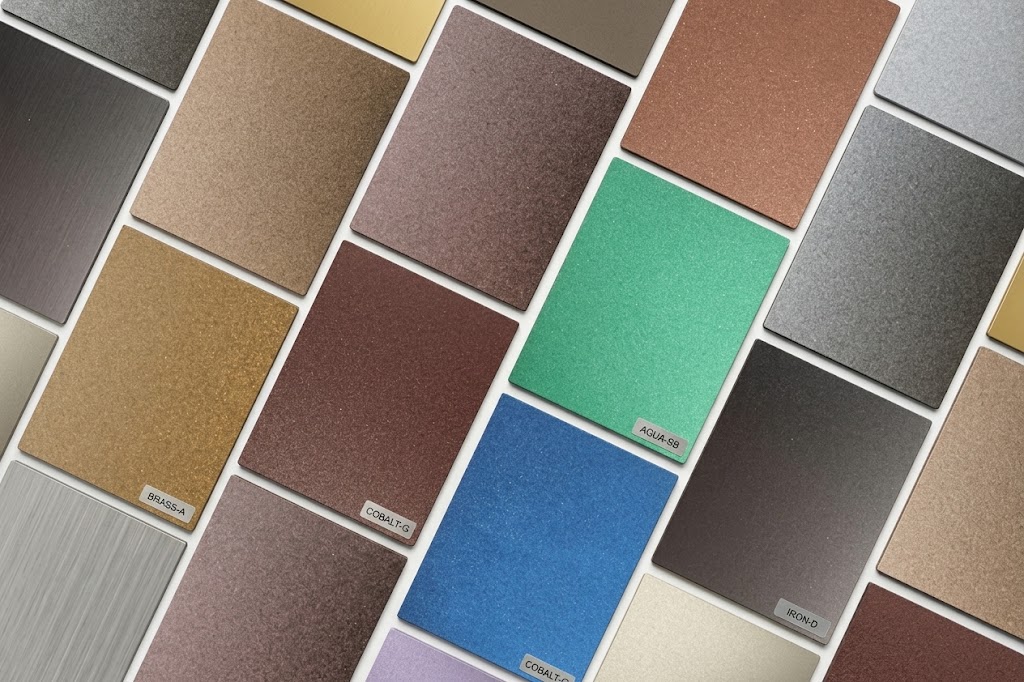
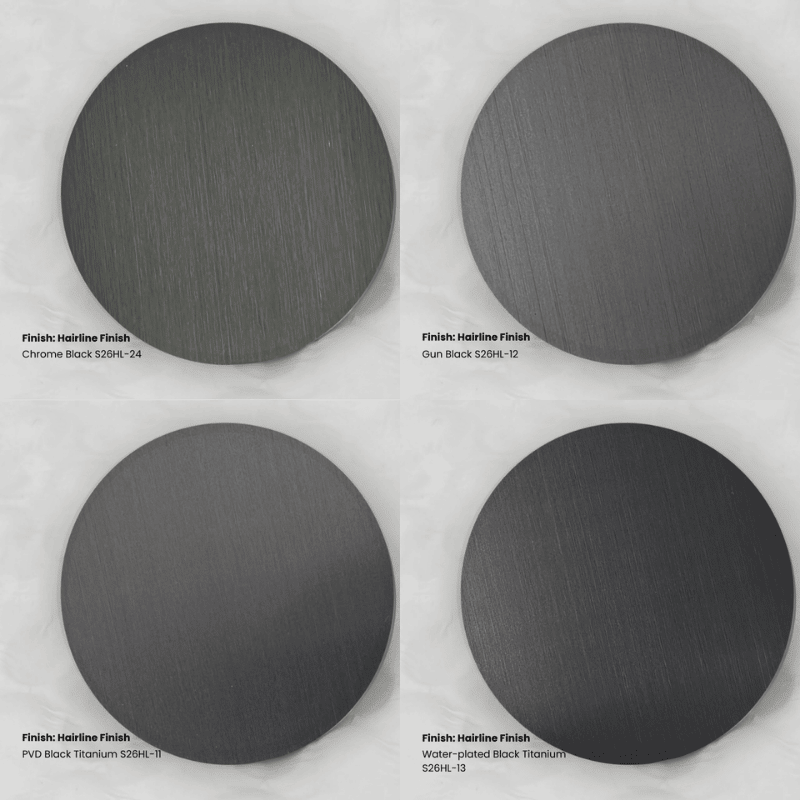
Paslanmaz çelik için siyah kaplamalar tek bir görünüm anlamına gelmez; siyah paslanmaz çeliğin gerçekte nasıl göründüğü, hangi işlemden geçirildiğine büyük ölçüde bağlıdır. Birkaç tedarikçiden "siyah kaplama paslanmaz çelik" isteyin ve birbirinden farklı görünümlü birkaç panel elde edebilirsiniz:
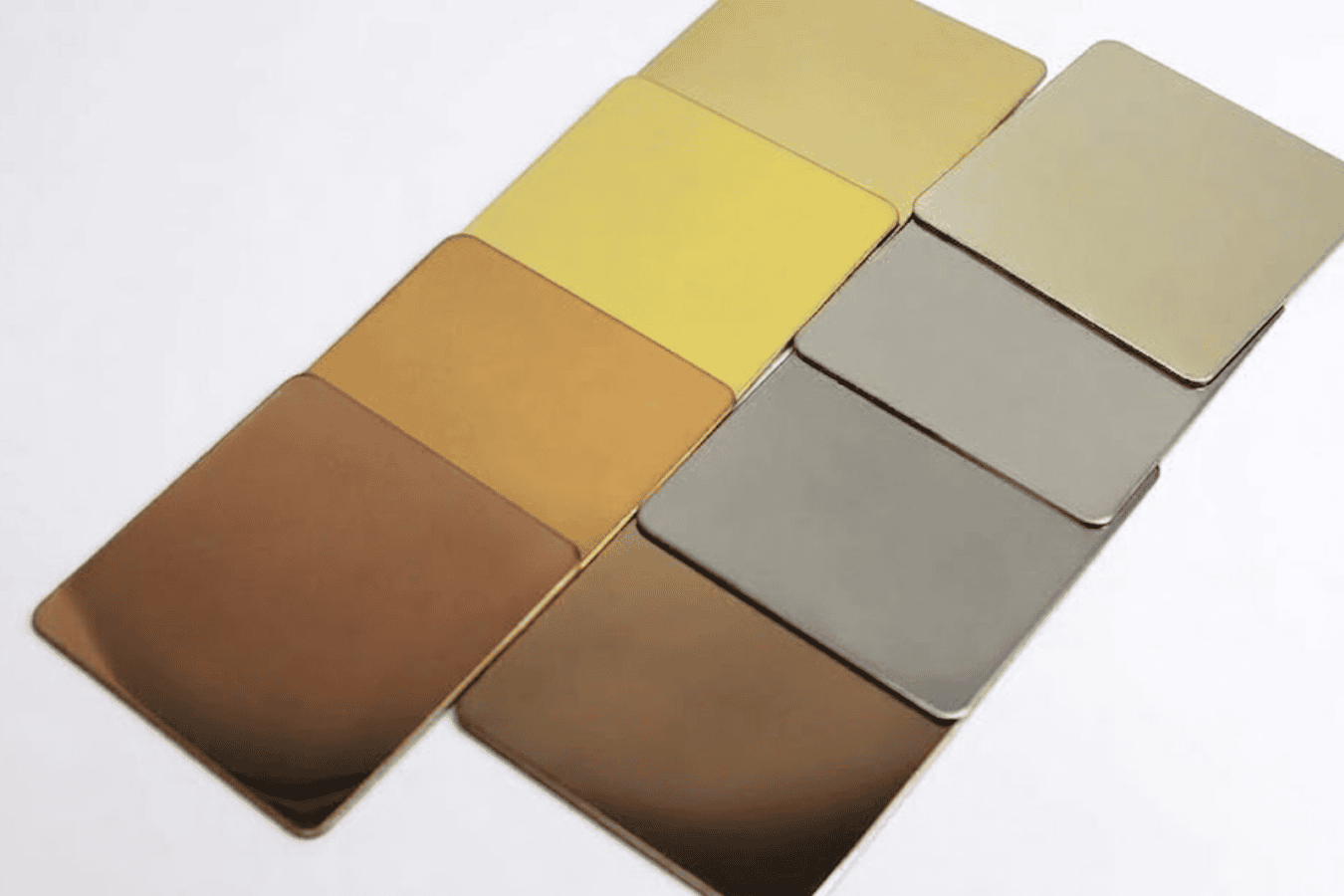
- Su ile kaplanmış siyah titanyum: En koyu, en doygun siyah tonu, gözle görülür alt ton kayması yok — düz, gerçek siyah. Piyasadaki en yaygın ve bütçe dostu siyah paslanmaz çelik kaplama.
- PVD titanyum siyahı (Ti-black): Hafif mor alt tonlu siyah, özellikle güçlü veya doğrudan ışık altında daha belirgindir; düz siyaha göre daha fazla görsel derinlik sunar.
- PVD kaplamalı silah siyahı: Nötr, karbon grisi bir siyah; titanyum siyahının morumsu derinliğinden daha soğuk ve daha sade olup, aydınlatma koşullarında tonunu tutarlı bir şekilde korur.
- PVD krom siyah: Parlak ışık altında hafif yeşil-sarı bir alt tonu olan siyah renk, yüksek korozyon direncine sahip krom karbür kaplama sayesinde elde edilmiştir.
Bunlar sadece estetik farklılıklar değil; maliyet, renk uyumu güvenilirliği ve hava koşullarına dayanıklılık performansı açısından gerçek farklılıklar içeriyorlar; bu nedenle "siyah paslanmaz çelik" tek başına arama terimi olarak kullanıldığında bu kadar tutarsız sonuçlar veriyor.
Alttaki oje de görünümü değiştiriyor.
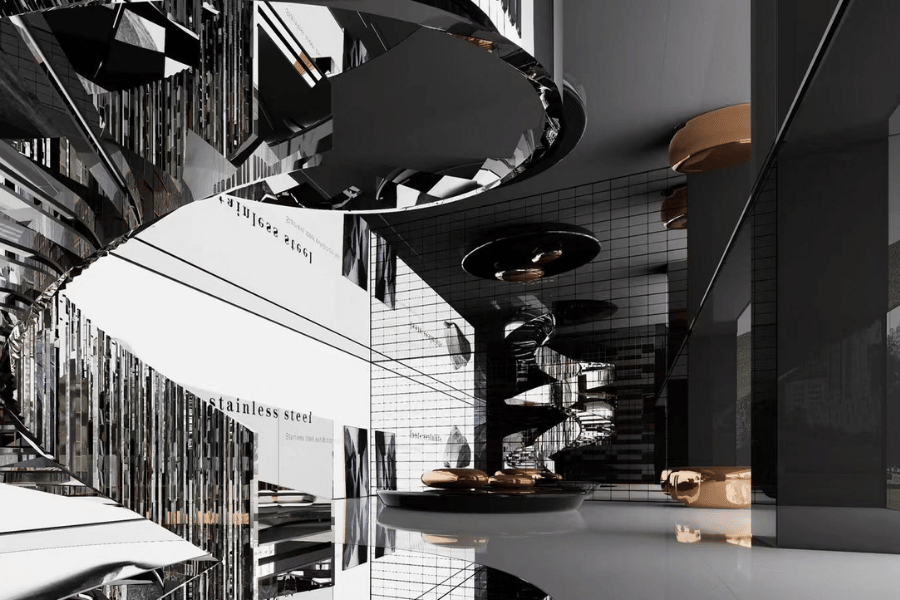
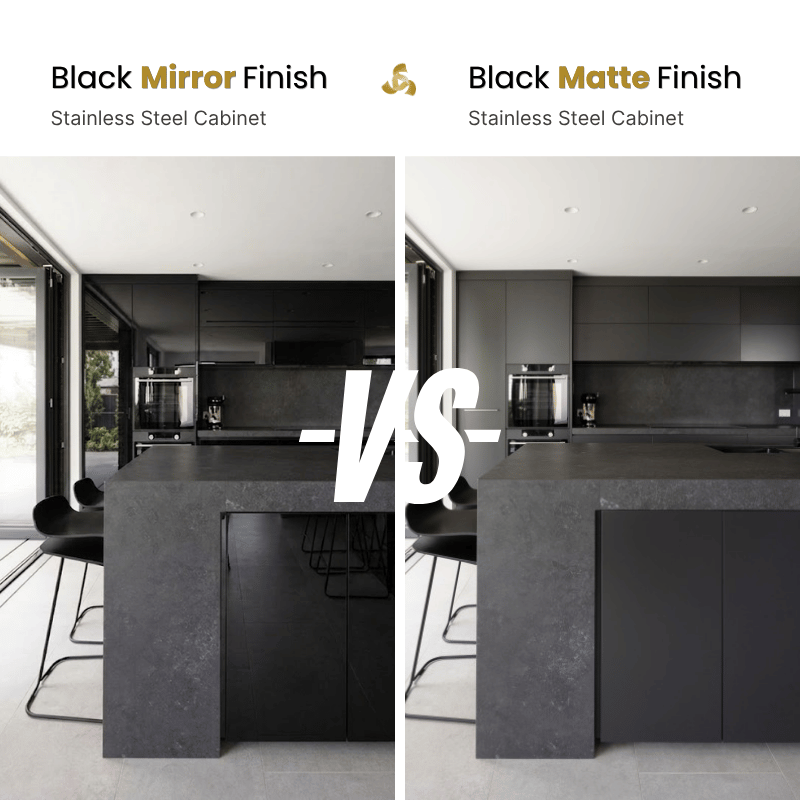
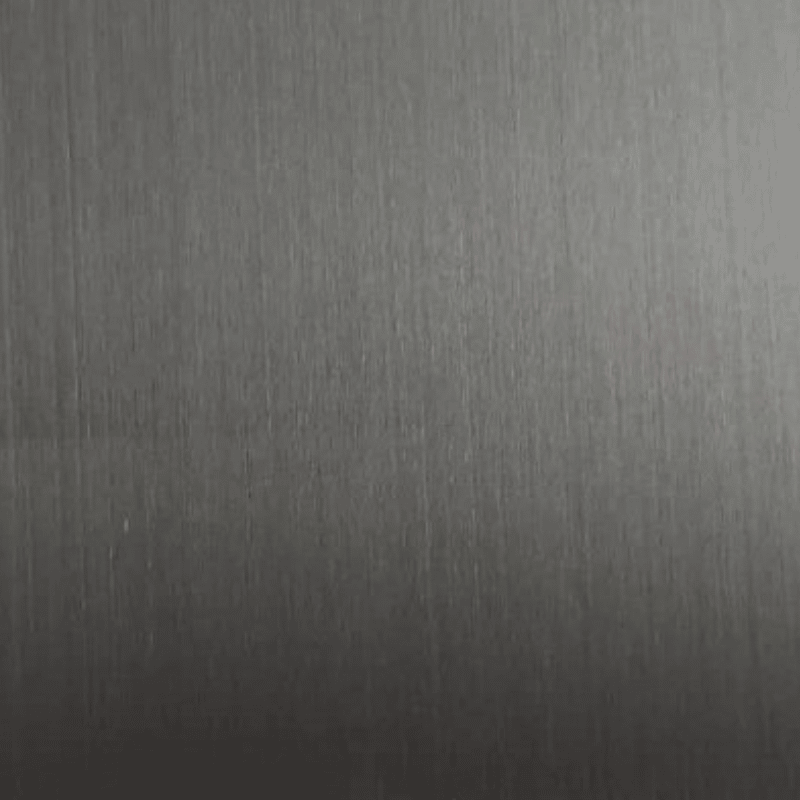
Yukarıdaki beş faktörün ötesinde, bir değişken daha var: kaplamanın altındaki temel cila. Bu iki ayrı işlem değil, bir spektrumda yer alan tek bir cilalama işlemidir ve cilalama derecesi sonucu belirler: daha düşük bir cilalama derecesi daha kötü bir sonuç bırakır. mat Yüzey düşük yansıtıcılığa sahipken, kademeli olarak daha yüksek cilalama işlemi, tam bir yüzeye kadar giderek daha yansıtıcı sonuçlar üretir. siyah ayna cilalı paslanmaz çelik — derin, yüksek parlaklıkta bir yüzeyle. Fırçalanmış, saten, kılcal çizgi ve diğerleri gibi diğer adlandırılmış dokular, bu tabanın üzerine eklenen ayrı, tamamlayıcı kaplamalardır, tabanın kendisi değildir. Aynı kaplama işlemine sahip iki panel, alttaki metalin ne kadar parlatıldığına bağlı olarak tamamen farklı ürünler gibi görünebilir.
Örnek bir çip üzerinde düz ve homojen görünen bir şey, dokulu veya boyutlu bir panele uygulandığında çok farklı davranabilir; işte bu noktada bir sonraki bölüm devreye giriyor.
İlgili Siyah Paslanmaz Çelik Kaplamalar
Siyah Ayna Sayfası
Yüksek yansıtıcılığa sahip cilalı yüzey, üst düzey mimari detaylar, lüks perakende ve dekoratif paneller için koyu tonlarla birleştirilmiştir.
Siyah Mat Levha
Yansıtıcı olmayan saten dokusu, modern iç cephe kaplamaları, asansör iç mekanları ve üst düzey ev aletleri için ideal olan, zarif ve dokunsal bir parlaklık sunar.
Dokulu ve Desenli Siyah Paslanmaz Çelik Paneller
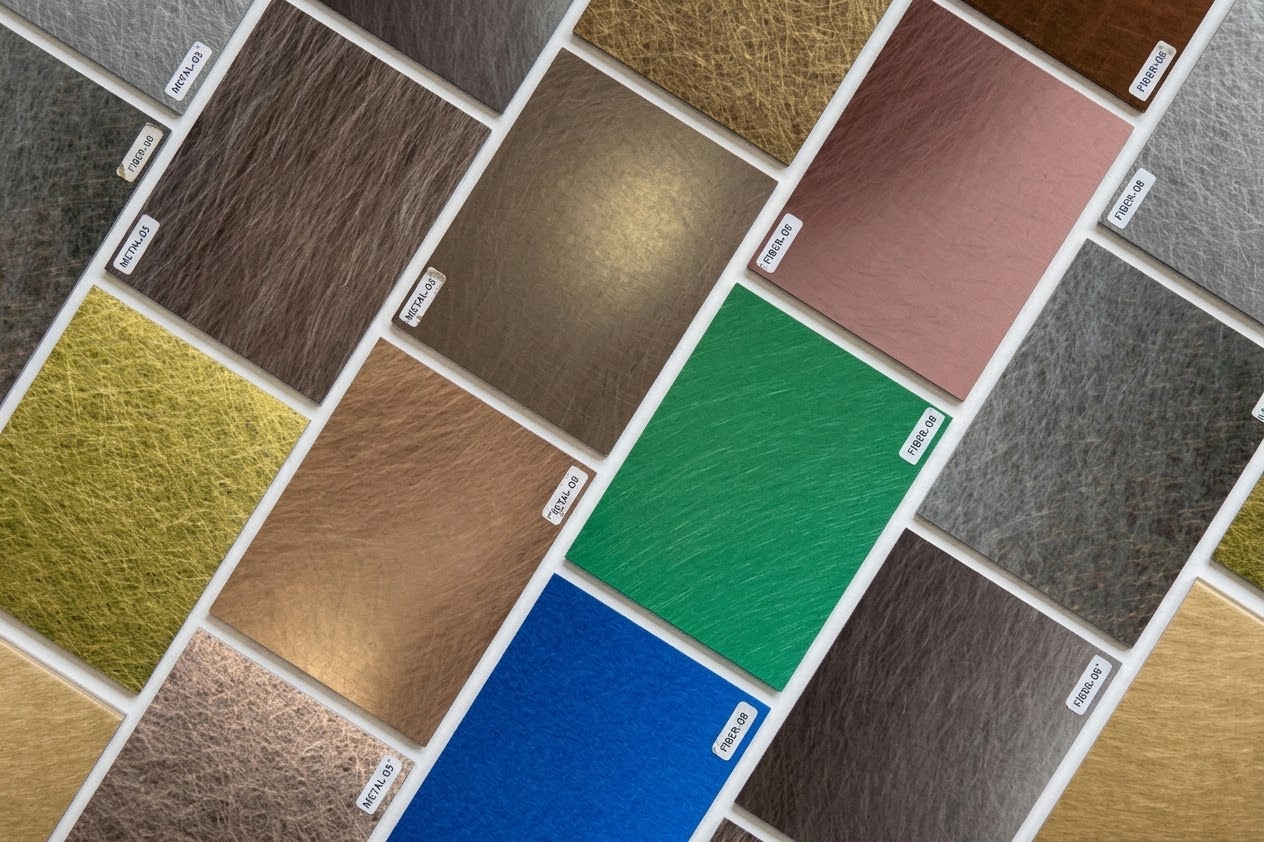
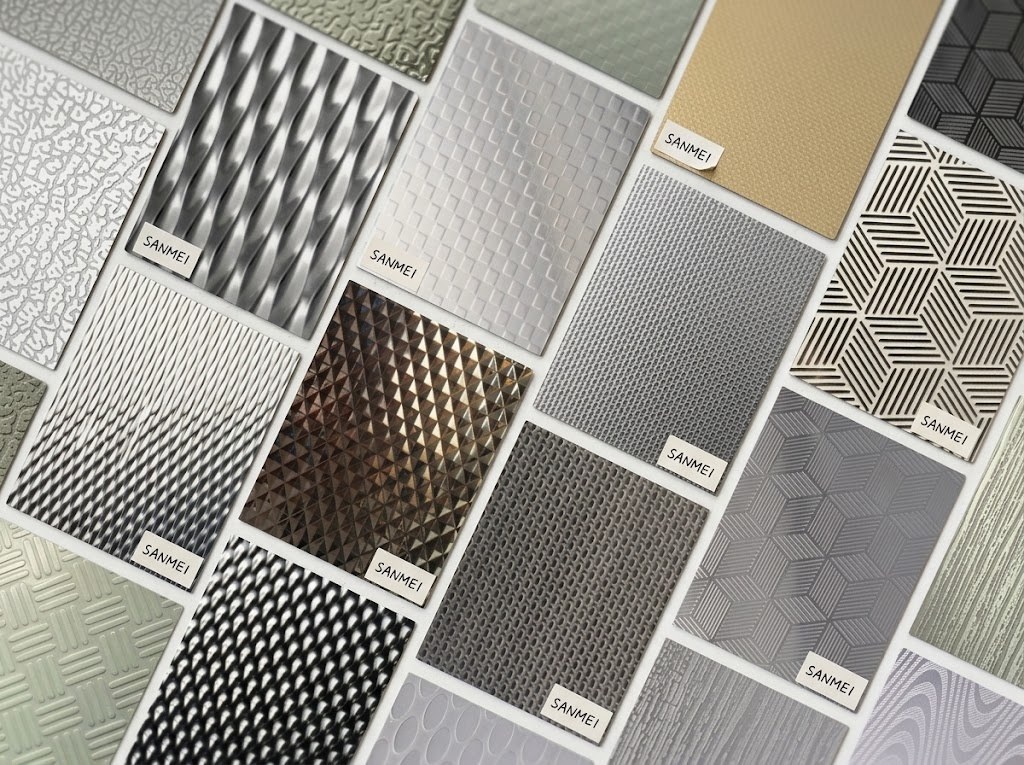
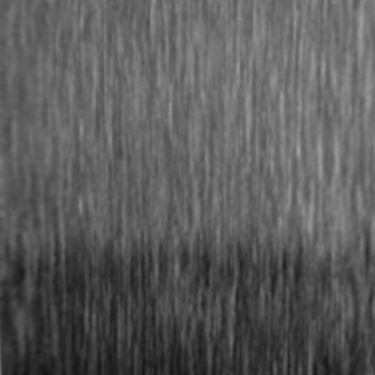
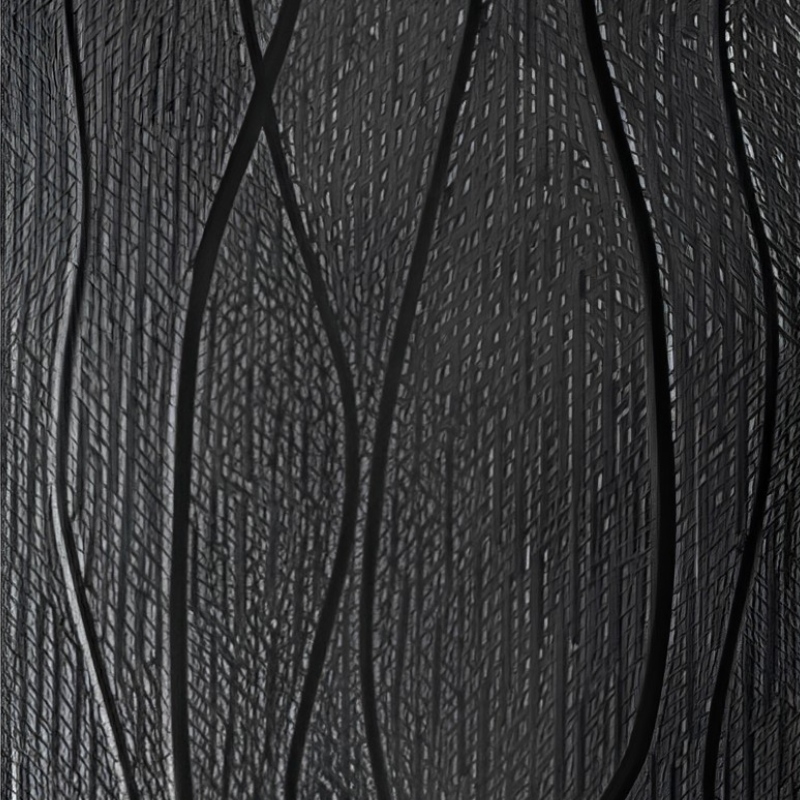
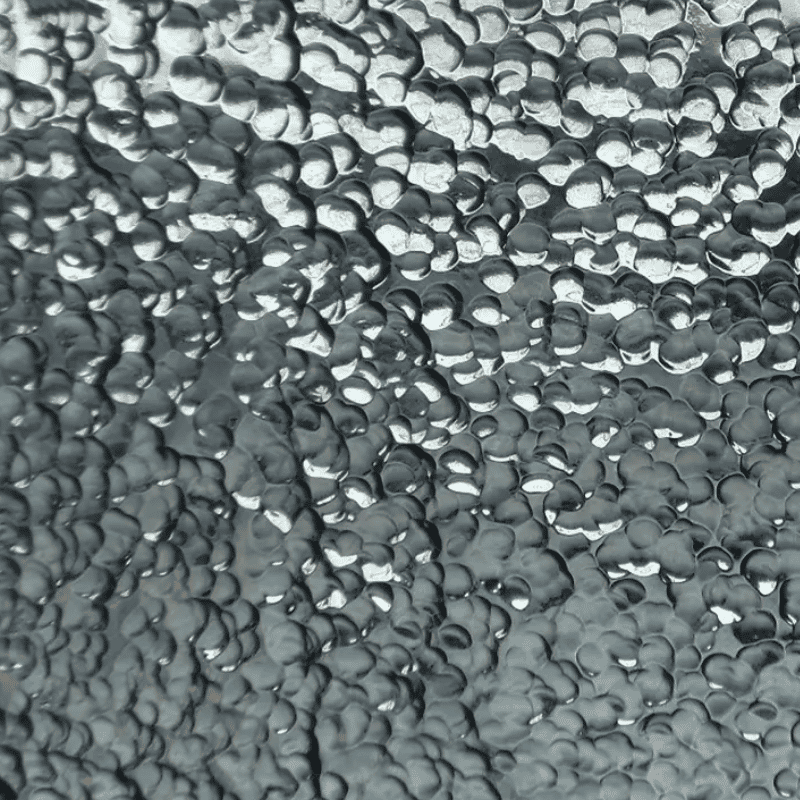
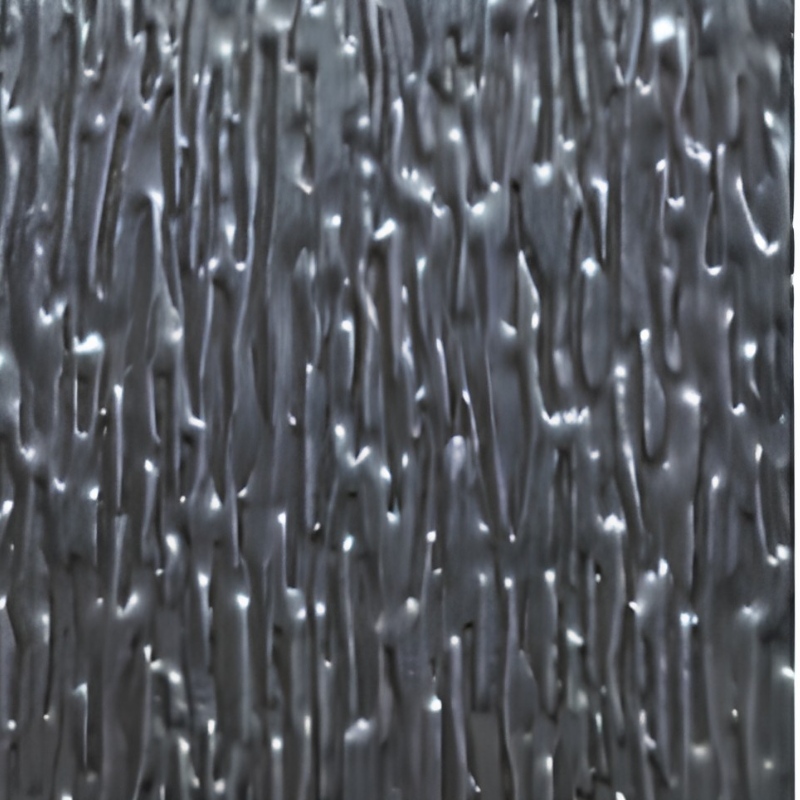
Siyah, illa ki düz veya sade anlamına gelmez. Siyah kaplamanın altındaki yüzey, kendi başına düz bir yüzeye sahip olabilir. No.4 , saç çizgisi (HL), veya kumlanmış — her biri, herhangi bir desen eklenmeden önce siyaha farklı bir doku ve yansıtıcılık kazandırır. Bunun da ötesinde, desenli siyah paslanmaz çelik — ahşap deseni, taş deseni ve diğer baskılı, kazınmış veya lamine edilmiş Motifler, siyah bir panele fiziksel profilini değiştirmeden görsel ilgi katar. Bu desenler düzdür: göze dokulu, dokunulduğunda pürüzsüzdür.
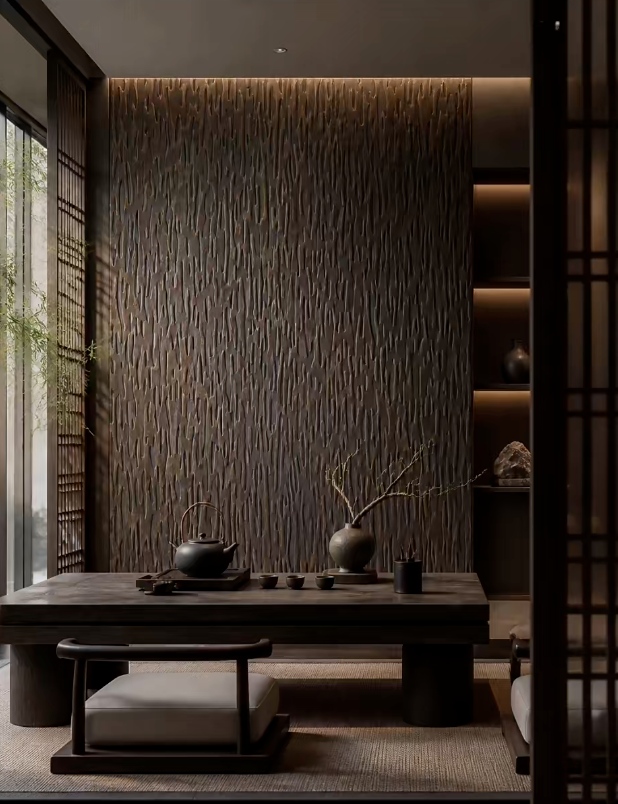
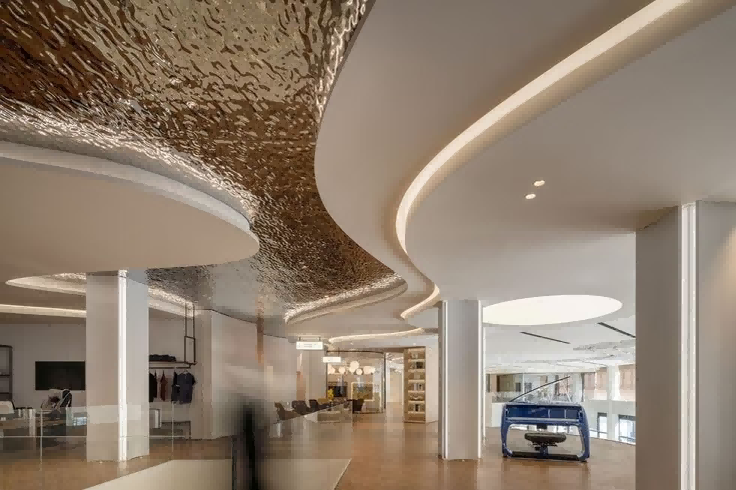
Gerçek anlamda üç boyutlu bir yüzey elde etmek için metalin fiziksel olarak şekillendirilmesi gerekir; baskı veya kazıma yöntemiyle değil. İşte burada devreye giriyor. kabartma, çekiçleme, Ve su dalgası Presleme işlemleri sırayla uygulanır ve her biri gerçek anlamda boyutlu bir yüzey oluşturur; bu yüzey daha sonra yukarıda bahsedilen PVD veya su kaplama işlemleri kullanılarak siyaha boyanır. Sonuç olarak, hem görsel hem de dokunsal derinliğe sahip siyah bir metal panel elde edilir.
Bu boyutlu yapıyı kullanmanın daha gelişmiş bir yolu da var: Dokulu bir panelin yükseltilmiş ve girintili alanlarının tek bir düz siyah yerine iki farklı ton almasını sağlamak. Bu da bir sonraki bölümde ele alacağımız "renkli siyah" efekti.
Sıcak Tonlu Siyah: Antikleştirilmiş ve Çok Tonlu Kaplamalar
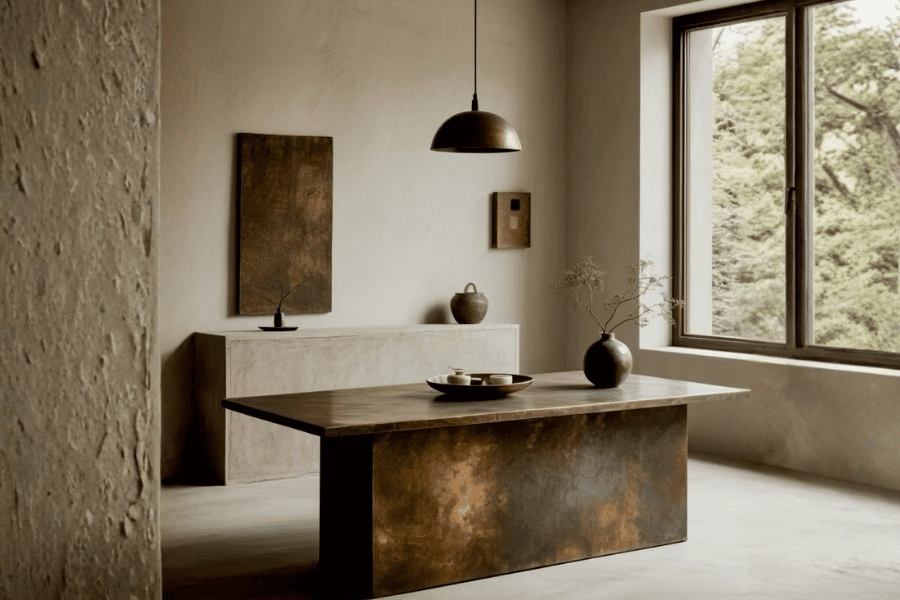
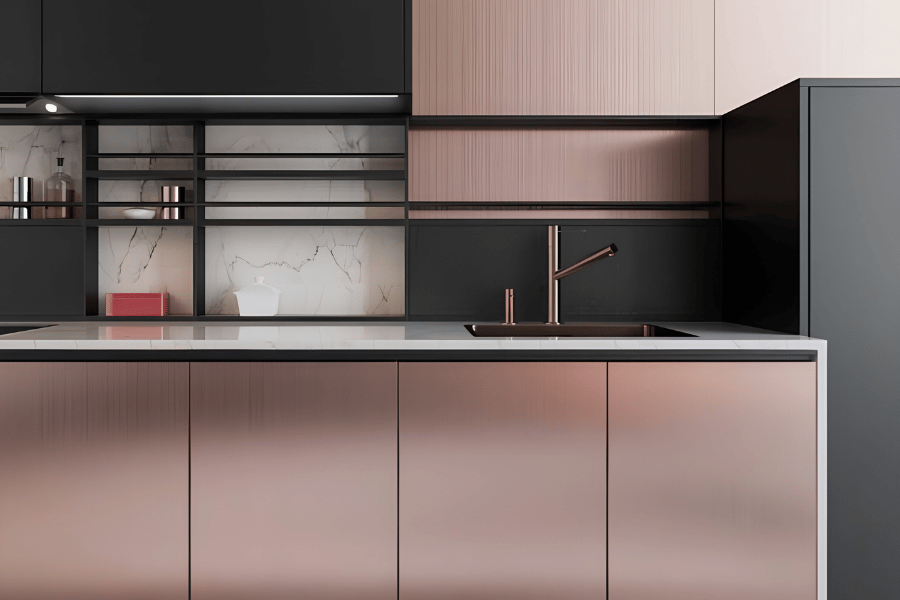
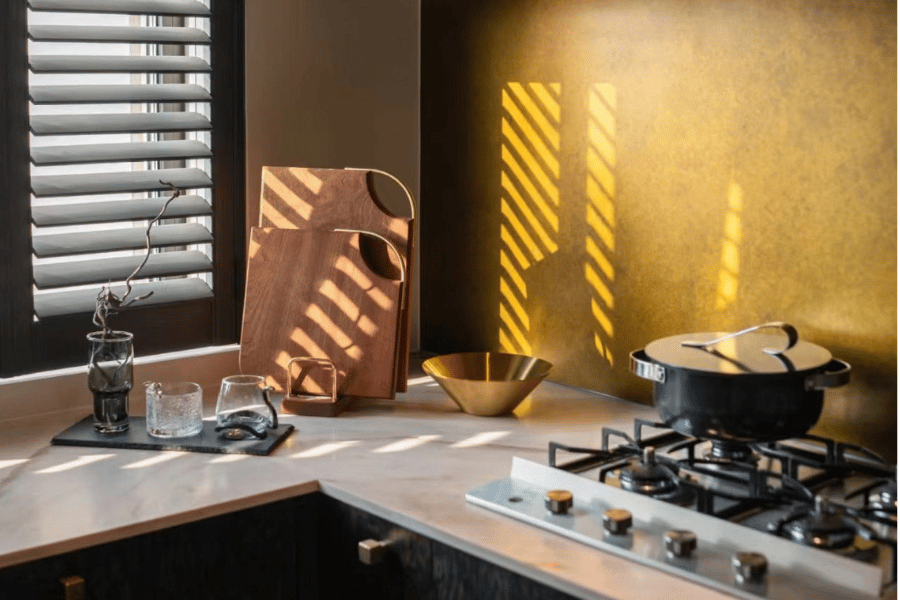
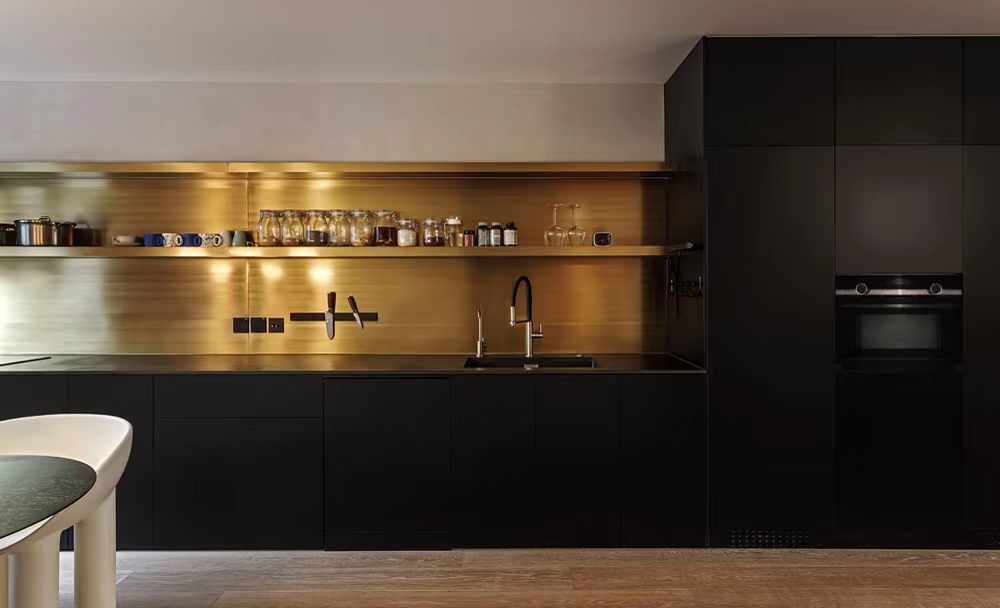
Son dönemdeki donanım ve iç tasarım trendlerine ilişkin haberler ilginç bir ayrılığa işaret ediyor: Mat siyah, minimalist, endüstriyel ve Japon mimarisinden etkilenen tarzların genelinde baskın renk olmaya devam ederken, antik bakır, eskitilmiş pirinç ve cilalı bronz gibi sıcak, vintage tonlar da onun yanında gerçek bir ivme kazanıyor. Başka bir deyişle, siyah artık tek bir görünüm değil. Bildiğimiz soğuk mat siyahın yanı sıra, daha sıcak ve karakterli "renkli siyah" da var ve tasarımcılar giderek her ikisini de, bazen aynı projede, kullanıyorlar.
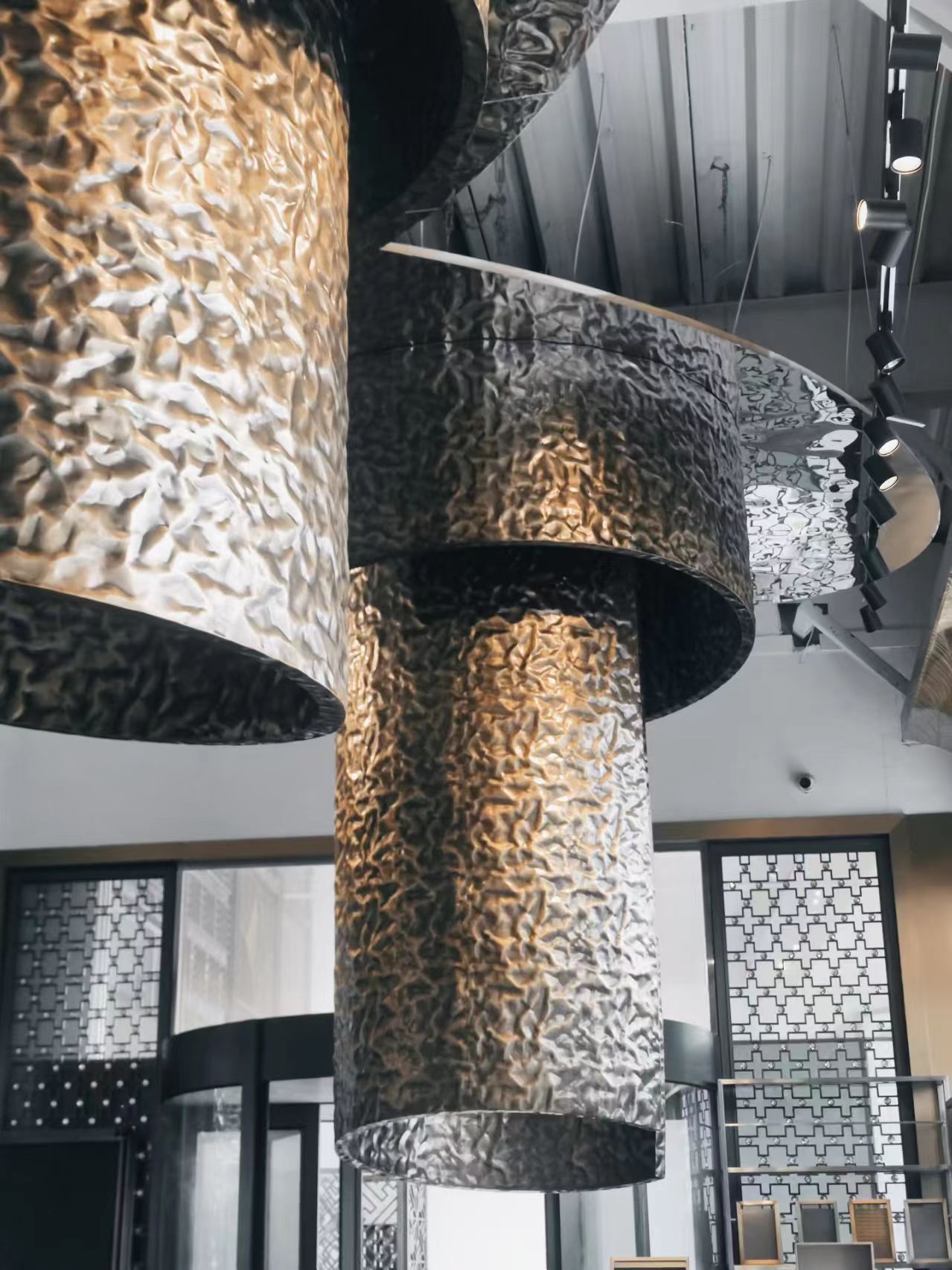
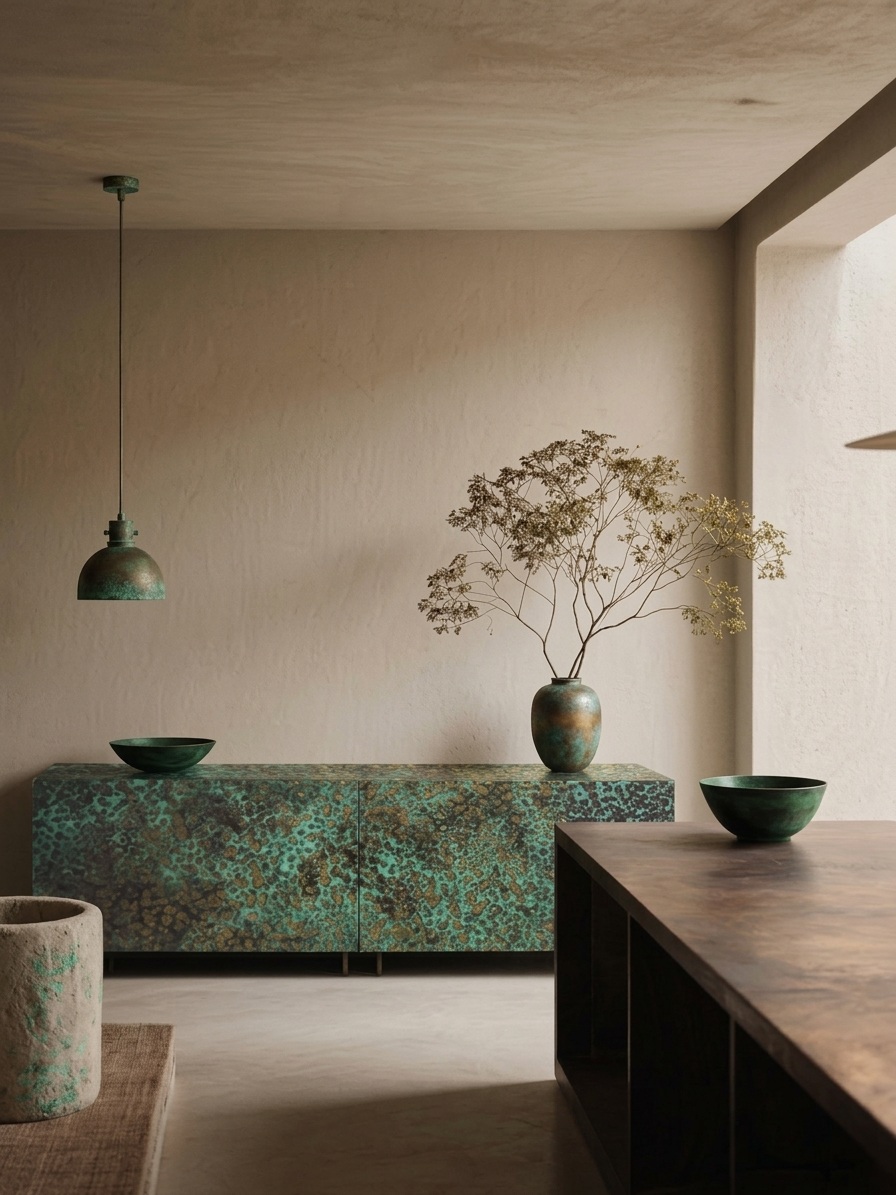
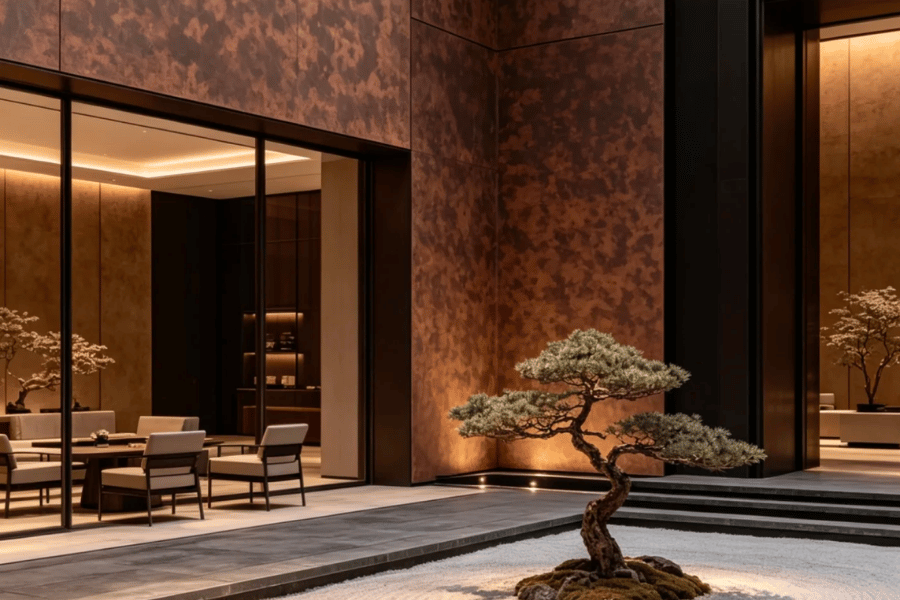
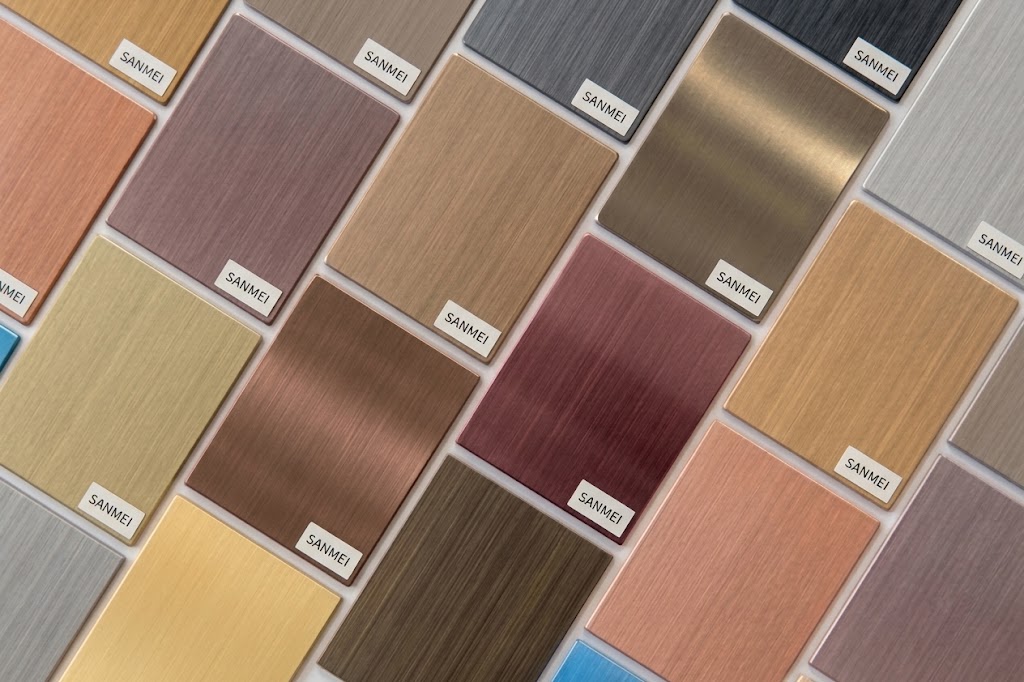
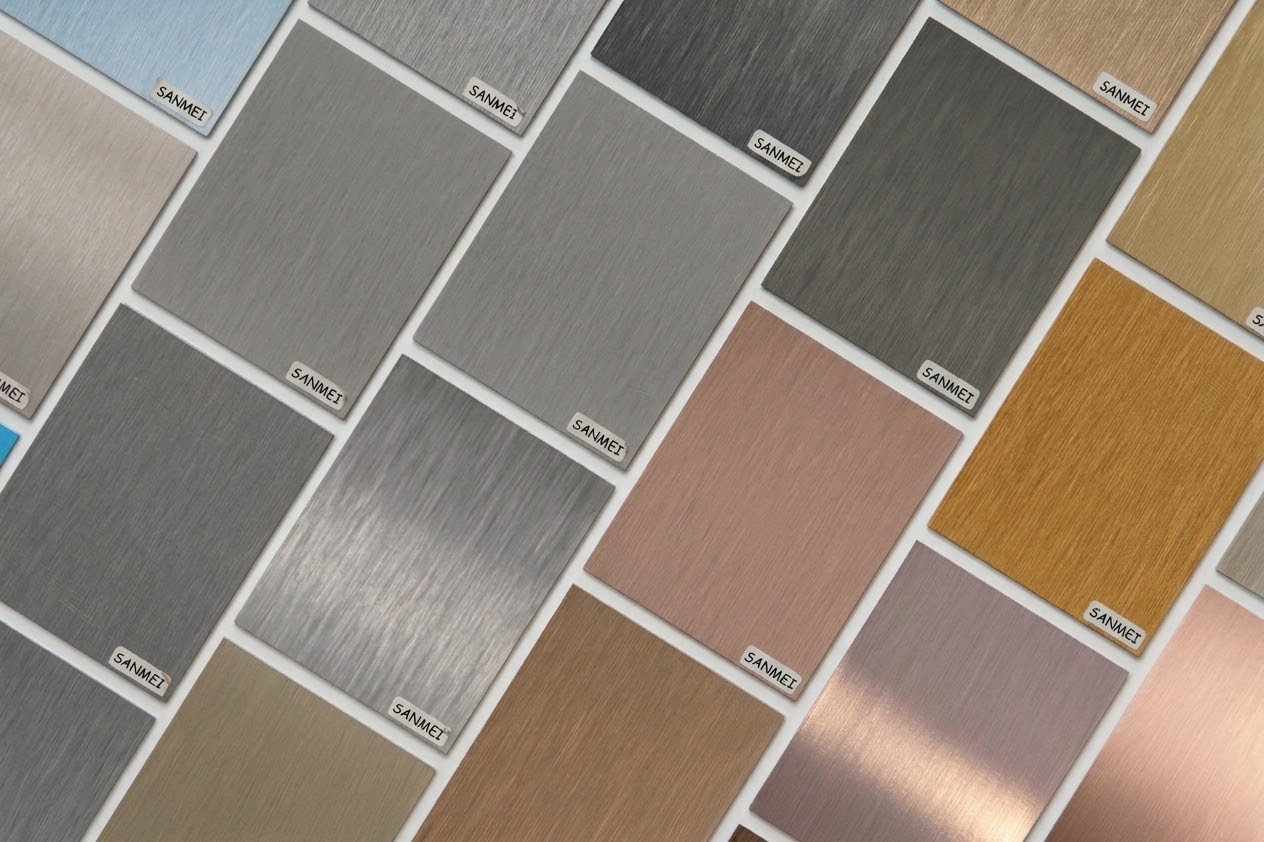
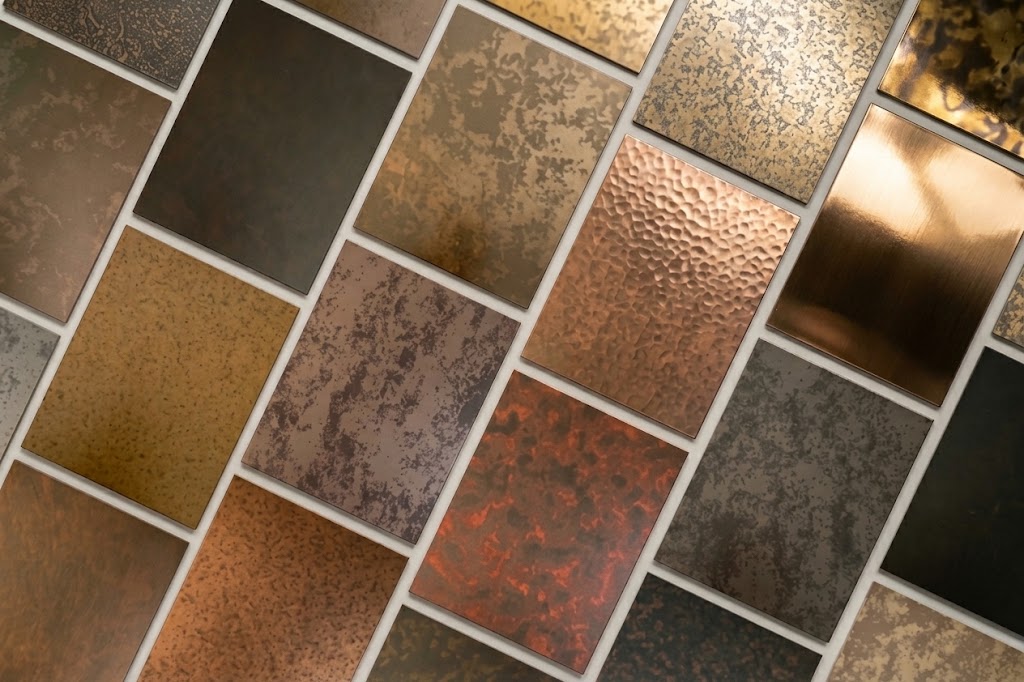
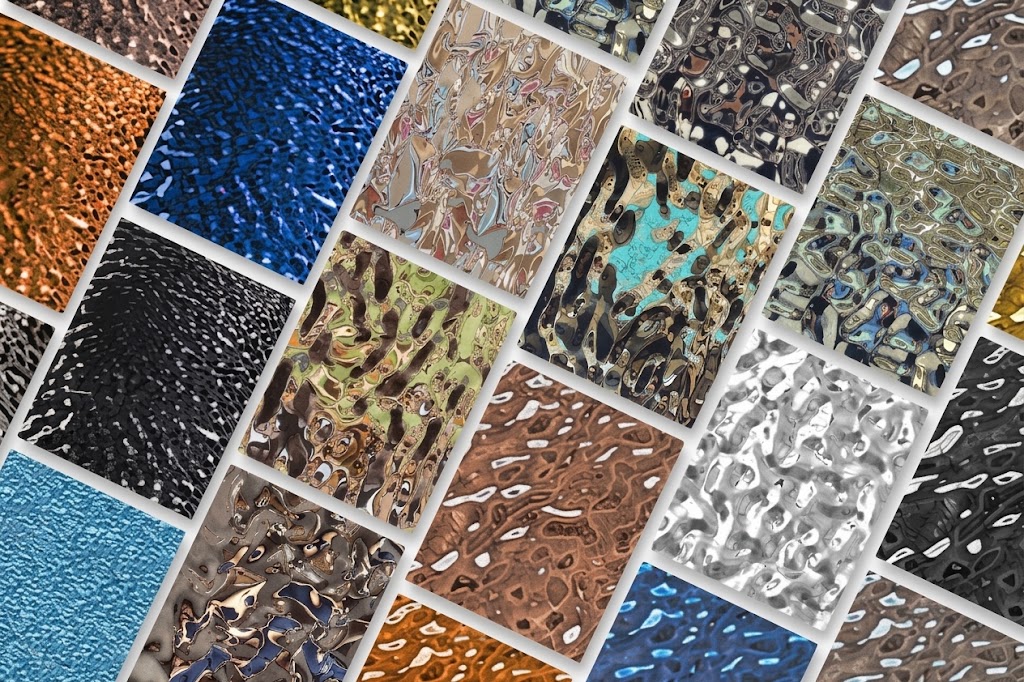
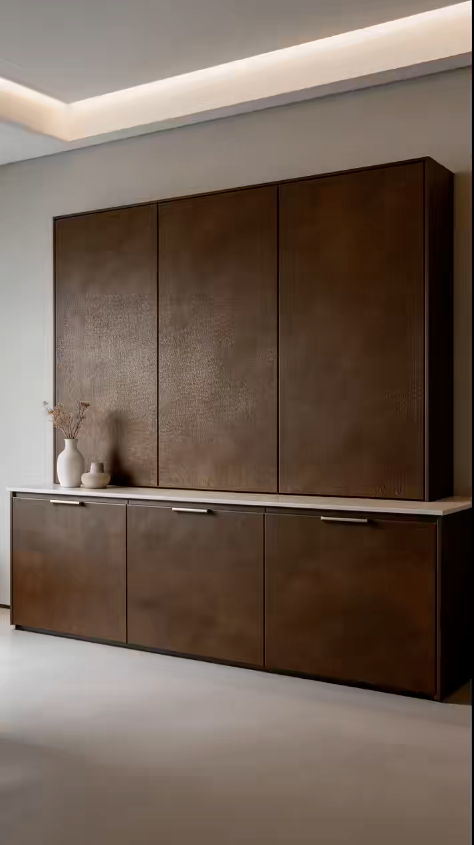
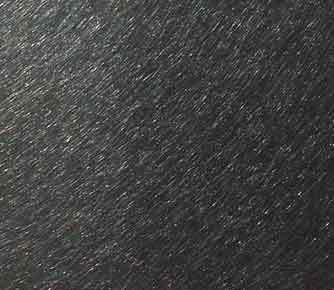
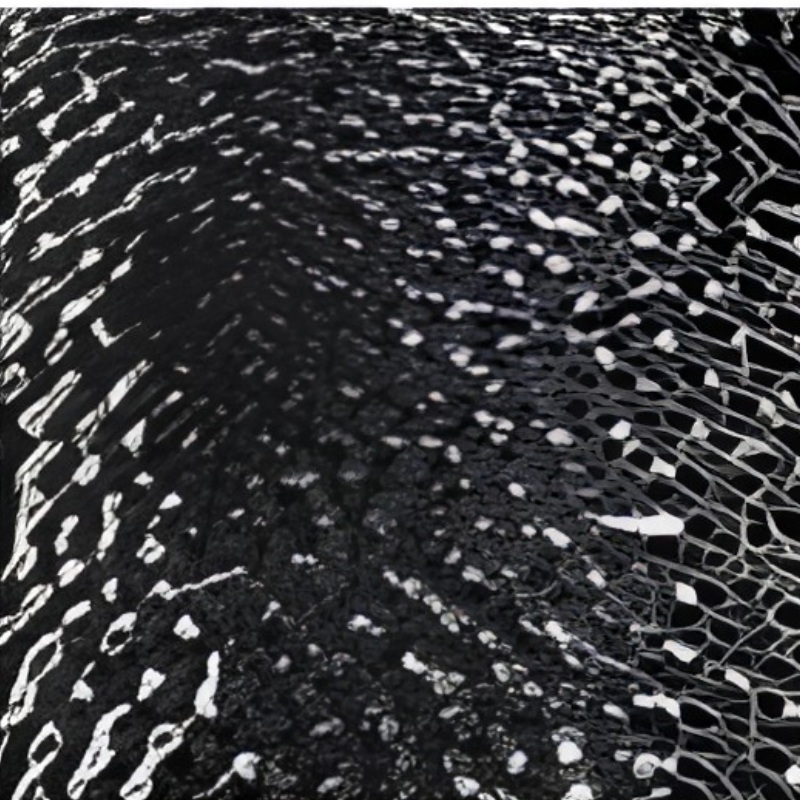
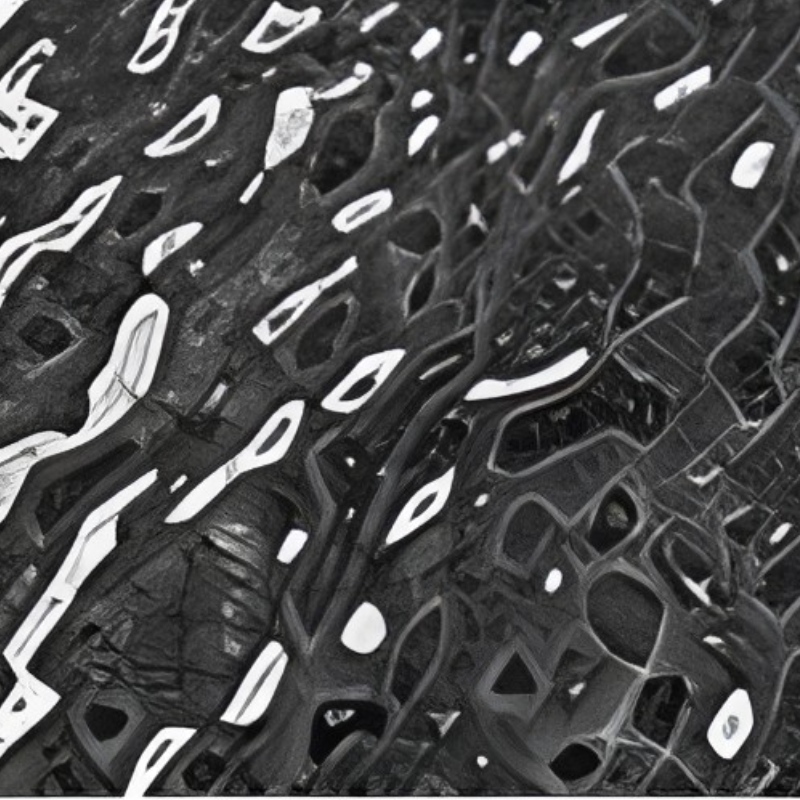
O daha sıcak, eskitilmiş görünüm – koyu bir taban üzerine düzensiz bir şekilde metalik vurgular – tek bir temel işlemden gelir: panel cilalanır, oksitleyici bir işlemle tamamen karartılır, ardından üzerine vurgu rengi (altın, şampanya altını, bakır veya benzeri) ile kaplanır. Temel son adım ise eskitme işlemidir – yüzeyi silmek, cilalamak veya asit ve süngerle işlemek – vurgu katmanını aşındırarak alttaki siyahın yıpranmış bir desenle görünmesini sağlamaktır. Bu adımı atlarsanız, panel düz ve tekdüze bir renkte kalır.
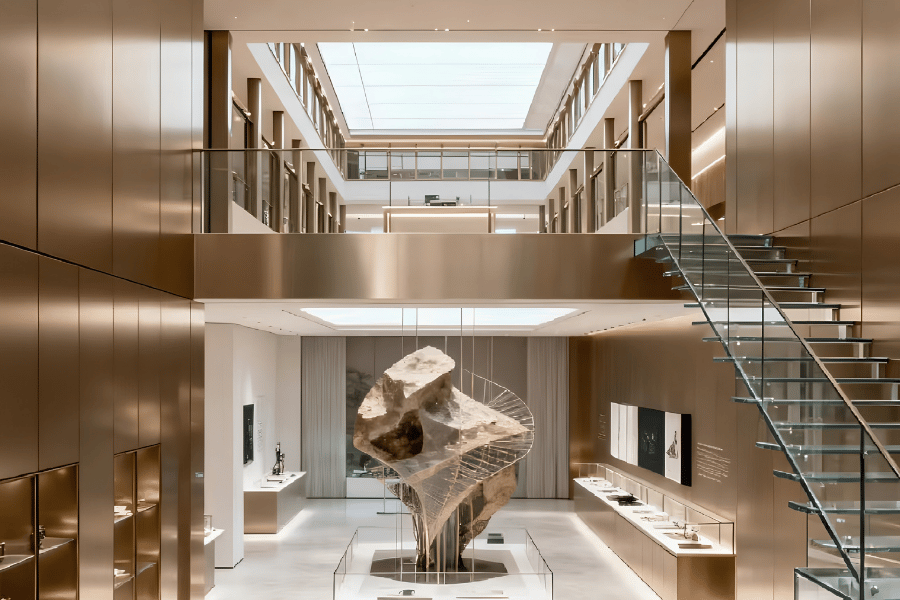
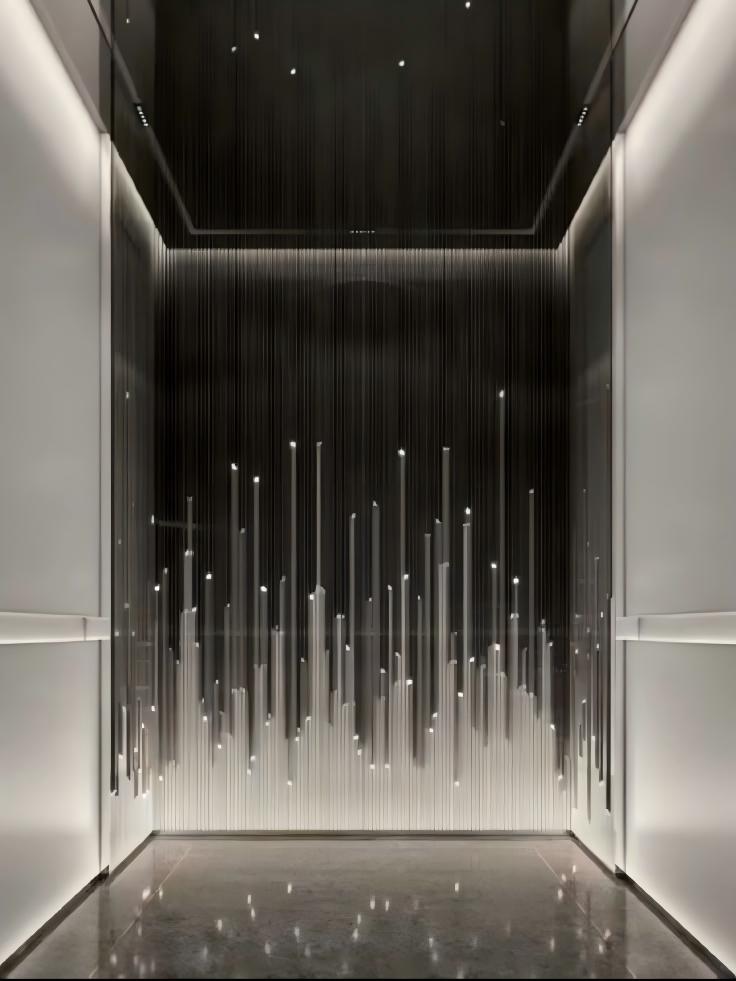
Sonuç: Dokusu boyunca ışığı yakalayan sıcak metalik vurgulara sahip siyah bir panel; baskı değil, gerçek bir antika izlenimi veren, eskitilmiş, el işçiliğiyle tamamlanmış bir karakter. Geri dönüştürülmüş ahşap, eskitilmiş pirinç veya açıkta bırakılmış tuğlanın zaten işe yaradığı mekanlara uyum sağlar: vurgu duvarları, asansör içleri, barlar ve restoranlar, butik otel lobileri ve temiz, tekdüze bir siyah yerine sıcaklık ve tarih isteyen her türlü kaplama veya panel.
Ürünleriniz için neden siyah paslanmaz çeliği tercih etmelisiniz?
Bu, dayanıklılık endişeleri de dahil olmak üzere, gerçek bir bakım sorununu çözüyor. Siyah paslanmaz çelik için en yaygın temel dokular olan fırçalanmış ve saten yüzeyler, yönlü tanecik yapısı ışığı dağıttığı ve temas izlerini gizlediği için, cilalı veya ayna yüzeylere göre parmak izlerini ve lekeleri gizlemede doğal olarak daha iyidir. Alıcılar genellikle siyah paslanmaz çeliğin çizilip çizilmeyeceğini sorarlar ve modern kaplamalar insanların beklediğinden çok daha iyi dayanır: PVD krom kaplamalar ve nano kaplama işlemleri, kaplamanın kalkması veya çıplak metale kadar aşınması olmadan, anahtarlar, madeni paralar ve günlük darbeler de dahil olmak üzere günlük aşınmaya karşı dayanıklı, yoğun ve sert bir yüzey katmanı oluşturur.
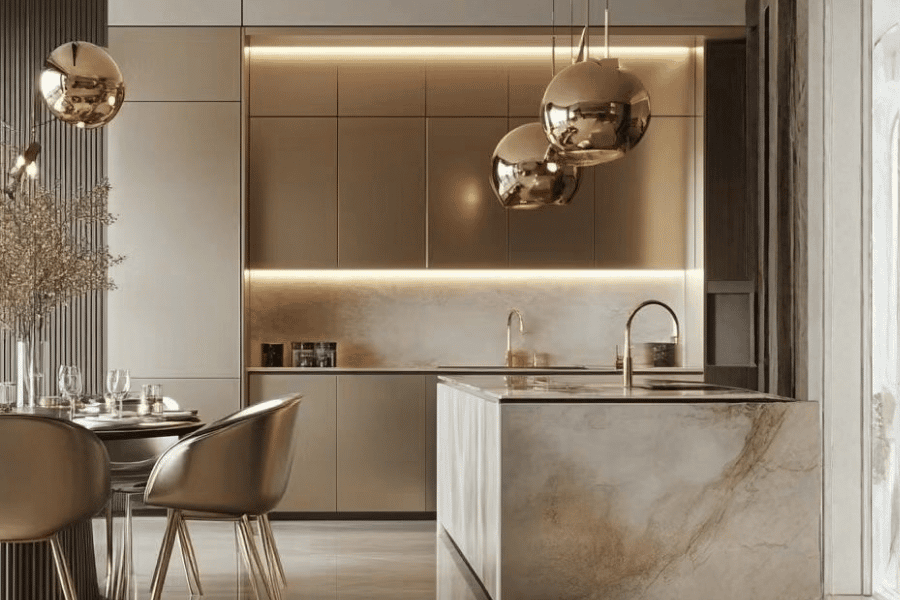
Minimalist tasarımın zaten var olduğu ve sıcak tonların giderek popülerleştiği yerlere uyuyor. Ticari ve mimari iç mekanlarda, siyah-beyaz ve monokrom paletler geçici bir trend değil, temel bir tasarım dilidir ve siyah paslanmaz çelik, tasarımcılara paslanmaz çeliğin dayanıklılığından ve ömründen ödün vermeden bu palete uyan dayanıklı, korozyona dayanıklı bir malzeme sunar. Ve siyah tek bir seçenek olmaktan da öte: tanıdık soğuk mat siyahın yanı sıra, yukarıda ele alınan sıcak tonlu, eskitilmiş siyah da giderek daha fazla ilgi görüyor; her ikisini de sunabilmek başlı başına bir farklılaşma noktasıdır.
Deneysel değil, kanıtlanmış bir yöntem. Çoklu kaplama yöntemleri (su kaplama, PVD, fırın boyası), çoklu siyah tonları (su kaplamalı siyah titanyum, krom siyah, titanyum-alüminyum siyah, saf titanyum siyah, boyalı siyah), üst üste katmanlanabilen doku seçenekleri (kabartmalı, dövme, su dalgalanması) ve sıcak tonlu, eskitilmiş siyah için kontrol edilebilir siyah oksit artı parlatma işlemi — bunların her katmanının net bir teknik temeli vardır. Siyah paslanmaz çelik, tek bir görünüm ve tek bir işlemle sınırlı olmayan, gerçek tasarım esnekliğine sahip bir malzeme kategorisine dönüşmüştür.
Siyah paslanmaz çelik levhaları tedarik etmeye hazır mısınız?
PVD kaplamadan su bazlı siyah kaplamaya kadar, SANMEI 201, 304 ve 316 paslanmaz çelikten siyah saclar tedarik ediyoruz; doğrudan fabrika bağlantıları, hızlı yanıt ve tam izlenebilirlik sağlıyoruz.
Şimdi SANMEI ile İletişime Geçin →Son bir şey daha: Kağıdın arkasında siyah kalıntı var.
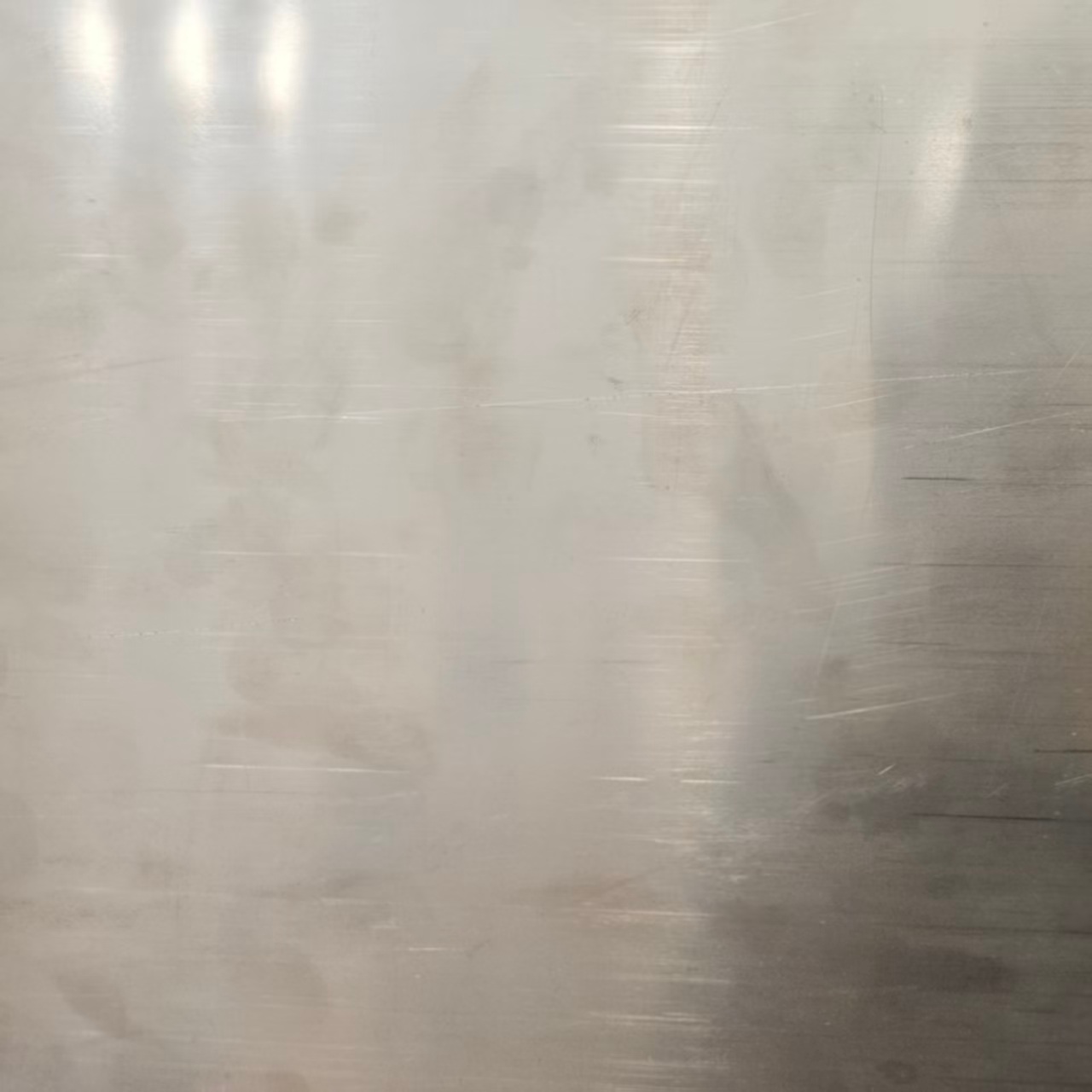
Renk kaplama işleminden geçen paslanmaz çelik levhaların arka yüzünde (kaplanmamış taraf, bitmiş yüzeyin karşısında) siyah kalıntı oluşabilir. Bu, kaplama işleminin bir yan ürünüdür, bir kusur değildir ve kirlenme veya kötü kullanım nedeniyle oluşan paslanmaz çelikteki siyah lekelerden farklıdır. Kaplamalı tarafı hiç etkilemez. Yine de, panelin kullanım ve montaj sırasında nasıl hissettirdiğini etkileyebileceğinden, paneller gönderilmeden önce arka yüzü matlaştırma veya zımparalama işlemine tabi tutularak bu kalıntı giderilir. Başka bir tedarikçiden aldığınız paslanmaz çelikte bu tür bir lekelenmeyle karşılaşırsanız, standart bir paslanmaz çelik temizleyici bunu giderecektir; bu, siyah kaplamada bir kusur değil, arka yüzeyde oluşan bir yan üründür.
SANMEI METAL
Mimari bir panel, asansör içi veya ürün gövdesi gibi bir proje için siyah paslanmaz çelik kullanıyorsanız, alt tabaka kalitesi, kaplama işlemi ve yüzey dokusunun doğru kombinasyonu, uygulamanızın maruz kalma koşullarına ve tasarım amacına bağlıdır. Projeniz hakkında bizimle konuşun. Malzeme önerileri ve örnekleri için.