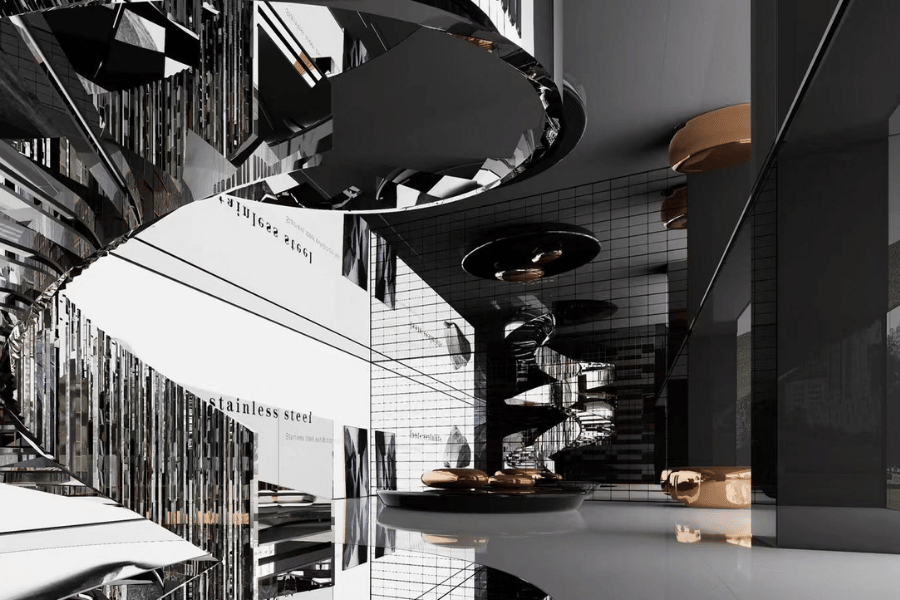
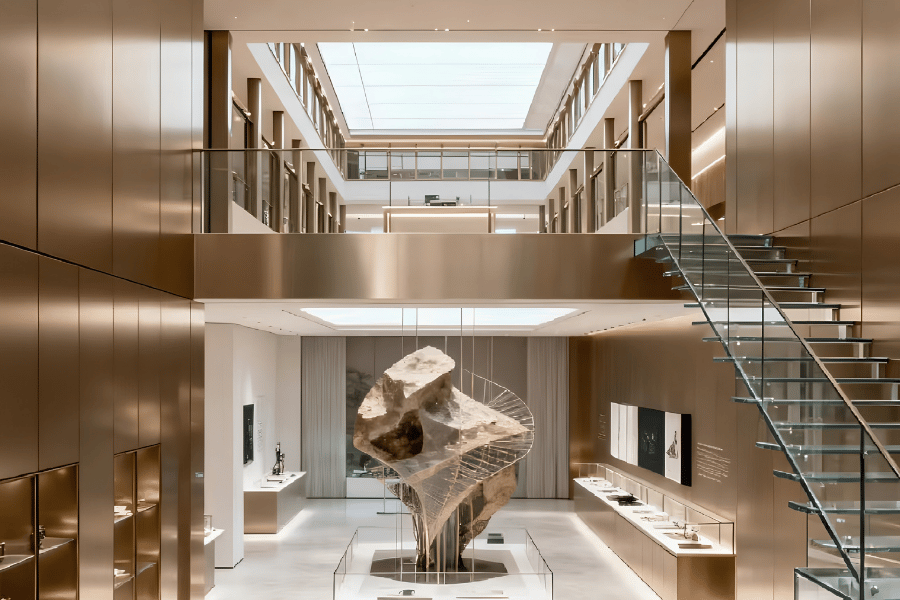
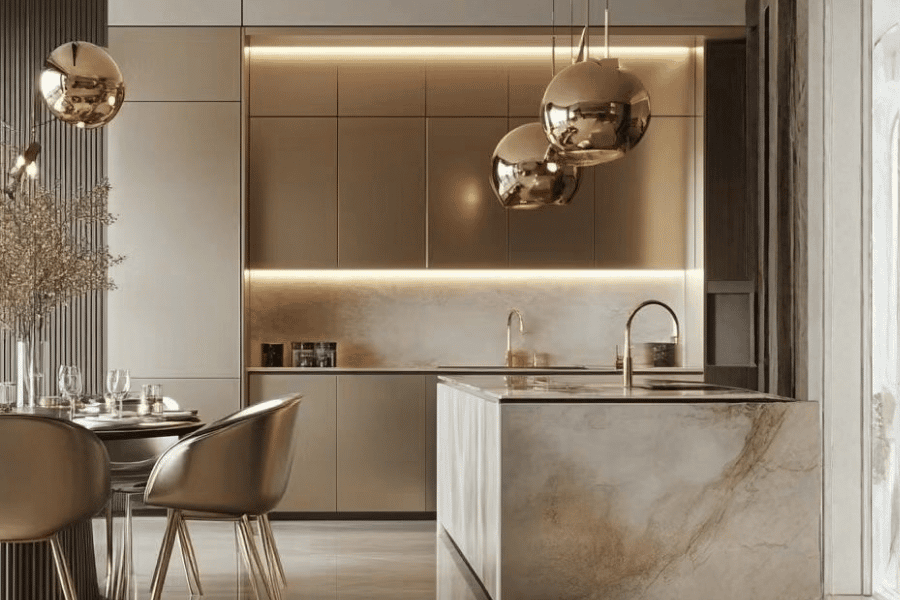
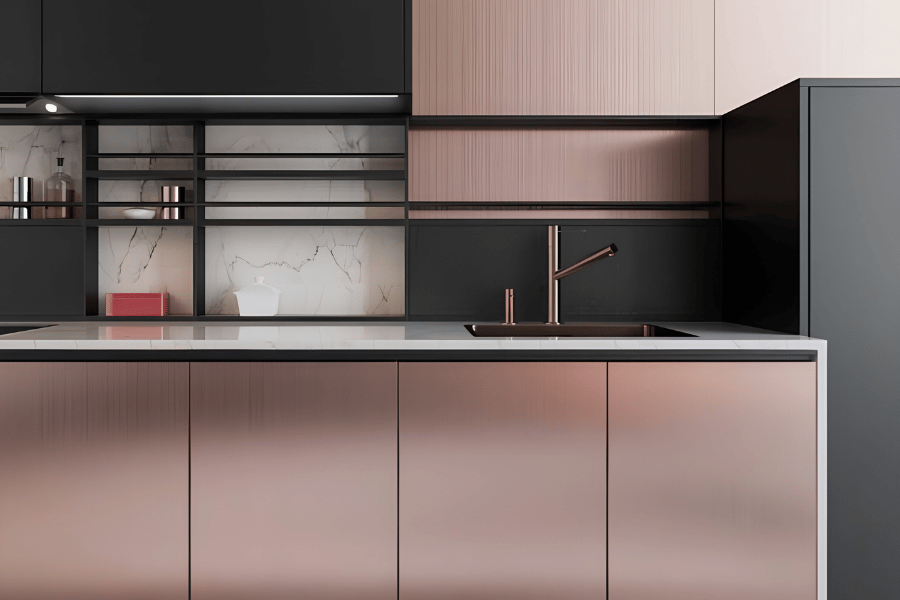










Su Dalgalanması Paslanmaz Çelik Levha ile Modern Estetik Etki
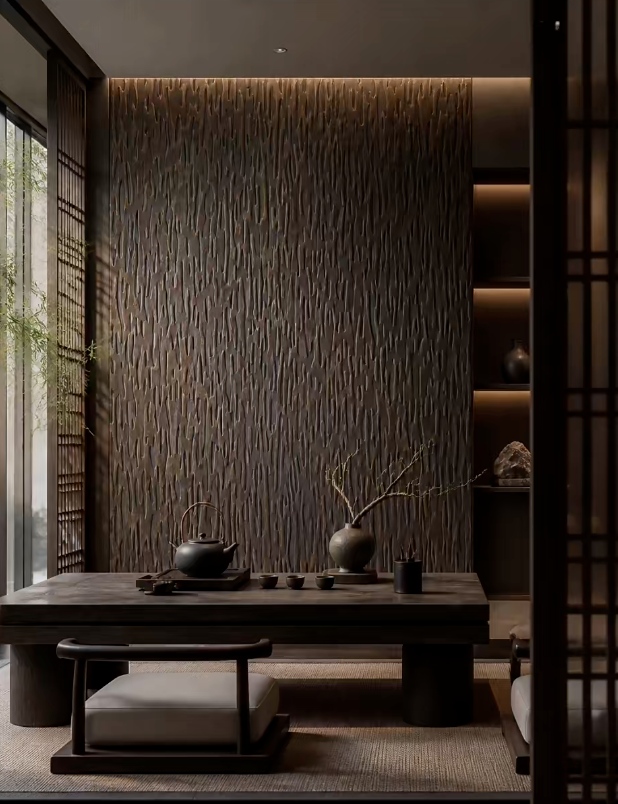
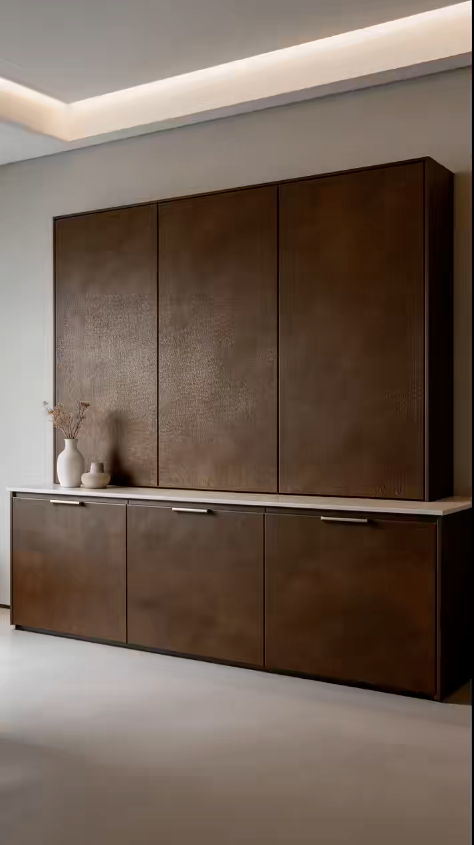
Modern bir estetik etki için su dalgası paslanmaz çelik sac kullanmak, katalog sayfasından bir desen seçmekten daha fazlasını gerektirir. Aynı paslanmaz çelik su dalgalı bitiş, dalga derinliğine, montaj yönüne, aydınlatma düzenine ve kalite seçimine bağlı olarak tamamen farklı görünebilir — ve bu detayları doğru ayarlamak, bilinçli bir özellik duvarı ile sadece yansıtıcı metal gibi görünen birini ayıran şeydir.
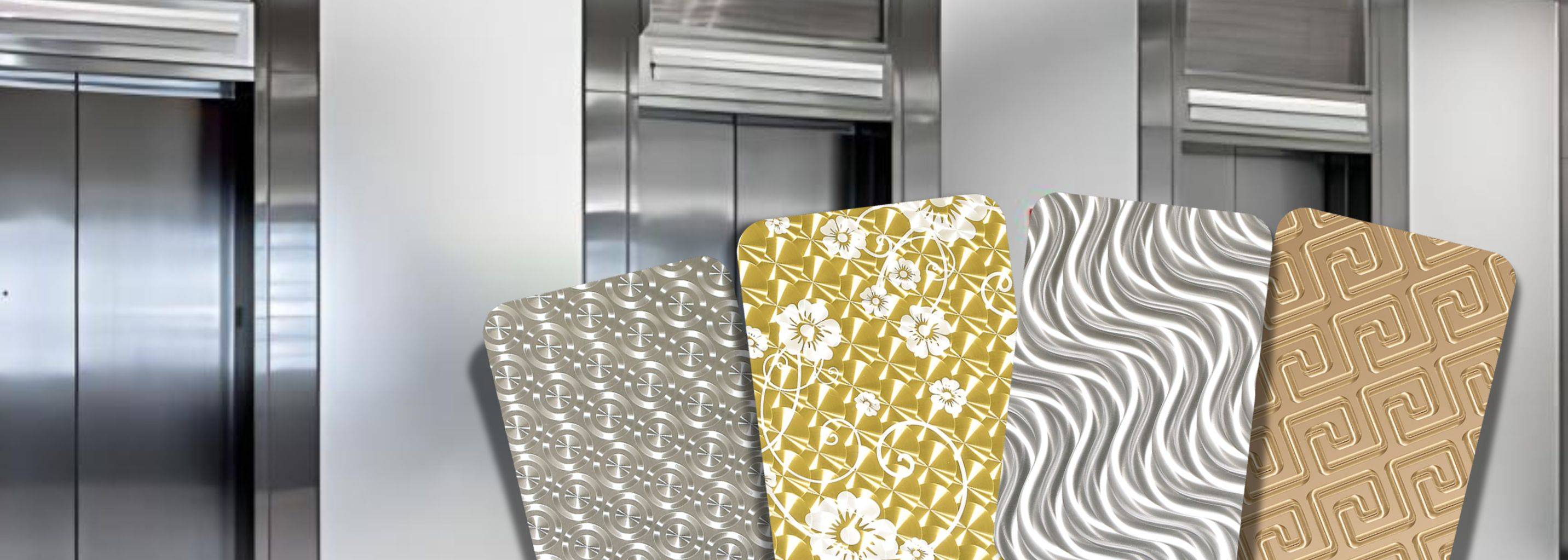
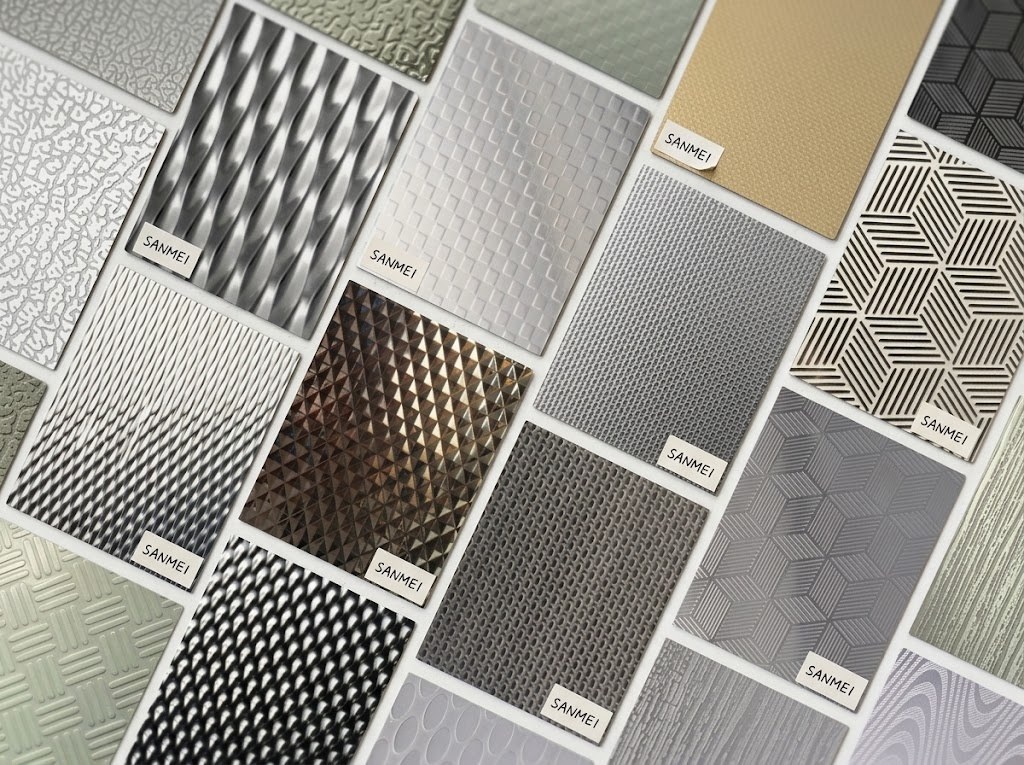
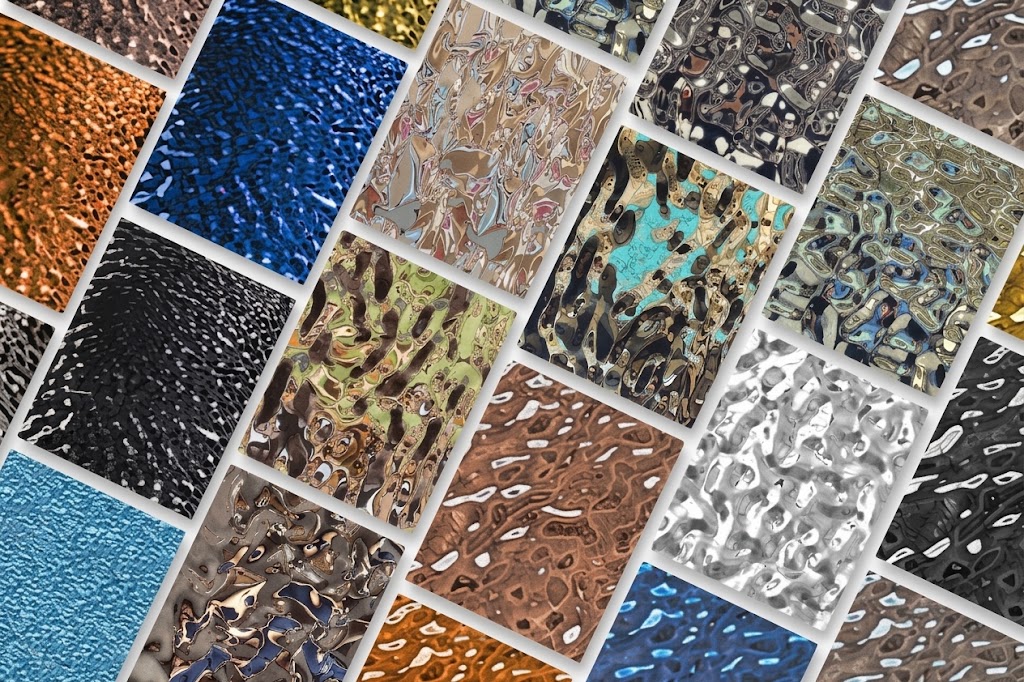
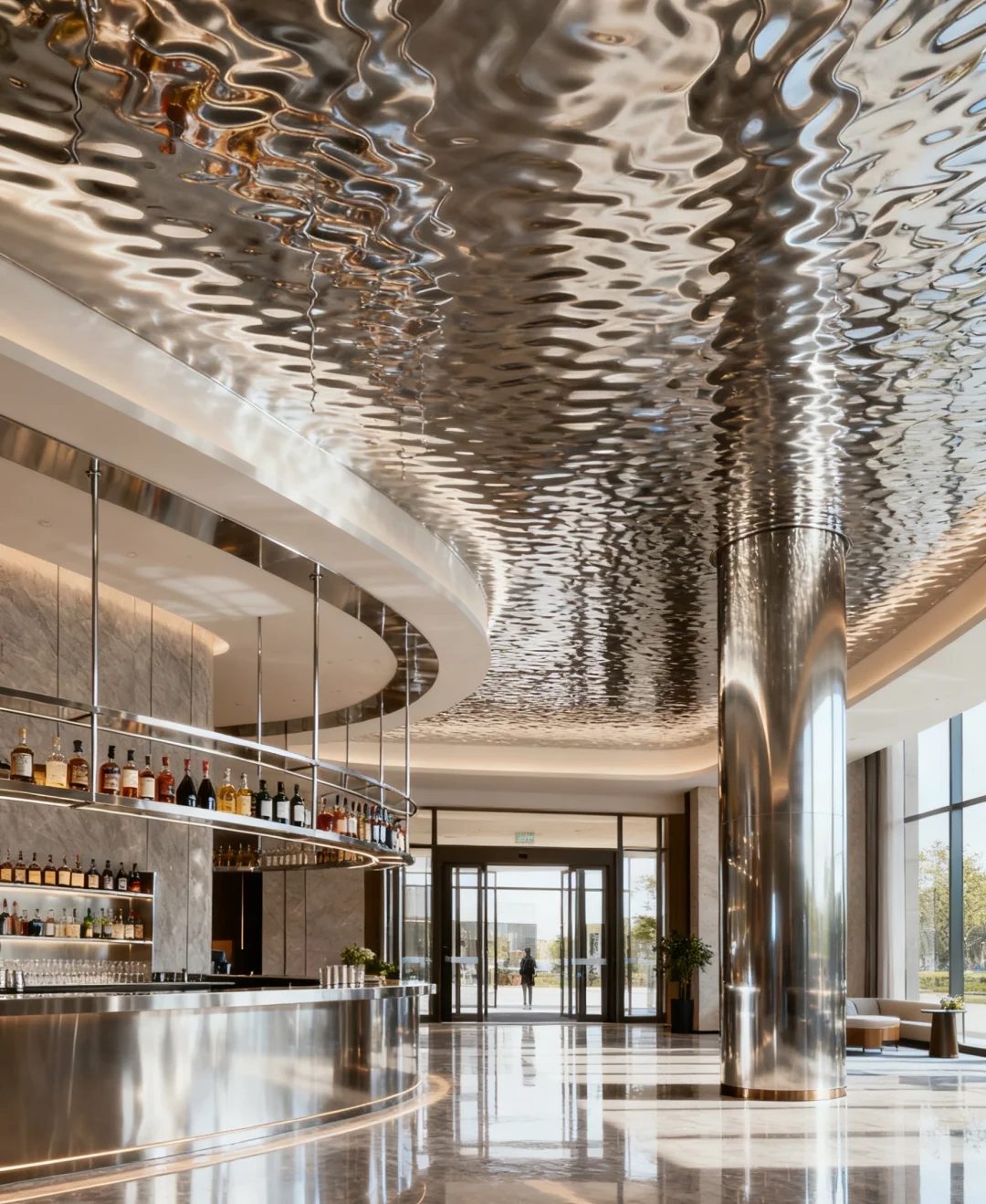
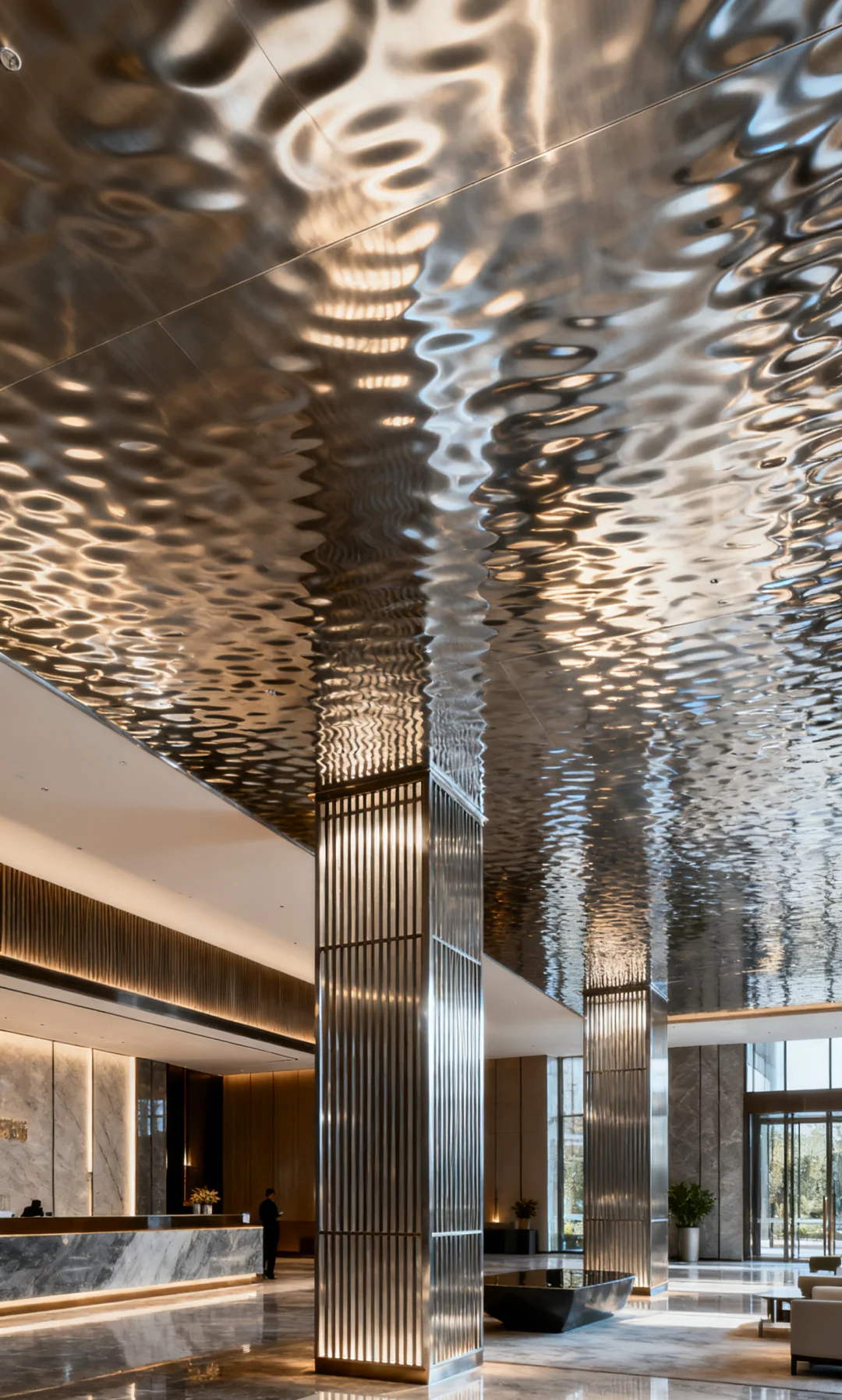
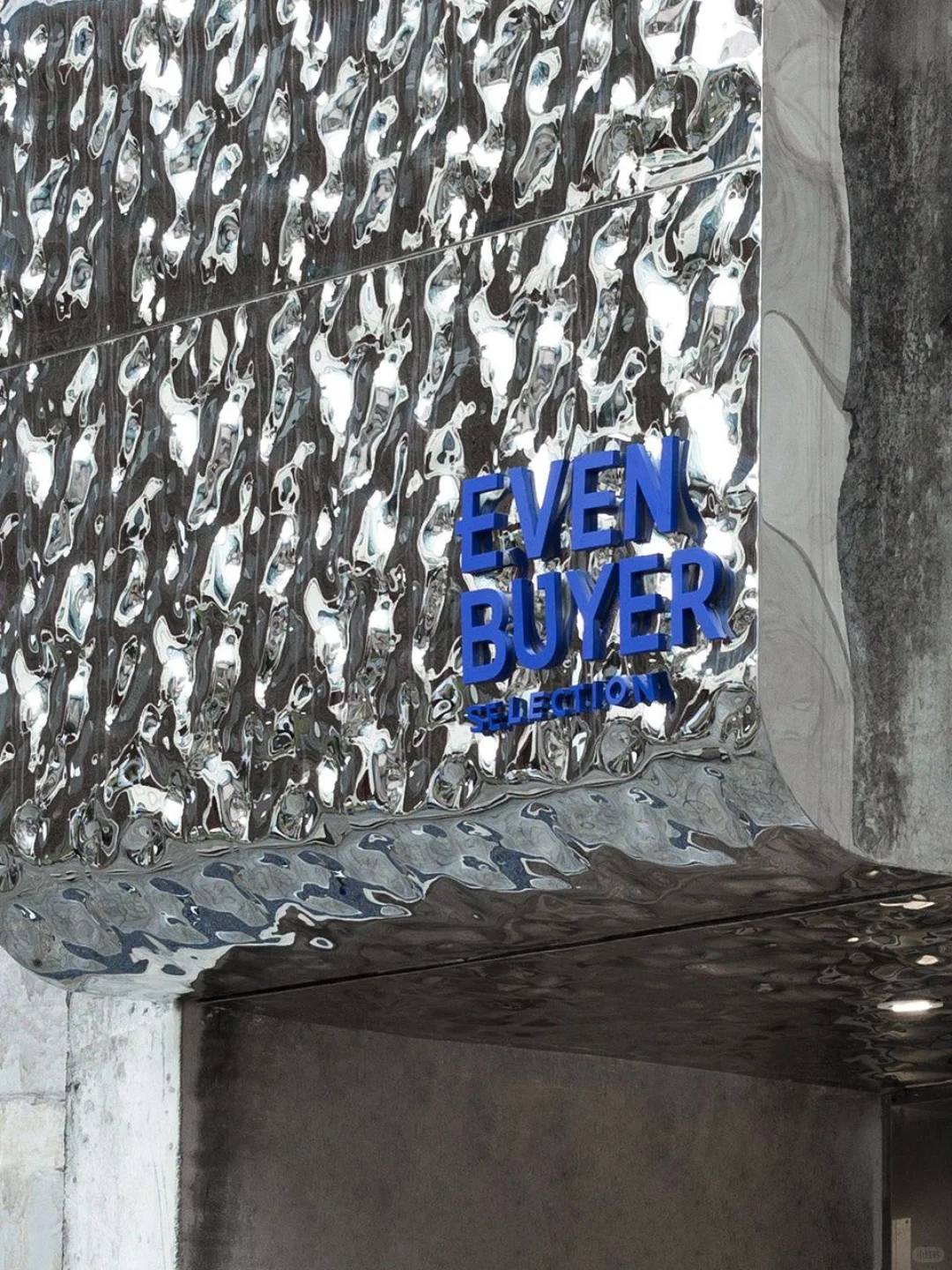
Su dalgası paslanmaz çelik, mekanik olarak preslenmiş bir Dalgalı bitiş — soğuk şekillendirme işlemlerinin aynı ailesi olarak çekiçlenmiş Ve kabartmalı paslanmaz çelikancak rastgele veya geometrik bir yerine dalga desenli bir kalıp döndürüldü. Sonuç, rastgele noktalarda değil, dalganın yönü boyunca ışığı dağıtan ve yansıtan yönlü, akıcı bir dokudur, bu da ona Su dalgası paslanmaz çelik levha hareketli su görünümü
Üç Desen Ailesi
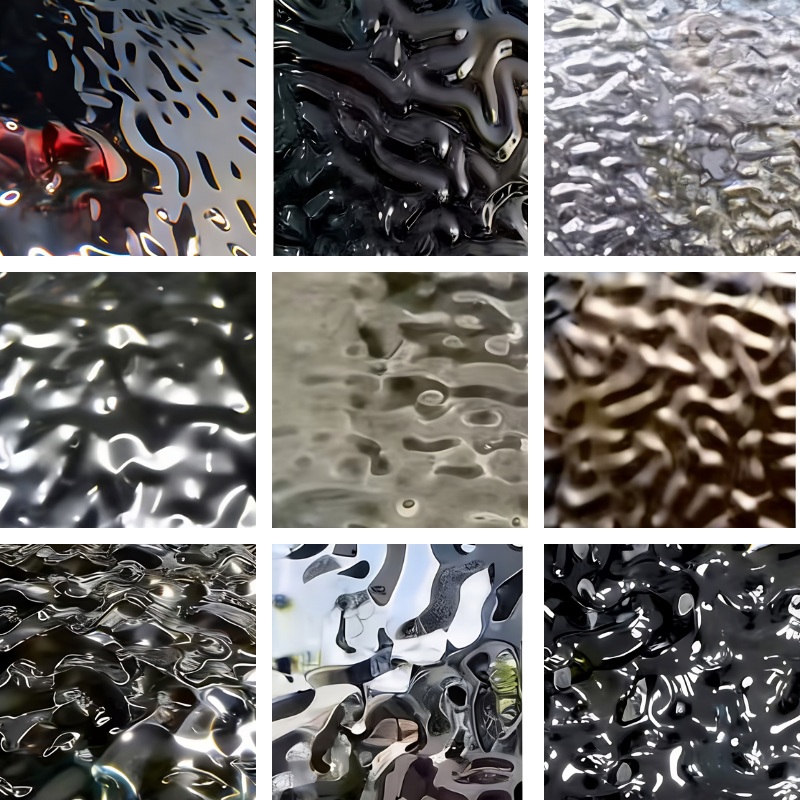
Su dalgalanması tek bir görünüm değildir; her biri farklı bir oluşum sürecine ve en uygun uygulamaya sahip üç ayrı desen ailesidir.
Rastgele / Doğal Dalgalanma
Düzensiz, organik, tekrarlanmayan, rüzgarın veya hafif hareketin etkilediği gerçek suyu taklit eden bir doku — üçü arasında gerçek bir "akan su" izlenimine en yakın olanı. Yansıma, tek bir noktaya odaklanmak yerine tüm yüzeye yumuşak ve dağınık bir şekilde yayılır.
Bu aile iki derinlik derecesini kapsar — Sığ Ve Derin (derinlik karşılaştırması hakkında daha fazla bilgi aşağıdadır) - ve en çok büyük vurgu duvarları, tavanlar ve cepheler için uygundur.
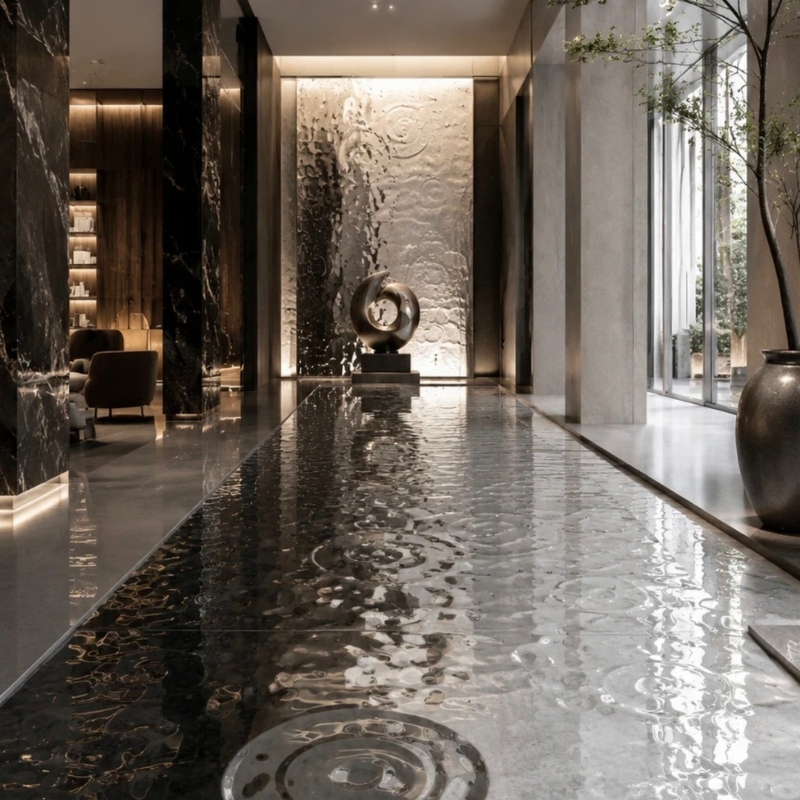
Su Damlası Dalgalanması
Durgun suya çarpan yağmur damlalarını taklit eden eşmerkezli halkalar — resepsiyon arka planları, sanat enstalasyonları veya göze çarpan tek bir panel için çok uygun güçlü bir odak noktası deseni. Aynı zamanda dış mekan zeminleri için de iyi çalışır, burada gevşek, suya düşen yağmur atmosferi olarak algılanır.
Su damlası izi damgalanmıştır ve panel yüzeyi aslında düzdür — 3D görünüm, fiziksel derinlikten değil, yansıtıcı işlemin ışığı yakalama şeklinden kaynaklanır.
Dalga Ripple
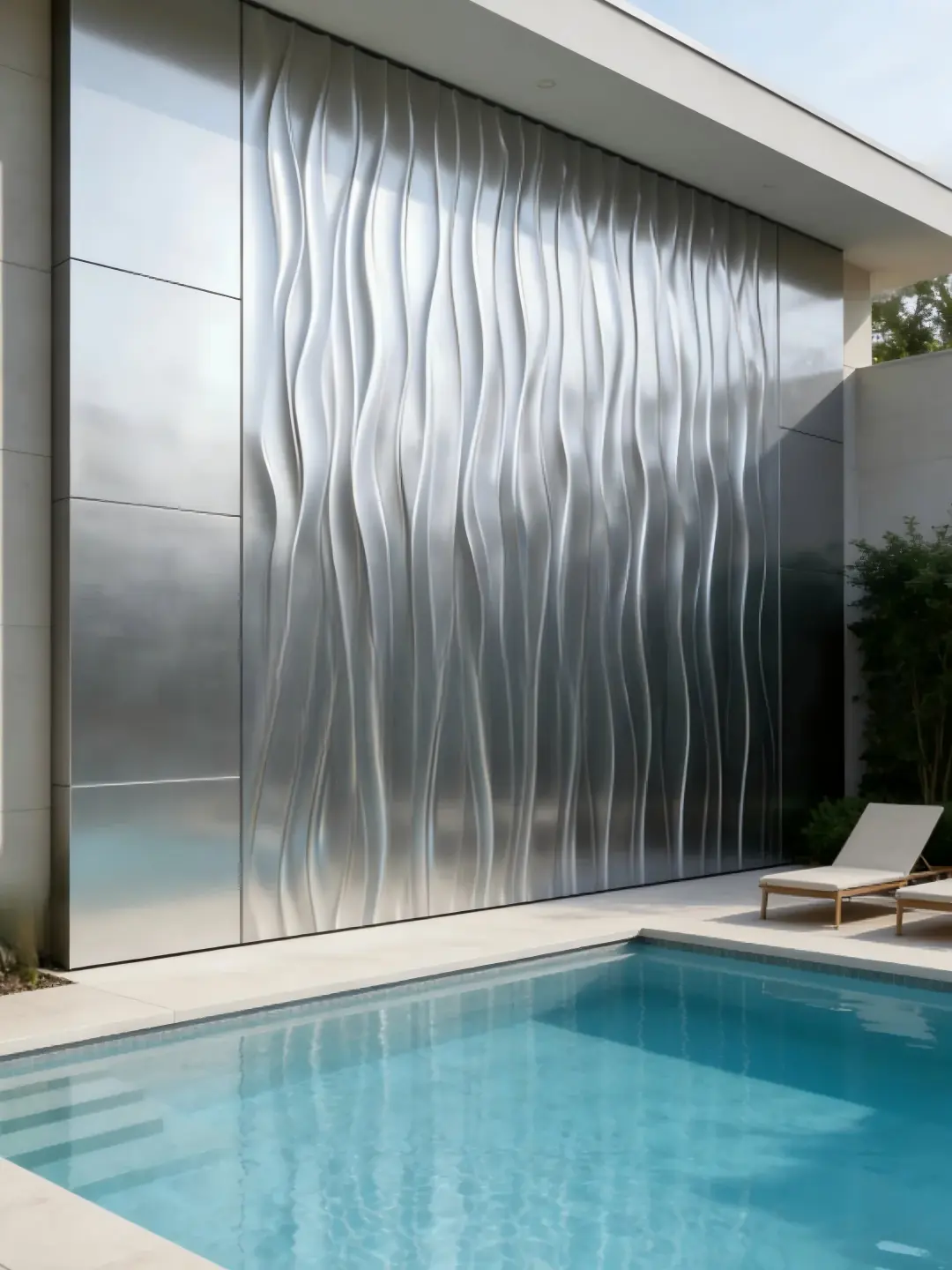
Dalgalar boyunca rastgele dağılmak yerine ışığın aktığı, düzenli, sürekli, yönlü dalga çizgileri - üç desenin en yönlü olanı. Dalga Dalgalanması, genellikle 3B lazer gravür ve damgalama ile oluşturulur, bu da ona saf optik bir etki yerine gerçek bir fiziksel kabartma kazandırır. Sütun kaplamaları, bölmeler ve doğrusal veya dikey yüzeyler için uygundur.
Aksi belirtilmedikçe, bu kılavuzun geri kalanı " Rastgele / Doğal Dalgalanma" yani "Su dalgası paslanmaz çelik levha."
Doku Öncesi Yüzey Kalitesi
Tıpkı su dalgalanmalarının yüzeye çarpan ışığın yansımasına bağlı olması gibi, çoğu su dalgası paslanmaz çelik levhalar önce ayna gibi parlatılır: aynaya parlat → gerekirse renk kaplaması uygula → koruyucu film uygula → son olarak dalgalı deseni presle.
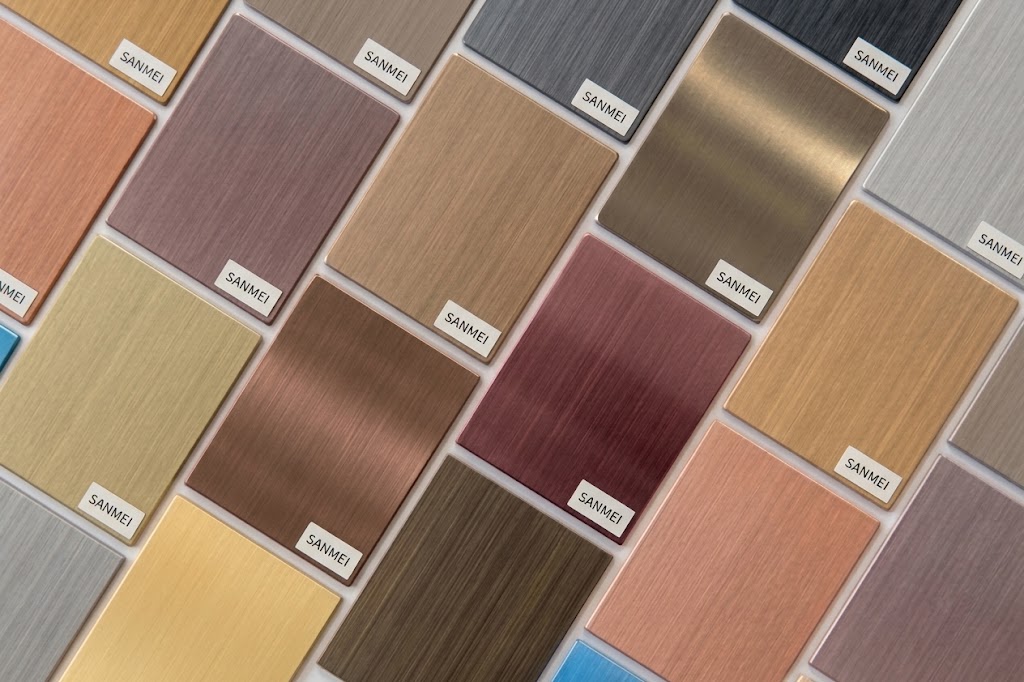
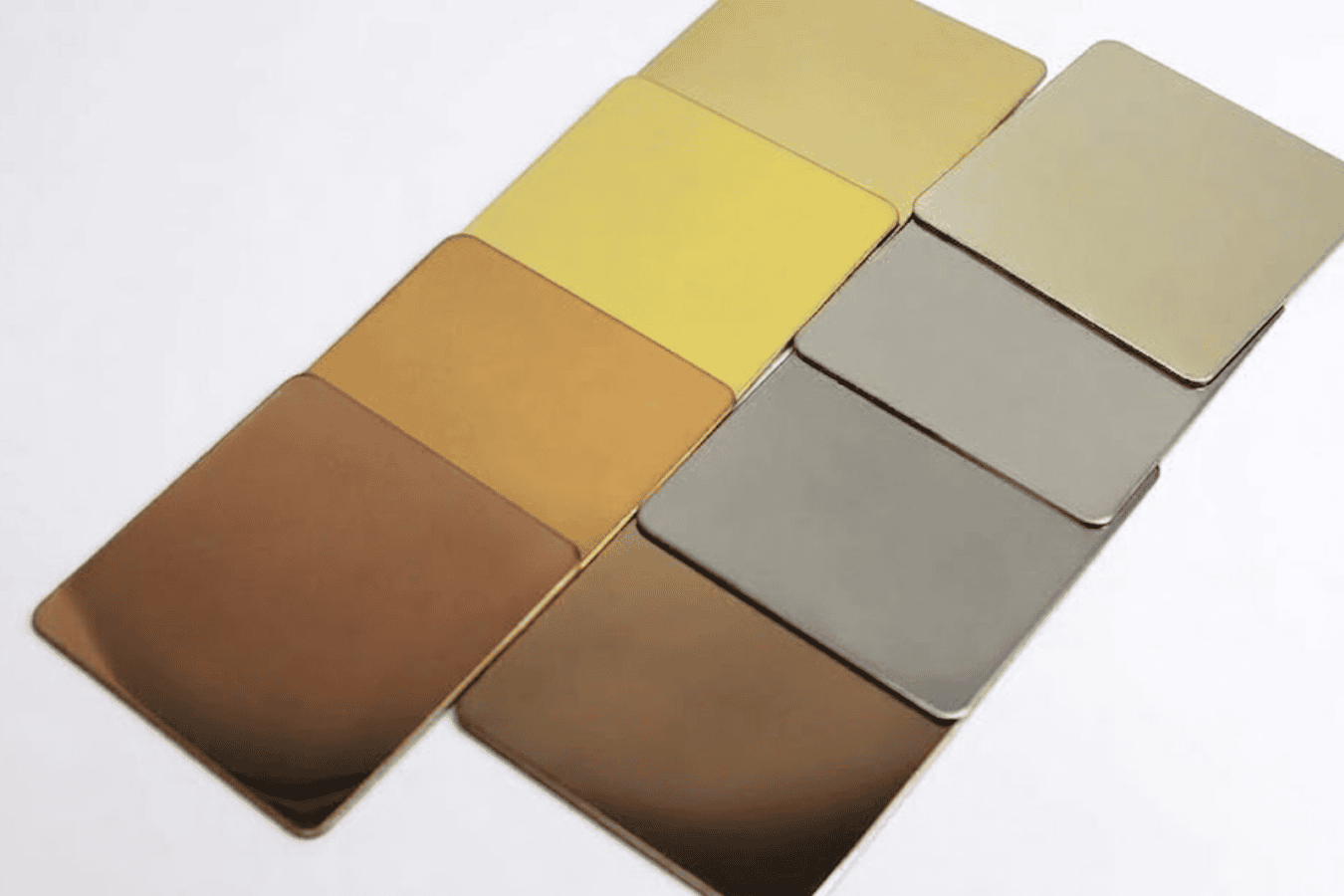
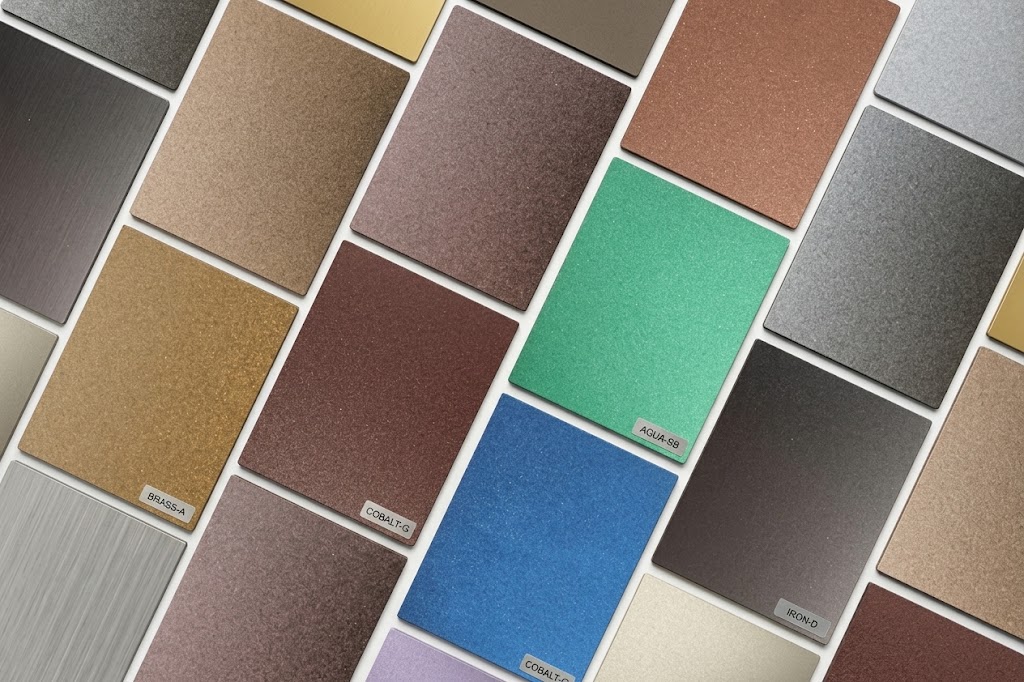
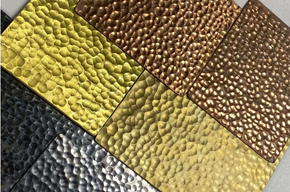
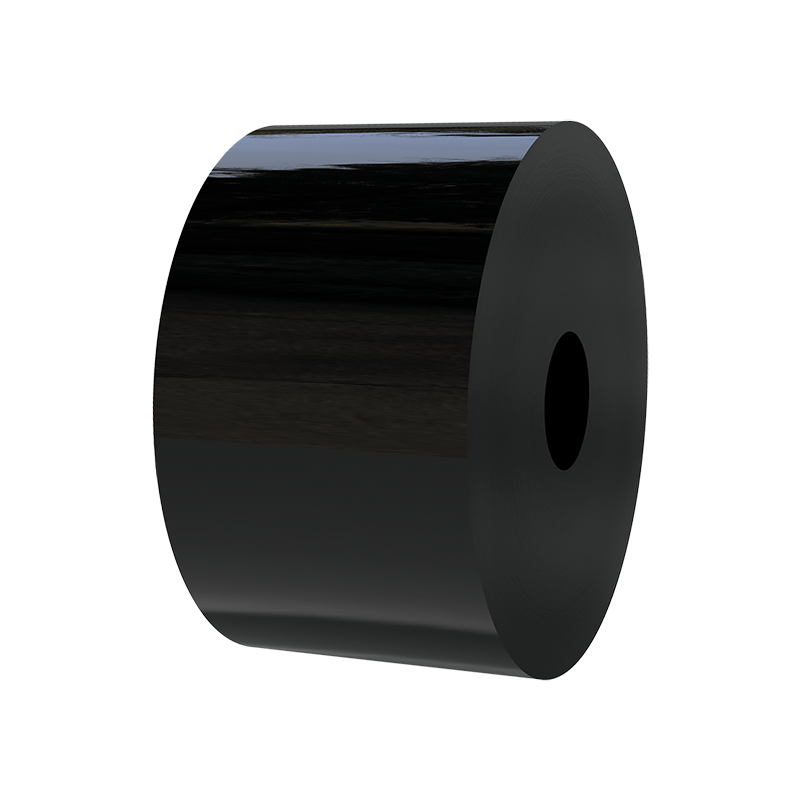
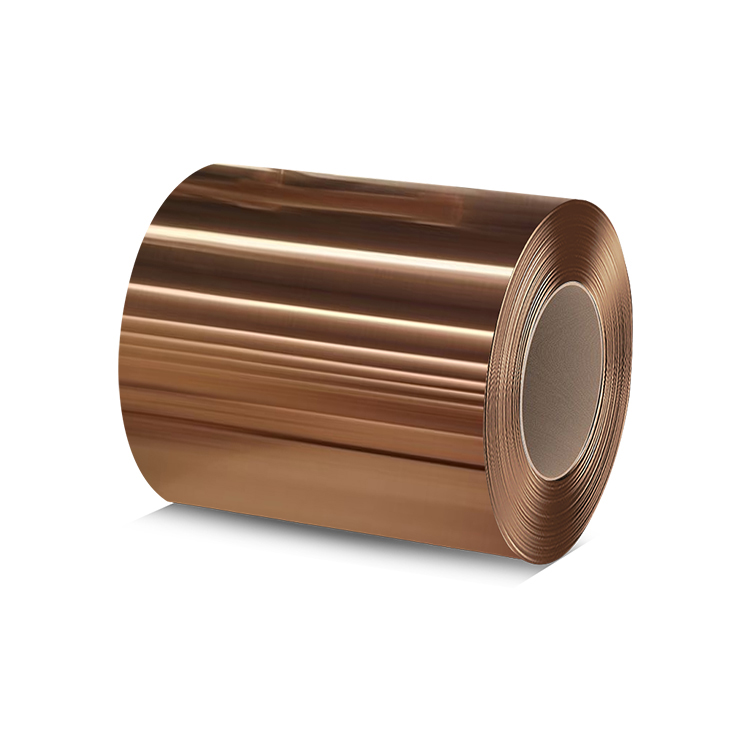
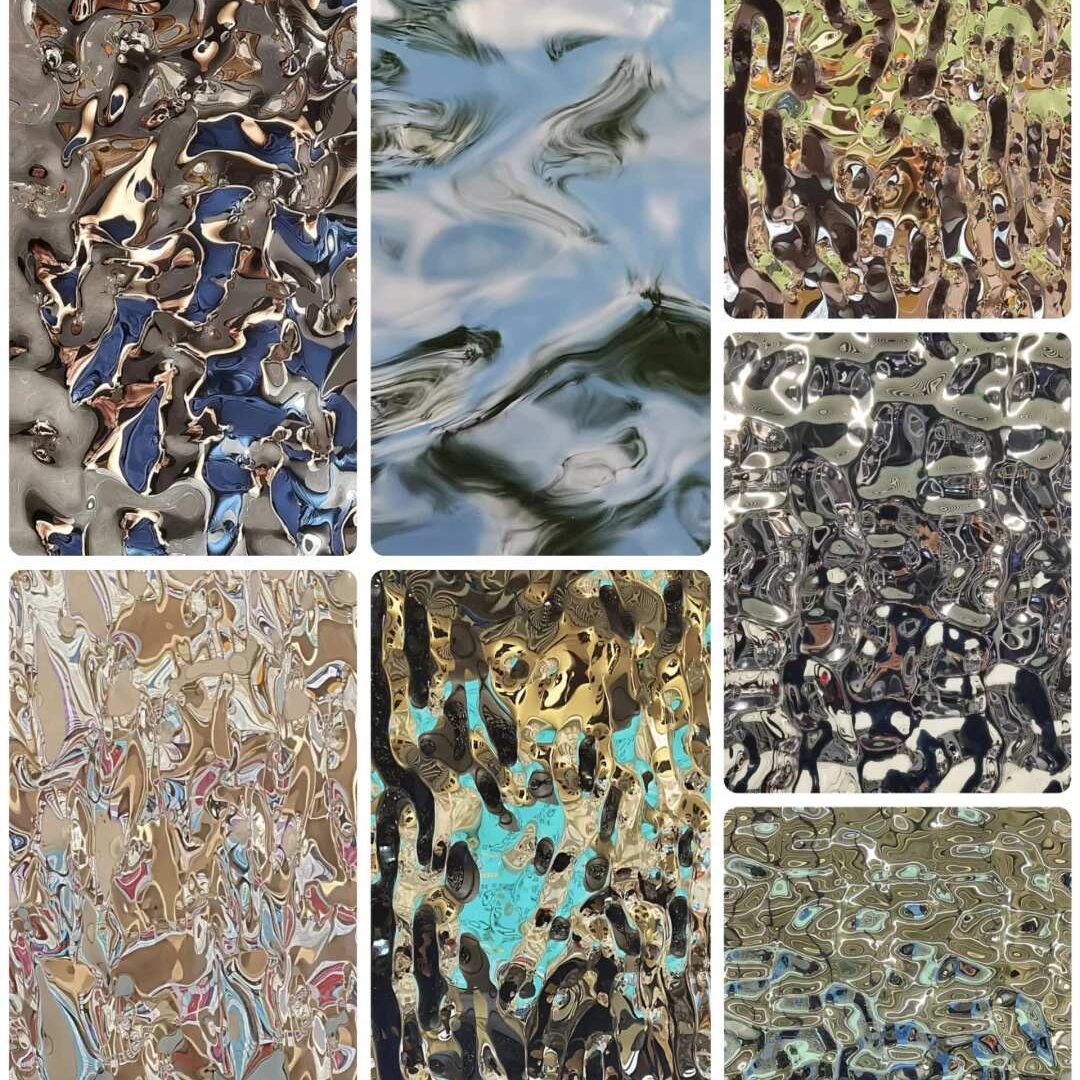
Renk için Sanmei, su dalgası panellerini şunlarda sunar PVD altın, siyah gül altın, şampanya, bronzve mavi, 2B (saten), BA (parlak, ayna gibi — en güçlü dalga yansıtıcılığını veren taban) veya fırçalanmış/No.4 kaplamalar üzerine inşa edilmiştir. Altın ve siyah PVD su dalgası, lobi ve duvar projeleri için en çok talep edilen iki görünümdür - hareketli ışık, renkli, yüksek yansıtıcılığa sahip bir yüzeyde en net şekilde okunur.
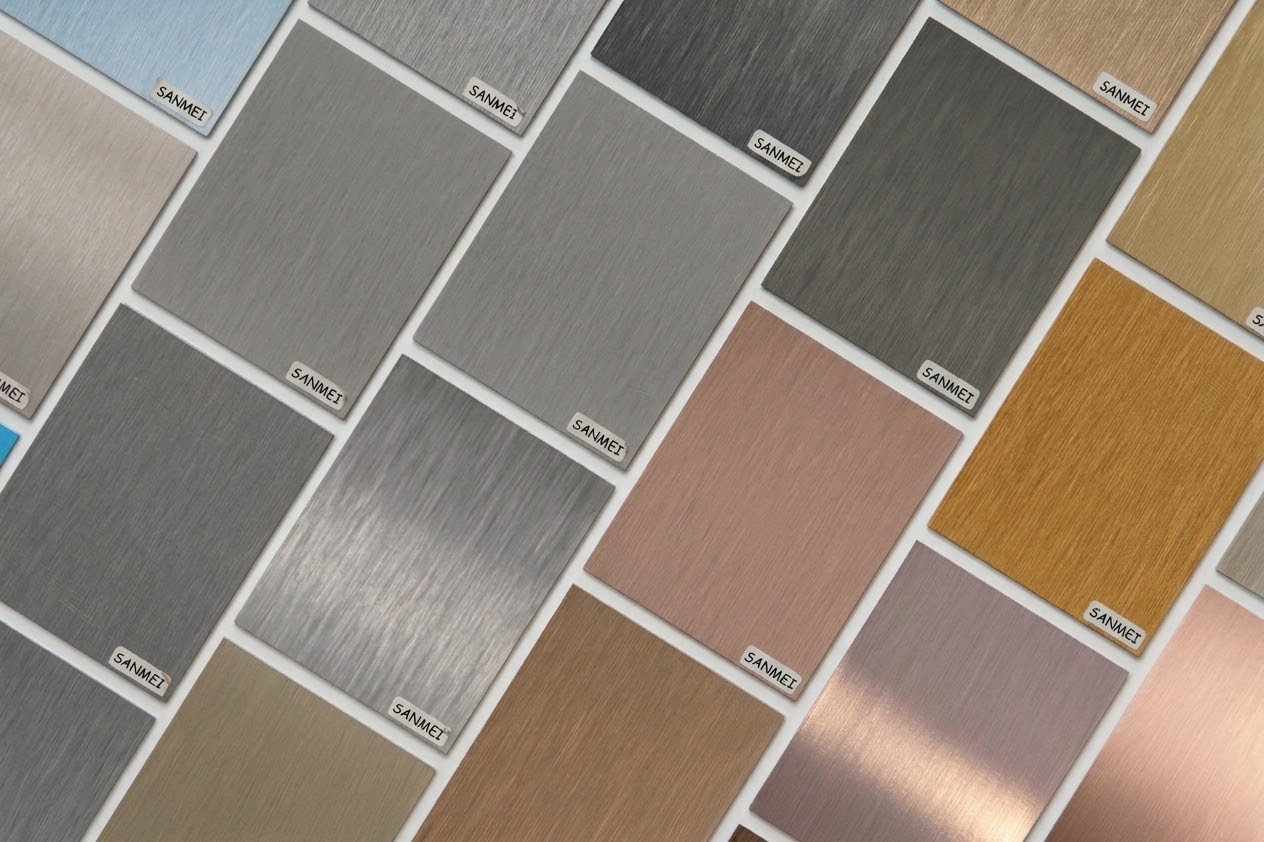
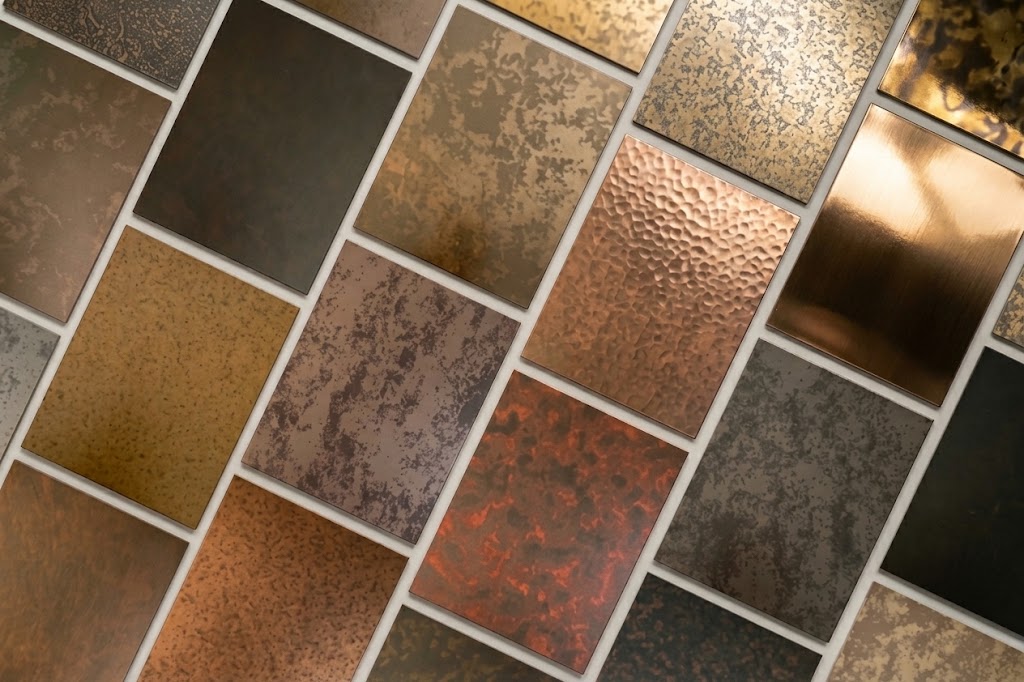
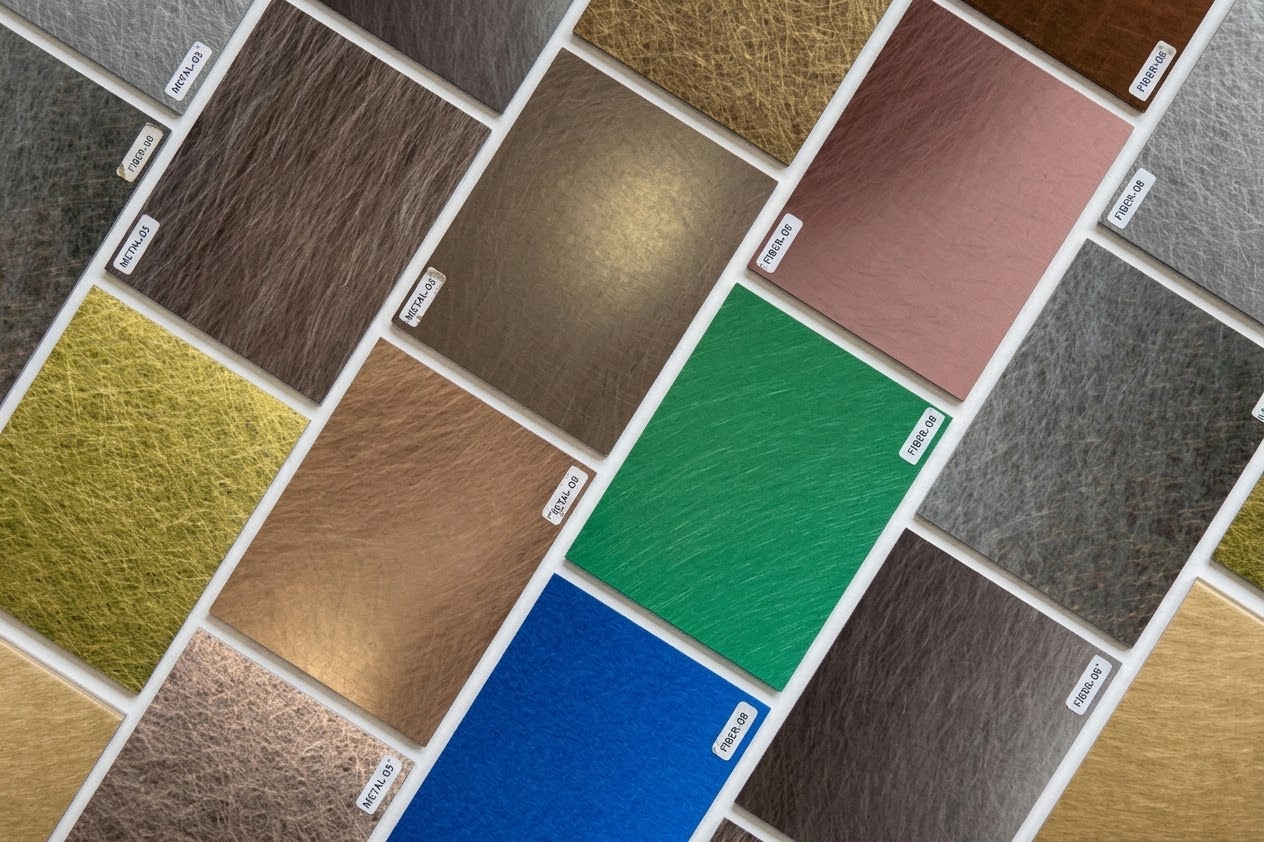
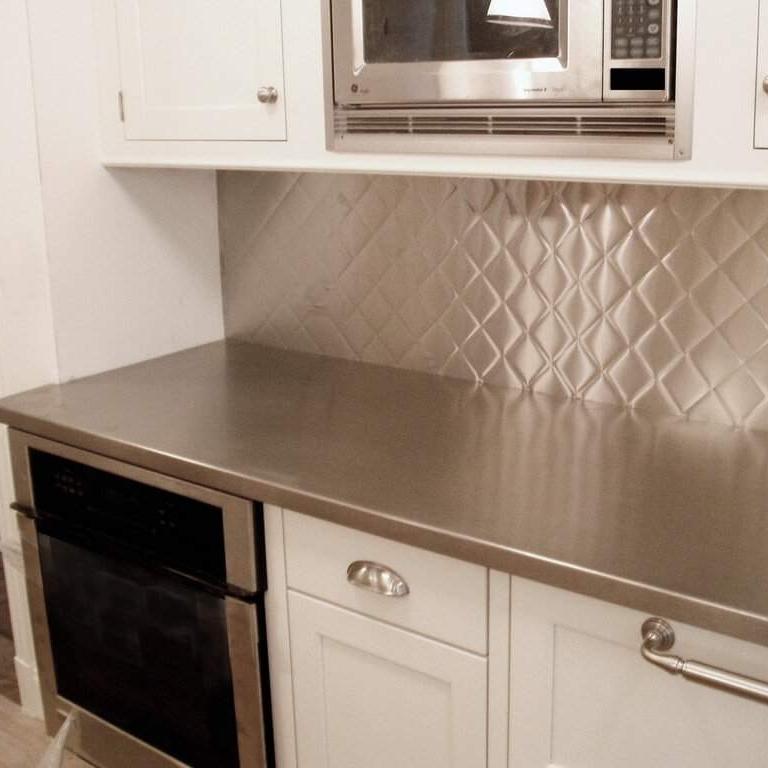
Daha sade, mat dokulu bir görünüm için taban kaplaması değiştirilebilir kumlama, Saç çizgisi, No.4, veya rastgele tahıl bitişli, sonra aynı şekilde preslenmiş. Çekiçlenmiş Ve kapitone baklava kaplamalar, su dalgası etkisine tamamen bir alternatif olarak benzer mat veya fasetli, dokulu bir etki yaratabilir.
Dalga Derinliği ve Yansıma: Sığ, Orta, Derin
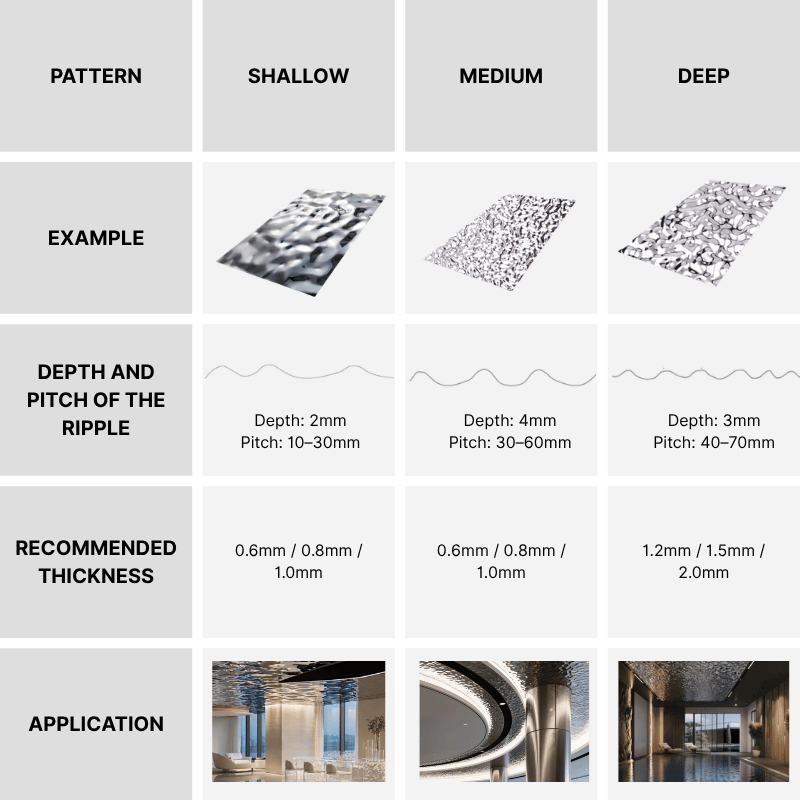
Görsel etkisi bir su dalgası paslanmaz çelik levha dokusu dalganın derinliğine ve perdahına (dalga aralığına) kendisi gibi desenin de bağlıdır. Sanmei, Rastgele/Doğal Dalgalanmayı üç görsel dereceye ayırır — Sığ, Orta ve Derin (üretim spesifikasyonunda Küçük, Orta ve Büyük su dalgası olarak da adlandırılır):
| Görsel Kalite | Özellik Adı | Derinlik | Saha | Önerilen Kalınlık |
|---|---|---|---|---|
| Sığ | Küçük su dalgası | 2 mm | 10–30mm | 0,6 mm / 0,8 mm / 1,0 mm |
| Orta | Orta boy dalga | 4 mm | 30–60 mm | 0,6 mm / 0,8 mm / 1,0 mm |
| Derin | Büyük su dalgası | 3 mm | 40–70 mm | 1,2 mm / 1,5 mm / 2,0 mm |
Dikkat çekici bir nokta: Deep'in ölçülen derinliği (3 mm) aslında üçü arasındaki en büyük derinlik değil — Medium 4 mm ile daha derindir. Görsel sınıflandırma, ham derinlik değil, hatve tarafından yönlendirilir. Daha geniş bir hatve, tepe ve çukur arasındaki daha uzun bir aralık anlamına gelir, bu da göz tarafından normal izleme mesafesinde daha pürüzsüz, daha belirgin bir 3B eğri olarak algılanır. Daha dar bir hatve — bireysel olarak daha derin bir ölçüme sahip olsa bile — tepe ve çukurları birbirine çok yakın paketleyerek gözün gerçek yükseklik değişimini algılamasını engeller, bu nedenle derinlik yerine yoğun, ince bir doku olarak okunur.
Algı Farklılığı, Her Sınıfın En İyi Nerede Performans Gösterdiğini Belirliyor
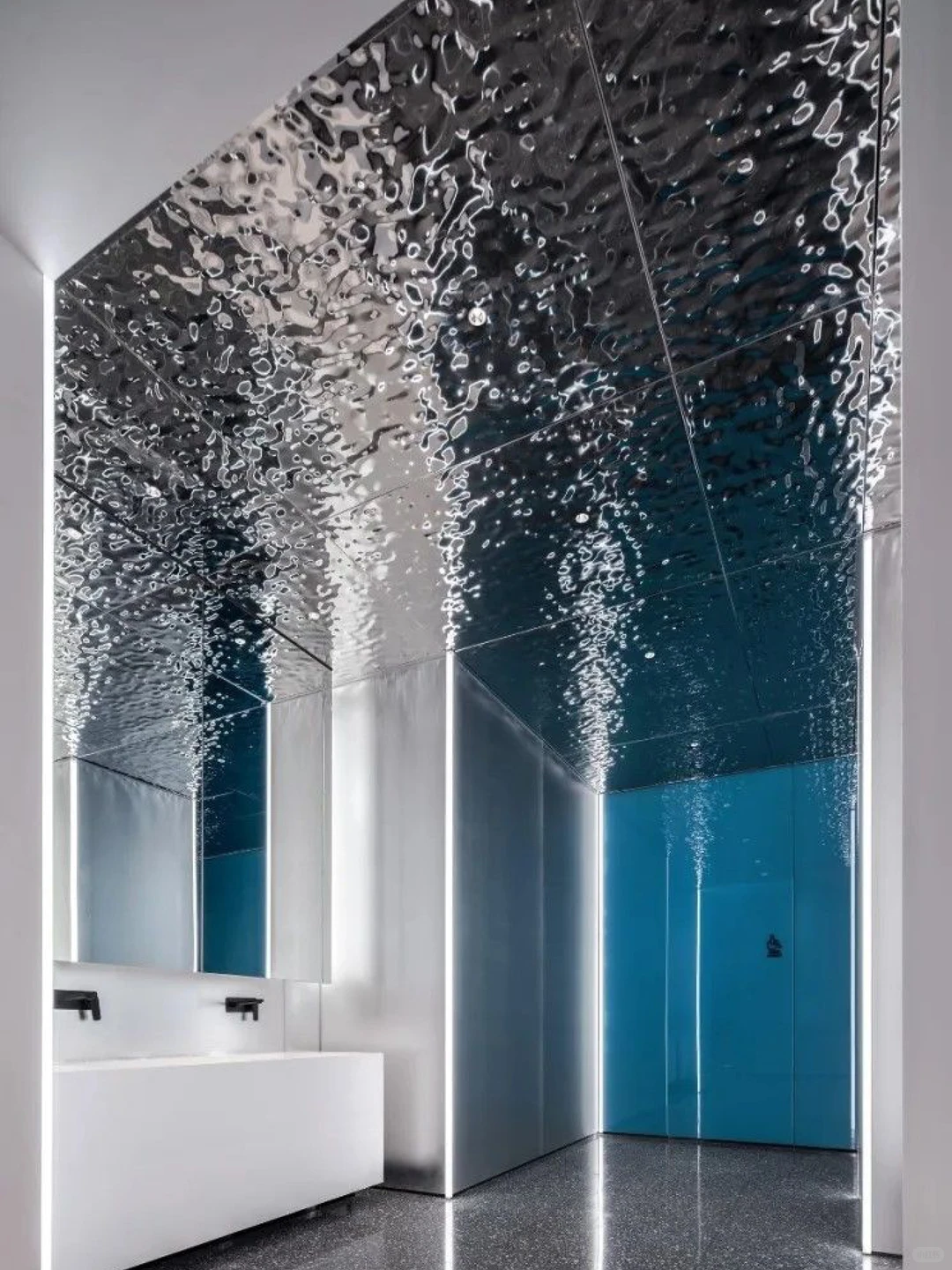
- Sığ — en sıkı zift. Yüzey yönü kısa mesafede keskin bir şekilde değişir, sıradan difüze iç aydınlatma altında iyi okunabilecek kadar yoğun ışık saçar, belirli bir ışık açısına bağlı kalmadan. Yakın mesafeden görülen ve dokunulan yüzeyler için çok uygundur: asansör içleri, resepsiyon bankoları, el korkuluğu alanları.
- Derin — en geniş eğim. Net okunabilmesi için yönlü ışık — alçak açılı gün ışığı veya açılı vurgu aydınlatması — gerektirir; düz tavan aydınlatması altında nispeten sönük görünebilir. Daha kalın ölçüsü aynı zamanda daha geniş panel açıklıklarını desteklediği için, uzaktan görülen büyük ölçekli cepheler ve özellik duvarları için daha uygundur.
- Orta — ikisinin arasında yer alır ve standart iç duvarlar ve tavanlar için en güvenli genel amaçlı seçenektir.
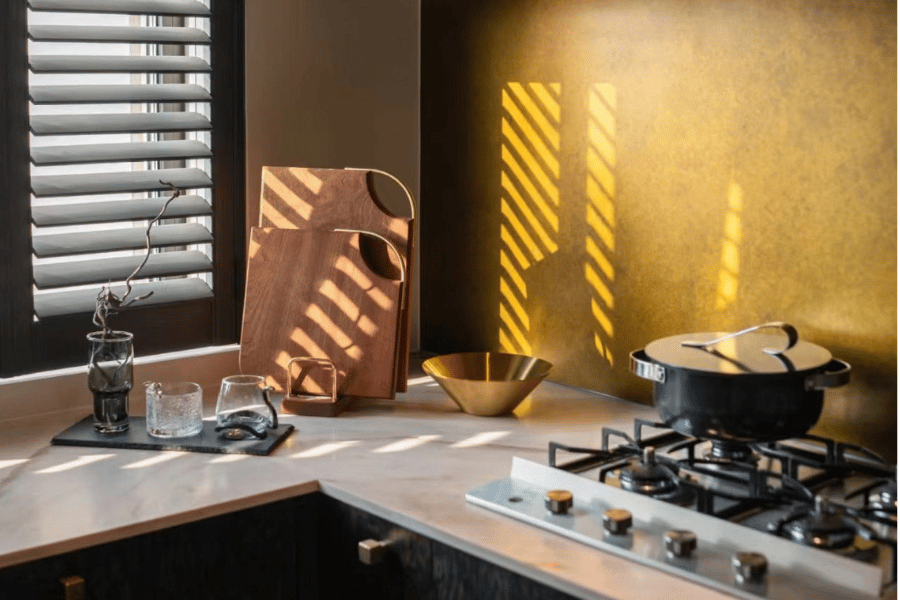
Işık kaynağına göre montaj yönü de önemlidirDalga sırt çizgisinin baskın ışık yönüne dik olduğunda kontrast en güçlüdür; paralel olduğunda ise yüzey daha pürüzsüz ve düzgün okunur.
Kalınlık üzerineStandart su dalgası sac kalınlığı genellikle 0,5 mm ile 2,0 mm arasındadır. Doğru kalınlık, yukarıdaki dalga derecesine, yük taşıma gereksinimlerine ve açıklık ve sabitleme yöntemi gibi diğer saha faktörlerine bağlıdır — daha kalın olmak otomatik olarak daha iyi değildir. 0,5 mm'den ince sacların elleçlenmesi ve işlenmesi güvenilir olmayacak kadar kırılgandır; 2,0 mm'den kalın saclar işlenmesi zorlaşır ve çoğu dekoratif uygulama için pratik değildir.
Su Dalga Desenli Levhalar Hakkında Daha Fazla Bilgi Mi Edinmek İster Misiniz?
Daha Fazlasını KeşfedinSu Dalgalanması Panelinizi Eşleştirme
Aydınlatma Kurulumu
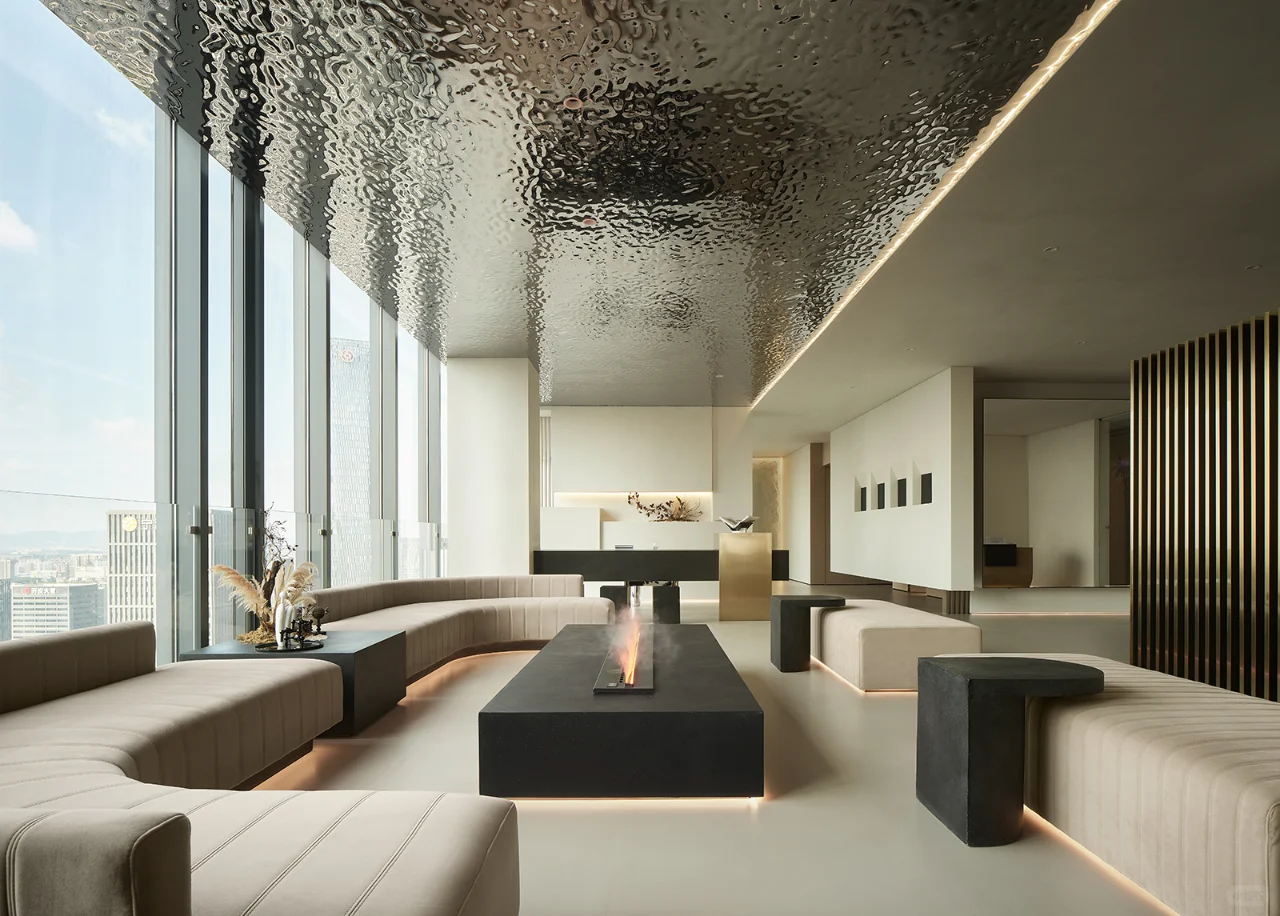
Temel kural: ışığın bir nokta kaynağından doğrudan panele çarpması yerine, panele ulaşmadan önce bir kez yayılmasına veya yansımasına izin vermek.
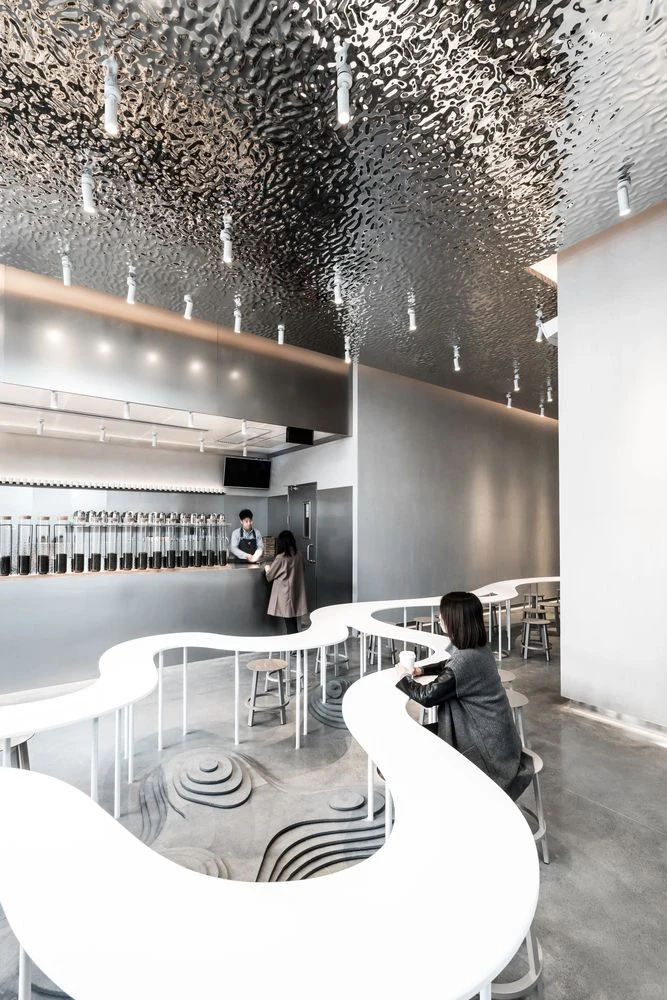
- Doğrudan spot ışığından kaçının — yakından bir nokta kaynağı tarafından doğrudan aydınlatılan yüksek yansıtıcı dalgalı bir yüzey, belirli görüş açılarında keskin parlama üretebilir.
- Tavandaki armatürleri doğrudan panele gömülü olarak takmaktan kaçının — Tavana yakın ve doğrudan aşağıya doğru yerleştirilmiş bir armatür, dik bir geliş açısı oluşturarak düzgün, dağınık bir yansıma yerine yerel aşırı parlak noktalar üretir ve kesik, dalgalı desenin sürekliliğini bozar.
- Önerilen yaklaşımlar:
- Yüzeye monte armatürler — ışık panelin üzerinde yumuşak bir şekilde yansır ve bir sıcak nokta oluşturmak yerine alanı doldurur
- Dikiş entegreli LED şeritler — gizlenmiş ışık, tavan yüzeyini kesintisiz tutarken duvarları ve zemini aydınlatmaya devam eder
- Dağınık dekoratif armatürler — ışık panel'e ulaşmadan önce armatürün kendisinden kırılır
Renk ve Kaplama Koordinasyonu
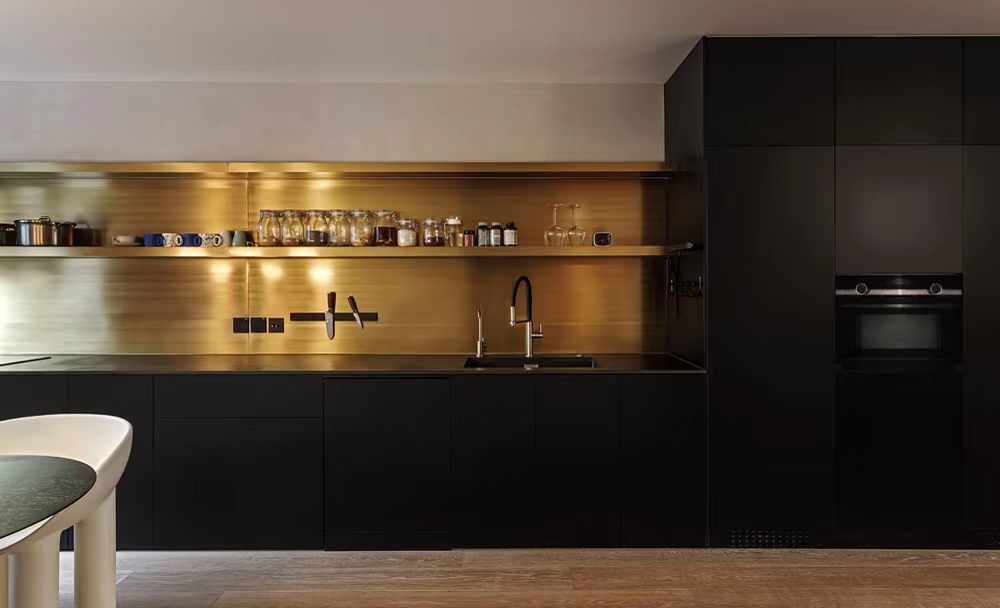
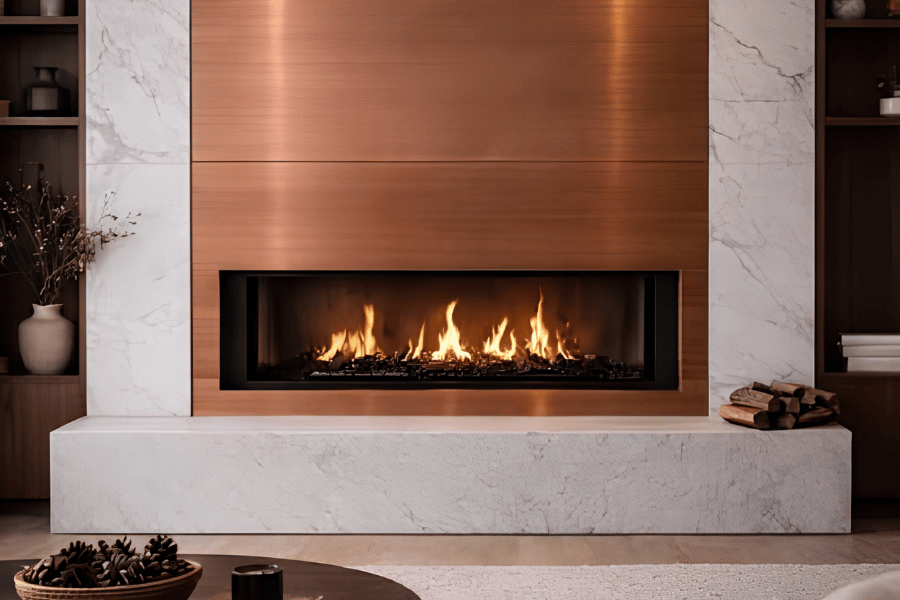
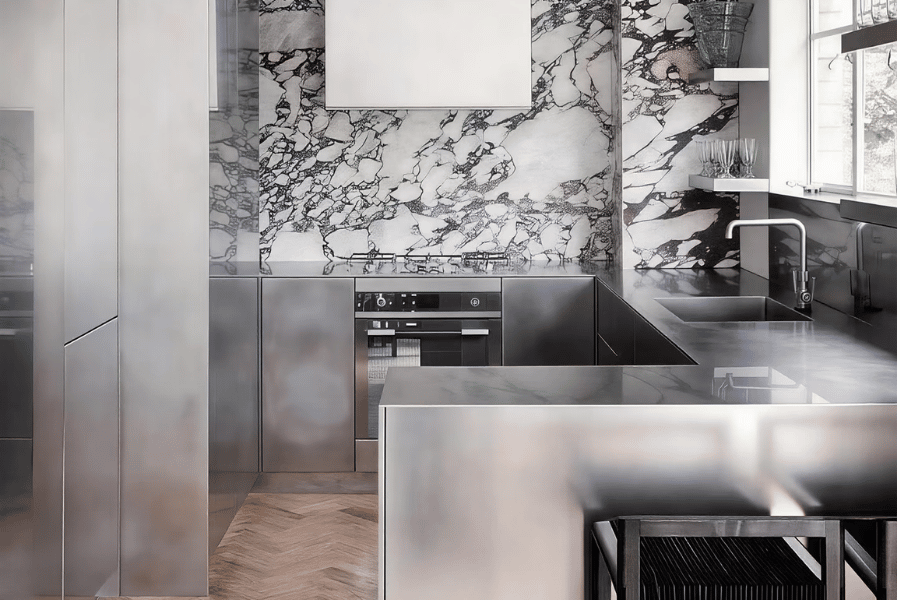
Tek tonlu veya ayna bitişli su dalgası panellerini nötr tonlarla, yani yumuşak gri, siyah veya beyaz ile eşleştirerek alanı modern ve sade tutun. Metalik tonlar ahşap, cam veya taş ile iyi gider. Daha ölçülü bir paslanmaz çelik görünümü için, alanda başka bir yerde boncuk kumlama veya kılcal mat bitişi, dalga panelinin görsel yoğunluğunu dengeleyebilir.
Ders Seçimi
Derece seçimi için su dalgası paslanmaz çelik iki pratik faktöre indirgenir: ortamın ne kadar aşındırıcı olduğu ve panellerin sahada mı kaynaklanacağı.
- 304 — çoğu iç mekan uygulaması ve yüksek klorürlü olmayan dış mekan kullanımı için standart seçim.
- 304L — 304 ile aynı korozyon direncine sahiptir, ancak daha düşük karbon içeriği kaynak ağızlarında karbür çökeltmesini önler. Belirleyici faktör iklim değil, saha kaynaklarıdır: örneğin, büyük bir sütunu veya eğimli bir yüzeyi, perçinler görünmeden sürekli bir dalga deseni gerektiren ve yerinde kaynaklanıp yeniden işlenen bir yüzeyi kaplamak — işte bu noktada 304L, standart 304'e göre yerini alır.
- 316 / 316L — Yüksek klorürlü ortamlar için: sahildeki bar ve restoranlar, kıyıdaki sahneler, dış mekan etkinlik yapıları veya yeniden boyama veya panel değişimi olmadan 10+ yıl hizmet ömrüne ihtiyaç duyan her türlü montaj. Eklenen molibden, 304'ün tuzlu havada uzun vadede dayanamadığı çukurlaşma korozyonuna direnç gösterir.
Çok Renkli / PVD Su Dalgalı
Standart gümüş veya tek ton su dalgası paslanmaz çelik levhalar her zaman yüksek etkili ticari alanların görsel taleplerini karşılamaz — barlar, gece kulüpleri ve sanat enstalasyonları genellikle bunun yerine çok renkli dalga panelleri gerektirir.
Çok renkli paneller, standart tabakalardan farklı bir sıra ile tamamlanır: yüzey önce 8K ayna parlaklığına getirilir, ardından rengi birden çok ayrı katmandan uygulanır Fiziksel Buhar Biriktirme kaplama, ardından koruyucu bir film uygulanır ve ancak bundan sonra şekillendirme silindiri ile dalgalı desen bastırılır. Renklendirmenin dokudan önce yapılması - sonradan değil -, dalgalanın oluşmasından sonra renk katmanının hem kabartılı hem de girintili yüzeye eşit olarak oturmasını sağlar.
Yeşil Bina Gereksinimlerine Uygun Bir Malzeme
Su dalgalı paslanmaz çelik, özellikle sürdürülebilirlik gereksinimleri olan projelerde, iki nedenden dolayı ticari binalar için pratik bir çözümdür:
- Malzemenin kendisi tehlikeli değildir. Paslanmaz çelik tehlikeli olmayan bir malzeme olarak nitelenir ve Sanmei, yeşil bina sertifikasyonu için proje yürütenlere SDS (Güvenlik Bilgi Formu) ve EPD (Çevresel Ürün Beyanı) sağlayabilir.
- Yansıtıcılık enerji verimliliğini destekler. Su dalgası bitişinin yüksek yansıtıcılığı, bir alana ortam ışığının daha eşit dağılmasına yardımcı olur, bu da ek aydınlatma armatürlerine olan ihtiyacı azaltabilir ve enerji kullanımını düşürebilir—sürdürülebilirlik veya enerji hedefleri olan projeler için anlamlı bir avantajdır.
- Paslanmaz çelik aynı zamanda doğası gereği yanmazdır, bu da sertifikalı bir derecelendirme yerine temel bir malzeme özelliğidir.
Uygulamalar ve İmalat
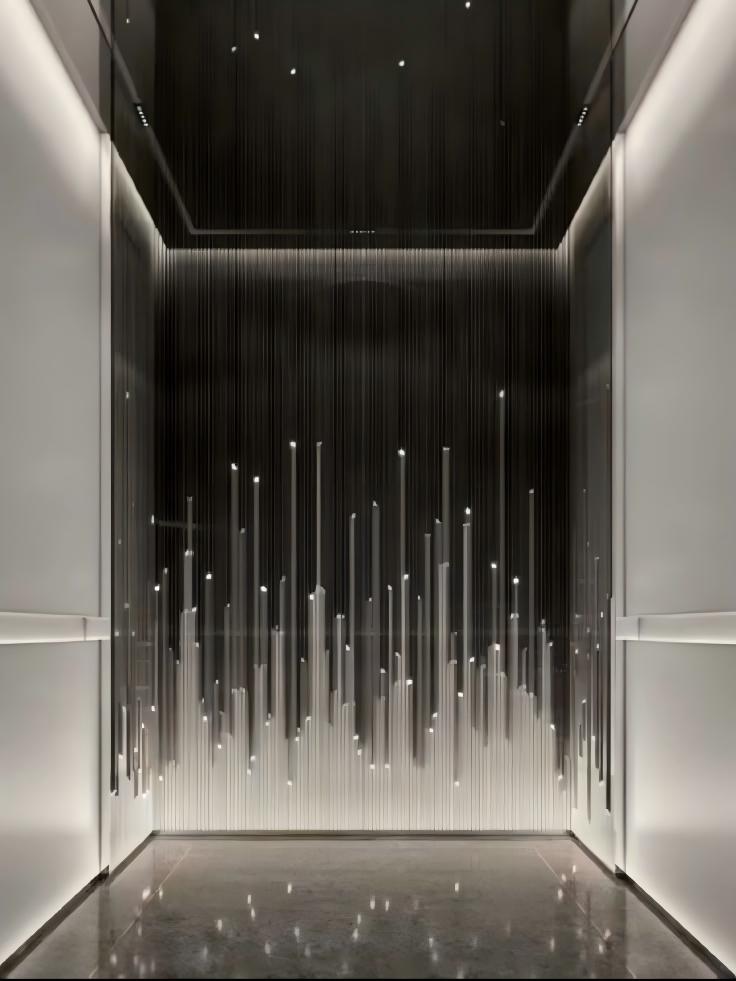
Standart dekoratif panel tedarikçilerinin aksine Sanmei, üretmektedir su dalgası paslanmaz çelik levhalar projeksiyon boyutlarına — dahil asansör kabin panellerimimari paneller ve kolon kaplamaları gibi — böylece malzeme ve bitmiş bileşen iki yerine tek bir sipariş olarak sevk edilir.
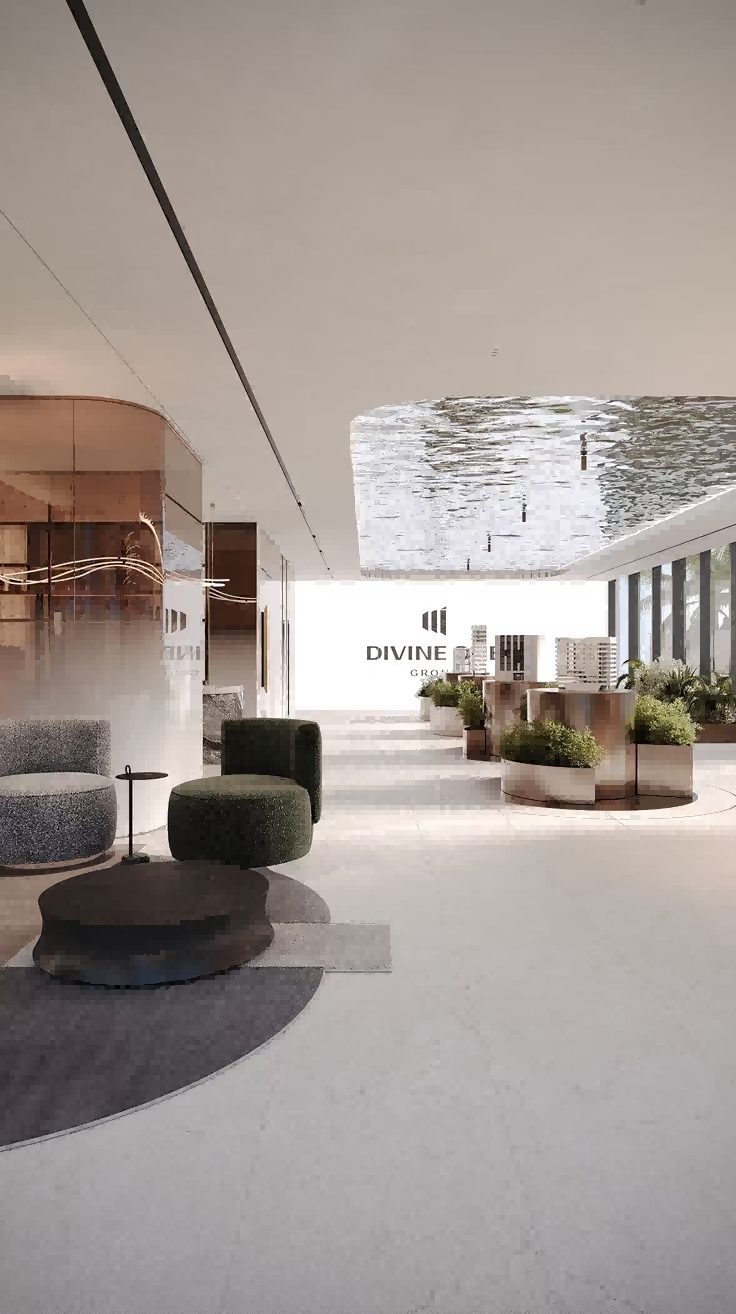
Asansör içleri / resepsiyon arka planları (yakın izleme mesafesi, tipik olarak karışık yapay aydınlatma) → Sığ veya Orta (Küçük/Orta su dalgası), yönü saha ışık düzenine göre belirlenir
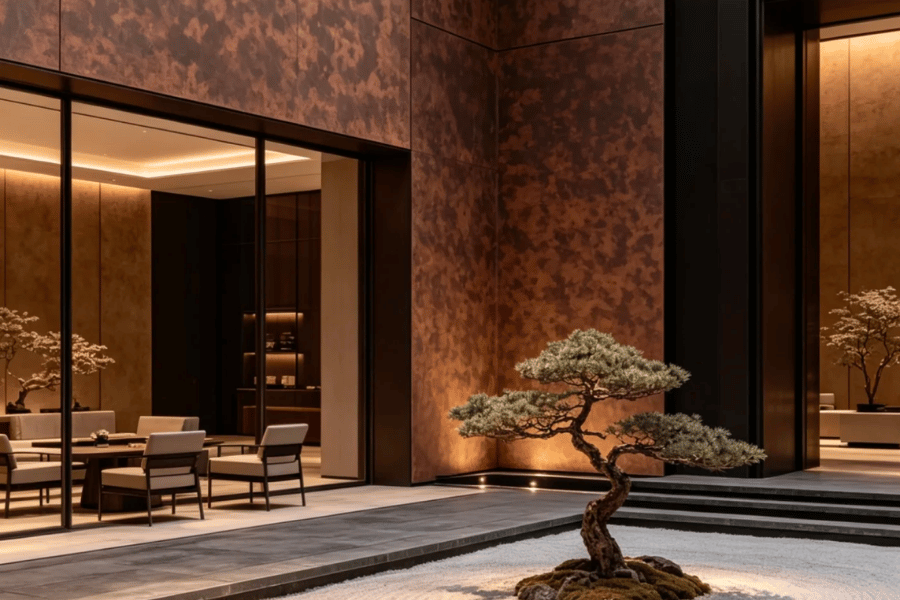
Geniş cepheler / vurgu duvarları (Uzaktan görülen, doğal ışığa dayalı) → Derin (Büyük su dalgası), mümkün olduğunca düşük açılı gün ışığını yakalamak için dikey olarak monte edilmiş
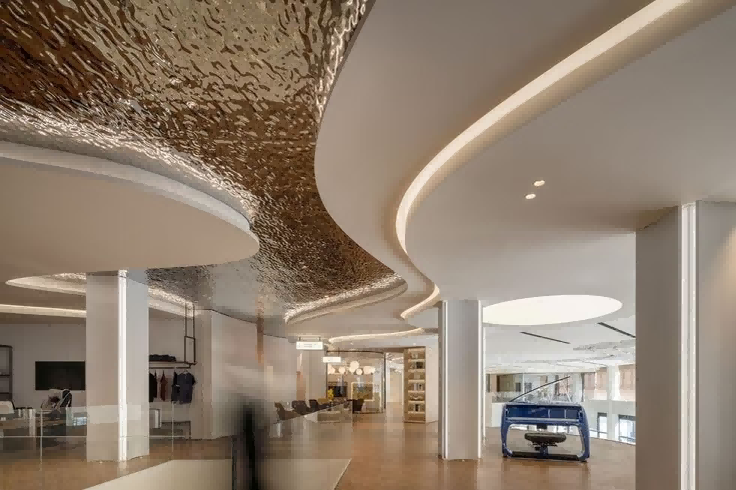
Su dalgası paslanmaz çelik tavan uygulamalar (çoğunlukla yukarıdan gelen yayılmış ışıkla aydınlatılan) → yatay montaj; ayrıca burası su dalgalanması efekti paslanmaz çelik tavan Çoğunlukla en eşit okumayı görünüm sağlar; çünkü difüze bir tavan lambası, yönlü ışığa bağlı olan Derin desenden ziyade Orta dereceli dalgalanmaya daha uygundur.
Tavan paneli detayları hakkında daha fazla bilgi edinin →
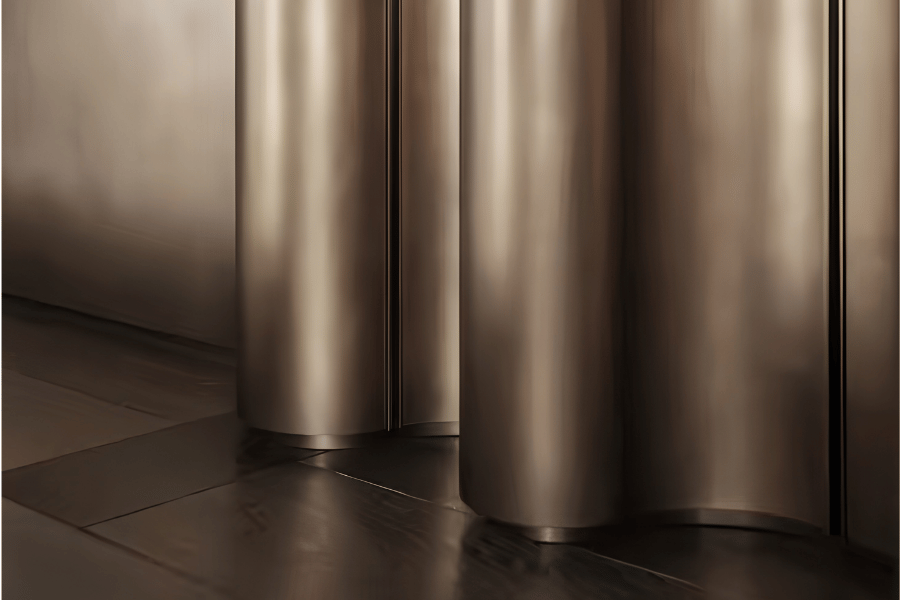
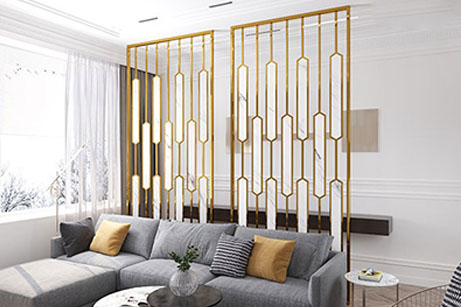
Sütun kaydırmaları / bölme ekranlar → Dalga Dalgalanması, otantik ışık-gölge kırılması için 3D lazer + damgalama işlemiyle eşleştirildi
Dış zemin / hobi amaçlı alanlar Su Damlası Dalgalanması
A paslanmaz çelik su dalgası paneli bu şekilde kullanıldı — kaynak gösterildi, uydurmave tek bir tedarikçiden proje boyutlarına göre teslim edilmesi — iki ayrı tedarikçiden hammadde ve imalat kaynaklı koordinasyon boşluğunu ortadan kaldırır.
Bize fikirlerinizi söyleyin?
Temel bilgileri paylaşın ve net bir cevap alın.Kurulum Özeti
- Su dalgalanma panellerini, katlanmış kenarları taban panosu boyutuna tam olarak uyacak şekilde imal edin
- Panelin arkasına noktasal ve çizgisel desen şeklinde yapısal yapıştırıcı uygulayın
- Paneli taban paneline vidalayın; tavan montajı için yapıştırıcı sertleşene kadar yaklaşık 24 saat boyunca ahşap çıtalarla destekleyin, ardından çıtaları çıkarın ve koruyucu filmi soyun
- Katlanmış kenarları ve önceden monte edilmiş köşe destekleri olan, taban kartına göre boyutlandırılmış paneller imal edin
- Köşe braketini, bitişik panelleri birbirine bağlamak için bitişik panellerin arkasına katlayın
- Bağlı panelleri, vidalı yöntemle taban tahtasına sabitleyin - bantla yapıştırmanın aksine bu yöntem, bakım için panellerin sökülmesine olanak tanır.
Yukarıdaki iki yöntemden farklı bir ürün formu — yerinde monte edilen ham bir levha değil, fabrikada monte edilmiş bir kompozit: su dalgası paslanmaz çelik levha + yapıştırıcı katman + alüminyum petek çekirdek + galvanizli çelik arka plaka, fabrikada tek bir rijit ünite halinde yapıştırılmış. Yerinde, kompozit panel bir yapısal çerçeve/ray sistemine monte edilir. Bu, standart duvar veya tavan işlerine göre panel rijitliğinin daha önemli olduğu büyük cepheler ve giydirme cepheler için uygundur.
Yapıştırıcı panelin arkasına sürülür, ardından panel doğrudan duvara çivilenir - en basit, en düşük maliyetli yöntemdir, yalnızca daha ince paneller için uygundur. Gerekli görülen yerlerde ek tutma gücü için kenarlara ek vidalar eklenebilir.
Dikiş Tedavisi
Üreticiler genellikle sıkı alın kaynakları yerine katlanmış kenarları önerir. Katlama olmaması, panelin arkası ile alt tabaka arasındaki boşluğu artırır, bu da yapıştırıcının yapışma yüzeyini ve tutma gücünü azaltır. Katlanmış bir kenar, panelin alt tabakaya tam olarak oturmasını sağlar, böylece yapısal yapıştırıcı eşit ve güvenli bir şekilde yapışır.
Önerilen Yaklaşım:
- Katlanmış kenarlı panelleri taban panosu boyutlarında, dikiş aralığını 1 mm'nin altında tutarak imal edin.
- Panelin arkasına, kenarlara ekstra yayılacak şekilde yapısal yapıştırıcıyı eşit şekilde sürün
- Katlanmış kenar, panelin yanında ham dalgalı kesiti de gizleyerek daha temiz bir bitmiş kenar sağlar.
- Ek mekanik sabitleme gereken yerlerde, vida başları pas önleyici astarla, ardından normal tavan görüntüleme mesafesinde büyük ölçüde görünmeyen bir ayna bitiş rötuş katıyla gizlenebilir.
Genel Önlemler
Sipariş vermeden önce: dalgalı desen mekanik olarak oluşturulduğu için panelden panele derinlik ve yansımada doğal bir değişkenlik mevcuttur ve büyük tesislerde tüm uzunluk boyunca tutarlı bir dalga yönü ve dikiş düzeni gereklidir. Sipariş vermeden önce Sanmei ile özel dalga desenini doğrulamanız ve bitmiş tesisin görsel olarak tutarlı kalmasını sağlamak için panel yerleşimini gerçek site boyutlarına göre haritalamanız önerilir.
Kurulum sırasında:
- Kurulum tamamen bitene kadar koruyucu filmi üzerinde bırakın
- Kullanım ve kurulum sırasında eldiven takın
- Kurulumdan önce dalgalanma yönünün tutarlı kalmasını sağlamak için panel düzenini planlayın
- Temiz bir bitmiş görünüm için dikiş boşluklarını 1 mm içinde tutun
- İç/dış köşeler, pencere ve kapı kenarları ile dolap veya taşa geçişlerde, fabrika katlamalı kenarlar veya uyumlu kenar pervazları, yerinde kesme ve kaynaklamanın pürüzlü görünümünden ve güvenlik riskinden kaçınır.
- Küçük çizikler, rengiyle uyumlu tamir mumu ile rötuşlanabilir
- Metalik kaplamayı korumak için kurulumdan sonra alanı derhal temizleyin
Sürekli bakım:
- Yumuşak bir bez ve hafif, aşındırıcı olmayan bir temizleyici ile, daha eşit bir sonuç için dalgalı dokunun yönünü takip ederek silin.
- Çelik yünü veya aşındırıcı temizleme pedlerinden kaçının — yüzeyi çizerler ve paslanmaya yol açabilecek parçacıkların içine işlemesine neden olabilirler.
- Klor bazlı ağartıcı veya yüzeye zarar verecek sert asitli/alkali temizleyicilerden kaçının
SSS
304, tuzlu ortamlara doğrudan maruz kalmayan çoğu dış mekan kullanımı için yeterlidir. Sahil veya yüksek klorürlü ortamlar için 316/316L, daha iyi uzun vadeli korozyon direnci sunar.
Sac, kontrollü basınç altında dokulu bir şekillendirme silindirinden veya damgalama kalıbından geçirilir. Rastgele/Doğal Dalgalanma ve Su Damlası tamamen damgalama işlemleridir; Dalgalı Dalgalanma ise tipik olarak 3D lazer gravürü damgalama ile birleştirir.
Evet, su dalgalı paslanmaz çelik tavan bu yüzey için en yaygın uygulamalardan biridir, özellikle Orta dereceli dalgalı yüzey, çünkü tavanlar genellikle güçlü yönlü ışıktan ziyade yayılmış tavan aydınlatmasıyla aydınlatılır.
Derinlik, proje gereksinimlerine göre özelleştirilebilir - belirli bir proje için kullanılabilen aralığı onaylamak üzere Sanmei ile iletişime geçin.
Evet, paneller yerinde proje boyutlarına göre üretilebilir — Sanmei ile iletişime geçin spesifikasyonları doğrulamak için.
Projeniz İçin Dalgalanmayı Doğru Yapın
Su dalgası paslanmaz çelik levha kullanarak modern bir estetik etki yaratmak, sadece hoş görünümlü bir desen seçmekle ilgili değildir; dalga derinliğini, sınıfını ve aydınlatmasını mekanın gerçekten nasıl görüleceği ve kullanılacağıyla eşleştirmekle ilgilidir. Bu kararları doğru verirseniz panel işi yapar; yanlış verirseniz, en iyi görünen levha bile monte edildiğinde sönük kalır.
Sanmei, su dalgası paslanmaz çeliği hem malzeme hem de bitmiş bileşen olarak tedarik eder — projenizin boyutlarına göre imal edilmiş paneller, uygulama için eşleştirilmiş kalitesi, deseni ve kaplamasıyla tam MTR/SGS belgeleriyle desteklenir. Projemiz hakkında bilgi verin ve hangi dalgalı cam kalitesinin, kalınlığının ve montaj yönteminin en uygun olduğuna karar vermenize yardımcı olacağız.