




Acabamentos em Aço Inoxidável Preto: 6 Processos, Múltiplos Tons de Preto
Aço inoxidável preto O aço inoxidável preto deixou de ser um acabamento arquitetônico de nicho para se tornar uma das opções de superfície mais solicitadas em painéis metálicos decorativos e produtos industriais. Mas o aço inoxidável preto não é uma coisa só — é uma categoria. O acabamento escurecido, o processo de revestimento e o substrato metálico subjacente influenciam a cor final, a durabilidade e as possibilidades de design. Este guia explica o que é, de fato, o aço inoxidável preto, como os fabricantes produzem um acabamento preto no aço inoxidável, dois termos frequentemente confundidos com os processos reais, por que o mesmo "preto" pode parecer completamente diferente dependendo do processo e como um estilo mais recente — o preto envelhecido em tons quentes — se encaixa nesse contexto.
O Que É Aço Inoxidável Preto?
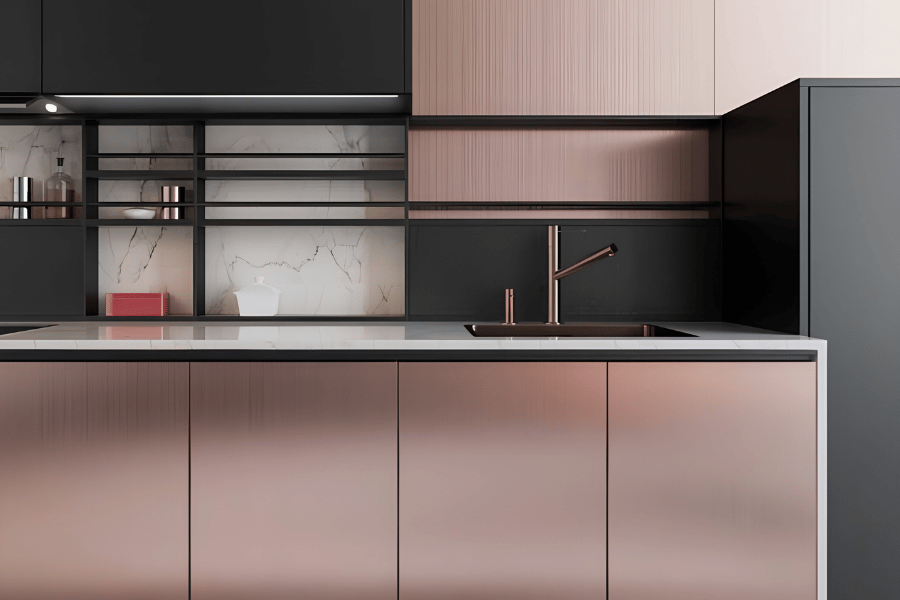
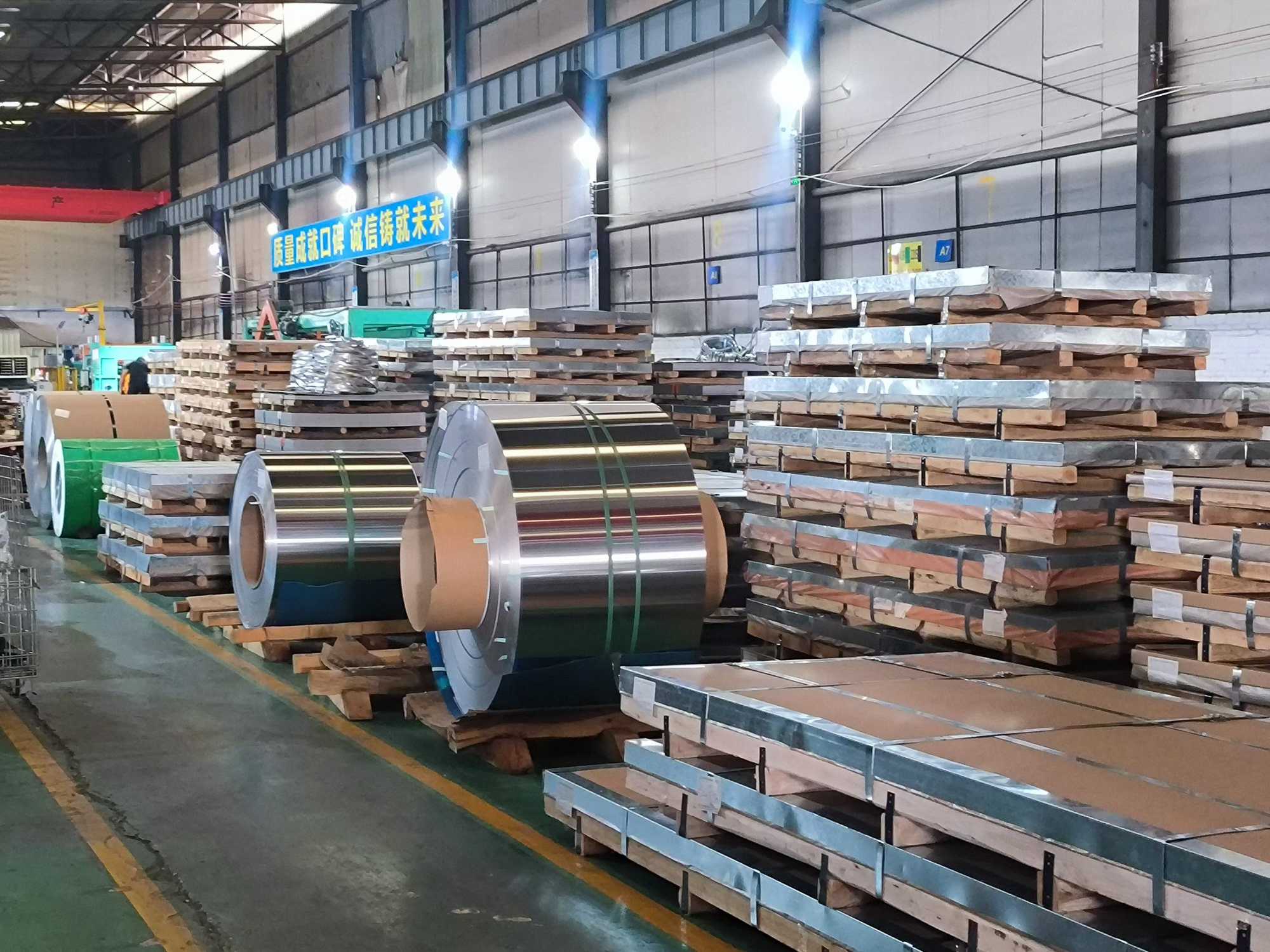
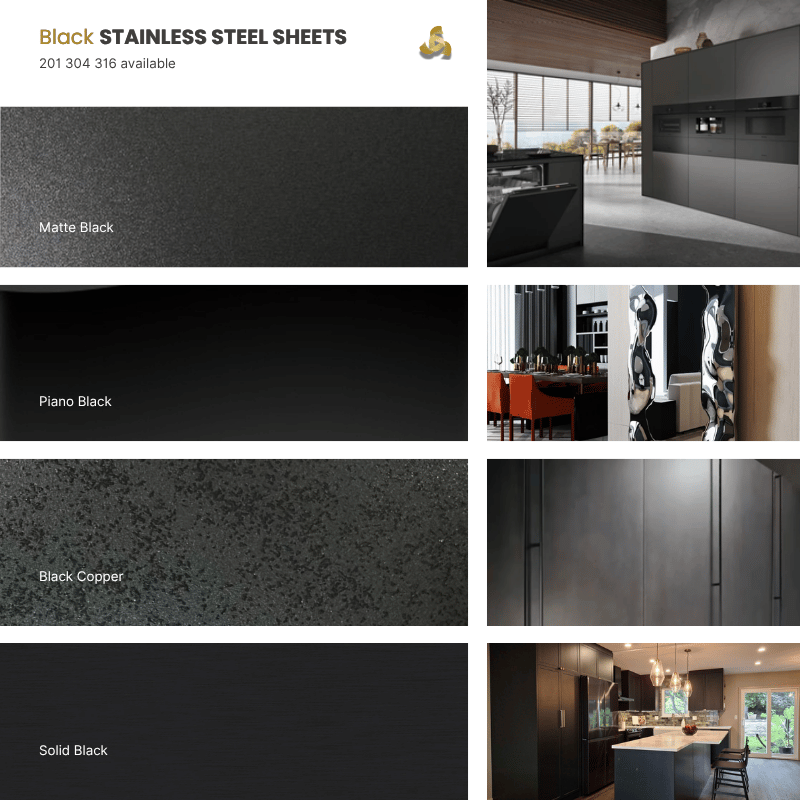
Algumas pessoas se perguntam o que é, de fato, aço inoxidável preto — será que o aço inoxidável pode realmente passar de sua cor natural para o preto? A resposta é sim. O aço inoxidável preto é produzido através do acabamento superficial de bobinas ou chapas de aço inoxidável laminado a frio até que elas fiquem pretas. Não há um limite estrito quanto à qualidade do metal base, mas 201, 304, e 316 são os mais comuns, com 430 também está sendo cada vez mais utilizado. Diferentes processos produzem diferentes tons de preto — preto fosco, preto espelhado — cada um com seu próprio brilho e profundidade. É por isso também que dois painéis podem ter o mesmo rótulo de "acabamento em aço inoxidável preto" e ainda assim diferir bastante em desempenho e aparência na prática, pois o que realmente determina a durabilidade e a estética é o próprio processo de acabamento, e não apenas o material.
Como é feito o aço inoxidável preto? Os diferentes processos de escurecimento
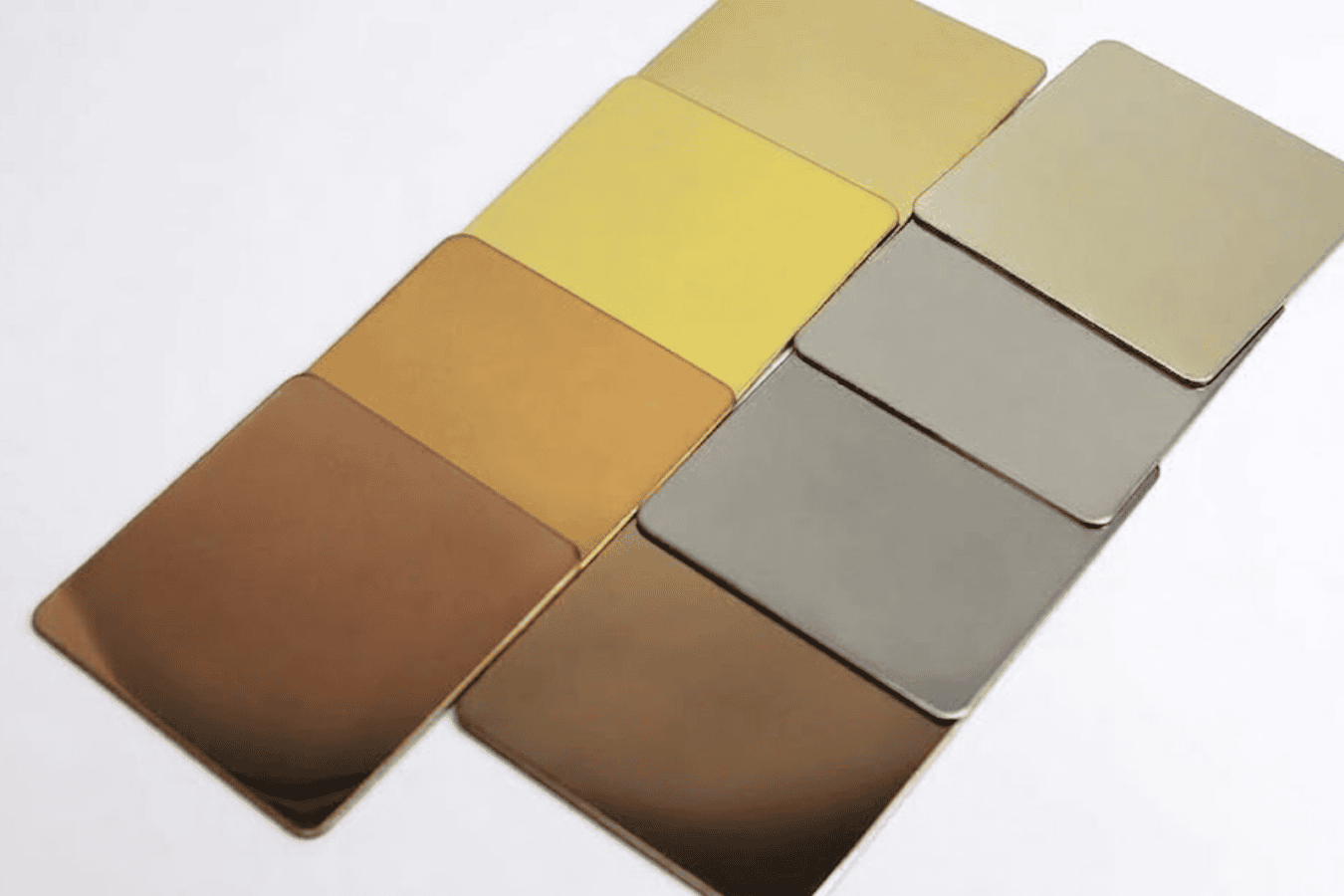
O aço inoxidável preto é obtido por meio de três principais processos. A galvanoplastia (ou eletrodeposição) é a opção de menor custo, com estabilidade de cor moderada — sendo a forma mais acessível de produzir aço inoxidável com revestimento preto — adequada para projetos padronizados de alto volume e com foco em custo-benefício. O PVD, um processo de revestimento a vácuo, tem custo médio a alto, dependendo do material, mas oferece a maior durabilidade e estabilidade de cor, sendo a escolha ideal para projetos arquitetônicos ou de alto padrão com requisitos rigorosos de tonalidade, resistência às intempéries ou consistência entre lotes. A pintura por cura térmica é aplicada diretamente na superfície do aço inoxidável e curada em alta temperatura, sem uma base de revestimento metálico por baixo — custo baixo a médio, com a melhor correspondência de cor entre lotes, mas mais adequada para uso interno ou com baixa abrasão do que para exposição prolongada ao ar livre, sendo ideal para projetos de curto prazo ou temporários.
| Processo | Custo | Durabilidade / Estabilidade de Cor | Melhor para |
|---|---|---|---|
| Galvanoplastia aquosa (galvanoplastia) | Baixo | Moderado | Projetos padrão de alto volume com foco em valor |
| PVD (revestimento a vácuo) | Médio a alto, dependendo do material alvo | Alto | Projetos arquitetônicos ou de alto padrão com requisitos rigorosos de tom, envelhecimento ou consistência entre lotes |
| tinta para assar (acabamento em estufa) | Baixo a médio | Forte correspondência de cores lote a lote; mais adequado para aplicações internas ou de menor abrasão, em vez de exposição prolongada ao ar livre | Projetos de curto prazo ou temporários |
Aço inoxidável anodizado preto? Óxido preto? Dois termos que vale a pena esclarecer.
Algumas pessoas pesquisam por "chapa de aço inoxidável anodizada preta", mas, falando estritamente, a anodização foi projetada para o alumínio. O alumínio forma naturalmente uma camada de óxido porosa que continua a engrossar sob eletrólise, o que o torna resistente ao desgaste e fácil de tingir. A superfície do aço inoxidável funciona de maneira oposta — sua camada de óxido de cromo é fina, densa e quimicamente estável (exatamente o que torna o aço inoxidável resistente à corrosão), portanto, não tem a mesma capacidade de continuar a acumular uma camada de óxido como o alumínio. O aço inoxidável pode tecnicamente ser anodizado, mas a camada resultante é mais fina, menos uniforme, de cor mais clara e menos durável do que no alumínio, geralmente exigindo uma camada protetora adicional para se manter em bom estado. A maior parte do que é comercializado como "aço inoxidável anodizado preto" é, na verdade, anodização PVD ou revestimento por imersão em água — a verdadeira anodização raramente é o processo utilizado, mesmo quando o termo é usado.
O acabamento em óxido preto em aço inoxidável é outro termo que costuma ser confundido com os demais. Trata-se de um processo de conversão química no qual a superfície do aço reage com uma solução oxidante para formar uma camada de óxido de ferro preto — um processo que funciona muito melhor em aço carbono comum do que em aço inoxidável, já que a camada protetora de óxido de cromo do aço inoxidável resiste à mesma reação. Em aço inoxidável, o óxido preto produz uma camada preta mais fina e menos durável, razão pela qual funciona melhor como uma etapa inicial em um processo de envelhecimento artificial — aplicado para criar a base escura antes que o painel seja polido e revestido seletivamente — em vez de ser usado isoladamente para produzir aço inoxidável preto. Mais detalhes sobre como esse processo de envelhecimento artificial funciona na seção sobre tons de preto quentes, abaixo.
Mesmo Aço Preto Revestido, Resultados Diferentes
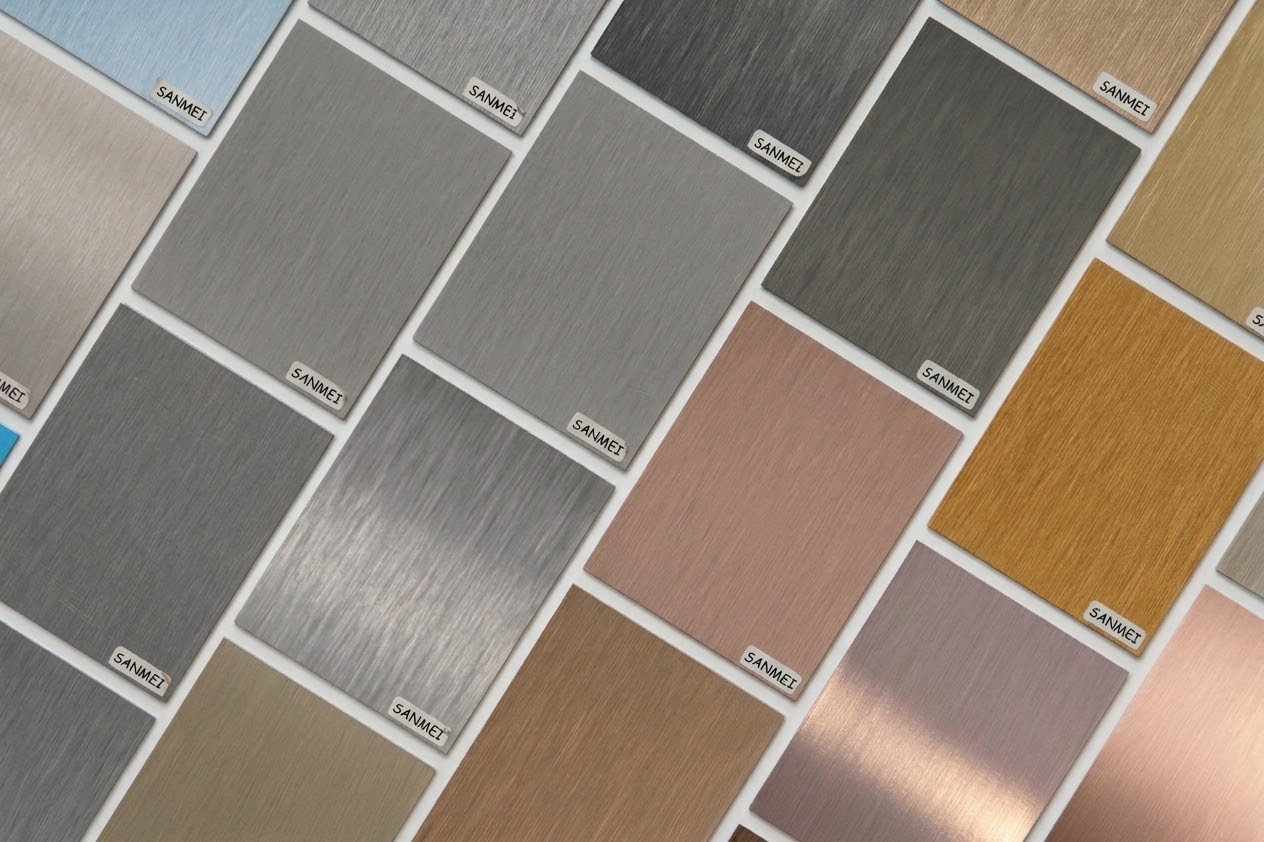
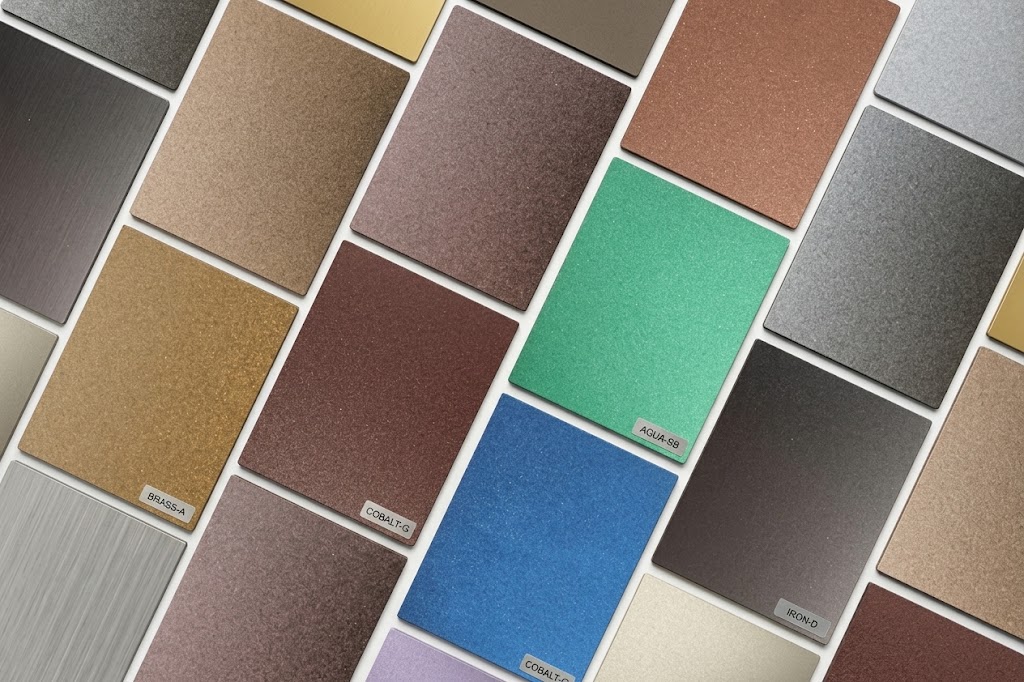
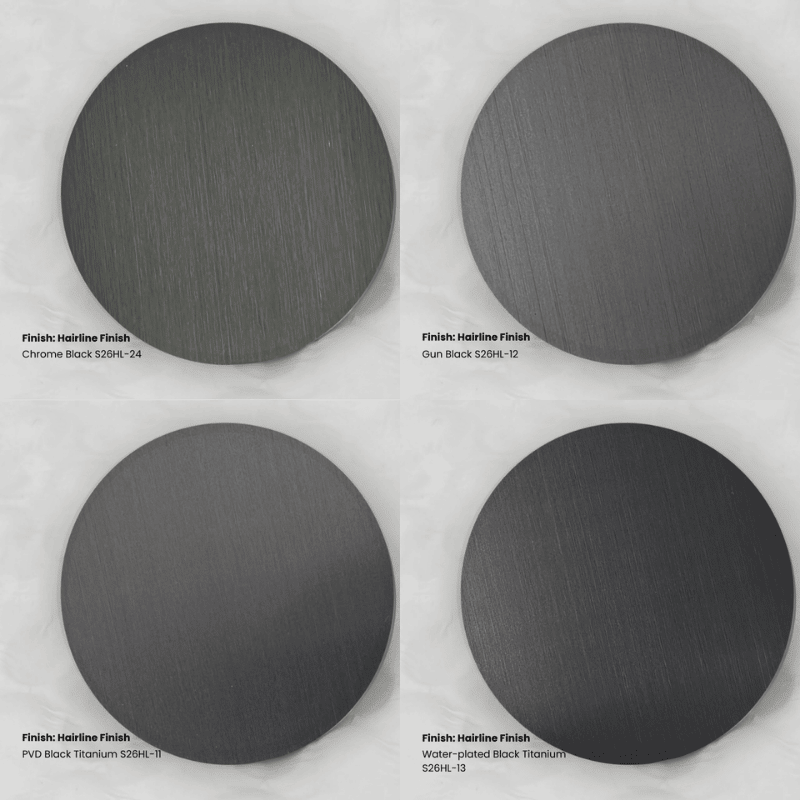
Os acabamentos pretos para aço inoxidável não são uniformes — a aparência real do aço inoxidável preto depende muito do processo de fabricação. Ao solicitar "aço inoxidável com acabamento preto" a diversos fornecedores, você pode obter painéis com aparências diferentes.
- Titânio preto com banho de água: O preto mais profundo e saturado disponível, sem qualquer alteração visível de tonalidade — um preto puro e uniforme. O acabamento em aço inoxidável preto mais comum e econômico do mercado.
- Preto titânio PVD (Ti-black): Um preto com um ligeiro tom púrpura, mais visível sob luz forte ou direta — mais profundidade visual do que um preto puro.
- PVD preto para armas: Um preto neutro, cinza-carbono — mais frio e discreto do que a profundidade púrpura do preto titânio, e mantém sua tonalidade consistente em diferentes condições de iluminação.
- Preto cromado PVD: Uma cor preta com um leve tom verde-amarelado sob luz intensa, obtida através de um revestimento de carboneto de cromo com forte resistência à corrosão.
Estas não são apenas variações estéticas — elas trazem diferenças reais em custo, confiabilidade de correspondência de cores e desempenho em intempéries, e é exatamente por isso que "aço inoxidável preto" como um único termo de pesquisa retorna resultados tão inconsistentes.
A base de esmalte aplicada por baixo também altera o visual.
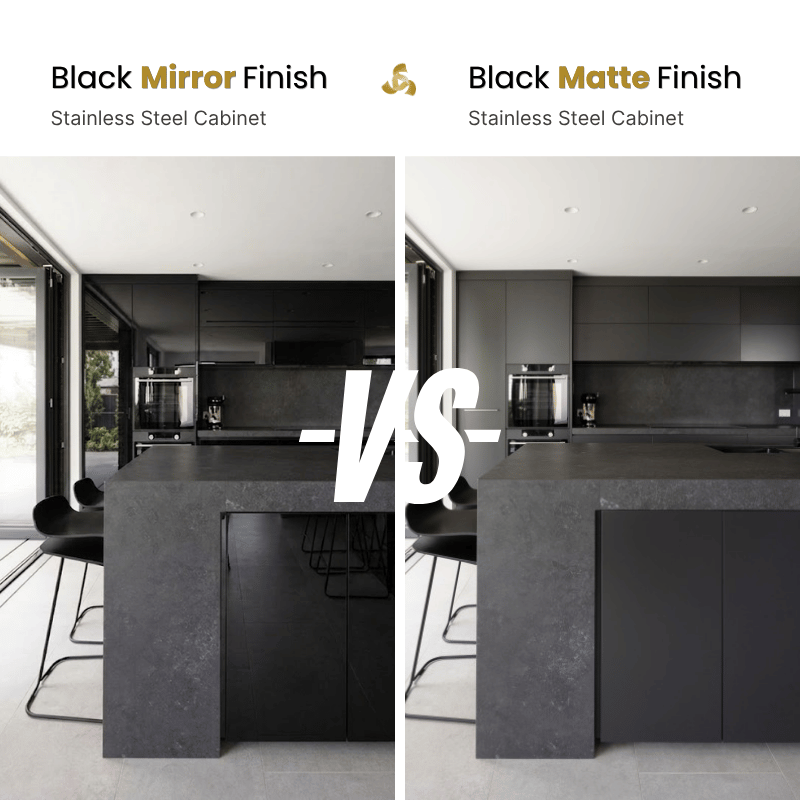
Além dos cinco fatores acima, há mais uma variável: o polimento de base sob o revestimento. Não se trata de dois processos separados — é um único processo de polimento em um espectro, e o grau de polimento determina o resultado: um grau de polimento menor deixa uma superfície com aparência mais áspera. fosco superfície com baixa refletividade, enquanto polimentos progressivamente mais intensos produzem resultados cada vez mais reflexivos, até um nível completo de refletividade. aço inoxidável com acabamento espelhado preto — com uma superfície profunda e de alto brilho. Outras texturas nomeadas — escovada, acetinada, com efeito hairline e as demais — são acabamentos complementares aplicados sobre essa base, e não a base em si. Dois painéis que utilizam exatamente o mesmo processo de revestimento podem acabar parecendo produtos completamente diferentes, dependendo do grau de polimento prévio do metal base.
O que parece plano e uniforme em uma amostra de chip pode se comportar de maneira muito diferente uma vez aplicado a um painel texturizado ou dimensional — que é onde a próxima seção entra.
Acabamentos Relacionados em Aço Inoxidável Preto
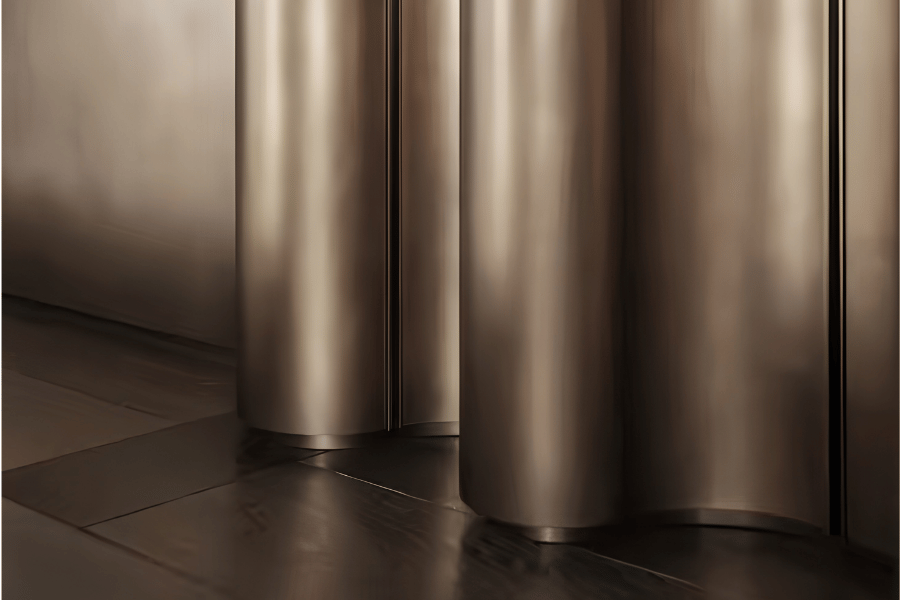
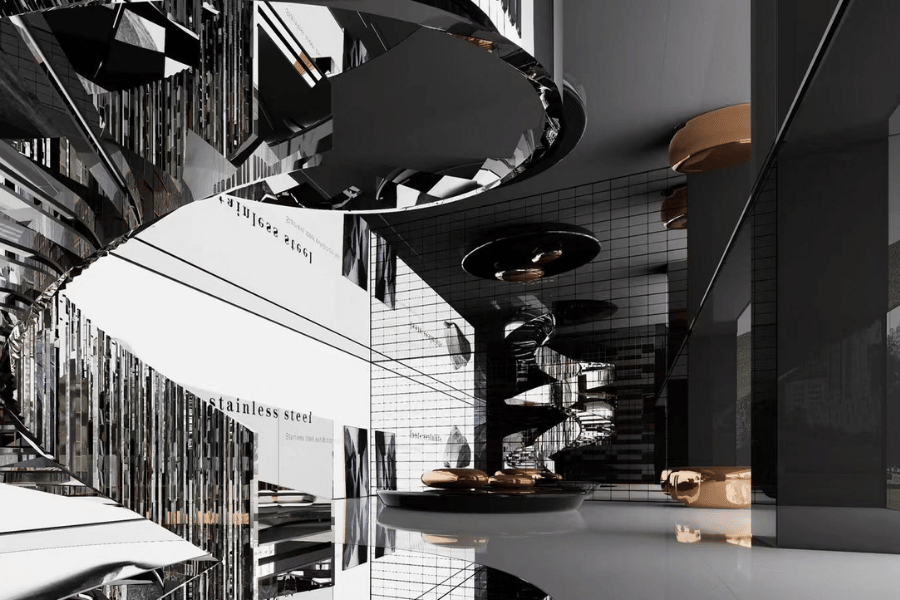
Folha de espelho preto
Acabamento polido de alta refletividade combinado com tons escuros profundos para detalhes arquitetônicos de ponta, varejo de luxo e painéis decorativos.
Chapa Preta Fosca
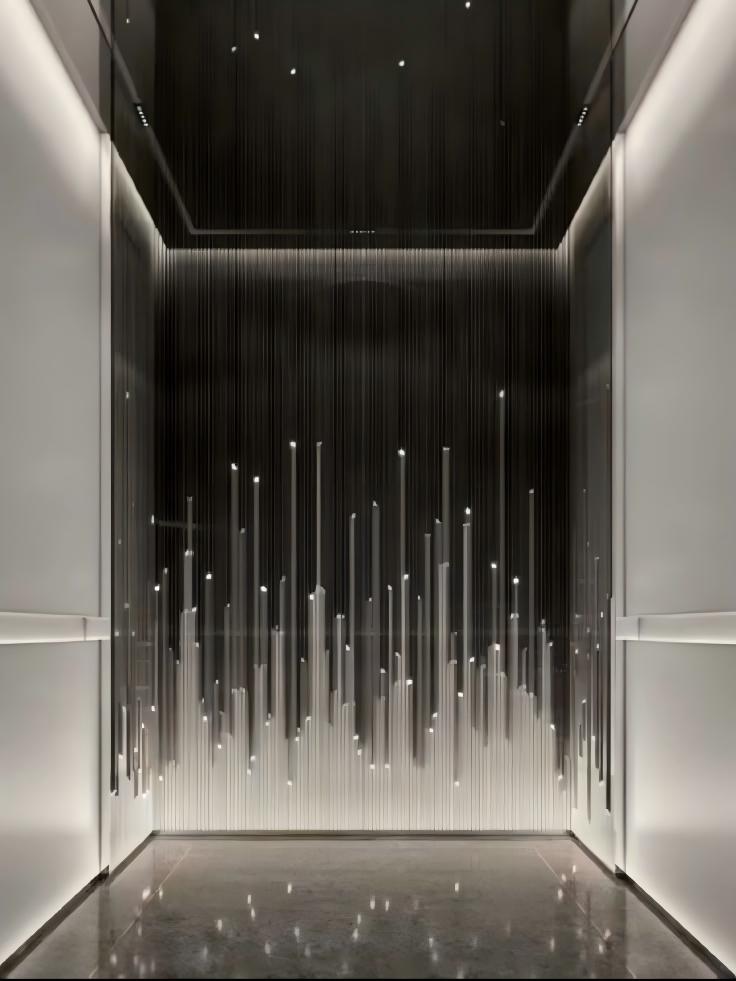
Textura acetinada não reflexiva que oferece um brilho sutil e tátil — ideal para revestimentos de interiores modernos, interiores de elevadores e eletrodomésticos premium.
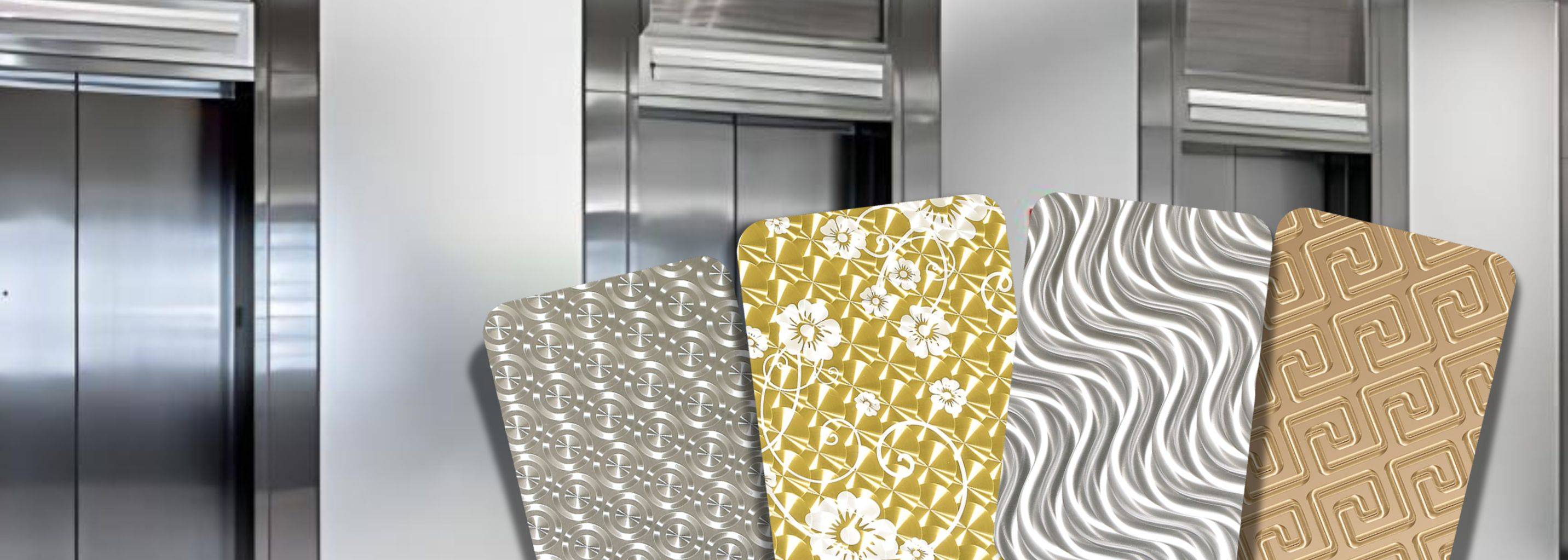
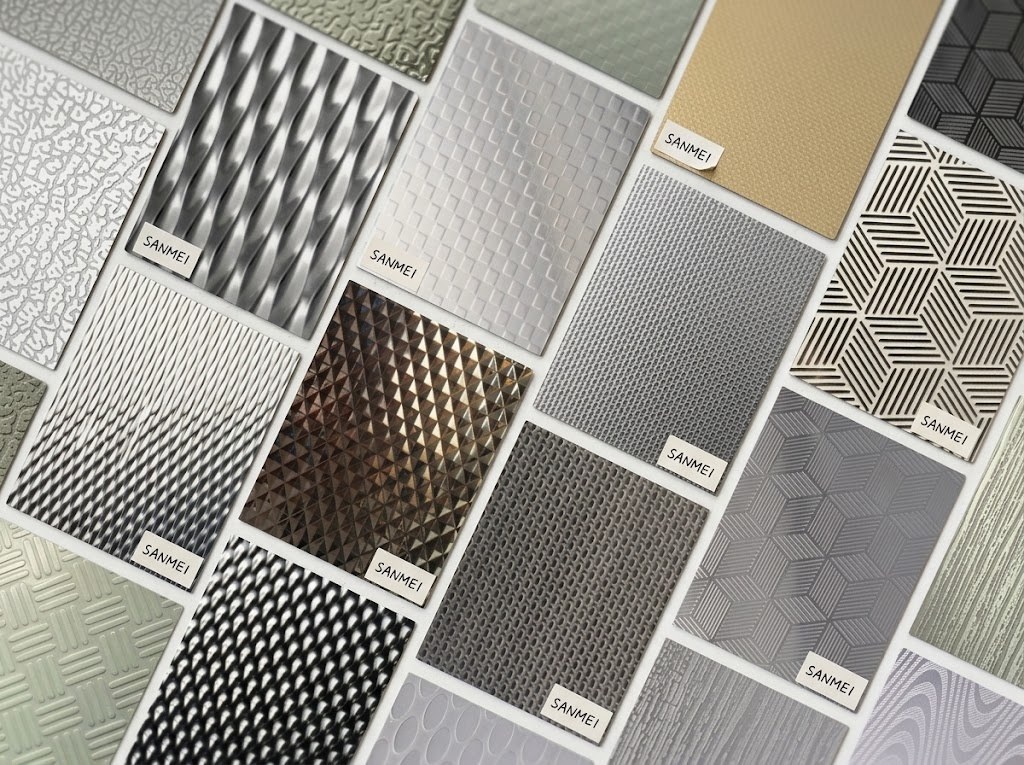
Painéis de Aço Inoxidável Preto Texturizado e Estampado
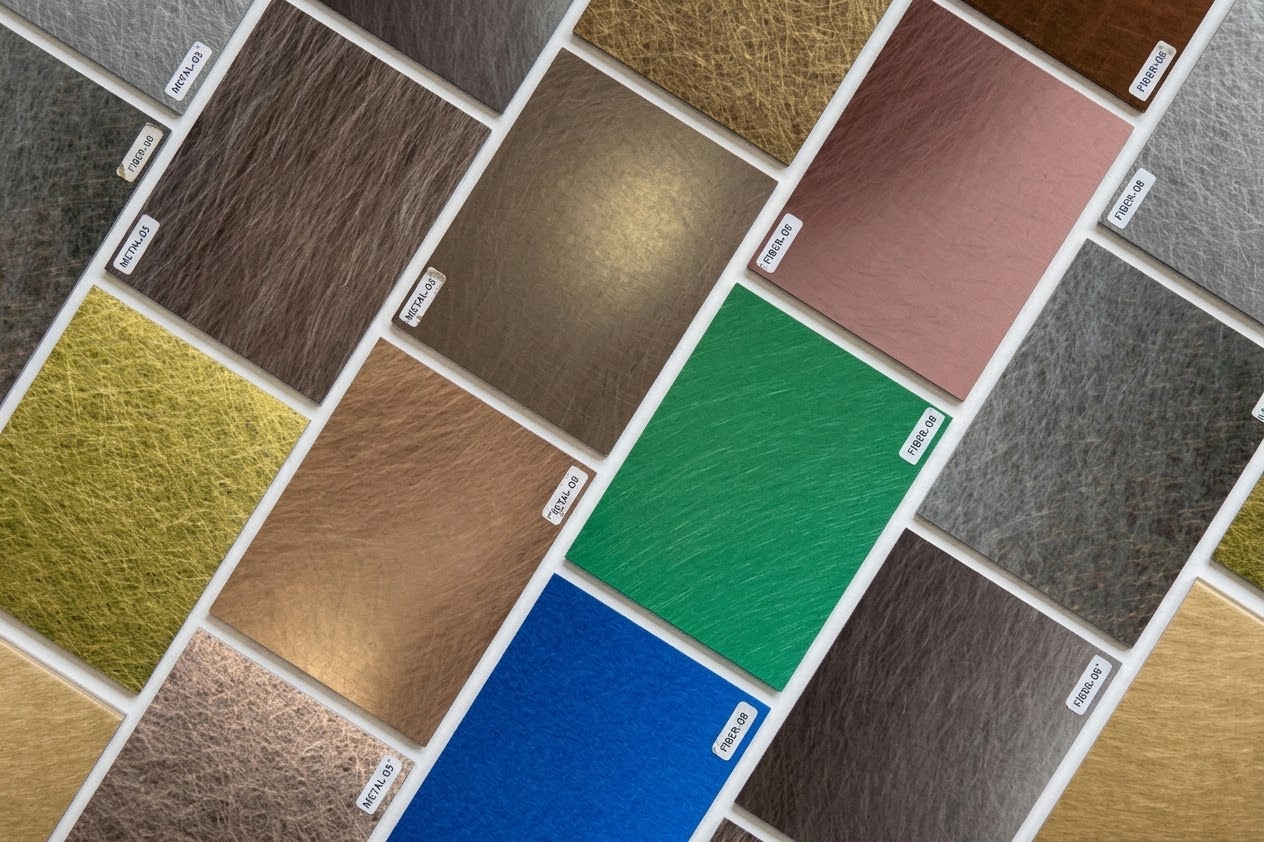
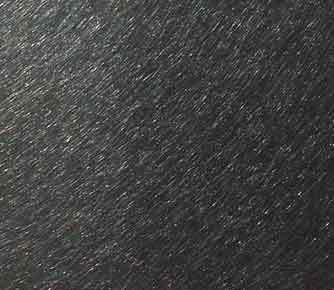
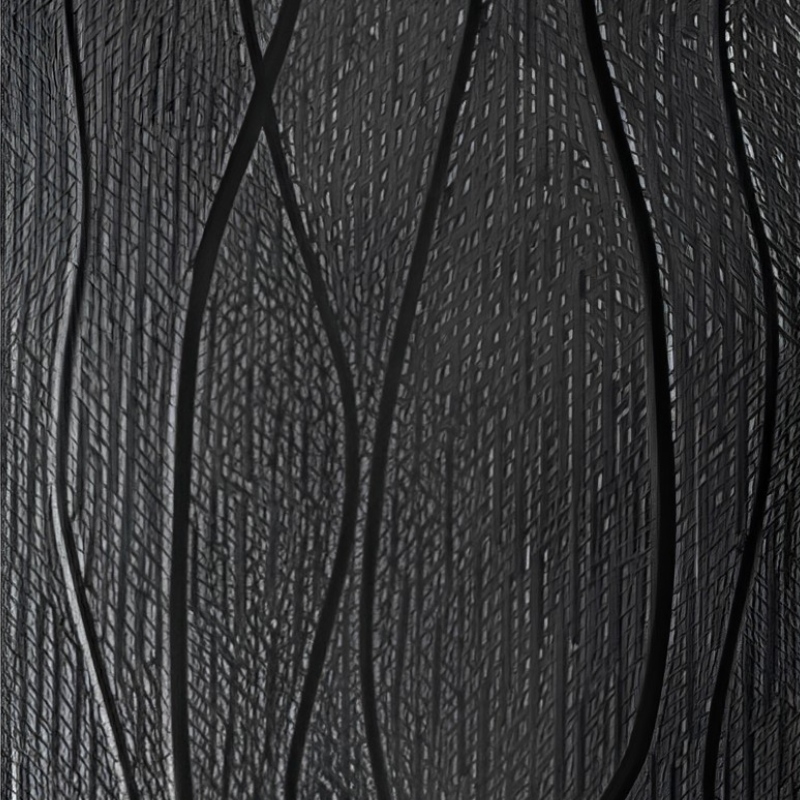
Preto não precisa significar sem graça, nem liso. A superfície base por baixo do revestimento preto pode ser um acabamento fosco por si só — No.4 , linha do cabelo (HL), ou jateado — cada um conferindo ao preto uma textura e refletividade diferentes antes da adição de qualquer padrão. Além disso, aço inoxidável preto texturizado — com padrões de madeira, pedra e outras impressões, gravações ou laminado motivos — adicionam interesse visual a um painel preto sem alterar seu perfil físico. Esses padrões ficam planos: texturizados ao olhar, lisos ao toque.
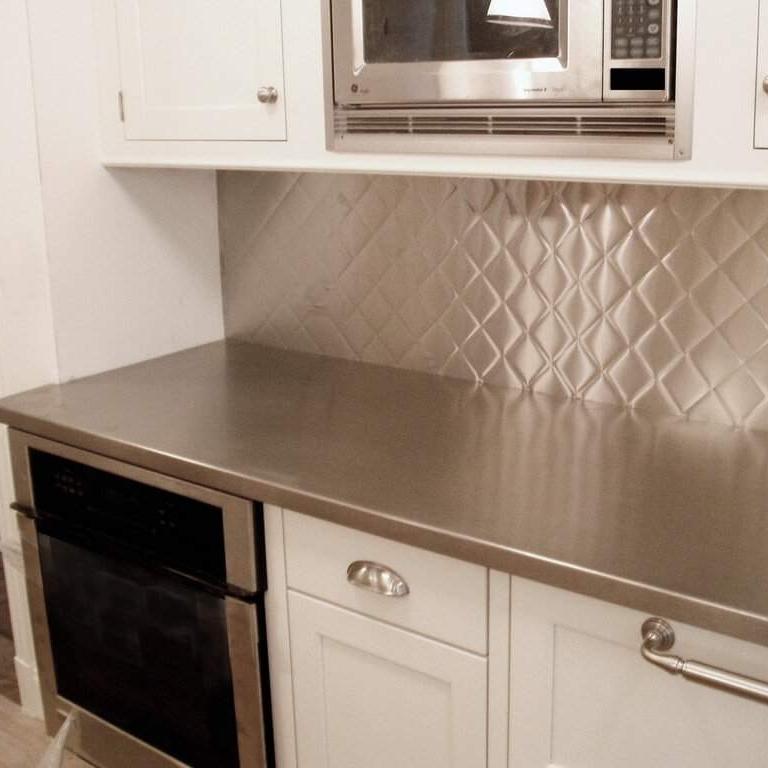
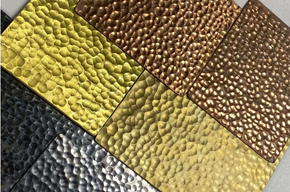
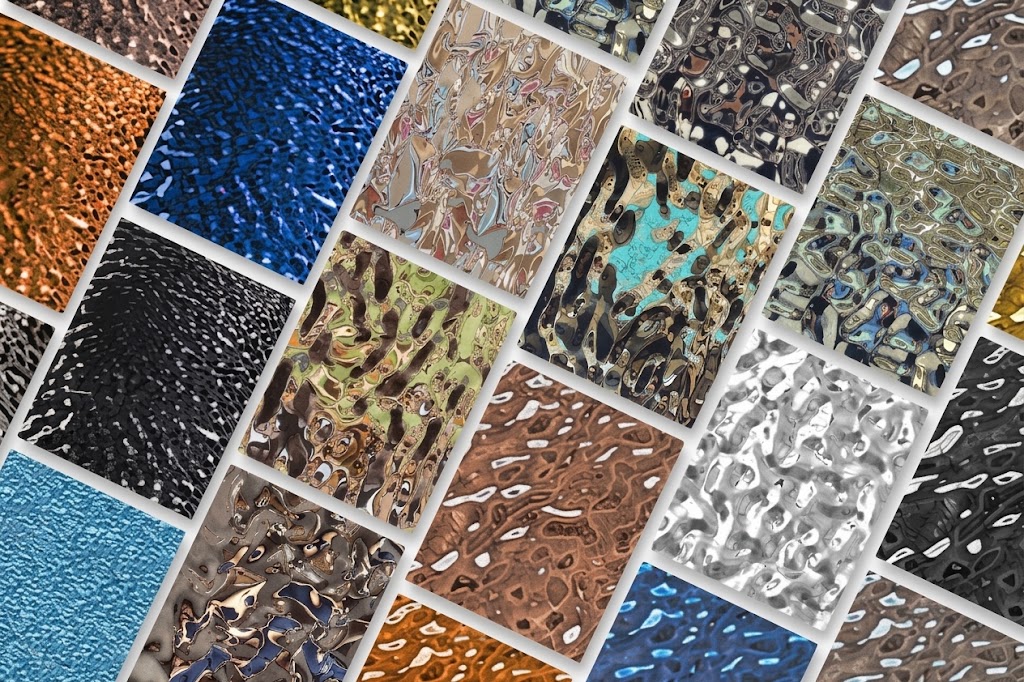
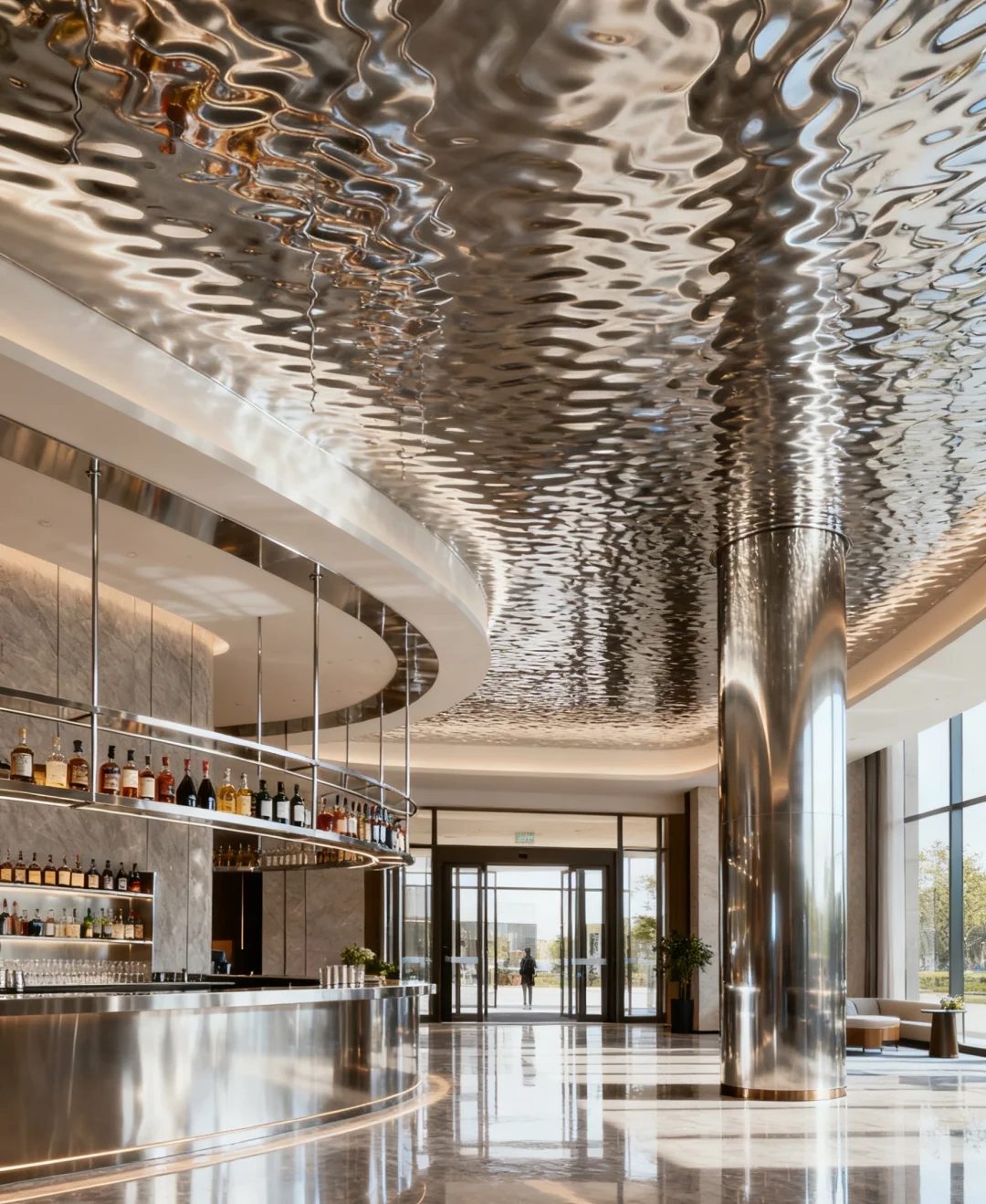
Para uma superfície tridimensional real, o metal precisa ser formado fisicamente — não impresso ou gravado. É aí que relevo, martelando, e onda d'água A prensagem entra em ação, cada uma produzindo uma superfície verdadeiramente tridimensional que, em seguida, recebe um acabamento preto usando os mesmos processos de PVD ou galvanoplastia descritos anteriormente. O resultado é um painel de metal preto com profundidade visual e tátil.
Há também uma forma mais avançada de usar essa estrutura dimensional - permitindo que as áreas elevadas e rebaixadas de um painel texturizado captem dois tons diferentes em vez de um preto liso. Esse é o efeito "preto colorido" abordado a seguir.

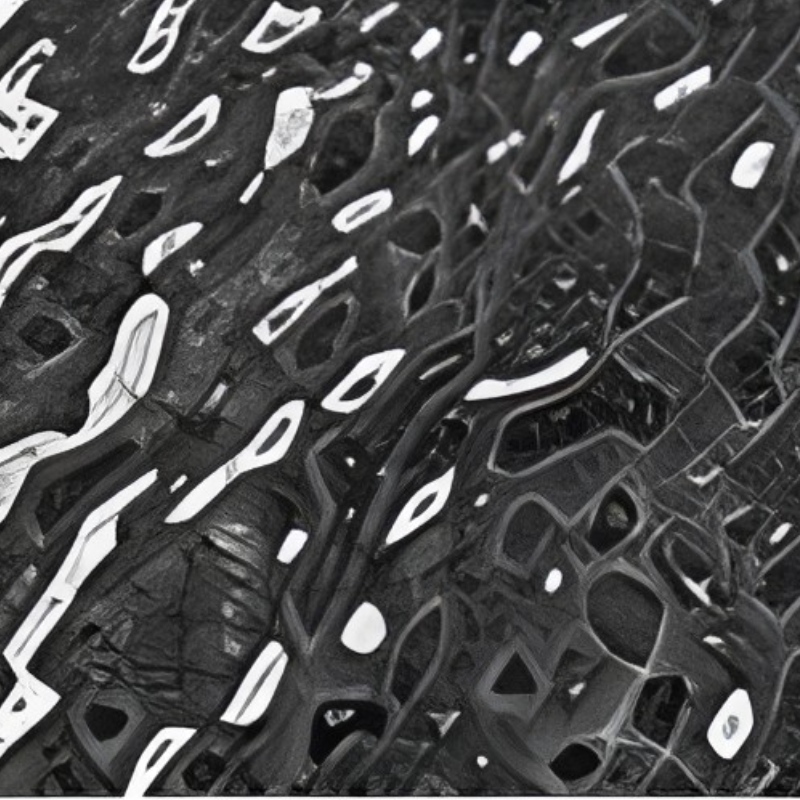
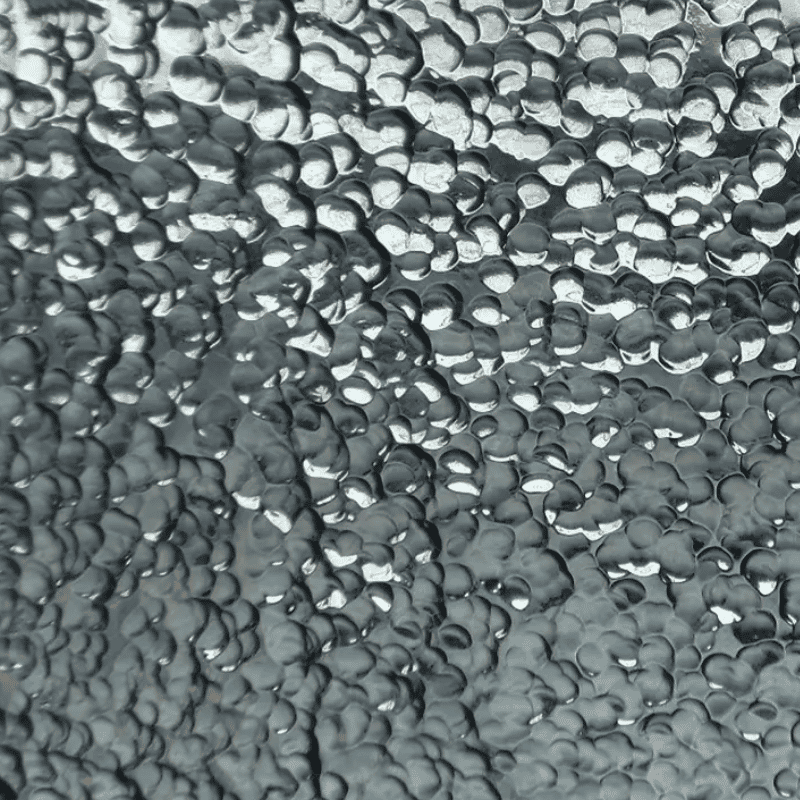
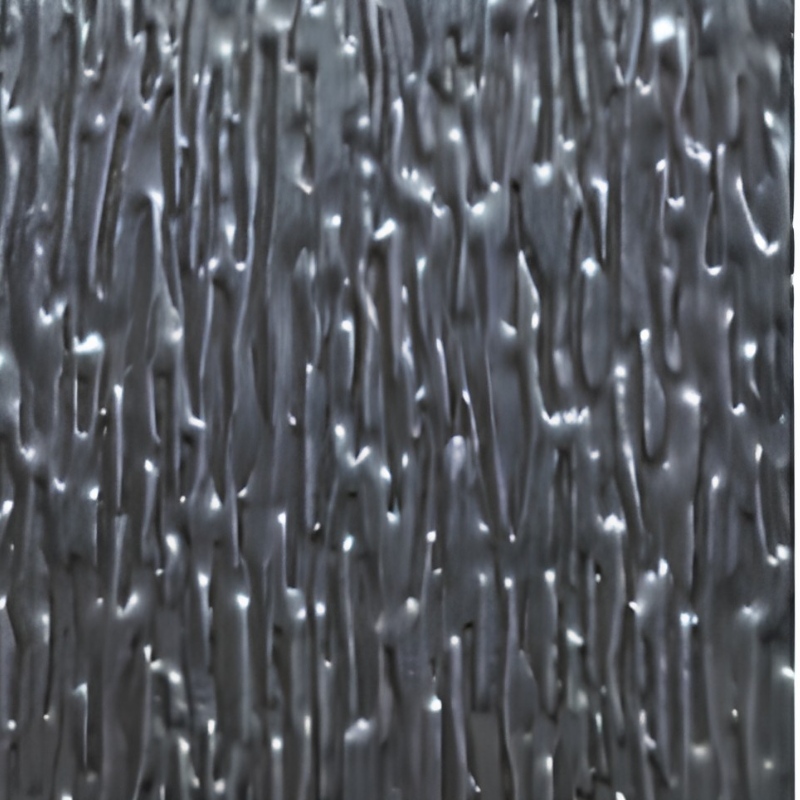
Preto de Tom Quente: Acabamentos Antigados e Multitom
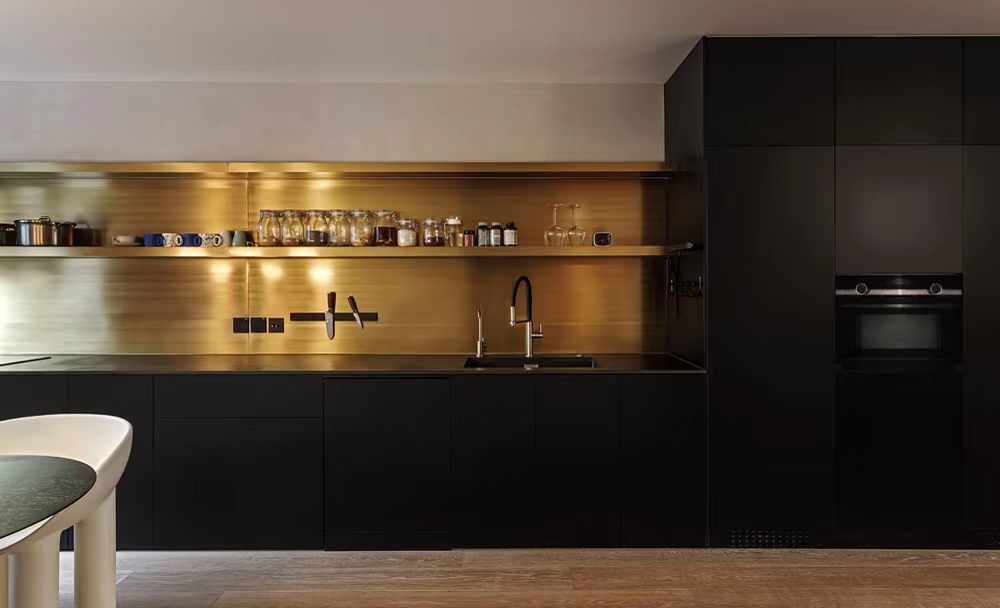
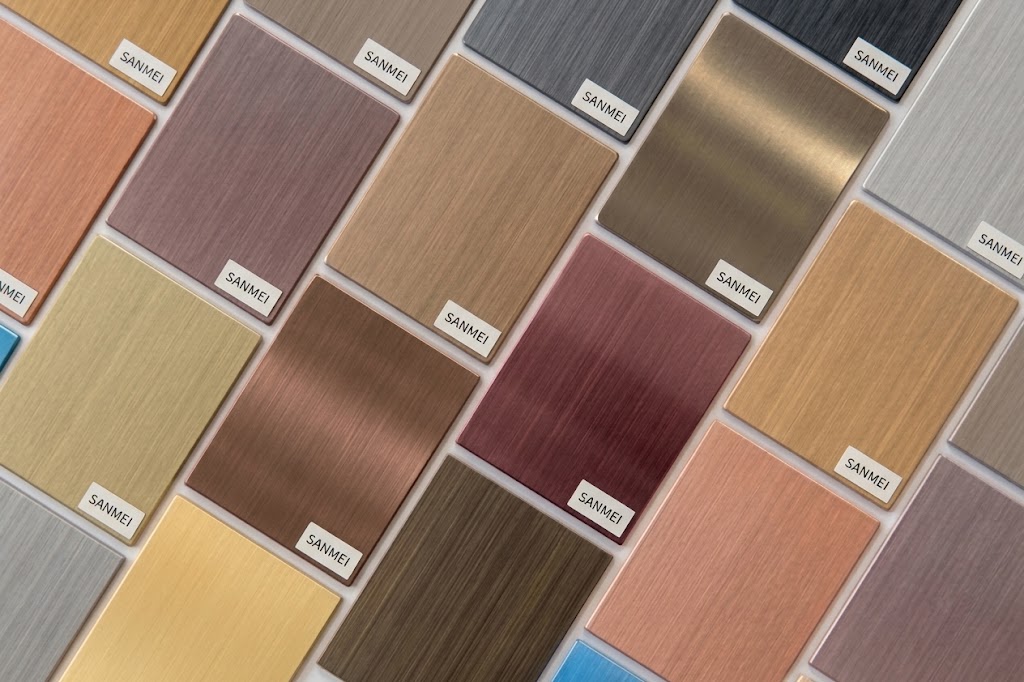
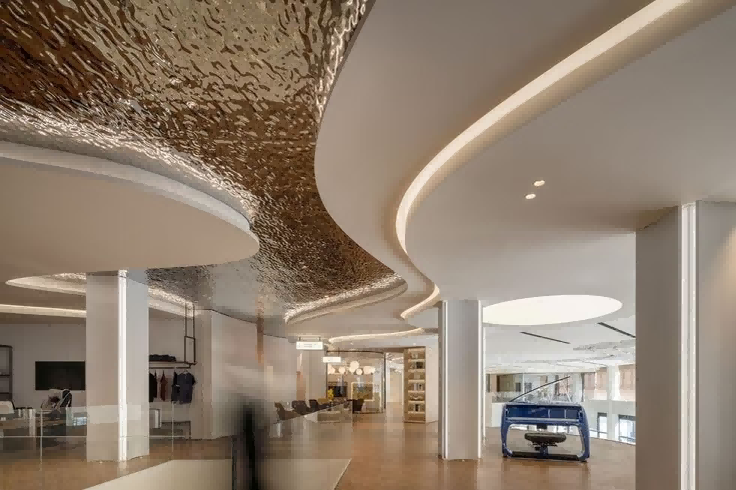
A cobertura das tendências recentes em hardware e design de interiores aponta para uma divisão interessante: o preto fosco permanece o acabamento dominante em arquitetura minimalista, industrial e com influência Japandi — mas tons quentes e com inspiração vintage, como cobre antigo, latão envelhecido e bronze polido, estão ganhando força ao lado dele. Em outras palavras, o preto não é mais um visual único. Há o familiar preto fosco frio e um preto "com cor" mais quente e com mais personalidade — e os designers estão usando cada vez mais ambos, às vezes no mesmo projeto.
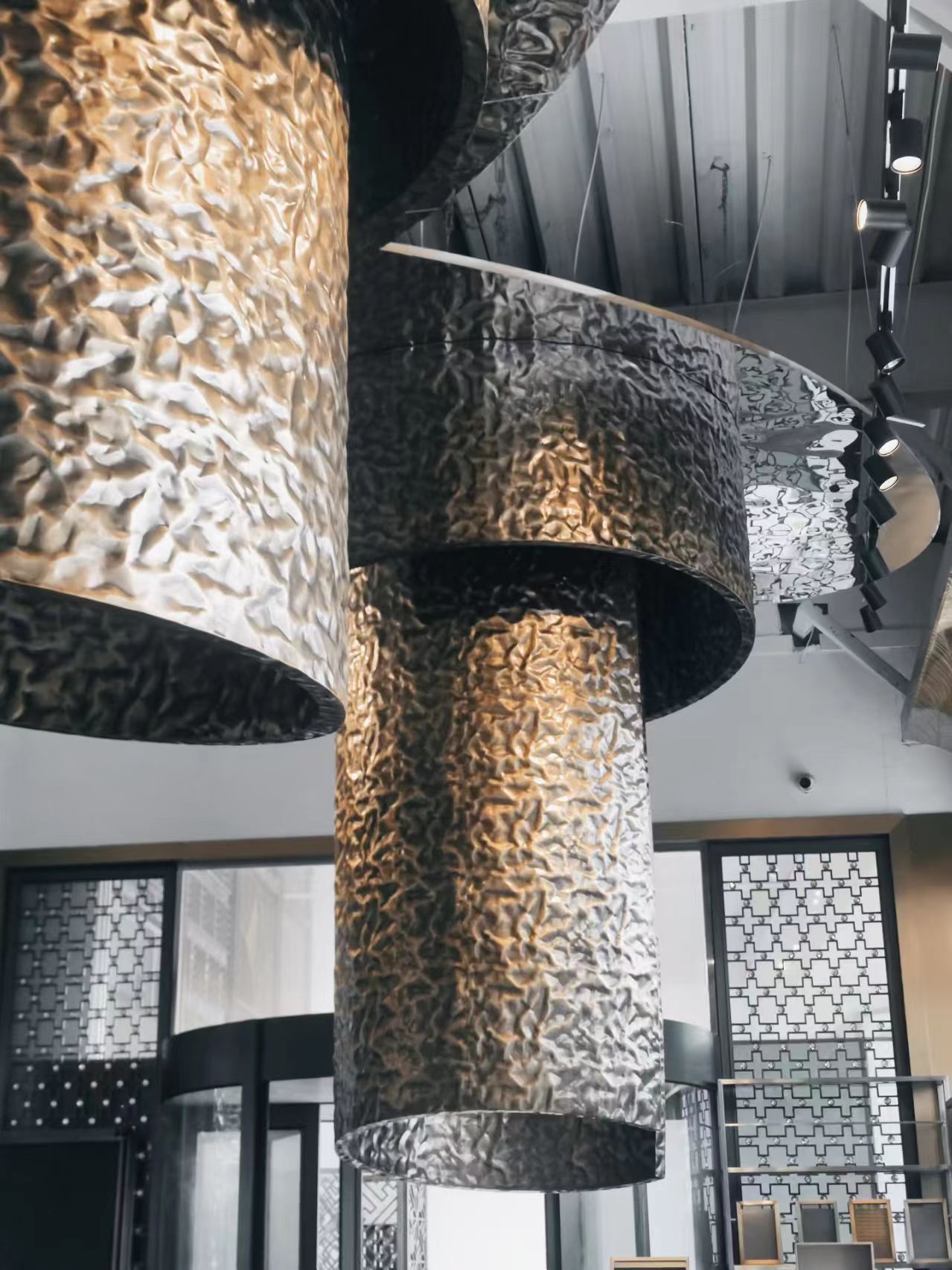
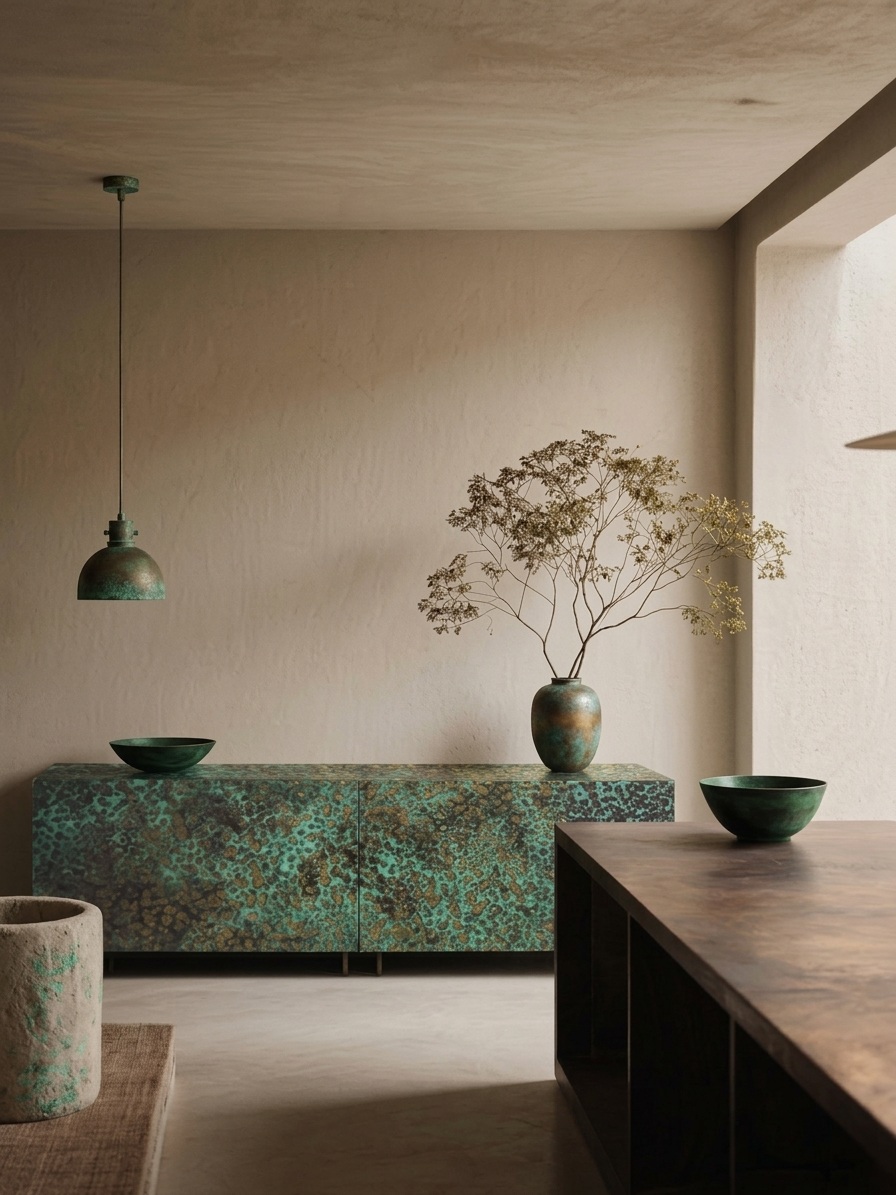
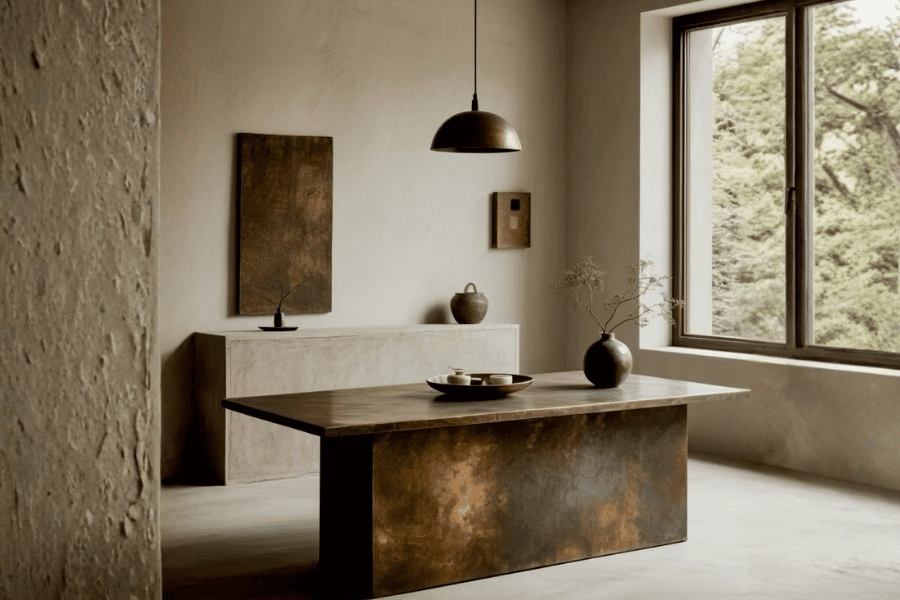
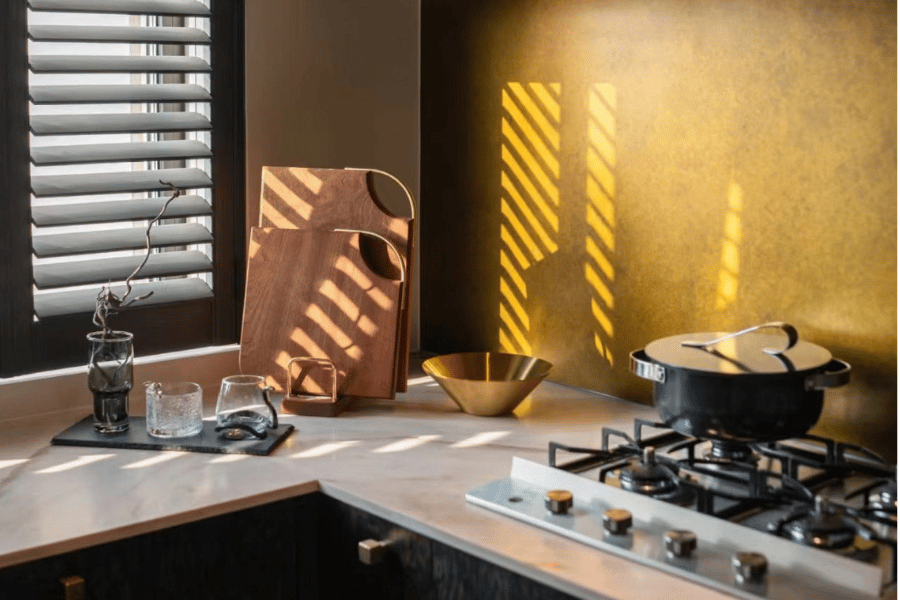
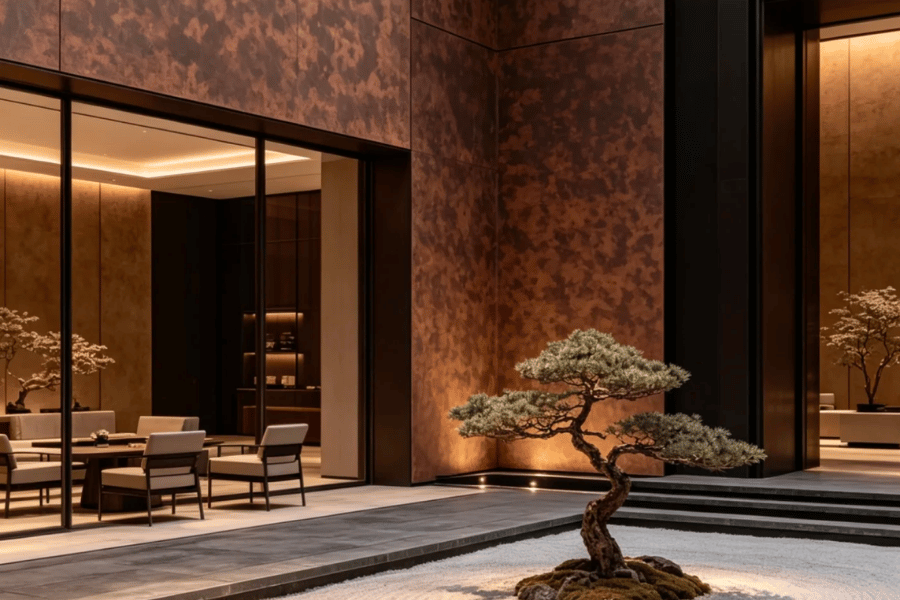
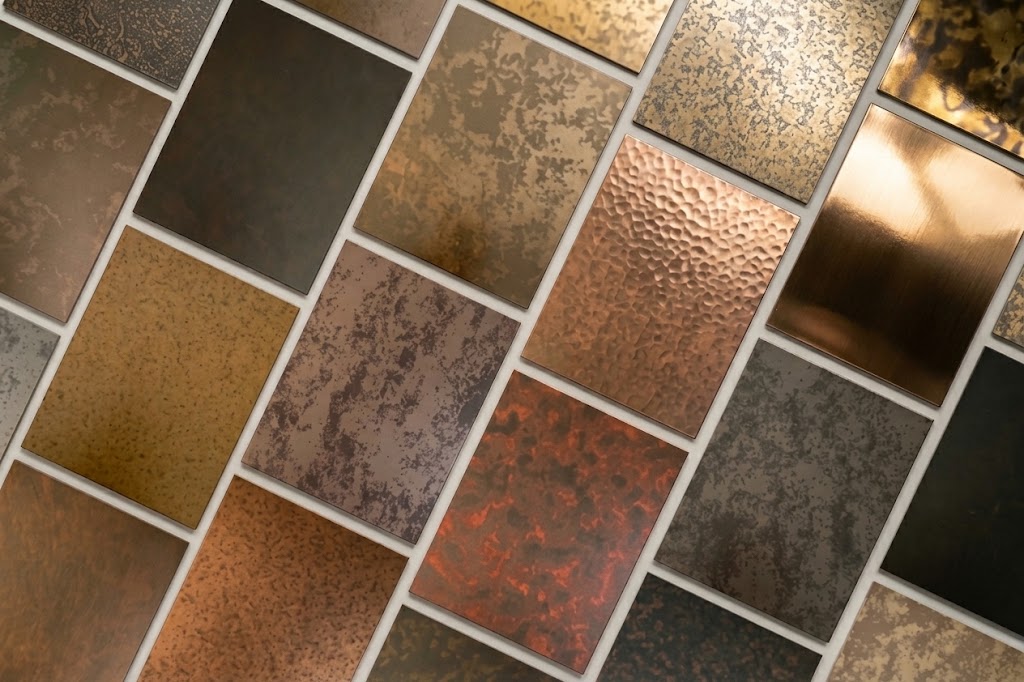
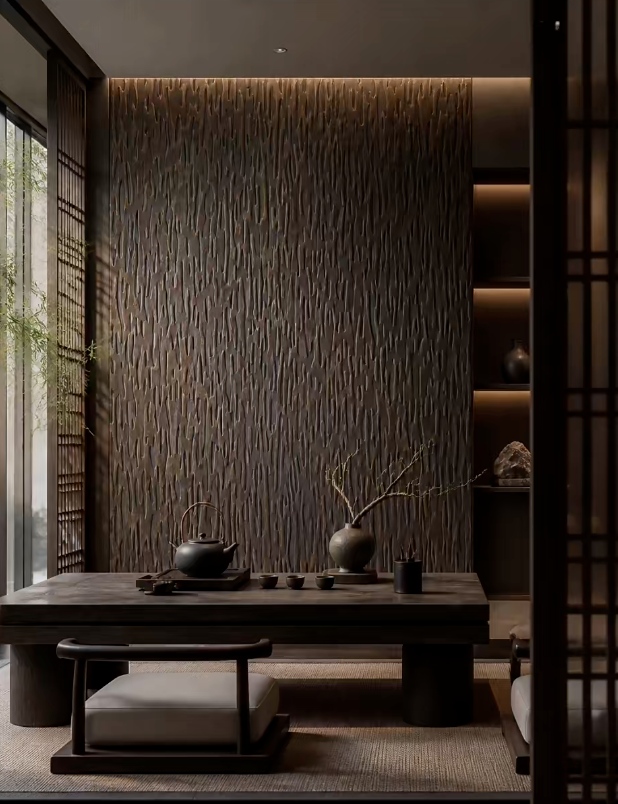
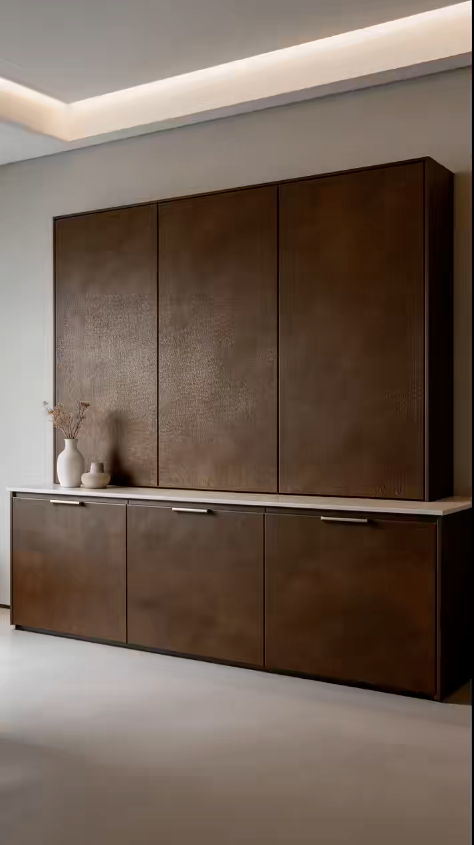
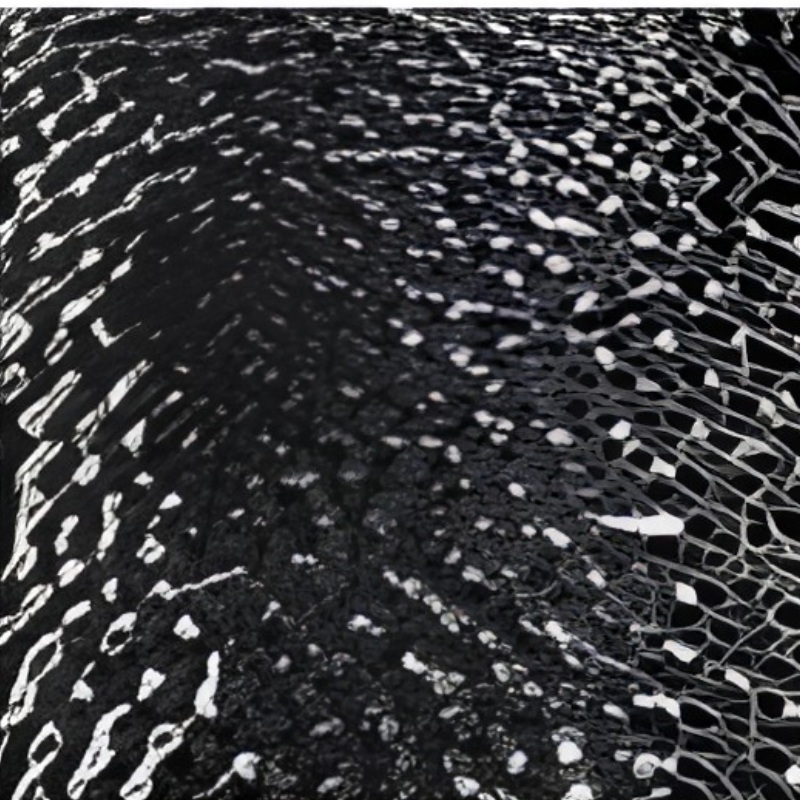
Aquele aspecto mais quente e envelhecido — uma base escura com detalhes metálicos que aparecem de forma irregular — resulta de um processo fundamental: o painel é polido, escurecido por completo com um tratamento oxidante e, em seguida, revestido com uma cor de destaque (dourado, dourado champanhe, cobre ou similar). A etapa final essencial é o envelhecimento — esfregar, polir ou trabalhar a superfície com ácido e uma esponja — para desgastar a camada de destaque e deixar o preto por baixo transparecer, criando um padrão desgastado. Se essa etapa for omitida, o painel permanece com uma cor uniforme e sem brilho.
O resultado: um painel preto com reflexos metálicos quentes que captam a luz em toda a textura — um aspecto envelhecido, com acabamento manual, que transmite uma sensação genuína de antiguidade, e não de mera impressão. É ideal para os mesmos espaços onde madeira de demolição, latão envelhecido ou tijolo aparente já funcionam: paredes de destaque, interiores de elevadores, bares e restaurantes, lobbies de hotéis boutique e qualquer revestimento ou painel que busque aconchego e história em vez de um preto uniforme e impessoal.
Por que escolher aço inoxidável preto para seus produtos
Resolve um problema real de manutenção – incluindo preocupações com durabilidade. Os acabamentos escovado e acetinado — as texturas básicas mais comuns para o aço inoxidável preto — são inerentemente melhores em disfarçar impressões digitais e manchas do que os acabamentos polido ou espelhado, porque a direção dos veios dispersa a luz e disfarça marcas de contato. Os compradores frequentemente perguntam se o aço inoxidável preto risca, e os acabamentos modernos resistem muito melhor do que se imagina: revestimentos de cromo PVD e tratamentos com nanorrevestimento criam uma camada superficial densa e resistente ao desgaste diário — incluindo chaves, moedas e impactos do dia a dia — sem que o revestimento se descole ou desgaste até expor o metal.
Ele se encaixa onde o design minimalista já existe — e onde tons mais quentes estão ganhando espaço. Em interiores comerciais e arquitetônicos, paletas em preto e branco e monocromáticas são uma linguagem de design básica, não uma tendência passageira, e o aço inoxidável preto oferece aos designers um material durável e resistente à corrosão que se encaixa nessa paleta sem sacrificar a resistência e a vida útil do aço inoxidável. E o preto em si não é mais uma única opção: ao lado do familiar preto fosco frio, o preto de tom quente e envelhecido coberto acima está ganhando força — ser capaz de oferecer ambos é em si um ponto de diferenciação.
É comprovado, não experimental. Múltiplas rotas de revestimento (galvanoplastia, PVD, pintura a quente), múltiplos tons de preto (titânio preto galvanizado, preto cromado, preto titânio-alumínio, preto titânio puro, preto pintado), opções de textura que podem ser aplicadas em camadas (relevo, martelado, ondulação da água) e um processo controlável de oxidação negra com polimento para um preto envelhecido em tons quentes — cada camada possui uma base técnica clara. O aço inoxidável preto amadureceu e se tornou uma categoria de material com verdadeira flexibilidade de design, não um acabamento único com uma única aparência e um único processo.
Pronto para adquirir chapas de aço inoxidável preto?
De acabamentos pretos com revestimento PVD a banho de água, SANMEI fornece chapas de aço inoxidável pretas nos graus 201, 304 e 316 — com conexões diretas de fábrica, resposta rápida e rastreabilidade completa.
Entre em contato com a SANMEI agora →Mais uma coisa: Resíduo preto no verso da folha
Chapas de aço inoxidável que passam por um processo de revestimento colorido podem desenvolver resíduos pretos no verso — o lado sem revestimento, oposto à face acabada. Trata-se de um subproduto do processo de revestimento, não de um defeito, e é diferente de uma mancha preta no aço inoxidável causada por contaminação ou manuseio inadequado. Não afeta em nada o lado revestido. Como ainda pode afetar a textura da chapa durante o manuseio e a instalação, o verso recebe um tratamento fosco ou lixado para removê-lo antes do envio. Se você encontrar esse tipo de mancha em aço inoxidável de outro fornecedor, um limpador padrão para aço inoxidável a removerá — é um subproduto do verso, não uma falha no acabamento preto.
SANMEI METAL
Se você estiver especificando aço inoxidável preto para um projeto — um painel arquitetônico, o interior de um elevador ou o invólucro de um produto — a combinação correta de grau do substrato, processo de revestimento e textura da superfície dependerá das condições de exposição e da intenção de design da sua aplicação. Fale-nos sobre seu projeto para recomendações e amostras de materiais.