


تشطيبات الستانلس ستيل الأسود: 6 عمليات، درجات متعددة من الأسود
ستانلس ستيل أسود انتقل الفولاذ المقاوم للصدأ الأسود من كونه تشطيبًا معماريًا متخصصًا إلى أحد أكثر خيارات الأسطح طلبًا في الألواح المعدنية الزخرفية والمنتجات الصناعية. لكن الفولاذ المقاوم للصدأ الأسود ليس مجرد منتج واحد، بل هو فئة بحد ذاتها. فالتشطيب الأسود، وعملية الطلاء المستخدمة، والطبقة المعدنية الأساسية، كلها عوامل تُحدد اللون النهائي، والمتانة، وإمكانيات التصميم. يُوضح هذا الدليل ماهية الفولاذ المقاوم للصدأ الأسود، وكيفية إنتاج الشركات المصنعة للتشطيب الأسود عليه، وهما مصطلحان غالبًا ما يُخلط بينهما وبين العمليات الفعلية، ولماذا قد يبدو اللون الأسود نفسه مختلفًا تمامًا باختلاف العملية، وكيف يتناسب النمط الأحدث - الأسود العتيق ذو اللون الدافئ - مع هذا السياق.
ما هو الفولاذ المقاوم للصدأ الأسود؟
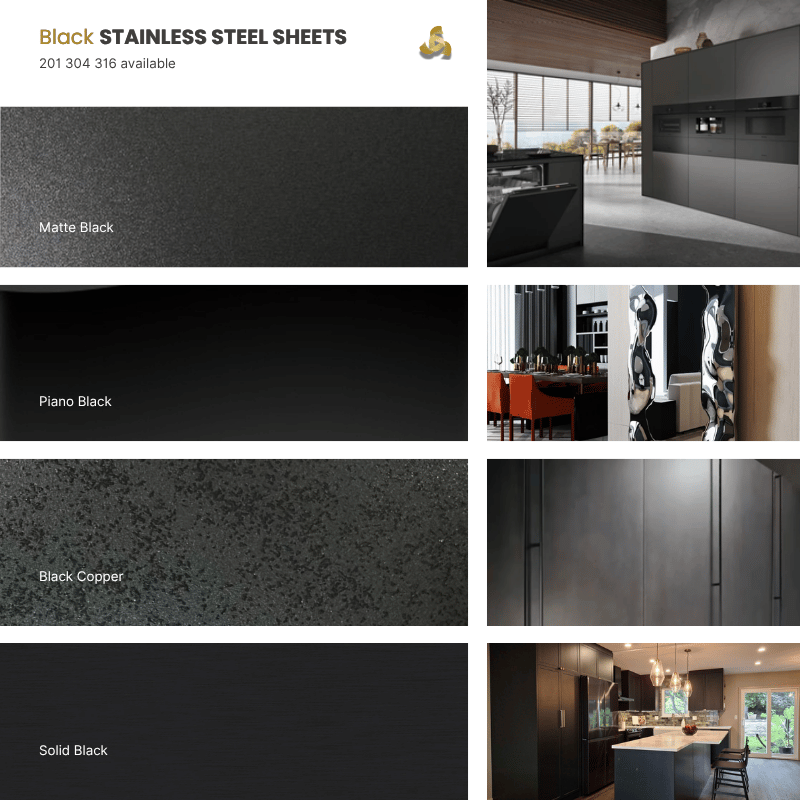
يتساءل البعض عن ماهية الفولاذ المقاوم للصدأ الأسود - هل يمكن حقًا تحويل الفولاذ المقاوم للصدأ من لونه الطبيعي إلى الأسود؟ الإجابة هي نعم. يُصنع الفولاذ المقاوم للصدأ الأسود عن طريق تشطيب سطح لفائف أو صفائح الفولاذ المقاوم للصدأ المدرفلة على البارد حتى يصبح لونها أسود. لا يوجد حد صارم لنوع المعدن الأساسي المطلوب، ولكن 201, 304، و 316 وهي الأكثر شيوعاً، مع 430 يشهد استخدامًا متزايدًا أيضًا. تنتج العمليات المختلفة درجات مختلفة من اللون الأسود - الأسود غير اللامع، أسود لامع لكل منها بريقها وعمقها الخاص. وهذا أيضاً هو السبب في أن لوحتين قد تحملان نفس ملصق "التشطيب الأسود المقاوم للصدأ" ومع ذلك تختلفان كثيراً في الأداء الفعلي ومظهر السطح، لأن ما يحدد المتانة والمظهر في الواقع هو عملية التشطيب نفسها، وليس المادة فقط.
كيف يصنع الفولاذ المقاوم للصدأ الأسود؟ عمليات التعتيم المختلفة
يُصنع الفولاذ المقاوم للصدأ الأسود من خلال ثلاث عمليات رئيسية. يُعدّ الطلاء المائي (الطلاء الكهربائي) الخيار الأقل تكلفةً مع ثبات لوني متوسط، وهو الطريقة الأسهل لإنتاج الفولاذ المقاوم للصدأ المطلي باللون الأسود، ما يجعله مناسبًا للمشاريع القياسية ذات الإنتاج الكبير والتي تُركز على القيمة. أما عملية الترسيب الفيزيائي للبخار (PVD)، وهي عملية طلاء بالتفريغ، فتتراوح تكلفتها بين المتوسطة والعالية حسب المادة المستهدفة، لكنها توفر أعلى مستويات المتانة وثبات اللون، ما يجعلها الخيار الأمثل للمشاريع المعمارية أو الراقية التي تتطلب دقة عالية في درجة اللون، ومقاومة العوامل الجوية، وتناسق الدفعات. بينما يُطبّق طلاء الخبز مباشرةً على سطح الفولاذ المقاوم للصدأ ويُعالج في درجات حرارة عالية، دون الحاجة إلى طبقة طلاء معدنية أساسية، وهو منخفض إلى متوسط التكلفة مع أفضل تطابق لوني بين الدفعات، ولكنه أنسب للاستخدام الداخلي أو في بيئات ذات احتكاك منخفض مقارنةً بالتعرض الخارجي طويل الأمد، ما يجعله مناسبًا للمشاريع قصيرة الأجل أو المؤقتة.
| عملية | يكلف | المتانة / ثبات اللون | الأفضل لـ |
|---|---|---|---|
| الطلاء المائي الطلاء الكهربائي | قليل | معتدل | مشاريع قياسية عالية الحجم مدفوعة بالقيمة |
| الترسيب الفيزيائي للبخار (الطلاء بالفراغ) | متوسط إلى مرتفع، حسب المادة المستهدفة | عالي | المشاريع المعمارية أو الراقية ذات المتطلبات الصارمة للجودة، أو عوامل التعرية، أو الاتساق بين الدفعات |
| طلاء الخبز (تشطيب موقد) | منخفض إلى متوسط | مطابقة ألوان قوية دفعة بدفعة؛ مناسبة بشكل أفضل للتطبيقات الداخلية أو التطبيقات ذات التآكل المنخفض بدلاً من التعرض المطول في الهواء الطلق | مشاريع قصيرة الأجل أو مؤقتة |
الفولاذ المقاوم للصدأ المؤكسد باللون الأسود؟ أكسيد أسود؟ مصطلحان يستحقان التوضيح
يبحث البعض عن "صفائح الفولاذ المقاوم للصدأ المؤكسد باللون الأسود"، ولكن من الناحية الفنية، صُممت عملية الأكسدة للألمنيوم. يُشكّل الألمنيوم بشكل طبيعي طبقة أكسيد مسامية تزداد سماكتها باستمرار بفعل التحليل الكهربائي، مما يجعله مقاومًا للتآكل وسهل التلوين. أما سطح الفولاذ المقاوم للصدأ فيعمل بطريقة معاكسة، فطبقة أكسيد الكروم فيه رقيقة وكثيفة ومستقرة كيميائيًا (وهذا تحديدًا ما يجعله مقاومًا للتآكل)، لذا فهو لا يمتلك القدرة نفسها على تكوين طبقة أكسيد كما يفعل الألمنيوم. من الناحية التقنية، يمكن أكسدة الفولاذ المقاوم للصدأ، ولكن الطبقة الناتجة تكون أرق وأقل تجانسًا وأفتح لونًا وأقل متانة من طبقة الألمنيوم، وعادةً ما تتطلب طبقة حماية علوية إضافية للحفاظ على شكلها. معظم ما يُسوّق على أنه "فولاذ مقاوم للصدأ مؤكسد باللون الأسود" هو في الواقع طلاء أسود بتقنية الترسيب الفيزيائي للبخار (PVD) أو الطلاء المائي، ونادرًا ما تُستخدم عملية الأكسدة الحقيقية، حتى عند استخدام هذا المصطلح.
يُعدّ طلاء أكسيد الحديد الأسود على الفولاذ المقاوم للصدأ مصطلحًا آخر يُخلط بينه وبين المصطلحات الأخرى. إنها عملية تحويل كيميائي يتفاعل فيها سطح الفولاذ مع محلول مؤكسد لتكوين طبقة من أكسيد الحديد الأسود، وهي عملية تُناسب الفولاذ الكربوني العادي أكثر بكثير من الفولاذ المقاوم للصدأ، لأن طبقة أكسيد الكروم الواقية في الفولاذ المقاوم للصدأ تُقاوم التفاعل نفسه. على الفولاذ المقاوم للصدأ، يُنتج أكسيد الحديد الأسود طبقة سوداء أرق وأقل متانة، ولهذا السبب يُفضّل استخدامه كخطوة أولية ضمن عملية التعتيق - حيث يُطبّق لإنشاء قاعدة داكنة قبل تلميع اللوحة وطلائها بشكل انتقائي - بدلاً من استخدامه كطريقة مستقلة لصنع فولاذ مقاوم للصدأ أسود. المزيد حول كيفية عمل عملية التعتيق هذه في قسم اللون الأسود الدافئ أدناه.
نفس الفولاذ المطلي باللون الأسود، نتائج مختلفة
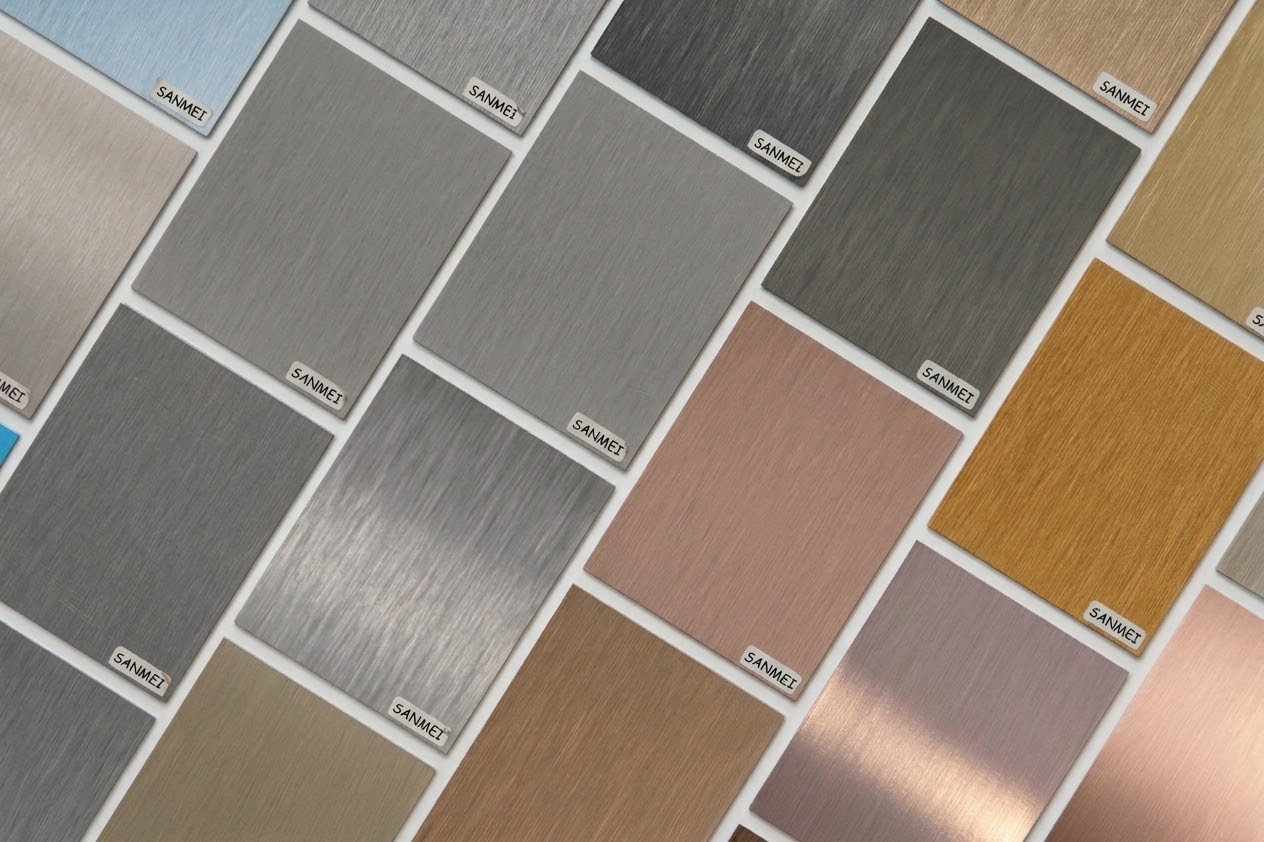
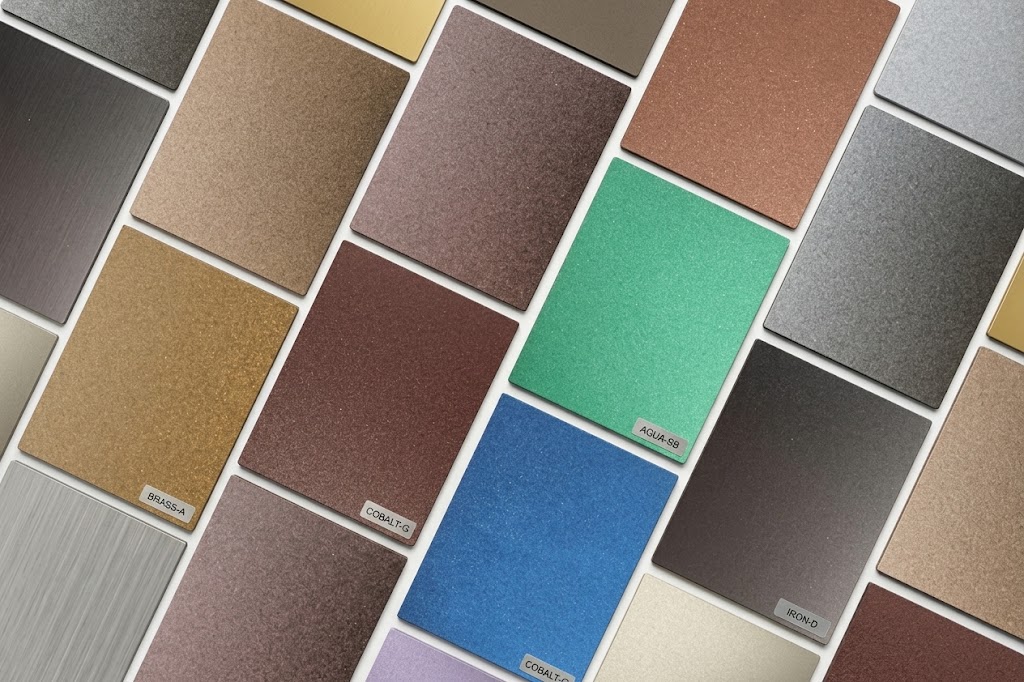
لا يوجد شكل واحد للتشطيبات السوداء للفولاذ المقاوم للصدأ، فمظهر الفولاذ الأسود المقاوم للصدأ يعتمد بشكل كبير على عملية التصنيع. اسأل عدة موردين عن "الفولاذ المقاوم للصدأ ذي التشطيب الأسود" وستحصل على ألواح مختلفة المظهر.
- التيتانيوم الأسود المطلي بالماء أغمق درجات اللون الأسود وأكثرها تشبعًا، دون أي تغيير ملحوظ في اللون الخفي - أسود نقيّ وخالٍ من العيوب. وهو اللون الأسود الأكثر شيوعًا والأقل تكلفة من بين ألوان الفولاذ المقاوم للصدأ المتوفرة في السوق.
- تيتانيوم أسود بتقنية الترسيب الفيزيائي للبخار (Ti-black): لون أسود ذو مسحة أرجوانية خفيفة، يظهر بوضوح تحت الضوء القوي أو المباشر - عمق بصري أكبر من اللون الأسود المسطح.
- طلاء أسود بتقنية الترسيب الفيزيائي للبخار (PVD): لون أسود محايد، رمادي كربوني - أكثر برودة وأقل حدة من عمق اللون الأرجواني للأسود التيتانيوم، ويحافظ على لونه بثبات في جميع ظروف الإضاءة.
- كروم أسود بتقنية الترسيب الفيزيائي للبخار (PVD): لون أسود مع مسحة خضراء مصفرة خفيفة تحت الضوء الساطع، تم الحصول عليه من خلال طلاء كربيد الكروم ذي مقاومة قوية للتآكل.
هذه ليست مجرد اختلافات جمالية - بل تحمل اختلافات حقيقية في التكلفة، وموثوقية مطابقة اللون، وأداء مقاومة العوامل الجوية، وهذا بالضبط سبب حصول مصطلح "الفولاذ المقاوم للصدأ الأسود" كشرط بحث واحد على نتائج غير متسقة.
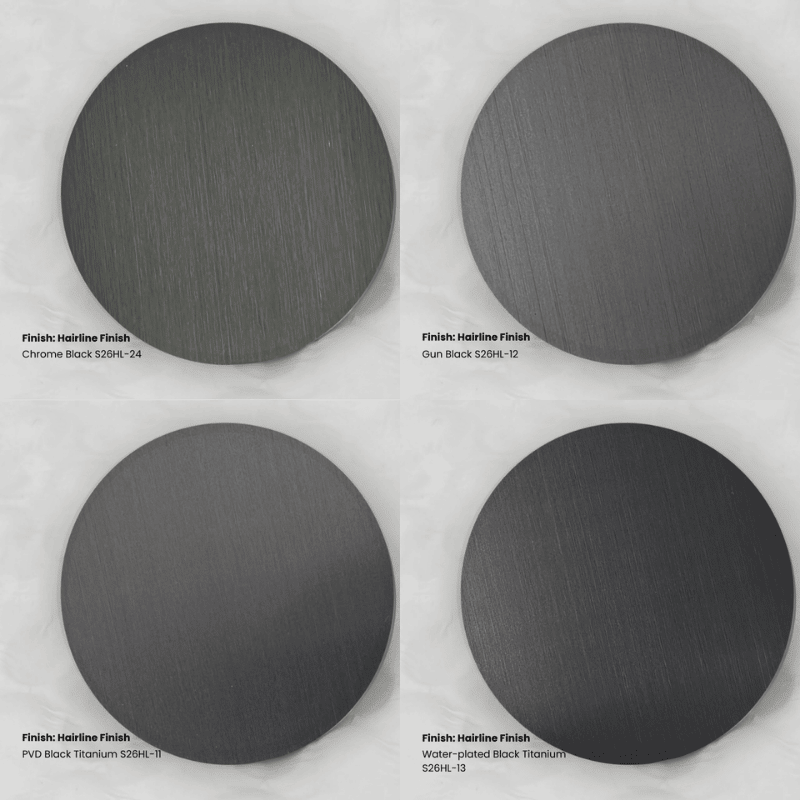
كما أن طبقة الطلاء الأساسية الموجودة أسفلها تغير المظهر.
إلى جانب العوامل الخمسة المذكورة أعلاه، يوجد متغير آخر: طبقة التلميع الأساسية أسفل الطلاء. لا يتعلق الأمر بعمليتين منفصلتين، بل بعملية تلميع واحدة ضمن نطاق محدد، وتحدد درجة التلميع النتيجة: فدرجة التلميع المنخفضة تترك سطحًا أكثر خشونة. غير لامع سطح ذو انعكاسية منخفضة، بينما ينتج عن التلميع المتزايد تدريجياً نتائج انعكاسية متزايدة، حتى سطح كامل ستانلس ستيل بلمسة نهائية سوداء عاكسة يتميز هذا النوع بسطح لامع وعميق. أما أنواع الأسطح الأخرى - المصقول، والساتان، والخطوط الدقيقة، وغيرها - فهي طبقات تشطيب إضافية منفصلة تُضاف فوق هذا السطح الأساسي، وليست جزءًا من السطح الأساسي نفسه. قد تبدو لوحتان تم استخدامهما بنفس عملية الطلاء مختلفتين تمامًا، وذلك بحسب درجة صقل المعدن الأساسي الموجود أسفلهما.
ما يبدو مسطحًا وموحدًا على شريحة عينة يمكن أن يتصرف بشكل مختلف تمامًا بمجرد تطبيقه على لوحة ذات سطح غير مستوٍ أو متعدد الأبعاد - وهذا هو المكان الذي يأتي فيه القسم التالي.
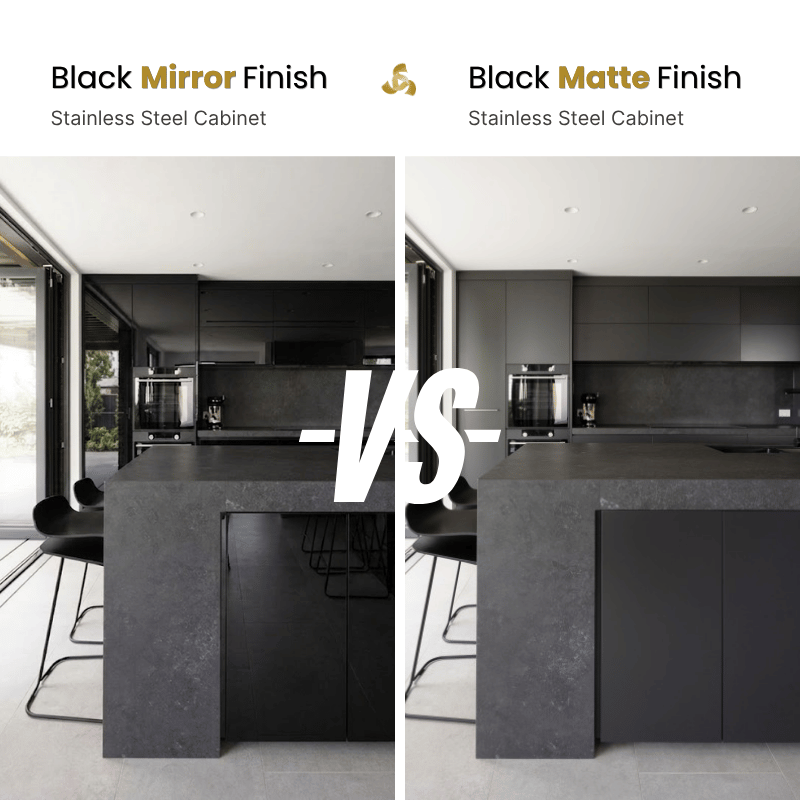
خامات الفولاذ المقاوم للصدأ الأسود ذات الصلة
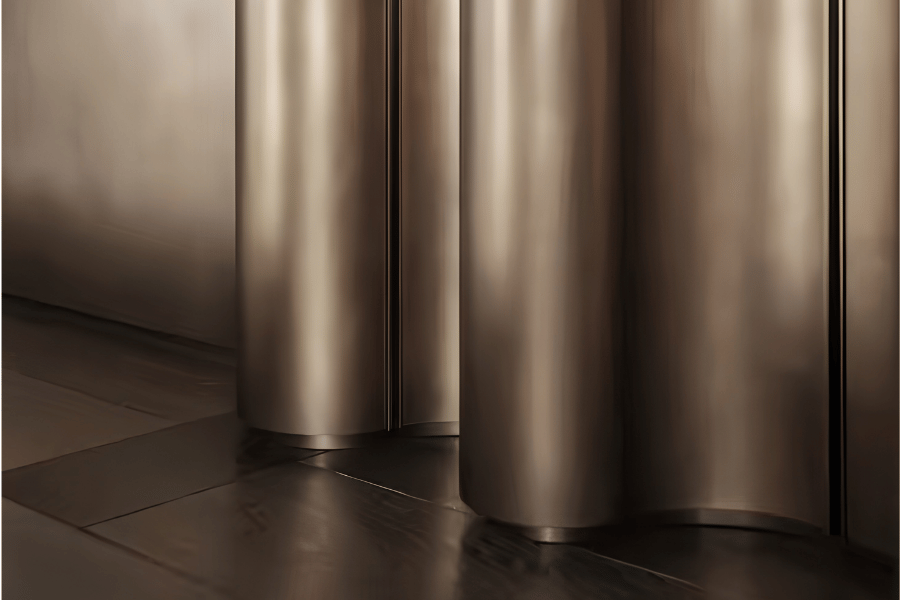
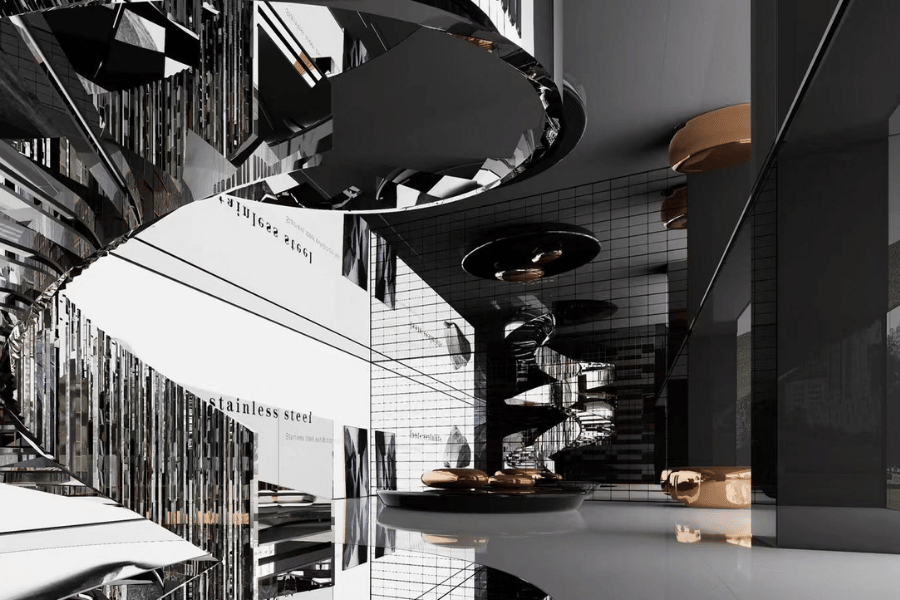
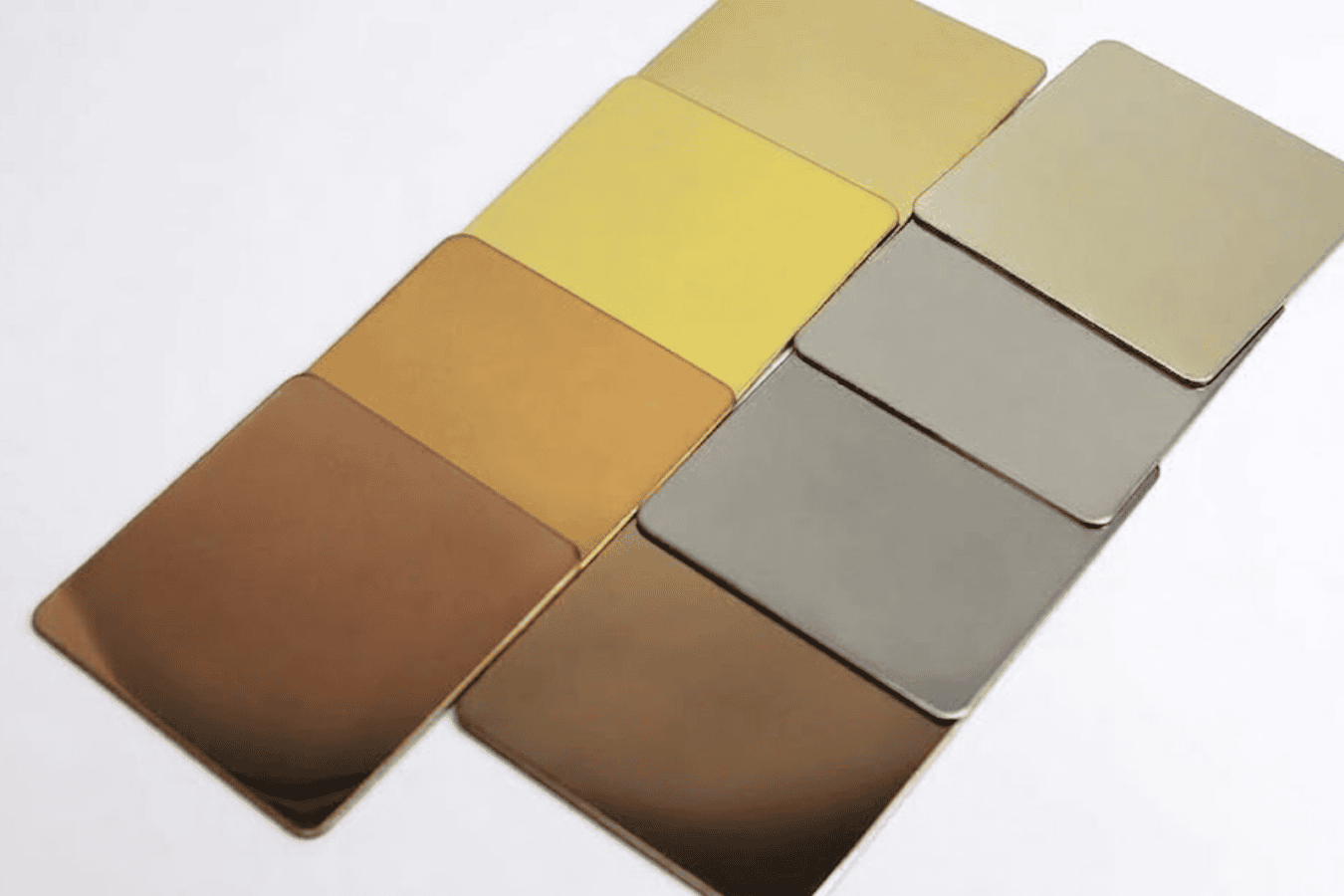
ورقة المرآة السوداء
لمسة نهائية مصقولة عالية الانعكاس مدمجة مع درجات داكنة عميقة لتطبيقات الديكور المعماري الراقية، والتجزئة الفاخرة، والألواح الزخرفية.
ورقة سوداء غير لامعة
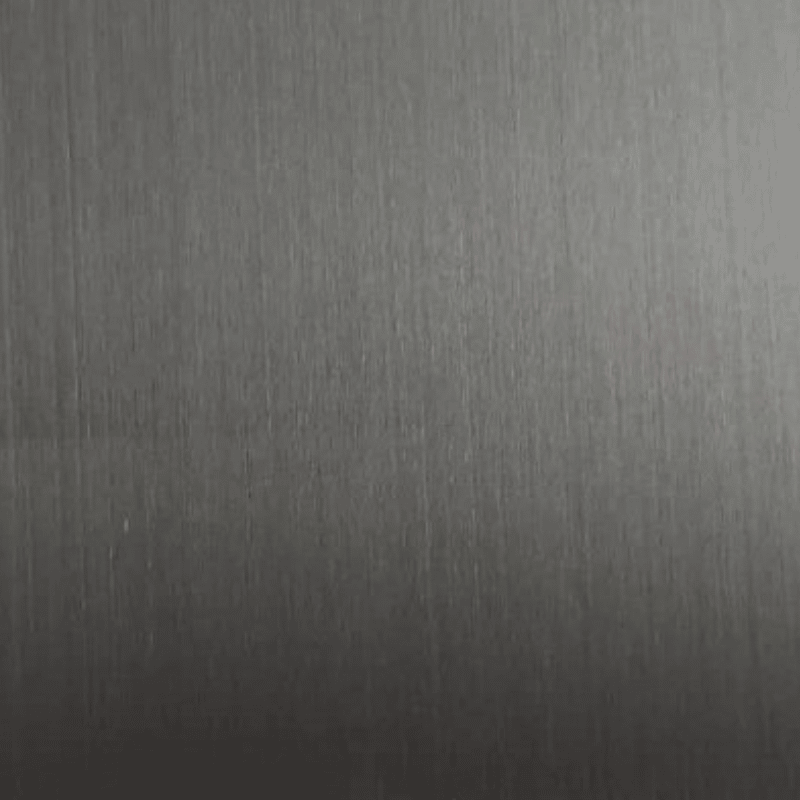
ملمس ساتان غير عاكس يوفر لمعانًا خفيفًا وملموسًا - مثالي للكسوات الداخلية الحديثة، وتصميمات المصاعد الداخلية، والأجهزة المنزلية الفاخرة.
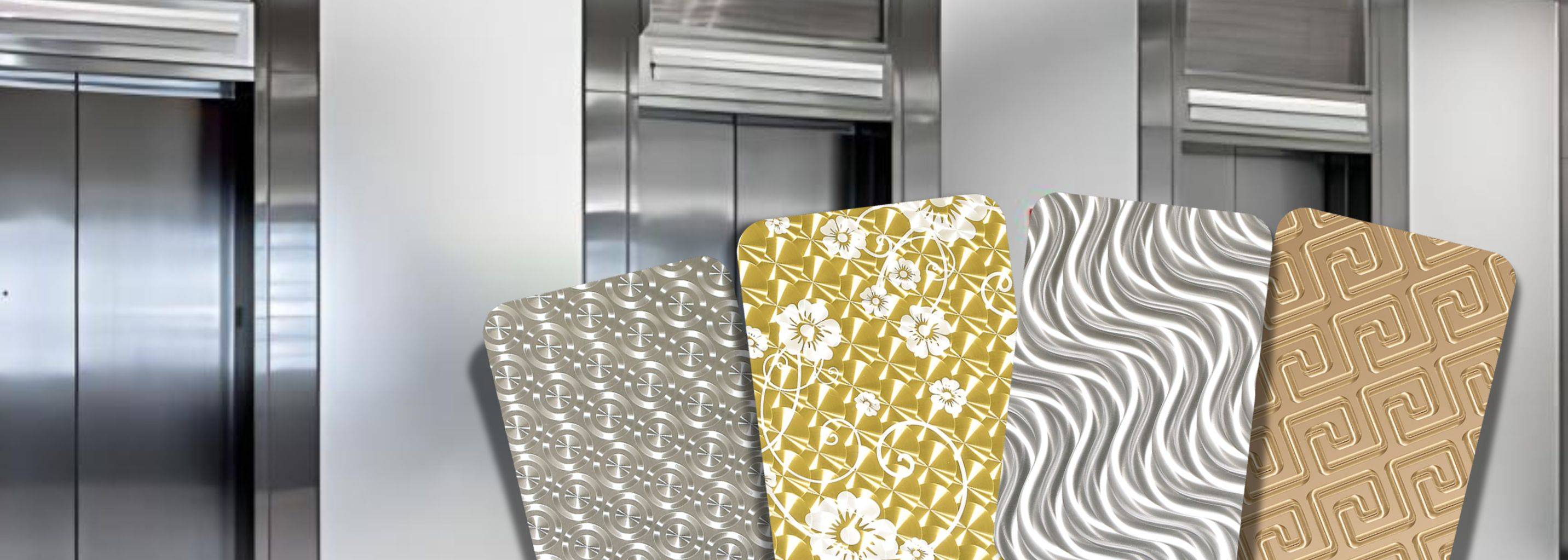
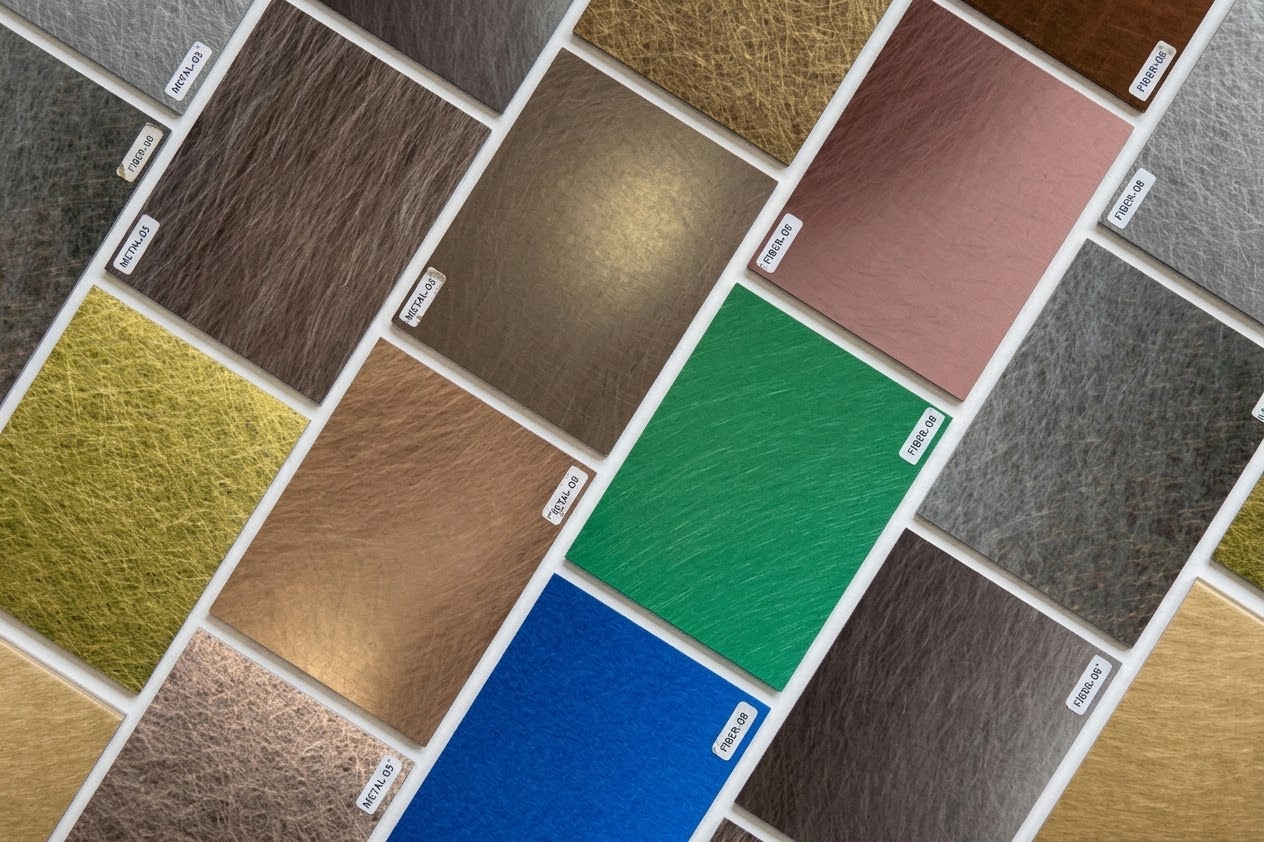
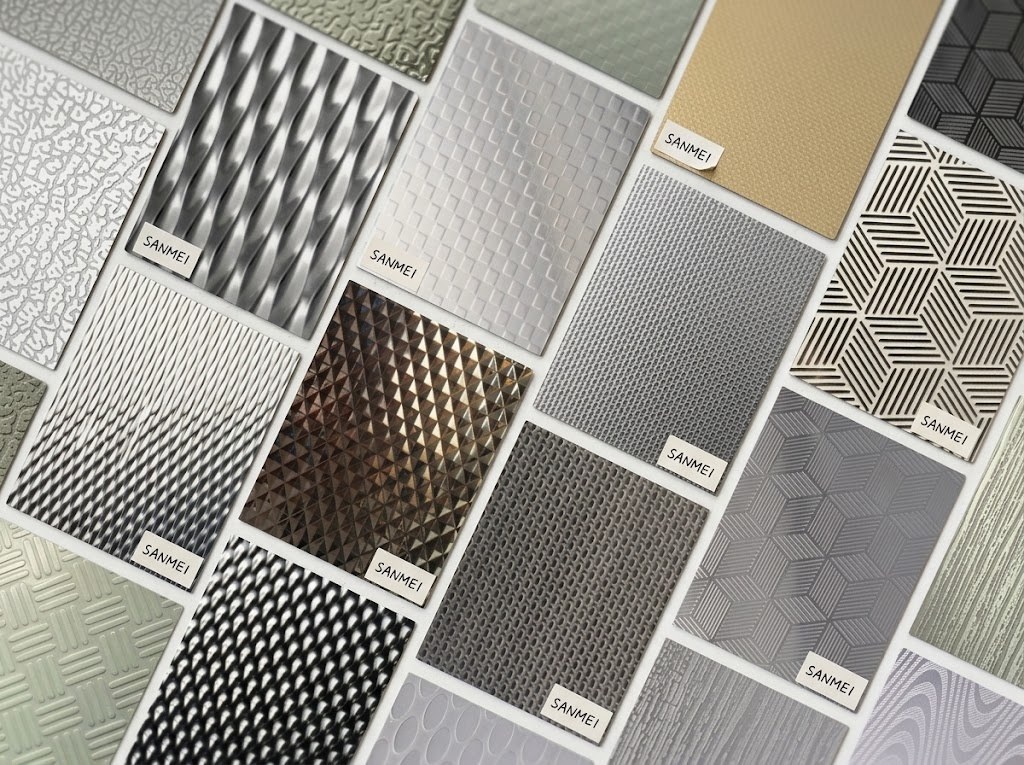
ألواح من الفولاذ المقاوم للصدأ الأسود منقوشة ومزخرفة
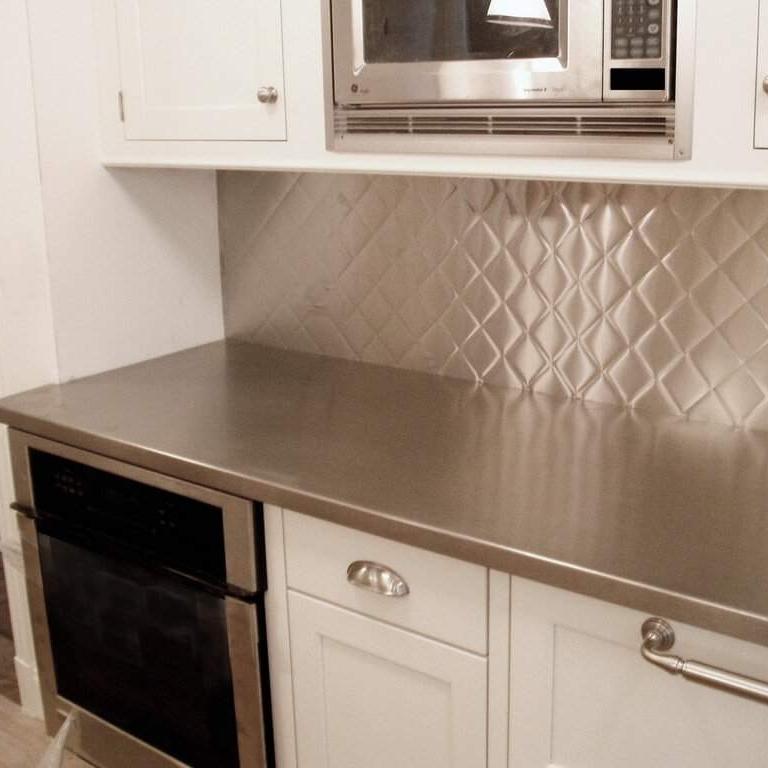
اللون الأسود لا يجب أن يعني الرتابة، ولا يجب أن يعني البساطة أيضاً. يمكن أن تكون السطح الأساسي تحت الطلاء الأسود تشطيباً نهائياً بحد ذاته - رقم 4 , خط الشعر، أو مصقول بالرمل — كل منها يمنح اللون الأسود ملمسًا وانعكاسًا مختلفين قبل إضافة أي نقش. علاوة على ذلك، الفولاذ المقاوم للصدأ الأسود المنقوش — بنقش الخشب، ونقش الحجر، وغيرها من النقوش المطبوعة أو المحفورة أو مغلف زخارف - تضيف اهتمامًا بصريًا إلى لوحة سوداء دون تغيير مظهرها الجسدي. هذه الأنماط مسطحة: ملموسة للعين، ناعمة للمس.
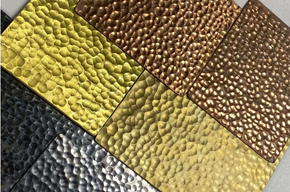
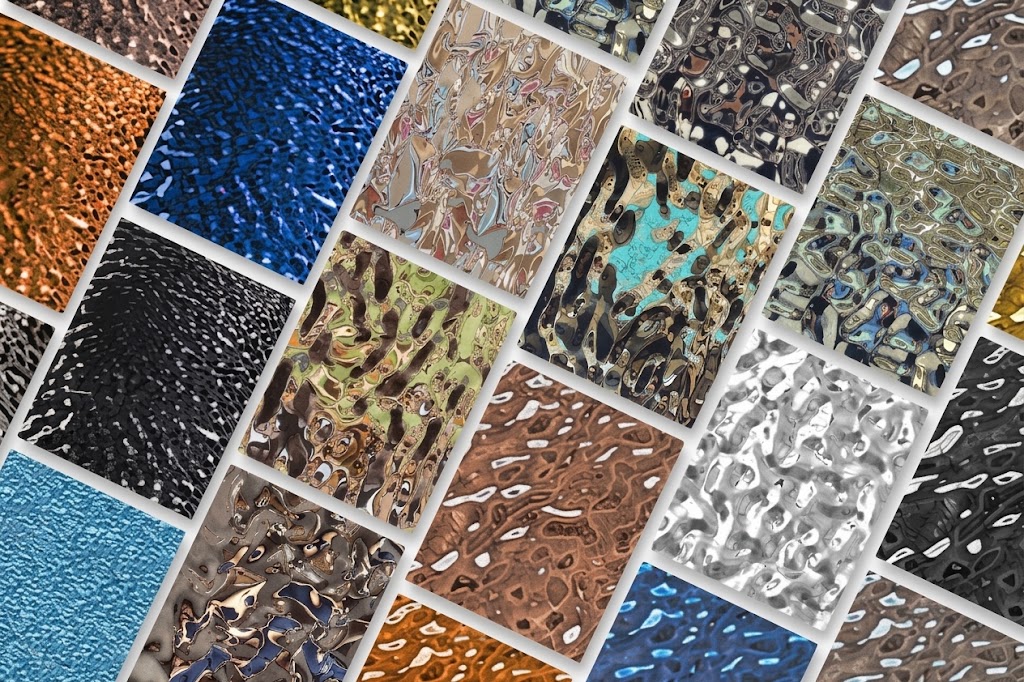
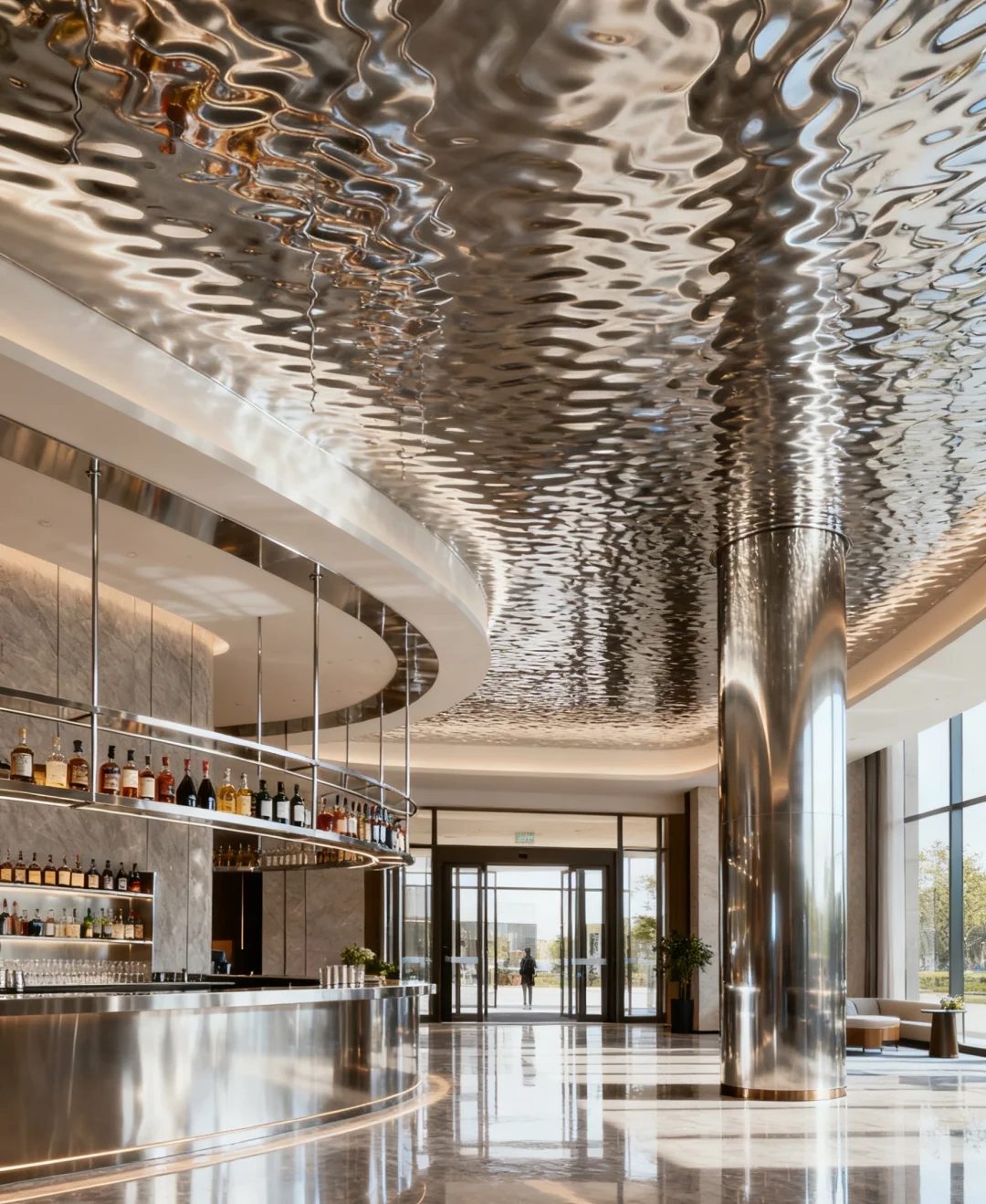
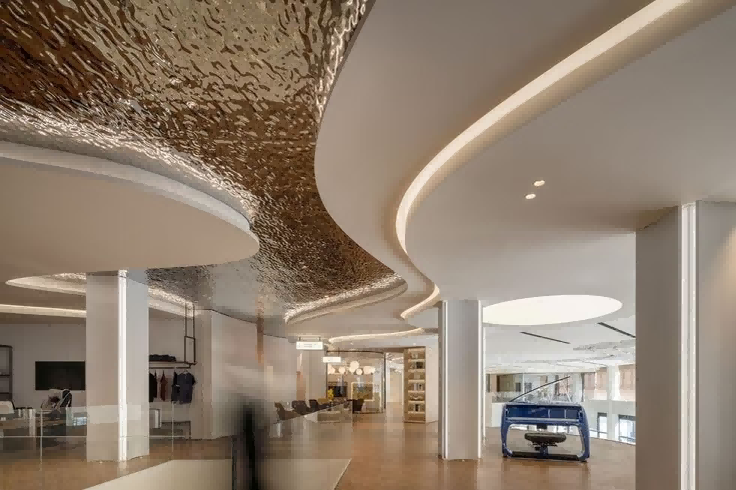
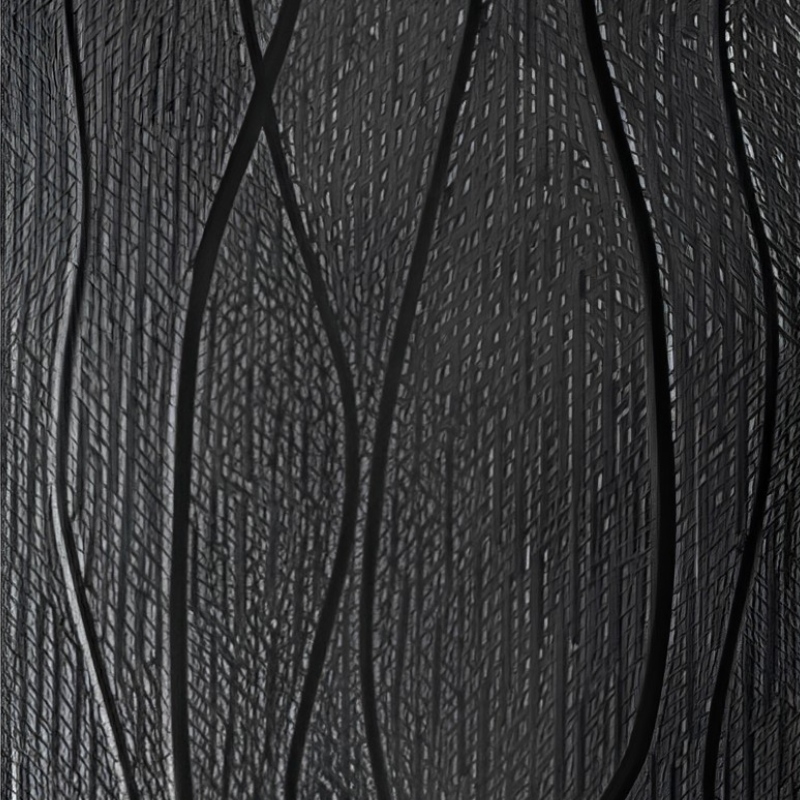
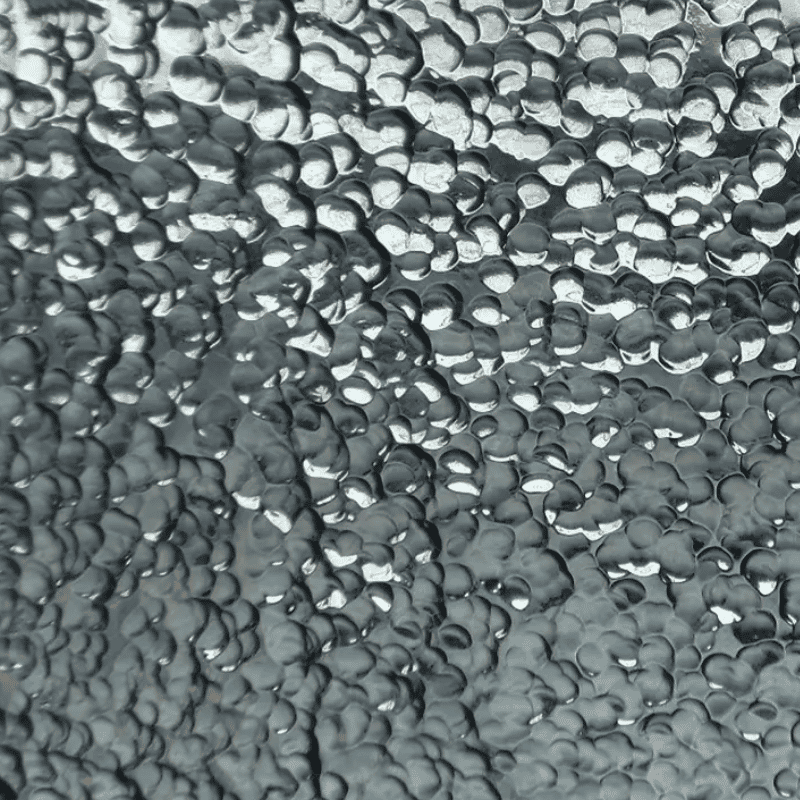
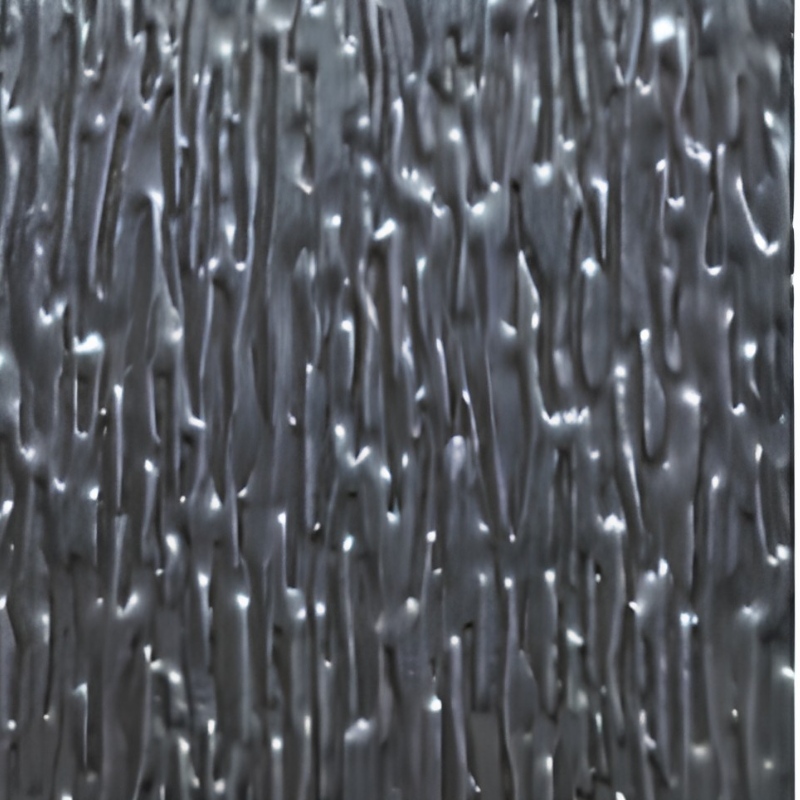
بالنسبة لسطح ثلاثي الأبعاد حقيقي، يجب تشكيل المعدن ماديًا - وليس طباعته أو حفره. وهذا هو المكان الذي تجعيد, دق، و تموج الماء تُشكّل عملية الضغط سطحًا ثلاثي الأبعاد حقيقيًا، ثم يُطلى باللون الأسود باستخدام عمليات الترسيب الفيزيائي للبخار (PVD) أو الطلاء المائي المذكورة سابقًا. والنتيجة هي لوحة معدنية سوداء ذات عمق بصري ولمسي.
وهناك أيضًا طريقة أكثر تطورًا لاستخدام تلك البنية الأبعادية — وهي السماح للمناطق البارزة والمغروسة في اللوحة المزخرفة بأن تأخذ لونين مختلفين بدلاً من اللون الأسود الموحد. وهذا هو تأثير «الأسود الملون» الذي سنناقشه في الفقرة التالية.
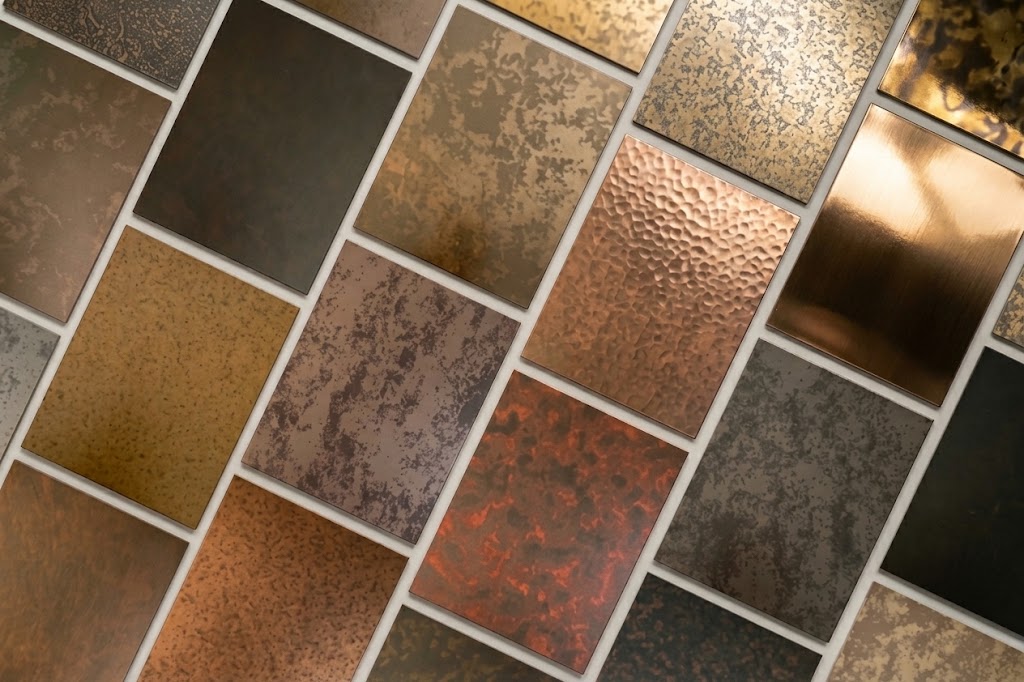
الأسود ذو الدرجات الدافئة: تشطيبات ذات مظهر عتيق ومتعددة الدرجات
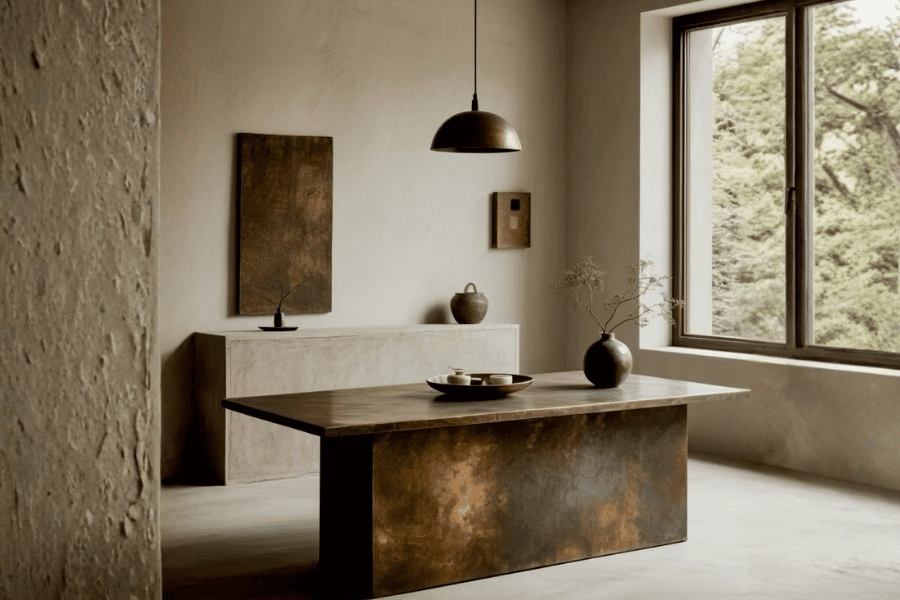
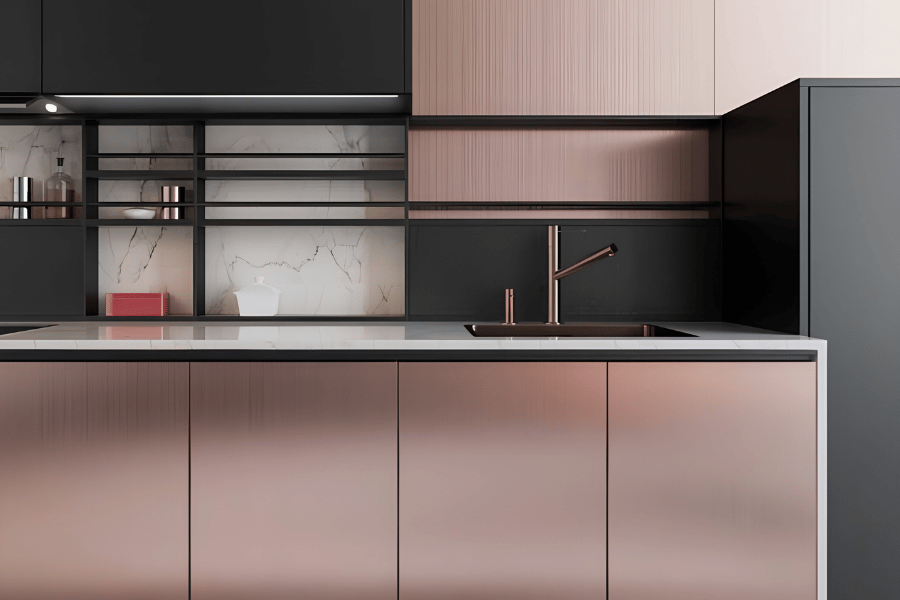
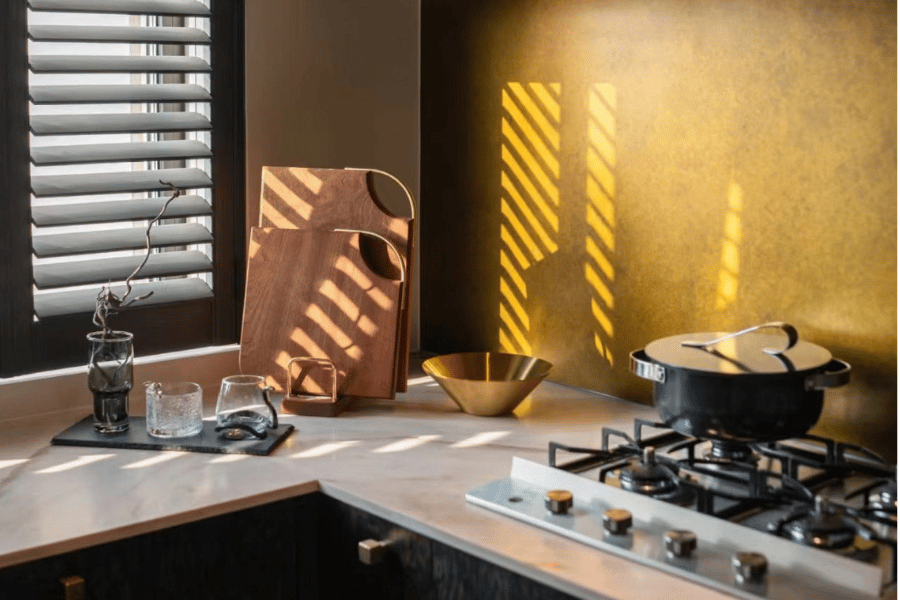
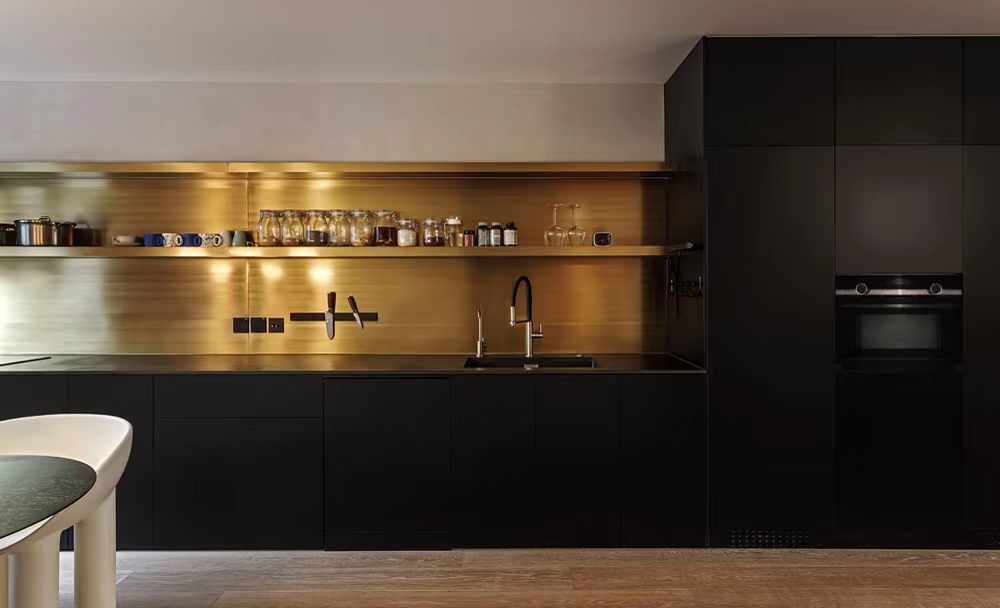
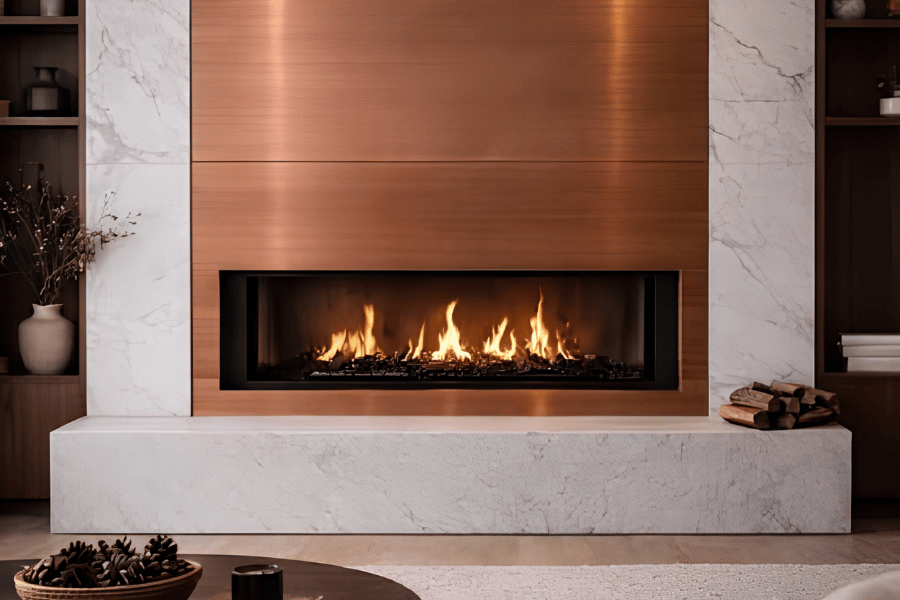
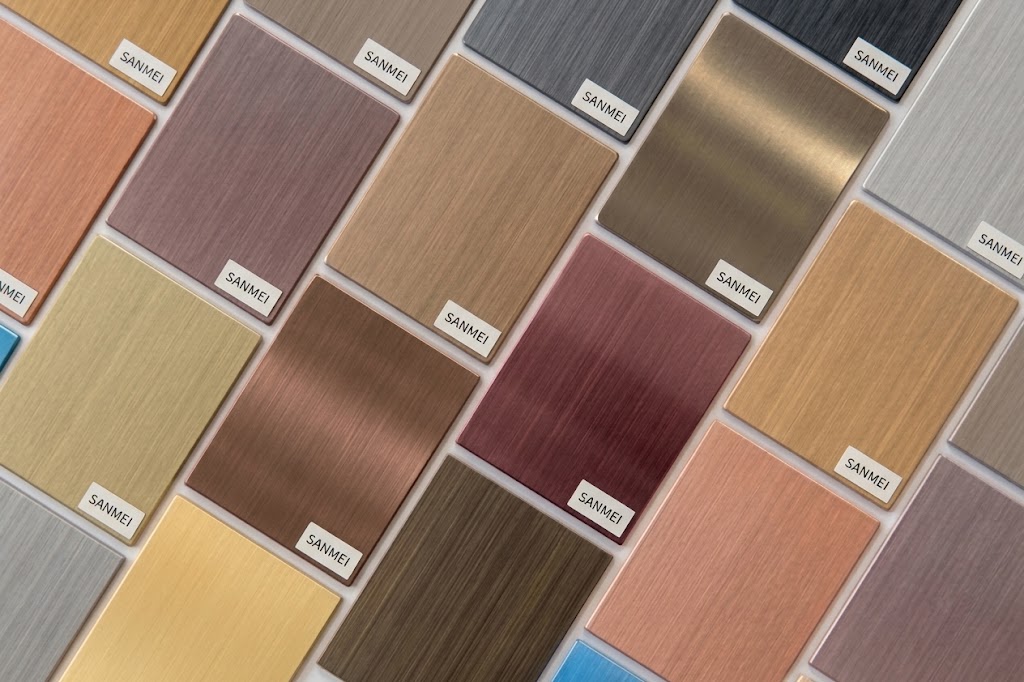
تشير التغطيات الأخيرة لاتجاهات التصميم الداخلي والأجهزة إلى انقسام مثير للاهتمام: فالأسود غير اللامع لا يزال هو اللمسة النهائية السائدة في العمارة البسيطة والصناعية والمتأثرة بأسلوب «جاباندي» — لكن الألوان الدافئة ذات الطابع الكلاسيكي، مثل النحاس العتيق والنحاس الأصفر المعتق والبرونز المصقول، تكتسب زخماً حقيقياً إلى جانبه. بعبارة أخرى، لم يعد اللون الأسود مجرد مظهر واحد. فهناك اللون الأسود غير اللامع المألوف والهادئ، وهناك «الأسود الملون» الأكثر دفئًا وذو الطابع المميز — ويستخدم المصممون كلا النوعين بشكل متزايد، وأحيانًا في نفس المشروع.
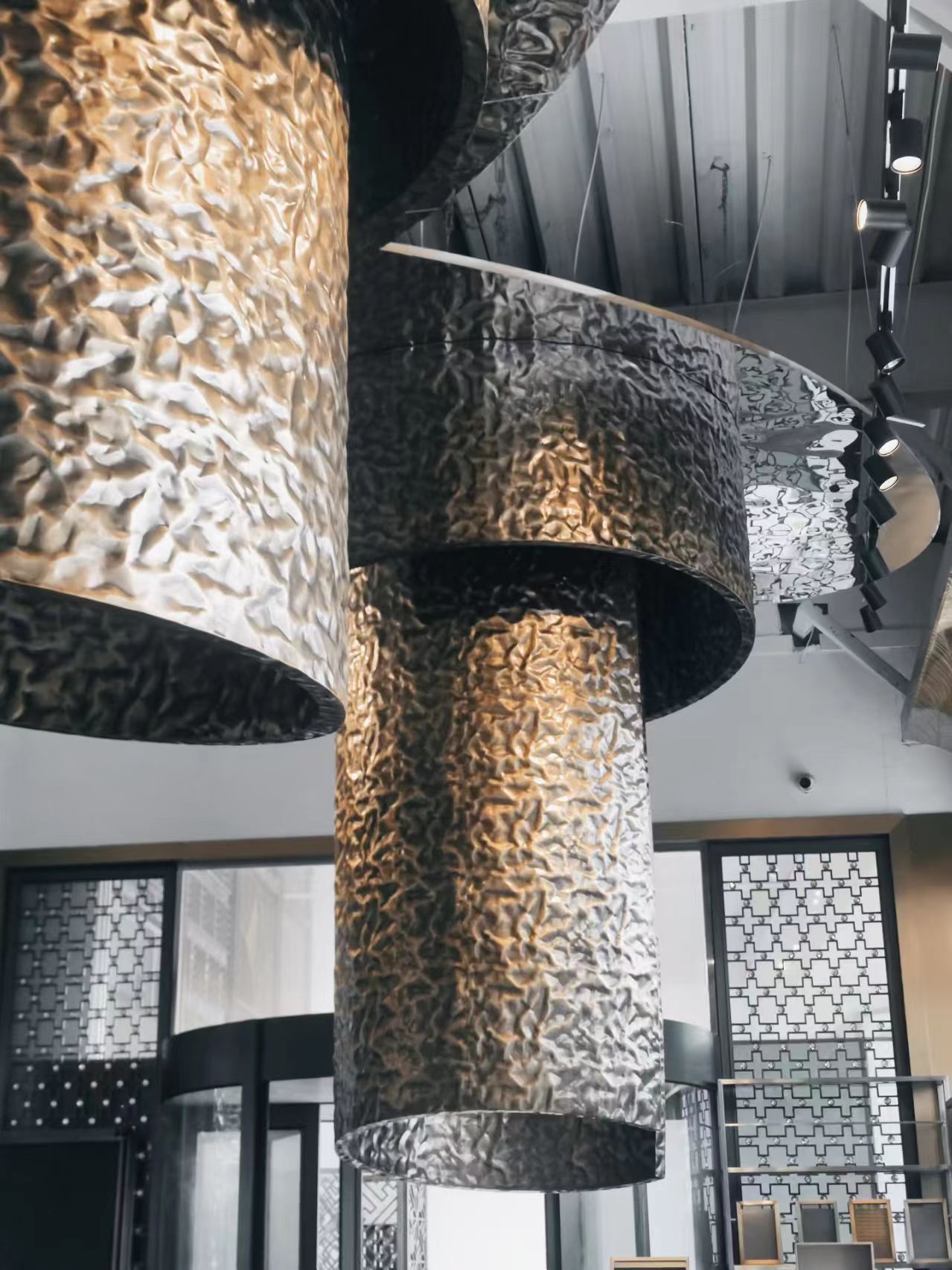
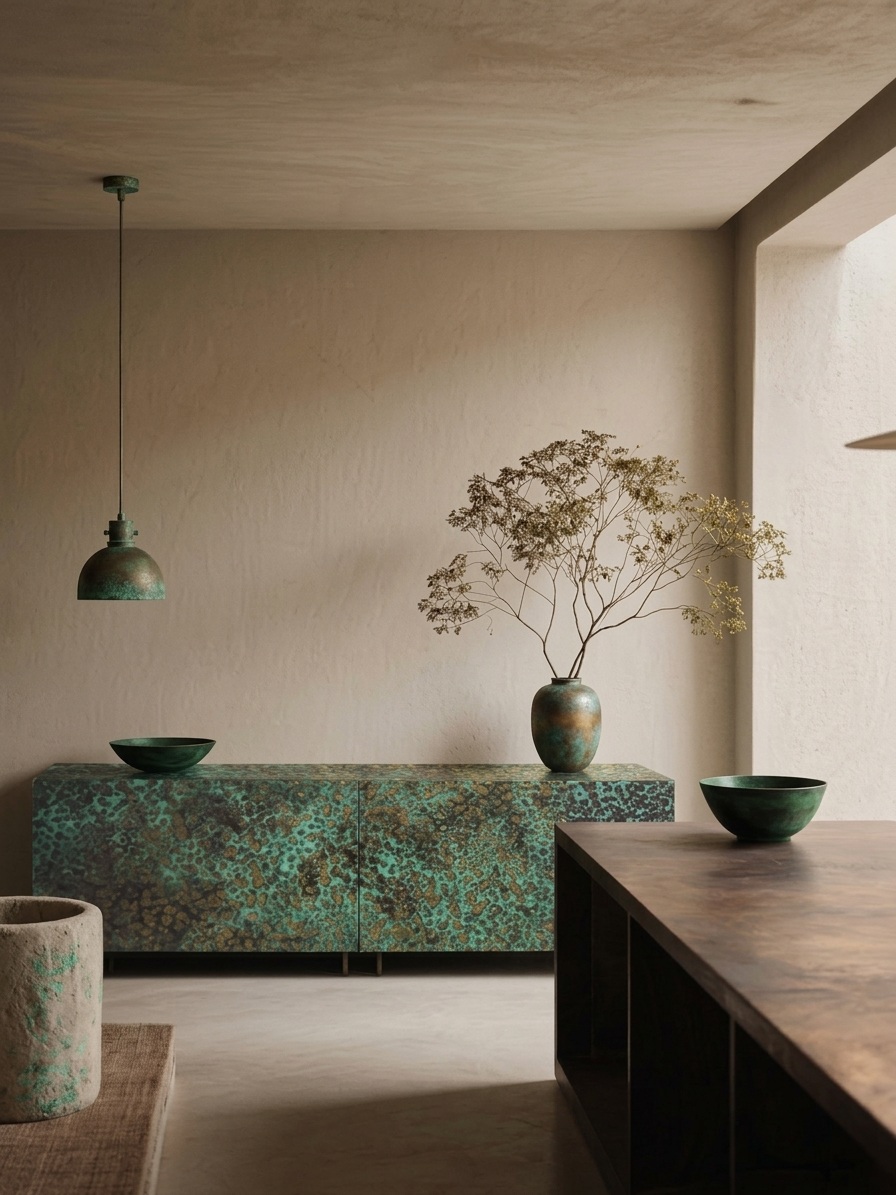
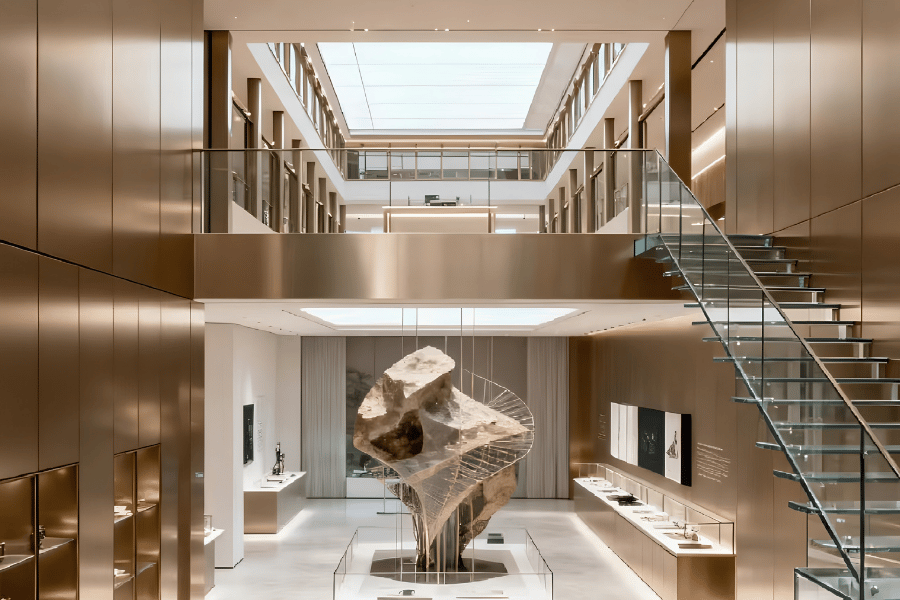
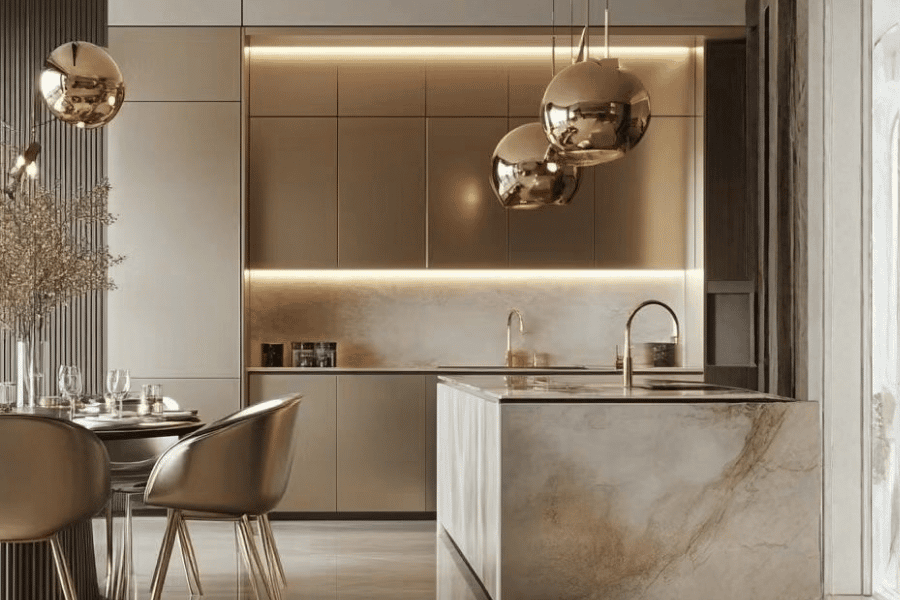
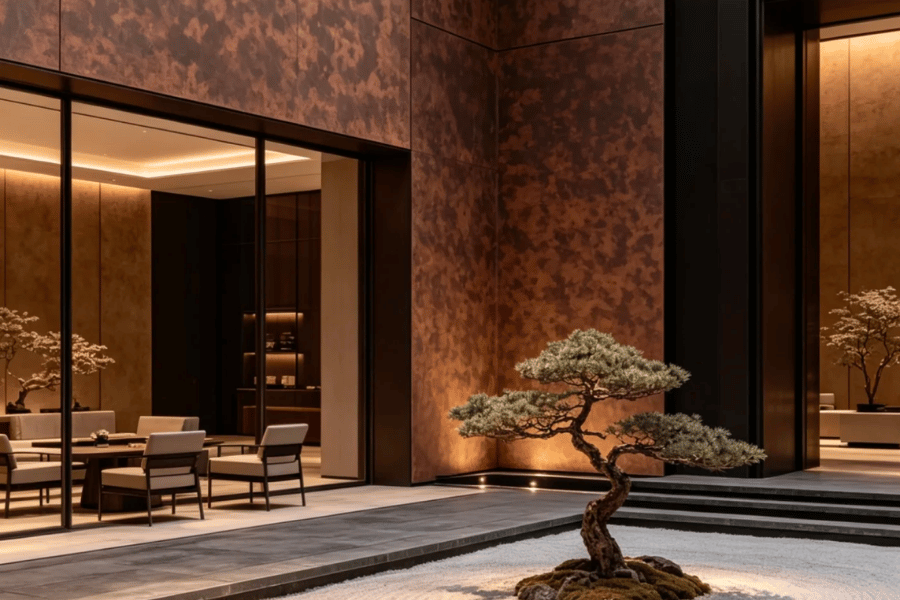
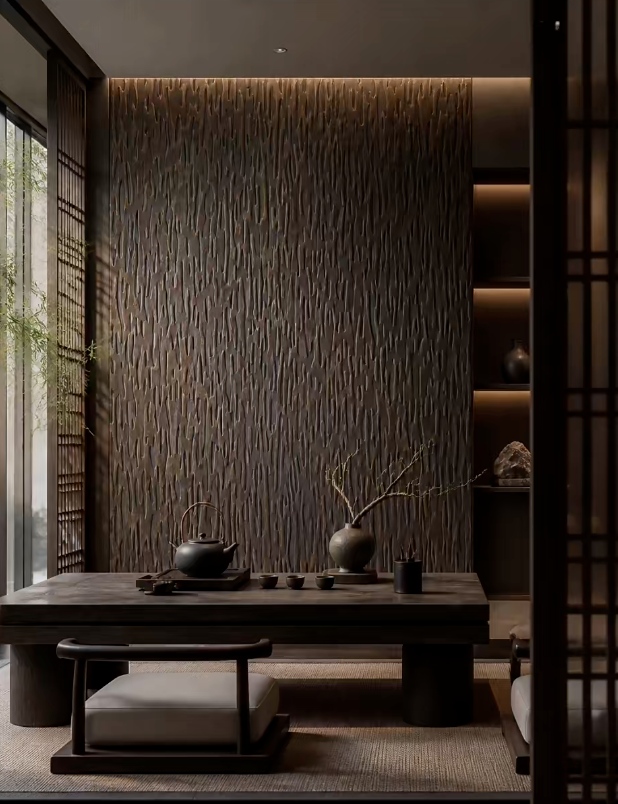
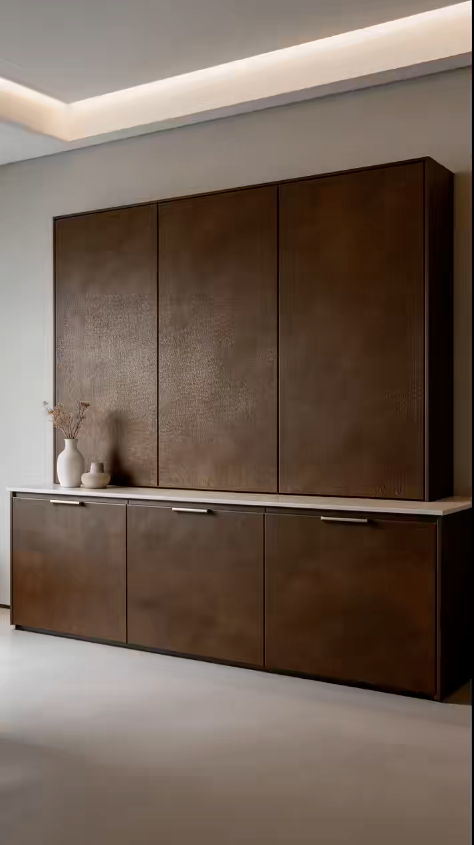
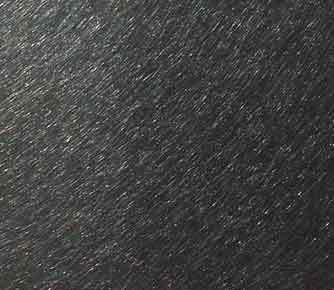
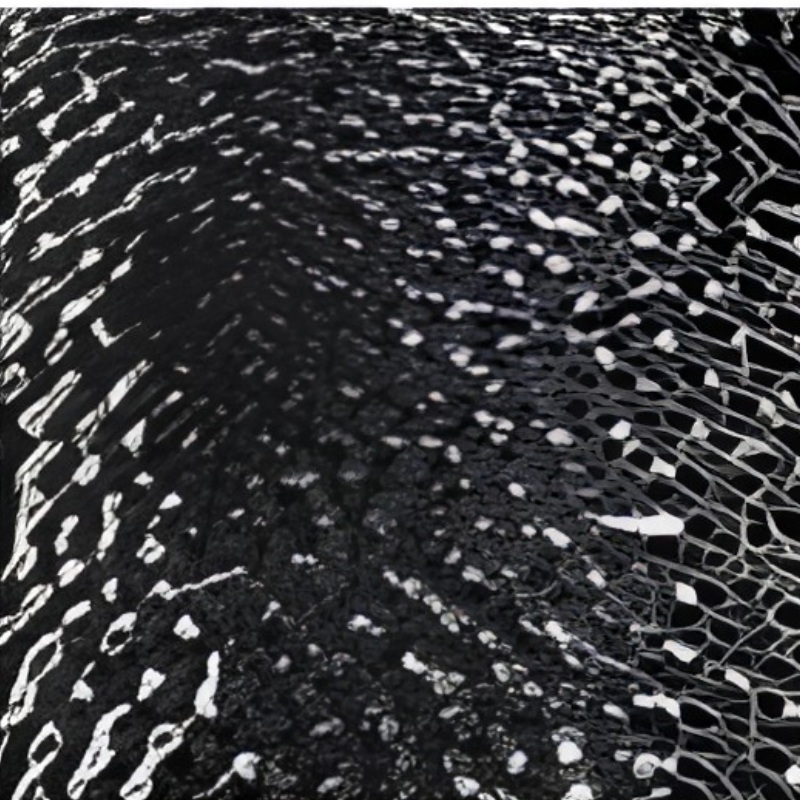
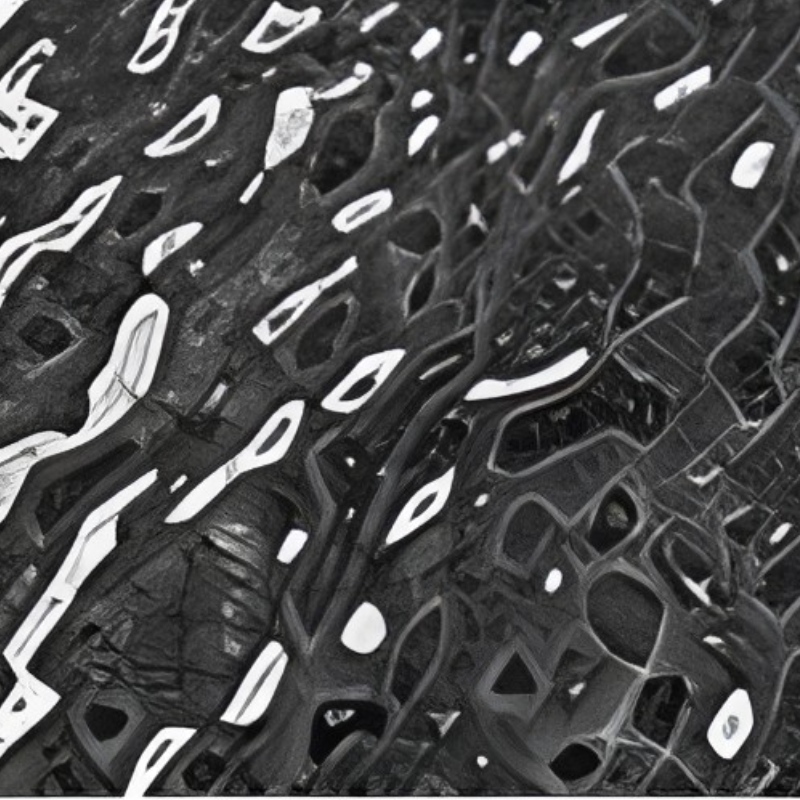
يُضفي هذا المظهر الدافئ والعتيق - قاعدة داكنة تتخللها لمسات معدنية غير منتظمة - لمسةً مميزة من خلال عملية أساسية واحدة: صقل اللوحة، ثم تلوينها بالأسود باستخدام معالجة مؤكسدة، ثم طلاؤها بلون مميز (ذهبي، ذهبي فاتح، نحاسي، أو ما شابه). أما الخطوة الأخيرة والضرورية فهي إضفاء مظهر عتيق - مسح السطح أو تلميعه أو معالجته بحمض وإسفنجة - لإزالة الطبقة المميزة وإبراز اللون الأسود تحتها بنمط متقادم. في حال تخطي هذه الخطوة، ستبقى اللوحة بلون موحد ومسطح.
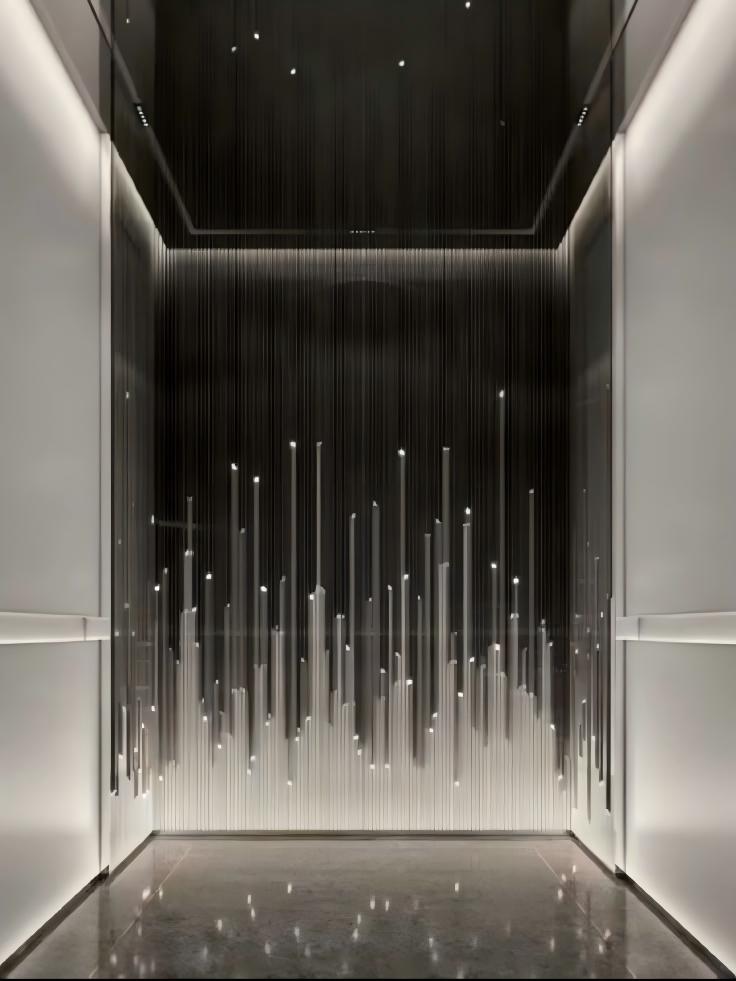
والنتيجة: لوحة سوداء بلمسات معدنية دافئة تعكس الضوء على سطحها، مما يضفي عليها طابعًا عتيقًا أصيلًا، لا مجرد لمسة مطبوعة. وهي تناسب نفس المساحات التي تُستخدم فيها الأخشاب المُعاد تدويرها، أو النحاس العتيق، أو الطوب المكشوف: الجدران المميزة، وداخل المصاعد، والحانات والمطاعم، وردهات الفنادق الصغيرة، وأي كسوة أو ألواح خشبية ترغب في إضفاء لمسة دافئة وتاريخية عليها بدلًا من اللون الأسود النظيف والموحد.
لماذا تختار الفولاذ المقاوم للصدأ الأسود لمنتجاتك
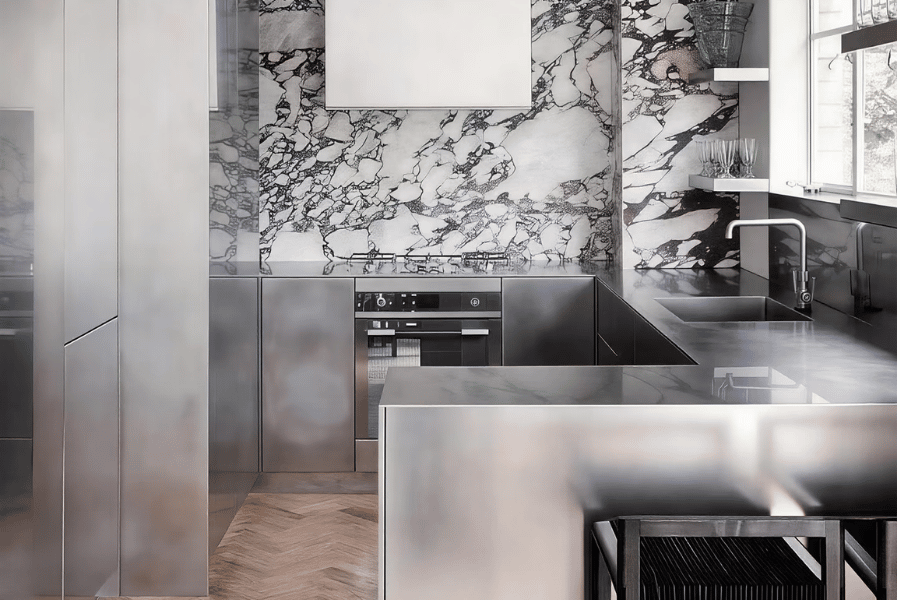
إنه يحل مشكلة صيانة حقيقية - بما في ذلك مخاوف المتانة. تُعدّ الأسطح المصقولة والمُعتّمة - وهما أكثر أنواع الأسطح شيوعًا للفولاذ المقاوم للصدأ الأسود - أفضل بطبيعتها في إخفاء بصمات الأصابع والبقع من الأسطح المصقولة أو اللامعة، لأنّ اتجاه حبيبات الفولاذ يُشتّت الضوء ويُخفي آثار الاحتكاك. غالبًا ما يتساءل المشترون عمّا إذا كان الفولاذ المقاوم للصدأ الأسود قابلًا للخدش، وتتفوق التشطيبات الحديثة على التوقعات في هذا الصدد: إذ تُشكّل طبقات الكروم بتقنية الترسيب الفيزيائي للبخار (PVD) وتقنيات النانو طبقة سطحية كثيفة وصلبة تُقاوم التآكل اليومي - بما في ذلك المفاتيح والعملات المعدنية والصدمات العادية - دون أن تتقشر الطبقة أو تتآكل حتى تظهر المعدن الخام.
إنه يناسب المكان الذي يعيش فيه التصميم البسيط بالفعل — والمكان الذي تكتسب فيه الألوان الأكثر دفئًا أرضية. في التصميمات الداخلية التجارية والمعمارية، تُعد الألوان الثنائية (الأبيض والأسود) والألوان الأحادية لغة تصميم أساسية، وليست مجرد صيحة عابرة، ويوفر الفولاذ المقاوم للصدأ الأسود للمصممين مادة متينة ومقاومة للتآكل تتناسب مع تلك الألوان دون المساس بقوة الفولاذ المقاوم للصدأ وعمره الافتراضي. ولم يعد اللون الأسود خيارًا وحيدًا بعد الآن: فإلى جانب اللون الأسود غير اللامع البارد المألوف، يكتسب اللون الأسود ذو الدرجات الدافئة والمظهر العتيق المذكور أعلاه زخمًا متزايدًا — وتعد القدرة على تقديم كلا الخيارين في حد ذاتها ميزة تميزية.
لقد ثبت علميًا، وليس مجرد تجربة. تتعدد طرق الطلاء (الطلاء المائي، والترسيب الفيزيائي للبخار، والطلاء الحراري)، وتتعدد درجات اللون الأسود (التيتانيوم الأسود المطلي بالماء، والكروم الأسود، والتيتانيوم والألومنيوم الأسود، والتيتانيوم الأسود النقي، والأسود المطلي)، وتتعدد خيارات الملمس التي يمكن تطبيقها كطبقات (النقش البارز، والمطرقة، والتموجات المائية)، بالإضافة إلى عملية تحكم دقيقة لأكسيد أسود مع تلميع للحصول على لون أسود عتيق دافئ - كل طبقة من هذه الطبقات لها أساس تقني واضح. لقد تطور الفولاذ المقاوم للصدأ الأسود ليصبح فئة مواد تتمتع بمرونة تصميم حقيقية، وليس مجرد تشطيب واحد بمظهر واحد وعملية واحدة.
هل أنت مستعد لشراء صفائح من الفولاذ المقاوم للصدأ الأسود؟
من الطلاءات PVD إلى التشطيبات السوداء المطلية بالماء، سانمي توفر صفائح الفولاذ المقاوم للصدأ باللون الأسود بدرجات 201 و 304 و 316 – مع اتصالات مباشرة بالمطاحن، استجابة سريعة، وتتبع كامل.
اتصل بشركة SANMEI الآن →ملاحظة أخرى: بقايا سوداء على ظهر الملاءة
قد تتكون رواسب سوداء على الجانب الخلفي من ألواح الفولاذ المقاوم للصدأ التي تخضع لعملية طلاء ملون، أي الجانب غير المطلي المقابل للسطح النهائي. هذه الرواسب هي نتاج ثانوي لعملية الطلاء، وليست عيبًا، وهي تختلف عن البقع السوداء التي تظهر على الفولاذ المقاوم للصدأ نتيجة التلوث أو سوء التعامل. لا تؤثر هذه الرواسب على الجانب المطلي إطلاقًا. ولأنها قد تؤثر على ملمس اللوح أثناء التعامل معه وتركيبه، يُعالج الجانب الخلفي بورق صنفرة أو تلميع لإزالة هذه الرواسب قبل شحن الألواح. إذا صادفت هذا النوع من البقع على الفولاذ المقاوم للصدأ من مورد آخر، فسيزيلها منظف الفولاذ المقاوم للصدأ القياسي، فهي ناتج ثانوي عن الجانب الخلفي، وليست عيبًا في الطلاء الأسود.
سانمي ميتال
إذا كنت تحدد الفولاذ المقاوم للصدأ الأسود لمشروع ما - لوحة معمارية، أو داخل مصعد، أو غلاف منتج - فإن المزيج الصحيح من درجة الركيزة، وعملية الطلاء، والملمس السطحي يعتمد على ظروف تعرض تطبيقك والغرض التصميمي. تحدث إلينا عن مشروعك للحصول على توصيات بشأن المواد وعينات منها.