
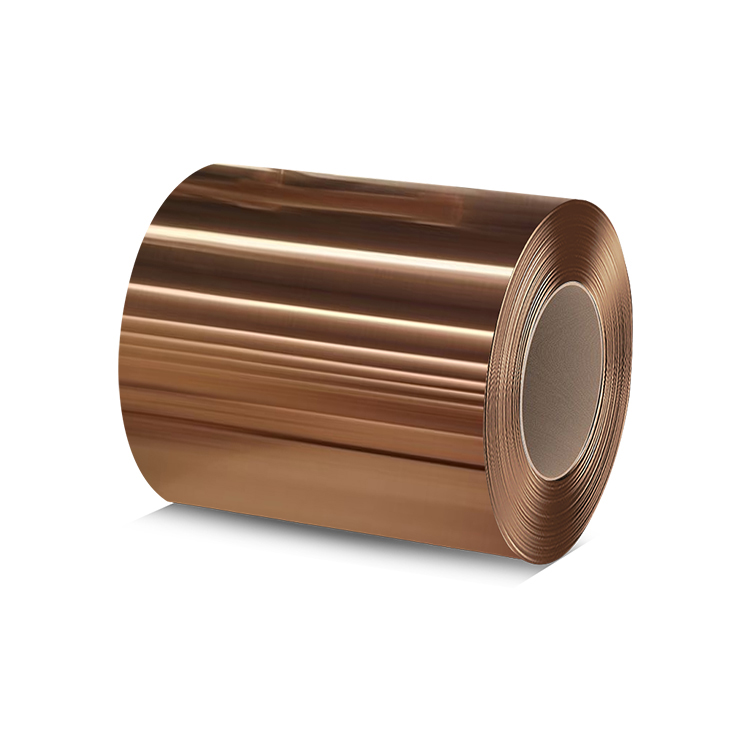
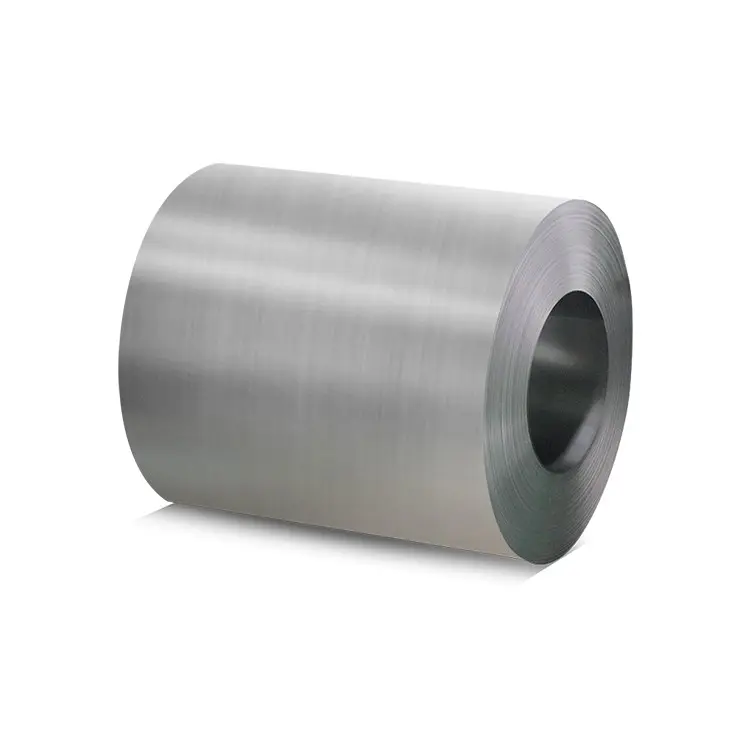
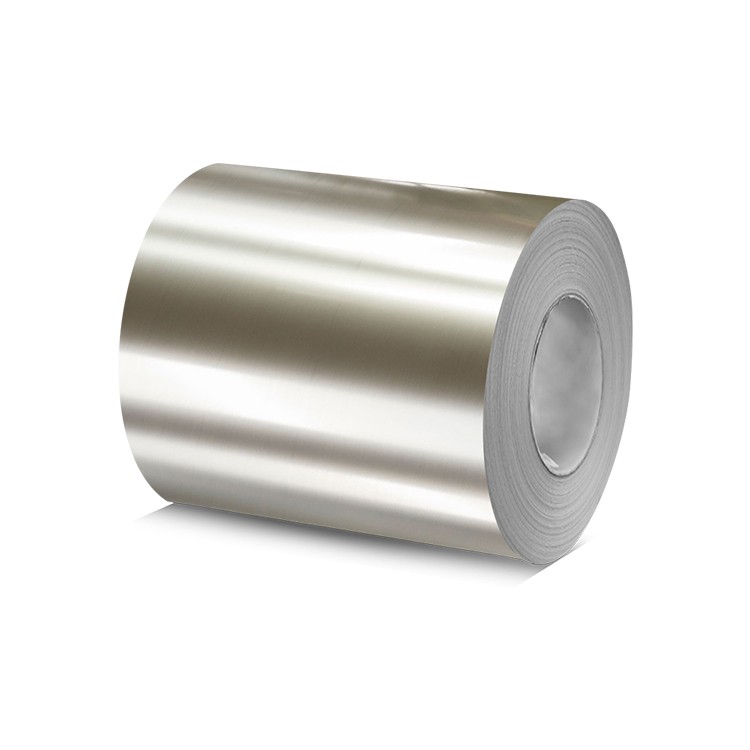

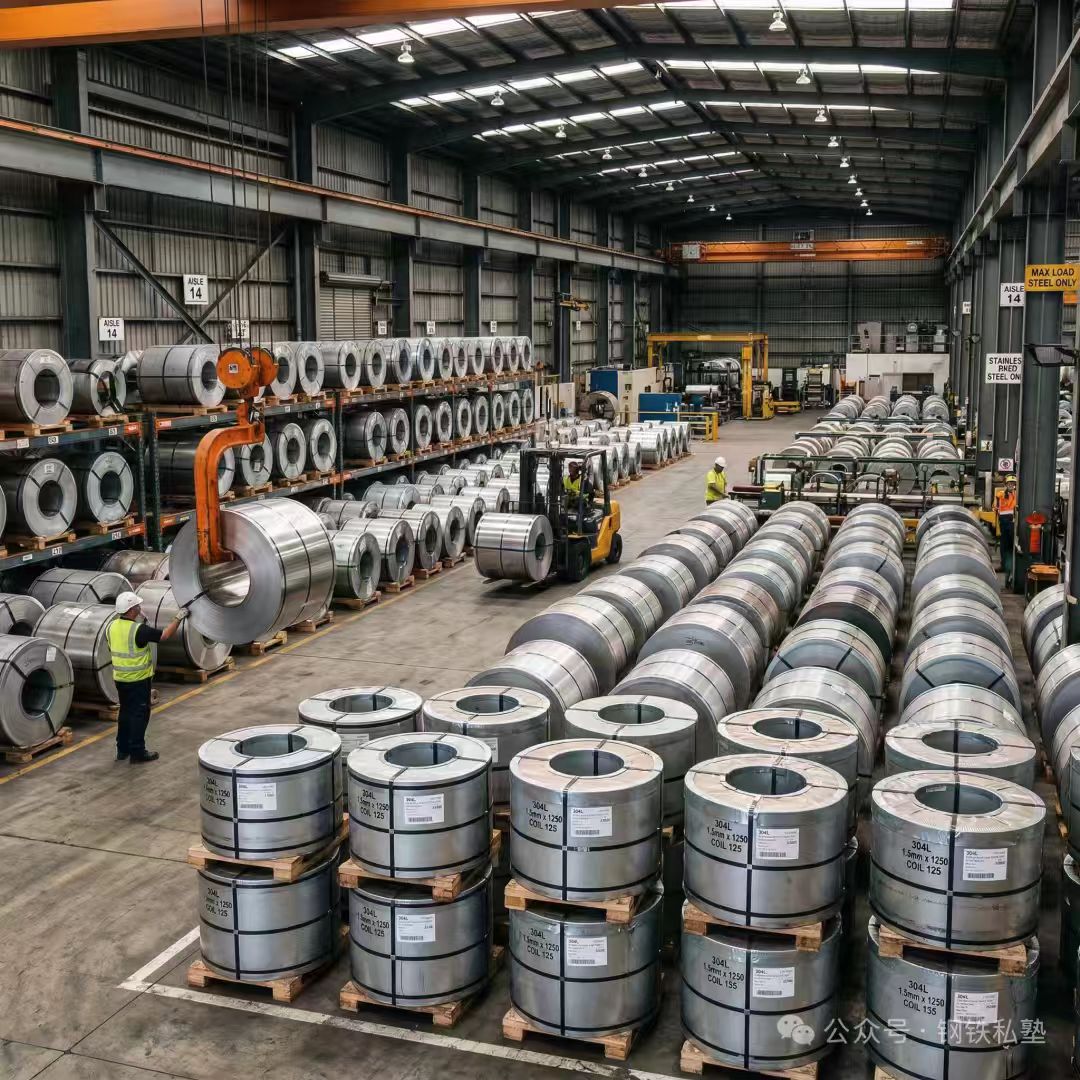
Lapisan Baja Tahan Karat Hitam: 6 Proses, Berbagai Nuansa Hitam
Baja tahan karat hitam Baja tahan karat hitam telah bergeser dari lapisan arsitektur khusus menjadi salah satu pilihan permukaan yang paling banyak diminati dalam panel logam dekoratif dan produk industri. Namun, baja tahan karat hitam bukanlah satu hal tunggal—melainkan sebuah kategori. Lapisan hitam, proses pelapisan di baliknya, dan substrat logam di bawahnya semuanya membentuk warna akhir, daya tahan, dan kemungkinan desain. Panduan ini menguraikan apa sebenarnya baja tahan karat hitam, bagaimana produsen menghasilkan lapisan hitam pada baja tahan karat, dua istilah yang sering dikacaukan dengan proses sebenarnya, mengapa "hitam" yang sama dapat terlihat sangat berbeda tergantung pada prosesnya, dan bagaimana gaya yang lebih baru—hitam antik dengan nuansa hangat—masuk ke dalam gambaran tersebut.
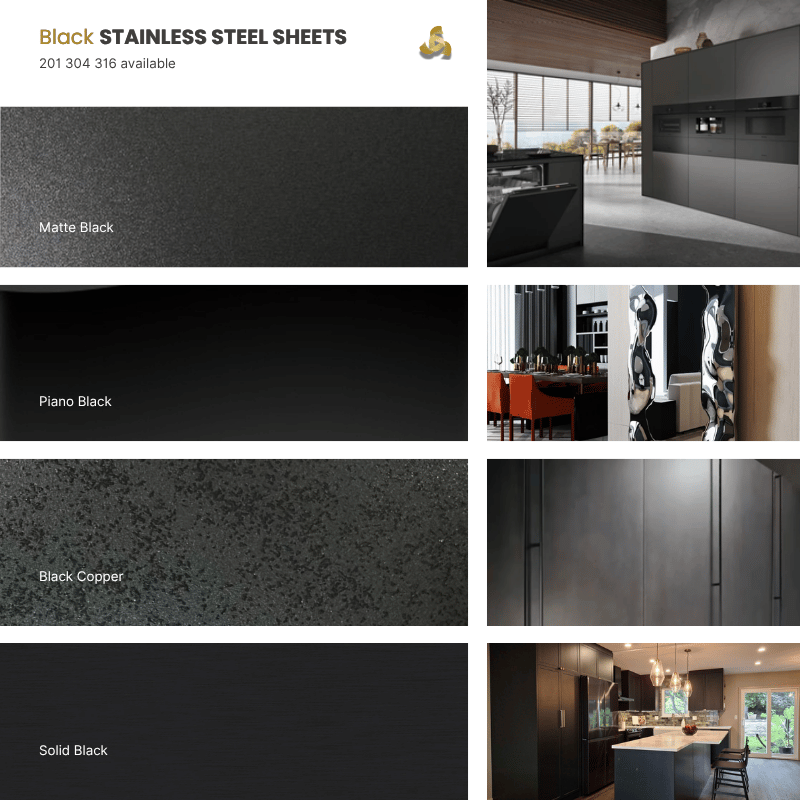
Apa itu Baja Tahan Karat Hitam?
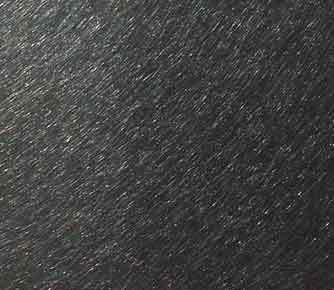
Sebagian orang bertanya-tanya apa sebenarnya baja tahan karat hitam itu — bisakah baja tahan karat benar-benar berubah dari warna aslinya menjadi hitam? Jawabannya adalah ya. Baja tahan karat hitam dibuat dengan proses finishing permukaan pada gulungan atau lembaran baja tahan karat canai dingin hingga berubah menjadi hitam. Tidak ada batasan ketat mengenai grade logam dasarnya, tetapi 201, 304, Dan 316 adalah yang paling umum, dengan 430 Penggunaannya pun semakin meningkat. Proses yang berbeda menghasilkan warna hitam yang berbeda — hitam matte, hitam cermin — masing-masing dengan kecerahan dan kedalamannya sendiri. Inilah juga mengapa dua panel dapat memiliki label "finishing baja tahan karat hitam" yang sama namun tetap sangat berbeda dalam kinerja dan tampilan di dunia nyata, karena yang sebenarnya menentukan daya tahan dan tampilan adalah proses finishing itu sendiri, bukan hanya materialnya.
Bagaimana Baja Tahan Karat Hitam Dibuat? Berbagai Proses Penghitam
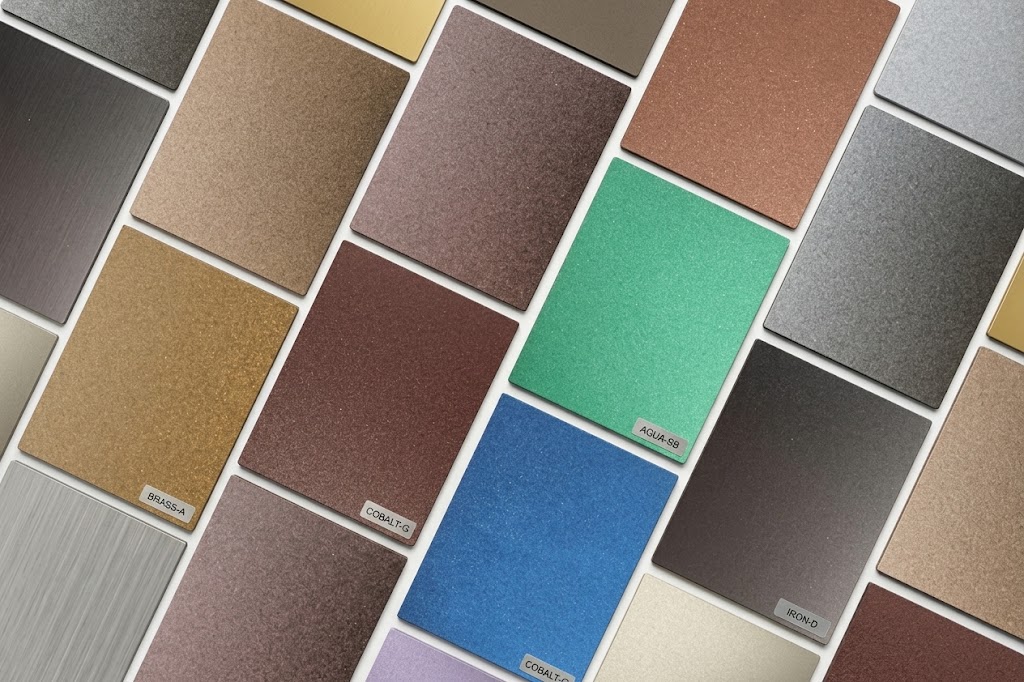
Baja tahan karat hitam berasal dari tiga jalur proses utama ini. Pelapisan air (elektroplating) adalah pilihan berbiaya terendah dengan stabilitas warna sedang — ini adalah cara paling mudah untuk menghasilkan baja tahan karat berlapis hitam — cocok untuk proyek standar bervolume tinggi yang berorientasi pada nilai. PVD, proses pelapisan vakum, berbiaya sedang hingga tinggi tergantung pada material target, tetapi memberikan daya tahan dan stabilitas warna tertinggi, menjadikannya pilihan untuk proyek arsitektur atau kelas atas dengan persyaratan warna, pelapukan, atau konsistensi batch yang ketat. Cat panggang diaplikasikan langsung ke permukaan baja tahan karat dan dikeringkan pada suhu tinggi, tanpa lapisan dasar logam di bawahnya — berbiaya rendah hingga sedang dengan kecocokan warna antar batch terkuat, tetapi lebih cocok untuk penggunaan di dalam ruangan atau dengan abrasi rendah daripada paparan luar ruangan jangka panjang, cocok untuk proyek jangka pendek atau sementara.
| Proses | Biaya | Daya Tahan / Stabilitas Warna | Terbaik Untuk |
|---|---|---|---|
| Pelapisan air (pelapisan listrik) | Rendah | Sedang | Proyek standar bervolume tinggi yang berorientasi nilai |
| PVD (pelapisan vakum) | Sedang hingga tinggi, tergantung pada bahan target | Tinggi | Proyek arsitektur atau kelas atas dengan persyaratan nada, pelapukan, atau konsistensi batch yang ketat |
| Memanggang cat (finishing oven) | Rendah hingga sedang | Kecocokan warna batch-ke-batch yang kuat; paling cocok untuk aplikasi dalam ruangan atau abrasi rendah daripada paparan luar ruangan yang berkepanjangan | Proyek jangka pendek atau sementara |
Baja Tahan Karat Anodisasi Hitam? Oksida Hitam? Dua Istilah yang Perlu Dijelaskan
Beberapa orang mencari "lembaran baja tahan karat anodisasi hitam," tetapi sebenarnya, anodisasi dirancang untuk aluminium. Aluminium secara alami membentuk lapisan oksida berpori yang terus menebal di bawah elektrolisis, yang membuatnya tahan aus dan mudah diwarnai. Permukaan baja tahan karat bekerja sebaliknya — lapisan kromium oksida-nya tipis, padat, dan stabil secara kimia (yang justru membuat baja tahan karat tahan korosi), sehingga tidak memiliki kemampuan yang sama untuk terus membangun lapisan oksida seperti aluminium. Baja tahan karat secara teknis dapat di-anodisasi, tetapi lapisan yang dihasilkan lebih tipis, kurang seragam, lebih terang warnanya, dan kurang tahan lama daripada pada aluminium, biasanya membutuhkan lapisan pelindung tambahan agar tetap awet. Sebagian besar yang dipasarkan sebagai "baja tahan karat anodisasi hitam" sebenarnya adalah PVD atau pelapisan air hitam — anodisasi sejati jarang digunakan, bahkan ketika istilah tersebut diterapkan.
Lapisan oksida hitam pada baja tahan karat adalah istilah lain yang sering disalahartikan. Ini adalah proses konversi kimia di mana permukaan baja bereaksi dengan larutan pengoksidasi untuk membentuk lapisan oksida besi hitam — sebuah proses yang jauh lebih cocok untuk baja karbon biasa daripada baja tahan karat, karena lapisan oksida kromium pelindung baja tahan karat menahan reaksi yang sama. Pada baja tahan karat, oksida hitam menghasilkan warna hitam yang lebih tipis dan kurang tahan lama, itulah sebabnya mengapa proses ini paling baik dilakukan sebagai langkah awal dalam proses pengawetan — diterapkan untuk menciptakan dasar gelap sebelum panel dipoles dan dilapisi secara selektif — daripada sebagai cara mandiri untuk membuat baja tahan karat hitam. Lebih lanjut tentang bagaimana proses pengawetan tersebut sebenarnya bekerja di bagian hitam bernuansa hangat di bawah ini.
Baja Berlapis Hitam yang Sama, Hasil yang Berbeda
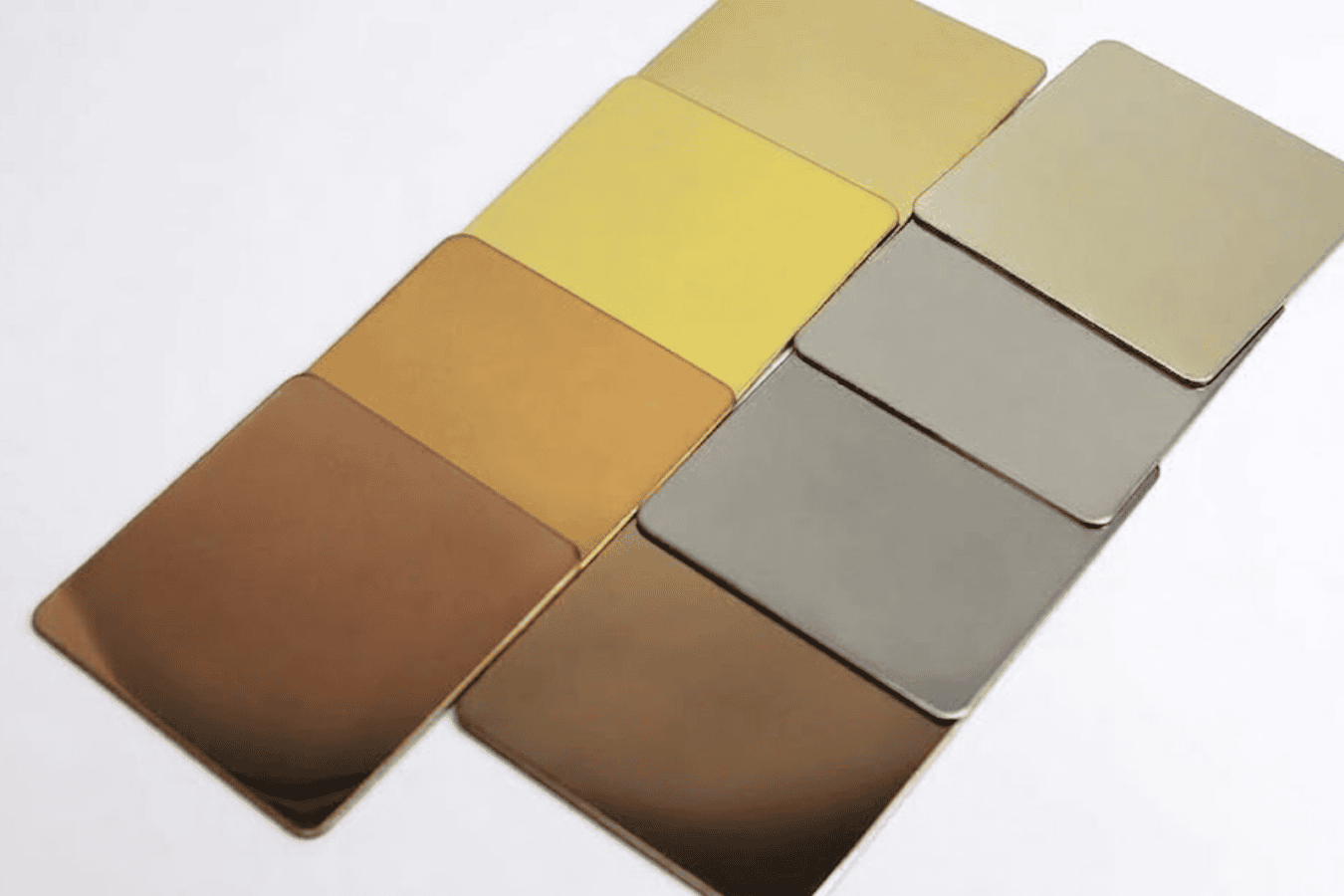
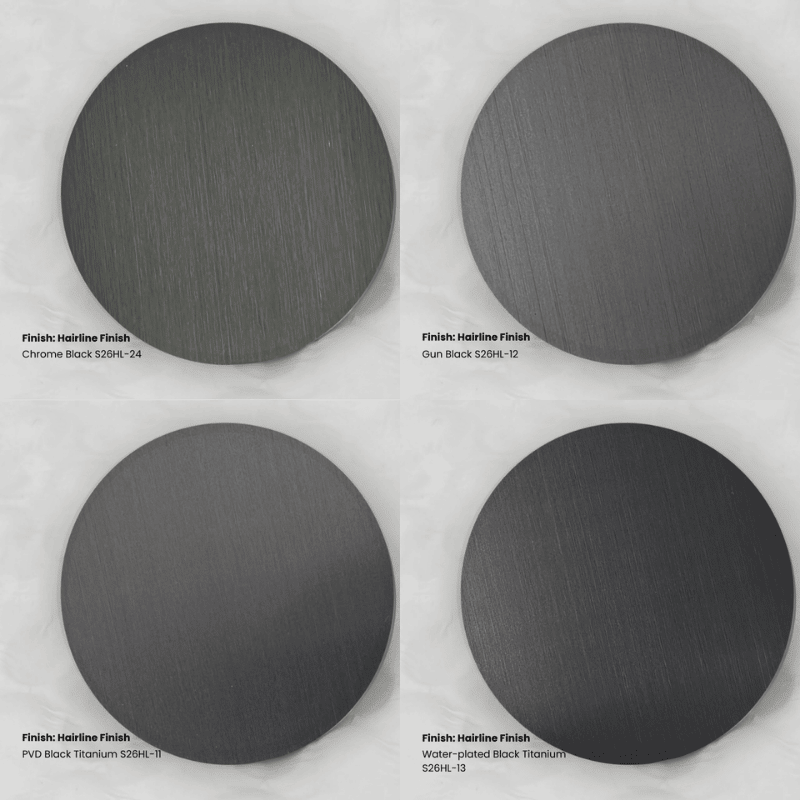
Lapisan hitam pada baja tahan karat tidak selalu sama — tampilan sebenarnya dari baja tahan karat hitam sangat bergantung pada proses pembuatannya. Tanyakan kepada beberapa pemasok tentang "baja tahan karat dengan lapisan hitam" dan Anda akan mendapatkan beberapa panel dengan tampilan yang berbeda:
- Titanium hitam berlapis air: Warna hitam paling pekat dan jenuh yang tersedia, tanpa perubahan rona yang terlihat — hitam pekat dan sejati. Lapisan akhir baja tahan karat hitam yang paling umum dan terjangkau di pasaran.
- PVD titanium hitam (Ti-black): Warna hitam dengan sedikit nuansa ungu, paling terlihat di bawah cahaya kuat atau langsung — memberikan kedalaman visual yang lebih baik daripada warna hitam pekat.
- PVD hitam metalik: Warna hitam netral, abu-abu karbon — lebih dingin dan lebih kalem daripada kedalaman ungu warna hitam titanium, dan mempertahankan warnanya secara konsisten di berbagai kondisi pencahayaan.
- PVD krom hitam: Warna hitam dengan sedikit nuansa hijau kekuningan di bawah cahaya terang, yang diperoleh melalui lapisan kromium karbida dengan ketahanan korosi yang kuat.
Ini bukan hanya variasi estetika — mereka membawa perbedaan nyata dalam biaya, keandalan pencocokan warna, dan kinerja ketahanan cuaca, yang persis mengapa "stainless steel hitam" sebagai satu istilah pencarian menghasilkan hasil yang tidak konsisten.
Lapisan dasar cat kuku di bawahnya juga mengubah tampilannya.
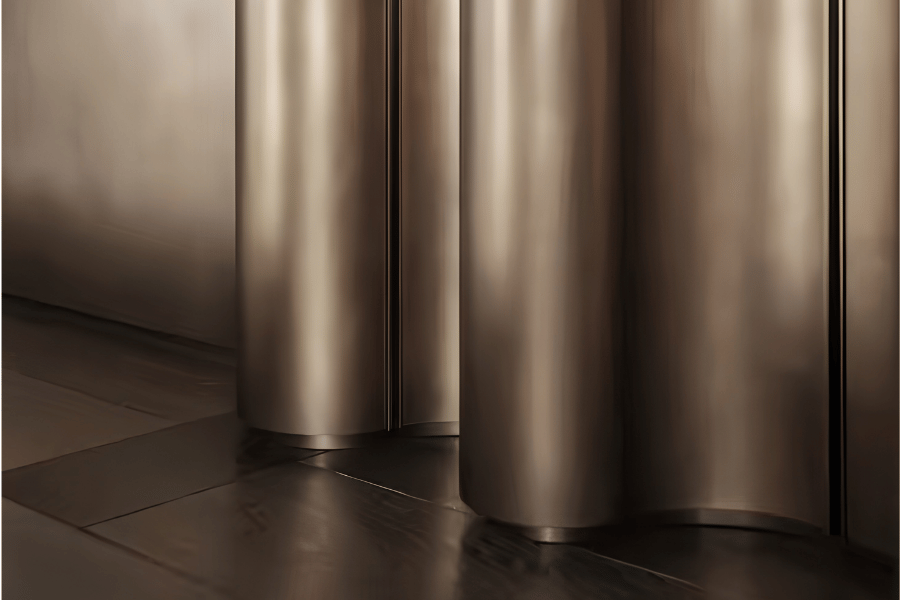
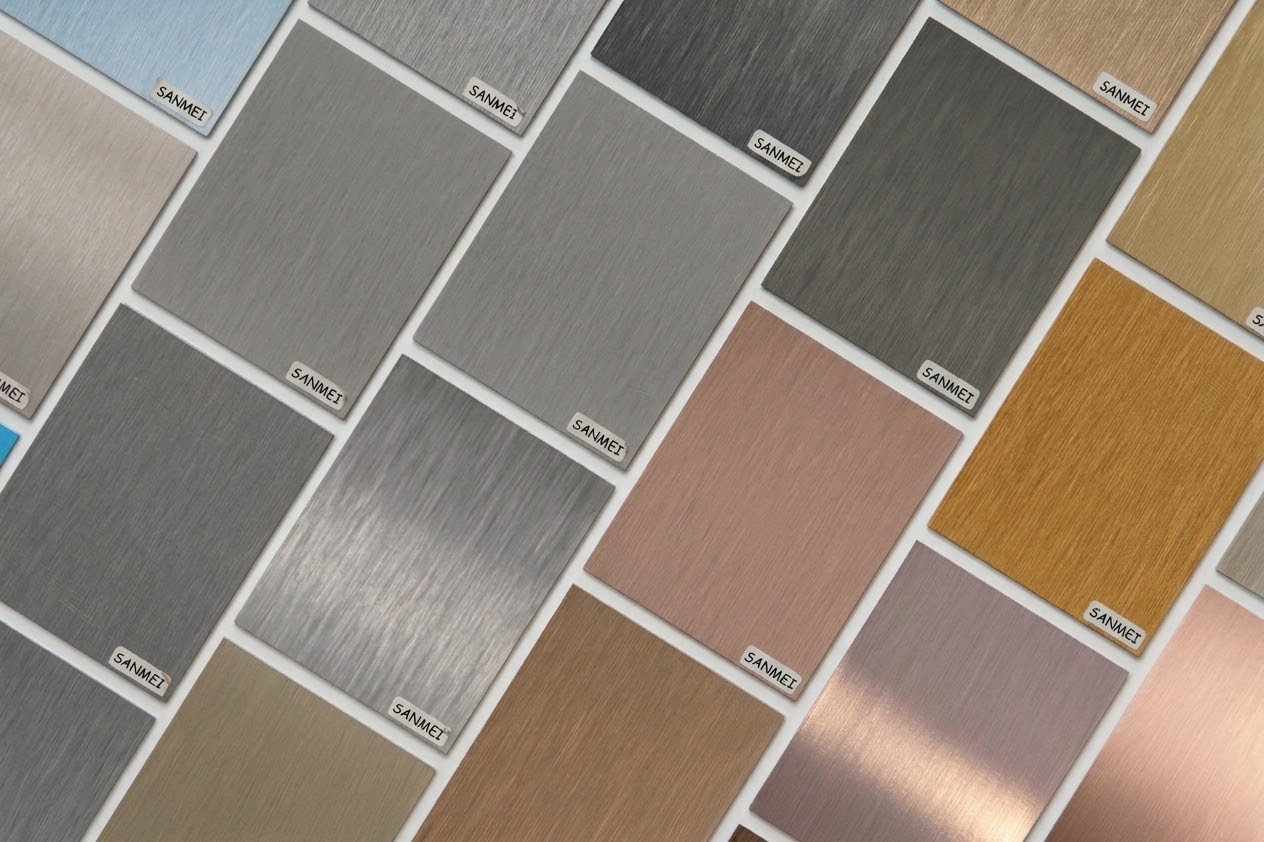
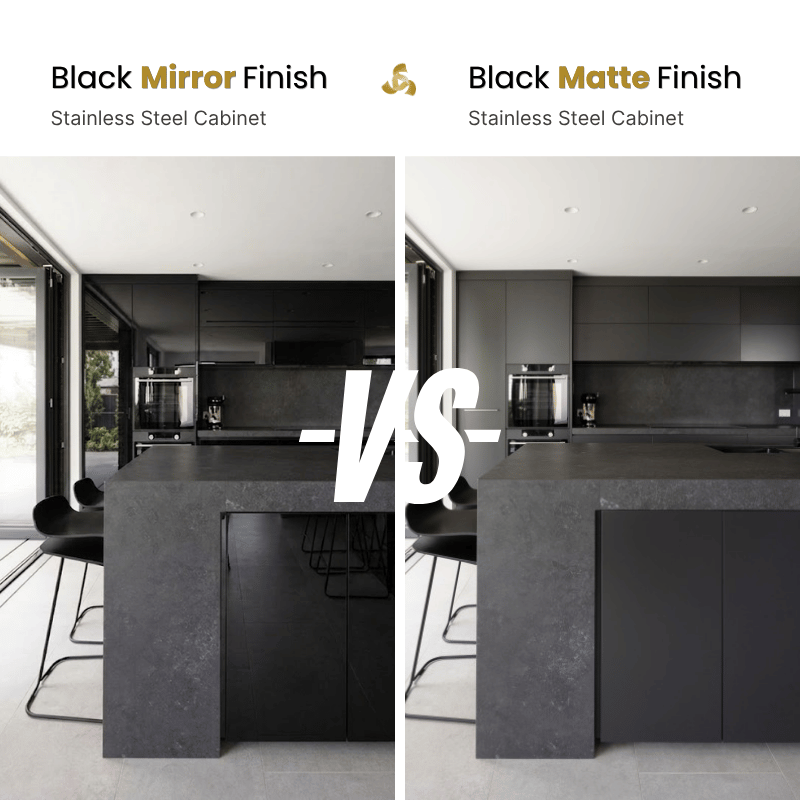
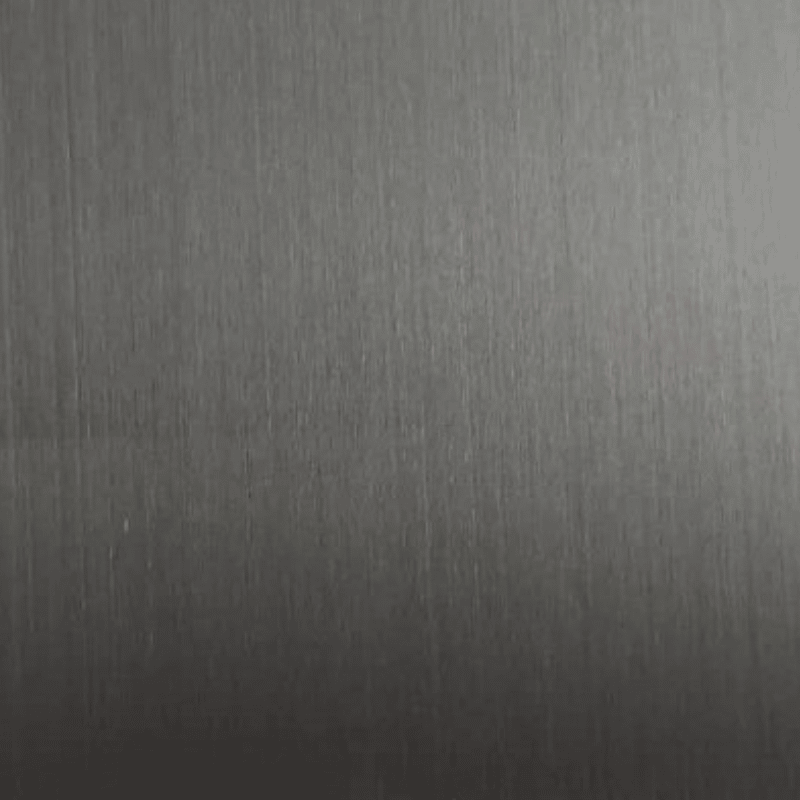
Di luar lima faktor di atas, ada satu variabel lagi: lapisan dasar polesan di bawah lapisan pelapis. Ini bukan dua proses terpisah — ini adalah satu proses pemolesan dalam sebuah spektrum, dan tingkat pemolesan menentukan hasilnya: tingkat pemolesan yang lebih rendah menghasilkan hasil yang kurang baik. matte permukaan dengan reflektivitas rendah, sementara pemolesan yang semakin tinggi menghasilkan hasil yang semakin reflektif, hingga penuh stainless steel lapisan akhir hitam cermin — dengan permukaan yang dalam dan sangat mengkilap. Tekstur lain yang disebutkan — disikat, satin, garis rambut, dan lainnya — adalah lapisan tambahan terpisah yang ditambahkan di atas dasar ini, bukan dasar itu sendiri. Dua panel yang menggunakan proses pelapisan yang sama persis dapat terlihat seperti produk yang sama sekali berbeda, tergantung pada seberapa jauh logam dasar di bawahnya dipoles terlebih dahulu.
Apa yang terlihat datar dan seragam pada sampel chip dapat berperilaku sangat berbeda setelah diterapkan pada panel bertekstur atau berdimensi—di sinilah bagian selanjutnya masuk.
Terkait Lapisan Baja Tahan Karat Hitam
Lembar Cermin Hitam
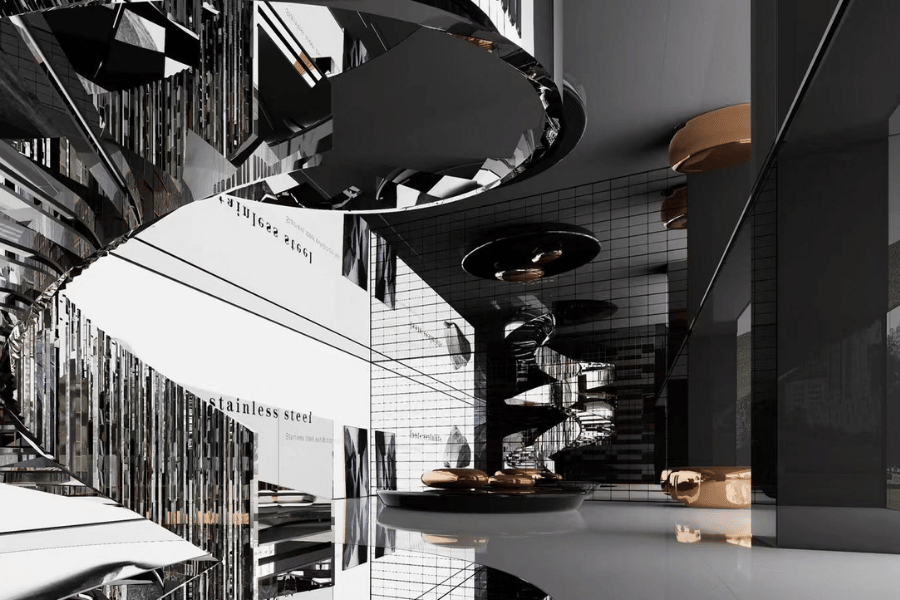
Finishing poles yang memantulkan cahaya tinggi dikombinasikan dengan rona gelap untuk aksen arsitektur kelas atas, ritel mewah, dan panel dekoratif.
Lembaran Matte Hitam
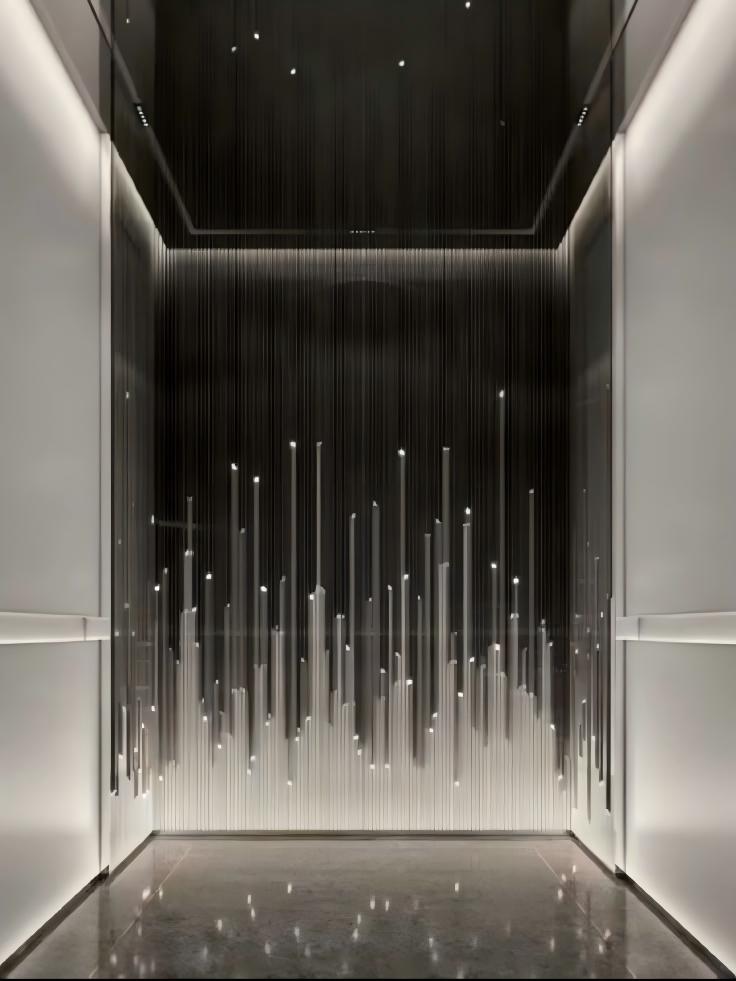
Tekstur satin non-reflektif yang menawarkan kilau halus dan taktil — ideal untuk pelapis interior modern, interior lift, dan peralatan premium.
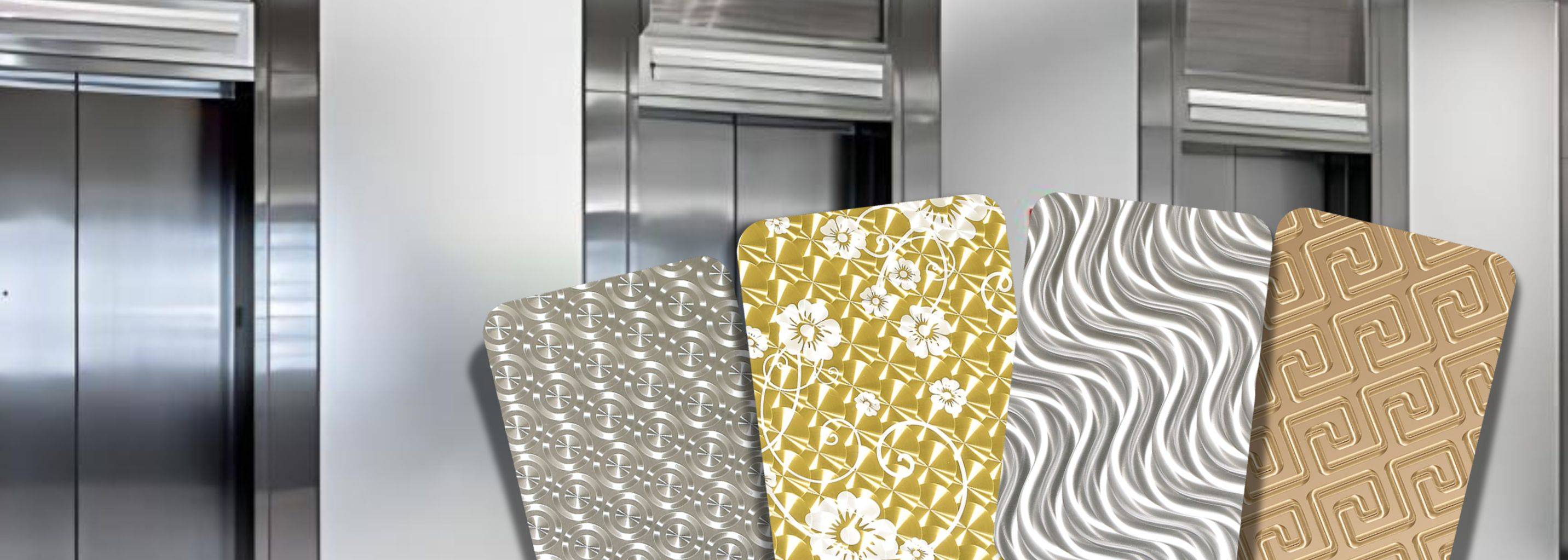
Panel Baja Tahan Karat Hitam Bertekstur dan Bermotif
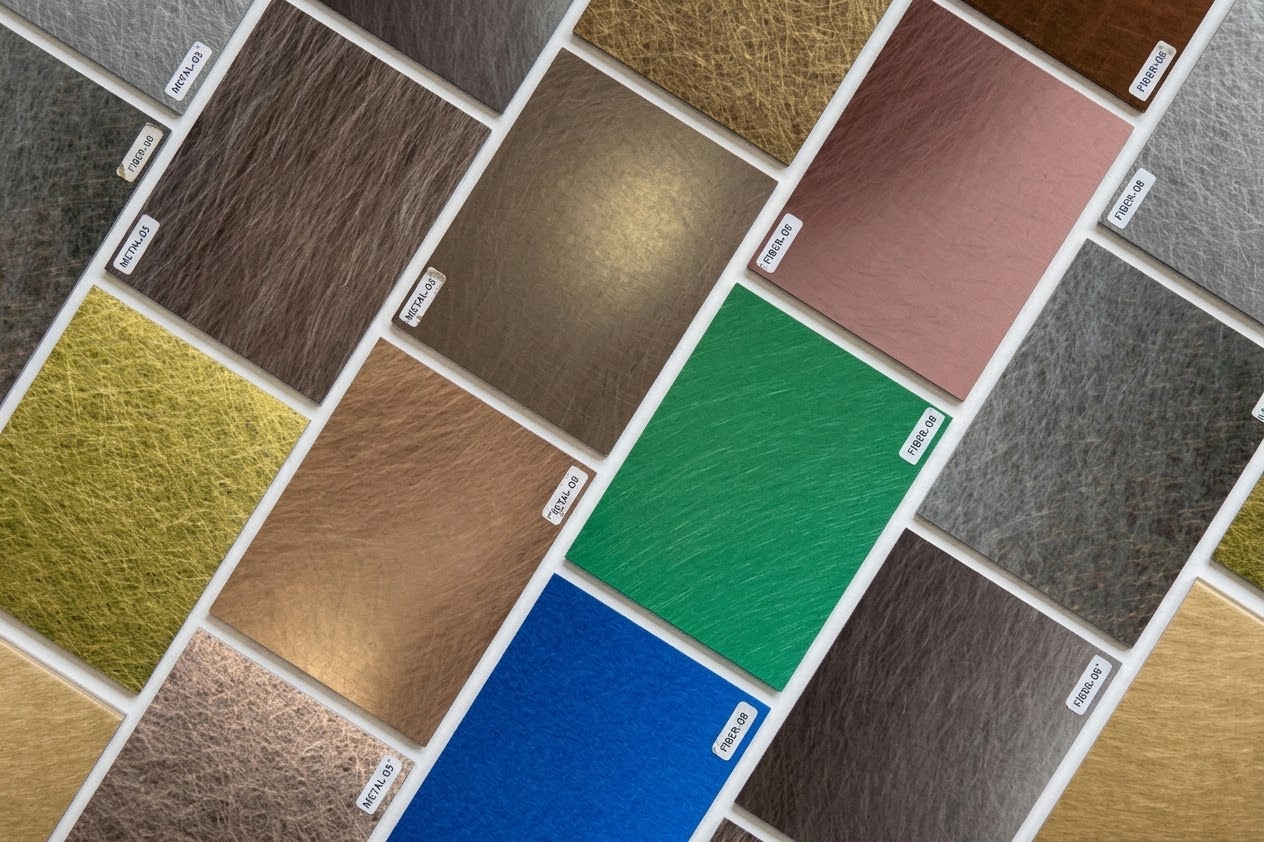
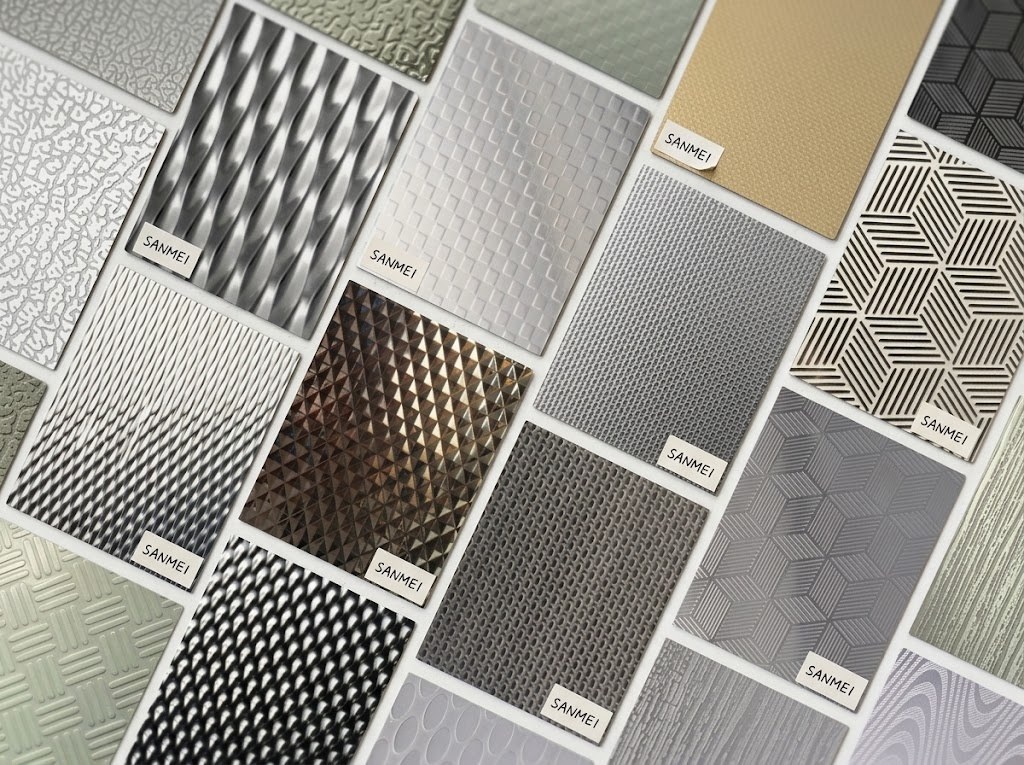
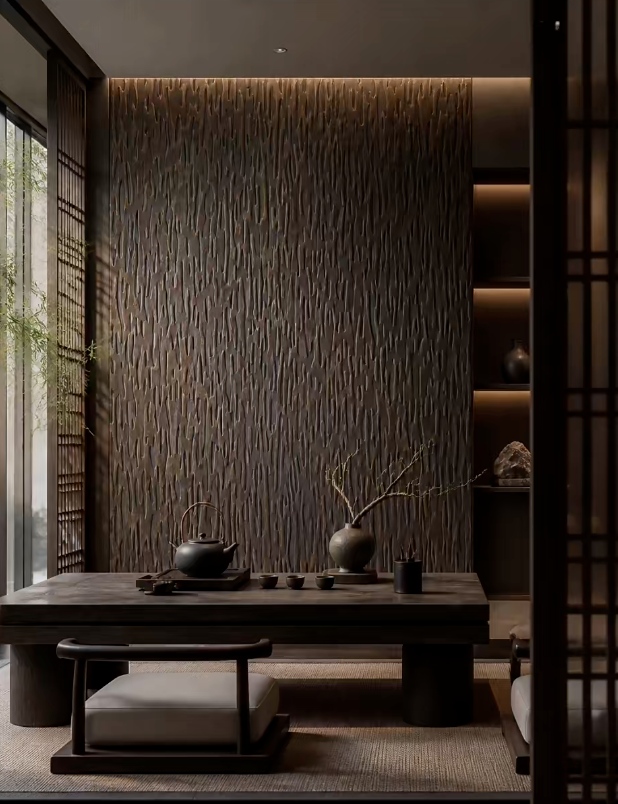
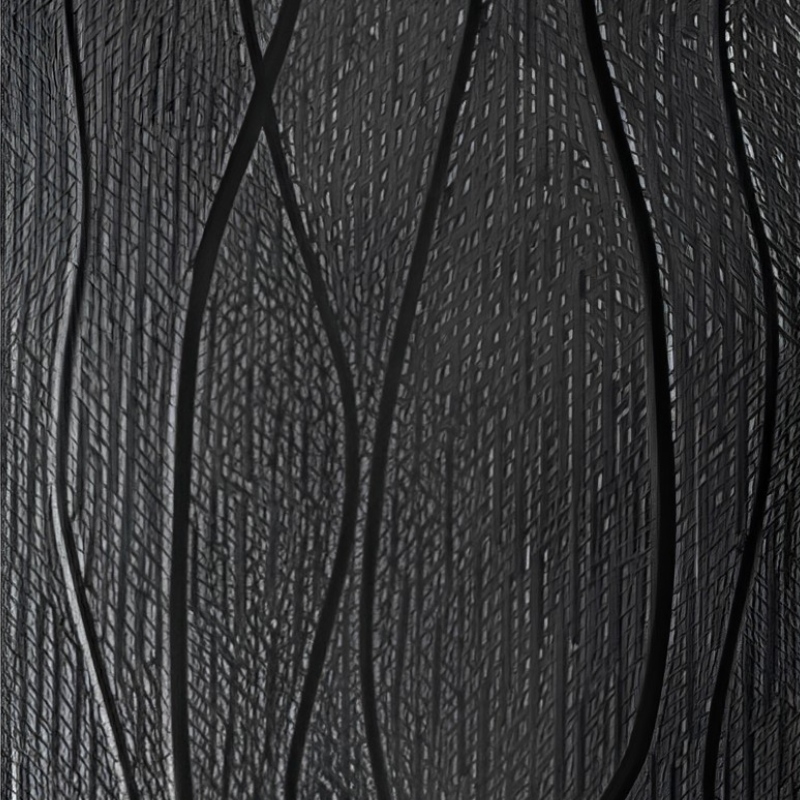
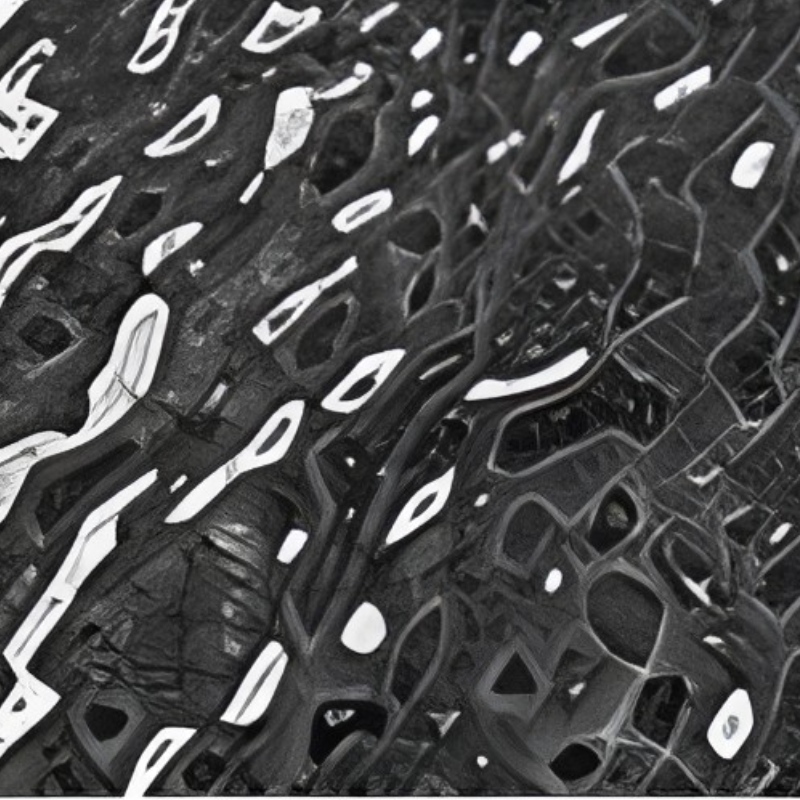
Hitam tidak harus berarti datar, dan tidak harus berarti polos. Permukaan dasar di bawah lapisan hitam itu sendiri bisa berupa hasil akhir yang datar — Nomor 4 , garis rambut (HL), atau sandblasted — masing-masing memberikan tekstur dan reflektivitas yang berbeda pada warna hitam sebelum pola apa pun ditambahkan. Di atas itu, baja tahan karat hitam berpola — serat kayu, serat batu, dan pola cetak, terukir, atau lainnya dilaminasi Motif — menambah daya tarik visual pada panel hitam tanpa mengubah profil fisiknya. Pola-pola ini rata: bertekstur di mata, halus di sentuhan.
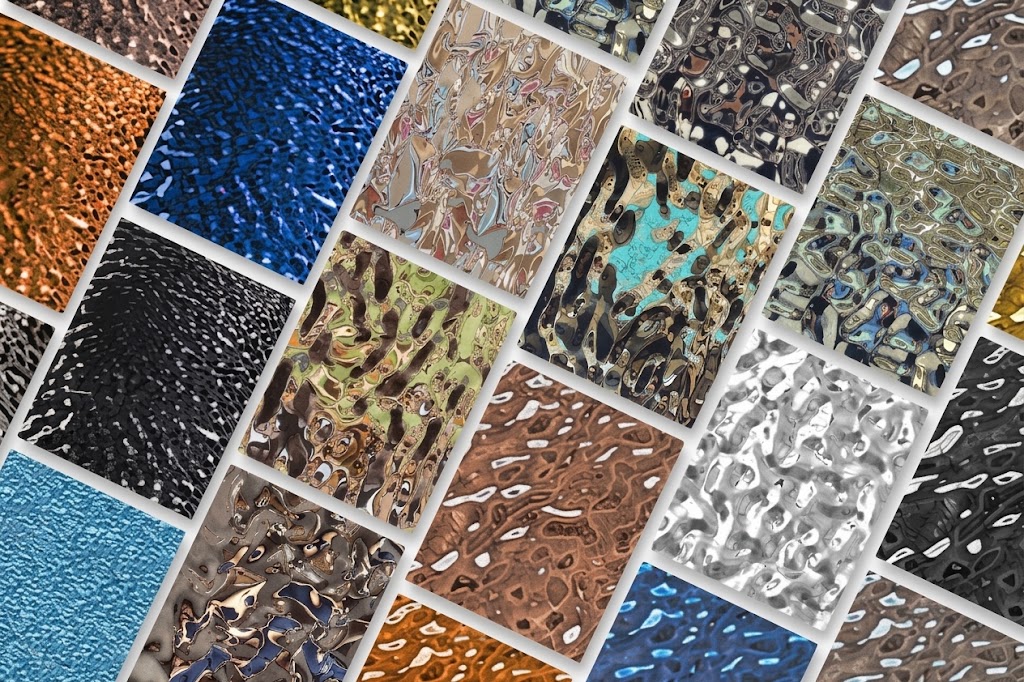
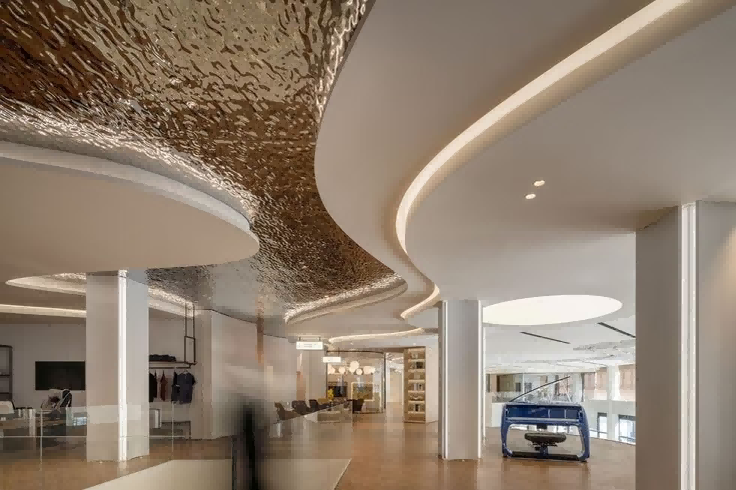
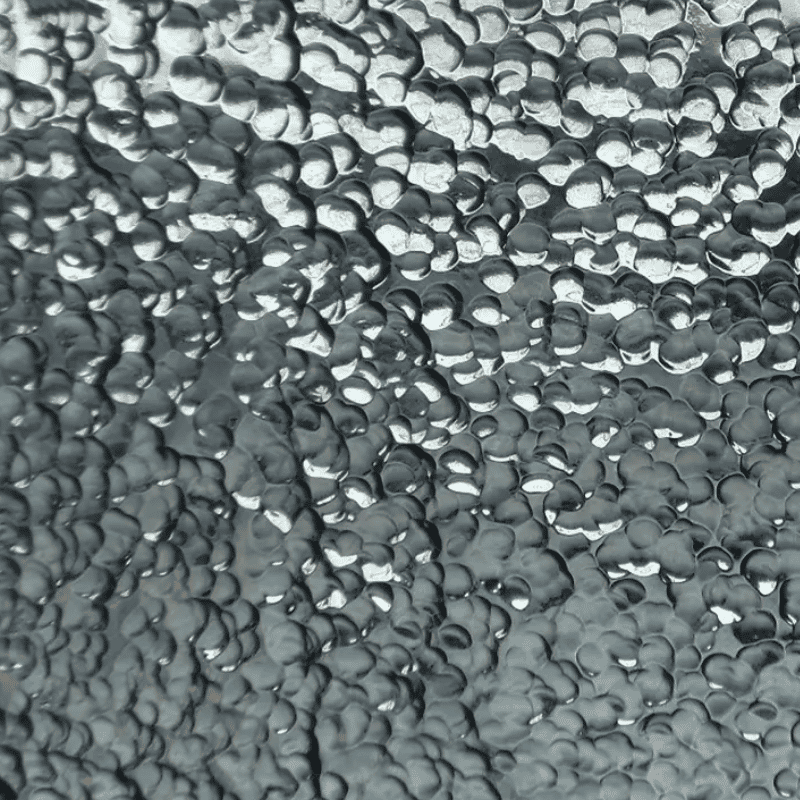
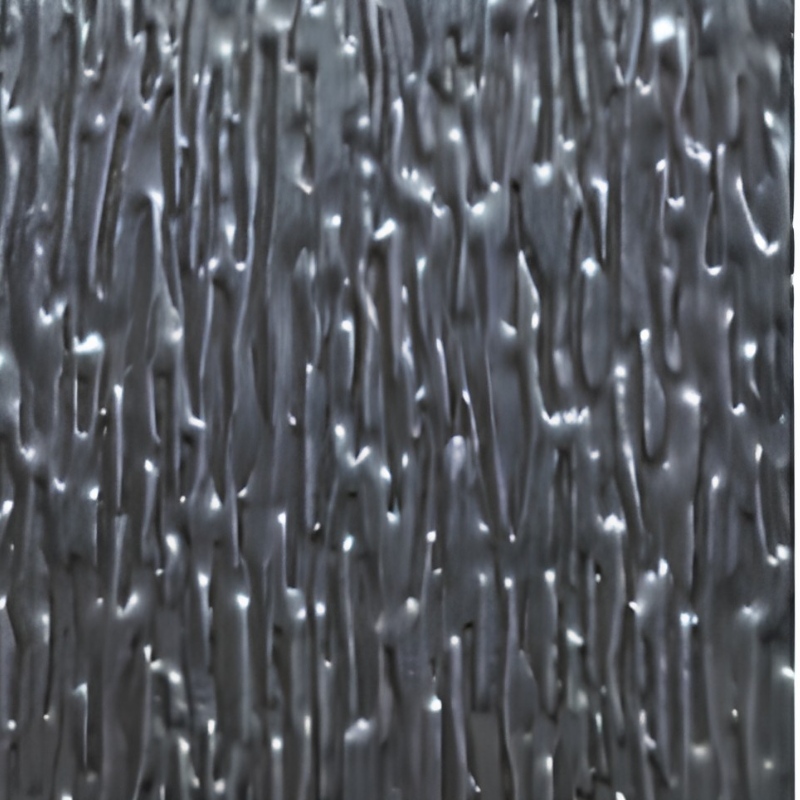
Untuk permukaan tiga dimensi yang nyata, logam harus dibentuk secara fisik—bukan dicetak atau diukir. Di situlah embos, menghantam, Dan riak air Proses pengepresan dilakukan, masing-masing menghasilkan permukaan yang benar-benar berdimensi yang kemudian diberi lapisan akhir hitam menggunakan proses PVD atau pelapisan air yang sama seperti yang dijelaskan di atas. Hasilnya adalah panel logam hitam dengan kedalaman visual dan taktil.
Ada pula cara yang lebih canggih untuk menggunakan struktur dimensional tersebut — membiarkan area yang menonjol dan tertekan dari panel bertekstur menangkap dua nada yang berbeda alih-alih satu warna hitam datar. Itulah efek "hitam berwarna" yang dibahas selanjutnya.
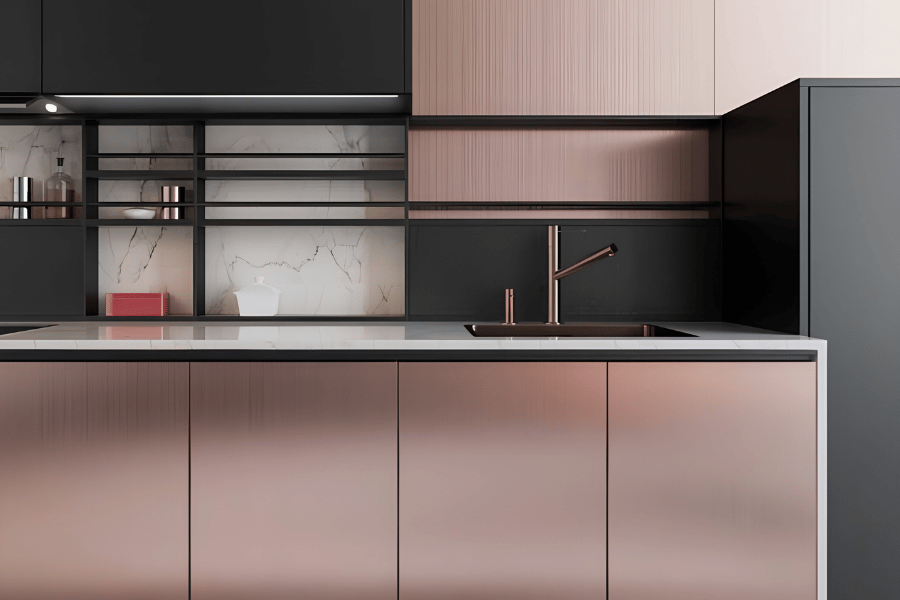
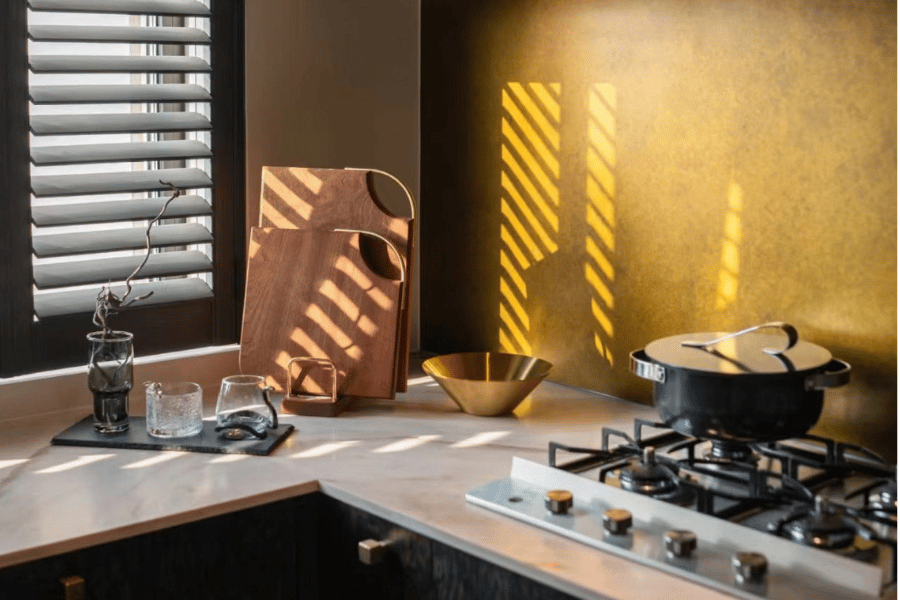
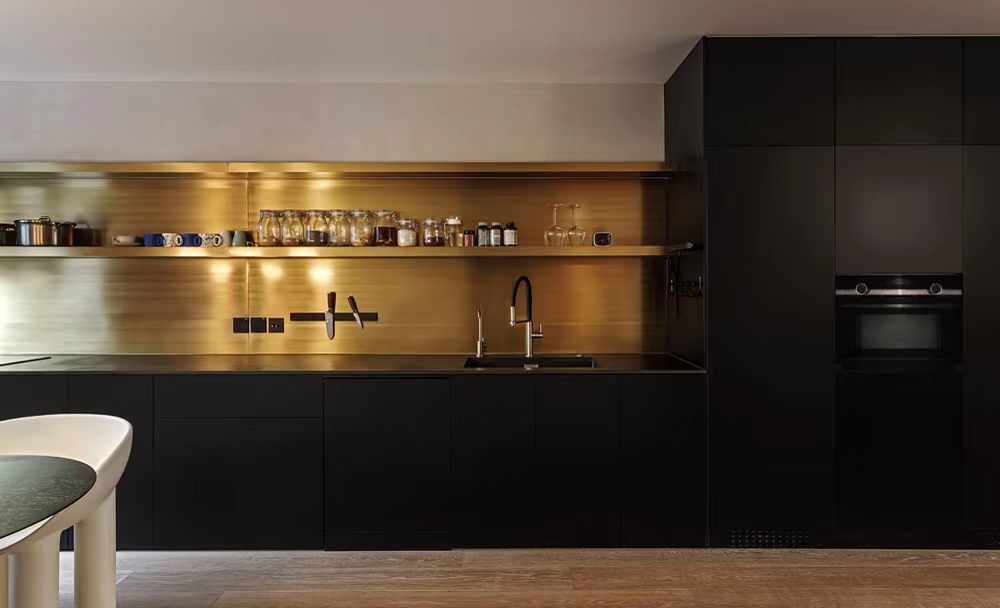
Hitam Bernuansa Hangat: Finishing Bergaya Antik dan Multi-Nuansa
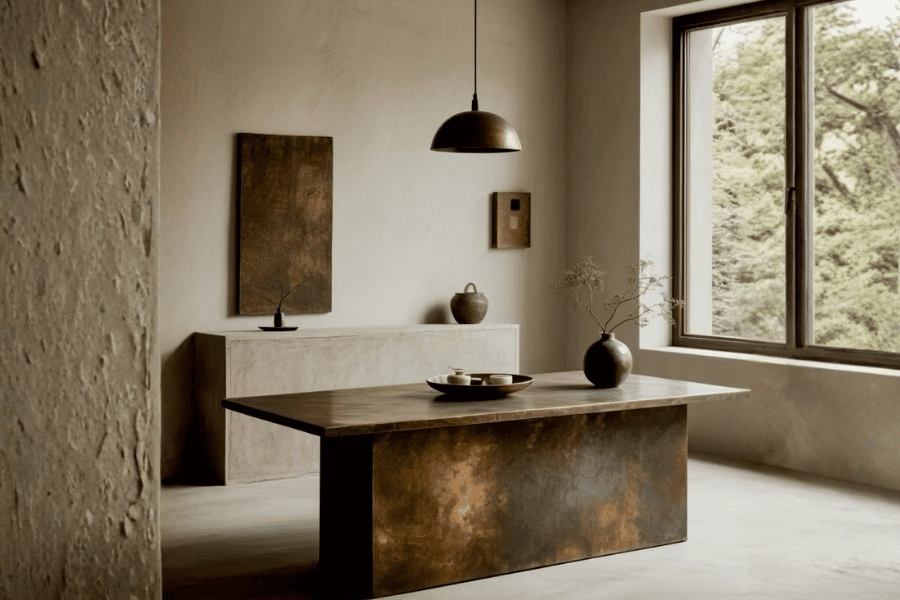
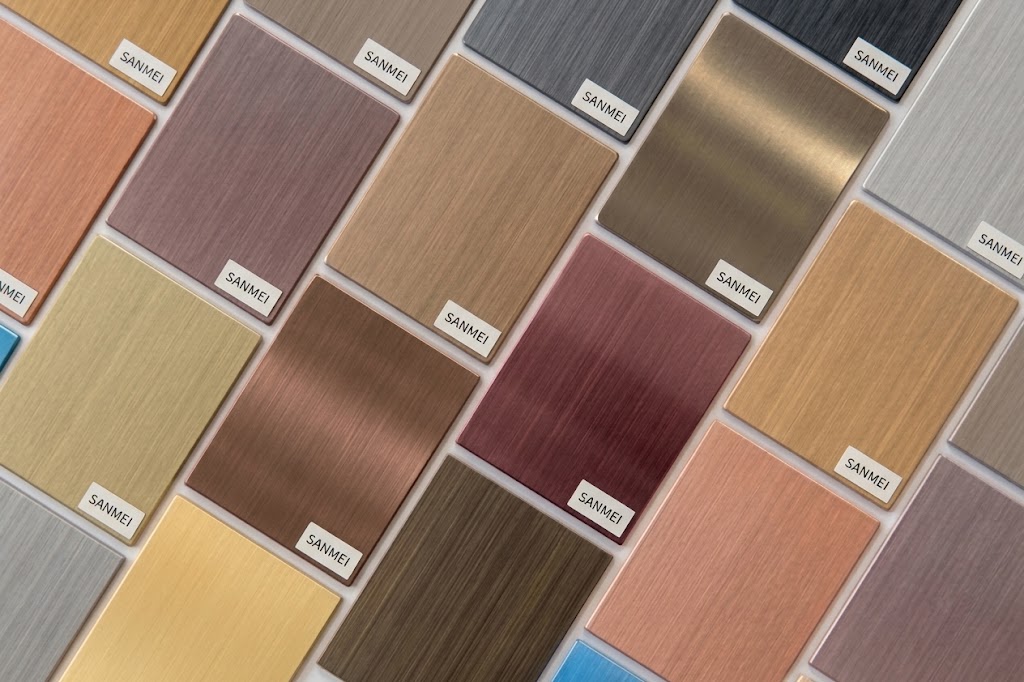
Laporan terkini mengenai tren desain interior dan perangkat keras menunjukkan sebuah pergeseran yang menarik: warna hitam matte tetap menjadi sentuhan akhir yang dominan dalam arsitektur bergaya minimalis, industrial, dan yang dipengaruhi gaya Japandi — namun, nuansa hangat yang bernuansa vintage seperti tembaga antik, kuningan tua, dan perunggu yang dipoles juga semakin populer di sampingnya. Dengan kata lain, warna hitam kini tidak lagi hanya memiliki satu tampilan saja. Ada warna hitam matte yang familiar dan dingin, serta “hitam dengan warna” yang lebih hangat dan berkarakter — dan para desainer semakin sering menggunakan keduanya, terkadang dalam proyek yang sama.
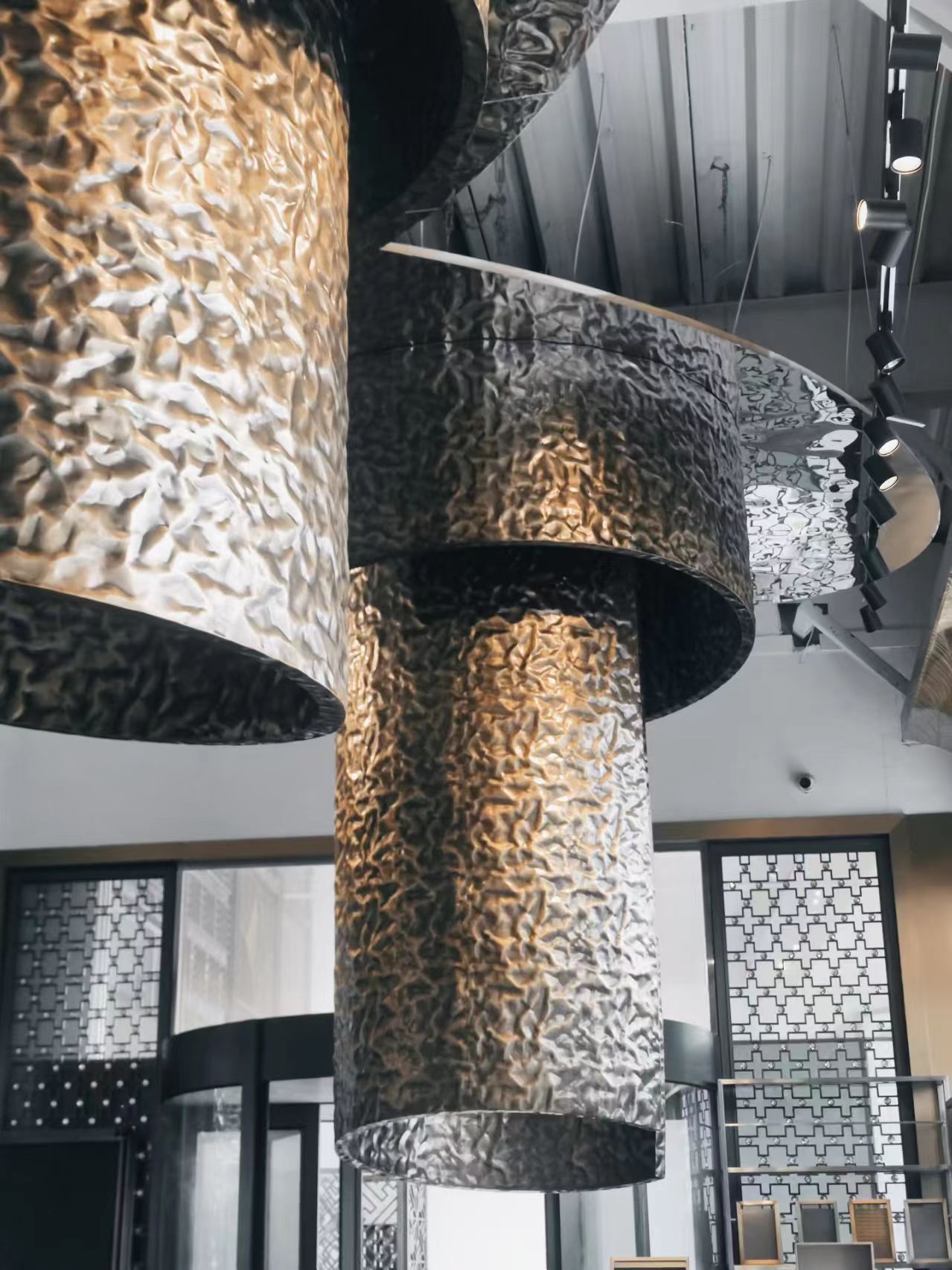
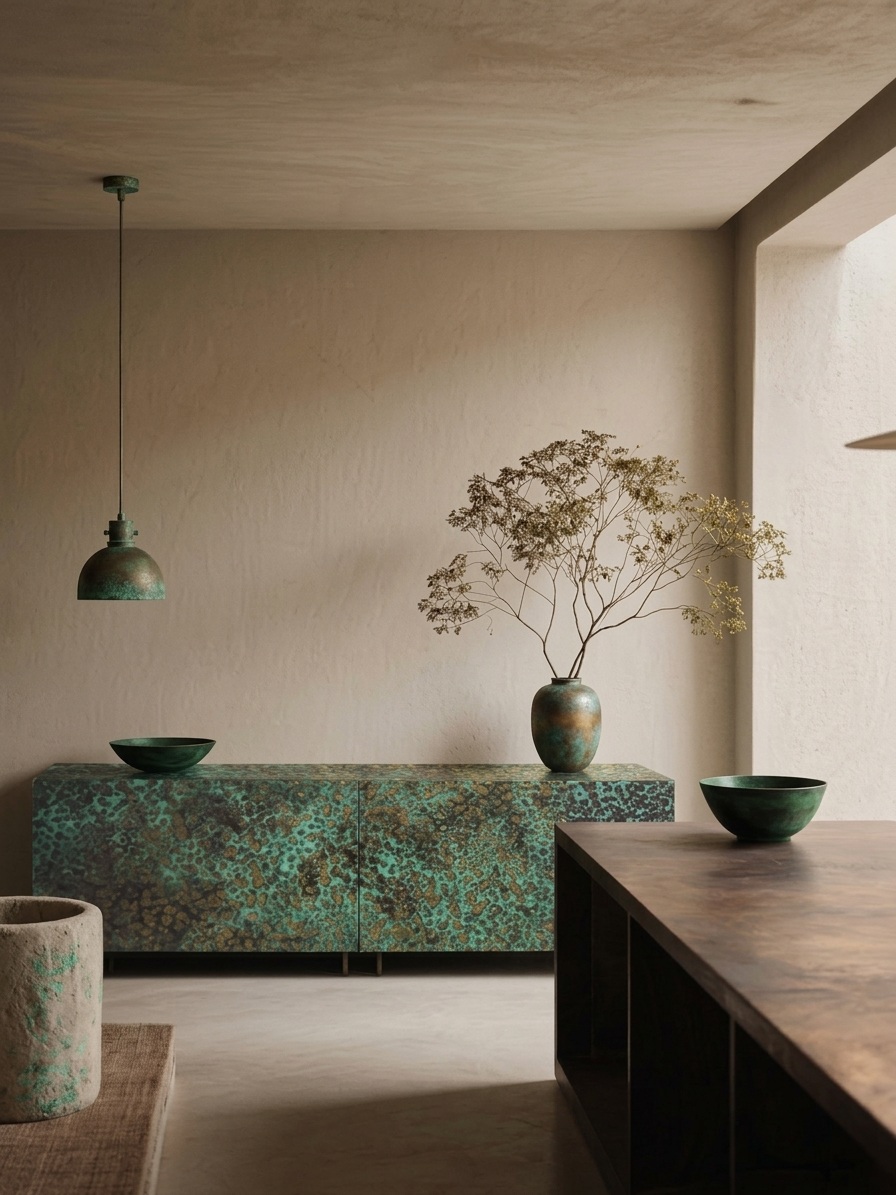
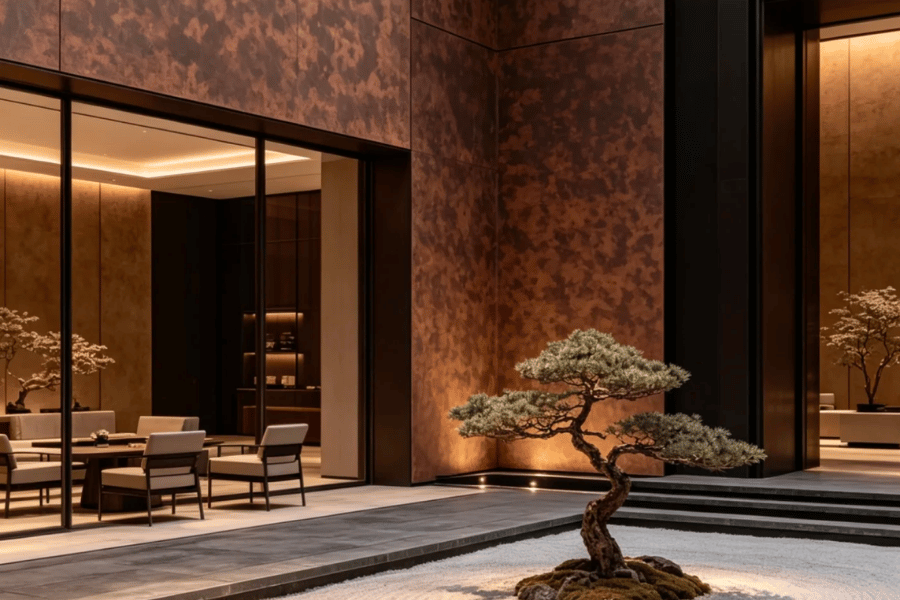
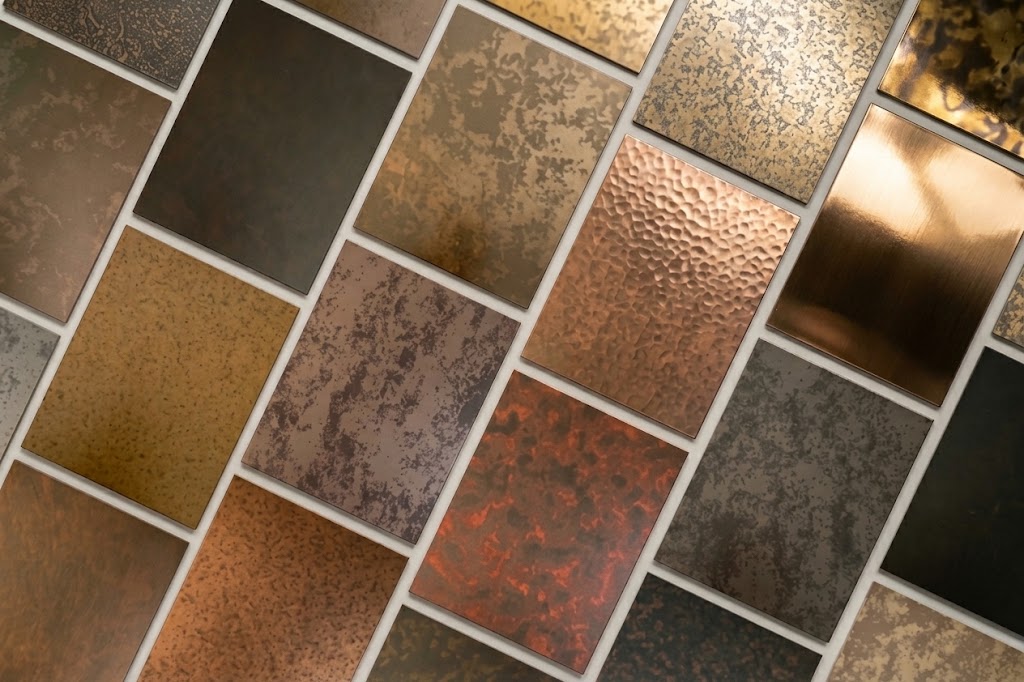
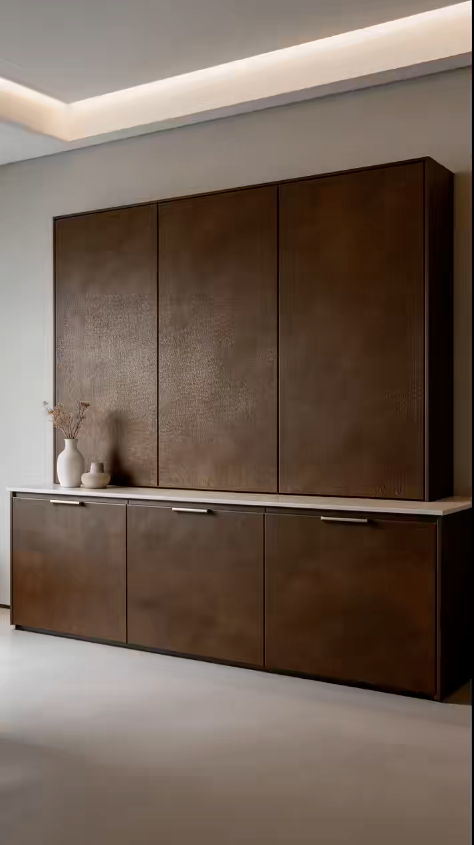
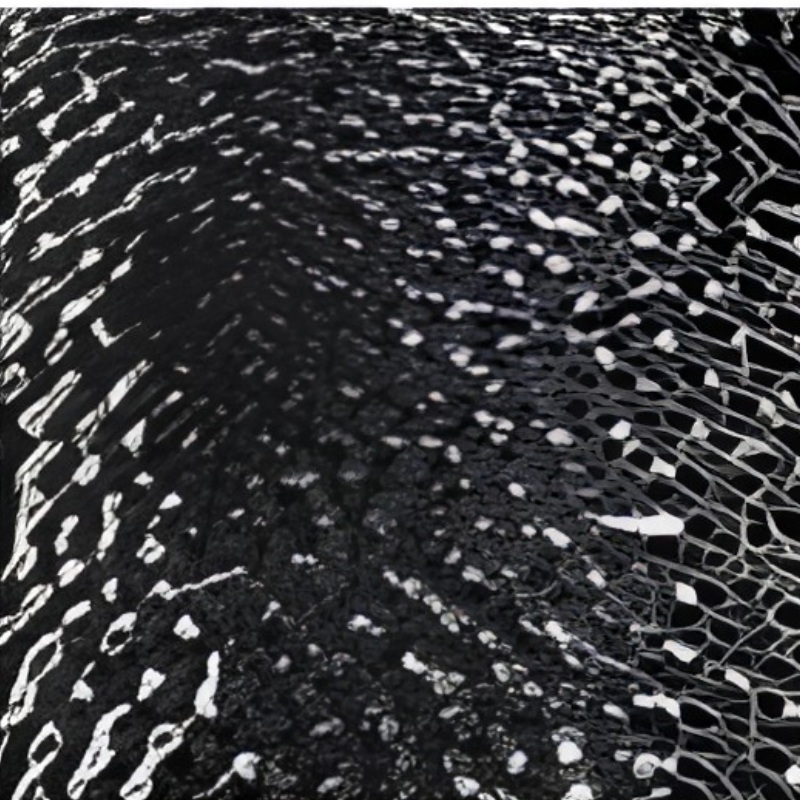
Tampilan yang lebih hangat dan antik—dasar gelap dengan aksen metalik yang muncul tidak merata—berasal dari satu proses inti: panel dipoles, dihitamkan secara keseluruhan dengan perawatan oksidasi, kemudian dilapisi dengan warna aksen (emas, emas sampanye, tembaga, atau sejenisnya) di atasnya. Langkah akhir yang penting adalah proses penuaan—menyeka, memoles, atau mengolah permukaan dengan asam dan spons—untuk mengikis lapisan aksen dan membiarkan warna hitam di bawahnya terlihat dalam pola yang usang. Jika langkah itu dilewati, panel akan tetap berwarna rata dan seragam.
Hasilnya: panel hitam dengan aksen metalik hangat yang memantulkan cahaya di seluruh teksturnya — karakter usang dan hasil akhir buatan tangan yang terlihat benar-benar antik, bukan hasil cetakan. Panel ini cocok untuk ruang-ruang yang sudah menggunakan kayu daur ulang, kuningan tua, atau bata ekspos: dinding aksen, interior lift, bar dan restoran, lobi hotel butik, dan pelapis atau panel apa pun yang menginginkan kehangatan dan sejarah daripada warna hitam yang bersih dan seragam.
Mengapa Memilih Baja Tahan Karat Hitam untuk Produk Anda
Ini memecahkan masalah perawatan yang nyata — termasuk kekhawatiran tentang daya tahan. Permukaan yang disikat dan satin — tekstur dasar yang paling umum untuk baja tahan karat hitam — secara inheren lebih baik dalam menyembunyikan sidik jari dan noda daripada permukaan yang dipoles atau seperti cermin, karena arah seratnya menyebarkan cahaya dan menyamarkan bekas kontak. Pembeli sering bertanya apakah baja tahan karat hitam akan tergores, dan lapisan modern jauh lebih tahan lama daripada yang diperkirakan orang: lapisan krom PVD dan perawatan pelapisan nano membangun lapisan permukaan yang padat dan keras yang tahan terhadap keausan sehari-hari — termasuk kunci, koin, dan benturan sehari-hari — tanpa lapisan tersebut terangkat atau aus hingga ke logam telanjang.
Desain ini cocok untuk ruang yang sudah mengusung gaya minimalis — dan di mana nuansa warna yang lebih hangat semakin populer. Dalam desain interior komersial dan arsitektural, palet warna hitam-putih dan monokrom merupakan bahasa desain dasar, bukan sekadar tren sesaat, dan baja tahan karat hitam memberikan para desainer bahan yang tahan lama serta tahan korosi yang sesuai dengan palet tersebut tanpa mengorbankan kekuatan dan masa pakai baja tahan karat. Selain itu, warna hitam sendiri kini bukan lagi satu-satunya pilihan: di samping warna hitam matte yang dingin dan sudah dikenal, warna hitam antik bernuansa hangat yang dibahas di atas semakin populer — kemampuan untuk menawarkan keduanya merupakan nilai keunggulan tersendiri.
Terbukti, bukan eksperimental. Berbagai jalur pelapisan (pelapisan air, PVD, cat panggang), berbagai warna hitam (titanium hitam berlapis air, hitam krom, hitam titanium-aluminium, hitam titanium murni, hitam dicat), pilihan tekstur yang dapat dilapiskan di atasnya (timbul, ditempa, riak air), dan proses oksida hitam plus pemolesan yang terkontrol untuk warna hitam antik bernuansa hangat — setiap lapisan ini memiliki dasar teknis yang jelas. Baja tahan karat hitam telah berkembang menjadi kategori material dengan fleksibilitas desain yang nyata, bukan hanya satu lapisan dengan satu tampilan dan satu proses.
Sudah siap membeli lembaran baja tahan karat hitam?
Mulai dari lapisan berlapis PVD hingga lapisan hitam yang dihasilkan melalui proses pelapisan air, SANMEI Menyediakan lembaran baja tahan karat hitam tipe 201, 304, dan 316 — dengan hubungan langsung ke pabrik, respons cepat, dan jejak asal yang lengkap.
Hubungi SANMEI Sekarang →Satu Hal Lagi: Sisa Warna Hitam di Bagian Belakang Seprai
Lembaran baja tahan karat yang melalui proses pelapisan warna dapat mengembangkan residu hitam di bagian belakang — sisi yang tidak dilapisi, berlawanan dengan sisi yang sudah jadi. Ini adalah produk sampingan dari proses pelapisan, bukan cacat, dan berbeda dari noda hitam pada baja tahan karat yang disebabkan oleh kontaminasi atau penanganan yang buruk. Ini sama sekali tidak memengaruhi sisi yang dilapisi. Karena masih dapat memengaruhi bagaimana panel terasa saat ditangani dan dipasang, sisi belakang diberi perlakuan matte atau diampelas untuk menghilangkannya sebelum panel dikirim. Jika Anda menemukan noda semacam ini pada baja tahan karat dari pemasok lain, pembersih baja tahan karat standar akan menghilangkannya — ini adalah produk sampingan sisi sebaliknya, bukan cacat pada lapisan hitam.
SANMEI METAL
Jika Anda memilih baja tahan karat hitam untuk sebuah proyek — baik itu panel arsitektural, interior lift, maupun casing produk — kombinasi yang tepat antara kualitas substrat, proses pelapisan, dan tekstur permukaan bergantung pada kondisi paparan aplikasi Anda serta tujuan desainnya. Diskusikan proyek Anda dengan kami untuk rekomendasi bahan dan sampel.