








Apakah Baja Tahan Karat Food Grade yang Anda Beli di China Benar-benar Food Grade?
Banyak pembeli luar negeri yang membeli baja tahan karat food grade Bahan atau produk (seperti peralatan dapur, peralatan makan, dan peralatan pengolahan makanan) dari Tiongkok seringkali berasumsi bahwa baja tahan karat 304 atau 316 secara otomatis aman untuk makanan. Mereka percaya bahwa selama produk tersebut diberi label "baja tahan karat 304," "baja tahan karat 316," atau "aman untuk makanan," maka produk tersebut aman. Namun, status aman untuk makanan sebenarnya adalah dua klaim terpisah, dan mencampuradukkan keduanya adalah sumber sebagian besar risiko pengadaan: Pertama, apakah paduan itu sendiri mampu memenuhi persyaratan kinerja kontak dengan makanan — dan kedua, apakah batch spesifik yang ada di hadapan Anda dapat membuktikannya. Artikel ini membahas keduanya, sehingga Anda dapat membedakan materi yang berkualitas dari label yang hanya menggunakan kata-kata yang tepat.

Apa Itu Baja Tahan Karat Kelas Makanan? Bagaimana Definisinya?
Tidak ada regulator yang mensertifikasi baja tahan karat berdasarkan nama kelasnya. Di bawah kerangka kerja seperti 21 CFR 117.40 FDA AS (persyaratan permukaan kontak makanan) dan GB 4806.9-2023 Tiongkok, material kontak makanan harus memenuhi tiga persyaratan kinerja: ketahanan korosi, stabilitas kimia (reaktivitas rendah — tidak melarutkan logam atau memengaruhi rasa), dan kemudahan pembersihan (permukaan halus dan tidak berpori yang mencegah bakteri bersarang).
Baja tahan karat kelas makanan diformulasikan dengan kandungan kromium dan nikel minimum — umumnya kromium 16%+ untuk seri 300, ditambah nikel 8–10%+ — yang memberikan sifat-sifat tersebut. Baja kelas biasa (termasuk seri 200 dan paduan nikel rendah lainnya) dapat memiliki permukaan yang identik dan tampak tidak dapat dibedakan, tetapi baja tersebut kekurangan komposisi paduan yang mencegah logam berat bermigrasi ke dalam makanan dalam kondisi asam atau suhu tinggi. Perbedaannya tidak terlihat — perbedaannya ada pada sertifikat pabrik.
304, 316, Dan 430 Baja tahan karat dianggap aman untuk makanan karena komposisinya, dalam praktiknya, memenuhi tiga persyaratan di atas — bukan karena regulator mana pun yang mengeluarkan sertifikat merek dagang untuknya. Ini adalah perbedaan penting, karena artinya "aman untuk makanan" adalah klaim kinerja tentang paduan tersebut, bukan label yang dapat dideklarasikan sendiri oleh siapa pun.
Apakah semua baja tahan karat aman untuk makanan?
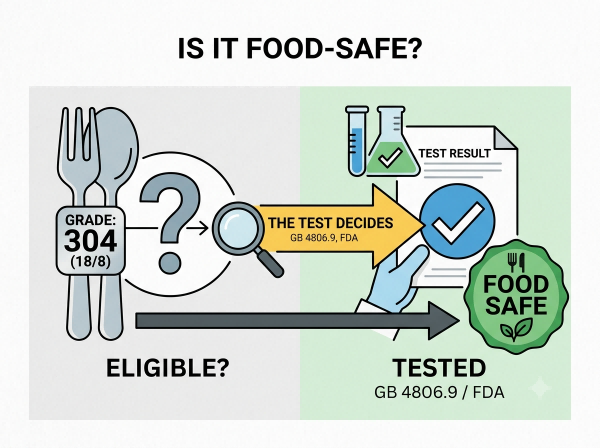
Jadi, penalaran di atas juga menjawab pertanyaan yang membingungkan banyak pembeli: Apakah semua baja tahan karat aman untuk makanan? Jawabannya jelas tidak. Hanya jenis tertentu—304, 316, dan 430 di antaranya—yang memiliki kadar kromium dan nikel yang mampu memenuhi standar kontak makanan; sebagian besar jenis baja tahan karat lainnya tidak dirancang untuk itu. Tetapi bahkan untuk jenis-jenis tersebut, kemampuan saja tidak sama dengan kepastian: jenis tersebut hanya memenuhi syarat suatu produk untuk diuji terhadap standar seperti GB 4806.9-2023, FDA, atau standar setara Uni Eropa. Hasil uji sebenarnya—bukan nama jenisnya—yang menentukan apakah suatu batch tertentu benar-benar aman untuk makanan.
Jadi, jika Anda ragu apakah senapan 304(18/8), 316, atau 430 Anda benar-benar aman: Nama tingkatan tersebut memberi tahu Anda bahwa produk tersebut memenuhi syarat, bukan berarti sudah dikonfirmasi. Material yang benar-benar aman untuk makanan diverifikasi melalui pengujian migrasi terhadap standar GB 4806.9-2023, FDA, atau EU — diperiksa, bukan diasumsikan, bebas dari kadar timbal, nikel, atau logam berat lainnya yang berbahaya yang dapat larut ke dalam makanan dalam kondisi kontak nyata. Verifikasi tersebut, bukan tingkatan yang tertera pada gulungan, adalah yang sebenarnya menentukan apakah suatu batch tertentu aman atau tidak.
Apa yang Membuat 304, 316, dan 430 Layak Diuji untuk Makanan? Perbandingan Kinerja
Berikut perbandingan ketiga tingkatan tersebut berdasarkan persyaratan yang penting untuk kontak dengan makanan:
| Dimensi | 304 | 316 | 430 |
|---|---|---|---|
| Tahan korosi | Tahan terhadap sebagian besar asam pengoksidasi; dapat mengalami korosi jika terpapar garam/klorida dalam waktu lama. | Paling kuat — molibdenum tahan terhadap korosi bahkan dalam kondisi klorida tinggi, garam tinggi, dan asam tinggi. | Cukup memadai dalam kondisi kering dan korosi rendah; lebih mudah berlubang jika terkena kelembapan, garam, atau asam. |
| Stabilitas kimia | Stabil dalam berbagai kondisi kontak dengan makanan. | Paling stabil — tahan terhadap bahan kimia pembersih yang agresif dan makanan asam. | Stabil dalam kondisi ringan; kurang dapat diprediksi di bawah paparan asam atau klorida yang berkelanjutan. |
| Kemudahan pembersihan | Permukaan halus dan tidak berpori (2B/BA/finishing poles) — mudah dibersihkan | Sama saja — kualitas finishing lebih penting daripada paduan logam untuk dimensi ini. | Sama — kemampuan membersihkan terutama bergantung pada lapisan permukaan, bukan pada paduan dasarnya. |
Perlu dicatat: "kemudahan pembersihan" sebagian besar berkaitan dengan lapisan permukaan, bukan jenis paduan logam. Kertas 430 yang dipoles dengan baik dapat dibersihkan semudah kertas 304 yang dipoles dengan baik — perbedaan sebenarnya antara ketiga jenis kertas tersebut terletak pada ketahanan korosi dan stabilitas kimia di bawah tekanan, bukan pada kemudahan pembersihan sehari-hari. Inilah juga alasannya. spesifikasi akhir (2B, BA, cermin) sama pentingnya dengan pemilihan mutu saat mencari bahan yang bersentuhan dengan makanan.
Cara Memilih: Apakah 316 Benar-Benar yang Terbaik?
Anda akan menemukan kedua jawaban tersebut secara daring — beberapa sumber menyebut 316 sebagai standar emas, sementara yang lain mengatakan 304 sudah cukup memadai. Keduanya sebenarnya menyampaikan poin mendasar yang sama dari sudut pandang yang berbeda: Tidak ada satu pun kualitas "terbaik", hanya ada kualitas terbaik untuk kondisi pengoperasian tertentu. Membandingkan 304 dan 316 hanya masuk akal jika lingkungan dijaga konstan — paparan klorida yang sama, bahan kimia pembersih yang sama, suhu yang sama. Dalam kondisi yang identik, 316 akan selalu mengungguli 304 dalam hal ketahanan korosi, karena kandungan molibdenumnya. Tetapi "mengungguli" tidak sama dengan "harus" — dalam lingkungan kering dan rendah klorida, 304 memenuhi standar kinerja yang sama dengan 316, dengan biaya yang lebih rendah. Perdebatan sebenarnya bukan tentang jenis mana yang lebih baik; ini tentang kondisi di mana perbandingan dilakukan — dan sebagian besar perbedaan pendapat menghilang setelah hal itu dijelaskan secara eksplisit.
Dalam praktiknya:
304 Mencakup sebagian besar aplikasi kelas makanan: peralatan pengolahan makanan umum, peralatan makan, permukaan persiapan, dan penyimpanan kering atau tahan korosi rendah. Ini adalah pilihan yang lebih hemat biaya untuk lingkungan standar.
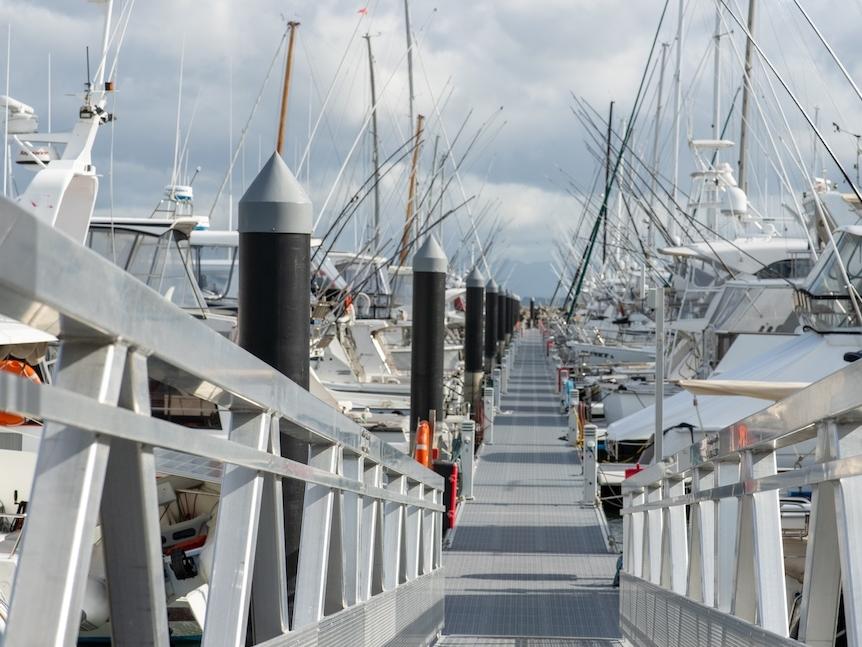
316 Harganya lebih mahal, namun sepadan jika penggunaan garam, asam, atau bahan kimia berat merupakan faktor konstan — misalnya pengolahan kecap dan cuka, peralatan pengolahan makanan laut, fasilitas di daerah pesisir atau dengan kelembapan tinggi.
430 Bisa menjadi pilihan yang sah dan lebih hemat biaya untuk permukaan kontak yang kering dan tidak korosif — tetapi jenis ini paling sering digunakan melebihi batas kinerja sebenarnya, jadi pastikan kondisi pengoperasian sebelum menentukannya untuk menghemat biaya.
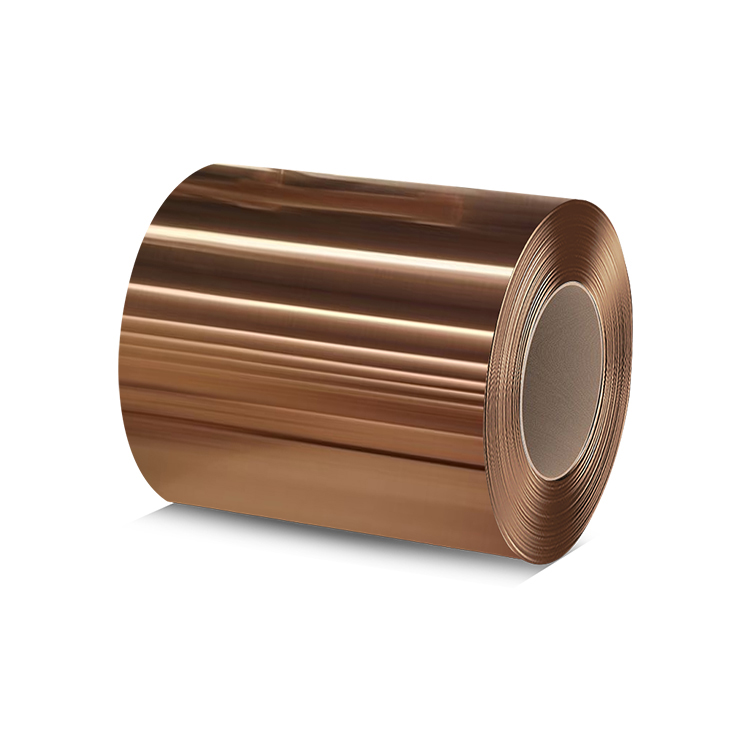
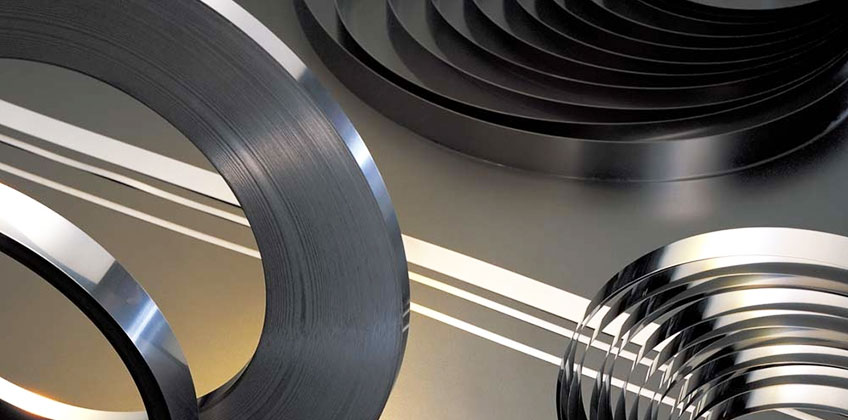
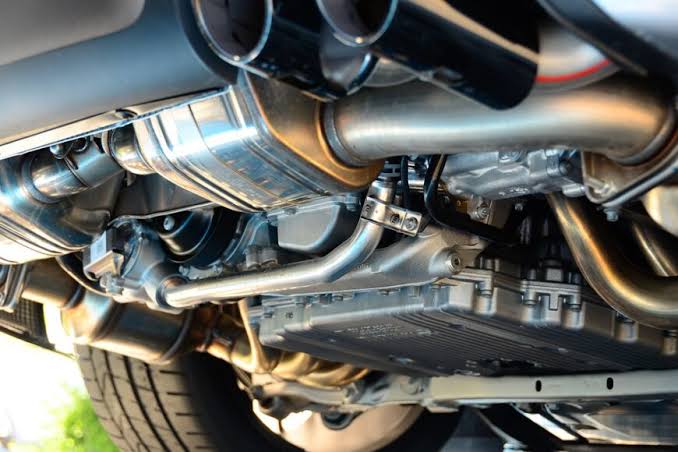
Baja Tahan Karat 304
Paduan logam serbaguna kelas makanan dengan kemampuan pembentukan yang sangat baik dan ketahanan korosi yang andal untuk penggunaan industri umum dan dapur.
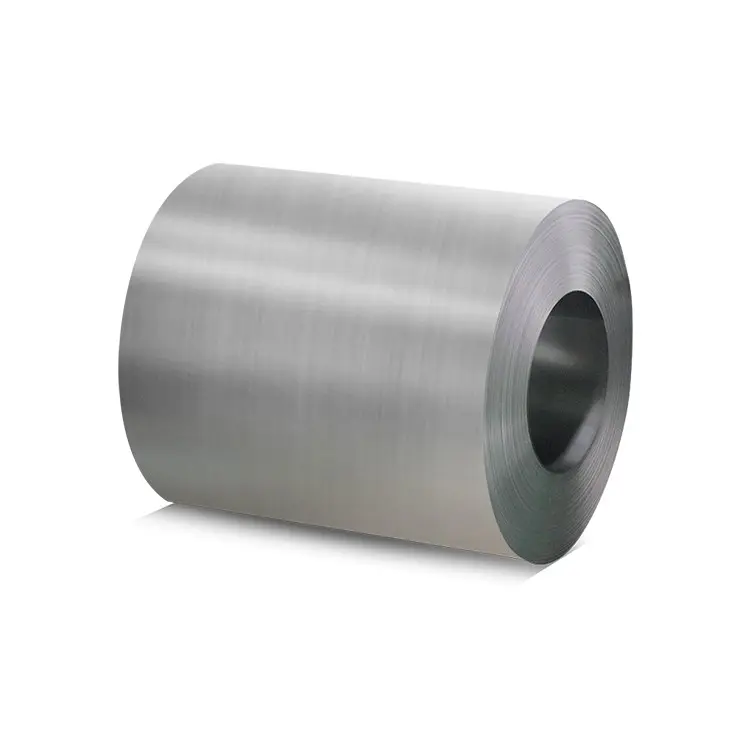
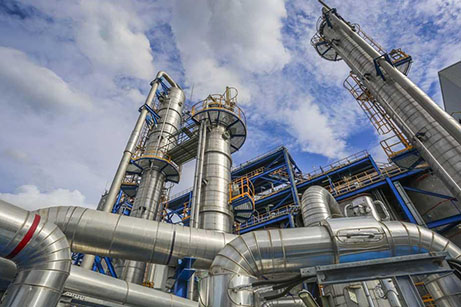
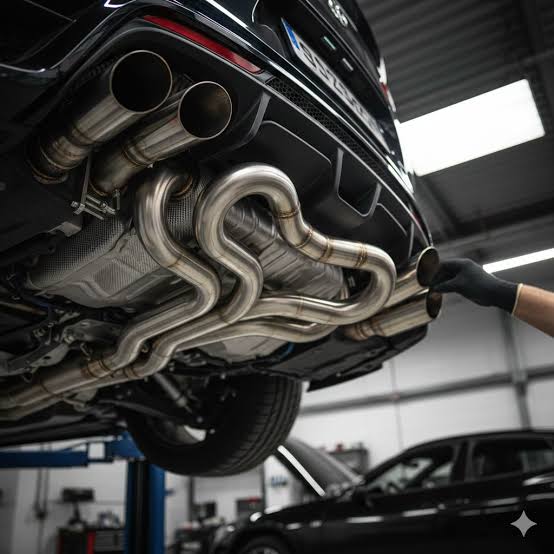
Baja tahan karat 316
Lapisan pelindung premium yang mengandung molibdenum, memberikan perlindungan superior terhadap garam laut, asam kuat, dan lingkungan kimia yang agresif.
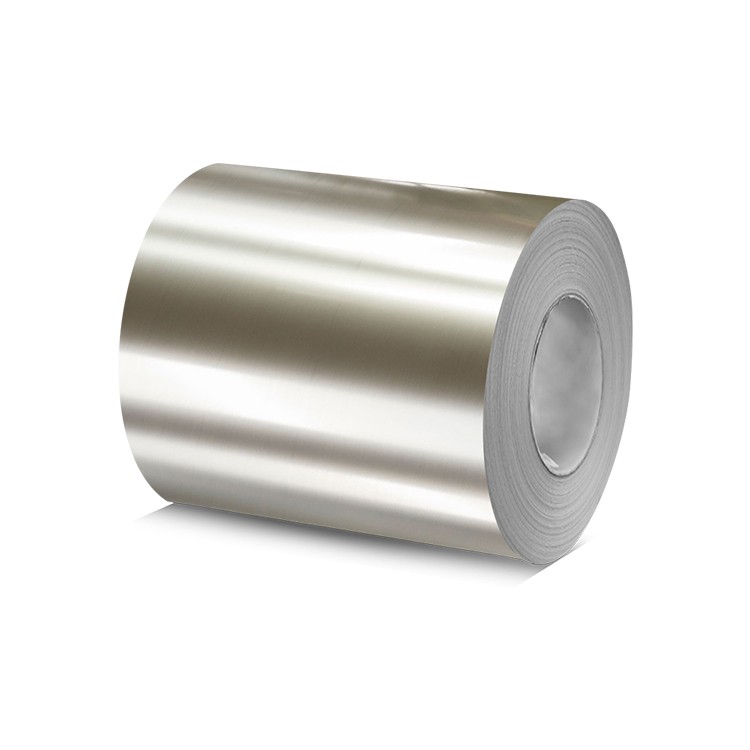
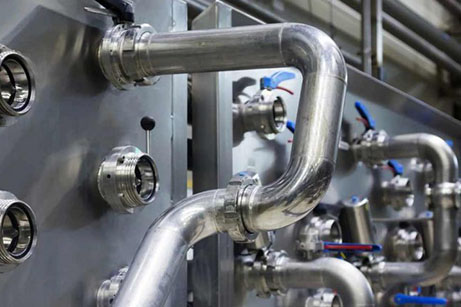
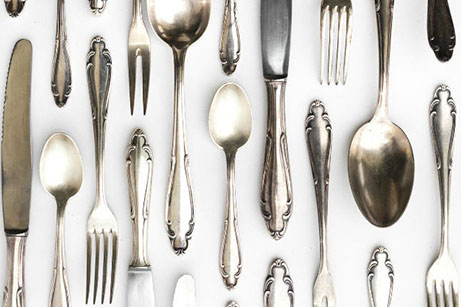
Baja tahan karat 430
Jenis feritik yang hemat biaya ini menawarkan konduktivitas termal praktis dan resistansi moderat, ideal untuk kondisi operasi kering dan ringan.
Apa yang dianggap sebagai baja tahan karat kelas makanan di Tiongkok?
Logika di sini tidak berbeda dengan AS atau Uni Eropa — prinsipnya sama, diterapkan melalui regulasi yang berbeda. Menjadi bahan pangan bukanlah soal kualitasnya. nama; ini tentang apakah bahan tersebut benar-benar lulus uji yang berlaku. Versi uji di Tiongkok adalah GB 4806.9-2023, standar keamanan pangan nasional yang mengatur bahan dan produk logam yang digunakan dalam pengolahan, penyimpanan, dan persiapan makanan. Alih-alih mensertifikasi nama paduan tertentu, standar ini menetapkan batasan ketat tentang berapa banyak timbal, arsenik, kromium, dan logam berat lainnya yang diizinkan bermigrasi dari baja ke dalam makanan — yang diverifikasi melalui pengujian migrasi (biasanya menggunakan larutan asam asetat 4% untuk mensimulasikan kontak makanan asam).
Secara internasional, baja tahan karat kelas makanan umumnya harus memenuhi salah satu standar berikut:

Secara internasional, baja tahan karat kelas makanan umumnya harus memenuhi salah satu standar berikut:
| Standar | Wilayah | Persyaratan Utama |
|---|---|---|
| GB 4806.9-2023 | Cina | Menentukan tingkat kelarutan unsur-unsur seperti timbal, kromium, dan nikel tetapi tidak mewajibkan jenis baja tertentu. |
| FDA (Amerika Serikat) | Amerika Serikat | Berdasarkan kinerja (21 CFR 117.40): permukaan yang bersentuhan dengan makanan harus tahan korosi, mudah dibersihkan, dan tidak beracun. |
| EN 10088 (UE) | Uni Eropa | Menggunakan pengujian LFGB, memerlukan migrasi logam yang rendah dan pengujian asam yang lebih ketat. |
| JIS G4305 | Jepang | Mengontrol secara ketat kemurnian material dan mewajibkan kandungan nikel ≥8%. |
Standar Tidak Diberi Peringkat — Standar Tersebut Berbeda untuk Pasar yang Berbeda
GB 4806.9-2023, kerangka kerja FDA, dan standar Uni Eropa menetapkan ambang batas spesifik yang berbeda untuk risiko mendasar yang sama — migrasi logam berat ke dalam makanan — tetapi itu tidak membuat satu standar menjadi "standar makanan" yang "sebenarnya" dan yang lainnya menjadi versi yang lebih rendah. Masing-masing merupakan standar kepatuhan yang sah dalam yurisdiksinya sendiri. Misalnya:
- Pencucian NikelFDA membatasi pelarutan nikel dari baja tahan karat 304 hingga ≤0,1 mg/kg; standar GB 4806.9-2023 Tiongkok mengizinkan hingga ≤0,4 mg/kg. Kedua ambang batas peraturan tersebut valid — hanya saja ambang batas tersebut tidak sama, karena standar yang digunakan berbeda.
- Pengujian AsamUni Eropa mensyaratkan pengujian pH 5 selama 24 jam; China mensyaratkan pengujian pH 4 selama 2 jam. Itu adalah protokol pengujian yang berbeda, bukan definisi "aman" yang berbeda.
Apa artinya ini bagi Anda sebagai pembeli: Bahan yang sepenuhnya sesuai dengan GB 4806.9-2023 benar-benar aman untuk makanan — untuk pasar domestik Tiongkok dan untuk ekspor ke pasar yang tidak menetapkan standar yang lebih ketat. Tetapi jika pasar akhir atau pelanggan Anda secara khusus memerlukan kepatuhan FDA atau Uni Eropa, hal itu harus dinyatakan dalam pesanan pembelian Anda dan dikonfirmasi dengan laporan uji yang sesuai; itu tidak akan secara otomatis disertakan dengan uji migrasi GB 4806.9-2023, karena keduanya menguji batasan yang berbeda.
Apakah Stainless Steel Kelas Makanan di Pasar Cina Dapat Diandalkan?
Pemeriksaan di atas ada karena mode kegagalan ini nyata dan terdokumentasi dengan baik, bukan hipotetis:
Kasus Umum Produk yang Tidak Memenuhi Standar
Sekalipun produk diberi label "304" atau "food-grade," tetap ada risiko yang terkait:
Baja Tahan Karat 201 Berpura-pura Menjadi 304
Pada tahun 2024, CCTV (China Central Television) mengungkap 19 produk termos yang menggunakan baja tahan karat 201 dengan kadar mangan 6 kali lebih tinggi dari standar. Penggunaan jangka panjang dapat menyebabkan paparan logam berat. Baja tahan karat 201 hanya mengandung nikel 1–2% — jauh di bawah 8% pada baja tahan karat 304 — dan memiliki ketahanan korosi yang buruk, sehingga rentan terhadap pelarutan mangan, kromium, dan logam berat lainnya.
Bahan Daur Ulang dalam Peleburan Sekunder
Beberapa pabrik kecil menggunakan baja bekas, yang menyebabkan kelebihan pengotor seperti timbal dan kadmium. Pada tahun 2023, Biro Regulasi Pasar Shandong menemukan bahwa 7,8% produk baja tahan karat tidak sesuai dengan bahan yang tertera pada labelnya.
Pelabelan Palsu "Food-Grade 304"
Menurut Institut Penelitian Logam di Akademi Ilmu Pengetahuan Tiongkok, standar Tiongkok tidak menggunakan "304" sebagai label resmi untuk kualitas makanan. Istilah pemasaran seperti "baja 304 kualitas makanan" adalah konvensi pemasok, bukan sertifikasi — dan sering digunakan untuk menyesatkan.
Pertanyaan Terkait, Layak Dijawab di Sini
Apakah baja tahan karat 201 aman untuk makanan? Secara umum, tidak. Kandungan nikelnya yang rendah membuatnya rentan terhadap pelarutan mangan dan kromium, itulah sebabnya mengapa bahan ini tidak boleh bersentuhan langsung dengan makanan, terutama dalam kondisi suhu tinggi atau sangat asam.
Meskipun demikian, 201 bukanlah material yang tidak berharga — material ini menawarkan efektivitas biaya yang baik dalam aplikasi yang tidak bersentuhan langsung dengan makanan, seperti rangka meja makan dan penyangga struktural. Masalahnya bukan pada 201 itu sendiri — melainkan pada 201 yang salah diberi label atau dijual seolah-olah itu adalah 304.
Dapatkan materi yang disertakan bersama dokumen untuk membuktikannya.
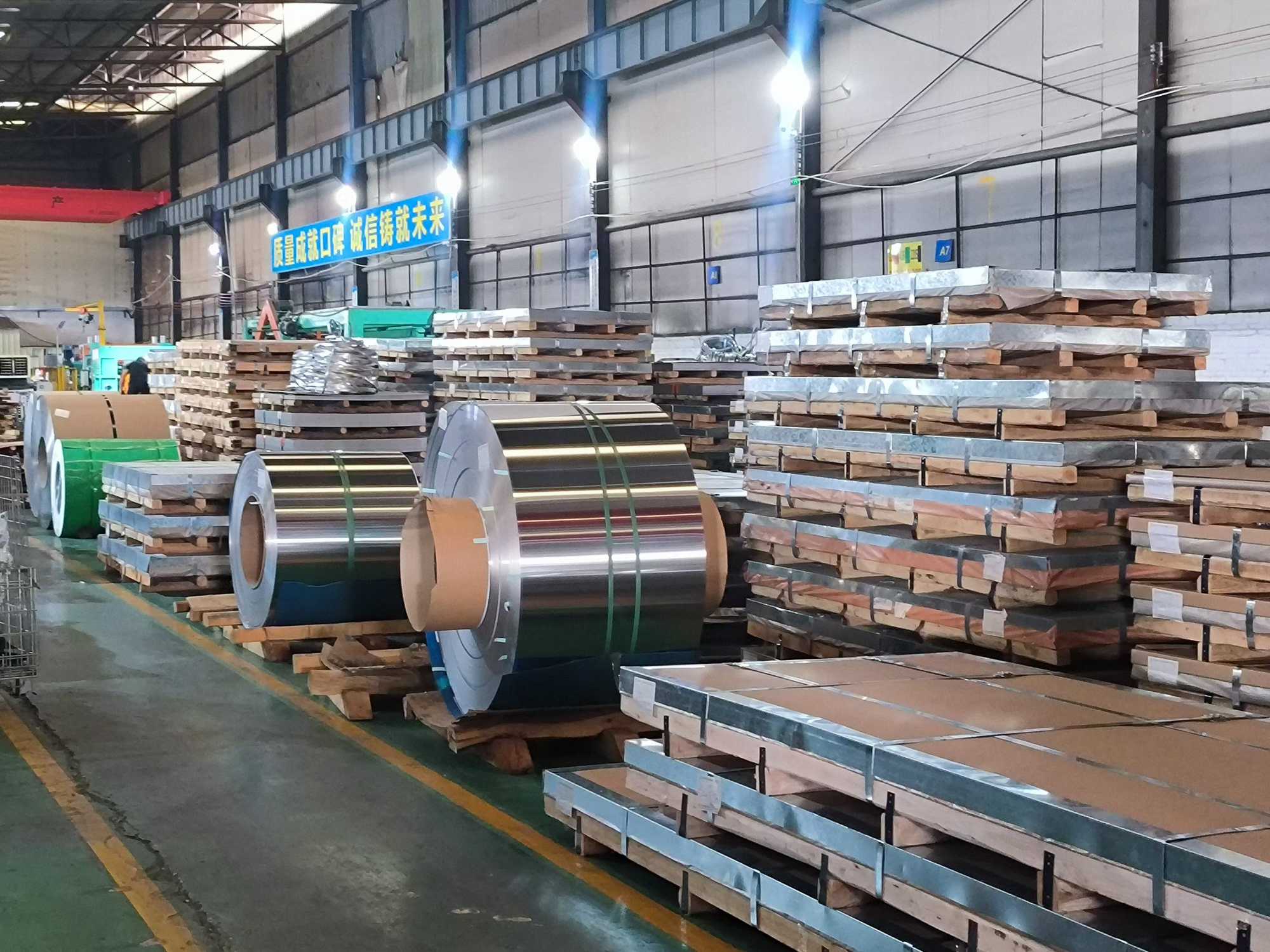
Sanmei Metal mendapatkan pasokan langsung dari pabrik-pabrik termasuk Baosteel, Taiyuan Steel, dan Tsingshan, dan setiap pengiriman disertai dengan laporan inspeksi lengkap (MTR/SGS) — sehingga Anda tidak perlu lagi menebak-nebak kualitas baja yang sebenarnya diterima.
Bagaimana Cara Memastikan Bahwa Baja Tahan Karat Kelas Makanan yang Anda Beli Adalah Asli?
Pilih Pabrik Baja dan Sertifikasi yang Terpercaya
Pabrik baja domestik Tiongkok, termasuk yang ternama, secara ketat mematuhi standar GB 4806.9-2023 untuk menghasilkan produk baja tahan karat yang melindungi kesehatan konsumen. Untuk berekspansi secara internasional, pabrik baja terkemuka seperti BAOWU juga telah memperoleh sertifikasi FDA untuk beberapa produk mereka, yang meletakkan fondasi yang kokoh untuk memasuki pasar AS. Oleh karena itu, ketika memilih pemasok, sangat penting untuk mengevaluasi kekuatan pemasok dan pabrik baja yang mendukung mereka untuk memastikan produk memenuhi standar keamanan pangan.
Mulailah dengan dokumen yang sudah Anda miliki.
The laporan uji pabrik (MTR) Informasi yang seharusnya disertakan dalam setiap pengiriman mengkonfirmasi mutu sebenarnya dari bahan tersebut — bahwa itu benar-benar 304 atau 316, bukan 201 yang menggunakan label mutu pangan — melalui tabel komposisi kimianya. Informasi ini, dengan sendirinya, tidak mengkonfirmasi kepatuhan migrasi berdasarkan GB 4806.9-2023 atau standar FDA/EU, yang mengukur seberapa banyak timbal, arsenik, atau kromium yang larut ke dalam makanan di bawah simulasi asam — pengujian terpisah dari pemeriksaan komposisi standar pabrik. Mintalah keduanya, dan tentukan standar mana yang Anda butuhkan pada saat pemesanan.
Indikator dan Lembaga Pengujian Utama
- Pengujian Kandungan Nikel: Baja tahan karat 304 harus memiliki setidaknya 8% nikel, sedangkan baja tahan karat 201 biasanya memiliki kurang dari 5%.
- Uji Pelindian Logam Berat:Harus lulus GB 4806.9-2023 atau FDA 21 CFR 175.300.
- Agensi Terpercaya: SGS (situs web resmi), TÜV Rheinland (situs web resmi).
Pelajari cara membaca Laporan Uji Pabrik Anda sebelum laporan tersebut tiba.
Setiap pengiriman asli dilengkapi dengan MTR (Medical Test Record). Panduan kami akan menjelaskan tabel komposisi kimia baris demi baris, sehingga Anda dapat memastikan mutunya sendiri — tanpa perlu laboratorium.
Bagaimana Cara Mengetahui Apakah Baja Tahan Karat Tersebut Aman untuk Makanan?
Indikator-indikator di atas biasanya berarti mengirim sampel ke laboratorium atau lembaga terkait. Jika Anda hanya ingin hasil cepat sebelum sampai ke tahap itu, berikut adalah pemeriksaan yang dapat Anda lakukan sendiri di tempat, tanpa memerlukan pengujian dari luar:
- Uji Magnetik — Baja 304/316 asli biasanya tidak bersifat magnetik, sedangkan baja 201 biasanya menunjukkan kemagnetan yang jelas karena strukturnya yang tidak stabil dan kandungan nikelnya lebih rendah. Dua hal yang mempersulit pemeriksaan magnet sederhana: pengerjaan dingin (pembengkokan, pencetakan, pengelasan) dapat membuat baja 304/316 asli pun sedikit bersifat magnetik, sehingga tarikan lemah saja bukanlah bukti bahan palsu — dan baja 430, jenis baja yang terpisah tetapi sah dan aman untuk makanan, bersifat magnetik secara alami dan tidak boleh disalahartikan sebagai pengganti baja 201. Namun, baja yang sangat magnetik yang dijual sebagai "304" tetap merupakan tanda bahaya yang dapat diandalkan.
- Uji Asam Lemon — Teteskan air lemon di permukaan dan biarkan selama 24 jam. Baja berkualitas rendah atau yang salah label akan menunjukkan karat atau perubahan warna, sedangkan baja 304/316 asli tidak akan menunjukkan hal tersebut.
- Spektrometer XRF — satu langkah di sini yang tidak sepenuhnya bisa dilakukan sendiri, tetapi cepat dan murah: digunakan untuk mengukur kandungan nikel di tempat, biasanya sekitar ¥50 (RMB) per poin.
Apakah Baja Tahan Karat — Bahkan Baja Tahan Karat Kelas Makanan yang Dibuat di Cina — Aman?
Kita telah membahas banyak hal, jadi mari kita simpulkan pertanyaan yang sebenarnya menjadi inti artikel ini: apakah baja tahan karat buatan China benar-benar aman — dan apakah aman untuk makanan? Ya, jika benar-benar diuji dan diverifikasi. Baja tahan karat buatan China, termasuk 304, 316, dan 430, bisa sama amannya untuk makanan seperti bahan yang berasal dari tempat lain — tetapi label "buatan China" dan "food-grade" bukanlah jaminan keamanan. Keamanan berasal dari batch tertentu yang benar-benar lulus standar yang diakui (GB 4806.9-2023, FDA, atau standar setara Uni Eropa), yang dikonfirmasi dengan dokumentasi nyata — bukan hanya dari negara asal atau nama grade saja.
Dalam praktiknya, itu berarti:
- Patuhi Standar Nasional GB 4806.9-2023Meskipun standar mutu makanan di Tiongkok berbeda dengan standar internasional, sertifikasi berdasarkan standar ini merupakan cara efektif untuk menyaring produk. Saat membeli baja tahan karat 304/316, selalu mintalah laporan pengujian lengkap dari penjual. (Sertifikasi tambahan seperti FDA atau NSF merupakan nilai tambah.)
- Pengujian Ulang Pihak Ketiga: Validasi komposisi material melalui lembaga seperti SGS atau TÜV.
- Waspadai Jebakan Harga RendahPerang harga memang biasa, tetapi juga menghasilkan produk di bawah standar. Jika Anda melihat produk dengan harga di bawah harga pasar, berhati-hatilah dan ingat pepatah lama: "Ada harga ada harga."
- Patuhi Standar Nasional GB 4806.9-2023Meskipun standar mutu makanan di Tiongkok berbeda dengan standar internasional, sertifikasi berdasarkan standar ini merupakan cara efektif untuk menyaring produk. Saat membeli baja tahan karat 304/316, selalu mintalah laporan pengujian lengkap dari penjual. (Sertifikasi tambahan seperti FDA atau NSF merupakan nilai tambah.)
Sanmei Metal: Pemasok Baja Tahan Karat Food Grade Andal
Kami telah menerima cukup banyak pesan dari pembeli yang menerima barang dengan nomor 201 padahal pesanan mereka bernomor "304" sehingga kami tahu persis di mana letak kesalahannya — dan hampir selalu karena kekurangan dokumentasi, bukan masalah komposisi kimia.
Sanmei Metal memasok baja tahan karat dengan ketelusuran penuh hingga ke sumbernya: pemasok kami meliputi: pabrik baja terkenal Di Tiongkok dengan sertifikasi yang telah mapan, termasuk Baosteel, Taiyuan Steel, dan Tsingshan. Setiap pengiriman disertai dengan laporan inspeksi (MTR/SGS), sehingga Anda membeli produk berkualitas. baja tahan karat asli food grade dengan dokumentasi yang mendukungnya, bukan hanya label. Jika Anda memiliki kebutuhan pengadaan, jangan ragu untuk menghubungi kami. Hubungi kami.