
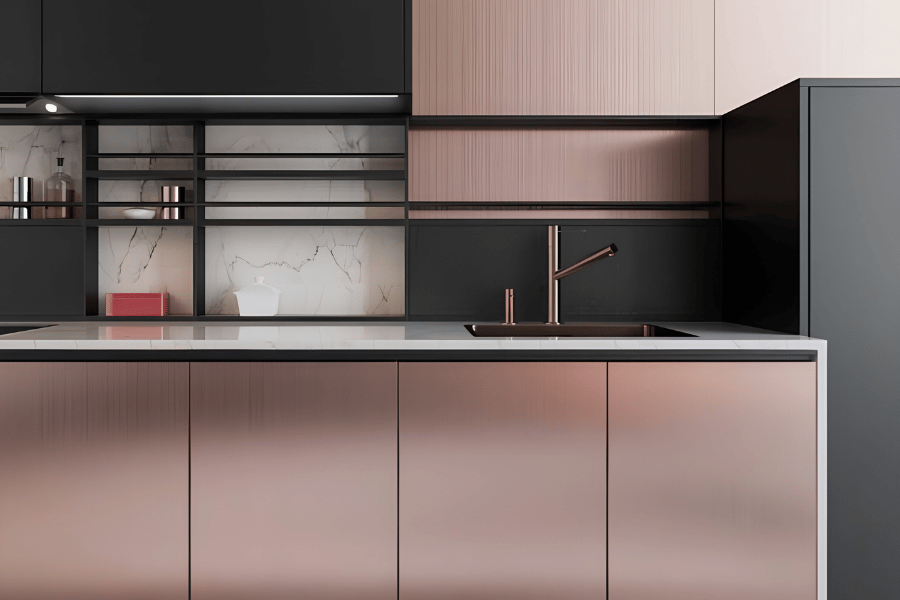
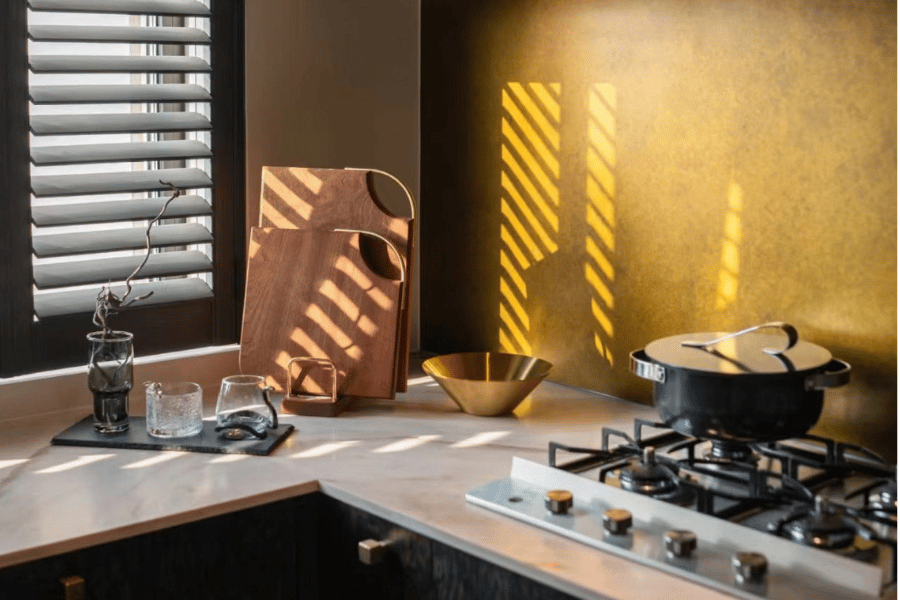
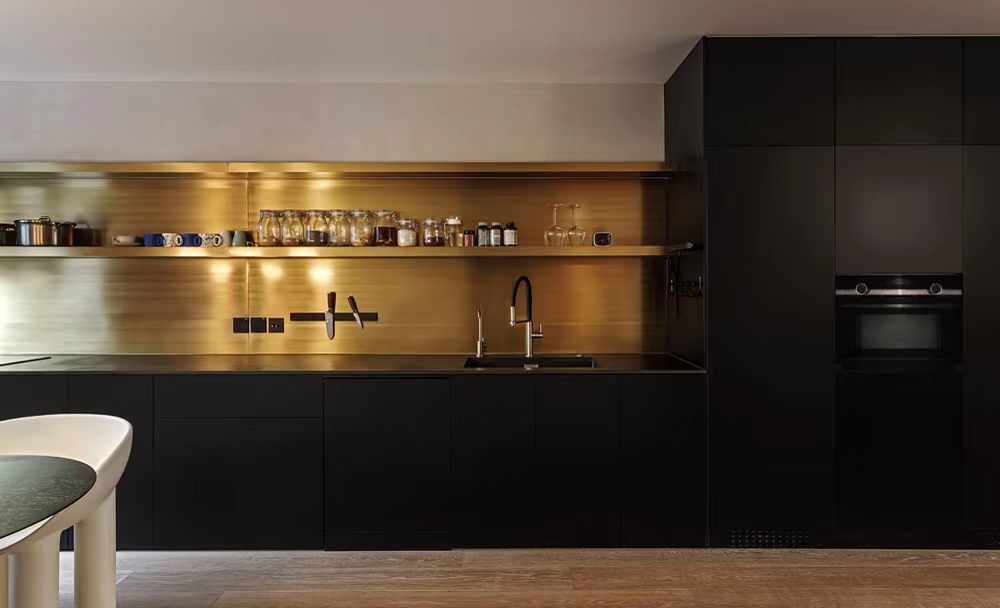
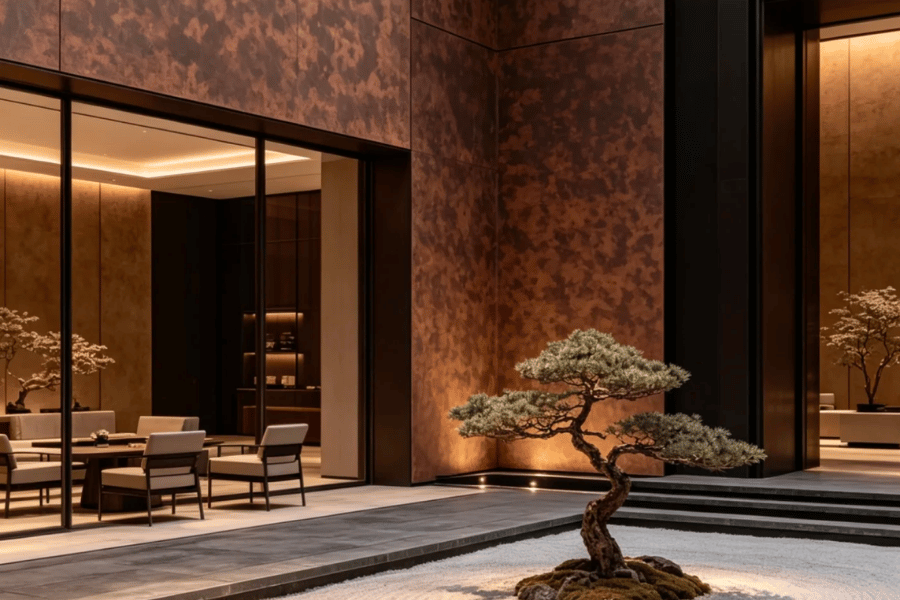

Қара тот баспайтын болат өңдеулері: 6 процесс, қара түстің бірнеше реңктері
Қара тот баспайтын болат сәндік металл панельдер мен өнеркәсіптік өнімдердегі тар архитектуралық әрлеуден ең көп сұранысқа ие беткі нұсқалардың біріне ауысты. Бірақ қара тот баспайтын болат бір ғана нәрсе емес - бұл санат. Қарайтылған әрлеу, оның артындағы жабын процесі және астындағы металл негіз - бәрі соңғы түсті, беріктік пен дизайн мүмкіндіктерін қалыптастырады. Бұл нұсқаулықта қара тот баспайтын болаттың шын мәнінде не екені, өндірушілер тот баспайтын болатқа қара әрлеуді қалай шығаратыны, нақты процестермен жиі шатастырылатын екі термин, неге сол «қара» процесс түріне байланысты мүлдем басқаша көрінуі мүмкін және жаңа стиль - жылы реңкті, ежелгі қара - суретке қалай сәйкес келетіні түсіндіріледі.
Қара тот баспайтын болат дегеніміз не?
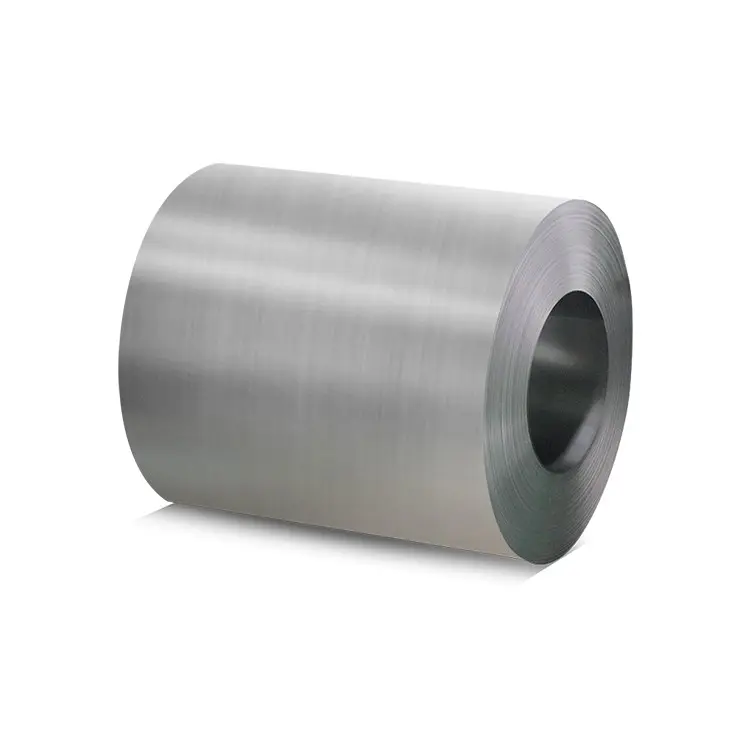
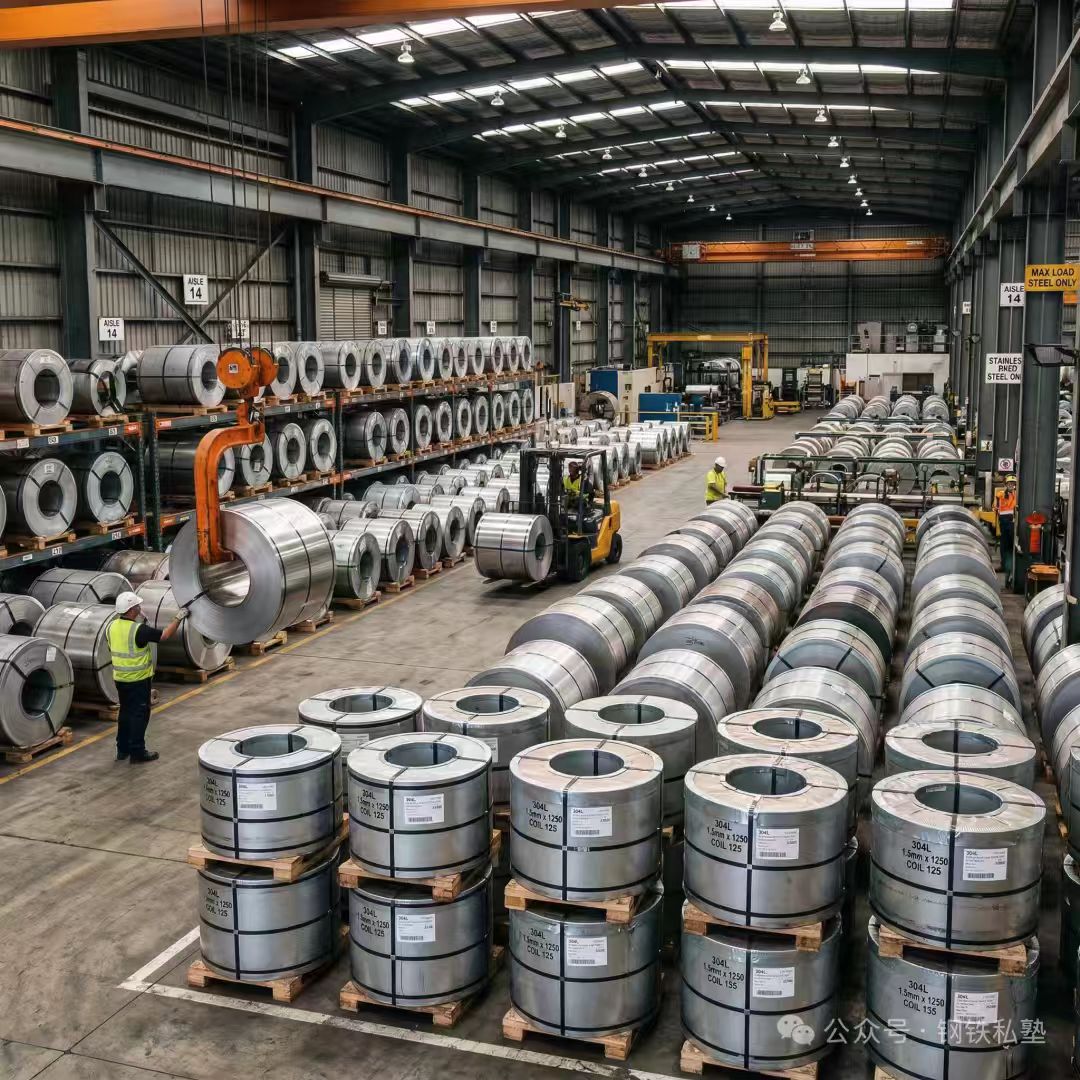
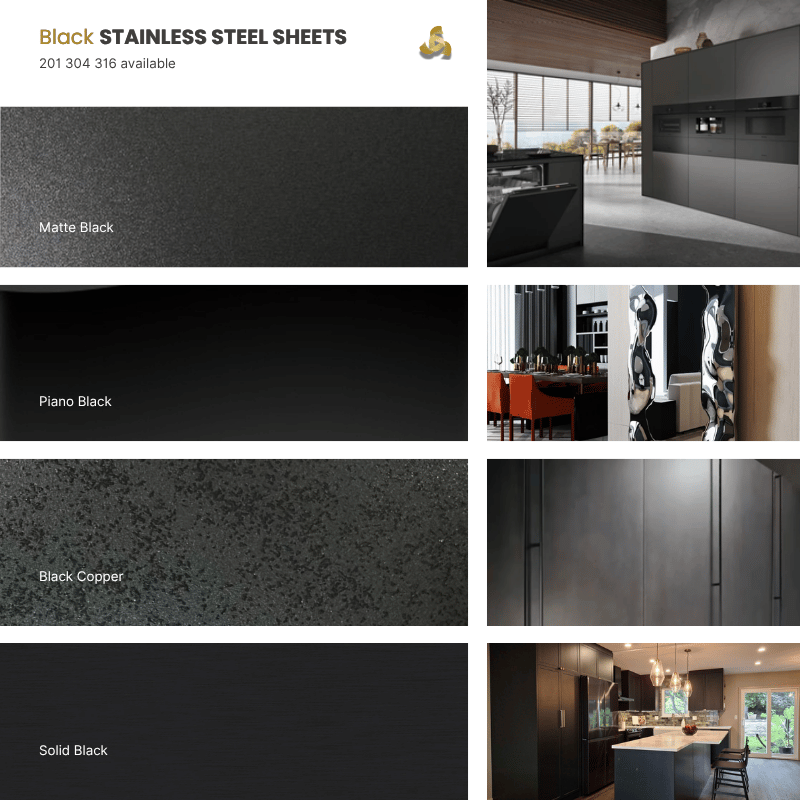
Кейбір адамдар қара тот баспайтын болаттың шын мәнінде не екенін ойлайды — тот баспайтын болат шынымен де табиғи түсінен қара түске ауыса ала ма? Жауап - иә. Қара тот баспайтын болат суықтай илектелген тот баспайтын болат катушкасын немесе парағы қара түске айналғанша бетін өңдеу арқылы жасалады. Негізгі металдың қандай дәрежеде болуы керектігі туралы қатаң шектеу жоқ, бірақ 201, 304, және 316 ең көп таралған болып табылады, 430 қолданылуының артуын байқауға болады. Әртүрлі процестер әртүрлі қара түстерді шығарады — күңгірт қара, айнадай қара — әрқайсысының өзіндік жарықтығы мен тереңдігі бар. Міне, сондықтан екі панель бірдей «қара тот баспайтын болаттан жасалған әрлеу» белгісін алып жүруі мүмкін және нақты әлемдегі өнімділік пен бетінің сыртқы түрі бойынша айтарлықтай ерекшеленеді, себебі беріктігін және сыртқы түрін анықтайтын нәрсе тек материал емес, әрлеу процесінің өзі.
Қара тот баспайтын болат қалай жасалады? Әртүрлі қаралау процестері
Қара тот баспайтын болат осы үш негізгі технологиялық жолдан алынады. Сумен қаптау (электроплиткалау) - орташа түс тұрақтылығы бар ең арзан нұсқа - бұл қара жалатылған тот баспайтын болатты өндірудің ең қолжетімді тәсілі - құндылығы жоғары, жоғары көлемді стандартты жобаларға жарамды. Вакуумдық жабу процесі болып табылатын PVD мақсатты материалға байланысты орташадан жоғарыға дейін тұрады, бірақ ең жоғары беріктік пен түс тұрақтылығын қамтамасыз етеді, бұл оны қатаң реңк, ауа райы немесе партия консистенциясы талаптары бар сәулеттік немесе жоғары деңгейлі жобалар үшін таңдау етеді. Пісіру бояуы тот баспайтын болат бетіне тікелей жағылады және астында металл жабынды негізі жоқ жоғары температурада кептіріледі - төменнен орташаға дейін құны партиядан партияға түстердің ең күшті сәйкестігімен, бірақ ұзақ мерзімді ашық ауада қолдануға қарағанда үй ішінде немесе аз абразивті пайдалануға жақсырақ, қысқа мерзімді немесе уақытша жобаларға жарамды.
| Процесс | Құны | Беріктік / Түс тұрақтылығы | Ең жақсысы |
|---|---|---|---|
| Сумен қаптау (галконмен қаптау) | Төмен | Орташа | Құндылыққа негізделген, көп көлемді стандартты жобалар |
| PVD (вакуумдық жабын) | Мақсатты материалға байланысты орташадан жоғарыға дейін | Жоғары | Қатаң реңк, ауа райының өзгеруі немесе партиялық консистенция талаптары бар сәулеттік немесе жоғары деңгейлі жобалар |
| Пісіру бояуы (пеште пісірілген) | Төменнен орташаға дейін | Топтамадан топтамаға түстердің үйлесімділігі күшті; ұзақ уақыт бойы ашық ауада қолданудың орнына үй ішінде немесе аз абразивті қолдану үшін ең қолайлы | Қысқа мерзімді немесе уақытша жобалар |
Қара анодталған тот баспайтын болат па? Қара оксид пе? Түсіндіруге тұрарлық екі термин
Кейбір адамдар «қара анодталған тот баспайтын болат парағы» деп іздейді, бірақ нақты айтқанда, анодтау алюминий үшін жасалған. Алюминий электролиз кезінде қалыңдай беретін кеуекті оксид қабатын табиғи түрде түзеді, бұл оны тозуға төзімді және бояуды жеңілдетеді. Тот баспайтын болаттың беті керісінше жұмыс істейді - оның хром оксиді қабаты жұқа, тығыз және химиялық тұрғыдан тұрақты (бұл тот баспайтын болатты коррозияға төзімді етеді), сондықтан оның алюминий сияқты оксид қабатын құру мүмкіндігі жоқ. Тот баспайтын болатты техникалық тұрғыдан анодтауға болады, бірақ нәтижесінде пайда болған қабат алюминийге қарағанда жұқа, біркелкі емес, ашық түсті және берік емес, әдетте ұстау үшін қосымша қорғаныс үстіңгі қабат қажет. «Қара анодталған тот баспайтын болат» деп аталатын заттардың көпшілігі іс жүзінде PVD немесе сумен қапталған қара болып табылады - шынайы анодтау сирек қолданылады, тіпті бұл термин қолданылған кезде де.
Тот баспайтын болаттағы қара оксидті бояу - басқаларымен шатастырылатын тағы бір термин. Бұл химиялық түрлендіру процесі, онда болат беті тотықтырғыш ерітіндімен әрекеттесіп, қара темір оксиді қабатын түзеді - бұл процесс тот баспайтын болатқа қарағанда қарапайым көміртекті болатқа әлдеқайда жақсы сәйкес келеді, себебі тот баспайтын болаттың қорғаныш хром оксиді қабаты сол реакцияға төтеп береді. Тот баспайтын болатта қара оксид жұқа, аз берік қара түсті шығарады, сондықтан ол қара тот баспайтын болатты жасаудың жеке тәсілі ретінде емес, панельді селективті түрде жылтыратып, жалатпас бұрын қара негізді жасау үшін қолданылатын антикварлық процестің алғашқы қадамы ретінде жақсы жұмыс істейді. Бұл антикварлық процестің қалай жұмыс істейтіні туралы толығырақ төмендегі жылы реңкті қара бөлімде берілген.
Қара жабындысы бірдей болат, нәтижелері әртүрлі
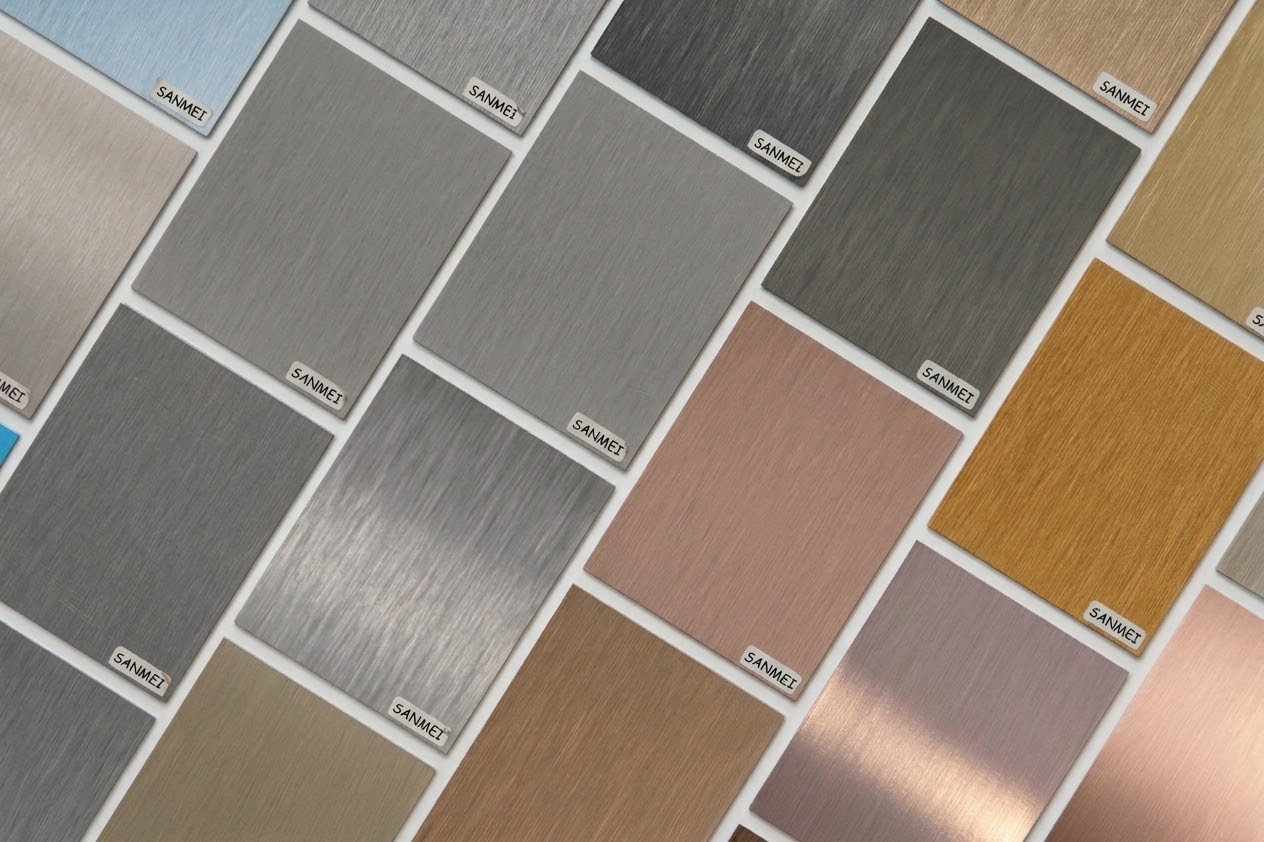
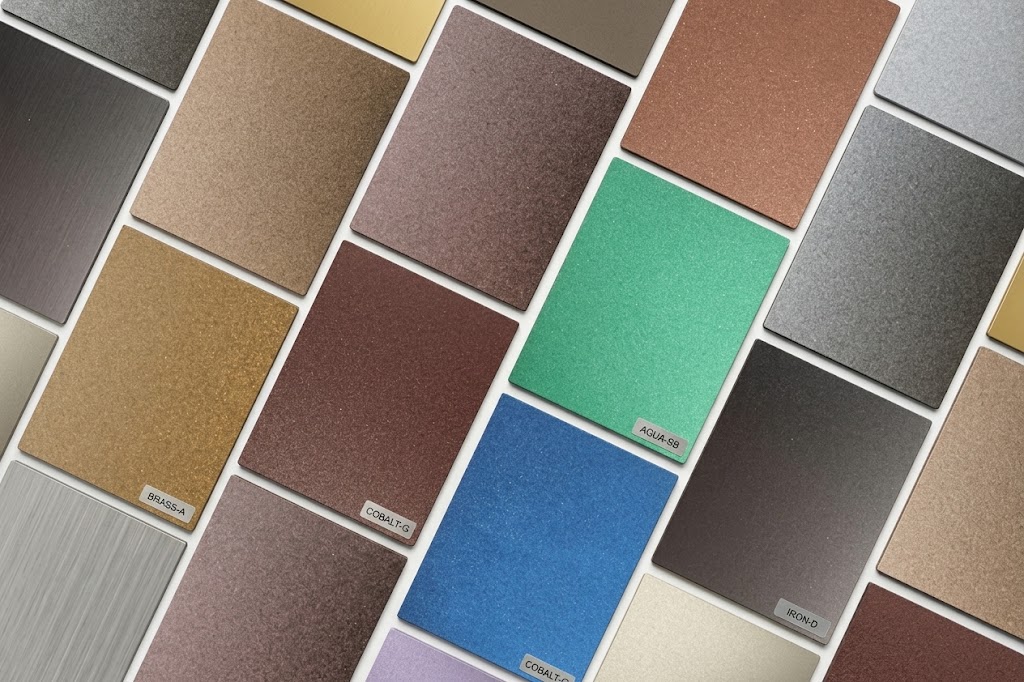
Тот баспайтын болаттың қара түсті әрлеуі біркелкі емес — қара тот баспайтын болаттың шын мәнінде қандай болатыны оның қандай технологиямен жасалғанына байланысты. «Қара түсті тот баспайтын болат» үшін бірнеше жеткізушіден сұраңыз, сонда сіз бірнеше әртүрлі панельдерді ала аласыз:
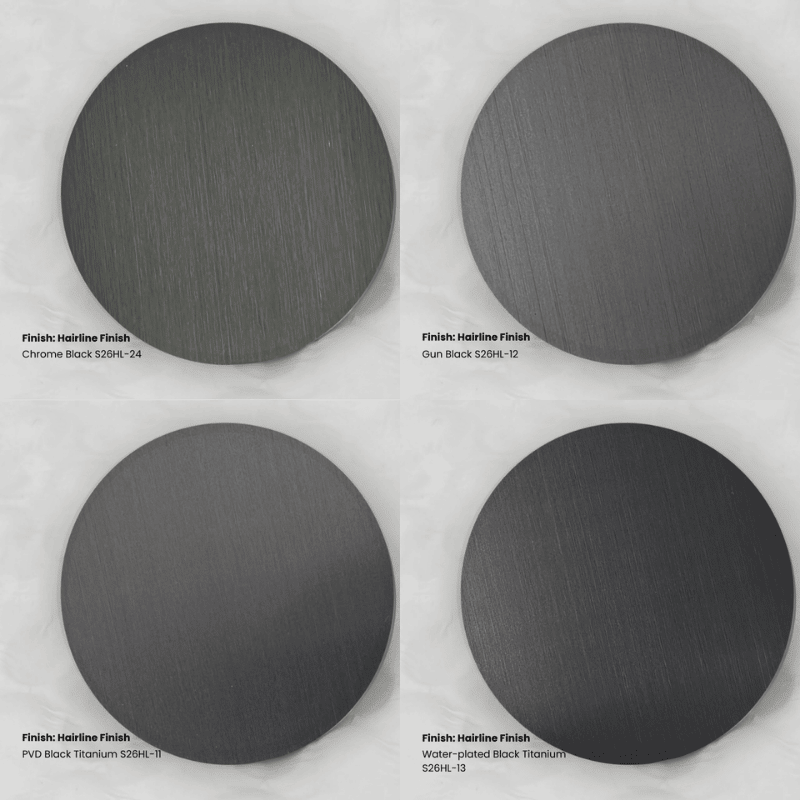
- Сумен қапталған қара титан: Қолжетімді ең қою, ең қанық қара түс, көрінетін астарлы ауытқуларсыз — жалпақ, нағыз қара түс. Нарықтағы ең көп таралған және бюджетке сай қара тот баспайтын болаттан жасалған әрлеу.
- PVD титан қара (Ti-қара): Нәзік күлгін астары бар қара түс, күшті немесе тікелей жарықта ең айқын көрінеді — жалпақ қара түске қарағанда тереңірек көрінеді.
- Қара түсті PVD тапаншасы: Бейтарап, көміртекті сұр қара түс — титан қарасының күлгін тереңдігіне қарағанда салқынырақ және қарапайымдырақ, және жарық жағдайларында өз реңкін біркелкі сақтайды.
- ПВД хром қара: Ашық жарықта әлсіз жасыл-сары реңкті қара түс, коррозияға төзімділігі жоғары хром-карбидті жабын арқылы алынады.
Бұл тек эстетикалық вариациялар ғана емес — олар құны, түстердің сәйкестігінің сенімділігі және ауа райына төзімділік көрсеткіштері бойынша нақты айырмашылықтарға ие, сондықтан «қара тот баспайтын болат» бірыңғай іздеу термині ретінде осындай сәйкессіз нәтижелер береді.
Астыңғы жағылған жылтыратқыш сыртқы келбетті де өзгертеді
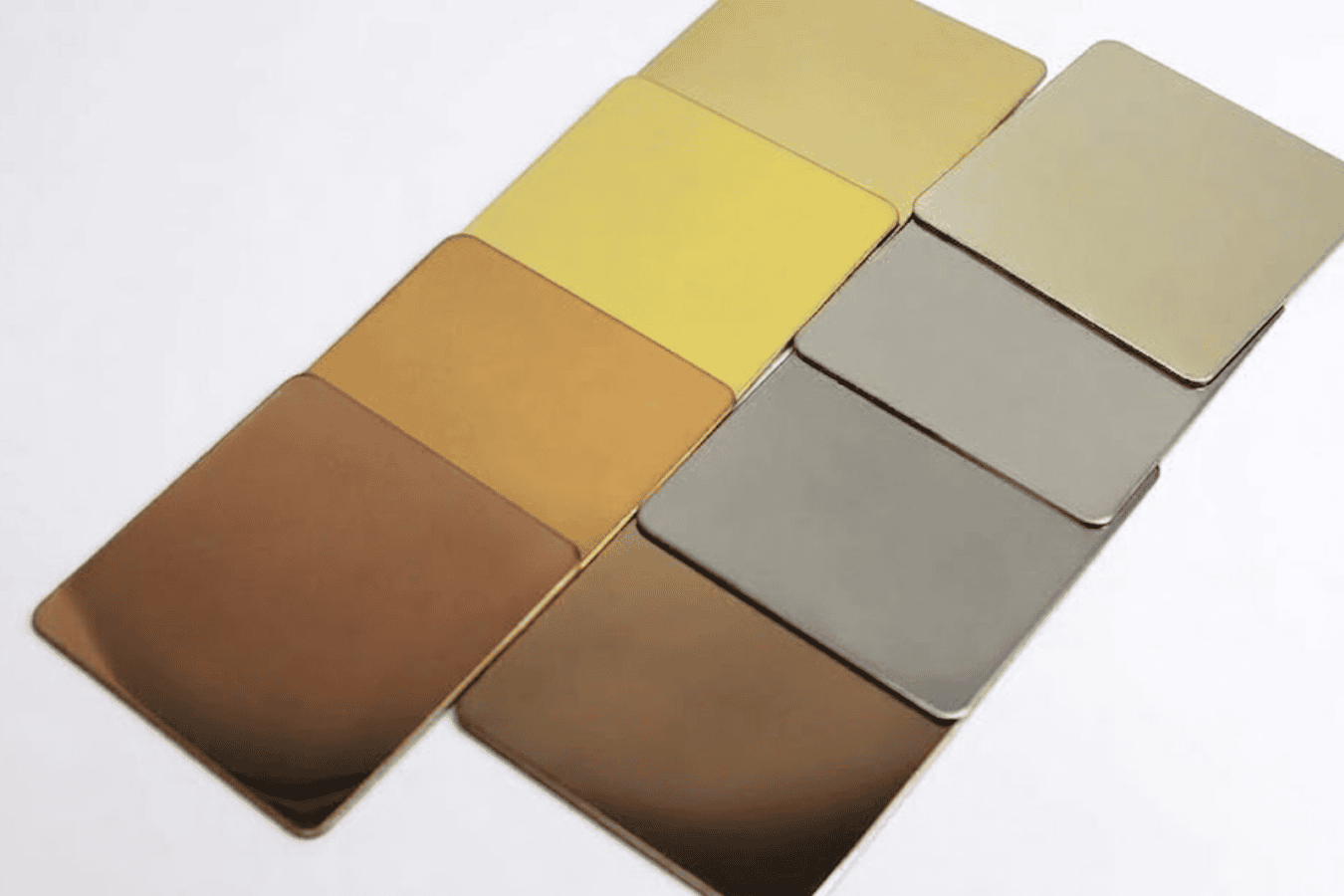
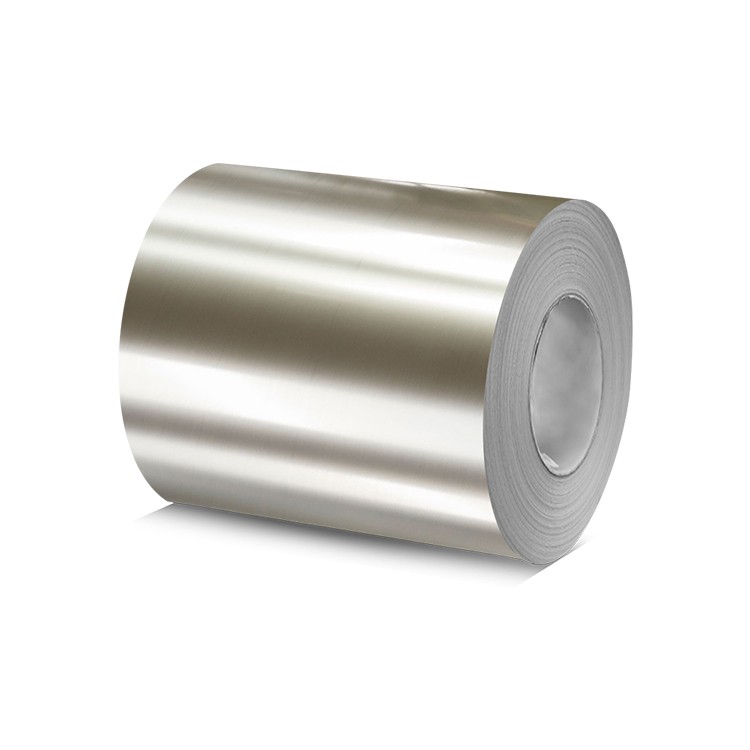
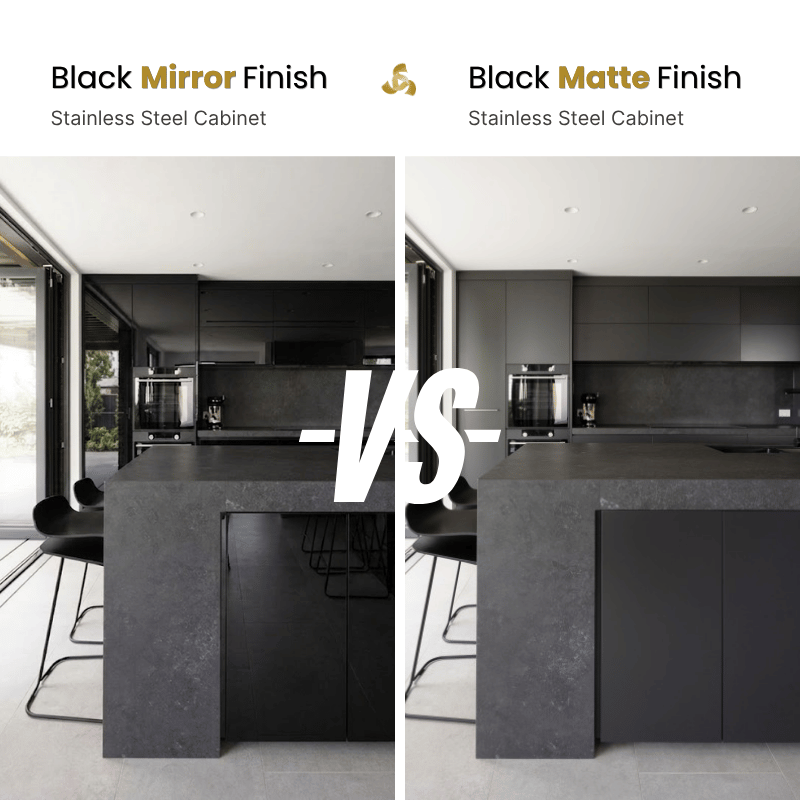
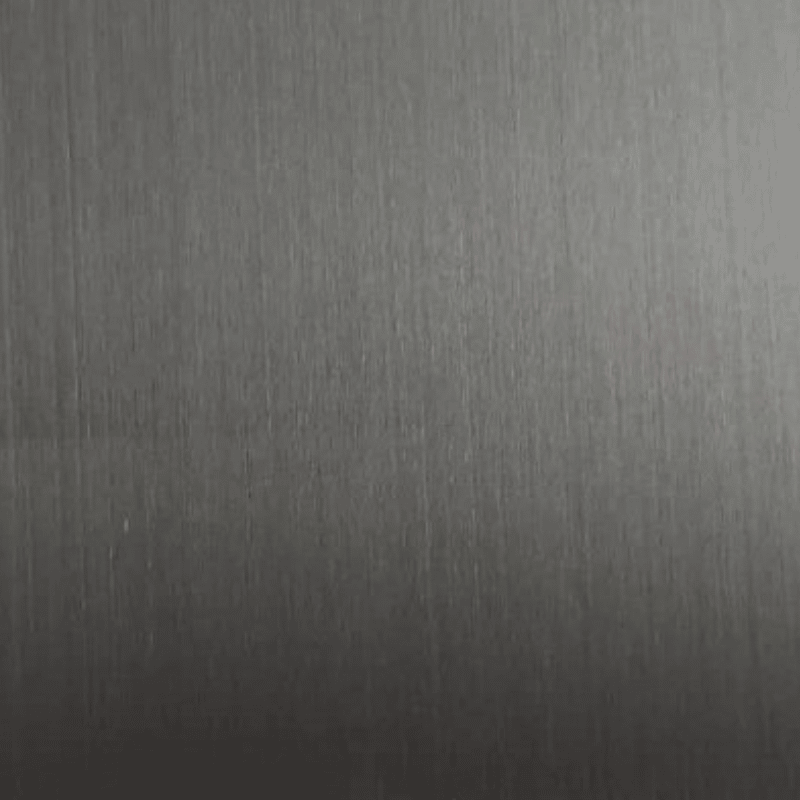
Жоғарыдағы бес фактордан басқа, тағы бір айнымалы бар: жабынның астындағы негізгі жылтырату. Бұл екі бөлек процесс емес - бұл спектрдегі бір жылтырату процесі, және жылтырату дәрежесі нәтижені анықтайды: жылтырату дәрежесі неғұрлым төмен болса, соғұрлым өзгеріс болады. күңгірт шағылыстыру қабілеті төмен бет, ал жылтыратуды біртіндеп арттыру толық шағылыстыруға дейін барған сайын көбірек шағылыстыратын нәтижелер береді қара айнамен қапталған тот баспайтын болаттан жасалған — терең, жылтыр бетімен. Басқа аталған текстуралар — щеткамен өңделген, атласпен өңделген, шаш сызығы және қалғандары — бөлек, негіздің өзіне емес, осы негіздің үстіне қосымша әрлеу болып табылады. Дәл бірдей жабу процесін қолданатын екі панель, астындағы негізгі металдың қаншалықты жылтыратылғанына байланысты мүлдем басқа өнімдер сияқты көрінуі мүмкін.
Үлгі чипінде тегіс және біркелкі көрінетін нәрсе текстуралы немесе өлшемді панельге қолданылғаннан кейін мүлдем басқаша әрекет етуі мүмкін — келесі бөлім осында келеді.
Байланысты қара тот баспайтын болаттан жасалған әрлеулер
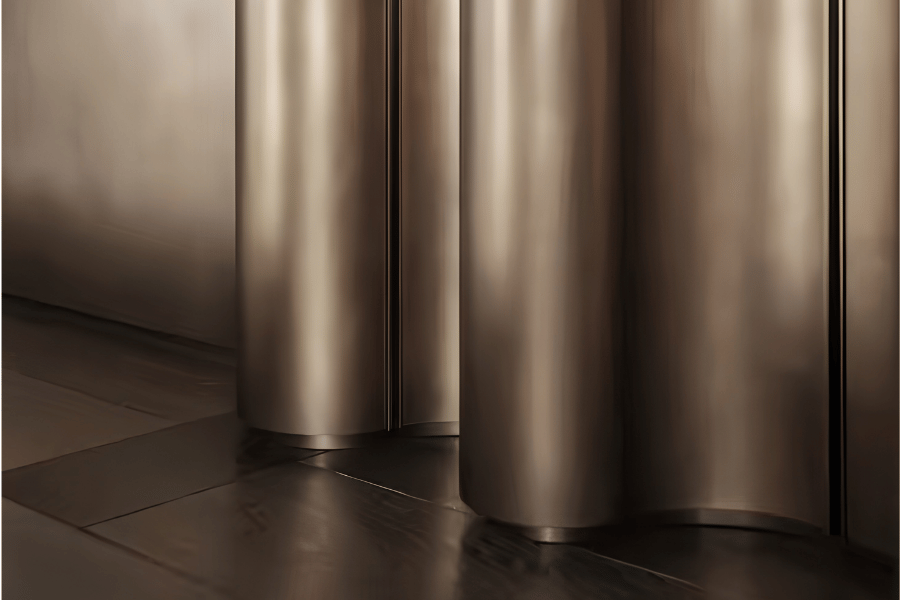
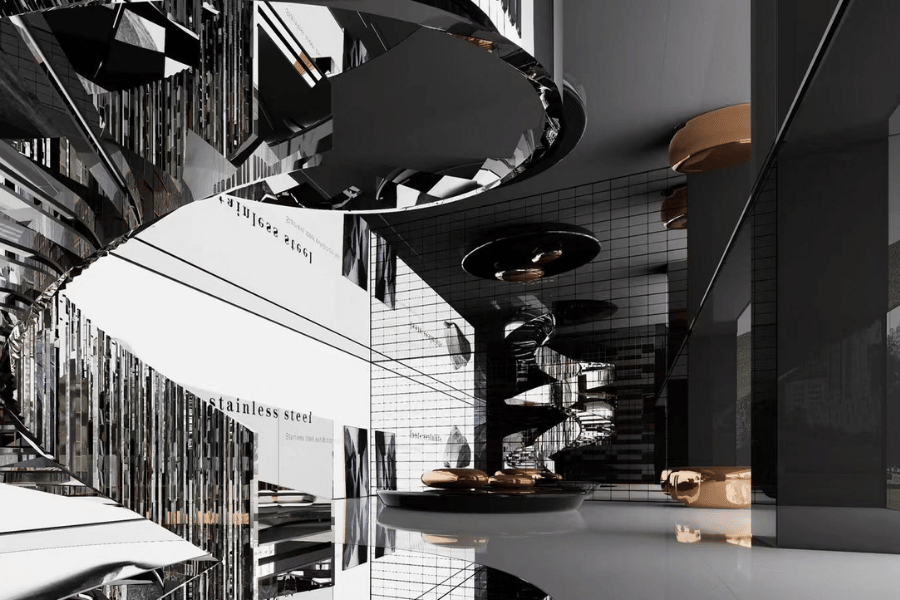
Қара айна парағы
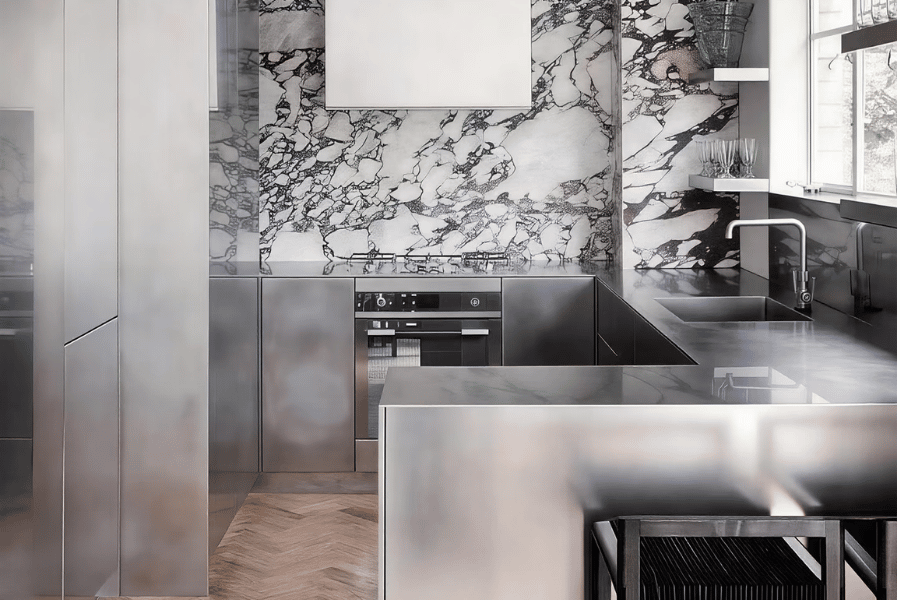
Жоғары сапалы сәулеттік ерекшеліктер, сәнді бөлшек сауда және сәнді панельдер үшін терең қара реңктермен үйлесімде жоғары шағылыстырғыштықпен жылтыратылған әрлеу.
Қара күңгірт парақ
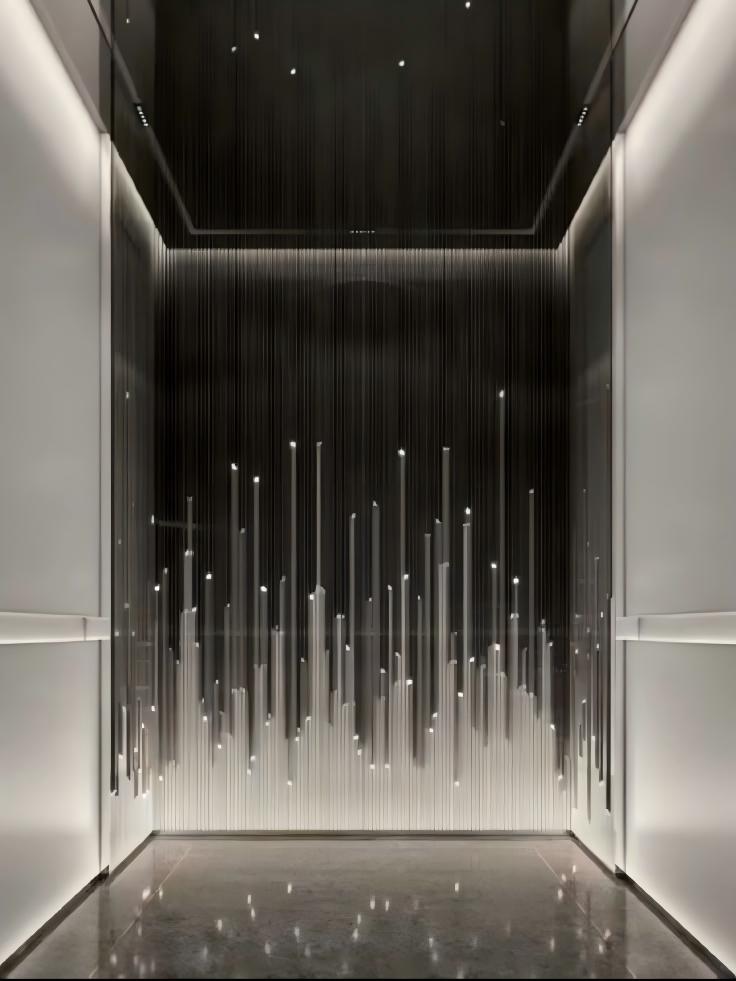
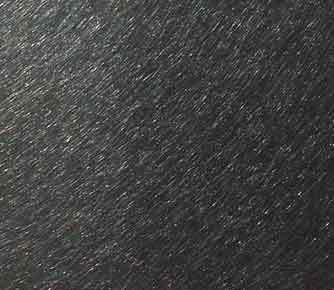
Нәзік, тактильді жылтырлық ұсынатын шағылыстырмайтын атлас текстурасы заманауи интерьер қаптамаларына, лифт интерьерлеріне және премиум класты құрылғыларға өте ыңғайлы.
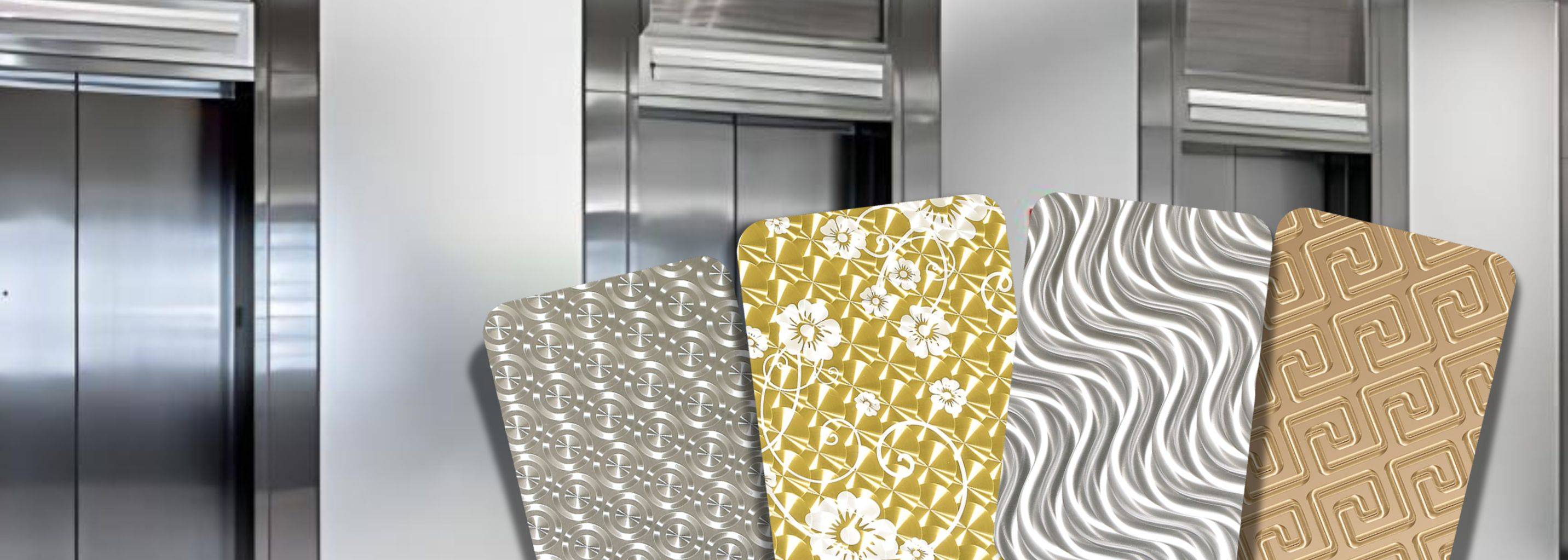
Текстуралы және өрнектелген қара тот баспайтын болаттан жасалған панельдер
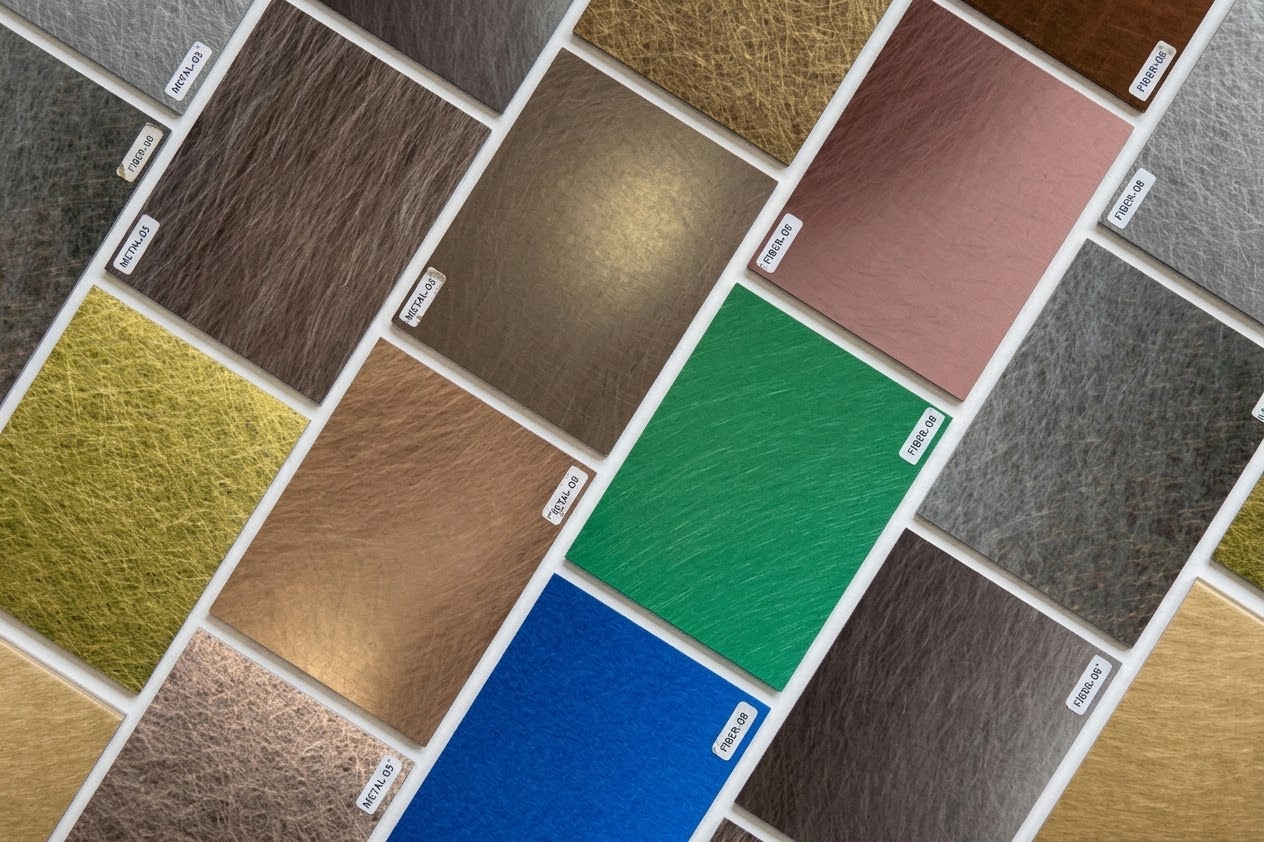
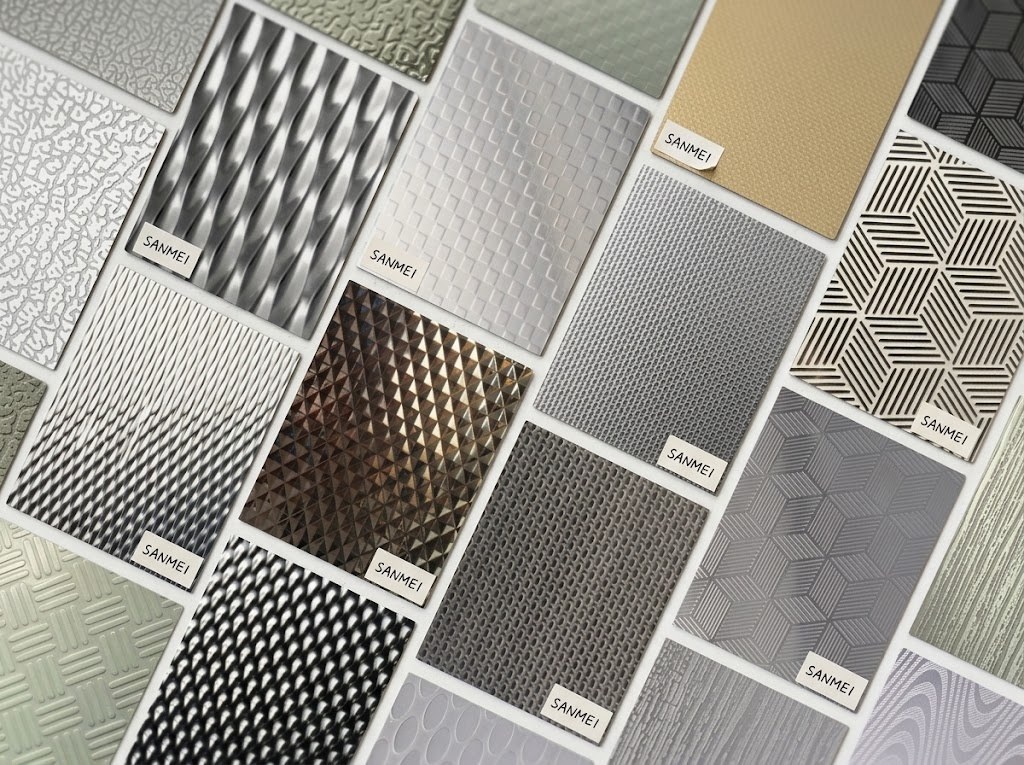
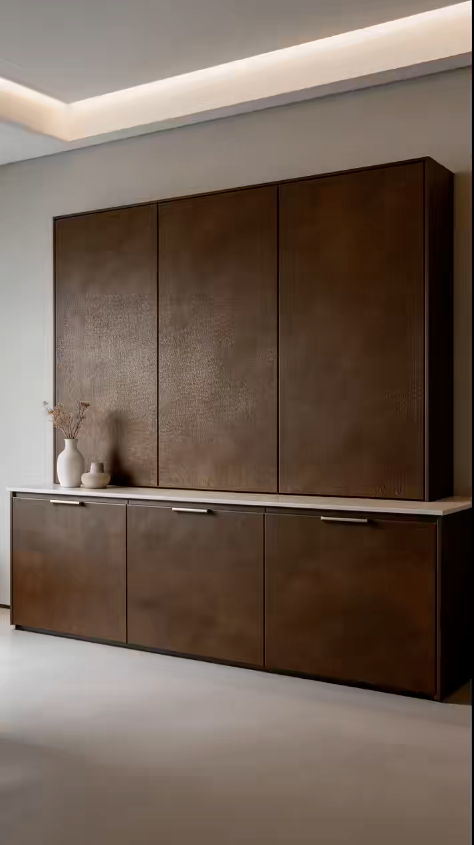
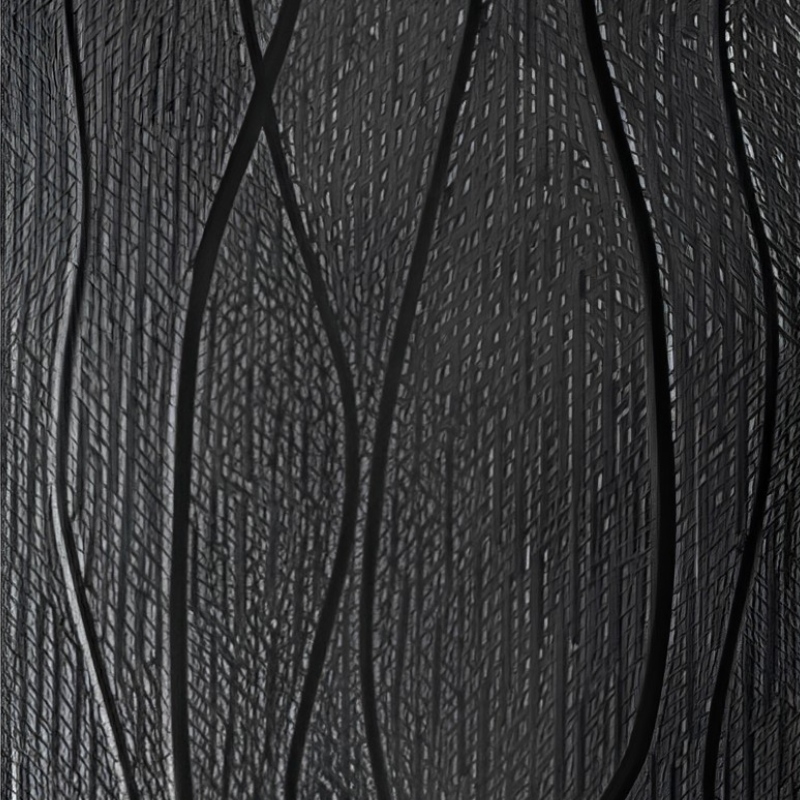
Қара түс міндетті түрде жалпақ дегенді білдірмейді, және ол міндетті түрде қарапайым дегенді де білдірмейді. Қара жабынның астындағы негізгі бет өздігінен жалпақ болуы мүмкін — №4 , шаш сызығы (HL), немесе құммен өңделген — әрқайсысы кез келген өрнек қосылмас бұрын қара түске әртүрлі құрылым мен шағылыстыру береді. Сонымен қатар, өрнекті қара тот баспайтын болат — ағаш талшығы, тас талшығы және басқа да басылған, ойылған немесе ламинатталған мотивтер — қара панельдің физикалық профилін өзгертпестен оған көрнекі қызығушылық қосады. Бұл өрнектер тегіс орналасады: көзге текстуралы, ұстағанда тегіс.
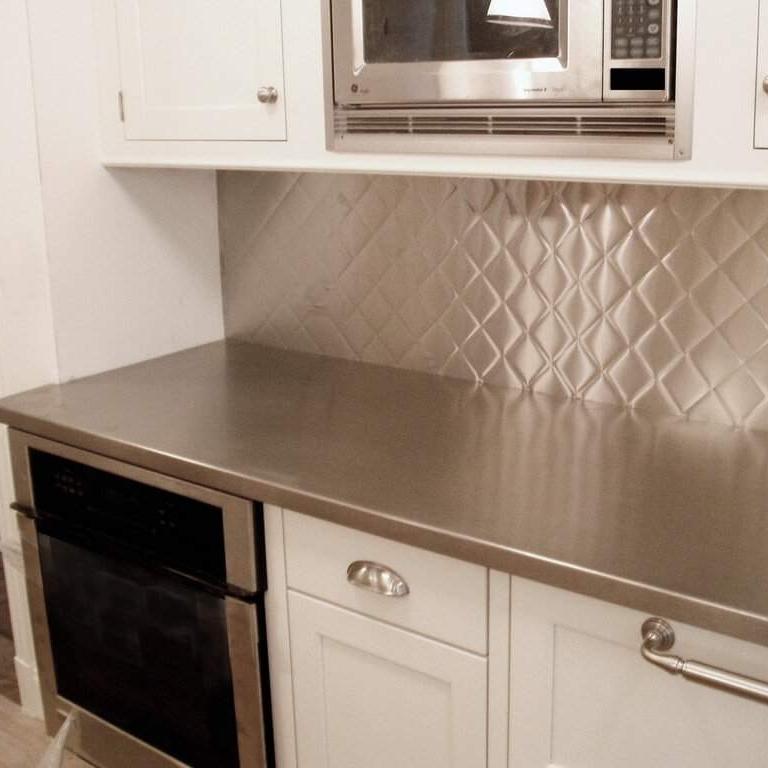
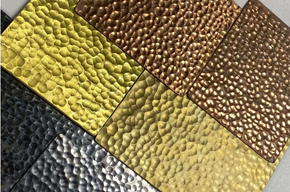
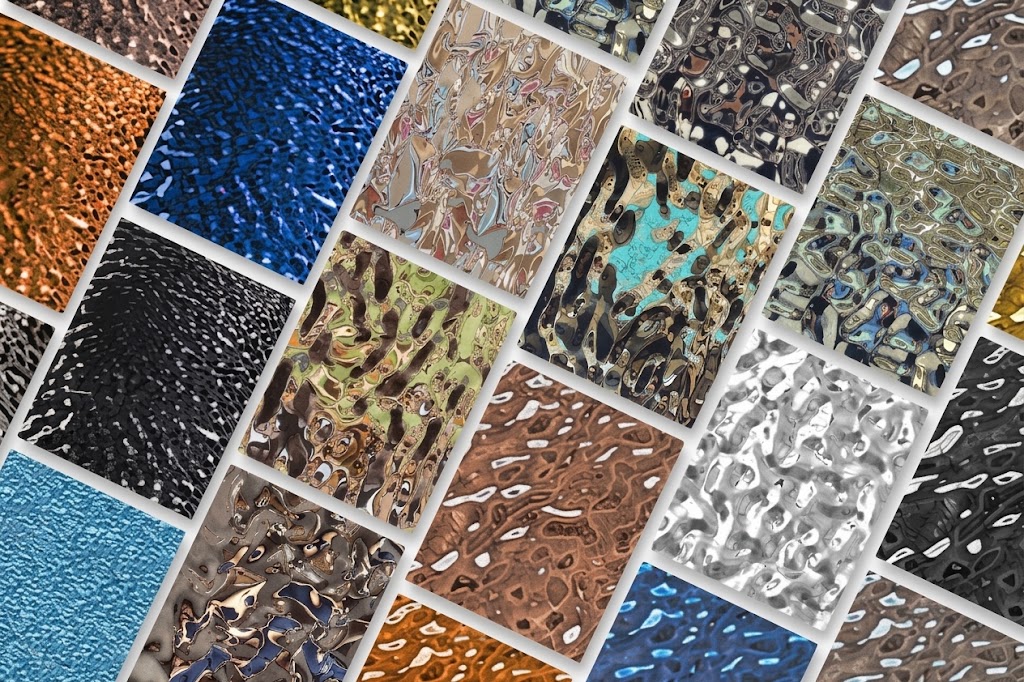
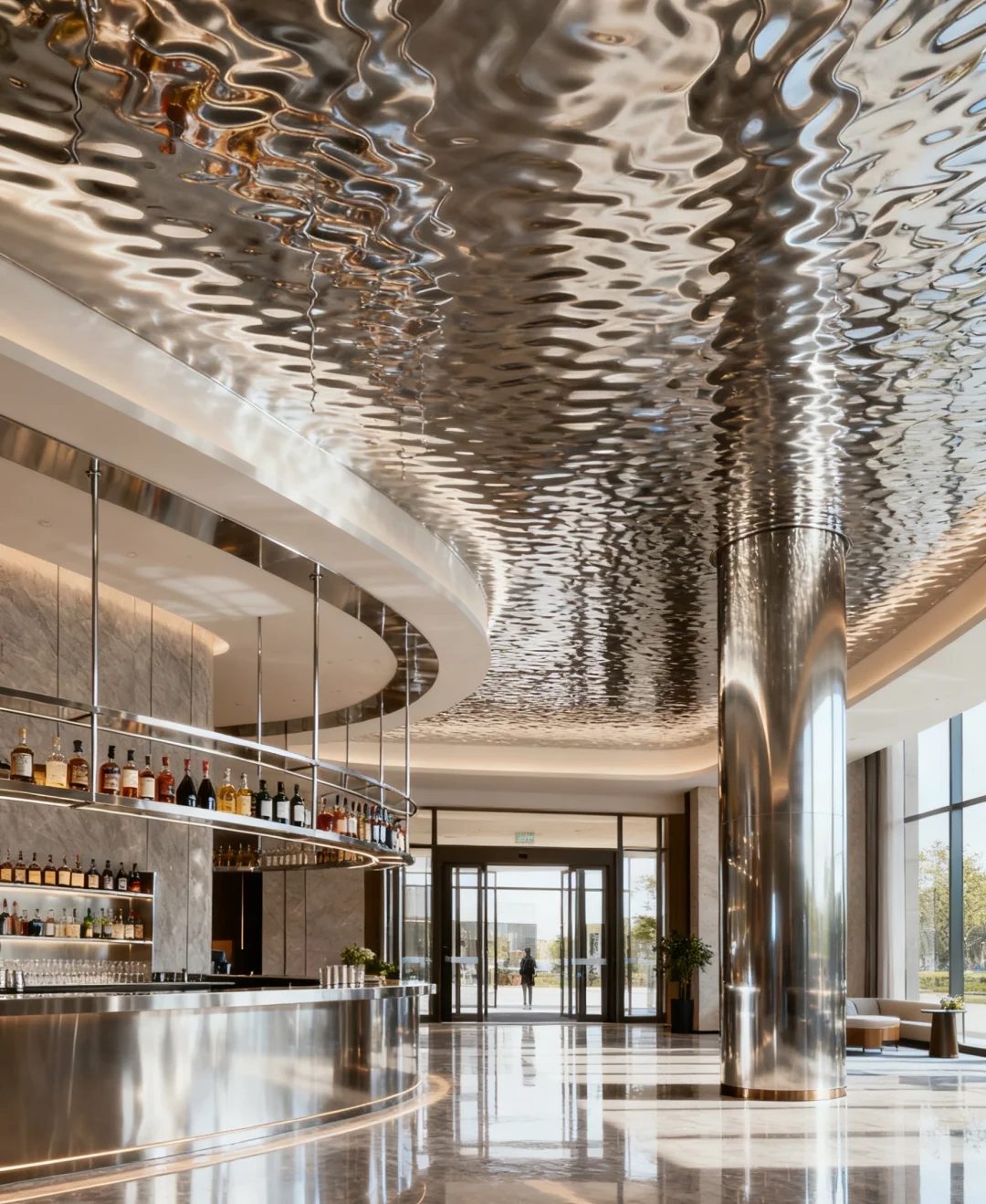
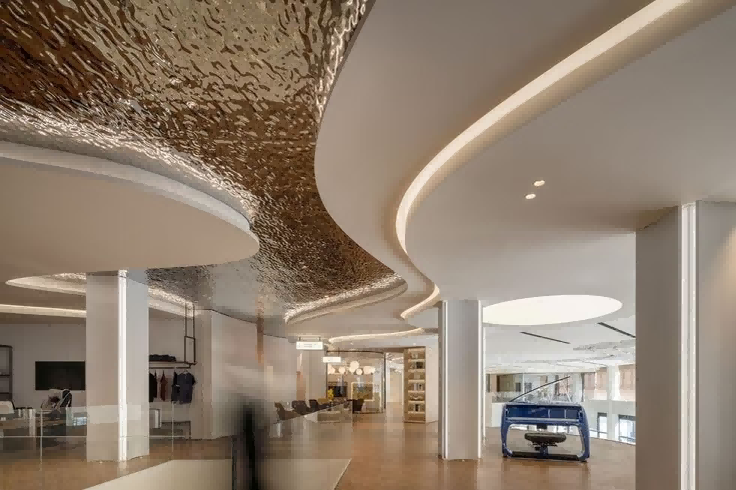
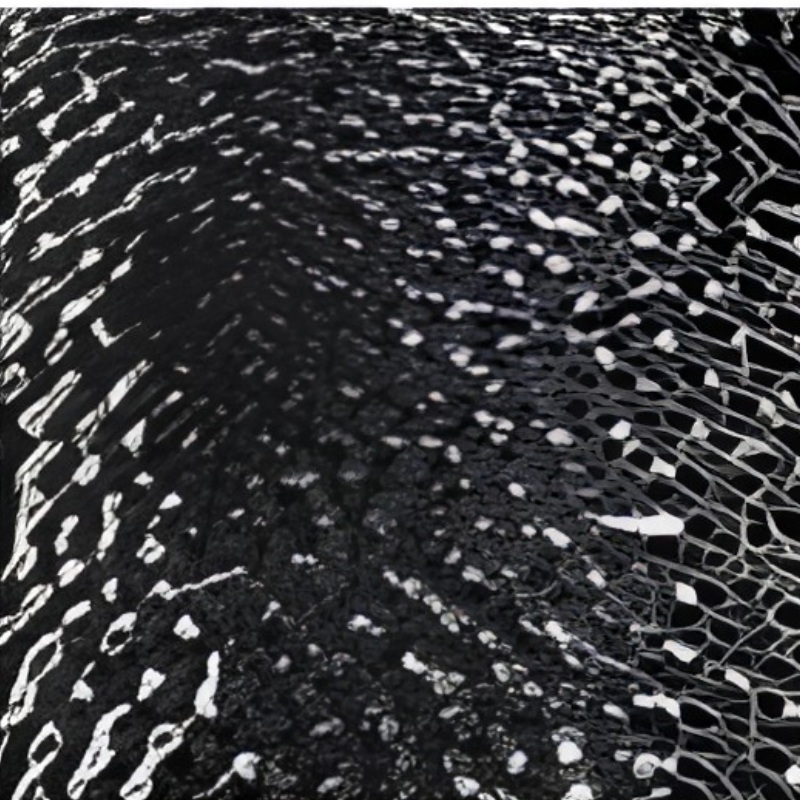
Нағыз үш өлшемді бет үшін металл басылып немесе ойылып жасалмауы керек, физикалық түрде қалыптасуы керек. Міне, осы жерде бедерлеу, балғамен соғу, және су толқыны басу арқылы кірістіру, әрқайсысы жоғарыда сипатталған PVD немесе сумен қаптау процестерін қолдана отырып, қара түске боялған шынайы өлшемді бетті жасайды. Нәтижесінде көрнекі және тактильді тереңдігі бар қара металл панель пайда болады.
Сондай-ақ, бұл өлшемді құрылымды пайдаланудың озық тәсілі бар — текстуралы панельдің көтерілген және ойық аймақтарына бір жалпақ қара түстің орнына екі түрлі реңк алуға мүмкіндік беру. Келесіде қарастырылатын «түрлі-түсті қара» әсері осы.
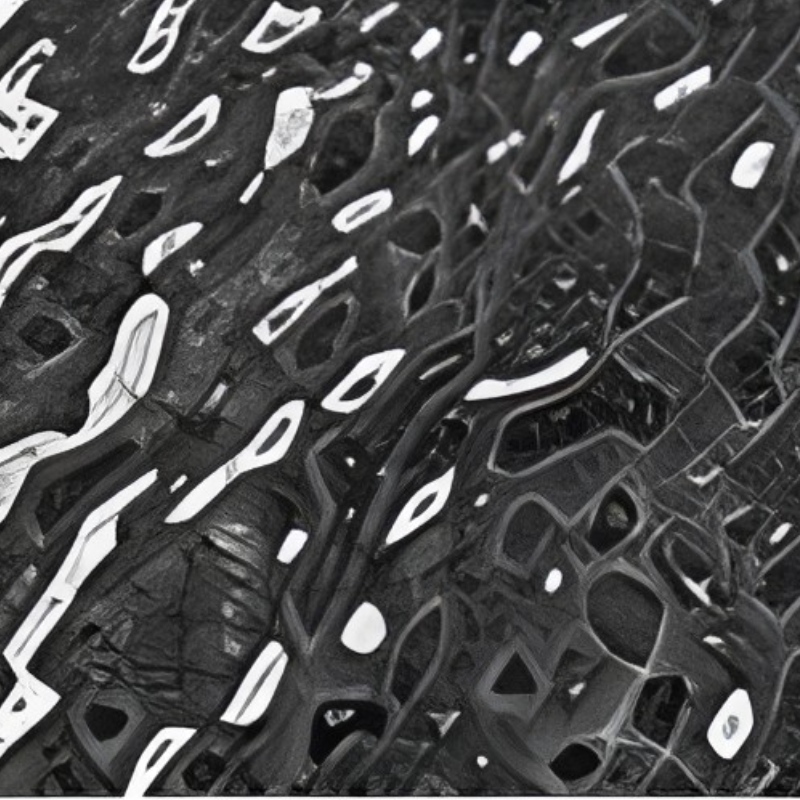
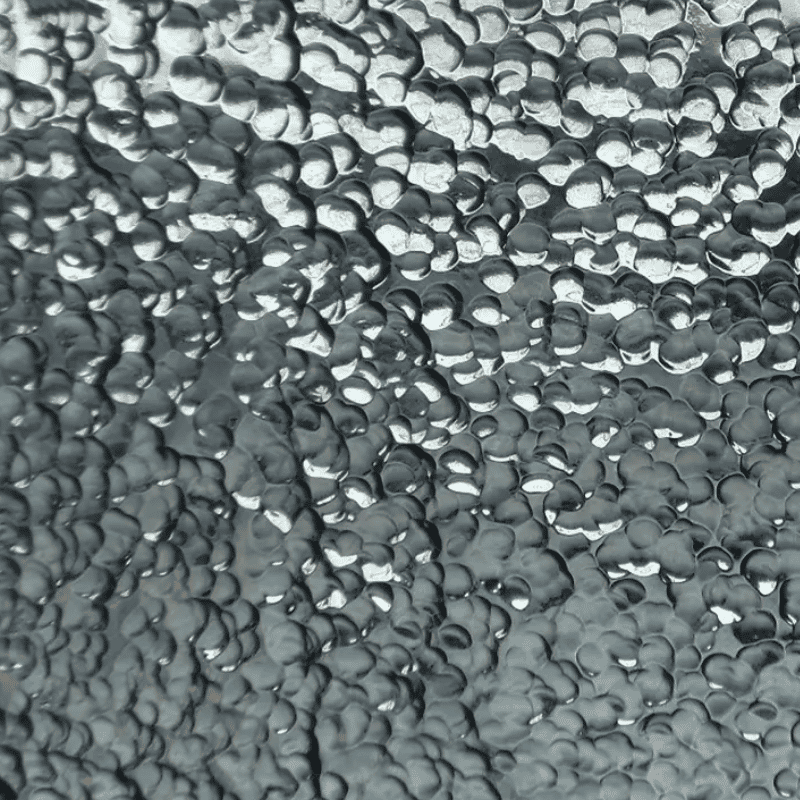
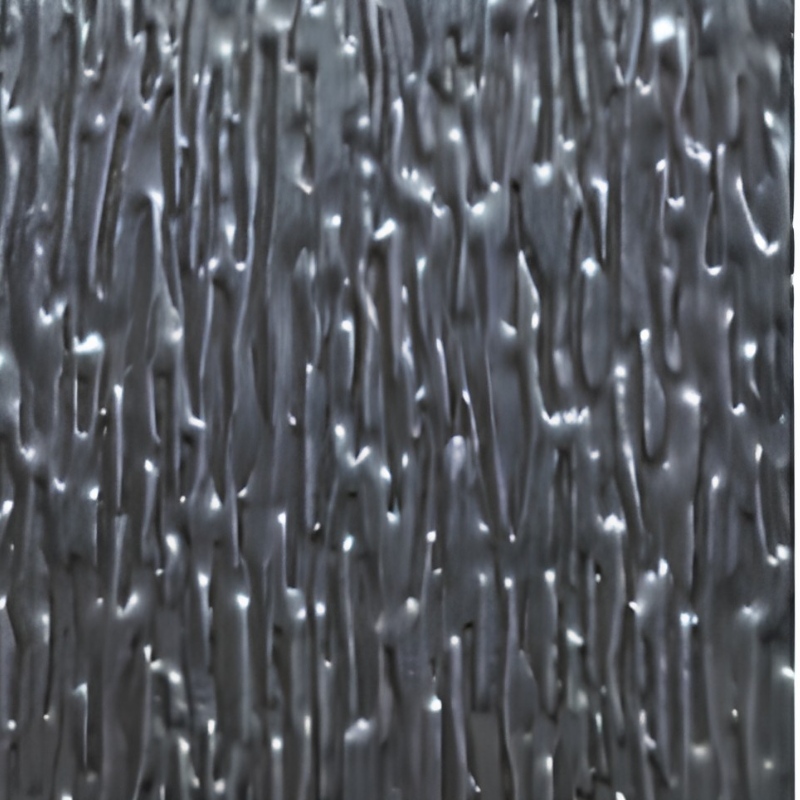
Жылы реңкті қара: антикварлық және көп түсті әрлеу
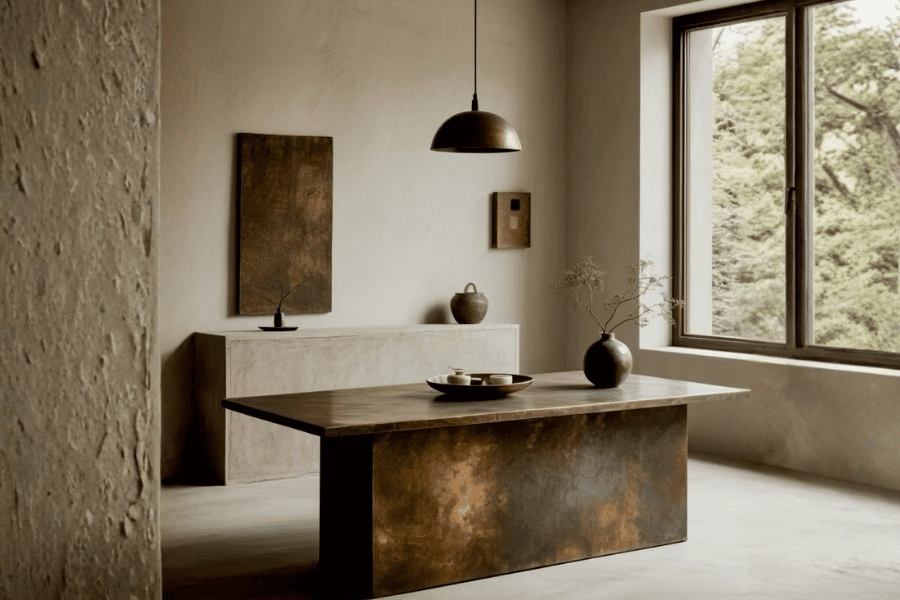
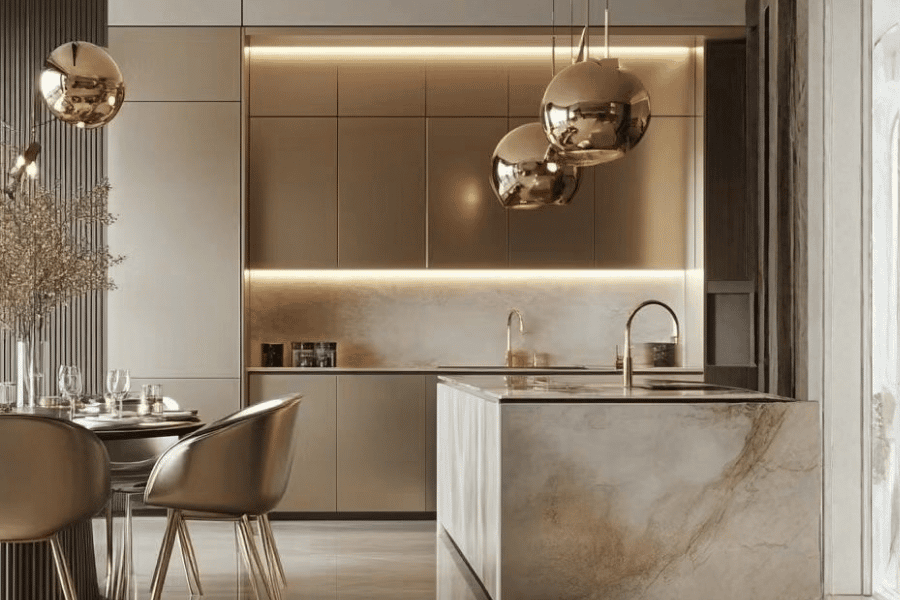
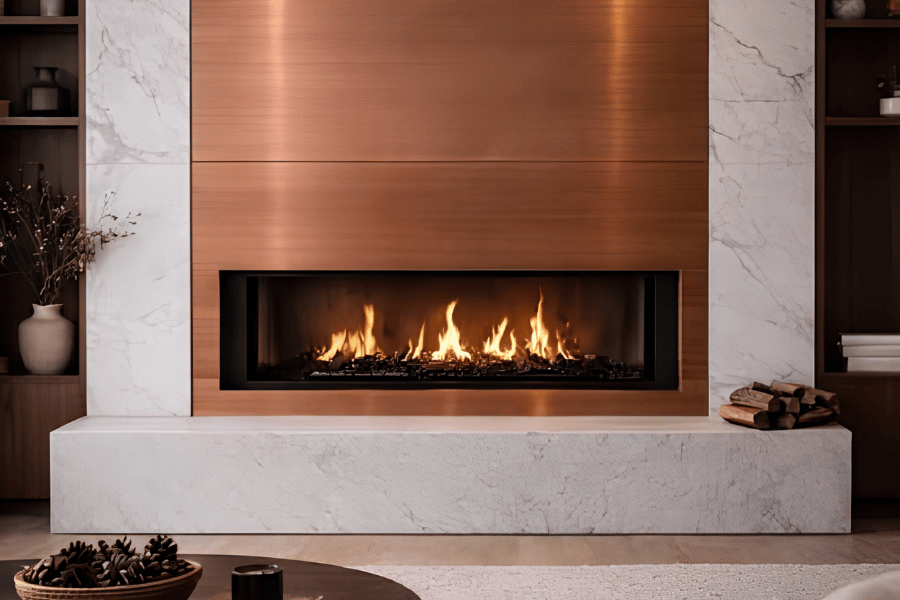
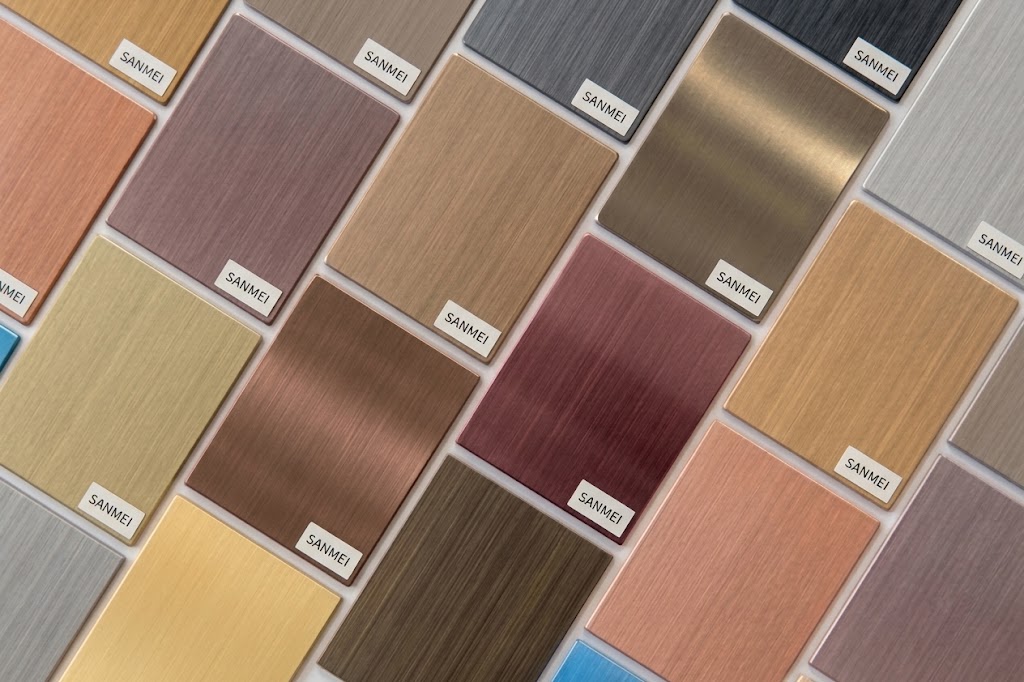
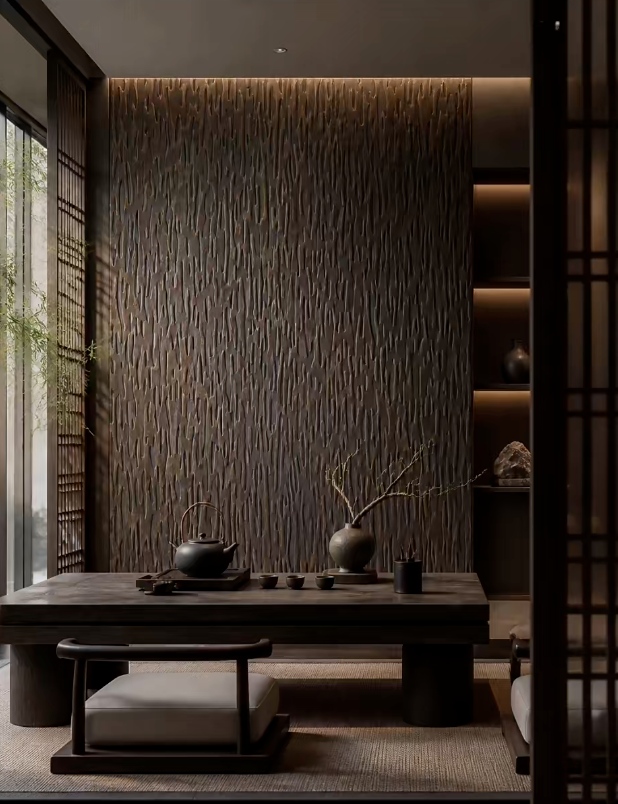
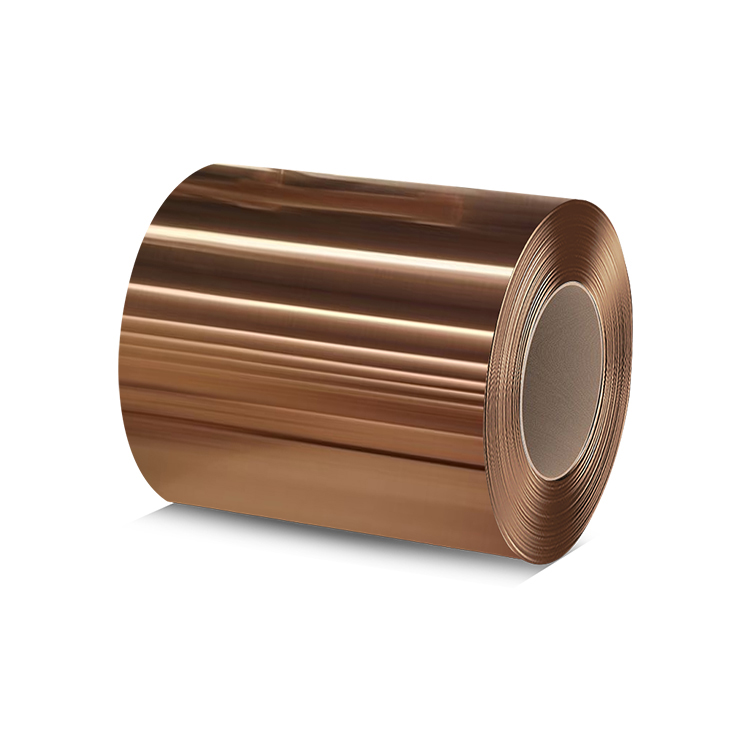
Жақында қолданылған жабдықтар мен интерьер дизайнының трендтері қызықты бөліністі көрсетеді: күңгірт қара түс минималистік, индустриалды және жапондық сәулет өнерінің басым түсі болып қала береді, бірақ антикварлық мыс, ескірген жез және жылтыратылған қола сияқты жылы, винтаждық реңктер онымен қатар танымал бола бастады. Басқаша айтқанда, қара түс енді тек бір ғана көрініс емес. Таныс салқын күңгірт қара түс және жылырақ, ерекше «түсті қара» түс бар, ал дизайнерлер кейде бір жобада екеуін де жиі қолданады.
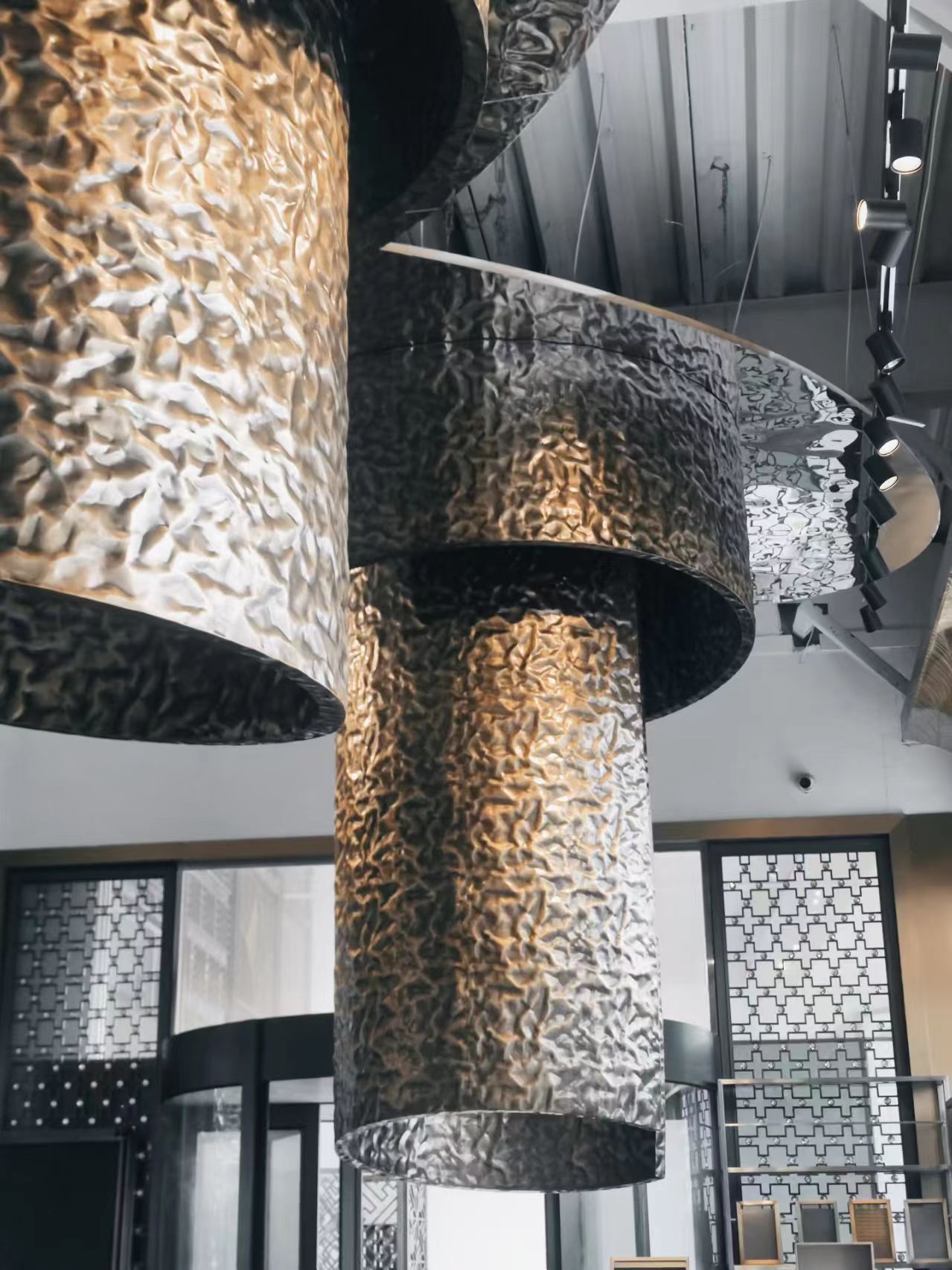
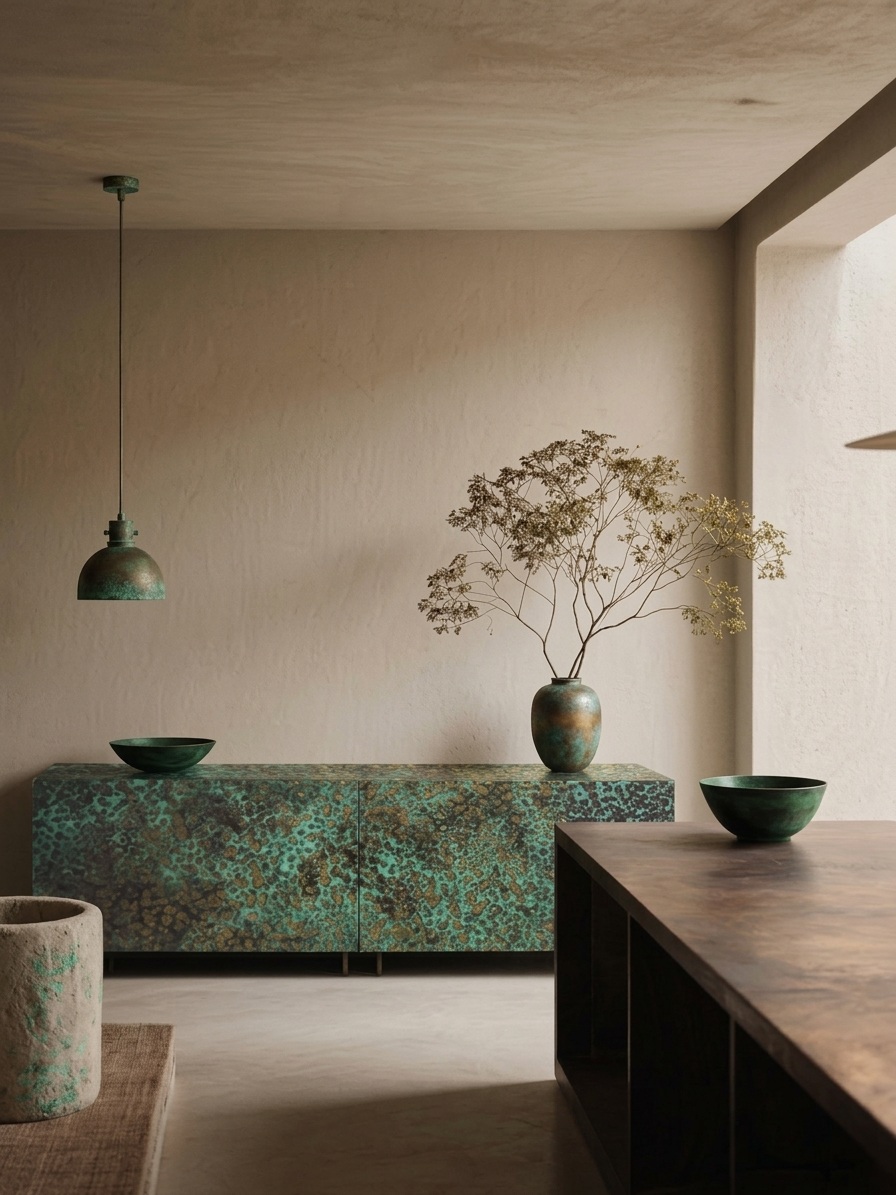
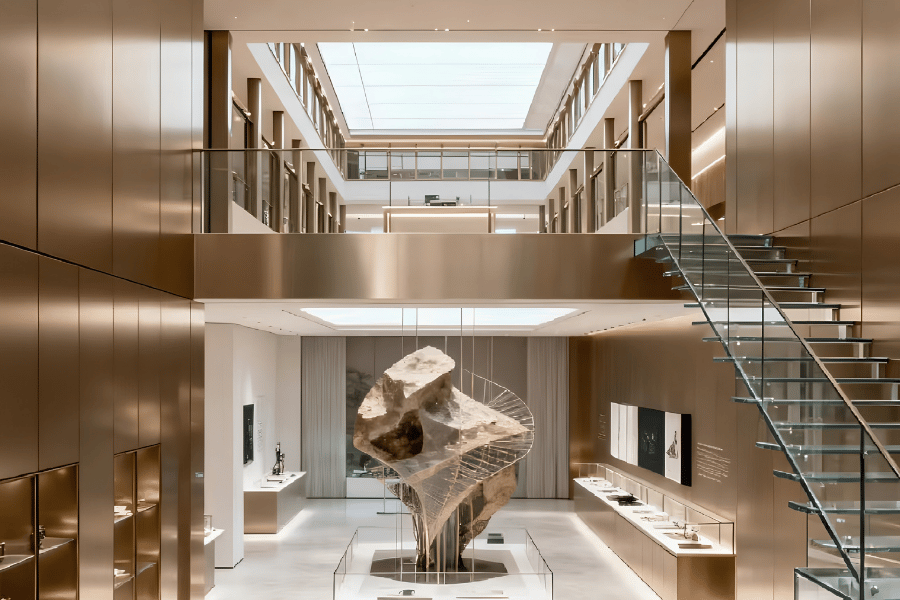
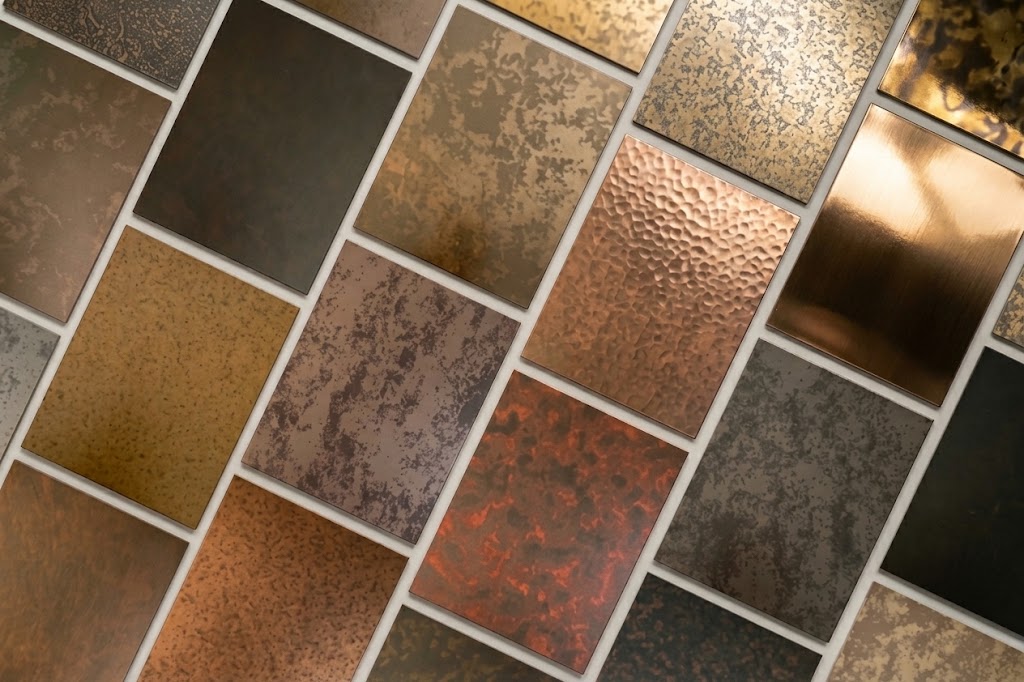
Жылы, ежелгі көрініс – металл екпіндері біркелкі емес енетін қара негіз – бір негізгі процестен туындайды: панель жылтыратылады, тотықтырғыш өңдеумен жалпы қара түске боялады, содан кейін үстіне екпін түсімен (алтын, шампан алтыны, мыс немесе осыған ұқсас) қапталады. Соңғы маңызды қадам – екпін қабатын қайтадан жағу және астындағы қара түстің тозған үлгіде көрінуі үшін бетті сүрту, жылтырату немесе өңдеу. Бұл қадамды өткізіп жіберсеңіз, панель тегіс, біркелкі түсте қалады.
Нәтижесі: жылы металл реңктері бар қара панель жарықты текстура бойынша ұстайды — ескірген, қолмен өңделген, басылған емес, нағыз антикварлық сипатқа ие. Ол қайта өңделген ағаш, ескірген жез немесе ашық кірпіш қолданылған кеңістіктерге сәйкес келеді: ерекше қабырғалар, лифт интерьерлері, барлар мен мейрамханалар, бутик қонақ үйлерінің вестибюльдері және таза, біркелкі қара түстің орнына жылулық пен тарихты қалайтын кез келген қаптама немесе панель.
Неліктен өнімдеріңіз үшін қара тот баспайтын болатты таңдау керек
Бұл беріктік мәселелерін қоса алғанда, нақты техникалық қызмет көрсету мәселесін шешеді. Қара тот баспайтын болаттың ең көп таралған негізгі текстуралары - қылқаламмен өңделген және атласты - жылтыратылған немесе айнадай әрлеуге қарағанда саусақ іздері мен дақтарды жасыруда жақсырақ, себебі бағыттаушы түйіршіктер жарықты шашыратады және жанасу белгілерін жасырады. Сатып алушылар көбінесе қара тот баспайтын болат сызылып кете ме деп сұрайды, ал заманауи әрлеу адамдар күткеннен әлдеқайда жақсы сақталады: PVD хром жабындары және нано жабын өңдеулері жабынның көтерілуіне немесе жалаңаш металлға дейін тозуына жол бермейтін, күнделікті тозуға, соның ішінде кілттерге, тиындарға және күнделікті соққыларға төзімді тығыз, қатты беткі қабат түзеді.
Ол минималистік дизайнның бұрыннан бар жерлеріне және жылы реңктер басым болатын жерлерге сәйкес келеді. Коммерциялық және сәулеттік интерьерлерде ақ-қара және монохромды палитралар негізгі дизайн тілі болып табылады, өткінші үрдіс емес, ал қара тот баспайтын болат дизайнерлерге тот баспайтын болаттың беріктігі мен қызмет ету мерзімін құрбан етпестен, сол палитраға сәйкес келетін берік, коррозияға төзімді материал береді. Ал қара түстің өзі енді бір нұсқа емес: таныс салқын күңгірт қара түспен қатар, жоғарыда қапталған жылы реңкті, антикварлық қара түс танымал бола бастады - екеуін де ұсына алудың өзі ерекшелік.
Бұл дәлелденген, эксперименттік емес. Бірнеше жабын түрлері (сумен қаптау, ПВД, пісіру бояуы), бірнеше қара реңктер (сумен қапталған қара титан, хром қара, титан-алюминий қара, таза титан қара, боялған қара), үстіне қабаттауға болатын текстура нұсқалары (бедерлі, балғамен қапталған, су толқындары) және жылы реңкті, ежелгі қара үшін басқарылатын қара оксид пен жылтырату процесі — мұның әрбір қабаты айқын техникалық негізге ие. Қара тот баспайтын болат бір көрініс пен бір процесспен бір өңдеумен емес, нақты дизайн икемділігімен материал санатына айналды.
Қара тот баспайтын болаттан жасалған парақтарды алуға дайынсыз ба?
ПВД жабынынан бастап сумен қапталған қара әрлеуге дейін, САНМЕЙ 201, 304 және 316 үлгілеріндегі қара тот баспайтын болат парақтарын жеткізеді — тікелей фрезерлік қосылыстармен, жылдам жауап берумен және толық бақылау мүмкіндігімен.
Қазір SANMEI компаниясына хабарласыңыз →Тағы бір нәрсе: парақтың артқы жағындағы қара қалдық
Түрлі-түсті жабынмен қаптау процесінен өтетін тот баспайтын болат парақтардың артқы жағында - жабылмаған жағында, өңделген бетіне қарама-қарсы қара қалдық пайда болуы мүмкін. Бұл жабынмен қаптау процесінің жанама өнімі, ақау емес және ластанудан немесе дұрыс пайдаланбаудан туындаған тот баспайтын болаттағы қара дақтан өзгеше. Бұл жабылған жағына мүлдем әсер етпейді. Бұл панельдің өңдеу және орнату кезіндегі сезіміне әсер етуі мүмкін болғандықтан, панельдер жіберілмес бұрын артқы жағы күңгірт немесе тегістелген өңдеуден өтеді. Егер сіз басқа жеткізушіден тот баспайтын болатта осындай дақтарды кездестірсеңіз, стандартты тот баспайтын болат тазартқыш оны кетіреді - бұл қара әрлеудегі ақау емес, кері жақтың жанама өнімі.
SANMEI METAL
Егер сіз жоба үшін қара тот баспайтын болатты таңдасаңыз — сәулет панелі, лифт интерьері немесе өнім корпусы — негіз сапасының, жабын процесінің және беткі құрылымның дұрыс үйлесімі қолданбаңыздың әсер ету жағдайлары мен дизайн мақсатына байланысты. Жобаңыз туралы бізбен сөйлесіңіз материалдар бойынша ұсыныстар мен үлгілер үшін.