















Paslanmaz Çelik Sertifikasyonu: Her Alıcının İthalattan Önce Kontrol Etmesi Gerekenler
"Tüm paslanmaz çelik parçaların, malzeme inceleme raporları (MTR) dahil olmak üzere Paslanmaz Çelik Sertifikasına sahip olması gerektiğini belirten bir çizim gönderdiniz mi hiç?"
Sonra bir sürü PDF dosyası aldılar ve bunların denetimler, uyumluluk veya ithalat için yeterli olup olmadığından hala emin değillerdi?
Birçok alıcı her gün malzeme sertifikaları toplar, ancak nadiren gerçek anlamda nitelikli bir paslanmaz çelik sertifikasının neye benzediğini veya uyumlu satın alma ve ithalat kurallarıyla nasıl bağlantılı olduğunu tanımlar.
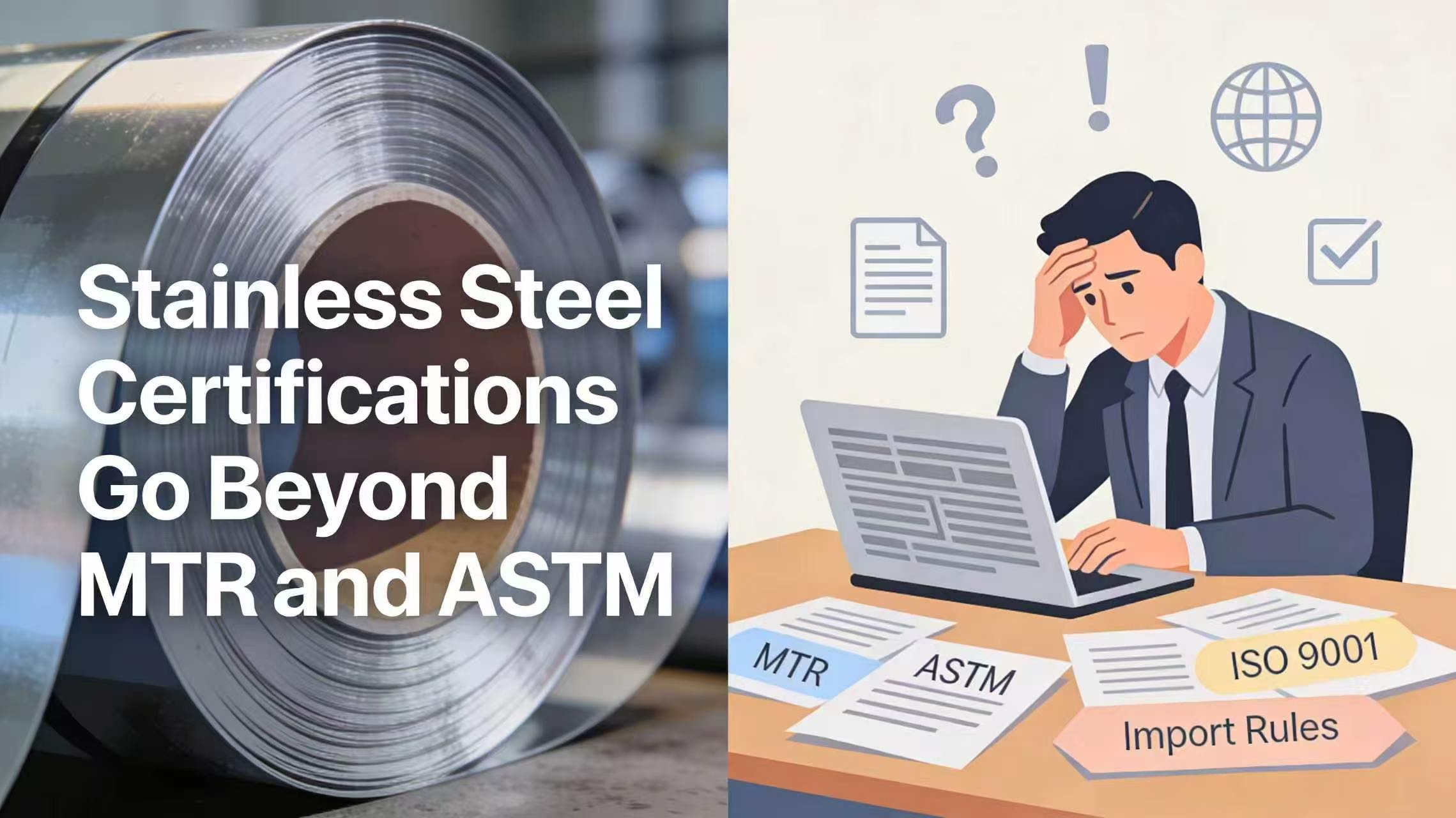
Bu yazıda, gerçek proje senaryolarınızdan yola çıkacağız:
gıda ekipmanları, basınçlı kaplar, tıbbi parçalar, bina bileşenleri
ve aslında ne istemeniz gerektiğini adım adım inceleyelim: MTR'ler, ISO 9001, doğru ASTM/EN standartları ve ithalat uyumluluk ekibinizin sürekli peşinde olduğu ek belgeler.
Alıcılar için Paslanmaz Çelik Sertifikasyonu Nedir?
Bir alıcının günlük işinde, “Paslanmaz Çelik Sertifikasyonu“Bu, tek bir sertifikadan ibaret değildir. Belgelerin, standartların ve sistemlerin birleşimidir. Bunlar, “bu materyalin gereksinimlerinizi gerçekten karşıladığını” kanıtlar.”
Genellikle, tedarik ve ithalat ihtiyaçlarınızla yakından bağlantılı olan en az üç anlam katmanı içerir:

Değirmen Test Raporu (MTR), MTC veya Malzeme Test Sertifikası olarak da bilinir. Çelik fabrikası veya işleme tesisi tarafından verilir. Kayıt tutar. Paslanmaz çelik partisinin erime ısı numarası, kimyasal bileşimi, mekanik özellikleri ve uygulanabilir standartları.
Başka bir deyişle, MTR Bu, "bu malzeme partisinin ihtiyacınız olan paslanmaz çelik olup olmadığını" doğrulamak için temel bir ölçüttür. Paslanmaz Çelik Sertifikasyonunun kritik bir parçasıdır.

Örneğin, Paslanmaz çelik levhalar, şeritler ve plakalar için ASTM A240; borular için ASTM A312; cerrahi aletler için ASTM F899 standartları geçerlidir.ASME kodları, basınçlı kap tasarımı ve imalatında kullanılır. Bunların hepsi Paslanmaz Çelik Sertifikasyonunun önemli bileşenleridir.
Açık ve net bir standart desteği olmayan bir MTR (Malzeme Test Raporu), genellikle denetimlere, üçüncü taraf testlerine veya müşteri fabrika incelemelerine dayanamaz. Bu durum, Paslanmaz Çelik Sertifikasyonunuzun değerini düşürür.

Yaygın olanlardan biri ISO 9001:2015 kalite yönetim sistemidir. Bazı sektörler ayrıca şunları da gerektirir: ISO 14001, ISO 45001, AS9100 (havacılık ve uzay)AWS kaynak sertifikası, AISC çelik yapı sertifikasıve DFARS uyumluluğu.
Bu sistem sertifikaları doğrudan "bu çelik partisi kesinlikle sorunsuz" diye kanıtlamaz. Ancak "sürekli istikrarlı kalite ve izlenebilirlik"i desteklerler. Bu, güvenilir Paslanmaz Çelik Sertifikasyonu için çok önemlidir.
Dolayısıyla, tedarikçilerle Paslanmaz Çelik Sertifikasyonu hakkında konuşurken, sadece bir veya iki sertifikayı düşünmeyin. Şunları göz önünde bulundurun: parti için MTR (Malzeme Test Belgesi) + geçerli malzeme standartları + tedarikçinin kalite sistemi ve sektör yeterlilikleri. Bu "birleşik kavramı" anlamak, şirketinizin tedarik gereksinimlerini ve belge listelerini net bir şekilde tanımlamanıza yardımcı olur.
MTR: Paslanmaz Çelik Malzemelerin "Doğum Belgesi"
O zamandan beri MTR temel belgedir. Paslanmaz Çelik Sertifikasyonu konusuna daha yakından bakalım. MTR'yi şu şekilde düşünebilirsiniz: "doğum belgesiPaslanmaz çelik partisinin " kısmında açıkça belirtilmiştir.Kim olduğu, nereden geldiği ve hangi standartları karşıladığı"
Nitelikli bir paslanmaz çelik MTR belgesi genellikle şu temel ayrıntıları içermelidir; bunların tümü geçerli Paslanmaz Çelik Sertifikasyonu için hayati öneme sahiptir:
- Malzeme sınıfı ve özellikleri (örneğin, 304, 316L, boyut, duvar kalınlığı).
- Erime ısı numarası veya belirli eritme partisine kadar izlenebilirliği sağlamak için parti numarası (Isıtma No.).
- Uygulanabilir standartlar (ASTM A240, A312, EN, JIS, vb.) ve bunlara karşılık gelen kalite dereceleri.
- Gerçek kimyasal bileşim Standart gerekliliklere uygunluğu doğrulamak için veriler (her bir unsurun yüzdesi).
- Mekanik özellikler (çekme dayanımı, akma dayanımı, uzama vb.) malzemenin yük taşıma kapasitesini göstermek için kullanılır.
- Muayene yöntemleri, muayene sonuçları ve imza/mühür (çelik fabrikası veya muayene kuruluşundan).
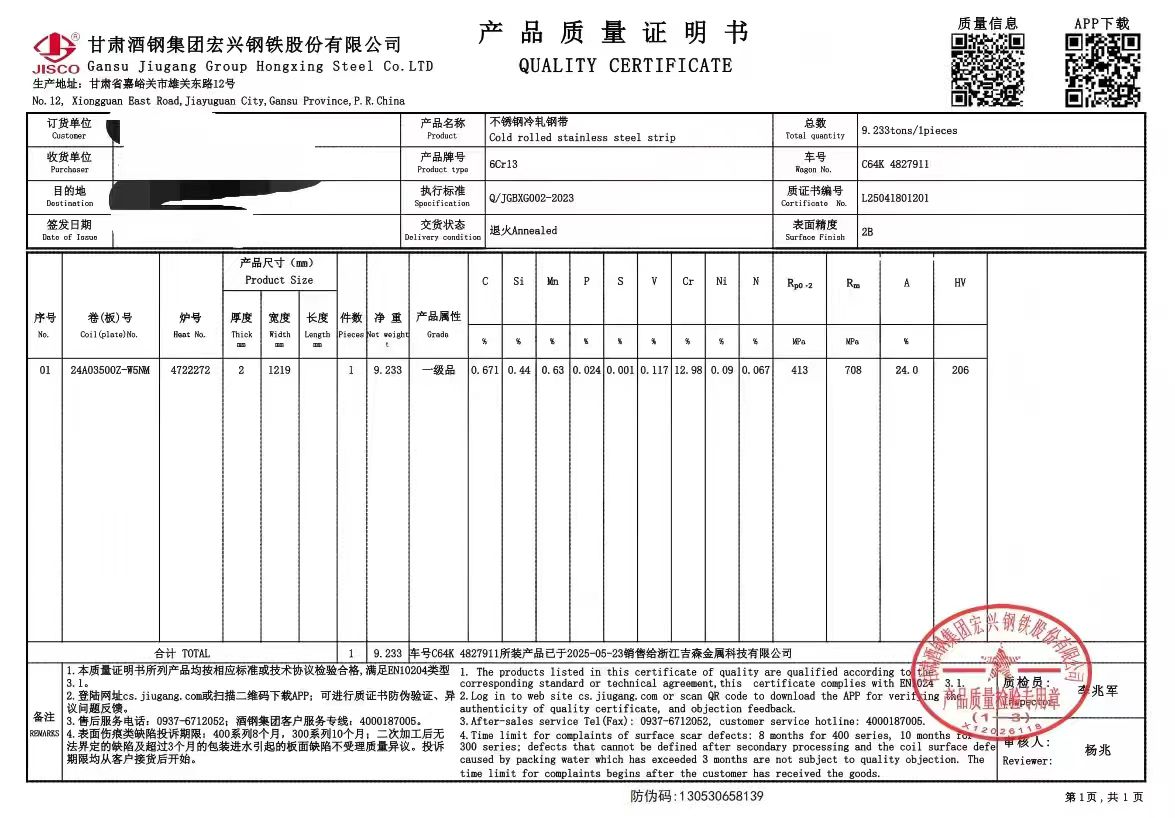
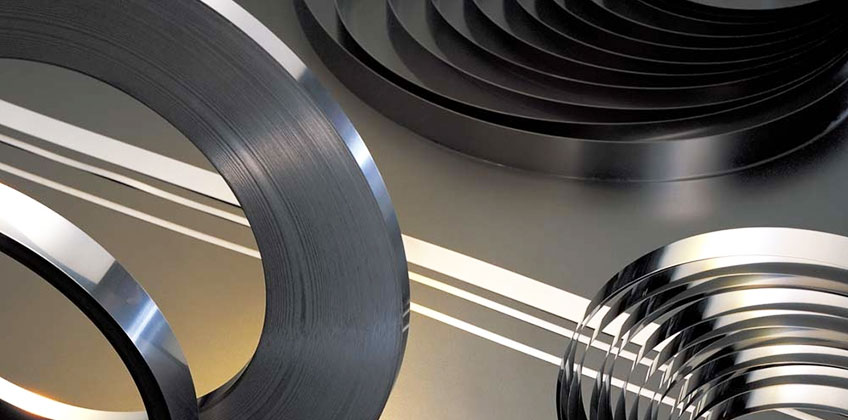
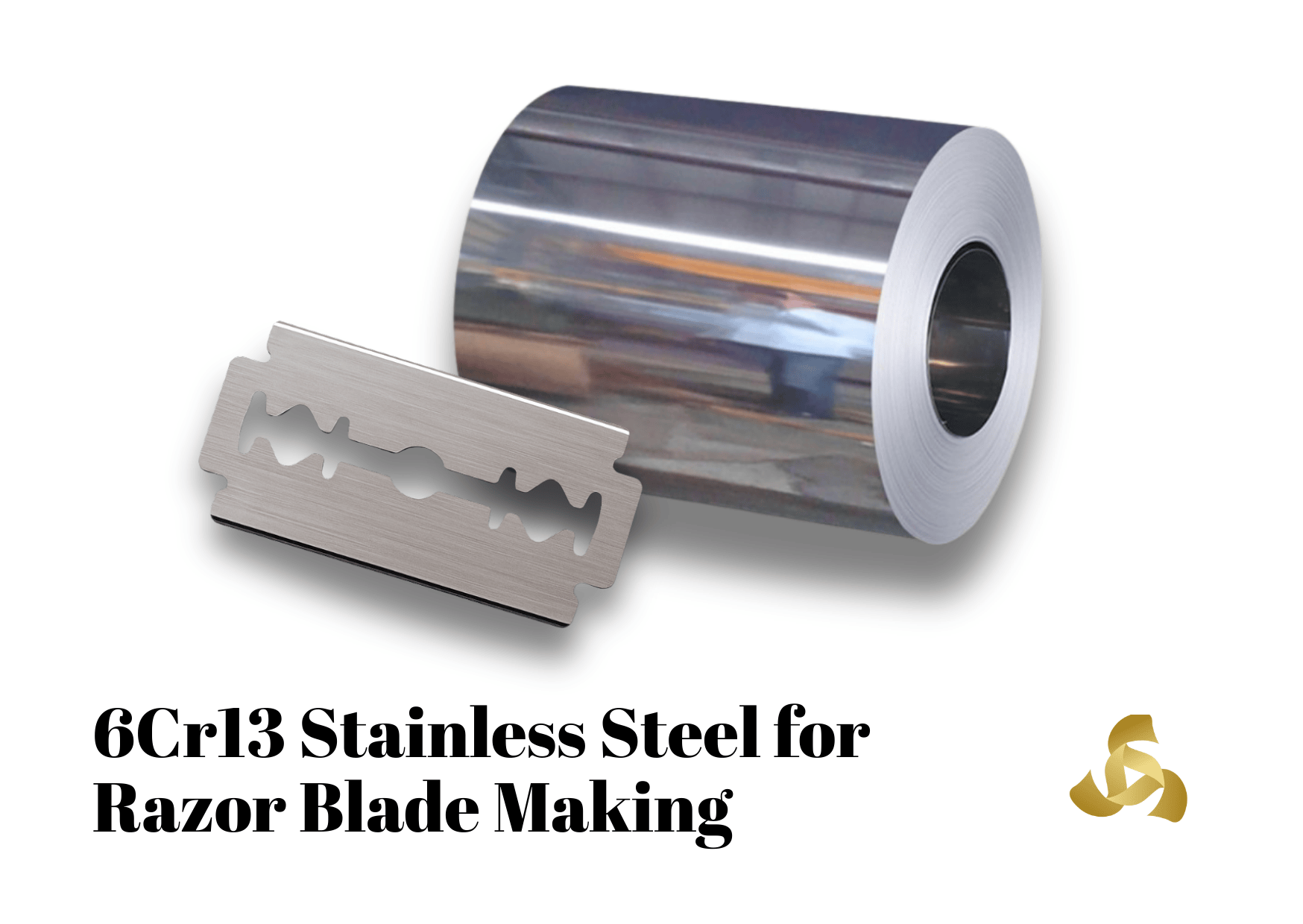
Bu 6Cr13 şerit partisi için MTR aşağıdaki gibidir:
Toplam ağırlık: 9.233 ton
Bobin No.: 24A035002W56M
Isı No.: 4722272
Boyutlar: 2 mm × 1219 mm
Bu detaylar, malzemeyi doğrudan çizimler ve satın alma siparişleriyle eşleştirmenizi sağlar. Ayrıca, örneğin: C 0.043%, Cr 12.98%, Rp0.2 413 MPa, Rm 708 MPa, A 24%, HV 206 gibi gerçek kimyasal ve mekanik özellikleri de listeler; bu da malzemenin 6Cr13 sınıfına ve tasarım gereksinimlerine uygun olduğunu doğrular.
Sertifikada ayrıca ürünlerin kabul edilen standartlara göre denetimden geçtiği, EN 10204 Tip 3.1'e uygun olduğu ve Q/JGBXG002-2023 iç standardına uyduğu belirtilmektedir; bu nedenle kalite dokümantasyonunda, denetimlerde ve ithalat evraklarında kullanılabilir. Alıcılar için, bir MTR'yi elde etmekten ziyade nasıl okunacağını bilmek daha önemlidir, çünkü bunu ilk filtre olarak kullanabilir ve ardından üçüncü taraf PMI ve numune yeniden testlerini ekleyerek "sadece kağıt üzerinde" uyumluluktan kaçınabilir ve malzemeye gerçek güven oluşturabilirsiniz.
Alıcılar için, bir MTR'yi nasıl okuyacağını bilmek, sadece bir tane edinmekten daha önemlidir.
İlk filtre olarak MTR'yi kullanabilir, ardından üçüncü taraf filtreleri ekleyebilirsiniz. PMI Ayrıca, "sadece kağıt üzerinde" uyumluluktan kaçınmak ve malzeme ve ithalat konusunda gerçek güven oluşturmak için numunelerin yeniden test edilmesi de önemlidir.
Güvenilir bir kaynağa erişmek istiyorsanız paslanmaz çelik malzemeler Lütfen doğrulanmış MTR'ler ve izlenebilir kaynaklarla birlikte. bize Ulaşın.
ASTM, ASME gibi standartlar: Paslanmaz Çelik Sertifikasyonunuzun Güvenilirliğini Sağlamak
Elinizde bir MTR belgesi olsa bile, "hangi standartların tanımladığı" konusunda bilgi sahibi olmanız gerekir.nitelikliİşte burada ASTM ve ASME gibi malzeme ve tasarım standartları devreye giriyor. Birçok alıcı sipariş formlarına “Malzeme: 304” yazıyor. Ancak mühendislik ve uyumluluk bağlamlarında asıl önemli olan şudur:304 Hangi standarda göre?”
Paslanmaz çelik malzemeler için yaygın standartlar (Paslanmaz Çelik Sertifikasyonunun anahtarı) şunlardır:
- ASTM A240Paslanmaz çelik levhalar, şeritler ve plakalar için standart özellik belgesi.
- ASTM A312: Dikişsiz ve kaynaklı paslanmaz çelik borular için standart.
- ASTM F899Cerrahi paslanmaz çelik için standart olup, tıbbi cihazlarda kullanılır.
- ASME Kazan ve Basınçlı Kaplar Kodu: Basınçlı kap ve ısı eşanjörü tasarımı ve imalatı için şartnameler.
Bir MTR'nin "Malzeme: ASTM A240 316L"Bu parti 316L'dir ve A240'ın gereksinimlerini karşılamaktadır," diye belirtiyor.
Bu gereksinimler kimyasal bileşimi, mekanik özellikleri ve yüzey kalitesini kapsamaktadır.
Sizin bakış açınızdan, alıcıların tedarik belgelerine ve çizimlerine sadece "paslanmaz çelik 304/316" yazmamalarını tavsiye ederiz.
Bunun yerine, “ASTM A240 Tip 304” veya ilgili EN/JIS (veya Çin GB) tanımını belirtin ve tedarikçilerden bu standardı MTR'de tam olarak yansıtmalarını isteyin. Çin standartları kabul edilebilir ise, MTR'deki “standart” alanında malzemenin hangi GB veya kurumsal standarda uygun olduğu açıkça belirtilmelidir.
Bu sayede gümrük memurları, müşteriler veya üçüncü taraf denetçiler kolayca net bir standart referans bulabilirler; bu da Paslanmaz Çelik Sertifikasyonunuzun güvenilirliğini önemli ölçüde artırır.
ISO 9001 gibi Sistem Sertifikaları: Güvenilir Paslanmaz Çelik Sertifikasyonu için Bir Temel
Birçok alıcının ilk sorusu şudur: "ISO 9001 sertifikasına sahip misiniz?"
Bu normal, ancak ISO 9001'i doğru perspektife oturtmamız gerekiyor. Bu, bir tedarikçinin kalite yönetim sistemi için temel bir sertifikadır. Ancak, tek kalite garantisi veya geçerli Paslanmaz Çelik Sertifikasyonu için tam bir çözüm değildir.
Paslanmaz çelik tedarikçileri için, önemli sistem düzeyindeki sertifikalar (Paslanmaz Çelik Sertifikasyonunun bir parçası) genellikle şunları içerir:
Bu, tedarikçinin temel kalite yönetim sistemlerine, doküman kontrolüne ve düzeltici işlem süreçlerine sahip olduğunu kanıtlar. Birçok B2B alıcısı için "minimum eşik"tir. Tutarlı ve güvenilir Paslanmaz Çelik Sertifikasyonunu destekler.
Sektöre Özgü Sistemler
- AS9100Havacılık ve uzay sektöründe kullanılan, ISO 9001'den daha yüksek gereksinimlere sahip kalite sistemi.
- AISC Sertifikası: Yapısal çelik imalatçıları için, inşaat ve köprü projelerinde değerlidir.
- AWS Kaynak SertifikasıKaynakçılar ve kaynak işlemleri için, kontrol edilebilir kaynak kalitesinin sağlanması.
Menşe ve Uyumluluk Gereksinimleri
Örnek olarak, çeliğin belirli ülkelerden gelmesini gerektiren DFARS uyumluluğu verilebilir. Bu, özellikle savunma projeleri için önemlidir. Ayrıca kapsamlı Paslanmaz Çelik Sertifikasyonunun da önemli bir parçasıdır.
Bu sistem sertifikaları şu soruyu yanıtlıyor: “Bu şirket uzun vadede tutarlı bir şekilde standartlara uygun paslanmaz çelik ürünler üretebilir ve teslim edebilir mi?
MTR'ler ve malzeme standartları şu soruyu yanıtlıyor: “Bu belirli parti gereksinimlerinizi karşılıyor mu?”
Tedarikçi değerlendirmenize her ikisini de dahil ederek, "güzel sertifikalar ama sık sık malzeme sorunları" senaryosundan kaçınabilirsiniz.
Bu, paslanmaz çelik sertifikasyonunuzun gerçekten güvenilir olmasını sağlar.
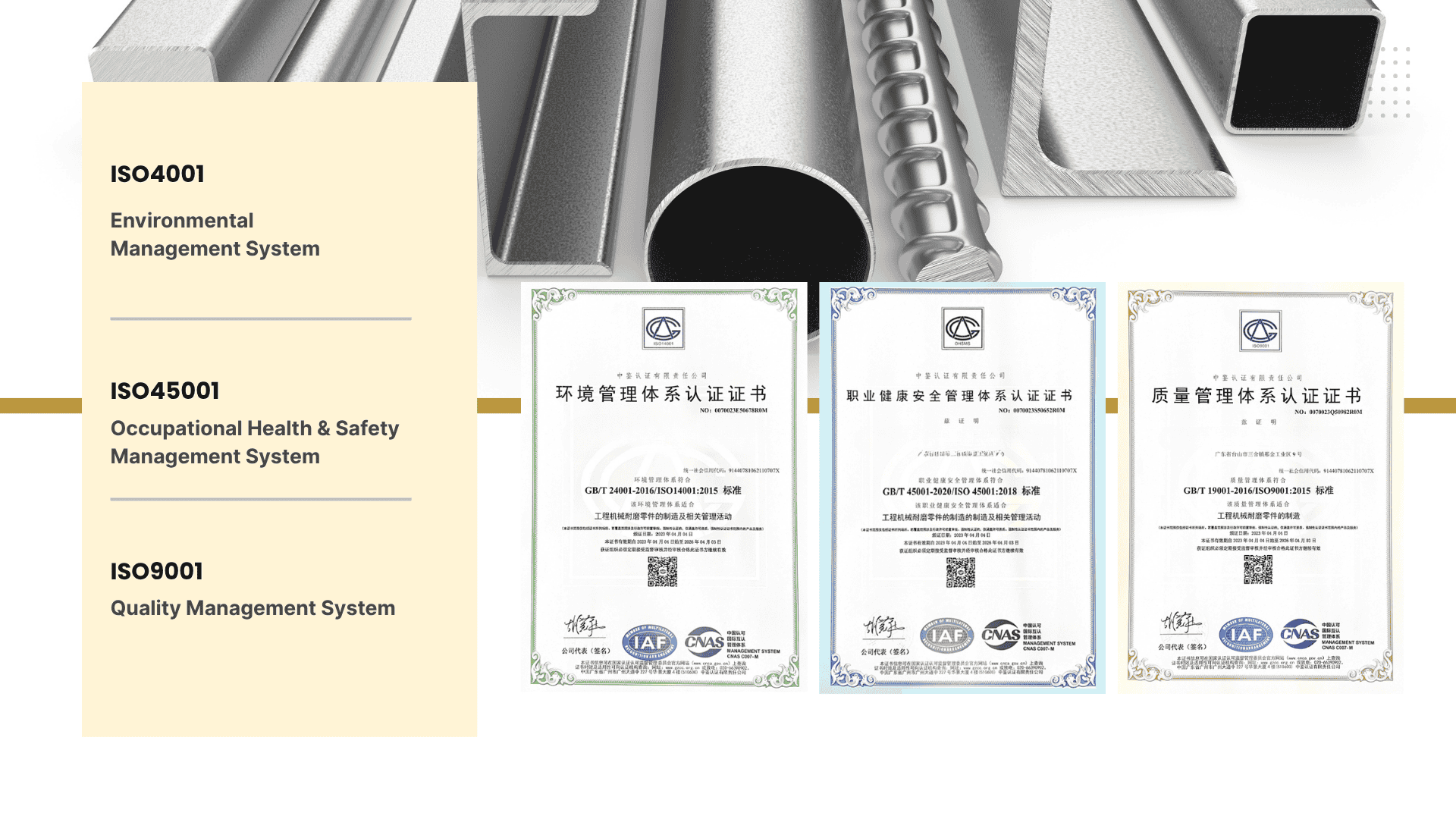
Paslanmaz çelik profil üreticimiz ISO 9001 ve ISO 14001 sertifikalı yönetim sistemiyle faaliyet gösteren firmamız, uzun vadeli projeler için istikrarlı kalite ve güvenilir hizmet sunmaktadır. Sağlam dokümantasyona ve güçlü satış sonrası desteğe sahip paslanmaz çelik arıyorsanız, bizimle iletişime geçmekten çekinmeyin. bize Ulaşın.
Paslanmaz Çelik Sertifikasyonundan İthalat Uyumluluğuna: Bunların Birlikte Önemi
Önceki bölümlerde "malzemelerinizin ve tedarikçilerinizin nitelikli olup olmadığı" konusuna odaklandık. Şimdi ise yaygın bir gözden kaçırmayı ele alalım: Malzemeleriniz ve tedarikçileriniz geçerli Paslanmaz Çelik Sertifikasına sahip olsalar bile, bu durum paslanmaz çeliği farklı ülkelere ithal ederken otomatik uyumluluk anlamına gelmez.
Son yıllarda paslanmaz çelik ithalat düzenlemeleri daha da sıkılaştı. Tipik değişiklikler (paslanmaz çelik sertifikasyonu ile birlikte ithalat uyumluluğunun anahtarı) şunlardır:
Amerika Birleşik Devletleri: Çelik İthalat Lisansı ve Eritme ve Dökme Bilgi Gereksinimleri
ABD, ithalatçıların çelik ürünleri ithal etmeden önce ithalat lisansı başvurusunda bulunmasını şart koşmaktadır.
Ayrıca beyanlarında eritme ve dökme menşei bilgilerini de sağlamaları gerekmektedir. Bu bilgiler, ürünün menşeini ve sınıflandırmasını doğrulamak için çelik fabrikasının MTR'si ile birlikte sunulmalıdır.
Eksik malzeme belgeleri veya gümrük beyannamelerindeki tutarsızlıklar hatalara, vergi ek ücretlerine veya para cezalarına yol açabilir.
Hindistan: BIS Çelik Kalite Kontrol Emri (QCO)
Hindistan zorunlu önlemleri yürürlüğe koyuyor. BIS sertifikası birçok çelik ürünü için.
Bu çelikler BIS sertifikalı fabrikalardan gelmeli ve ilgili işareti taşımalıdır.
Alıcılar için bu şu anlama gelir: ASTM/ISO c(Paslanmaz Çelik Sertifikasyonunun bir parçası olan) sertifikalar yeterli değildir.
Tedarikçinin BIS listesinde olup olmadığını teyit etmelisiniz.
Aksi takdirde, mallar limanda muayeneden geçemeyebilir. Bu durum, Paslanmaz Çelik Sertifikasyonunu ithalat başarısıyla ilişkilendirir.
Piyasada gördüklerimize dayanarak, çok az Çin paslanmaz çelik fabrikaları Şu ana kadar geçerli BIS sertifikası almış olanlar oldu.
Birçok ürün kategorisinde, son yıllarda Çin'de etkili BIS fabrika denetimleri yapılmamıştır; bu da çoğu başvurunun hala beklemede olduğu veya askıya alındığı anlamına gelmektedir.
Eğer bir tedarikçi size Çin'de üretilen paslanmaz çelik için "zaten BIS sertifikasına sahip olduklarını" söylüyorsa, çok dikkatli olmalı ve lisans numarasını ve kapsamını her zaman doğrudan resmi BIS veri tabanından doğrulamalısınız, çünkü pratikte Tsingshan ve diğer önde gelen Çinli fabrikalar gibi büyük gruplar bile sertifikalandırılmamıştır.
Bu, Hindistan'ın artık hiç paslanmaz çelik ithal edemeyeceği anlamına mı geliyor?
Mutlaka öyle değil.
Hindistanlı bir alıcı olarak, yalnızca Çin menşeli ürünlere bağlı kalmak zorunda değilsiniz. Endonezya, Malezya ve diğer ASEAN ülkelerinde paslanmaz çelik yassı ürünler için aktif olarak BIS lisansı başvurusunda bulunan ve bu lisanslara sahip fabrikalar bulunmaktadır; bu da uzun vadeli tedarik için size daha fazla uyumlu seçenek sunmaktadır.
İthalat yapınızı optimize etmek ve tek bir ülke veya zorlu bir onay kanalı tarafından kısıtlanmaktan kaçınmak istiyorsanız, bizimle iletişime geçebilirsiniz. Paslanmaz çelik tedarik uzmanlarımız.
BIS statüsünü menşe bazında incelemenize, güvenilir fabrikaları ve tüccarları belirlemenize ve işletmeniz için daha esnek, uyumlu bir satın alma stratejisi tasarlamanıza yardımcı olabilirler.
Avrupa Birliği: CBAM ve Çevre Uyumluluğu
Karbon Sınır Ayarlama Mekanizması (CBAM) kapsamında, AB ithalatçıları malzemelerin EN/ASTM standartlarına uygun olmasını sağlamalıdır. Ayrıca çelikteki gömülü karbon emisyonlarını beyan etmeli ve buna karşılık gelen malzemeleri satın almalıdırlar. CBAM sertifikaları.
Bu, tedarikçilerin sağlamasını gerektirir. sadece MTR'ler değil (Paslanmaz Çelik Sertifikasyonunun özü), ancak aynı zamanda karbon emisyon verileri ve üretim süreci bilgileri de.
Bu işlem, ithalat uyumluluk zincirini tamamlar ve Paslanmaz Çelik Sertifikasyonunuzu destekler.
CBAM sağlayabilecek fabrikalar bulmak istiyorum. bize Ulaşın.
Özetle, Paslanmaz Çelik Sertifikasyonu, bir alıcı olarak malzeme güvenilirliğini sağlayan ilk savunma hattınızdır.
Ulusal ithalat şartları, hedef pazara sorunsuz ve yasal girişinizi sağlayan ikinci hattınızdır. İkisi yakından birlikte çalışır, artık ayrı konular değildir.
Çözüm
Paslanmaz Çelik Sertifikasyonunu üç katmanlı bir sistem olarak gördüğünüzde – sistem sertifikaları, MTR'ler ve ithalat uyumluluğu – "sadece birkaç PDF" olmaktan çıkıp riski kontrol etmenin, projeleri korumanın ve gümrük yetkililerini memnun etmenin pratik bir yolu haline gelir.
Doğru belgeleri isteyerek, her bir MTR'deki birkaç önemli noktayı kontrol ederek ve hem malzemeleri hem de uyumluluğu anlayan tedarikçileri seçerek, paslanmaz çelik pazarındaki çoğu alıcının zaten önünde olacaksınız.
Paslanmaz çelik tedariki ve uyumluluğu konusunda önde gelen bir alıcı olmanıza yardımcı olabilecek bir ortak arıyorsanız, sizi aramızda görmekten memnuniyet duyarız. bize Ulaşın.