


Ведущие мировые металлургические заводы в 2025 году: глобальный рейтинг по доходам.
Когда люди ищут в интернете «сталелитейные заводы», они обычно пытаются ответить на один из двух вопросов: что такое сталелитейный завод на самом деле или какие из них действительно важны. Эта статья посвящена второму вопросу — обзору крупнейших в мире сталелитейных заводов, ранжированных двумя разными способами: по выручке (данные Fortune Global 500 и отраслевая отчетность) и по объему производства нерафинированной стали (данные Всемирной ассоциации производителей стали). Оба рейтинга отражают показатели за полный 2025 год — данные о производстве нерафинированной стали взяты из отчета Всемирной ассоциации производителей стали «World Steel in Figures 2026», который публикуется через год после рассматриваемого периода, поэтому «2026» в названии отчета относится к дате его публикации, а не к году, в котором представлены данные. Два рейтинга не всегда совпадают, и разница между ними многое говорит о том, как на самом деле работает мировая сталелитейная промышленность.
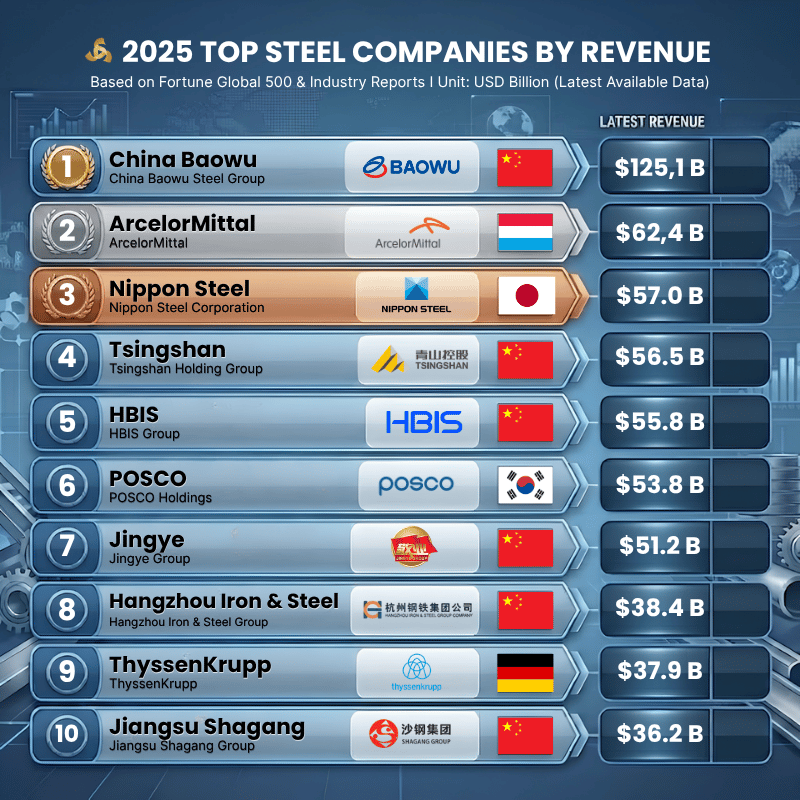
Крупнейшие сталелитейные заводы по выручке в 2025 году
| Классифицировать | Компания | Страна | Доход (доллары США) |
|---|---|---|---|
| 1 | Китайская сталелитейная группа «Баоу» | Китай | $125.1B |
| 2 | ArcelorMittal | Люксембург | $62.4B |
| 3 | Корпорация Nippon Steel | Япония | $57.0B |
| 4 | Группа компаний «Циншань Холдинг» | Китай | $56.5B |
| 5 | Группа HBIS | Китай | $55.8B |
| 6 | POSCO Holdings | Южная Корея | $53.8B |
| 7 | Группа Джинге | Китай | $51.2B |
| 8 | Ханчжоуская металлургическая группа | Китай | $38.4B |
| 9 | ThyssenKrupp | Германия | $37.9B |
| 10 | Цзянсу Шаганг Групп | Китай | $36.2B |
Сразу бросаются в глаза две вещи. Во-первых, разрыв между #1 и #10 огромен — выручка китайской компании Baowu более чем в три раза превышает выручку компании Jiangsu Shagang (#10). Во-вторых, из 10 крупнейших заводов в этом списке семь — китайские, один — японский, один — южнокорейский и один — европейский. Это не совпадение — это отражает структурный сдвиг в том, где на самом деле находятся мощности по производству стали сегодня.
Рейтинг по доходам против рейтинга по объему производства: совершенно иная картина.
Выручка — лишь один из способов ранжирования сталелитейных заводов. Собственные данные Всемирной ассоциации производителей стали за 2025 год ранжируют те же компании по объему нерафинированной стали. выход — сколько тонн они фактически произвели — и картина меняется в некоторых показательных аспектах.
| Классифицировать | Компания | Страна | Производство сырой стали (млн т) |
|---|---|---|---|
| 1 | Китай Баоу | Китай | 124.76 |
| 2 | ArcelorMittal | Люксембург | 63.43 |
| 3 | Nippon Steel | Япония | 57.78 |
| 4 | Группа Ansteel | Китай | 57.61 |
| 5 | Группа HBIS | Китай | 42.49 |
| 6 | Группа Шаганг | Китай | 39.10 |
| 7 | Группа Цзяньлун | Китай | 38.02 |
| 8 | POSCO Holdings | Южная Корея | 37.36 |
| 9 | Группа Делонг | Китай | 32.03 |
| 10 | Тата Стил | Индия | 30.46 |
Источник: Всемирная ассоциация производителей стали, "Мировой рынок стали в цифрах, 2026 год«— это издание отчета за 2026 год, содержащее данные о производстве за весь 2025 год. Worldsteel публикует каждое издание через год после отчетного периода, поэтому «2026» относится к дате публикации, а не к году, в котором были получены данные.
Компании Baowu, ArcelorMittal, Nippon Steel, HBIS и POSCO занимают примерно одинаковые позиции в обоих списках — для этих компаний выручка и масштабы производства в значительной степени совпадают. Однако некоторые компании резко меняют свои позиции в зависимости от используемого показателя:
- Циншань По данным Всемирной ассоциации производителей стали, компания занимает 1-е место среди 5000 компаний по выручке (1-е место – 56,5 млрд рупий), но по объему производства нерафинированной стали (16,00 млн тонн) – лишь около 1-го места среди 5000 компаний. Ее выручка включает в себя крупный бизнес по добыче и переработке никеля наряду с производством стали, поэтому данные о выручке завышают ее статус как производителя исключительно стали.
- ThyssenKrupp Завод занимает 1-е место по выручке (1-е место по выручке (1-е место по выручке (1-е место по выручке (37,9 млрд.)), но лишь около 1-го места по объему производства (9,41 млн. тонн) — это завод, производящий сравнительно скромный объем продукции, но приносящий значительно большую выручку с тонны, что соответствует его ориентации на производство высокоценной специализированной стали и стали автомобильного класса.
- Ansteel и Tata SteelНапротив, некоторые предприятия производят достаточно тонн продукции, чтобы войти в десятку лучших в мире, но не попадают в десятку лидеров по выручке — это признак того, что место комбината в рейтинге по выручке определяется ценообразованием и ассортиментом продукции, а не только объемом производства.
Главный вывод: «ведущий металлургический завод» по выручке и «ведущий металлургический завод» по тоннажу — это не всегда одна и та же компания. Рейтинги по выручке, как правило, вознаграждают диверсифицированные конгломераты и высокодоходные продуктовые линейки; рейтинги по производству вознаграждают масштабы производства.
Почему Китай лидирует в рейтинге металлургических заводов
Китайские сталелитейные заводы составляют подавляющее большинство компаний в этом списке, и эта тенденция сохраняется не только в первой десятке — китайские производители составляют примерно 12 из 14 сталелитейных компаний, входящих в более широкий список Fortune Global 500, и представляют более половины мирового производства стали. Этому способствуют несколько факторов:
- Масштабирование и консолидация. В последние несколько лет китайская сталелитейная промышленность занимается консолидацией производственных мощностей в руках меньшего числа крупных игроков, при этом политика активно направляет производство на лучшие, лучше регулируемые заводы.
- Интегрированные цепочки поставок. Такие компании, как Tsingshan, контролируют не только производство, но и доступ к сырью — позиция Tsingshan как крупнейшего в мире производителя нержавеющей стали подкрепляется собственными предприятиями по добыче никелевой руды в Индонезии, что существенно снижает себестоимость сырья.
- Внутренний спрос плюс экспортные возможности. Несмотря на растущие проблемы с экспортом стали из Китая за рубеж, огромные размеры внутреннего рынка позволяют металлургическим заводам работать в масштабах, недоступных большинству других стран.
Что нам говорит остальная часть списка
Заводы за пределами Китая заслуживают внимания по другой причине — они представляют собой совершенно иные конкурентные стратегии.
Япония и Южная Корея делают ставку на технологии. Компании Nippon Steel и POSCO активно инвестируют в производство стали на водородной основе, стремясь сократить выбросы углерода в процессе производства, а не компенсировать их постфактум. Обе компании планируют начать коммерческое производство стали на водородной основе к началу 2030-х годов. Это долгосрочная ставка, которая также позволяет этим предприятиям конкурировать по показателям выбросов на рынках, где выбросы углерода все чаще учитываются при принятии решений о закупках.
Европа испытывает реальное давление со стороны издержек. ThyssenKrupp — единственная европейская компания, оставшаяся в первой десятке, и она работает в совершенно иных условиях, чем ее китайские или азиатские коллеги: углеродные пошлины на границе и высокие внутренние затраты на энергоносители снижают рентабельность в европейском сталелитейном секторе, и несколько европейских производителей сообщили об убытках за последние два года.
Торговые трения меняют фактический характер перемещения стали.Независимо от того, кто производит больше всего продукции. Антидемпинговые пошлины на сварные трубы из нержавеющей стали, поступающие на некоторые рынки Южной Америки, и защитные расследования в отношении импорта стали в некоторые регионы Южной Азии — это примеры того, как покупатели все чаще сталкиваются с тарифами и торговыми барьерами в дополнение к производственным издержкам.
Что это значит, если вы закупаете сталь на международном рынке?
Подобный рейтинг сам по себе интересен, но для покупателя, непосредственно занимающегося закупкой материалов, более полезным выводом является следующее: масштаб производства на уровне завода и хороший опыт закупок — это две разные вещи.
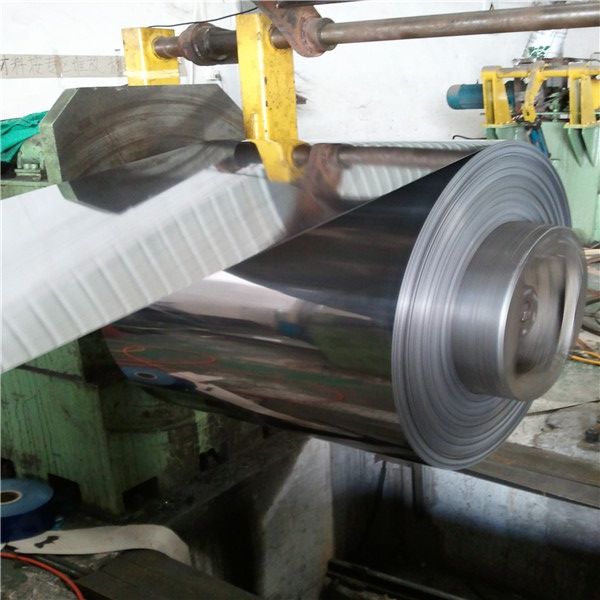
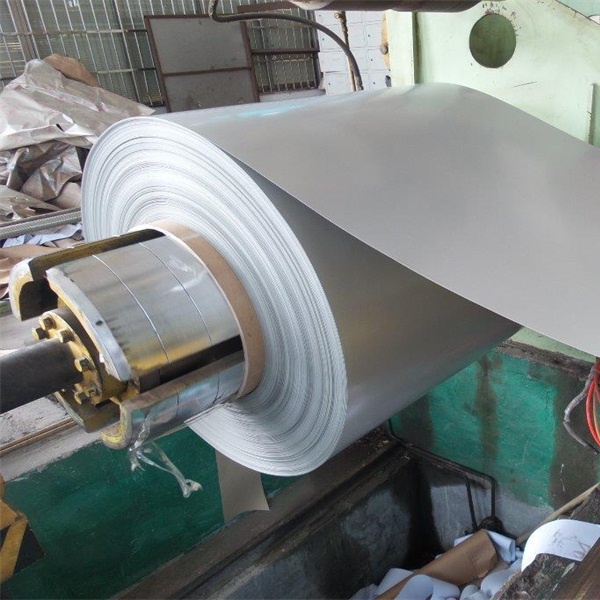
Крупнейшие в мире металлургические заводы строятся для массового производства — длительные производственные циклы, большие минимальные объемы заказов и стандартизированные технические характеристики. Это хорошо работает, если вы закупаете продукцию в промышленных масштабах. Менее эффективно, если вы являетесь заказчиком, которому необходима конкретная марка стали, толщина или качество поверхности в партии, размер которой не имеет существенного значения для компании, производящей десятки миллионов тонн в год.
Именно этот пробел и призван заполнить поставщик материалов — не заменяя завод, а выступая посредником между масштабами производства завода и фактическими потребностями проекта: закупая материалы нужного сорта и качества у заводов, которые их хорошо производят, обрабатывая небольшие партии и предоставляя необходимую заказчику документацию (протоколы заводских испытаний, сертификаты) независимо от размера заказа.
Доминирование Китая в рейтингах металлургических заводов — это не просто заголовок, это также причина, по которой закупка нержавеющей и конструкционной стали в Китае через надежного партнера предоставляет международным покупателям доступ к качеству и ценам заводского уровня без необходимости размещать заказы на уровне заводов.
Почему стоит выбрать черную нержавеющую сталь для вашей продукции?
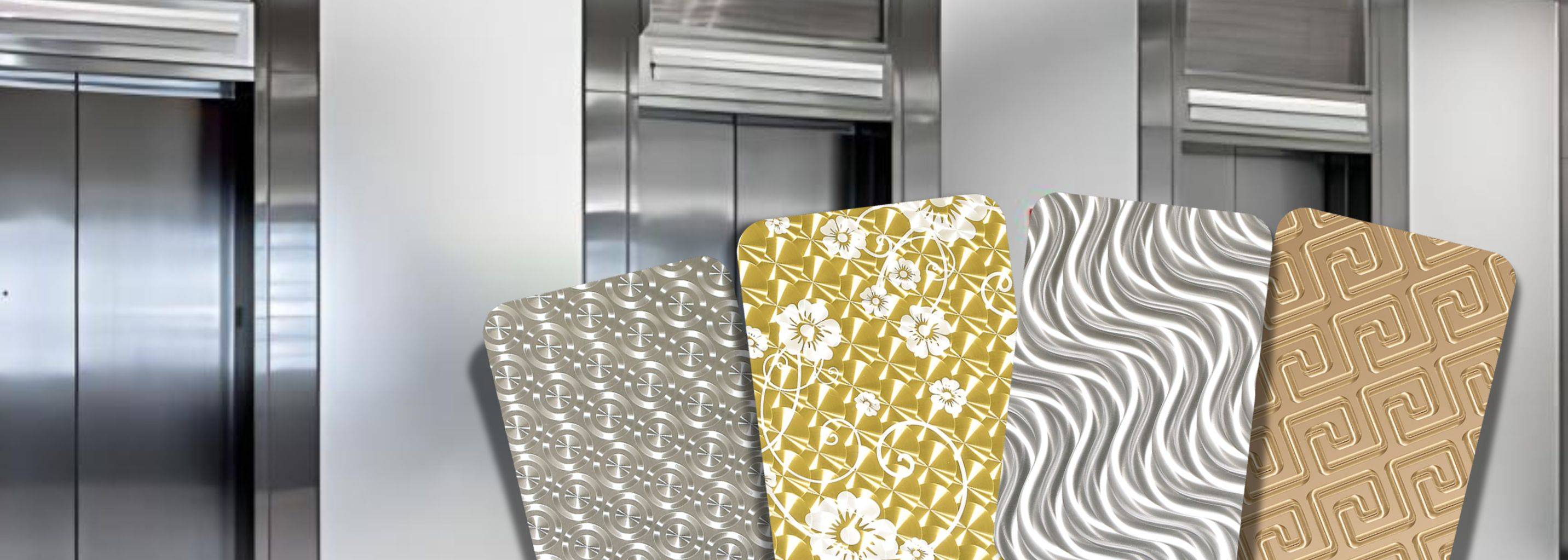
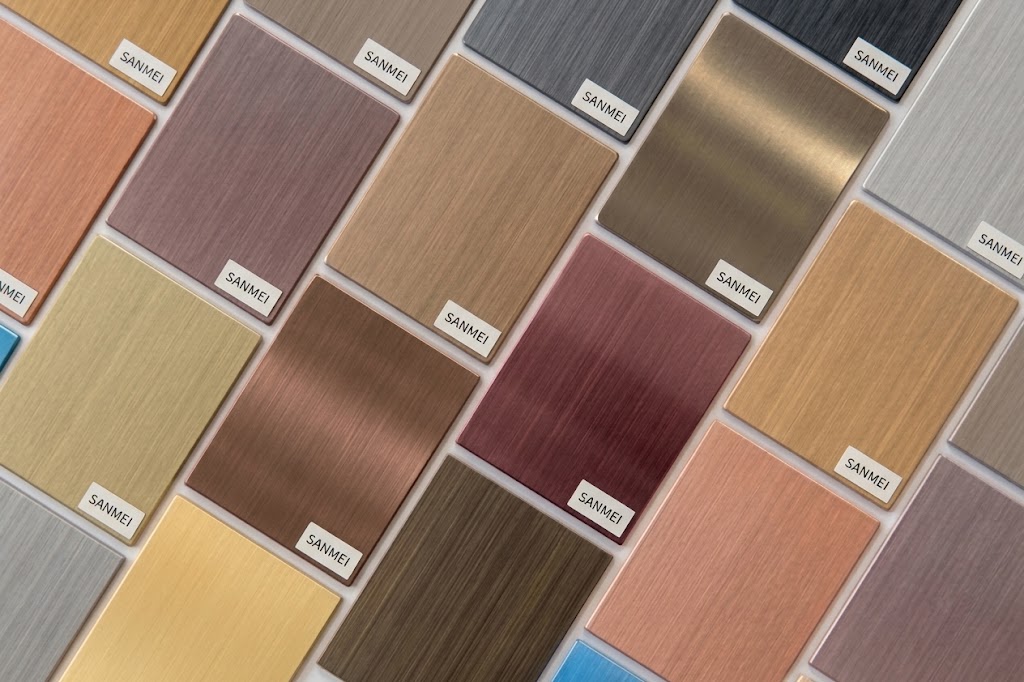
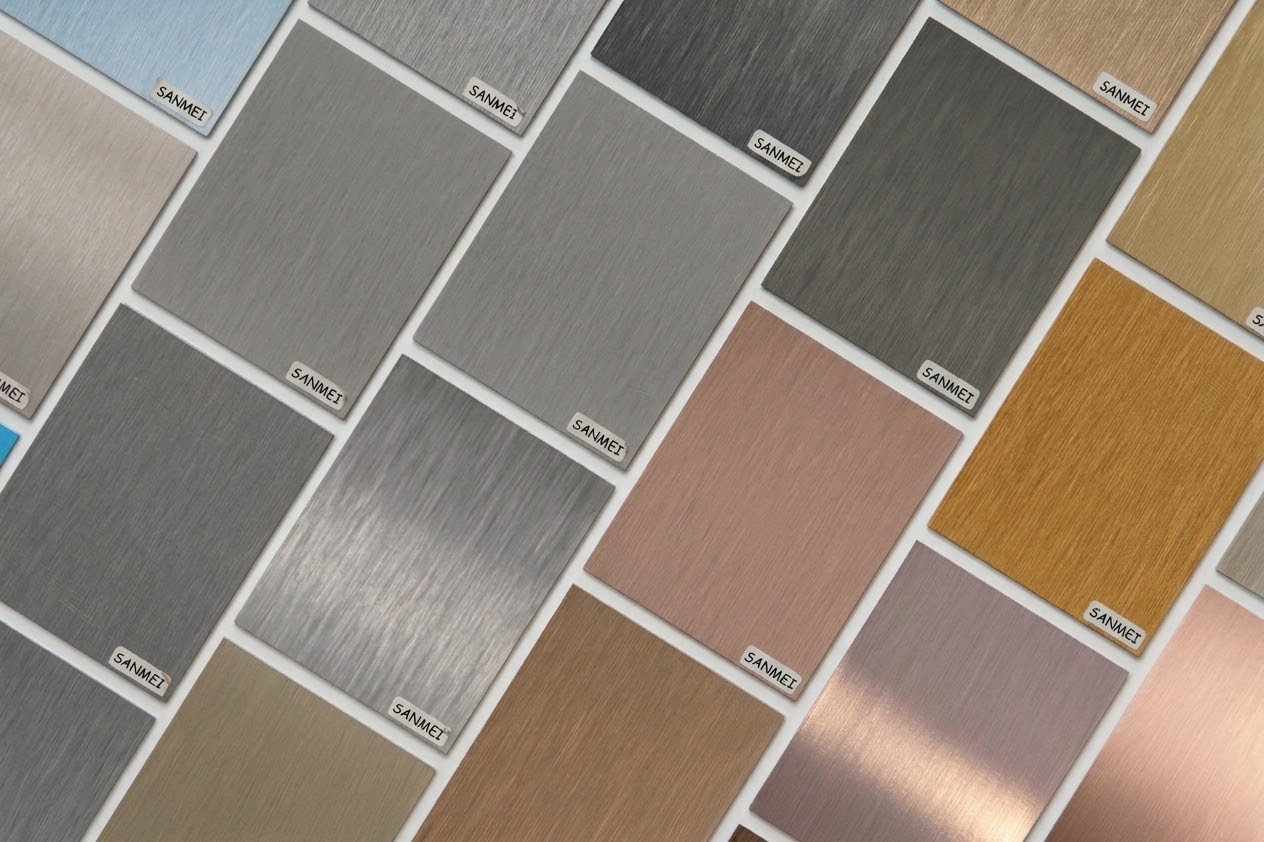
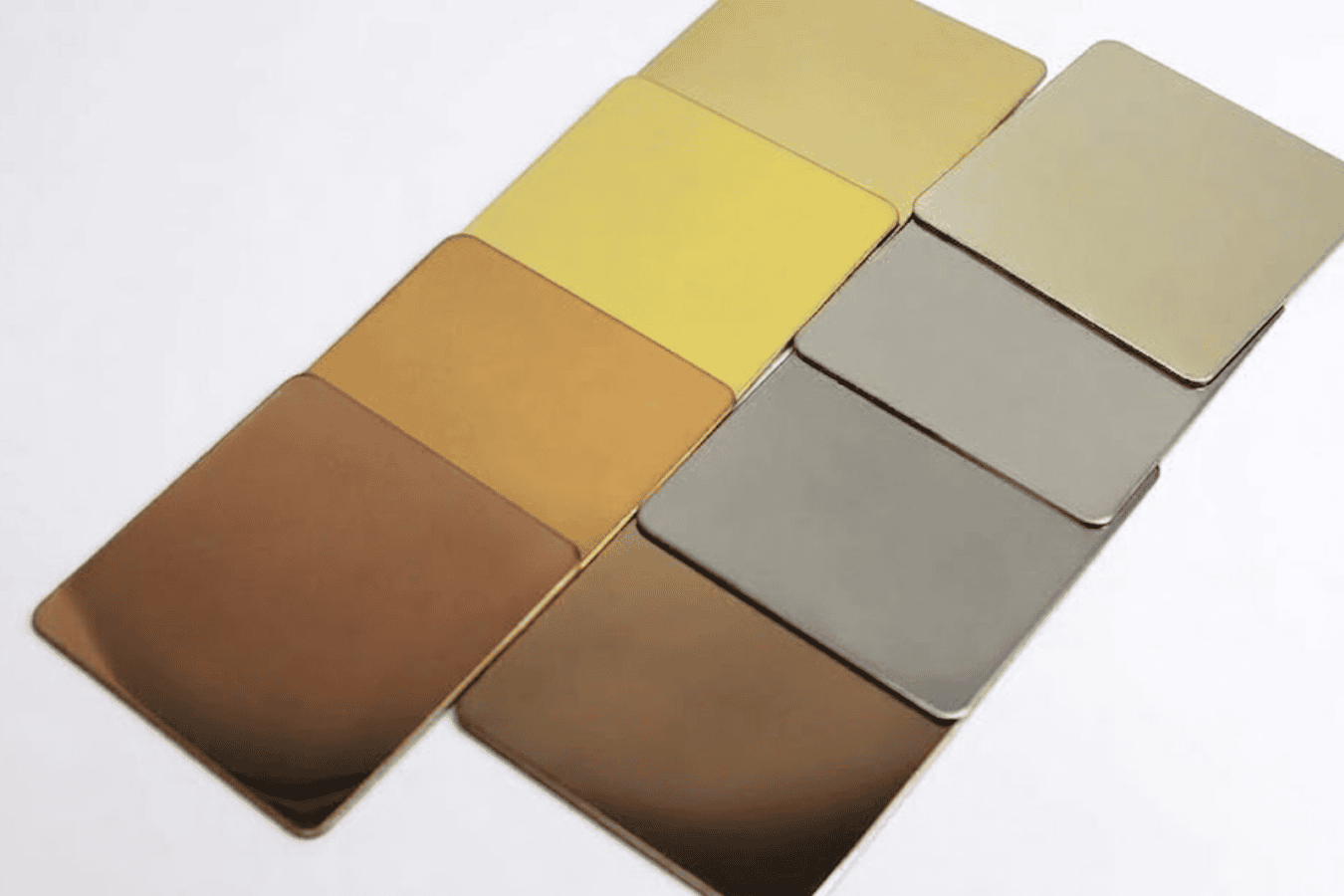
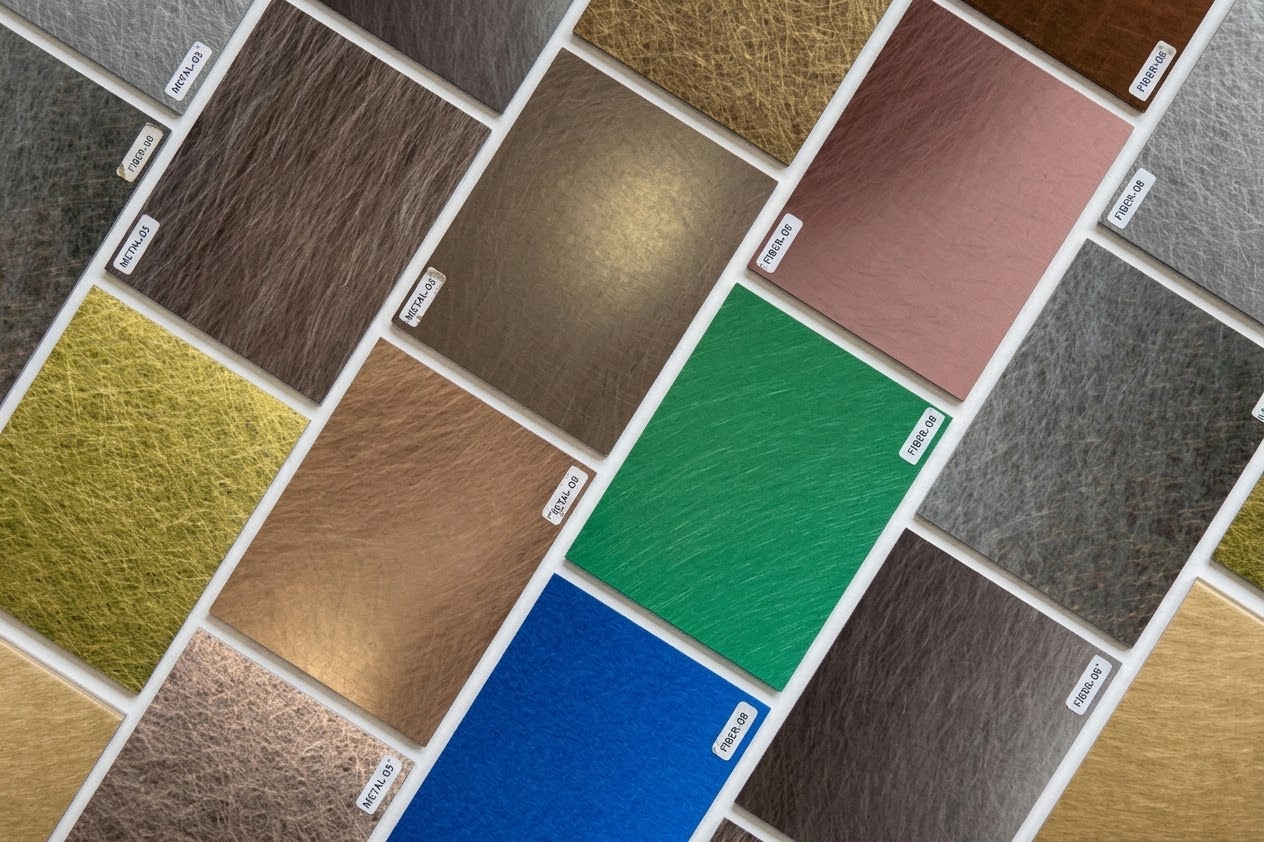
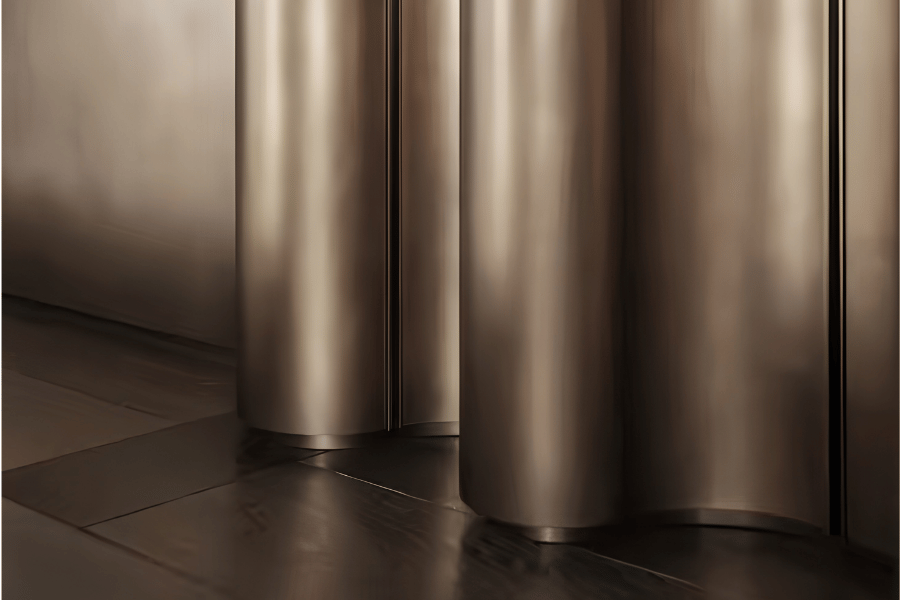
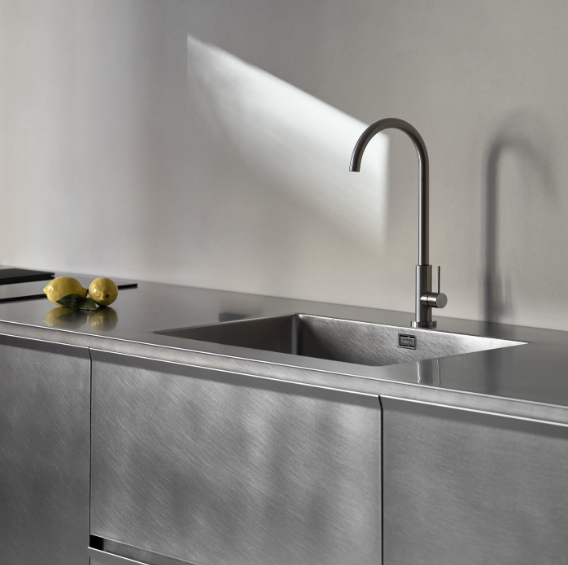
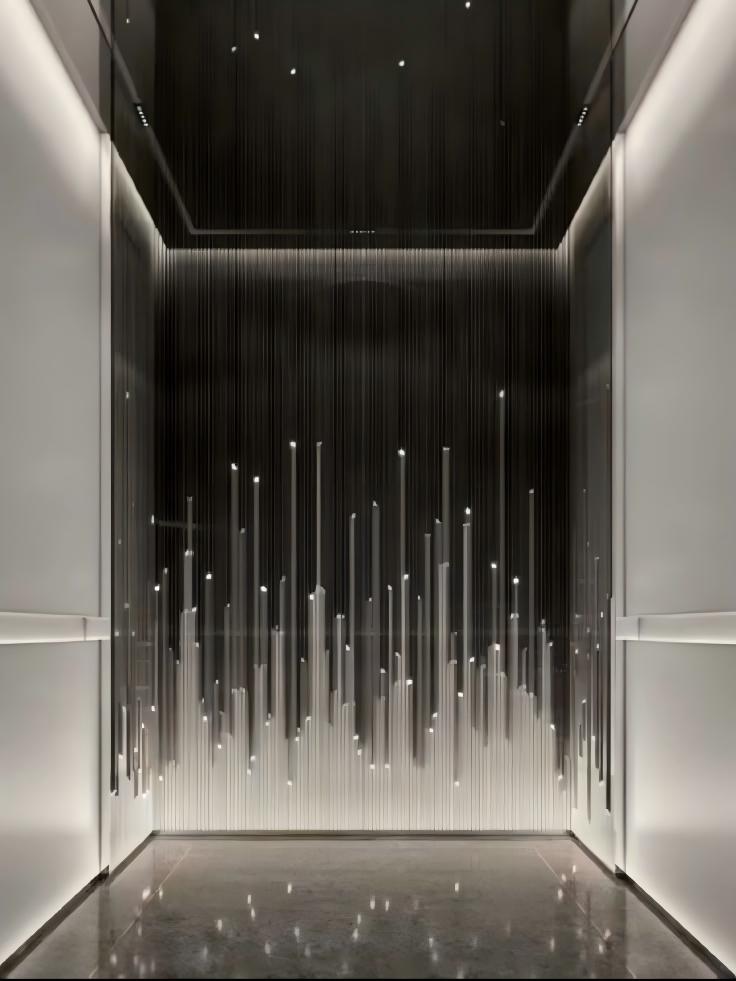
Это решает реальную проблему технического обслуживания, в том числе вопросы долговечности. Матовая и сатинированная — наиболее распространенные базовые текстуры для черной нержавеющей стали — по своей природе лучше скрывают отпечатки пальцев и пятна, чем полированная или зеркальная отделка, поскольку направленная текстура рассеивает свет и маскирует следы контакта. На самый часто задаваемый покупателями вопрос — поцарапается ли черная нержавеющая сталь — современные покрытия выдерживают гораздо более длительную эксплуатацию, чем ожидается: хромовые PVD-покрытия и нанопокрытия создают плотный, твердый поверхностный слой, устойчивый к ежедневному износу, включая ключи, монеты и удары, без отслаивания или истирания до чистого металла. В сочетании с антиотпечатковыми покрытиями, часто наносимыми вместе с PVD, это приводит к снижению количества жалоб на чистку после покупки и уменьшению затрат на обслуживание поверхностей, к которым часто прикасаются. панели лифта, среди них дверные ручки и корпуса оборудования.
Это идеально вписывается в рамки минималистичного дизайна, который уже широко распространен, и где набирают популярность теплые тона. В коммерческих и архитектурных интерьерах черно-белая и монохромная палитра является базовым дизайнерским языком, а не мимолетной тенденцией, и черная нержавеющая сталь предоставляет дизайнерам прочный, коррозионностойкий материал, который вписывается в эту палитру, не жертвуя при этом прочностью и сроком службы нержавеющей стали. И сам черный цвет больше не является единственным вариантом: наряду с привычным холодным матовым черным, набирает популярность теплый, состаренный черный, описанный выше — возможность предложить оба варианта сама по себе является отличительной чертой.
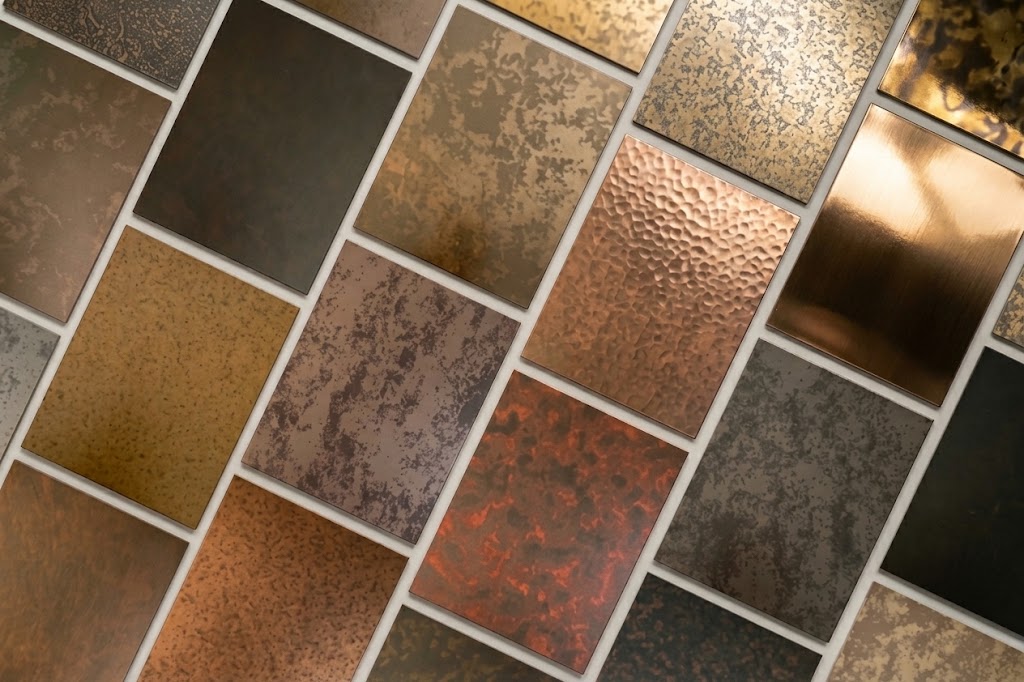
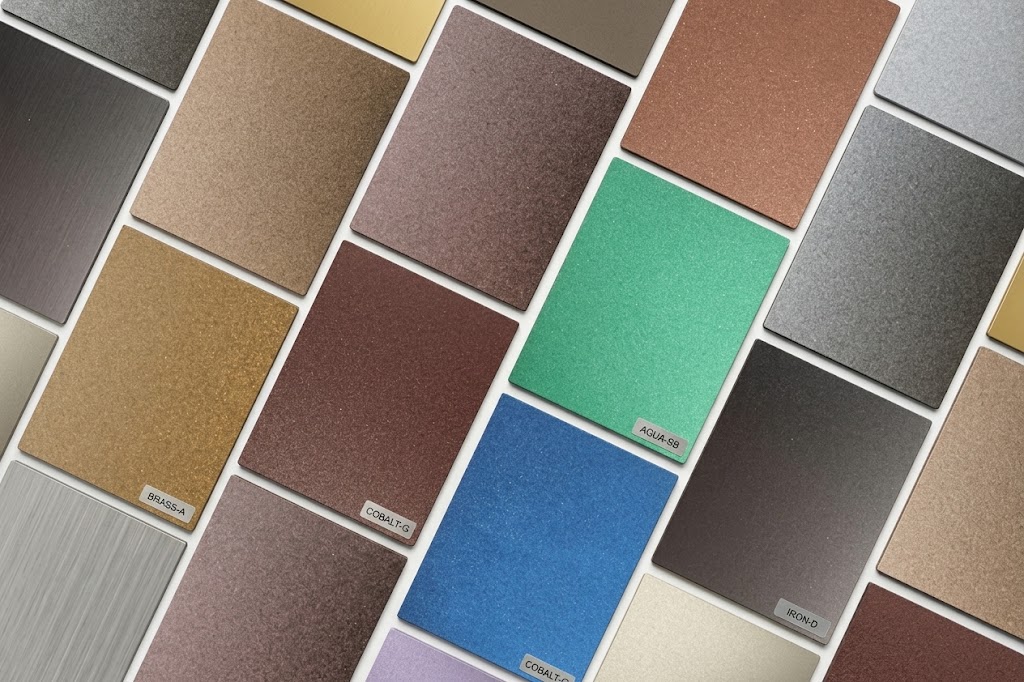
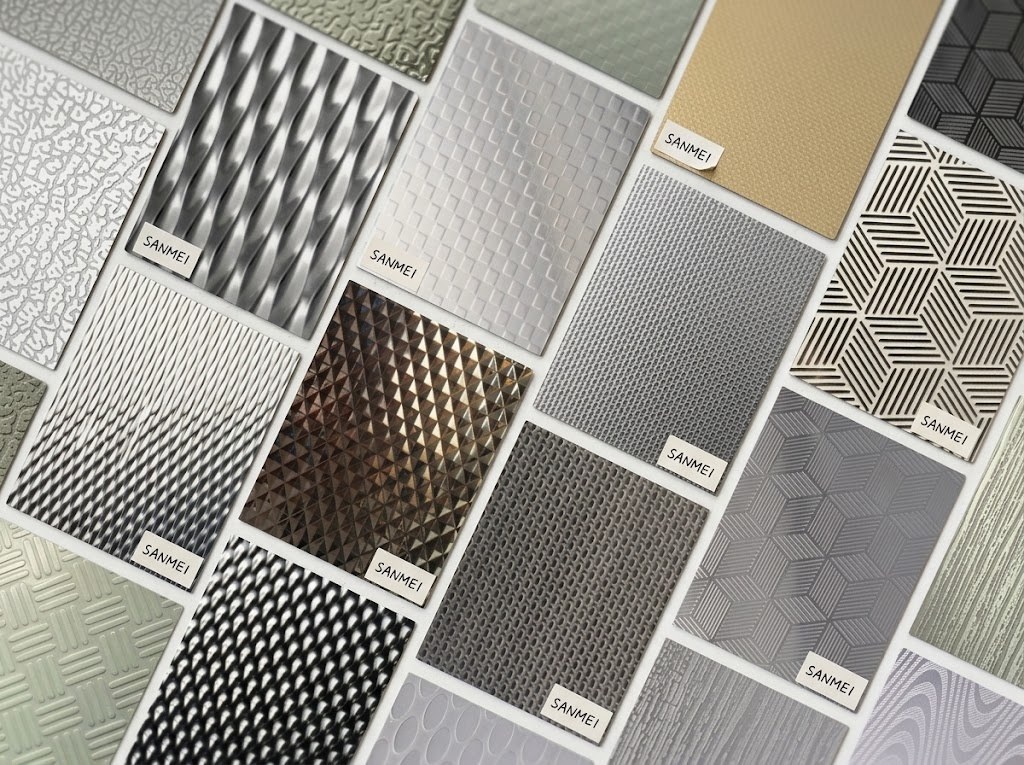
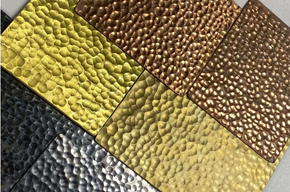
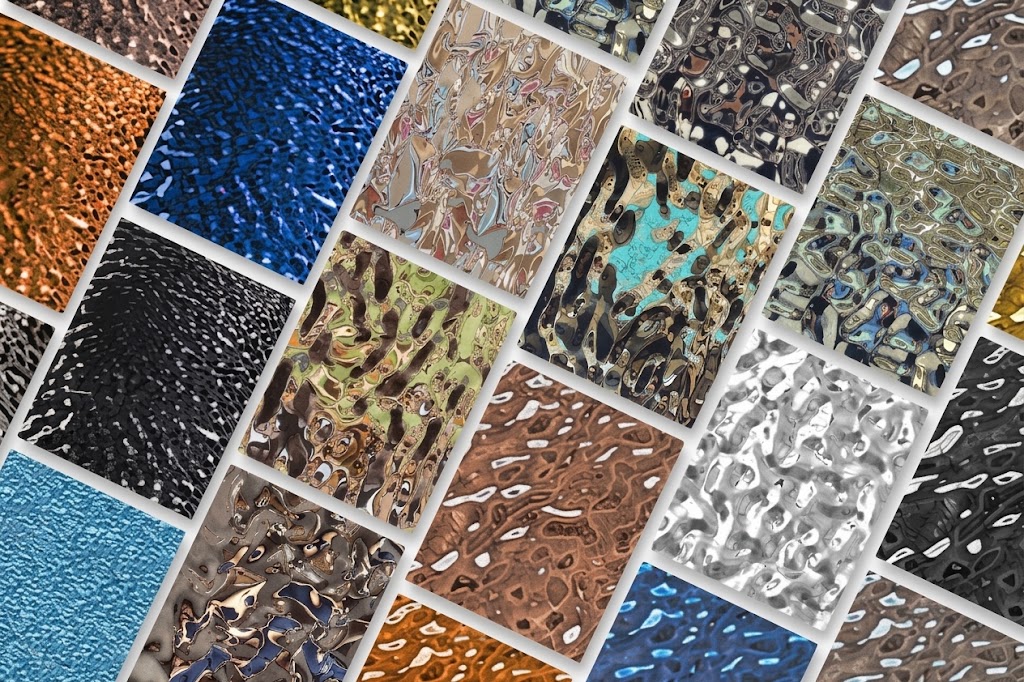
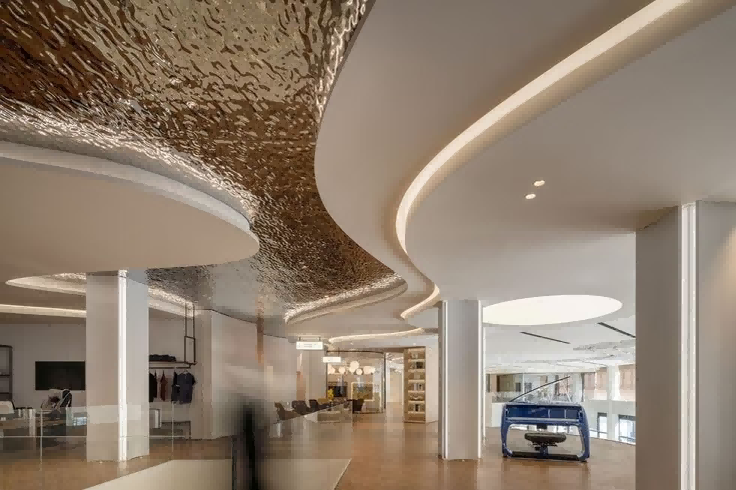
Это доказанный, а не экспериментальный факт. Различные способы нанесения покрытия (водное напыление, PVD, финишное покрытие краской), различные оттенки черного (водное напыление черного титана, черный хром, черный титан-алюминий, чистый черный титан, черный окрашенный), варианты текстуры, которые можно наносить слоями.рельефный, заколоченный, рябь на воде), а также контролируемый процесс оксидирования с последующей полировкой для получения теплого, состаренного черного цвета — каждый слой имеет четкую техническую основу. Черная нержавеющая сталь превратилась в категорию материалов с реальной гибкостью дизайна, а не в единую отделку с одним внешним видом и одним процессом.
САНМЭЙ МЕТАЛЛ
Компания Sanmei Metal поставляет рулоны, листы и конструкционные профили из нержавеющей стали от проверенных заводов в Китае, оказывая поддержку в изготовлении продукции на заказ и предоставляя полную сертификацию материалов. Свяжитесь с нами для обсуждения ваших требований к материалам и проекту.