












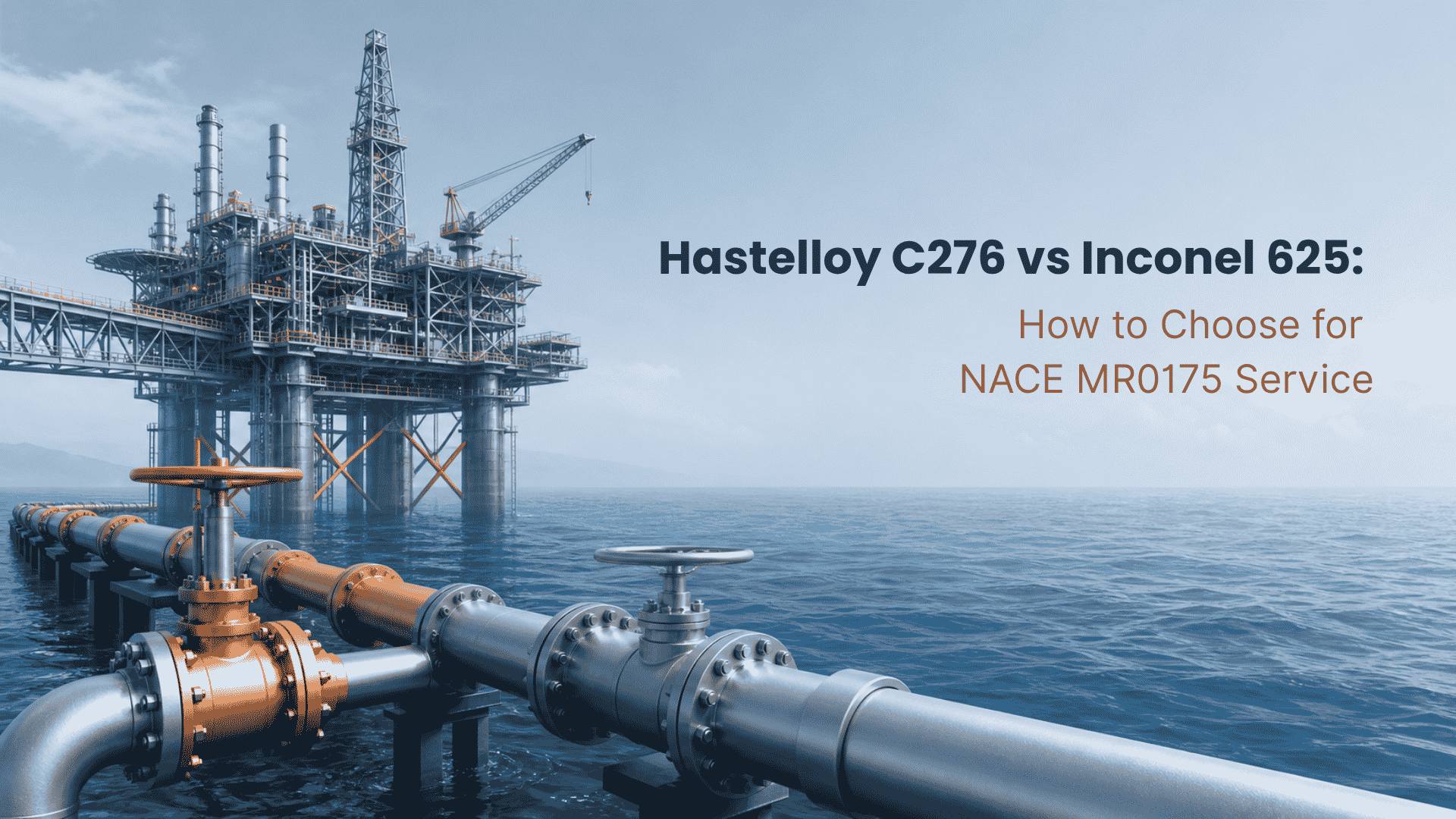
Hastelloy C276 mı, Inconel 625 mi: NACE MR0175 Servisi İçin Nasıl Seçim Yapılır?
Çoğu zaman paslanmaz çelik yeterlidir. Paslanmaz çelik rulolar, levhalar ve mühendislik malzemelerine odaklanan bir şirket olarak, çoğu zaman üzerinde çalıştığımız projeler Nikel alaşımlarına kadar yükselmeye gerek yok.
Ancak NACE MR0175 / ISO 15156 standartlarına tabi olan asidik servis ortamlarında durum değişir. H₂S, yüksek klorürler, asidik ortamlar, yüksek sıcaklık ve basınç bir araya gelmeye başladığında, "paslanmaz çelik ailesi içinde yükseltme yapmak" her zaman güvenli bir çözüm değildir.
Bu makale, ilk paragraftan itibaren Hastelloy C276 veya Inconel 625'i öne çıkarmak için yazılmamıştır. Bunun yerine, paslanmaz çeliğin nerede işe yaradığını, sınırlarının nerede başladığını açıklayarak başlar ve ardından Inconel 625'in ne zaman makul bir seçim olduğunu ve asidik ortamlarda Hastelloy C276'nın ne zaman gerekli hale geldiğini açıklar.
Paslanmaz çelik tedarikçisi neden nikel alaşımlarından bahsetsin ki?
Çoğu mühendislik uygulaması için paslanmaz çelik en doğal başlangıç noktasıdır. İşlenmesi kolaydır, yaygın olarak bulunur, maliyeti kontrol edilebilir ve bol miktarda standart ve örnek olayla desteklenir. İnsanlar korozyon direnci, deniz ortamına maruz kalma veya dış mekan yapıları hakkında düşündüklerinde, genellikle verilen tepki hala "paslanmaz çelik yeterli olmalı" şeklindedir. eğer 304 yeterli değil, harekete geçin 316Eğer bu hala riskli geliyorsa, daha üst seviye olan dubleks veya süper dubleks gibi seçeneklere geçin. 2205 veya 2207.
Deniz ortamlarında pompa mili malzeme seçimi veya yapısal malzeme tercihleriyle ilgileniyorsanız, bu makaleler de size yardımcı olabilir:
- Pompa mili malzeme seçimi: https://sanmeimetal.com/pump-shaft-material/
- Deniz yapı malzemesi seçimi: https://sanmeimetal.com/marine-materials/
Bu mantık, orta derecede aşındırıcı birçok uygulamada makuldür. Ancak paslanmaz çelik evrensel bir anahtar değildir. H₂S, klorürler, asidik ortamlar, yüksek sıcaklık ve basınç bir arada bulunduğunda, çok iyi paslanmaz çelik kaliteleri bile sonunda sınırlarına ulaşır. Bu noktada, "paslanmaz çelik içinde daha iyisini yapmaya" devam etmek maliyet tasarrufu sağlayan bir hamle gibi görünebilir, ancak gerçekte bu, arıza riskini daha da ileriye ertelemek anlamına gelir.
İşte tam da bu yüzden bu konu önemli. Paslanmaz çelikle uzun vadeli çalışmalar, sınırlarını daha net bir şekilde ortaya koyuyor: Paslanmaz çeliğin hala işe yaradığı yerler ve 304'ten "listedeki en pahalı paslanmaz çelik kalitesine" geçmek yerine nikel alaşımlarını değerlendirmenin daha mantıklı olduğu yerler.
Başka bir deyişle, paslanmaz çeliği iyi anlamak, paslanmaz çeliğin artık yeterli olmadığı durumları da anlamak anlamına gelmelidir. Eğer bir proje tam bu sınırda yer alıyorsa, asıl iş aceleci bir sonuca varmak değil, öncelikle hizmet koşullarını doğru bir şekilde tanımlamaktır.
NACE MR0175 tam olarak neleri kapsıyor?
NACE MR0175 / ISO 15156, petrol ve gaz endüstrisinde asidik ortamlarda kullanılan malzeme seçim standardıdır. Başlıca amacı, sülfür gerilme çatlaması ve hidrojenle ilgili çatlama da dahil olmak üzere, H₂S içeren ortamlarda çevresel olarak tetiklenen çatlama riskini azaltmaktır.
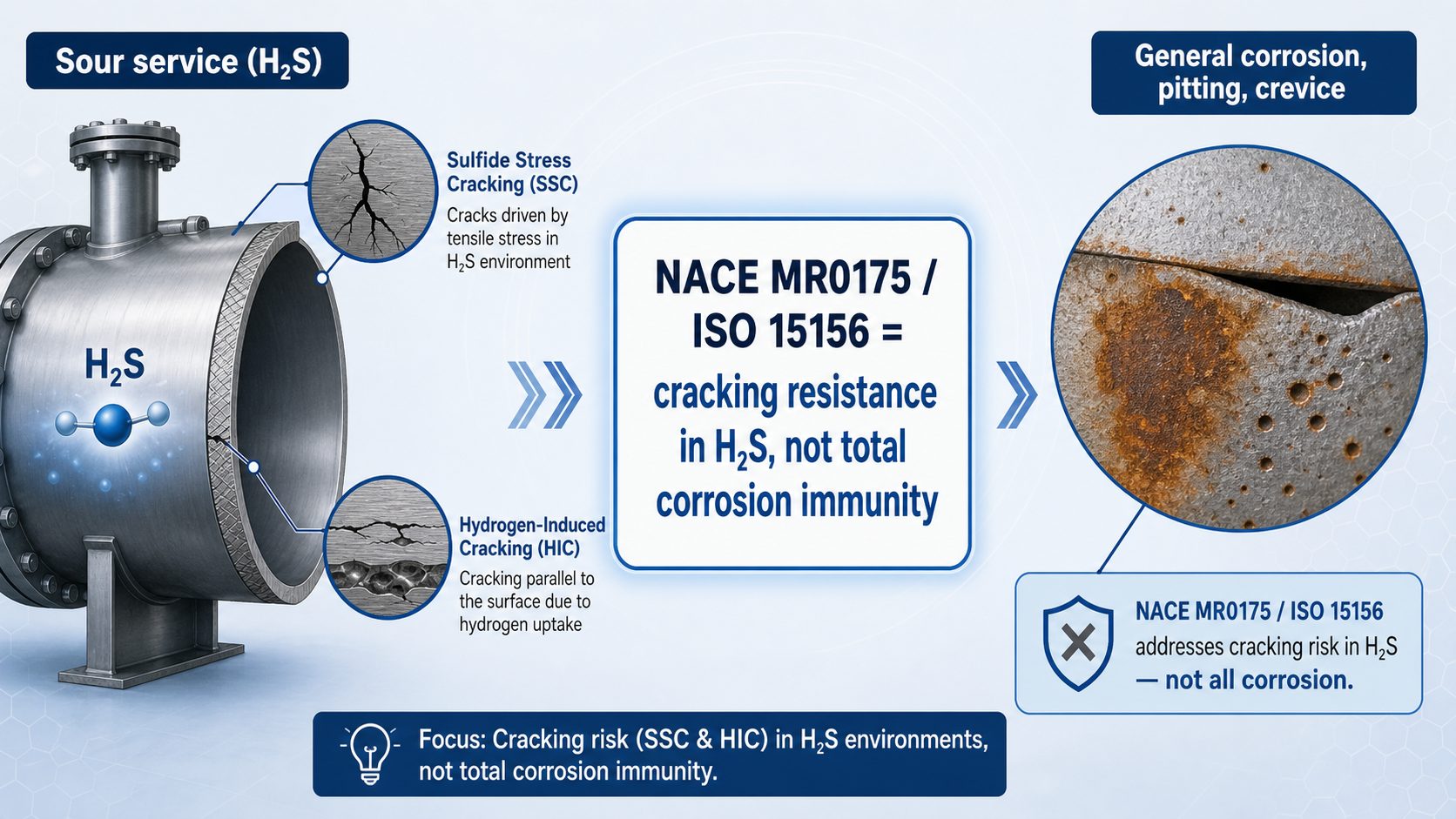
Sıklıkla yanlış anlaşılan bir nokta var: NACE'ye uyum Olumsuz Bu, bir malzemenin asla korozyona uğramayacağı anlamına gelmez. Standart, bir malzemenin H₂S hizmetinde aniden çatlayıp çatlamayacağına odaklanır; genel korozyondan, çukurlaşmadan veya çatlak aşınmasından tamamen arınmış kalıp kalmayacağına değil. Bu riskler yine de proses ortamının ve alaşımın gerçek kimyasına göre değerlendirilmelidir.
Dolayısıyla C276 ve 625 için NACE esas olarak şu soruyu yanıtlıyor: Alaşımın hangi metalurjik koşullar altında kullanılmasına izin verilir?Bu, bir sonraki adımı, yani hangi alaşımın iş için daha iyi olduğuna karar verme aşamasını otomatik olarak tamamlamaz.
Inconel 625 ve Hastelloy C276 arasındaki temel fark
İkisi de paslanmaz çeliğin zaten yüksek basınç altında olduğu durumlarda kullanılan nikel bazlı alaşımlardır, ancak dayanıklılıkları tam olarak aynı değildir.
| Öğe | Inconel 625 | Hastelloy C276 |
|---|---|---|
| Alaşım ailesi | Ni‑Cr‑Mo‑Nb nikel alaşımı | Ni-Cr-Mo-W korozyona dayanıklı nikel alaşımı |
| Ana güç | Yüksek sıcaklık dayanımı, iyi oksidasyon direnci, dengeli genel performans. | Şiddetli korozyona karşı, özellikle de güçlü indirgeyici ve kimyasal olarak karmaşık ortamlarda mükemmel stabilite. |
| Tipik uygulamalar | Yüksek sıcaklıkta asidik ortam hizmeti, kaynak kaplamaları, açık deniz bileşenleri, seçilmiş vana iç parçaları | Ağır kimyasal işlemler, asit gazı arıtma, karışık asitler, yüksek çukurlaşma/çatlak korozyonu riski taşıyan parçalar |
| Maliyet ve bulunabilirlik | Daha yaygın ürün boyutları; genellikle temin edilmesi daha kolay. | Genellikle daha yüksek maliyetli; özel tedarik kanallarına daha bağımlı. |
Tek cümleyle özetlemek gerekirse: Inconel 625 genellikle daha dengeli bir "üst düzey genel seçenek" iken, Hastelloy C276 daha çok "gerçekten zorlu hizmetler için yükseltme" seçeneğidir.
Inconel 625 öncelikle ne zaman tercih edilmelidir?
Tipik NACE MR0175 asidik ortam uygulamalarında, yüksek sıcaklık, H₂S, klorürler ve önemli bir mekanik yük içeren ortamlarda Alaşım 625 genellikle ilk olarak değerlendirilir.
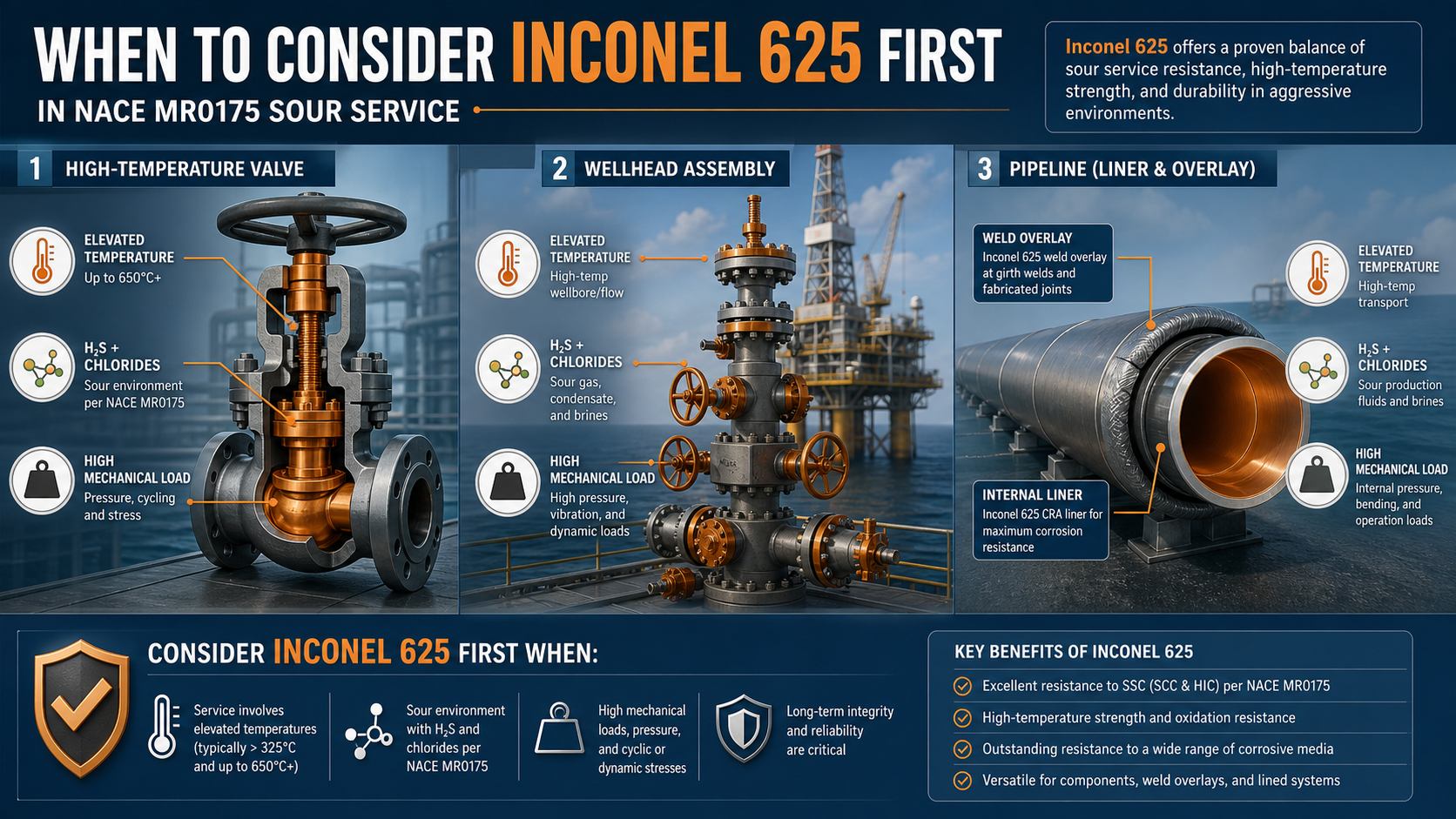
Bunun nedeni pratiktir. Alaşım 625, bu tür hizmetlerde zaten geniş bir kurulu tabana sahiptir. Korozyon direnci genellikle yeterlidir, yüksek sıcaklık performansı güvenilirdir ve hem kaynak uygulamaları hem de tedarik zinciri desteği nispeten olgunlaşmıştır.
Tipik örnekler arasında yüksek sıcaklık vanaları, kuyu başı ekipmanları, açık deniz parçaları, boru hattı kaplamaları, kaynak kaplamaları ve hem korozyon direnci hem de mukavemet gerektiren kritik parçalar yer almaktadır. "Zorlu ancak henüz aşırı olmayan" birçok asidik ortam uygulamasında, 625 zaten çok dengeli bir çözümdür.
Hastelloy C276 ne zaman tercih edilmelidir?
Servis "sıradan asidik ortamdan" "şiddetli korozyon artı asidik ortama" geçtiğinde, C276 ciddi bir dikkat gerektirir. Bu durum, ortamda güçlü indirgeyici asitler, karışık asitler, ıslak klor veya dönüşümlü olarak oksitleyici ve indirgeyici maddeler bulunduğunda, özellikle de yerel korozyon riski keskin bir şekilde arttığında ortaya çıkabilir.
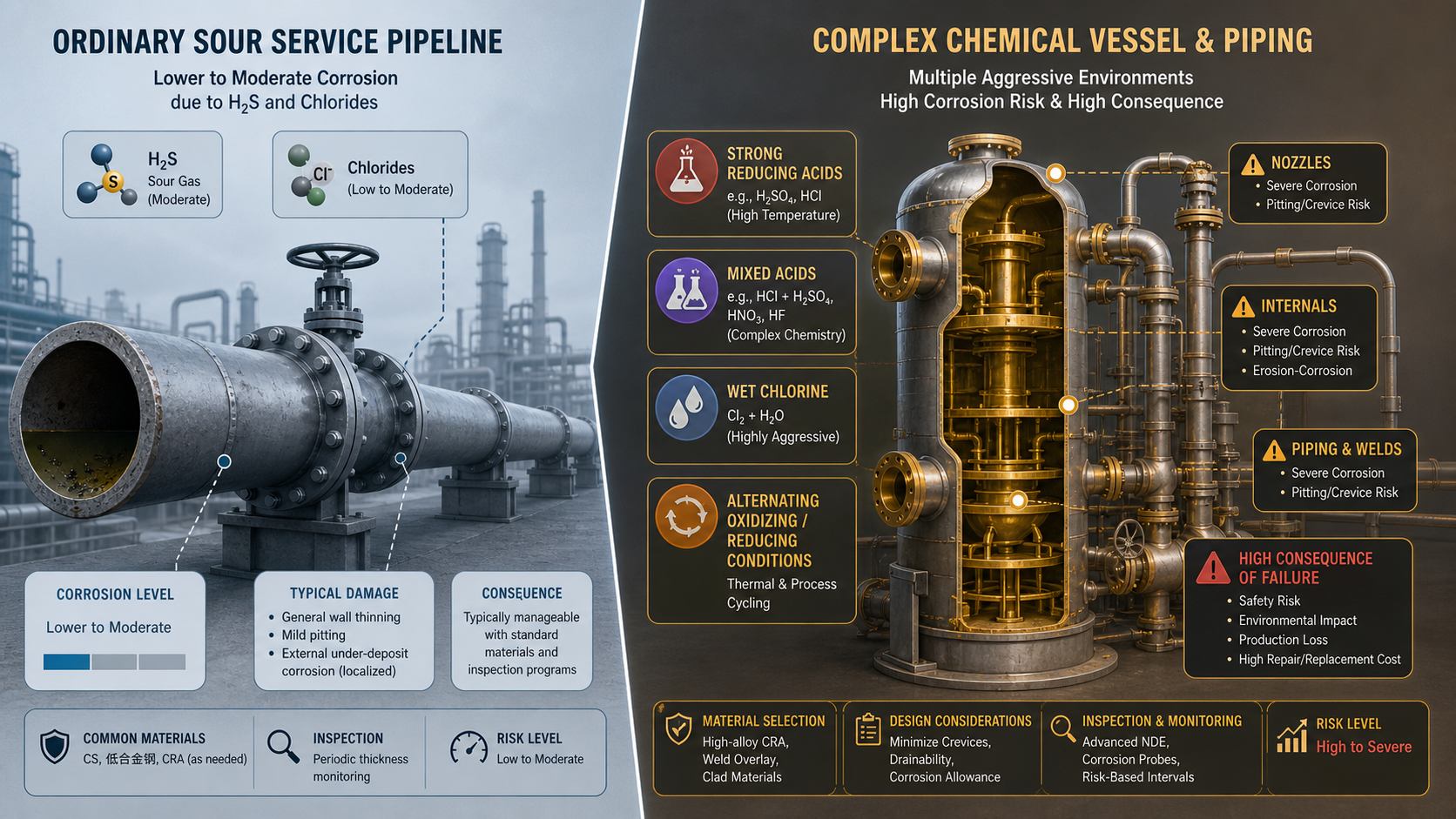
Bu tür hizmetlerde, soru artık sadece "Alaşım NACE standartlarını karşılıyor mu?" değil, daha önemli olan soru "Alaşım bu aşırı kimyasal ortamda uzun vadede kararlı kalabilir mi?" oluyor. Bu nedenle C276, asit gazı arıtma ekipmanlarında, yüksek derecede aşındırıcı kimyasal işleme ünitelerinde ve çukurlaşma veya çatlak korozyonuna karşı hassas kritik parçalarda yaygın olarak tartışılmaktadır.
Basitçe ifade etmek gerekirse, C276, arıza sonuçlarının ciddi olduğu ve kimyasal ortamın açıkça daha agresif olduğu durumlarda daha mantıklıdır. Her projenin ihtiyaç duyduğu bir malzeme değil, ancak ihtiyaç duyulduğunda genellikle 625'e göre daha büyük bir korozyon güvenlik marjı sağlıyor.
C276 ve 625 standartları otomatik olarak NACE uyumlu mudur?
Hayır. Ne C276 ne de 625, alaşım kalitesi doğru olduğu için NACE MR0175 / ISO 15156 standardına uygun hale gelmez. Ayrıca, gerekli ısıl işlem koşullarını, sertlik sınırlarını ve -uygulanabilir durumlarda- kaynak prosedürü yeterlilik ve sertlik doğrulama gereksinimlerini de karşılamaları gerekir.
İşte birçok projenin sorun yaşadığı nokta burası. "Alaşım 625" yazan bir çizim, 625 alaşımının herhangi bir partisinin otomatik olarak NACE işinde kullanılabileceği anlamına gelmez. Aynı durum C276 için de geçerlidir: Alaşım adı tek başına, teslim edilen malzemenin durumunun zaten asidik ortam hizmet gereksinimlerini karşıladığını garanti etmez.
Dolayısıyla, asitli ortam koşullarında gerçekleştirilecek bir projede doğru yaklaşım, yalnızca alaşım adını kontrol etmek değildir. Alaşım kalitesi, metalurjik durum ve dokümantasyonun tümü gereksinimlerle eşleşmelidir.
Satın aldığınız C276 veya 625'in gerçekten uyumlu olduğundan emin olmak istiyorsanız, bu makale bir MTR'yi nasıl okuyacağınızı ve malzemenin orijinal ve doğru şekilde belgelenmiş olduğunu nasıl doğrulayacağınızı açıklamaktadır.: https://sanmeimetal.com/mill-test-report/.
Gerçekçi değerlendirmeler: maliyet, bulunabilirlik ve üretim
Proje uygulama açısından bakıldığında, Inconel 625 ile çalışmak genellikle daha kolaydır. Daha geniş bir form yelpazesinde mevcuttur, daha geniş bir uygulama geçmişine sahiptir ve genellikle temin edilmesi ve teslim edilmesi daha kolaydır. Birçok üretici için 625, daha olgun kaynak deneyimi ve daha geniş bir eşleşen dolgu metali seçeneği de sunmaktadır.
Hastelloy C276 daha çok özel bir malzemedir. Genellikle daha pahalıdır, bazı ürün formları için teslim süreleri daha kısa olabilir ve kaynak ısı girdisine, seyreltmeye ve sertlik kontrolüne daha duyarlıdır. Bu da imalat yeteneğinin daha önemli olduğu anlamına gelir.
Bu, C276'dan kaçınılması gerektiği anlamına gelmez. Bu, 625'in hizmeti güvenli bir şekilde karşılayabildiği durumlarda, genellikle baştan C276'ya geçmek için bir neden olmadığı anlamına gelir. Ancak ortam açıkça 625'in güvenli aralığının ötesine geçtiğinde, malzeme fiyatından biraz tasarruf etmek, tüm sistemi daha büyük bir riske maruz bırakmamalıdır.
Paslanmaz çelik her yerde bulunur, ancak evrensel değildir.
Çoğu uygulamada, paslanmaz çelik son derece uygun maliyetli bir çözüm olmaya devam etmektedir. İşlenmesi kolaydır, temin edilmesi kolaydır ve çok sayıda standart ve proje referansıyla desteklenmektedir.
Ancak NACE MR0175 asidik ortamda, H₂S, klorürler, asidik ortamlar, yüksek sıcaklık ve basınç bir araya geldiğinde, paslanmaz çelik çok hızlı bir şekilde sınırlarına yaklaşabilir. Paslanmaz çeliği bu sınırın ötesinde kullanmaya çalışmak, malzeme maliyetinden tasarruf sağlıyormuş gibi görünse de, gerçekte toplam yükü arıza, bakım, durdurma ve güvenlik sonuçlarına kaydırabilir.
Daha güvenilir bir yol, öncelikle paslanmaz çelik ailesini değerlendirmek ve güvenli ve ekonomik bir çözümün hala mevcut olup olmadığını sorgulamaktır. Eğer yoksa, adım adım yukarı doğru ilerleyin - dubleks, süper dubleks, Inconel 625 veya Hastelloy C276. Her yükseltmenin arkasında açık bir neden olmalı, "daha pahalı olan daha güvenlidir" gibi basit bir varsayıma dayanılmamalıdır.
Malzeme danışmanı olarak rolünüz, varsayılan olarak daha yüksek kaliteli bir alaşım satmak veya kullanım koşullarından bağımsız olarak paslanmaz çeliğe bağlı kalmak değildir. Asıl rol, sınırı net bir şekilde tanımlamaktır: paslanmaz çeliğin hala kabul edilebilir olup olmadığı, 625'in yeterli olup olmadığı veya hizmet koşullarının gerçekten C276'yı gerektirip gerektirmediği.
Sonraki adım: Hizmet koşullarını bize gönderin ve birlikte inceleyelim.
Eğer projeniz NACE MR0175 / ISO 15156 standartlarını kapsıyorsa ve paslanmaz çelik, Inconel 625 ve Hastelloy C276 arasında seçim yapmanız gerekiyorsa, her detayı tek başınıza çözmek zorunda değilsiniz. En değerli ilk adım, gerçek hizmet koşullarınızı paylaşmaktır.
Basit bir bilgi paketiyle başlayın:
Proses kimyası (H₂S, klorürler, asitler, su içeriği)
Çalışma koşulları (sıcaklık, basınç, döngüsel başlatma-durdurma)
Bileşen türü (valf gövdesi, iç parçalar, borulama, flanş, astar, kaynak kaplaması)
Hedeflenen tasarım ömrü ve arızanın kabul edilebilir sonuçları
Bu temel bilgilerle, malzeme seçimi çok daha kolay bir şekilde yapılandırılabilir. İlk olarak, hizmetin hala paslanmaz çelik veya dubleks paslanmaz çelik güvenli sınırları içinde olup olmadığını kontrol edin. Değilse, bir sonraki soru Inconel 625'in yeterli olup olmadığı veya Hastelloy C276'nın gerçekten gerekli olup olmadığıdır. Aynı zamanda, güvenlik, maliyet, teslim süresi ve imalat zorluğu birlikte dengelenebilir.
Projenin "mutlaka nikel alaşımı kullanması gerektiğini" baştan kararlaştırıp, daha sonra C276 ile 625 arasında tek başına bir seçim yapmanıza gerek yok. Bize gönderin Hizmet koşullarınız ve gereksinimlerinizi bize bildirin, biz de sizinle birlikte malzeme seçimi sürecini yürütelim.
Kaynaklar ve daha fazla okuma önerisi
Bu konuyu daha derinlemesine incelemek isterseniz aşağıdaki kaynaklar faydalı olacaktır:
1. NACE MR0175 / ISO 15156 standardı metni ve genel bakış
Ekşi servis malzemeleri standardının kapsamını, amacını ve yapısını açıklayan resmi ve özet belgeler.
ISO / NACE spesifikasyonundan alıntı: [NACE MR0175 / ISO 15156-1 PDF](https://www.octalsteel.com/wp-content/uploads/2017/10/NACE-MR0175-ISO15156-specification.pdf)
Standardın geçmişi ve evrimi: [Asidik ortamda hizmet için MR0175 ve ISO 15156](https://www.twi-global.com/technical-knowledge/faqs/faq-what-has-happened-to-the-mr0175-standard-for-sour-service-in-exploration-and-production)
2. Asidik servis ve CRA malzeme seçimine ilişkin pratik kılavuzlar
MR0175/ISO 15156 standardını gerçek dünya alaşım seçimiyle ilişkilendiren ve "NACE gereksinimlerini karşılamak" ile "belirli bir ortam için uygun olmak" arasındaki farkı açıklayan makaleler.
Swagelok – [Ekşi petrol ve doğalgaz sahaları için malzeme seçimi](https://www.swagelok.com/en/blog/material-selection-for-sour-oil-and-gas-fields)
DNV – [Asidik ortamda malzeme zorluklarının üstesinden gelmenin üç yolu](https://www.dnv.com/energy/services/laboratories-test-facilities/article/three-ways-to-overcome-materials-challenges-in-sour-service)
3. Inconel 625 ve Hastelloy C276'ya ilişkin karşılaştırmalı teknik notlar
Bileşim, korozyon davranışı, sıcaklık dayanımı, tipik uygulamalar ve imalat hususlarına ilişkin ayrıntılı karşılaştırmalar.
Metal Şerit Çözümleri – [Inconel Alaşım 625 ve Hastelloy Alaşım C-276 Karşılaştırması](https://www.metalstripsolutions.com/inconel-alloy-625-vs-hastelloy-alloy-c-276/)
Huaxiao Alloy – [Inconel 625 ve Hastelloy C276 Arasındaki Fark Nedir?](https://www.huaxiao-alloy.com/difference-between-inconel-625-and-hastelloy-c276.html)
4. Hidrojen sülfür, asidik ortam ve çatlama mekanizmaları
H₂S içeren ortamlarda SSC, HIC ve diğer çevresel olarak desteklenen çatlama mekanizmalarını açıklayan kaynaklar.
Niobium Tech – [NACE MR0175: Sizin için işe yarıyor mu?](https://niobium.tech/-/media/niobiumtech/attachments-biblioteca-tecnica/nt_nace_mr0175-does-it-work-for-you.pdf)
CRA Alloys – [H₂S–Hidrojen Çevresel Destekli Çatlama](https://www.cralloys.com/wp-content/uploads/2017/02/H2S-Hydrogen-Environmentally-Assisted-Cracking-PM.pdf)
5. Bileşen düzeyinde malzeme seçimi (vanalar, borular, CRA'lar)
Petrol ve doğalgaz projelerinde vana gövdeleri, iç aksamlar, boru hatları ve CRA seçimine kadar tartışmayı genişleten mühendislik kaynakları.
Element – [Asidik Ortam Korozyon Testi ve MR0175 Uyumluluğu](https://www.element.com/energy/corrosion-testing-services/sour-service-corrosion-testing)
PipeSearch – [Boru ve ekipman için alaşım seçimi kılavuzu](https://pipesearch.com/technical-resources/alloy-selection-guide/)