








أكبر مصانع الصلب في العالم عام 2025: تصنيف عالمي حسب الإيرادات
عندما يبحث الناس عن "مصانع الصلب"، فإنهم عادةً ما يحاولون الإجابة على أحد سؤالين: ما هو مصنع الصلب في الواقع، أو أيّها ذو أهمية فعلية. تتناول هذه المقالة السؤال الثاني - نظرة على أكبر مصانع الصلب في العالم، مصنفة بطريقتين مختلفتين: حسب الإيرادات (بيانات قائمة فورتشن غلوبال 500 وتقارير الصناعة) وحسب إنتاج الصلب الخام (أرقام الرابطة العالمية للصلب). يعكس كلا التصنيفين أداء عام 2025 بالكامل - تأتي أرقام إنتاج الصلب الخام من تقرير الرابطة العالمية للصلب "الصلب العالمي بالأرقام 2026"، والذي يُنشر بعد عام من الفترة التي يغطيها، لذا فإن "2026" في عنوان ذلك التقرير يشير إلى تاريخ صدوره، وليس السنة التي تصفها البيانات. لا يتفق التصنيفان دائمًا، والفجوة بينهما تُشير إلى الكثير حول كيفية عمل صناعة الصلب العالمية في الواقع.
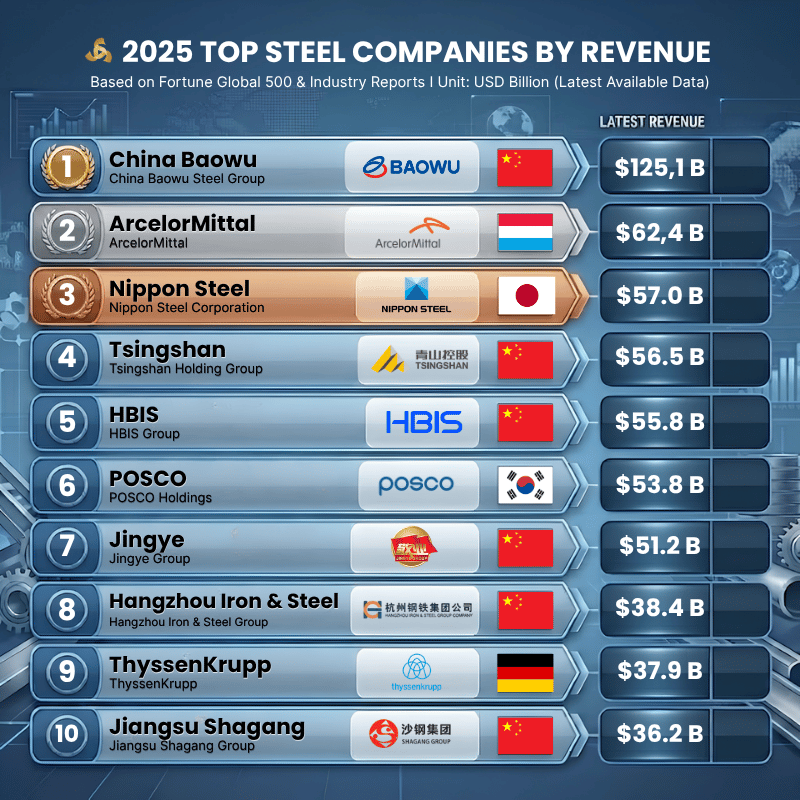
أفضل مصانع الصلب من حيث الإيرادات لعام 2025
| رتبة | شركة | دولة | الإيرادات (بالدولار الأمريكي) |
|---|---|---|---|
| 1 | مجموعة باوو للصلب الصينية | الصين | $125.1B |
| 2 | أرسيلورميتال | لوكسمبورغ | $62.4B |
| 3 | شركة نيبون ستيل | اليابان | $57.0B |
| 4 | مجموعة تسينغشان القابضة | الصين | $56.5B |
| 5 | مجموعة HBIS | الصين | $55.8B |
| 6 | شركة بوسكو القابضة | كوريا الجنوبية | $53.8B |
| 7 | مجموعة جينجي | الصين | $51.2B |
| 8 | مجموعة هانغتشو للحديد والصلب | الصين | $38.4B |
| 9 | تيسن كروب | ألمانيا | $37.9B |
| 10 | مجموعة جيانغسو شاجانج | الصين | $36.2B |
يبرز أمران على الفور. أولاً، الفجوة بين #1 و#10 هائلة - إذ تتجاوز إيرادات شركة China Baowu ثلاثة أضعاف إيرادات شركة Jiangsu Shagang في #10. ثانياً، من بين أكبر عشرة مصانع في هذه القائمة، سبعة منها صينية، وواحد ياباني، وواحد كوري جنوبي، وواحد أوروبي. وهذا ليس من قبيل الصدفة، بل يعكس تحولاً هيكلياً في مواقع طاقة إنتاج الصلب الحالية.
تصنيف الإيرادات مقابل تصنيف الإنتاج: صورة مختلفة
الإيرادات ليست سوى طريقة واحدة لتصنيف مصانع الصلب. فبيانات الرابطة العالمية للصلب لعام 2025 تصنف الشركات نفسها حسب كمية الصلب الخام. مخرجات — كم طنًا أنتجوا بالفعل — وتتغير الصورة بطرق دالة.
| رتبة | شركة | دولة | إنتاج الصلب الخام (طن متري) |
|---|---|---|---|
| 1 | الصين باوو | الصين | 124.76 |
| 2 | أرسيلورميتال | لوكسمبورغ | 63.43 |
| 3 | شركة نيبون ستيل | اليابان | 57.78 |
| 4 | مجموعة أنستيل | الصين | 57.61 |
| 5 | مجموعة HBIS | الصين | 42.49 |
| 6 | مجموعة شاغانغ | الصين | 39.10 |
| 7 | مجموعة جيان لونغ | الصين | 38.02 |
| 8 | شركة بوسكو القابضة | كوريا الجنوبية | 37.36 |
| 9 | مجموعة ديلونج | الصين | 32.03 |
| 10 | شركة تاتا ستيل | الهند | 30.46 |
المصدر: الرابطة العالمية للصلب، "الصلب العالمي بالأرقام 2026— نسخة عام 2026 من التقرير، والتي تغطي بيانات الإنتاج لعام 2025 بالكامل. تنشر منظمة Worldsteel كل نسخة بعد عام واحد من فترة التقرير، لذا فإن "2026" تشير إلى تاريخ النشر، وليس سنة البيانات.
تحتل شركات باوو، وأرسيلورميتال، ونيبون ستيل، وإتش بي آي إس، وبوسكو مراكز متقاربة في كلا القائمتين، حيث يتناسب حجم الإيرادات والإنتاج بشكل كبير مع حجم الإنتاج لدى هذه الشركات. إلا أن بعض الأسماء تشهد تغيرات حادة تبعاً للمعيار المستخدم.
- تسينغشان تحتل الشركة المرتبة الرابعة عالميًا من حيث الإيرادات (56.5 مليار دولار أمريكي)، ولكنها لا تتجاوز المرتبة الخامسة والعشرين عالميًا من حيث إنتاج الصلب الخام (16 مليون طن) وفقًا لبيانات الرابطة العالمية للصلب. وتشمل إيراداتها نشاطًا واسع النطاق في تعدين ومعالجة النيكل إلى جانب صناعة الصلب، مما يجعل حجم إيراداتها يبالغ في تقدير مكانتها كمنتج للصلب فقط.
- تيسن كروب يحتل المرتبة #9 من حيث الإيرادات ($37.9 مليار) ولكنه يحتل المرتبة #47 من حيث الإنتاج (9.41 مليون طن) - وهو مصنع ينتج كمية متواضعة نسبيًا ولكنه يحقق إيرادات أكبر بكثير لكل طن، بما يتماشى مع تركيزه على الفولاذ المتخصص عالي القيمة والفولاذ المستخدم في صناعة السيارات.
- أنستيل وتاتا ستيلوعلى النقيض من ذلك، تنتج هذه المصانع كميات كافية من المواد لتضعها ضمن أفضل 10 مصانع عالمية ولكنها لا تظهر ضمن أفضل 10 مصانع من حيث الإيرادات - وهذا دليل على أن التسعير ومزيج المنتجات، وليس الحجم فقط، هما ما يحددان مكانة المصنع في التصنيف القائم على الإيرادات.
الخلاصة: لا يعني تصنيف "أفضل مصنع للصلب" من حيث الإيرادات بالضرورة تصنيف "أفضل مصنع للصلب" من حيث الإنتاج. فغالباً ما تُفضّل تصنيفات الإيرادات الشركات المتنوعة ذات المنتجات عالية القيمة، بينما تُفضّل تصنيفات الإنتاج حجم الإنتاج الخام.
لماذا تهيمن الصين على تصنيفات مصانع الصلب؟
تُشكّل مصانع الصلب الصينية الغالبية العظمى من الشركات المدرجة في هذه القائمة، ولا يقتصر هذا النمط على الشركات العشر الأولى فحسب، بل يمتد ليشمل ما هو أبعد من ذلك؛ إذ يُمثّل المنتجون الصينيون نحو 12 شركة من أصل 14 شركة صلب تظهر في قائمة فورتشن غلوبال 500 الأوسع نطاقًا، ما يُمثّل أكثر من نصف إنتاج الصلب العالمي. وتقود هذه الظاهرة عدة عوامل:
- التوسع والدمج. لقد أمضت صناعة الصلب الصينية السنوات القليلة الماضية في دمج القدرات الإنتاجية في عدد أقل من الشركات الأكبر حجماً، مع سياسة تدفع الإنتاج بنشاط نحو المصانع ذات المستوى الأعلى والأكثر تنظيماً.
- سلاسل التوريد المتكاملة. تتحكم شركات مثل تسينغشان في الوصول إلى المواد الخام وكذلك الإنتاج - فمكانة تسينغشان كأكبر منتج للفولاذ المقاوم للصدأ في العالم مدعومة بعملياتها الخاصة بخام النيكل في إندونيسيا، مما يقلل بشكل كبير من تكاليف المدخلات.
- الطلب المحلي بالإضافة إلى القدرة التصديرية. على الرغم من أن صادرات الصلب الصينية تواجه احتكاكات متزايدة في الخارج، إلا أن الحجم الهائل للسوق المحلية يبقي المصانع تعمل على نطاق لا تستطيع معظم الدول الأخرى مجاراته.
ماذا تخبرنا بقية القائمة؟
تستحق المصانع خارج الصين الاهتمام لسبب مختلف - فهي تمثل استراتيجيات تنافسية مختلفة تمامًا.
تراهن اليابان وكوريا الجنوبية على التكنولوجيا. تستثمر كل من شركتي نيبون ستيل وبوسكو بكثافة في صناعة الصلب باستخدام الهيدروجين، بهدف خفض انبعاثات الكربون من عملية الإنتاج نفسها بدلاً من تعويضها لاحقاً. وتستهدف الشركتان إنتاج الصلب الهيدروجيني على نطاق تجاري بحلول أوائل ثلاثينيات القرن الحالي. يُعدّ هذا رهاناً طويل الأجل، ولكنه يُمكّن هذه المصانع أيضاً من المنافسة على أساس معايير الانبعاثات في الأسواق التي تُؤخذ فيها انبعاثات الكربون بشكل متزايد في الاعتبار عند اتخاذ قرارات الشراء.
أوروبا تعاني من ضغوط حقيقية على التكاليف. تُعد شركة ThyssenKrupp الاسم الأوروبي الوحيد المتبقي في قائمة أفضل 10 شركات، وهي تعمل في ظل مجموعة مختلفة تمامًا من القيود مقارنة بنظيراتها الصينية أو الآسيوية - فقد أدت التعريفات الجمركية على الكربون على الحدود وارتفاع تكاليف الطاقة المحلية إلى تضييق هوامش الربح في جميع أنحاء قطاع الصلب الأوروبي، وقد أبلغ العديد من المنتجين الأوروبيين عن خسائر في العامين الماضيين.
تؤدي الاحتكاكات التجارية إلى إعادة تشكيل مسار حركة الصلب فعلياًبغض النظر عمن ينتج معظمها. تُعدّ رسوم مكافحة الإغراق المفروضة على أنابيب الفولاذ المقاوم للصدأ الملحومة التي تدخل بعض أسواق أمريكا الجنوبية، والتحقيقات الأمنية في واردات الصلب في أجزاء من جنوب آسيا، أمثلة على كيفية تعامل المشترين بشكل متزايد مع الرسوم الجمركية والحواجز التجارية بالإضافة إلى تكاليف الإنتاج.
ماذا يعني هذا إذا كنت تستورد الصلب من الخارج؟
إن تصنيفًا كهذا مثير للاهتمام في حد ذاته، ولكن بالنسبة للمشتري الذي يقوم فعليًا بتوريد المواد، فإن الاستنتاج الأكثر فائدة هو التالي: إن الحجم على مستوى المصنع وتجربة التوريد الجيدة أمران مختلفان.
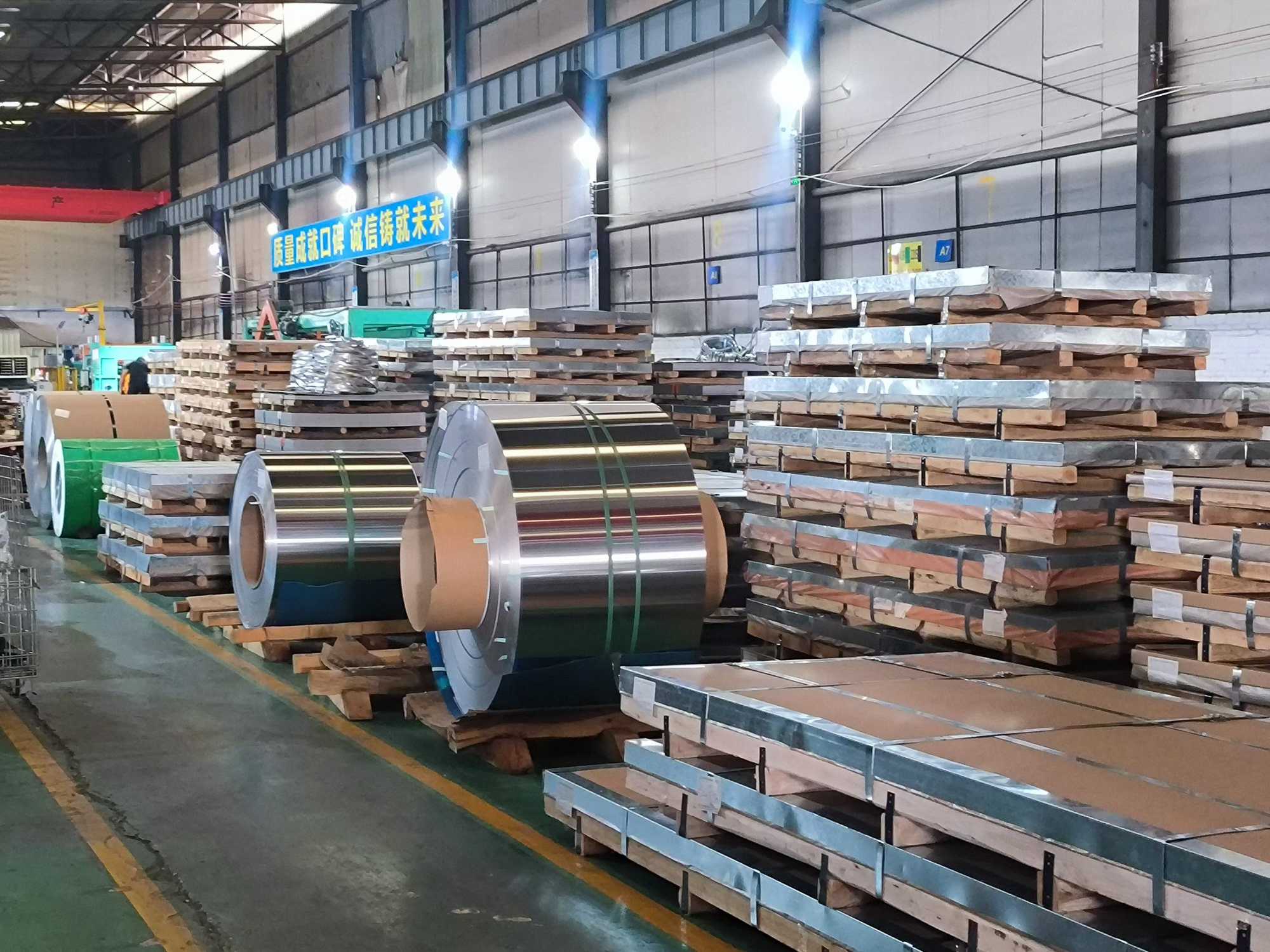
تُبنى أكبر مصانع الصلب في العالم لإنتاج كميات كبيرة - دورات إنتاج طويلة، وحد أدنى مرتفع للطلبات، ومواصفات موحدة. هذا الأسلوب مناسب للشراء على نطاق صناعي واسع. لكنه أقل فعالية إذا كنت تشتري لمشروع صغير يتطلب درجة أو سماكة أو تشطيب سطح محددين في دفعة لا تُحدث فرقًا كبيرًا لشركة تنتج عشرات الملايين من الأطنان سنويًا.
هذه هي الفجوة التي من المفترض أن يسدها مورد المواد - ليس عن طريق استبدال المصنع، ولكن عن طريق التواجد بين حجم إنتاج المصنع والمتطلبات الفعلية للمشروع: الحصول على الدرجة والتشطيب المناسبين من المصانع التي تصنعها بشكل جيد، والتعامل مع أحجام الدفعات الصغيرة، وتوفير الوثائق (تقارير اختبار المصنع، والشهادات) التي يحتاجها مشتري المشروع بغض النظر عن حجم الطلب.
إن هيمنة الصين على تصنيفات مصانع الصلب ليست مجرد عنوان رئيسي - بل هي أيضاً السبب في أن استيراد الفولاذ المقاوم للصدأ والفولاذ الإنشائي من الصين، من خلال الشريك المناسب، يمنح المشترين الدوليين إمكانية الوصول إلى جودة وأسعار المصانع دون الحاجة إلى تقديم طلبات على مستوى المصانع.
لماذا تختار الفولاذ المقاوم للصدأ الأسود لمنتجاتك
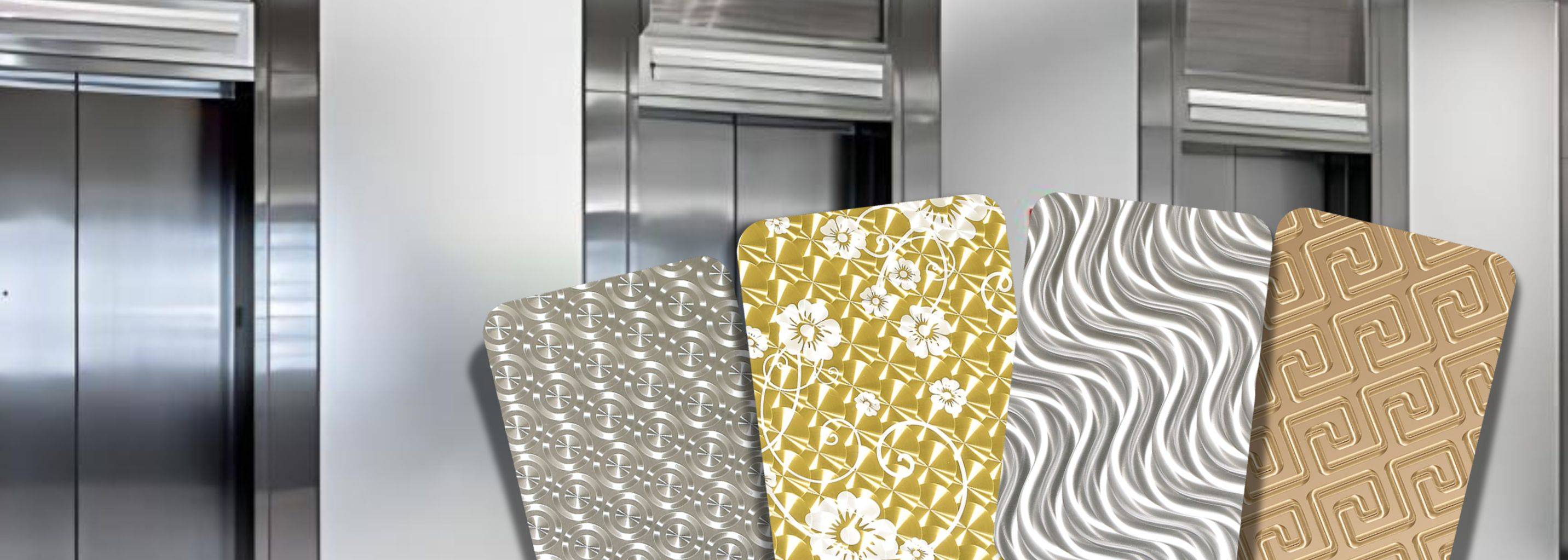
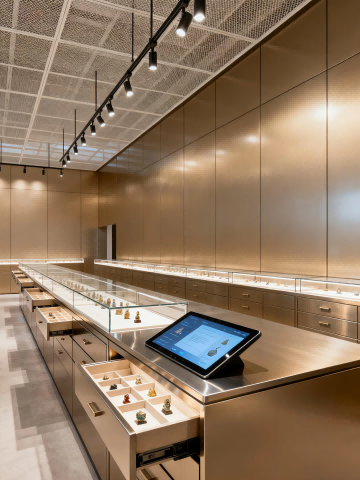
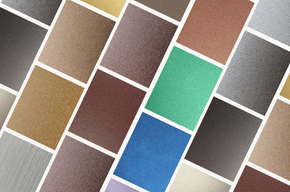
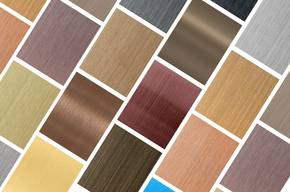
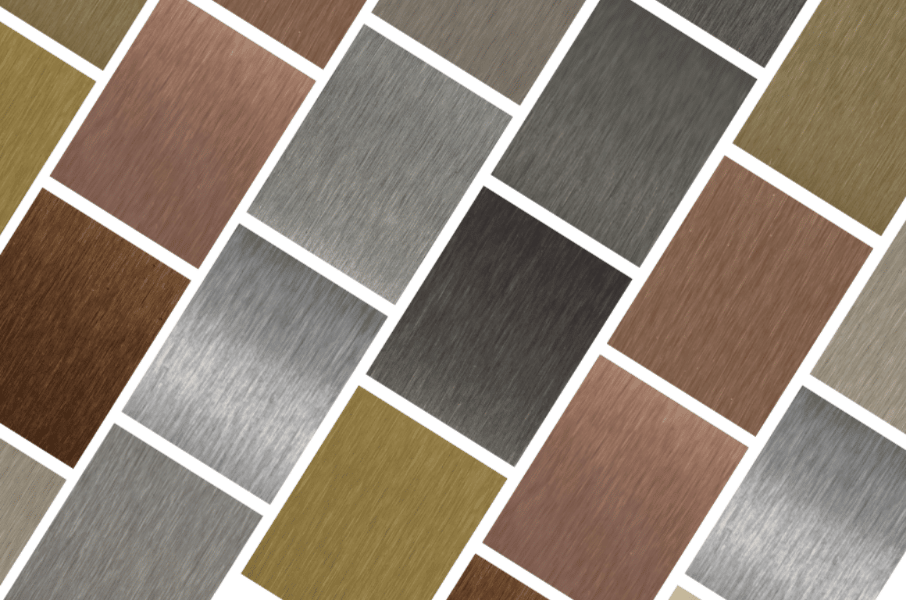
إنه يحل مشكلة صيانة حقيقية - بما في ذلك مخاوف المتانة. اللمسة المصقولة واللمسة الساتانية — وهما أكثر أنواع التشطيبات الأساسية شيوعًا للفولاذ المقاوم للصدأ الأسود — تتفوقان بطبيعتهما في إخفاء بصمات الأصابع والبقع مقارنةً بالتشطيبات المصقولة أو ذات المظهر المرآوي، لأن اتجاه الحبيبات يعمل على تشتيت الضوء وإخفاء علامات اللمس. وبالنسبة للسؤال الأكثر شيوعًا الذي يطرحه المشترون — هل يتعرض الفولاذ المقاوم للصدأ الأسود للخدش — فإن التشطيبات الحديثة تتحمل ذلك بشكل أفضل بكثير مما يتوقعه الناس: حيث تُشكّل طلاءات الكروم PVD ومعالجات الطلاء النانوي طبقة سطحية كثيفة وصلبة تقاوم التآكل اليومي، بما في ذلك المفاتيح والعملات المعدنية والصدمات اليومية، دون أن يتقشر الطلاء أو يتآكل حتى يصل إلى المعدن العاري. وبالاقتران مع الطلاءات المضادة لبصمات الأصابع التي غالبًا ما تُطبق جنبًا إلى جنب مع PVD، فإن هذا يؤدي إلى انخفاض شكاوى التنظيف بعد البيع وتقليل تكاليف الصيانة على الأسطح التي تتعرض للتلامس بشكل كبير — ألواح المصاعد, ومن بينها مقابض الأبواب وعلب المعدات.
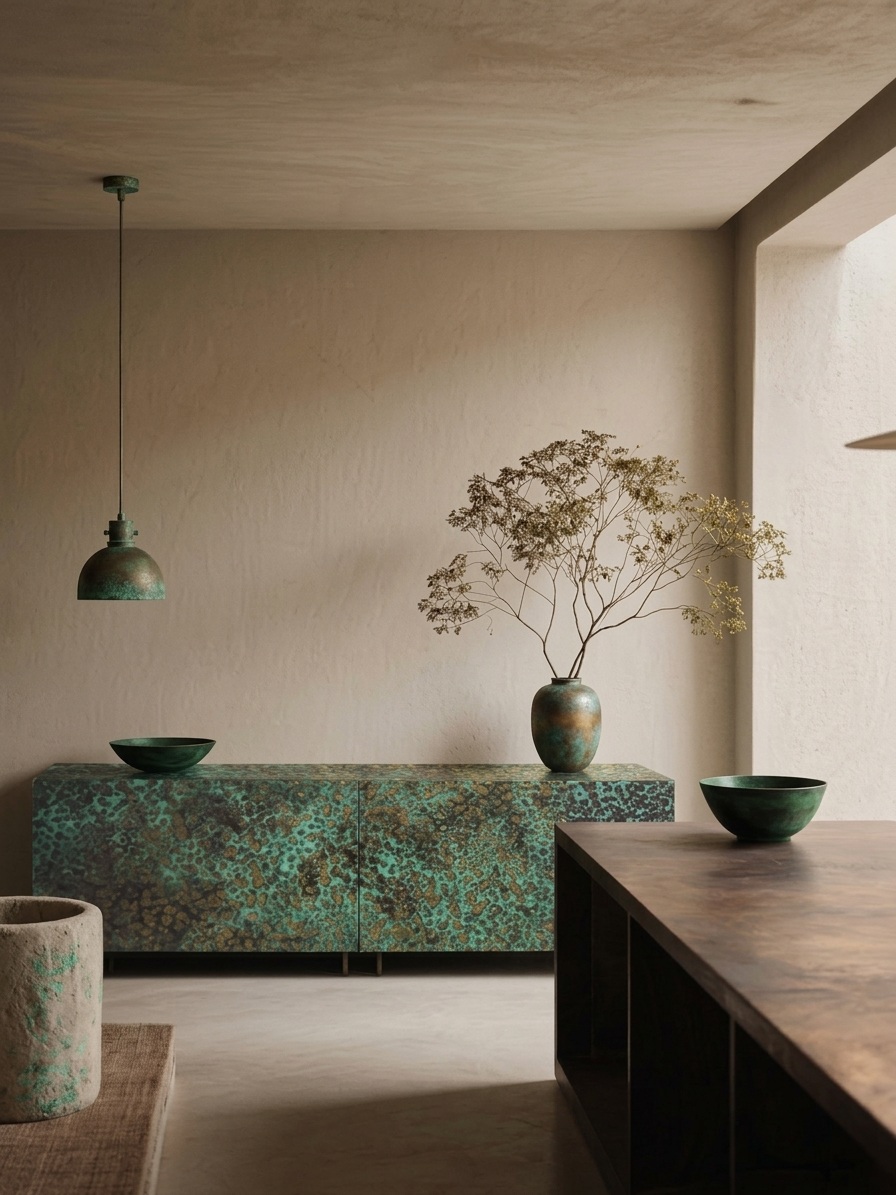
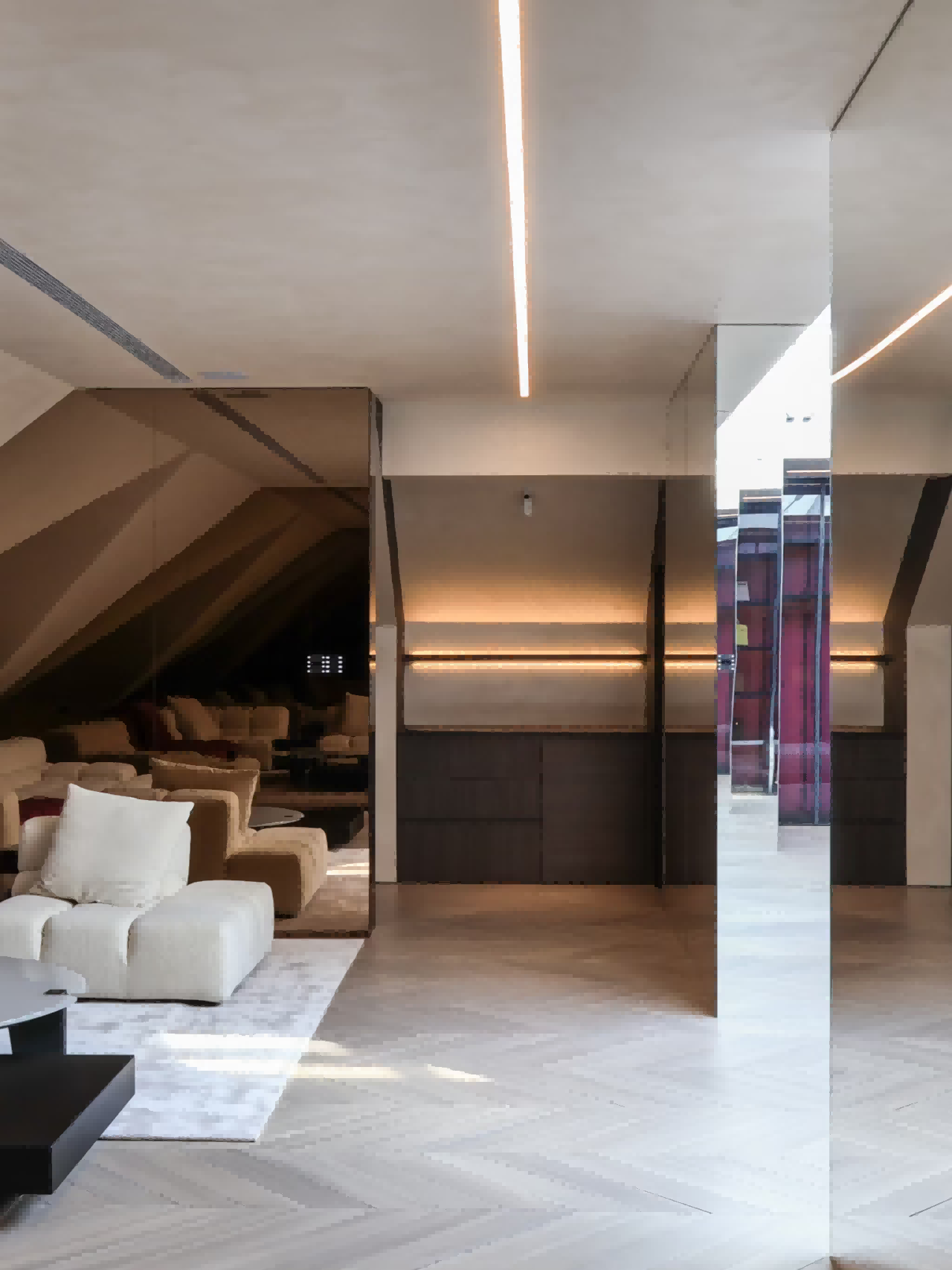
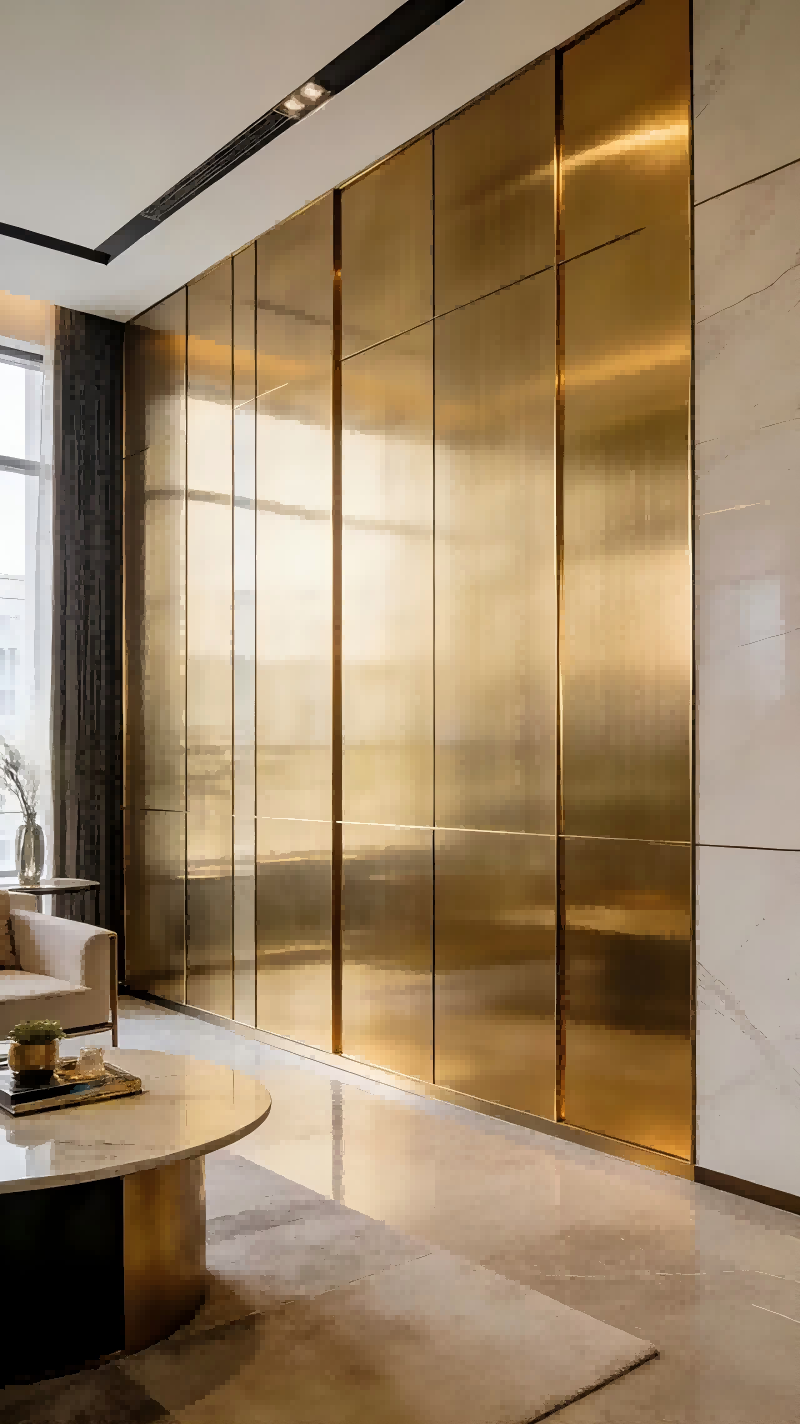
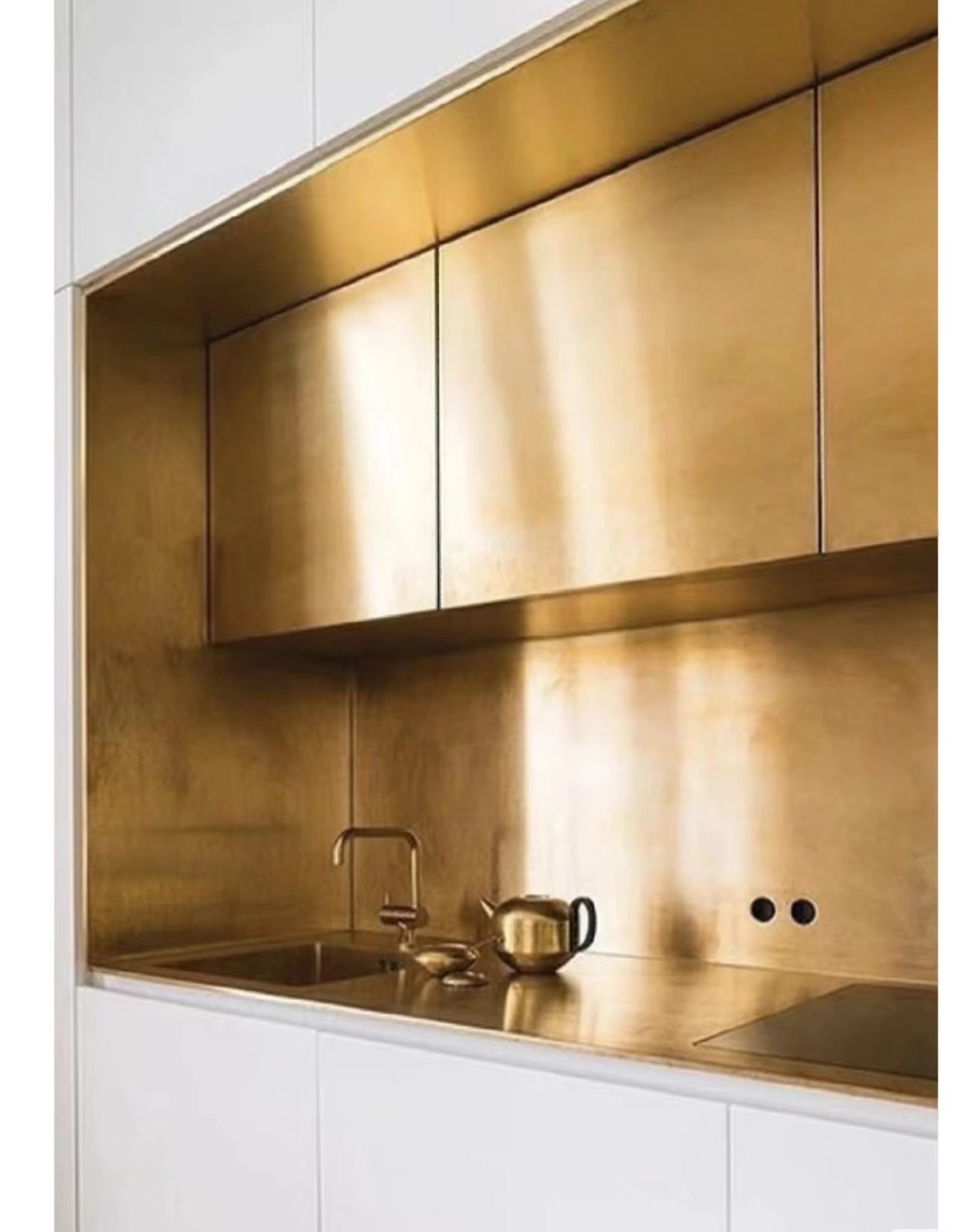
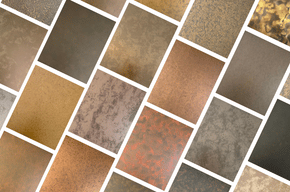
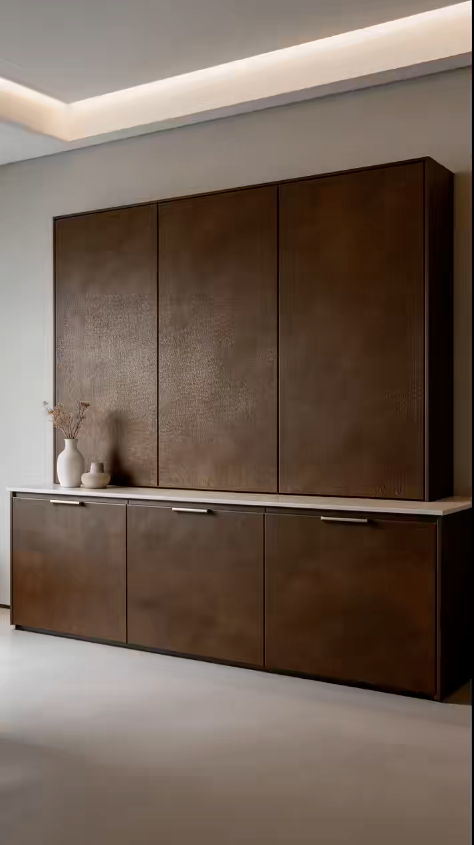
إنه يناسب المكان الذي يعيش فيه التصميم البسيط بالفعل — والمكان الذي تكتسب فيه الألوان الأكثر دفئًا أرضية. في التصميمات الداخلية التجارية والمعمارية، تُعد الألوان الثنائية (الأبيض والأسود) والألوان الأحادية لغة تصميم أساسية، وليست مجرد صيحة عابرة، ويوفر الفولاذ المقاوم للصدأ الأسود للمصممين مادة متينة ومقاومة للتآكل تتناسب مع تلك الألوان دون المساس بقوة الفولاذ المقاوم للصدأ وعمره الافتراضي. ولم يعد اللون الأسود خيارًا وحيدًا بعد الآن: فإلى جانب اللون الأسود غير اللامع البارد المألوف، يكتسب اللون الأسود ذو الدرجات الدافئة والمظهر العتيق المذكور أعلاه زخمًا متزايدًا — وتعد القدرة على تقديم كلا الخيارين في حد ذاتها ميزة تميزية.
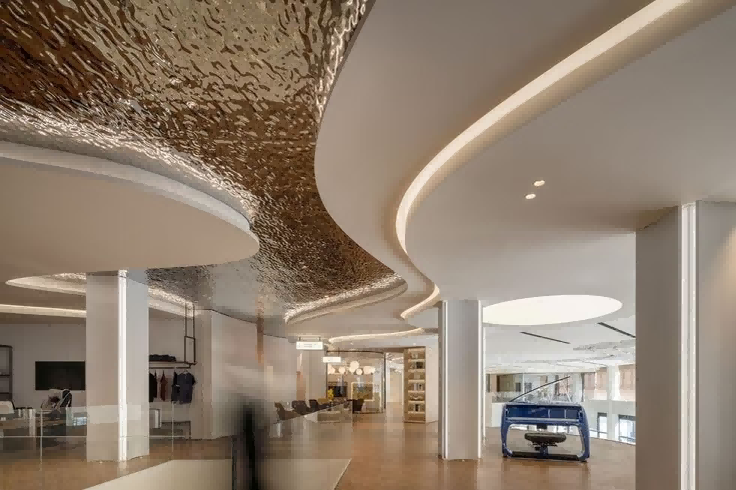
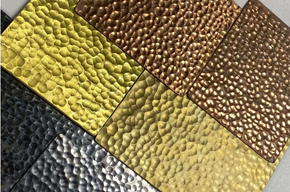
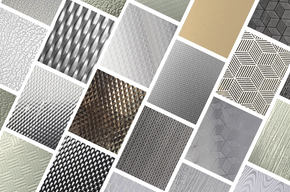
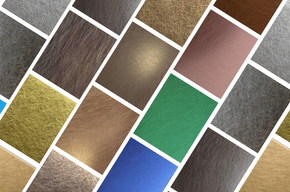
لقد ثبت علميًا، وليس مجرد تجربة. طرق طلاء متنوعة (الطلاء المائي، الطلاء بالترسيب الفيزيائي للبخار (PVD)، الطلاء النهائي بالطلاء)، درجات متعددة من اللون الأسود (التيتانيوم الأسود المطلي بالماء، الأسود الكروم، الأسود المصنوع من التيتانيوم والألومنيوم، الأسود المصنوع من التيتانيوم النقي، الأسود المطلي)، خيارات النسيج التي يمكن وضعها في طبقات فوقية (مُبرَّز, مدقنق, تموج الماءوعملية قابلة للتحكم باللون الأسود المؤكسد + التلميع للحصول على لون أسود عتيق دافئ - كل طبقة من هذا لها أساس تقني واضح. لقد نضج الفولاذ المقاوم للصدأ الأسود ليصبح فئة مواد ذات مرونة تصميم حقيقية، وليس مجرد تشطيب واحد ذو مظهر واحد وعملية واحدة.
سانمي ميتال
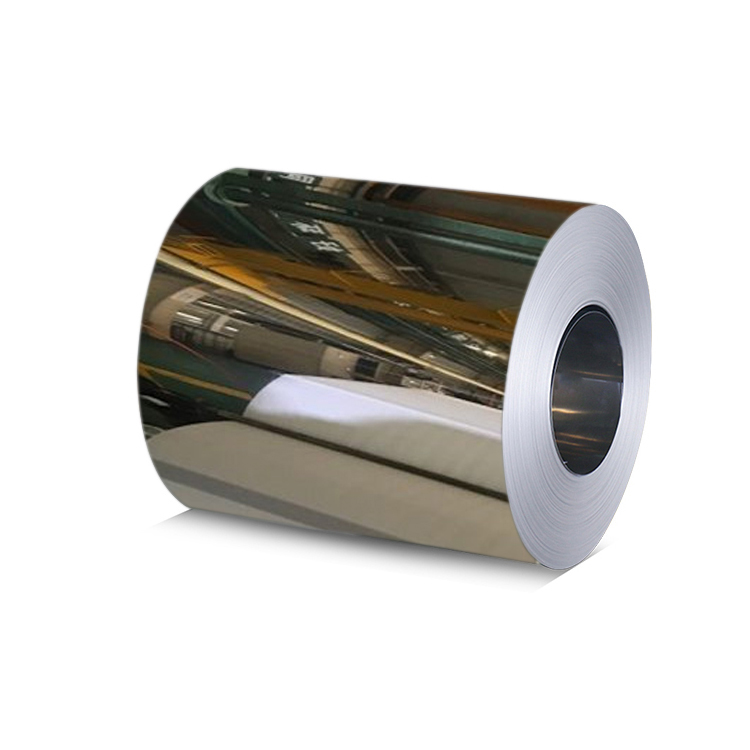
توفر شركة سانمي ميتال لفائف وألواح وقطاعات هيكلية من الفولاذ المقاوم للصدأ يتم الحصول عليها من مصانع راسخة في الصين، مع دعم تصنيع قائم على المشاريع وشهادة كاملة للمواد. تواصل معنا لمناقشة متطلبات المواد والمشروع الخاص بك.