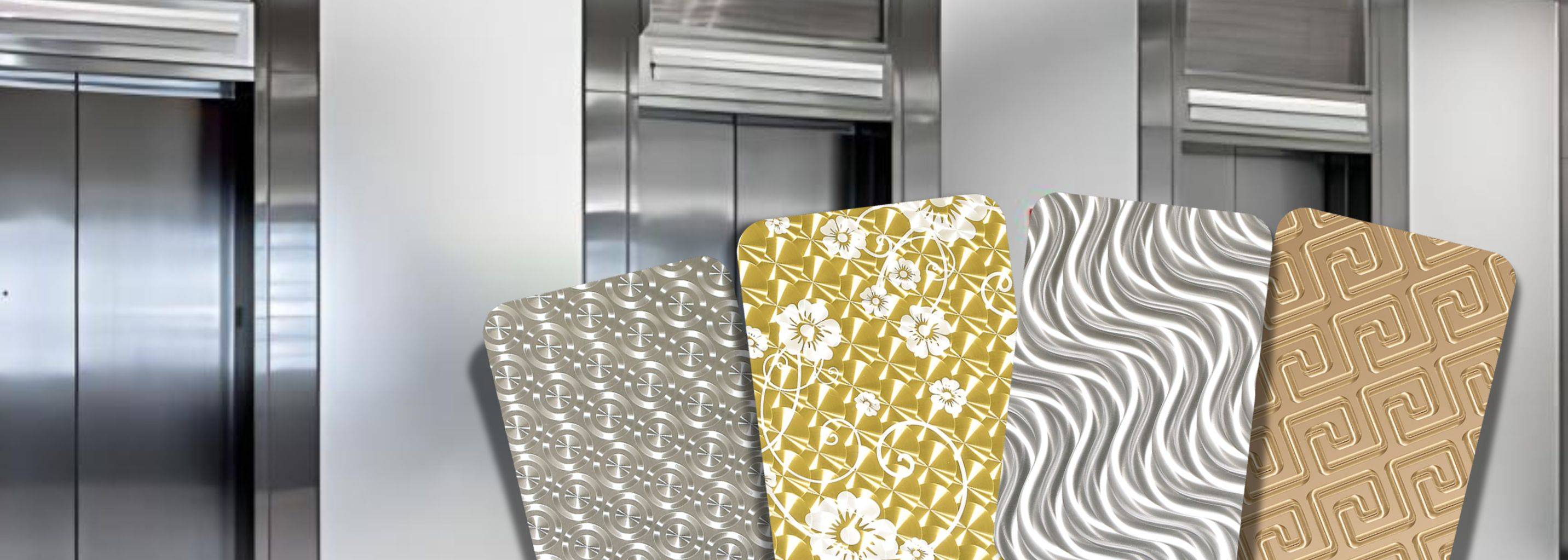
















2025 жылғы әлемдегі ең үздік болат зауыттары: Табыс бойынша жаһандық рейтинг
Адамдар «болат зауыттарын» іздеген кезде, әдетте екі сұрақтың біріне жауап беруге тырысады: болат зауыты шын мәнінде не немесе қайсысы маңызды. Бұл мақалада екінші сұрақ қарастырылады — әлемдегі ең ірі болат зауыттарына шолу, екі түрлі жолмен бағаланады: кіріс бойынша (Fortune Global 500 деректері және салалық есеп) және шикі болат өндірісі бойынша (Дүниежүзілік болат қауымдастығының көрсеткіштері). Екі рейтинг те 2025 жылғы толық көрсеткішті көрсетеді — шикі болат өндірісінің көрсеткіштері Дүниежүзілік болат қауымдастығының «Дүниежүзілік болат 2026 жылғы көрсеткіштерде» есебінен алынған, ол қамтитын кезеңнен бір жыл өткен соң жарияланады, сондықтан сол есептің тақырыбындағы «2026» оның шыққан уақытын білдіреді, деректерде сипатталған жылды емес. Екі рейтинг әрқашан сәйкес келе бермейді, және олардың арасындағы алшақтық әлемдік болат өнеркәсібінің іс жүзінде қалай жұмыс істейтіні туралы көп нәрсе айтады.
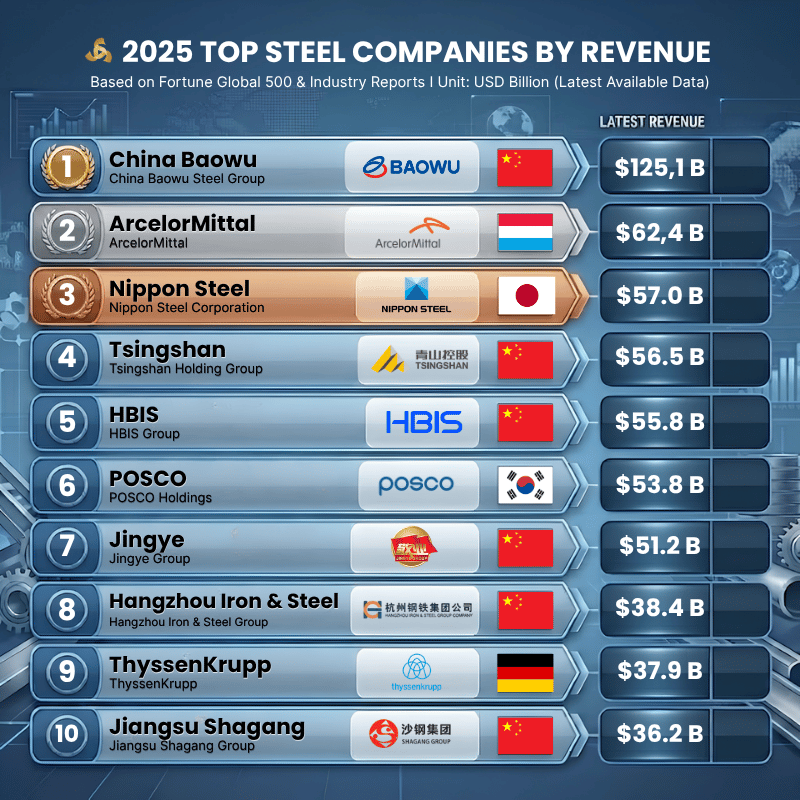
2025 жылғы кірісі бойынша ең үздік болат зауыттары
| Дәреже | Компания | Ел | Табыс (АҚШ доллары) |
|---|---|---|---|
| 1 | Қытайдың Баову болат тобы | Қытай | $125.1B |
| 2 | ArcelorMittal | Люксембург | $62.4B |
| 3 | Nippon Steel Corporation | Жапония | $57.0B |
| 4 | Циншань холдинг тобы | Қытай | $56.5B |
| 5 | HBIS тобы | Қытай | $55.8B |
| 6 | POSCO Holdings | Оңтүстік Корея | $53.8B |
| 7 | Джинье тобы | Қытай | $51.2B |
| 8 | Ханчжоу темір және болат тобы | Қытай | $38.4B |
| 9 | ThyssenKrupp | Германия | $37.9B |
| 10 | Цзянсу Шаганг тобы | Қытай | $36.2B |
Екі нәрсе бірден көзге түседі. Біріншіден, #1 мен #10 арасындағы алшақтық өте үлкен — China Baowu компаниясының кірісі #10-дағы Jiangsu Shagang компаниясының кірісінен үш еседен астам. Екіншіден, осы тізімдегі ең үздік 10 зауыттың жетеуі қытайлық, біреуі жапондық, біреуі оңтүстік кореялық және біреуі еуропалық. Бұл кездейсоқтық емес — бұл болат өндірісі қуатының бүгінгі таңдағы құрылымдық өзгерісін көрсетеді.
Табыс рейтингісі және өндіріс рейтингісі: басқаша көрініс
Табыс - болат зауытын рейтингке келтірудің бір ғана жолы. Дүниежүзілік болат қауымдастығының 2025 жылғы деректері сол компанияларды шикі болат бойынша рейтингке қояды. шығару — олар іс жүзінде қанша тонна өндірді — және сурет кейбір айқын жолдармен өзгереді.
| Дәреже | Компания | Ел | Шикі болат өндірісі (мт) |
|---|---|---|---|
| 1 | Қытай Баоу | Қытай | 124.76 |
| 2 | ArcelorMittal | Люксембург | 63.43 |
| 3 | Ниппон болат | Жапония | 57.78 |
| 4 | Ansteel Group | Қытай | 57.61 |
| 5 | HBIS тобы | Қытай | 42.49 |
| 6 | Шаганг тобы | Қытай | 39.10 |
| 7 | Цзянлун тобы | Қытай | 38.02 |
| 8 | POSCO Holdings | Оңтүстік Корея | 37.36 |
| 9 | Делонг тобы | Қытай | 32.03 |
| 10 | Тата Стил | Үндістан | 30.46 |
Дереккөз: Дүниежүзілік болат қауымдастығы,Әлемдік болат 2026 жылғы көрсеткіштерде«— есептің 2026 жылғы басылымы, онда 2025 жылғы өндіріс деректері толық қамтылған. Worldsteel әрбір басылымды есепті кезеңнен кейін бір жылдан кейін жариялайды, сондықтан «2026» деректер жылы емес, жарияланған күнді білдіреді.
Baowu, ArcelorMittal, Nippon Steel, HBIS және POSCO екі тізімде де шамамен бірдей позицияны иеленеді — бұл компаниялар үшін кіріс пен өндіріс көлемі көбінесе бір-бірін бақылайды. Бірақ кейбір атаулар сіз қолданатын метрикаға байланысты күрт өзгереді:
- Циншан Дүниежүзілік болат қауымдастығының мәліметтері бойынша, кірісі бойынша #4 ($56.5B) орында, бірақ шикі болат өндірісі бойынша (16.00 млн тонна) тек #25 шамасында ғана. Оның кірісіне болат құюмен қатар ірі никель өндіру және өңдеу бизнесі кіреді, сондықтан кіріс оның таза болат өндіруші ретіндегі орнын асыра көрсетеді.
- ThyssenKrupp кірісі бойынша #9 тізімінде ($37.9B), бірақ өнімділігі бойынша (9.41 тонна) шамамен #47 орында тұр — бұл зауыт салыстырмалы түрде аз тоннаж өндіреді, бірақ тоннасына айтарлықтай көп кіріс әкеледі, бұл оның жоғары құнды мамандандырылған және автомобиль класты болатқа бағытталғандығына сәйкес келеді.
- Ansteel және Tata Steelкерісінше, әлемдік үздік 10-дыққа кіру үшін жеткілікті тоннаж өндіреді, бірақ кірісі бойынша үздік 10-дыққа кірмейді — бұл тек көлем ғана емес, баға мен өнім құрамы да фабриканың кіріске негізделген рейтингте қандай орын алатынын анықтайтынының белгісі.
Қорытынды: кірісі бойынша «ең үздік болат зауыты» және тоннасы бойынша «ең үздік болат зауыты» әрқашан бірдей компания бола бермейді. Кіріс рейтингі әртараптандырылған конгломераттар мен жоғары құнды өнім қоспаларын марапаттауға бейім; өндіріс рейтингі шикізат өндірісінің көлемін марапаттайды.
Неліктен Қытай болат зауыттарының рейтингінде басымдыққа ие?
Қытайдың болат зауыттары осы тізімдегі компаниялардың басым көпшілігін құрайды, және бұл үлгі алғашқы 10 компаниядан тысқары да орын алады — қытайлық өндірушілер Fortune Global 500 болат тізіміне енетін 14 болат компаниясының шамамен 12-сін құрайды, бұл әлемдік болат өндірісінің жартысынан астамын құрайды. Мұны бірнеше күш қозғайды:
- Масштабтау және біріктіру. Қытайдың болат өнеркәсібі соңғы бірнеше жылда қуатты аз, ірі ойыншыларға біріктіруге жұмсады, ал саясат өндірісті жоғары деңгейлі, жақсы реттелетін зауыттарға белсенді түрде итермелейді.
- Интеграцияланған жеткізу тізбектері. Циншань сияқты компаниялар шикізатқа қол жеткізуді де, өндірісті де бақылайды — Циншаньның әлемдегі ең ірі тот баспайтын болат өндірушісі ретіндегі ұстанымы Индонезиядағы никель кенін өндіру операцияларымен қамтамасыз етіледі, бұл шикізат шығындарын айтарлықтай төмендетеді.
- Ішкі сұраныс пен экспорттық қуат. Қытайдың болат экспорты шетелдегі үйкелістердің артуына қарамастан, ішкі нарықтың көлемі зауыттардың басқа елдердің көпшілігі тең келе алмайтын ауқымда жұмыс істеуін қамтамасыз етеді.
Тізімнің қалған бөлігі бізге не айтады
Қытайдан тыс жердегі зауыттарға басқа себеппен назар аудару керек — олар мүлдем басқа бәсекелестік стратегияларды білдіреді.
Жапония мен Оңтүстік Корея технологияға ставка қойып отыр. Nippon Steel және POSCO компаниялары сутегі негізіндегі болат өндіруге айтарлықтай инвестиция салып, өндіріс процесінен шығатын көміртегі шығарындыларын кейін өтеудің орнына азайтуға тырысуда. Екеуі де 2030 жылдардың басына қарай коммерциялық ауқымды сутегі болат өндіруді мақсат етіп отыр. Бұл ұзақ мерзімді болжам, бірақ сонымен бірге бұл зауыттарға сатып алу шешімдерінде көміртегінің бағасын арттыратын нарықтарда шығарындылар туралы куәліктер бойынша бәсекелесуге мүмкіндік береді.
Еуропа нақты шығындар қысымына ұшырауда. ThyssenKrupp - алғашқы ондықта қалған жалғыз еуропалық компания және ол қытайлық немесе азиялық әріптестеріне қарағанда мүлдем басқа шектеулер аясында жұмыс істейді - көміртегі шекаралық тарифтері мен жоғары ішкі энергия шығындары еуропалық болат секторындағы маржаны қысқартып келеді, ал бірнеше еуропалық өндірушілер соңғы екі жылда шығындар туралы хабарлады.
Сауда үйкелісі болаттың іс жүзінде қозғалатын жерін қайта құруда, оны кім көп өндіретініне қарамастан. Оңтүстік Американың кейбір нарықтарына кіретін тот баспайтын болаттан жасалған дәнекерленген құбырларға демпингке қарсы баждар және Оңтүстік Азияның кейбір бөліктеріндегі болат импортына қатысты қорғаныс тергеулері сатып алушылардың өндіріс шығындарынан басқа тарифтер мен сауда кедергілерінен қалай арылып жатқанының мысалдары болып табылады.
Егер сіз болатты халықаралық деңгейде сатып алсаңыз, бұл нені білдіреді
Мұндай рейтинг өз алдына қызықты, бірақ материалды шынымен іздеп жүрген сатып алушы үшін пайдалырақ қорытынды: зауыт деңгейіндегі масштаб және жақсы іздеу тәжірибесі - екі түрлі нәрсе.
Әлемдегі ең ірі болат зауыттары көлемге – ұзақ өндірістік мерзімдерге, үлкен минималды тапсырыс көлеміне және стандартталған сипаттамаларға арналған. Бұл өнеркәсіптік ауқымда сатып алсаңыз жақсы жұмыс істейді. Егер сіз жылына ондаған миллион тонна өндіретін компания үшін инемен қозғалмайтын партиялық көлемдегі белгілі бір сортты, қалыңдықты немесе беткі өңдеуді қажет ететін жоба сатып алушысы болсаңыз, бұл онша жақсы жұмыс істемейді.
Бұл материал жеткізушісінің жабуға тиіс олқылығы – диірменді ауыстыру арқылы емес, диірменнің өндіріс көлемі мен жобаның нақты талаптары арасында отыру арқылы: оны жақсы жасайтын диірмендерден дұрыс сорт пен әрлеуді алу, кішігірім партия өлшемдерін өңдеу және тапсырыс көлеміне қарамастан жоба сатып алушысына қажетті құжаттаманы (диірмен сынақ есептері, сертификаттау) ұсыну.
Қытайдың болат зауыттарының рейтингіндегі басымдығы тек тақырып емес, сонымен қатар тот баспайтын болат пен құрылымдық болатты Қытайдан дұрыс серіктес арқылы алу халықаралық сатып алушыларға зауыт деңгейіндегі тапсырыстарды орналастырмай-ақ зауыт деңгейіндегі сапа мен бағаға қол жеткізуге мүмкіндік береді.
Неліктен өнімдеріңіз үшін қара тот баспайтын болатты таңдау керек
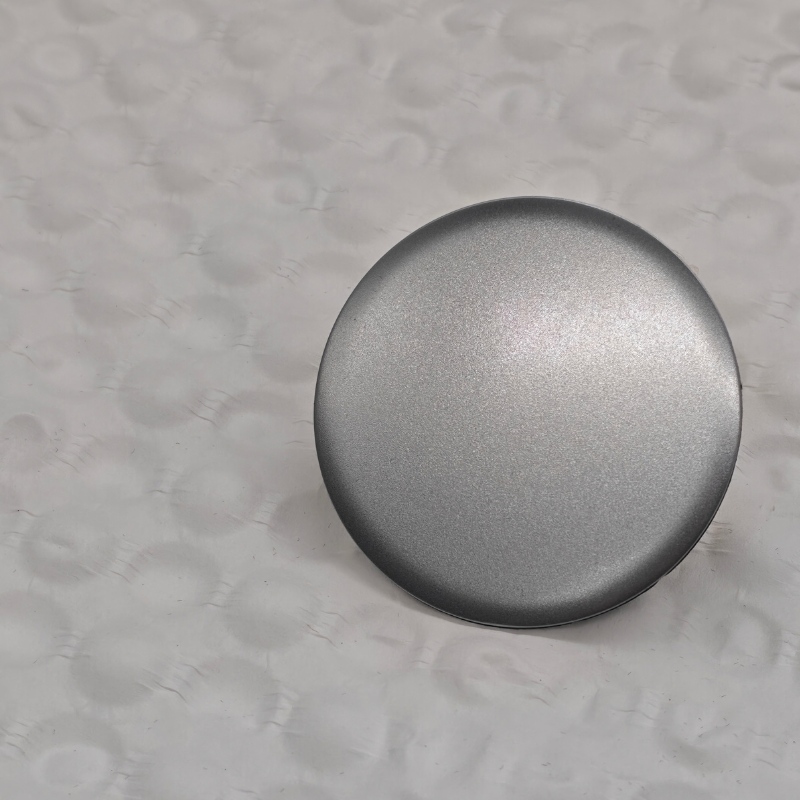
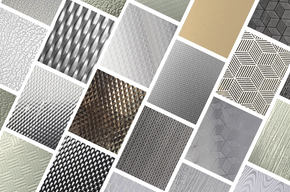
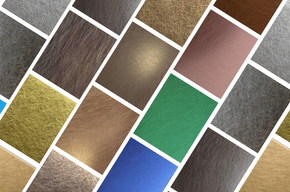
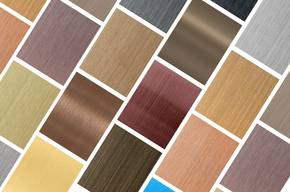
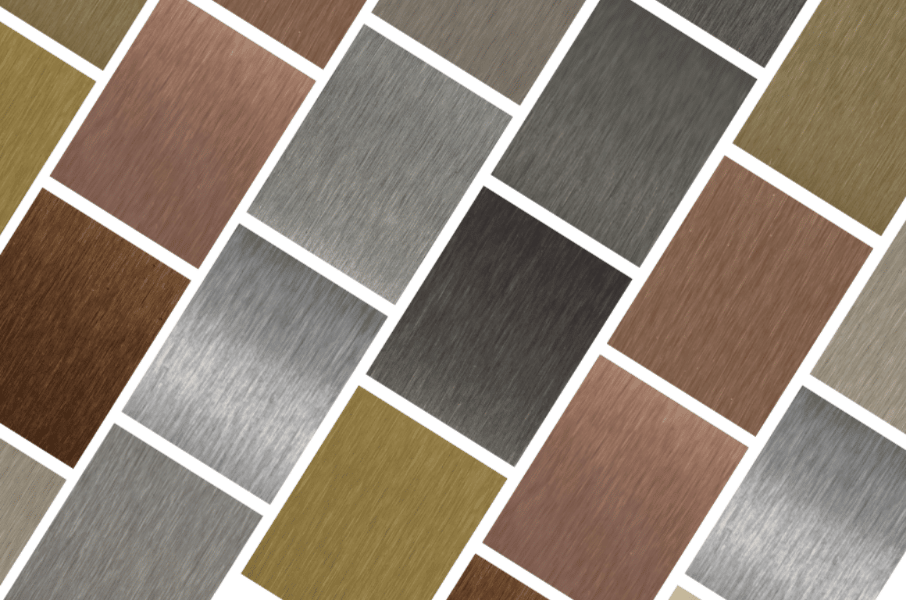
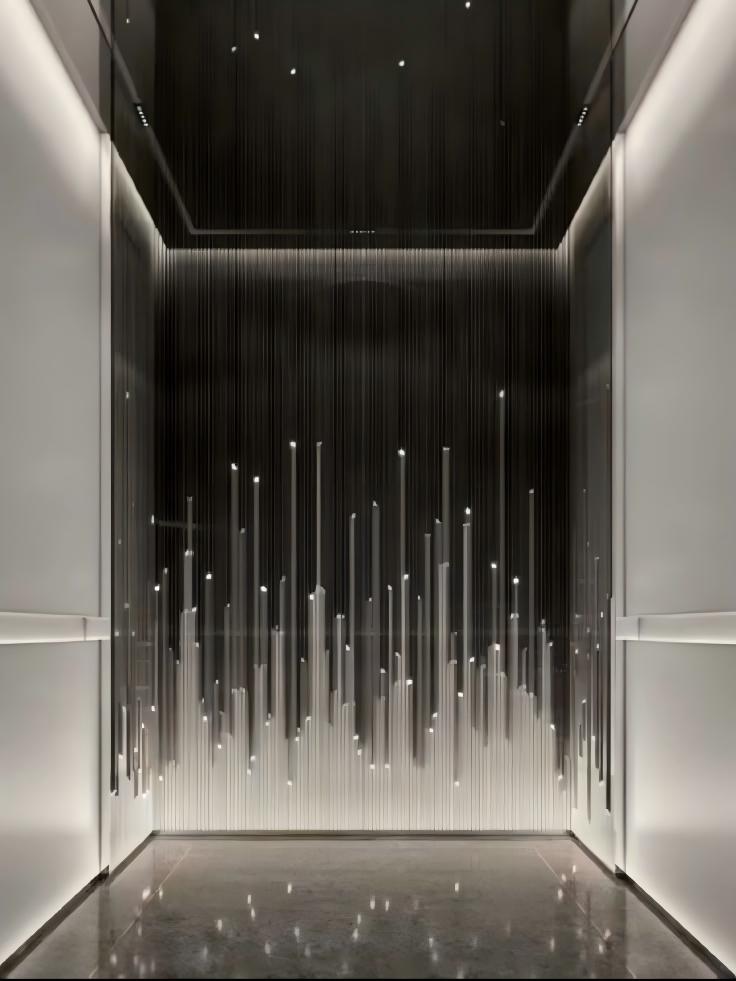
Бұл беріктік мәселелерін қоса алғанда, нақты техникалық қызмет көрсету мәселесін шешеді. Қара тот баспайтын болаттың ең көп таралған негізгі текстуралары - қылқаламмен өңделген және атласты - жылтыратылған немесе айнамен өңделгенге қарағанда саусақ іздері мен дақтарды жасыруда жақсырақ, себебі бағыттаушы түйіршіктер жарықты шашыратады және жанасу белгілерін жасырады. Сатып алушылардың көпшілігі қоятын сұрақ бойынша - қара тот баспайтын болат сызат түсіре ме - заманауи әрлеу адамдар күткеннен әлдеқайда жақсы сақталады: PVD хром жабындары және нано жабын өңдеулері жабынның көтерілуіне немесе жалаңаш металлға дейін тозуына жол бермейтін, кілттерді, тиындарды және күнделікті соққыларды қоса алғанда, күнделікті тозуға төзімді тығыз, қатты беткі қабат түзеді. PVD-мен бірге жиі қолданылатын саусақ ізіне қарсы жабындармен бірге бұл сатудан кейінгі тазалау шағымдарының төмендеуіне және жанасатын беттерде техникалық қызмет көрсету құнының төмендеуіне әкеледі - лифт панельдері, есік тұтқалары және олардың арасындағы жабдық корпустары.
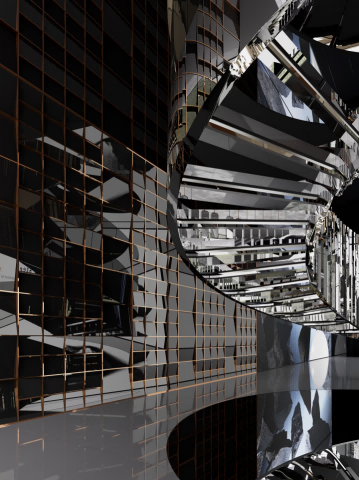
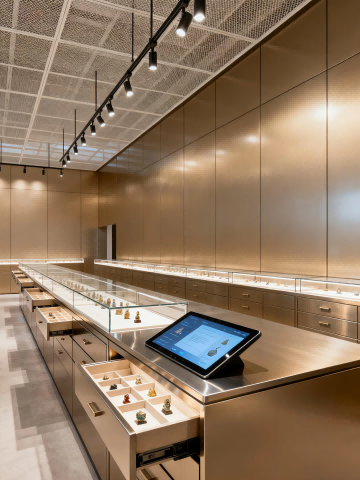
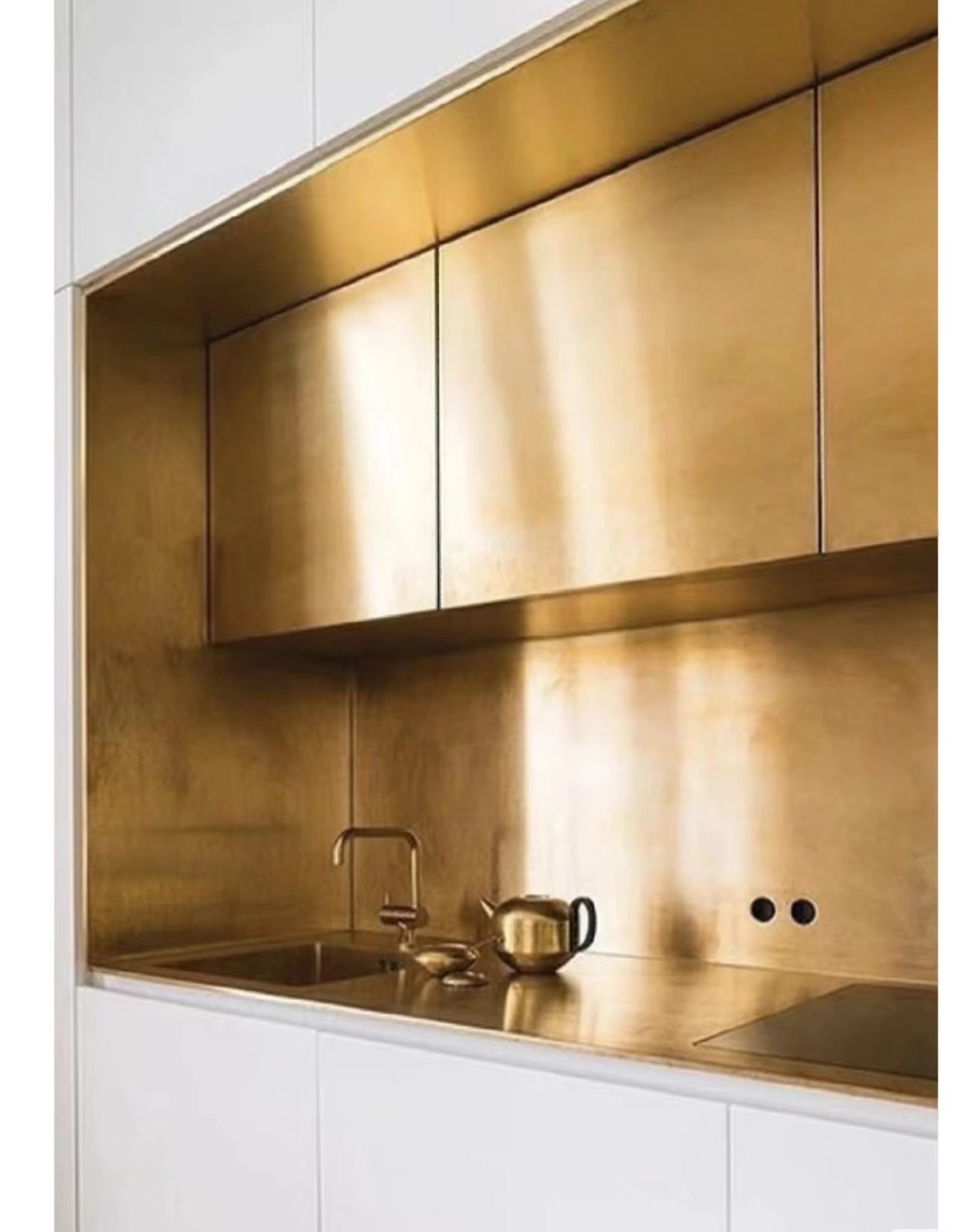
Ол минималистік дизайнның бұрыннан бар жерлеріне және жылы реңктер басым болатын жерлерге сәйкес келеді. Коммерциялық және сәулеттік интерьерлерде ақ-қара және монохромды палитралар негізгі дизайн тілі болып табылады, өткінші үрдіс емес, ал қара тот баспайтын болат дизайнерлерге тот баспайтын болаттың беріктігі мен қызмет ету мерзімін құрбан етпестен, сол палитраға сәйкес келетін берік, коррозияға төзімді материал береді. Ал қара түстің өзі енді бір нұсқа емес: таныс салқын күңгірт қара түспен қатар, жоғарыда қапталған жылы реңкті, антикварлық қара түс танымал бола бастады - екеуін де ұсына алудың өзі ерекшелік.
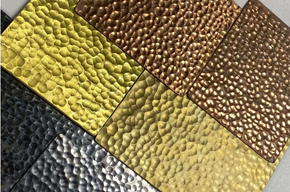
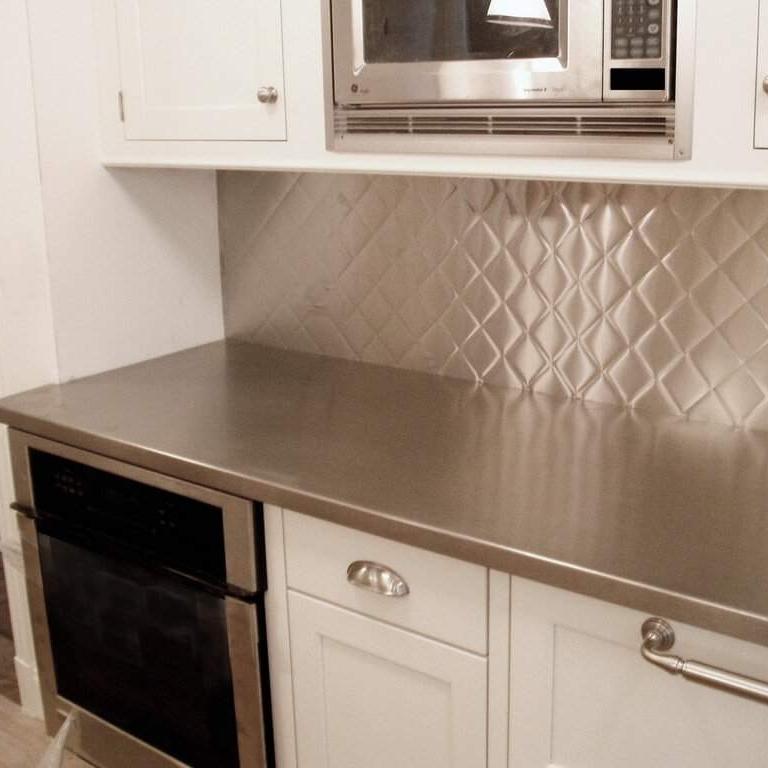
Бұл дәлелденген, эксперименттік емес. Бірнеше жабын түрлері (сумен қаптау, ПВД, бояумен қаптау), бірнеше қара реңктер (сумен қапталған қара титан, хром қара, титан-алюминий қара, таза титан қара, боялған қара), үстіне қабаттауға болатын текстура нұсқалары (бедерлі, соққыланған, су толқыны), және жылы реңкті, ежелгі қара түске арналған басқарылатын қара оксид пен жылтырату процесі — мұның әрбір қабатының айқын техникалық негізі бар. Қара тот баспайтын болат бірыңғай өңдеумен және бір процесспен емес, нақты дизайн икемділігімен материал санатына айналды.
SANMEI METAL
Sanmei Metal компаниясы Қытайдағы беделді зауыттардан алынған тот баспайтын болаттан жасалған катушкаларды, парақтарды және құрылымдық профильдерді жобаға негізделген өндірістік қолдаумен және толық материалдық сертификаттаумен қамтамасыз етеді. Байланыс материалдарыңыз бен жобаңызға қойылатын талаптарды талқылау үшін.