









Las principales acerías del mundo en 2025: Clasificación global por ingresos
Cuando la gente busca "acerías", suele intentar responder a una de dos preguntas: qué es una acería o cuáles son las más importantes. Este artículo aborda la segunda pregunta: un análisis de las mayores acerías del mundo, clasificadas de dos maneras diferentes: por ingresos (datos de Fortune Global 500 e informes del sector) y por producción de acero bruto (cifras de la Asociación Mundial del Acero). Ambas clasificaciones reflejan el rendimiento del año 2025. Las cifras de producción de acero bruto provienen del informe "World Steel in Figures 2026" de la Asociación Mundial del Acero, que se publica un año después del período que abarca, por lo que el "2026" en el título del informe se refiere a la fecha de publicación, no al año que describen los datos. Las dos clasificaciones no siempre coinciden, y la diferencia entre ellas revela mucho sobre el funcionamiento de la industria siderúrgica mundial.
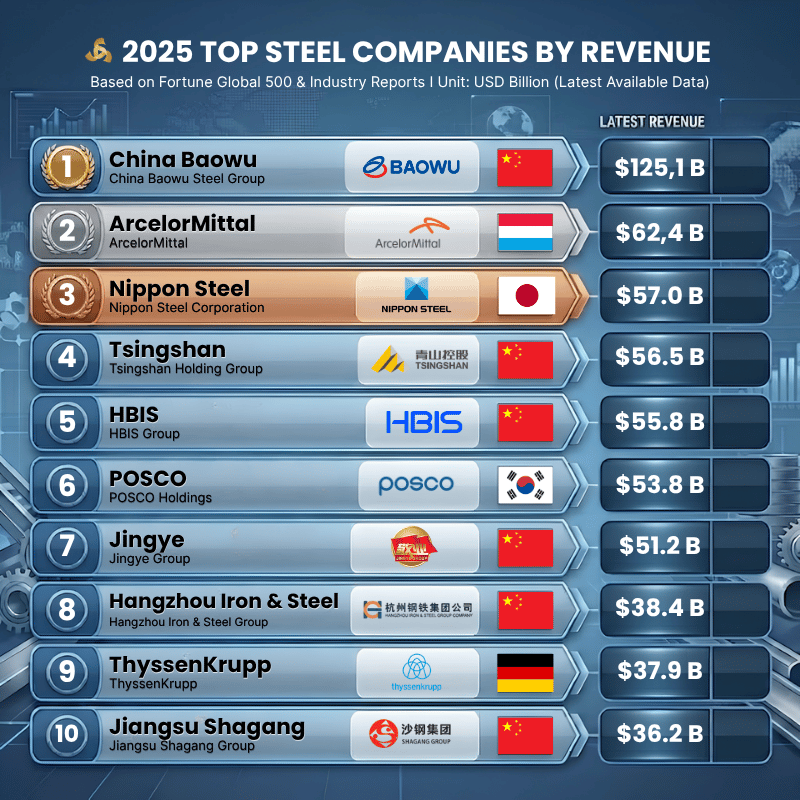
Principales acerías por ingresos en 2025
| Rango | Compañía | País | Ingresos (USD) |
|---|---|---|---|
| 1 | Grupo siderúrgico chino Baowu | Porcelana | $125.1B |
| 2 | ArcelorMittal | Luxemburgo | $62.4B |
| 3 | Corporación Nippon Steel | Japón | $57.0B |
| 4 | Grupo de Holding Tsingshan | Porcelana | $56.5B |
| 5 | Grupo HBIS | Porcelana | $55.8B |
| 6 | POSCO Holdings | Corea del Sur | $53.8B |
| 7 | Grupo Jingye | Porcelana | $51.2B |
| 8 | Grupo siderúrgico de Hangzhou | Porcelana | $38.4B |
| 9 | ThyssenKrupp | Alemania | $37.9B |
| 10 | Grupo Jiangsu Shagang | Porcelana | $36.2B |
Dos aspectos saltan a la vista de inmediato. Primero, la diferencia entre #1 y #10 es enorme: los ingresos de China Baowu superan en más del triple los de Jiangsu Shagang en #10. Segundo, de las diez principales acerías de esta lista, siete son chinas, una japonesa, una surcoreana y una europea. Esto no es casualidad, sino que refleja un cambio estructural en la distribución actual de la capacidad de producción de acero.
Clasificación por ingresos frente a clasificación por producción: una perspectiva diferente.
Los ingresos son solo una forma de clasificar una acería. Los datos de 2025 de la propia Asociación Mundial del Acero clasifican a las mismas empresas según el acero bruto. producción —cuántas toneladas produjeron realmente— y la situación cambia de maneras reveladoras.
| Rango | Compañía | País | Producción de acero bruto (Mt) |
|---|---|---|---|
| 1 | China Baowu | Porcelana | 124.76 |
| 2 | ArcelorMittal | Luxemburgo | 63.43 |
| 3 | Nippon Steel | Japón | 57.78 |
| 4 | Grupo Ansteel | Porcelana | 57.61 |
| 5 | Grupo HBIS | Porcelana | 42.49 |
| 6 | Grupo Shagang | Porcelana | 39.10 |
| 7 | Grupo Jianlong | Porcelana | 38.02 |
| 8 | POSCO Holdings | Corea del Sur | 37.36 |
| 9 | Grupo Delong | Porcelana | 32.03 |
| 10 | Tata Steel | India | 30.46 |
Fuente: Asociación Mundial del Acero, "El sector siderúrgico mundial en cifras 2026— la edición de 2026 del informe, que abarca los datos de producción del año completo 2025. Worldsteel publica cada edición un año después del período de referencia, por lo que "2026" se refiere a la fecha de publicación, no al año de los datos.
Baowu, ArcelorMittal, Nippon Steel, HBIS y POSCO mantienen prácticamente la misma posición en ambas listas; para estas empresas, los ingresos y la escala de producción suelen ir de la mano. Sin embargo, algunos nombres varían drásticamente según el indicador que se utilice:
- Tsingshan Ocupa el puesto #4 por ingresos ($56,5 mil millones), pero solo alrededor del puesto #25 por producción de acero bruto (16,00 Mt) según las cifras de la Asociación Mundial del Acero. Sus ingresos incluyen una importante actividad de extracción y procesamiento de níquel, además de la producción de acero, por lo que estos sobreestiman su posición como productor de acero puro.
- ThyssenKrupp Ocupa el puesto #9 por ingresos ($37,9 mil millones), pero solo alrededor del puesto #47 por producción (9,41 millones de toneladas): una planta que produce un tonelaje relativamente modesto, pero que genera ingresos significativamente mayores por tonelada, lo que concuerda con su enfoque en aceros especiales de mayor valor y de grado automotriz.
- Ansteel y Tata SteelPor el contrario, producen suficiente tonelaje como para figurar entre los 10 primeros a nivel mundial, pero no aparecen entre los 10 primeros en ingresos, lo que indica que el precio y la combinación de productos, y no solo el volumen, determinan la posición de una fábrica en una clasificación basada en ingresos.
En resumen: una "principal acería" por ingresos y una "principal acería" por tonelaje no siempre son la misma empresa. Las clasificaciones por ingresos tienden a premiar a los conglomerados diversificados y a las carteras de productos de alto valor; las clasificaciones por producción premian la escala de fabricación en bruto.
¿Por qué China domina la clasificación de las acerías?
Las acerías chinas representan la gran mayoría de las empresas de esta lista, y esta tendencia se mantiene más allá de las 10 primeras: los productores chinos constituyen aproximadamente 12 de las 14 empresas siderúrgicas que aparecen en la lista Fortune Global 500, lo que representa más de la mitad de la producción mundial de acero. Varios factores explican esta situación:
- Expansión y consolidación. La industria siderúrgica china ha dedicado los últimos años a consolidar su capacidad en un número menor de empresas más grandes, con políticas que impulsan activamente la producción hacia acerías de primer nivel y mejor reguladas.
- Cadenas de suministro integradas. Empresas como Tsingshan controlan tanto el acceso a las materias primas como la producción; la posición de Tsingshan como el mayor productor mundial de acero inoxidable está respaldada por sus propias operaciones de extracción de mineral de níquel en Indonesia, lo que reduce sustancialmente los costes de los insumos.
- Demanda interna más capacidad de exportación. A pesar de que las exportaciones de acero de China se enfrentan a una creciente fricción en el extranjero, el enorme tamaño del mercado interno mantiene las acerías funcionando a una escala que la mayoría de los demás países no pueden igualar.
Lo que nos dice el resto de la lista
Las fábricas fuera de China merecen atención por una razón diferente: representan estrategias competitivas muy distintas.
Japón y Corea del Sur están apostando por la tecnología. Nippon Steel y POSCO están invirtiendo fuertemente en la producción de acero con hidrógeno, con el objetivo de reducir las emisiones de carbono del propio proceso de producción en lugar de compensarlas posteriormente. Ambas empresas aspiran a producir acero con hidrógeno a escala comercial a principios de la década de 2030. Se trata de una apuesta a largo plazo, pero también les permite competir en función de sus credenciales de emisiones en mercados que cada vez más tienen en cuenta el carbono en las decisiones de compra.
Europa está sometida a una presión real sobre los costes. ThyssenKrupp es la única empresa europea que queda entre las 10 primeras, y opera bajo un conjunto de limitaciones muy diferentes a las de sus homólogas chinas o asiáticas: los aranceles fronterizos al carbono y los altos costes energéticos internos han estado reduciendo los márgenes en todo el sector siderúrgico europeo, y varios productores europeos han registrado pérdidas en los últimos dos años.
La fricción comercial está reconfigurando el lugar donde realmente se mueve el acero.independientemente de quién produzca la mayor parte. Los aranceles antidumping sobre las tuberías soldadas de acero inoxidable que ingresan a algunos mercados sudamericanos, y las investigaciones de salvaguardia sobre las importaciones de acero en partes del sur de Asia, son ejemplos de cómo los compradores están lidiando cada vez más con aranceles y barreras comerciales, además de los costos de producción.
Qué significa esto si usted adquiere acero a nivel internacional
Una clasificación como esta es interesante en sí misma, pero para un comprador que realmente busca proveedores de material, la conclusión más útil es la siguiente: la escala a nivel de fábrica y una buena experiencia de abastecimiento son dos cosas diferentes.
Las mayores acerías del mundo están diseñadas para la producción en masa: largas series de producción, grandes cantidades mínimas de pedido y especificaciones estandarizadas. Esto funciona bien si se compra a escala industrial. Sin embargo, no funciona tan bien si se trata de un comprador de proyectos que necesita un grado, espesor o acabado superficial específico en un lote que no representa una diferencia significativa para una empresa que produce decenas de millones de toneladas al año.
Este es el vacío que un proveedor de materiales debe llenar, no reemplazando a la fábrica, sino situándose entre la escala de producción de la fábrica y las necesidades reales de un proyecto: obteniendo el grado y el acabado adecuados de fábricas que lo fabrican bien, gestionando lotes más pequeños y proporcionando la documentación (informes de pruebas de la fábrica, certificación) que un comprador de proyectos necesita independientemente del tamaño del pedido.
El dominio de China en la clasificación de las acerías no es solo un titular, sino también la razón por la que la adquisición de acero inoxidable y acero estructural en China, a través del socio adecuado, brinda a los compradores internacionales acceso a la calidad y los precios de las acerías sin necesidad de realizar pedidos a nivel de fábrica.
¿Por Qué Elegir Acero Inoxidable Negro Para Tus Productos?
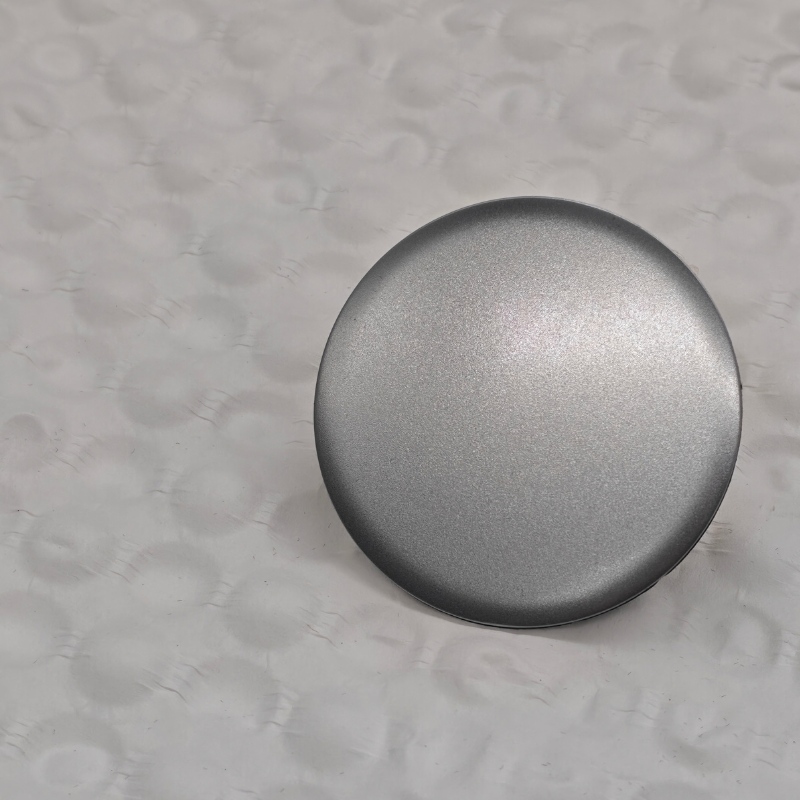
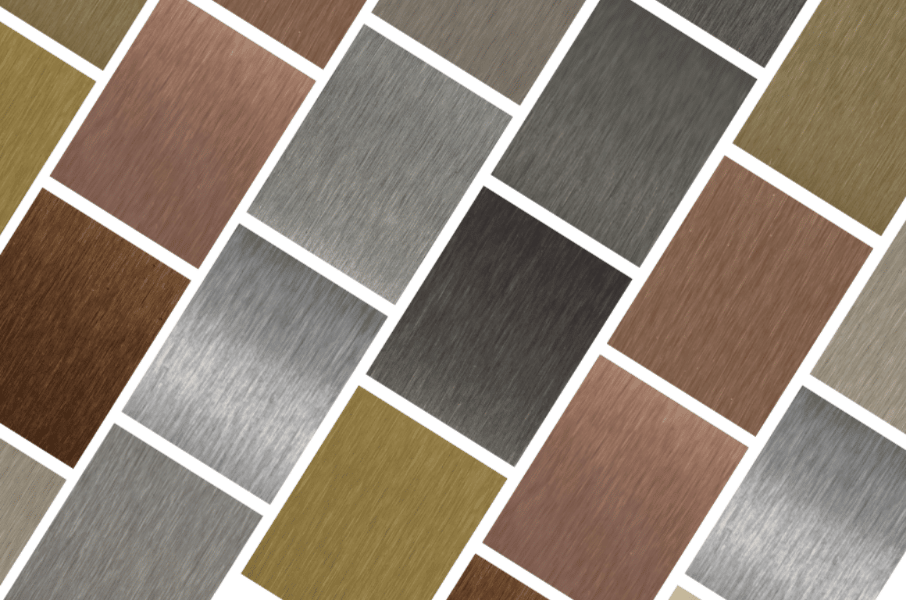
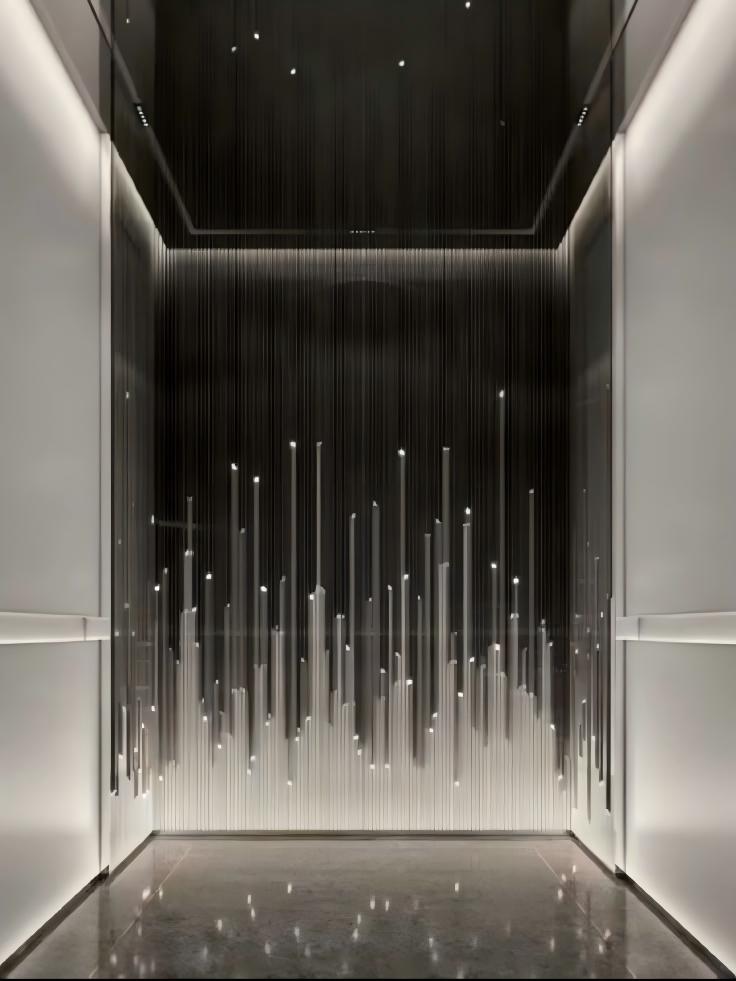
Resuelve un problema real de mantenimiento, incluidas las preocupaciones sobre la durabilidad. Los acabados cepillado y satinado —las texturas básicas más habituales del acero inoxidable negro— ocultan mejor, por naturaleza, las huellas dactilares y las manchas que los acabados pulidos o de espejo, ya que el veteado direccional dispersa la luz y disimula las marcas de contacto. En cuanto a la pregunta que más se hacen los compradores —¿se raya el acero inoxidable negro?—, los acabados modernos resisten mucho mejor de lo que la gente espera: los recubrimientos de cromo PVD y los tratamientos de nanorrevestimiento crean una capa superficial densa y dura que resiste el desgaste diario, incluyendo llaves, monedas y golpes cotidianos, sin que el recubrimiento se levante ni se desgaste hasta dejar el metal al descubierto. Si a esto se le suman los recubrimientos antihuellas que suelen aplicarse junto con el PVD, el resultado es un menor número de reclamaciones posventa relacionadas con la limpieza y una reducción de los costes de mantenimiento en las superficies de mayor contacto — paneles de ascensor, entre ellos, las manillas de las puertas y las carcasas de los equipos.
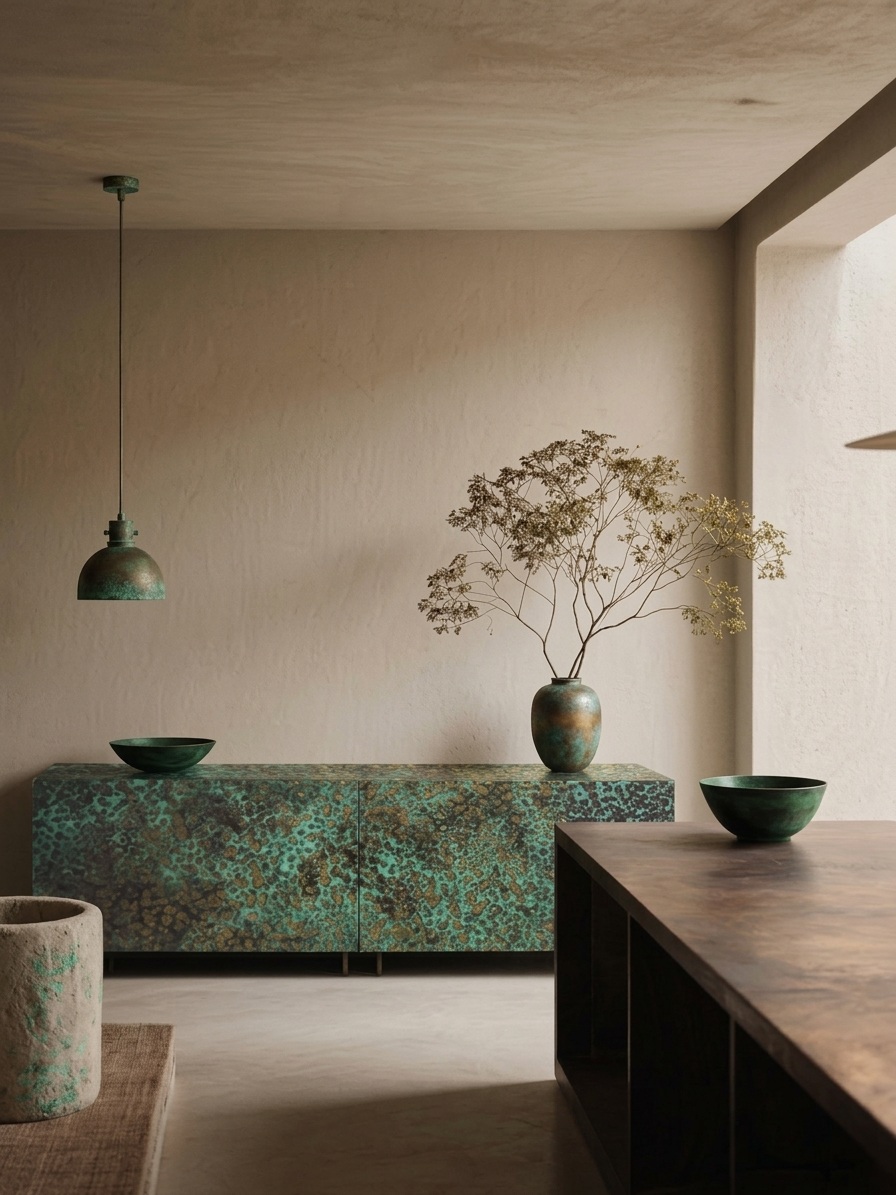
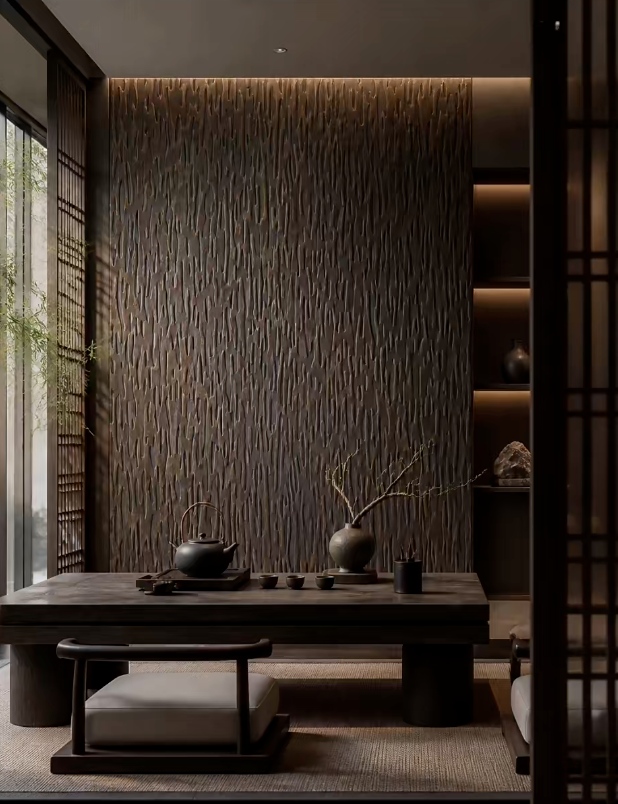
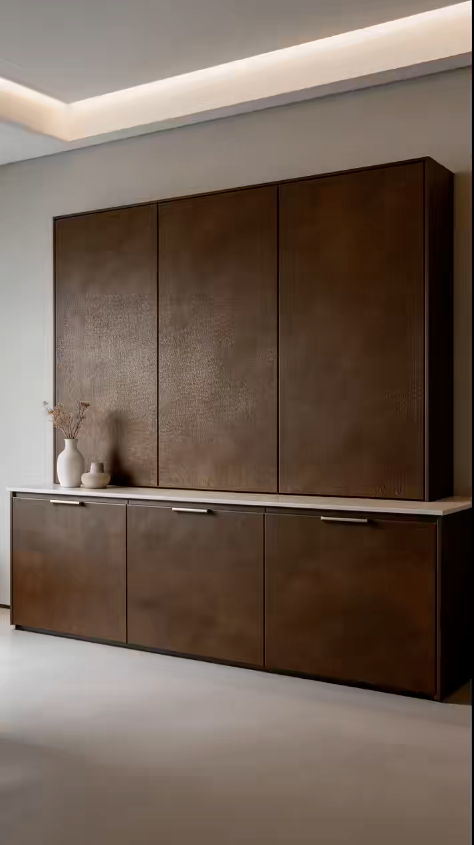
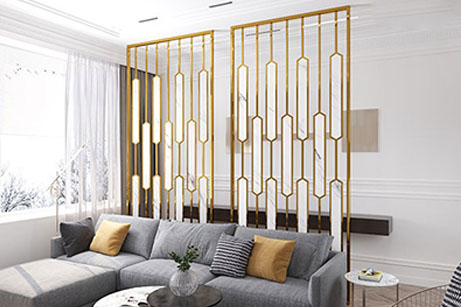
Encaja donde ya reside el diseño minimalista, — y donde los tonos más cálidos están ganando terreno. En los interiores comerciales y arquitectónicos, las paletas en blanco y negro y monocromáticas constituyen un lenguaje de diseño básico, no una moda pasajera, y el acero inoxidable negro ofrece a los diseñadores un material duradero y resistente a la corrosión que encaja en esa paleta sin sacrificar la resistencia ni la vida útil del acero inoxidable. Y el negro ya no es una opción más: junto al conocido negro mate frío, el negro envejecido de tonos cálidos mencionado anteriormente está ganando terreno; poder ofrecer ambas opciones es, en sí mismo, un punto de diferenciación.
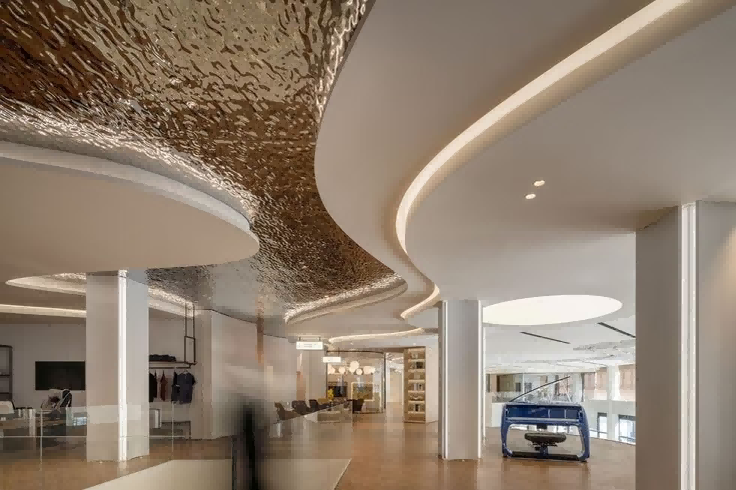
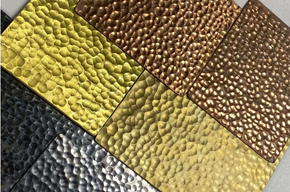
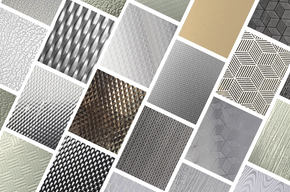
Está demostrado, no es experimental. Múltiples rutas de recubrimiento (electrodeposición en agua, PVD, capa superior de pintura), múltiples tonos de negro (titanio negro electrodepositado en agua, negro cromo, negro titanio-aluminio, negro titanio puro, negro pintado), opciones de textura que se pueden superponer (en relieve, martillado, onda en el agua), y un proceso controlable de óxido negro más pulido para conseguir un negro envejecido de tonos cálidos: cada una de estas capas tiene una base técnica clara. El acero inoxidable negro se ha consolidado como una categoría de materiales con una auténtica flexibilidad de diseño, y no como un simple acabado con un único aspecto y un único proceso.
SANMEI METAL
Sanmei Metal suministra bobinas, láminas y perfiles estructurales de acero inoxidable procedentes de fábricas consolidadas en China, con apoyo para la fabricación según el proyecto y certificación completa de los materiales. Ponte en contacto para analizar sus necesidades de materiales y proyectos.