

Aluminum vs Stainless Steel: From Strength to Supply Risk
In industrial design and architectural engineering, aluminum is popular for its low weight and easy machining. However, if structural parts start cracking in under half a year, or bright aluminum in coastal environments quickly turns into white powder and pits, the problem is not that aluminum is “bad,” but that your conditions exceed its physical limits.
In applications that demand high structural strength, excellent corrosion resistance, long service life, and reliable delivery, aluminum often runs into hard bottlenecks. This article explains several typical working conditions where you should decisively switch from aluminum to stainless steel.
High Load and High Vibration: Aluminum Deforms, Fatigues, and Eventually Fails
In high‑load, high‑vibration, or high‑precision positioning scenarios, the key difference between aluminum and stainless steel is not “light or heavy,” but “stiff or flexible” and “fatigue‑resistant or fatigue‑prone.”
Insufficient stiffness: Under the same load, aluminum deflects nearly three times as much
The elastic modulus of common structural aluminum alloys is around 70 GPa, while 304/316 stainless steel is about 190 GPa. Under the same dimensions and load, an aluminum part will elastically deflect roughly 2.5–3 times more, which is risky for precision mounts, high‑load beams, and hydraulic fasteners that rely on stiffness and positional stability.
Fatigue behavior differences: Stainless steel has a usable fatigue limit, aluminum does not
Steel and stainless steel usually show a clear fatigue limit, below which parts can endure “infinite” cycles in engineering terms. Aluminum S‑N curves have no flat plateau, so allowable stress keeps dropping as cycles increase.
In practice, under combined high load and high‑frequency vibration, aluminum is better treated as a weight‑sensitive, life‑controlled part.
When you need long‑term operation and low fatigue‑failure risk, 304/316 stainless steel makes it much easier to design components into an acceptable long‑term reliability range, not just “good enough for now.”
Strong Corrosion and High‑Chloride Conditions: Aluminum’s Amphoteric Corrosion Gets Amplified
Aluminum’s natural oxide film is stable only in mild environments; in strong acids, strong alkalis, or high‑chloride conditions, it breaks down and corrosion accelerates.
Strong acid / strong alkali: Aluminum is attacked from both sides
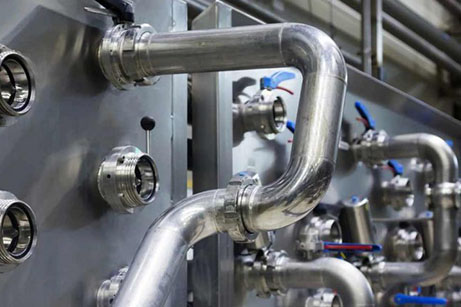
Aluminum is an amphoteric metal, so both acidic and alkaline solutions can dissolve it. 304/316 stainless steels rely on a chromium‑rich Cr₂O₃ film and perform much better across about pH 4–10, which is why CIP cleaning systems in food, beverage, and pharma often use stainless steel equipment and piping.
In contrast, alkaline cleaners, pickling acids, and chlorine disinfectants can dissolve aluminum, forming aluminum hydroxide, leading to whitening, flaking, pitting, and even perforation over time.
Coastal and high‑chloride: Once aluminum starts pitting, you’re usually looking at early replacement
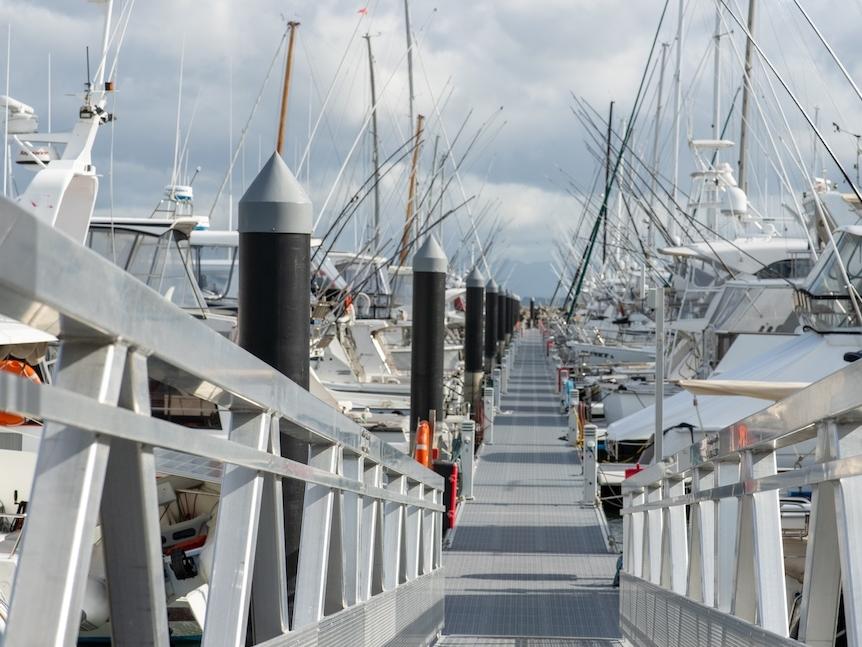
Chloride ions from sea‑salt mist, chloride salts, or chlorine‑based cleaners easily trigger pitting on aluminum wherever its oxide film is weak. Once pits and white corrosion spots appear—especially on anodized or coated aluminum with pinholes or small coating defects—they are very hard to remove through cleaning or simple touch‑ups, which in practice means the component is already on a path toward earlier‑than‑planned replacement.
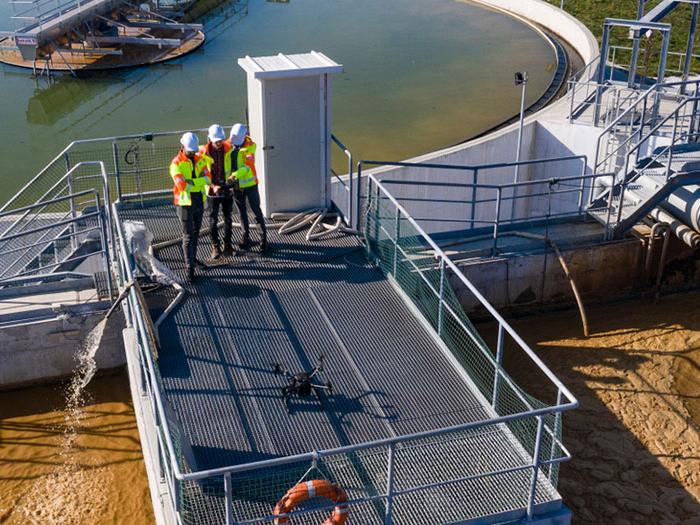
On coastal building façades, this kind of chalking, whitening, and pitting corrosion often starts to show within just a few years of exposure. 316/316L stainless steel, containing molybdenum, was specifically developed to improve pitting and crevice corrosion resistance in chloride environments. In high‑chloride, long‑term exposed coastal applications, if you care more about long‑term stability than frequent maintenance, it is usually preferred over 304 as the primary material for exposed components.
High‑Temperature Conditions (>200°C): Aluminum Loses Both Strength and Shape
Above about 200°C, aluminum’s mechanical performance drops quickly and creep becomes an issue, while many stainless steels can still carry load.
Aluminum’s strength drops sharply above 200°C
Design manuals generally avoid using aluminum alloys as long‑term load‑bearing materials above 200°C; in the 200–250°C range, many alloys fall below half their room‑temperature tensile strength and creep becomes significant.
304 stainless steel can maintain much higher strength and acceptable creep life up to 500–800°C, making it suitable for hot supports and pressure parts.
Who should be the structural backbone at high temperature
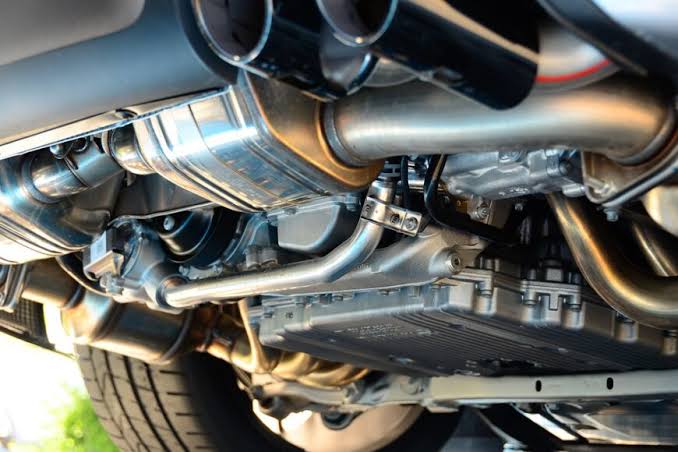
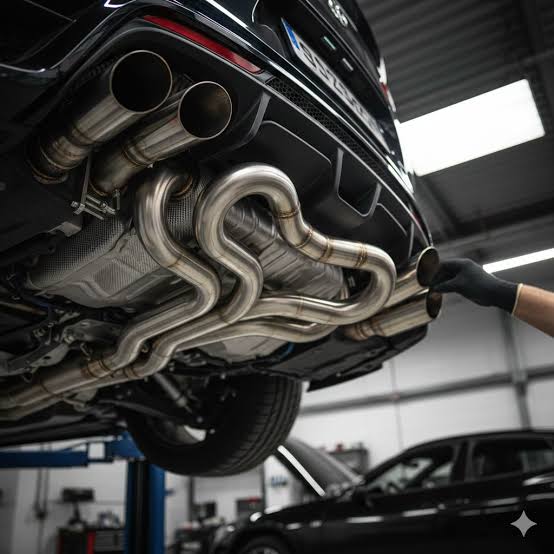
Around boilers, in heat‑treatment supports, or along hot exhaust and flue runs, aluminum load‑bearing parts can creep and permanently deform, causing seal failures and misalignment.
Engineering practice is to use 304 or heat‑resistant grades like 310 / 310S as the main structural skeleton, and keep aluminum for cooler, lower‑load, secondary locations.
High Wear and Particle Erosion: Aluminum Gets “Polished Away”
Where solid particles, high‑speed fluids, or repeated contact are present, hardness largely determines how fast a material wears.
Surface hardness: Aluminum is much softer
Common aluminum alloys such as 6061‑T6 is around 10 ~100 HB, while 304/316 stainless steels are typically 160–220 HB, roughly 1.5–3 times harder, and they also work‑harden under load. In abrasive flows or repeated contact, stainless steel therefore wears more slowly and holds dimensions better.
In material‑handling pipes, mixer blades, or sand‑ and dust‑exposed outdoor parts, aluminum surfaces can be gradually ground thin, with visible wall‑thickness loss. Switching those parts to 304/316 stainless usually extends replacement intervals.
Under strong wear or high‑speed particles, aluminum fits non‑critical, easy‑to‑replace roles; structural and precision‑critical areas are better assigned to stainless.
Scratch‑Prone, High‑Impact Environments: Once Aluminum Is Exposed, Corrosion Spreads
In public spaces and logistics hubs, impacts and scratches are unavoidable. The key question is how the material behaves after it is damaged.
Stainless steel “self‑heals,” aluminum depends on coatings
Stainless steel forms a very thin, chromium‑rich passive film that can reform in oxygen after scratching, giving it a self‑healing effect.
Aluminum also oxidizes, but in many decorative and outdoor uses, protection comes from anodizing or paint. Once that layer is chipped, the exposed aluminum is more likely to suffer local corrosion and pitting at the damaged edge.
In high‑traffic hubs, repeated impacts on bare or anodized aluminum often allow corrosion to creep under the coating and form hidden local attack that later appears as blisters, peeling, or pitting.
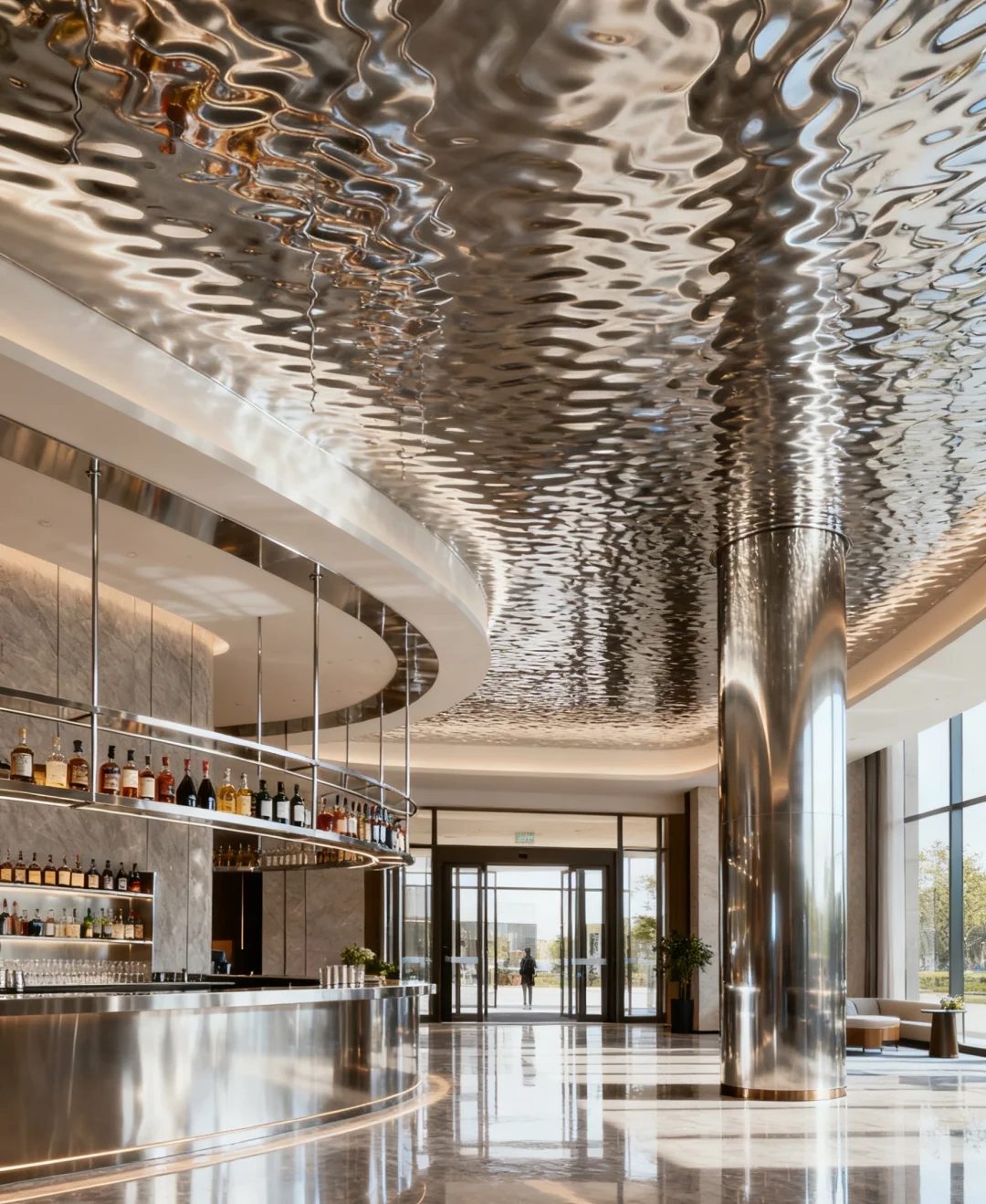
Properly selected and passivated stainless steel can run for decades without organic coatings, and many public‑infrastructure projects built with stainless have multi‑decade design lifetimes.
If your site has high traffic, frequent impacts, and limited maintenance windows, stainless steel is far easier to keep safe and presentable.
Supply Chain and Delivery: Technically Feasible, but Can You Get It?
Beyond physics, real projects also face supply risk: even if aluminum works on paper, can you get it on time, at a stable price, over the next few years?
Aluminum is more exposed to geopolitical and route risks
Recent conflict in the Middle East has put millions of tonnes of Gulf smelting capacity at risk, tightening global primary aluminum supply. The region provides close to one‑tenth of global aluminum output, much of it shipped through the Strait of Hormuz, where freight and war‑risk insurance costs have spiked. Combined with new tariffs and import limits on some aluminum sources, this makes aluminum prices and lead times more volatile for many buyers.
Stainless steel behaves more like a “supply safe harbor”
Unlike primary aluminum, which depends heavily on a few smelting clusters, stainless steel capacity is more globally distributed across China, Europe, India, the US, and Southeast Asia. When one region faces conflict, energy shocks, or trade barriers, mills and traders can more easily rebalance flows from other regions.
For project teams, that usually means more alternative sources, more stable delivery, and more predictable budgets—so supply risk becomes one more reason to favor stainless steel for critical, long‑life applications.
Conclusion: When Conditions Are Harsh, Aluminum Stops Being the “Cheaper” Option
Once you combine high loads, strong vibration, aggressive corrosion, high temperature, severe wear, frequent impacts, and rising supply uncertainty, sticking with aluminum often just defers failure and downtime into the future.
At that point, stainless steel is no longer a “nice‑to‑have premium upgrade”; it becomes the sensible choice to control life‑cycle cost, reduce engineering risk, and protect delivery schedules.
Not sure whether your current design should switch from aluminum to stainless steel? Send us your drawings, operating conditions, and target lifetime, and we’ll recommend suitable 304/316/316L grades and profiles for your project.
Consider switching from aluminum to stainless steel if your project involves:
High load / high‑frequency vibration / high‑precision positioning
Strong acid, strong alkali, or high‑chloride environments (frequent cleaning, coastal, high salt spray)
Long‑term operating temperatures above 150–200°C
Severe wear or particle erosion (material conveying, mixing, sand‑ and dust‑laden conditions)
High‑frequency impact, scratch‑prone surfaces, and limited maintenance windows (public spaces, logistics hubs)
Heavy reliance on cross‑regional or cross‑border aluminum supply with hard‑to‑control delivery risk

