ASTM / UNS: S32101
EN: 1.4162
EN Name: X2CrMnNiN21-5-1 or similar designation formats depending on source formatting
Outokumpu Grade Name: Forta LDX 2101
Corrosion Resistance of Duplex 2101 Stainless Steel
Duplex 2101 offers good resistance to localized and uniform corrosion in moderate corrosive environments. It is also noted for good resistance to chloride stress corrosion cracking compared with many 300 series stainless steels in suitable service conditions. However, it is not intended as a universal replacement for higher-alloy duplex grades in severe chloride environments.
Heat Resistance of Duplex 2101 Stainless Steel
Duplex 2101 can be used in a range of industrial service environments, but elevated-temperature performance should always be checked against the actual service condition and fabrication standard. Duplex grades are generally selected for their combination of strength and corrosion performance rather than as dedicated high-temperature oxidation grades.
Machinability of Duplex 2101 Stainless Steel
Because Duplex 2101 has higher strength than 304, it generally requires more controlled machining conditions. Proper cutting speeds, rigid tooling, and suitable tool materials are recommended for efficient fabrication. Machinability should be considered together with the mechanical advantages that the grade provides.
Welding of Duplex 2101 Stainless Steel
Welding of Duplex 2101 stainless steel is possible, but duplex welding practices should be followed carefully:
Common welding processes such as GTAW, GMAW, and SMAW may be used when supported by the correct procedure qualification and fabrication practice.
Hot Working of Duplex 2101 Stainless Steel
Duplex 2101 can be hot worked, but temperature control is important to maintain the desired phase balance and final performance. As with other duplex stainless steels, fabrication should follow established duplex processing guidance rather than standard austenitic assumptions.
Annealing of Duplex 2101 Stainless Steel
Solution annealing practices for Duplex 2101 should follow qualified technical guidance or mill recommendations. Correct heat treatment and cooling practice are important for preserving corrosion resistance and mechanical performance.
| Alloy | Ultimate Tensile Strength, ksi Minimum | 0.2% Yield Strength, ksi Minimum | Elongation % Minimum | Hardness Brinell Maximum |
|---|---|---|---|---|
LDX 2101 |
94 |
65 |
30 |
290 |
Duplex 2101 offers high mechanical strength compared with conventional austenitic stainless steels, making it suitable for applications that require a combination of strength, corrosion resistance, and material efficiency.
| Cr | Ni | Mo | C | N | Mn | Si | P | S | Cu | Fe |
|---|---|---|---|---|---|---|---|---|---|---|
21.0–22.0 |
1.35–1.70 |
0.10–0.80 |
0.040 Max |
0.20–0.25 |
4.00–6.00 |
1.00 Max |
0.040 Max |
0.030 Max |
0.10–0.80 |
Balance |

Because it is a lean duplex grade with lower nickel content, Duplex 2101 helps reduce exposure to nickel price volatility compared with conventional 300 series grades.

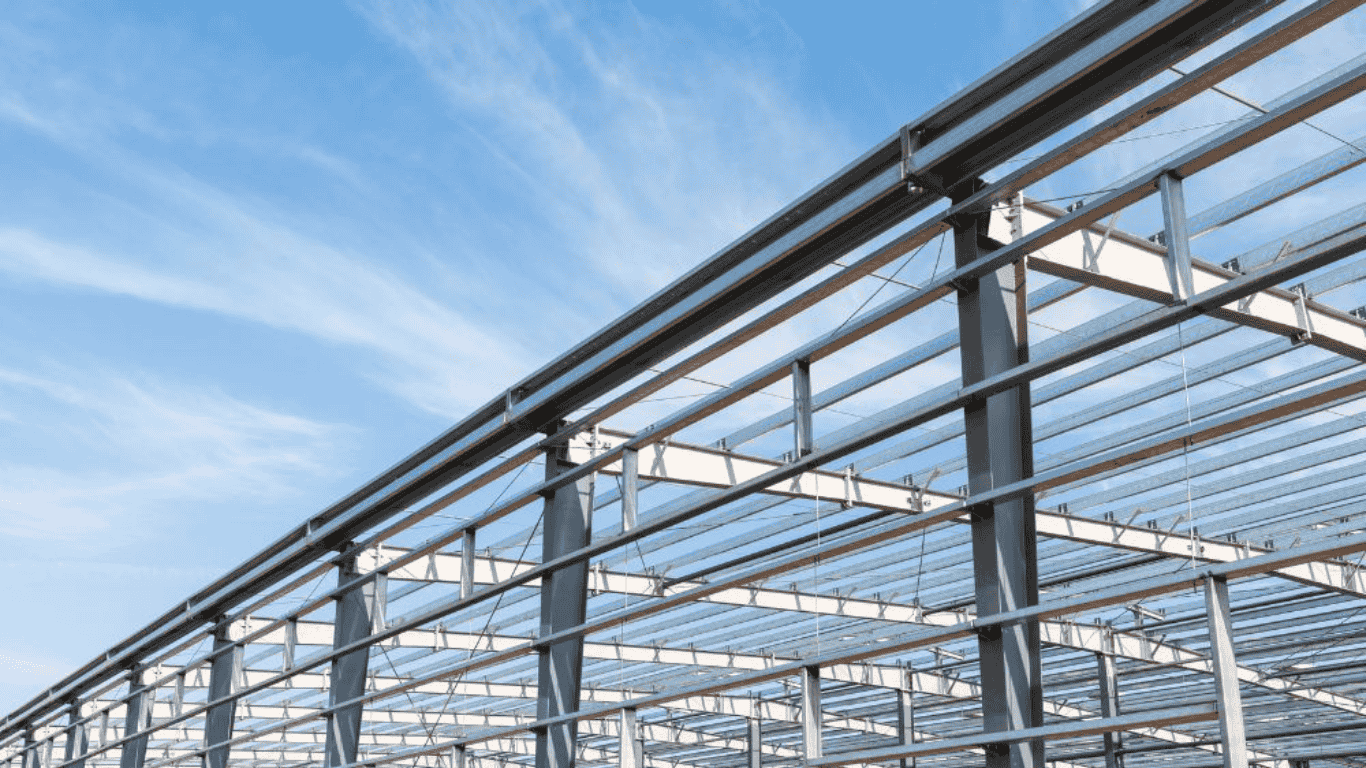
Duplex 2101 provides significantly higher yield strength than standard 304 and 316 grades, which can support more efficient structural design in suitable applications.

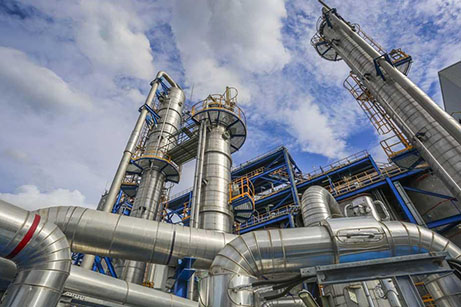
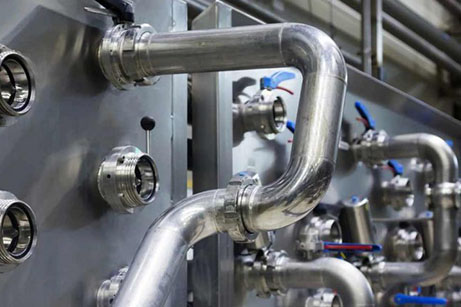
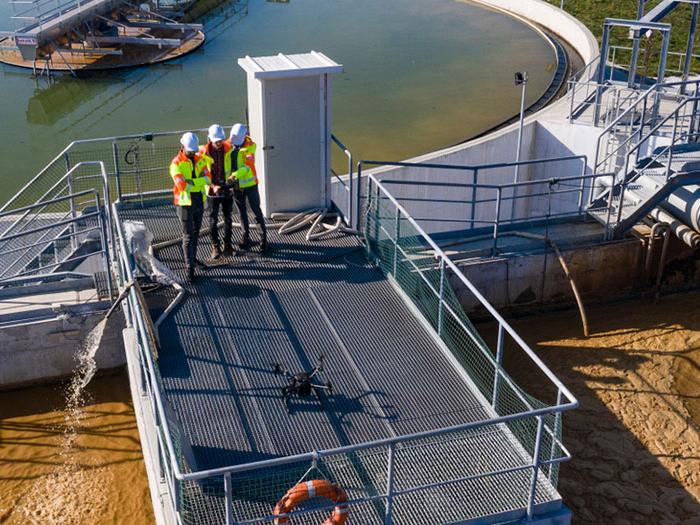
Duplex 2101 combines good resistance to localized corrosion and chloride stress corrosion cracking in moderate service conditions, making it useful for water treatment, tanks, and industrial equipment.
They are both:
Stainless steels used for industrial fabrication and corrosion-resistant applications.
Differences:
304 is an austenitic stainless steel known for easy fabrication and broad corrosion resistance in general use, while Duplex 2101 is a lean duplex stainless steel with higher strength and lower nickel content.
Application:
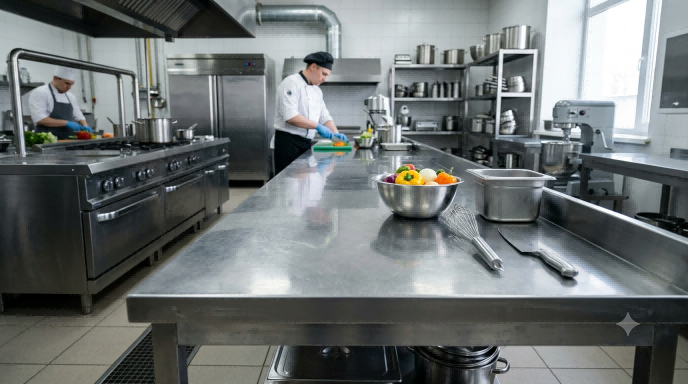
304 is often used for general-purpose equipment, kitchen equipment, and architectural applications, while Duplex 2101 is preferred in suitable projects needing higher strength and better cost efficiency
Recently, 304 has been taken placing by 2101 in some cases. Want to know more? Read https://sanmeimetal.com/?p=36801&preview=true
They are both:
Stainless steels used in corrosive and industrial environments.
Differences:
316L is a molybdenum-bearing austenitic stainless steel with stronger general pitting resistance than 304, while Duplex 2101 focuses on higher strength and leaner alloy cost.
Application:
316L is often selected for more demanding corrosion conditions, while Duplex 2101 is better suited to projects where the environment is moderate and structural efficiency matters more

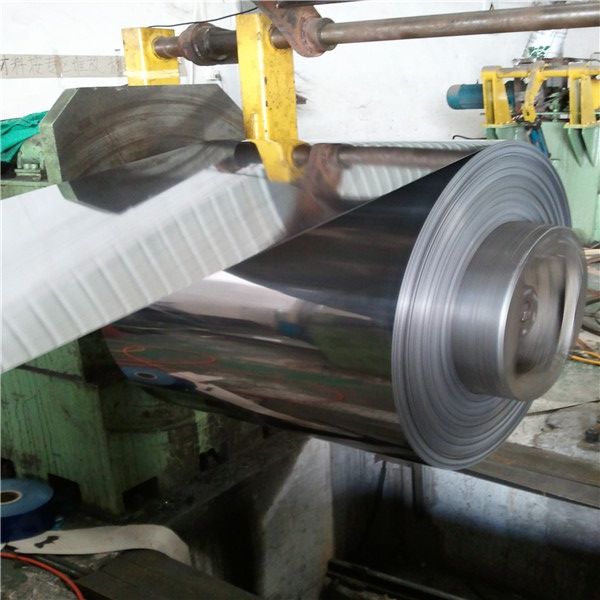
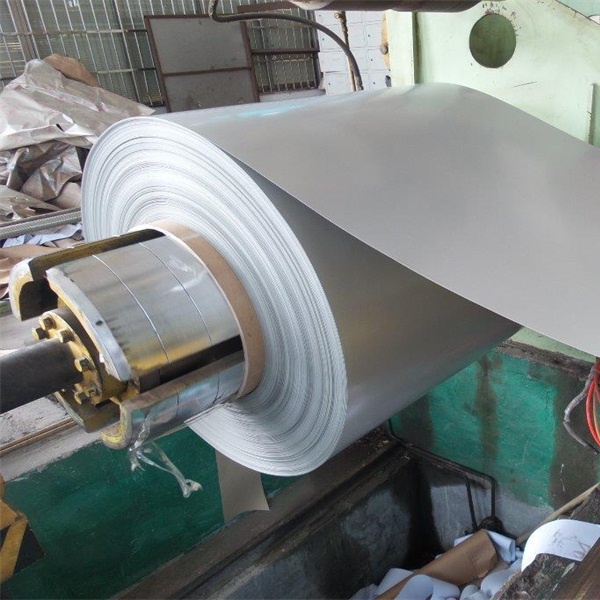
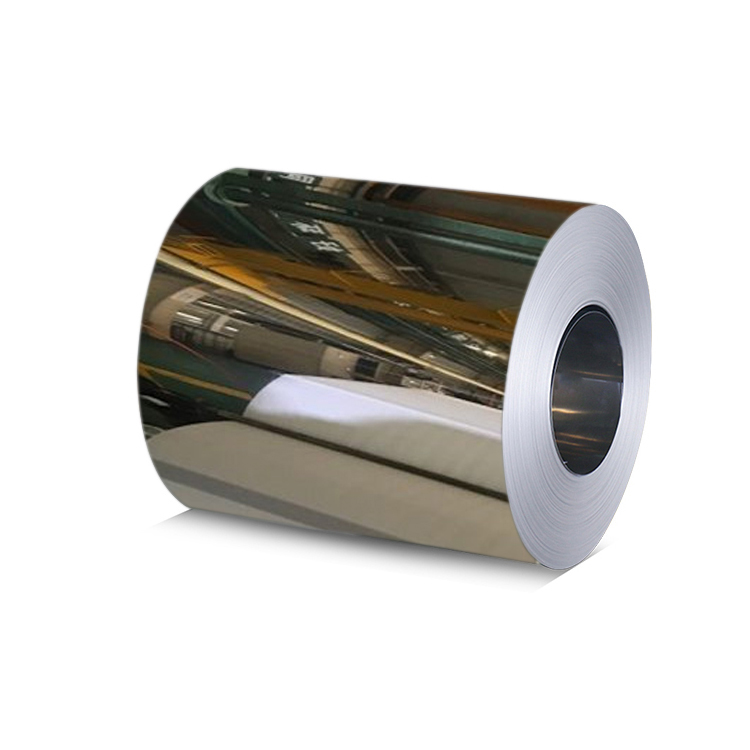
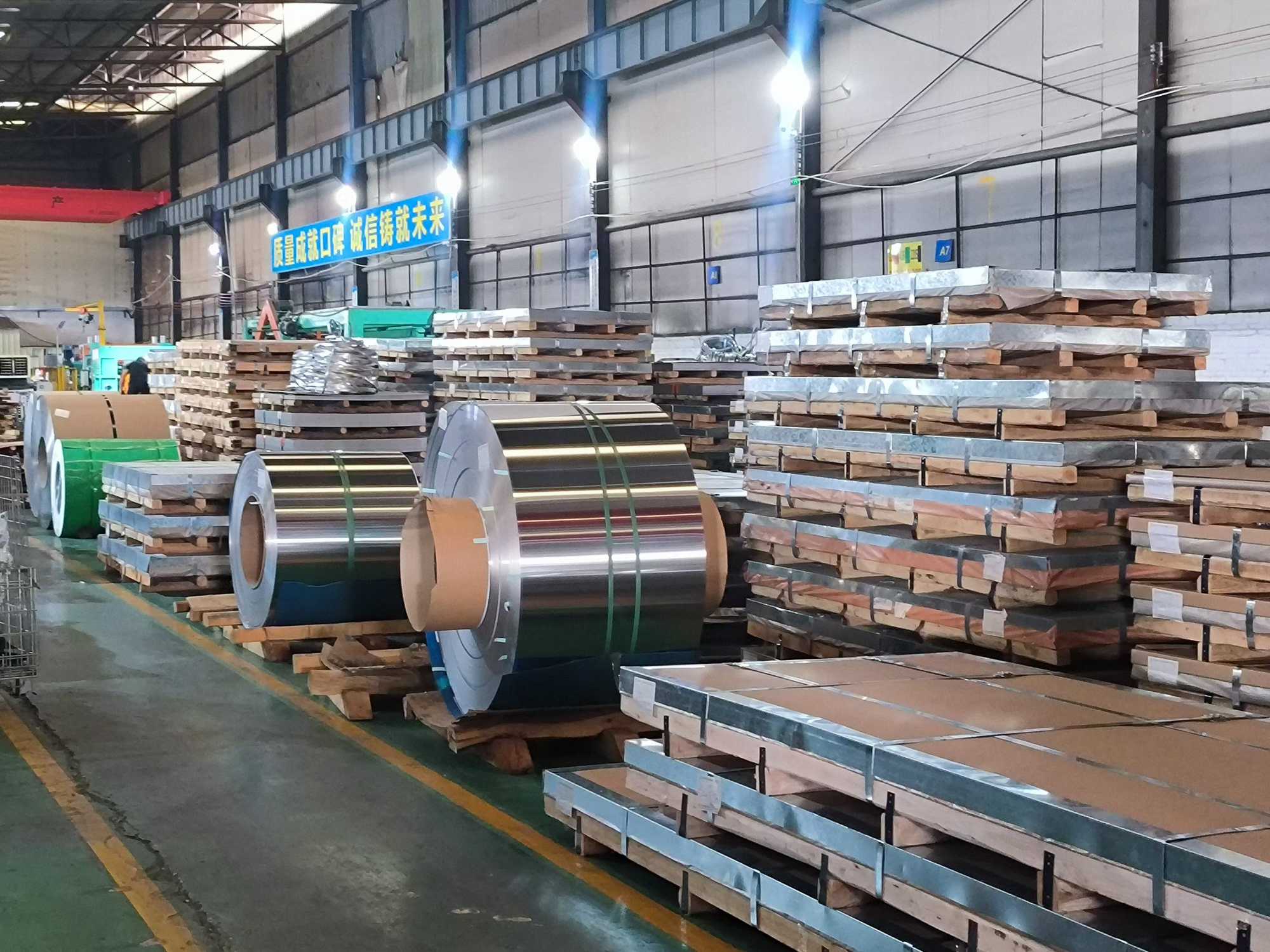
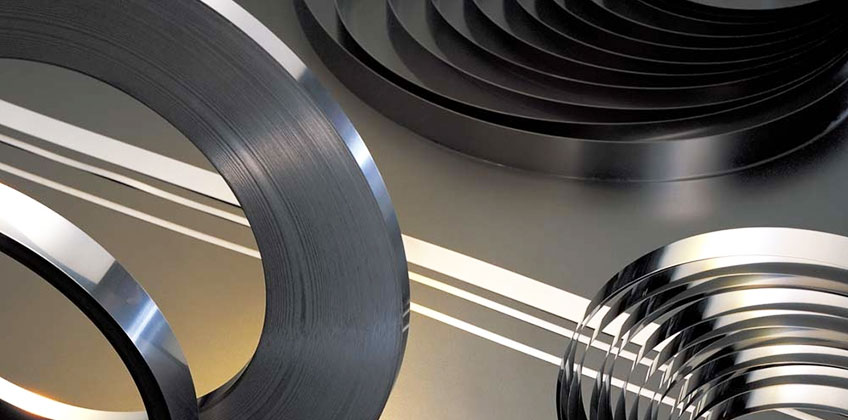
| Type | Width (mm) | Weight (MT) | Thickness (mm) | ||||
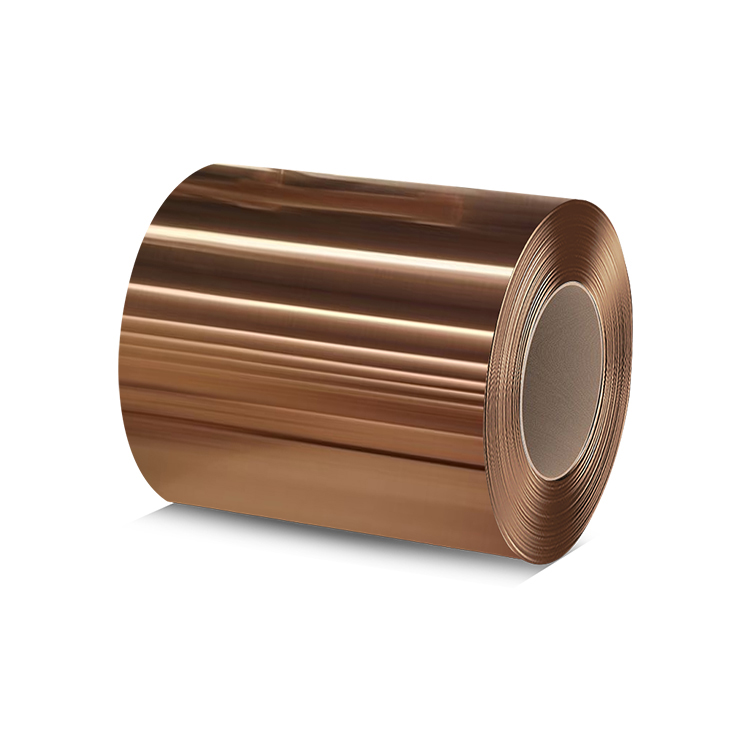
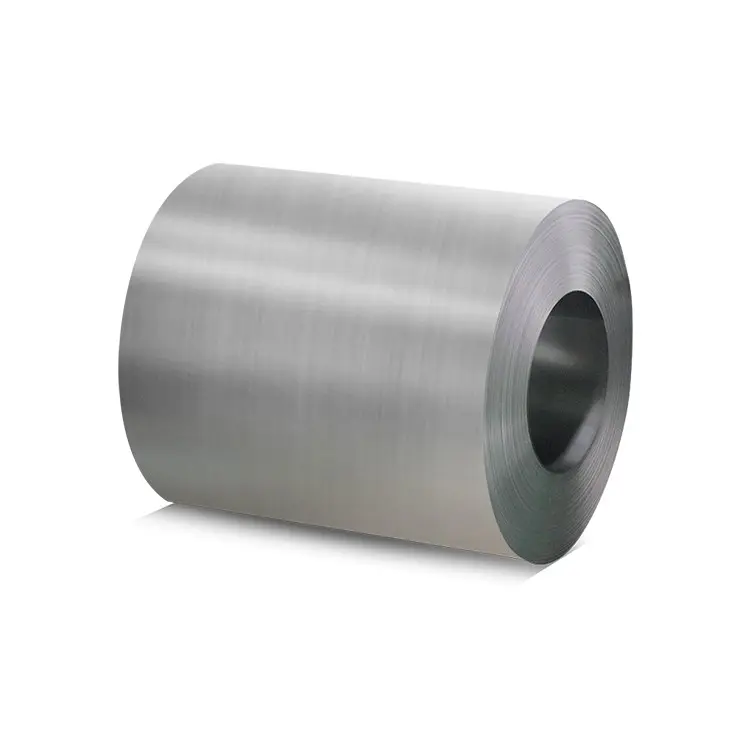
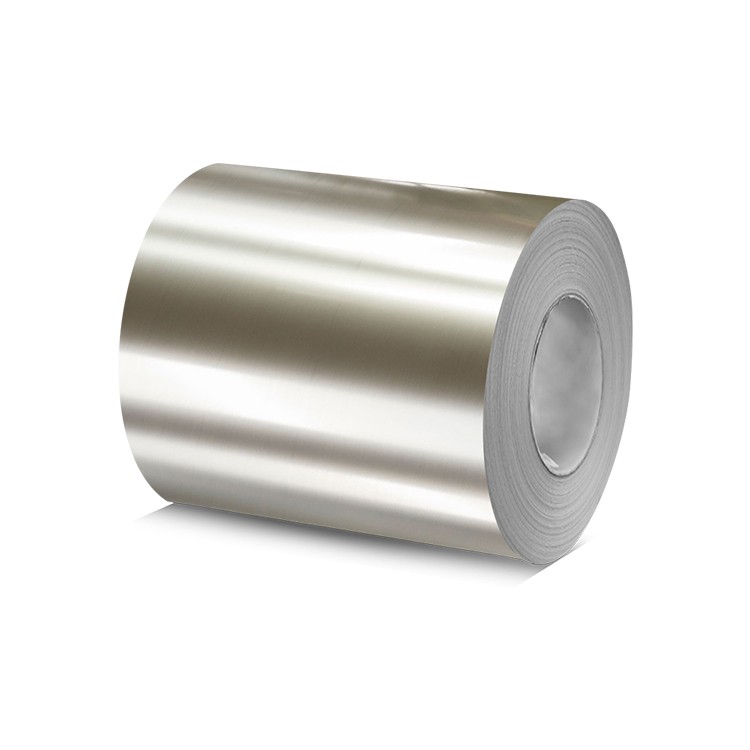
| 2101 Coil | 1000, 1219, 1240, 1500 or Customized | 3-10 | 0.15-3.0 | ||||

| Type | Width (mm) | Length (mm) | Thickness (mm) | |||||||||
| 2101 Sheets | 1000, 1219, 1240, 1500 or Customized | 2000, 2438, 2500, 3000, 3048 | 0.3-3.0 | |||||||||
We are committed to giving our customers the best and highest quality service to ensure our customers' satisfaction.


Certified by prestigious institutions and committed to adhering to international standards in every aspect.


Customer feedback is the most authentic reflection of a company's quality.
View more technical references from Sanmei Metal regarding stainless steel coils and stainless steel sheets.
Headquarters:
Creating Center, No.142, Yuhe Road, Lecong Town, Shunde District, Foshan City, Guangdong Province, China. 528315
Factory: Liyuan Logistics City, Chencun Town, Shunde District, Foshan City, Guangdong Province, China. 528313
Australia Local Support Base: (Yatala, QLD) – Coming 2026