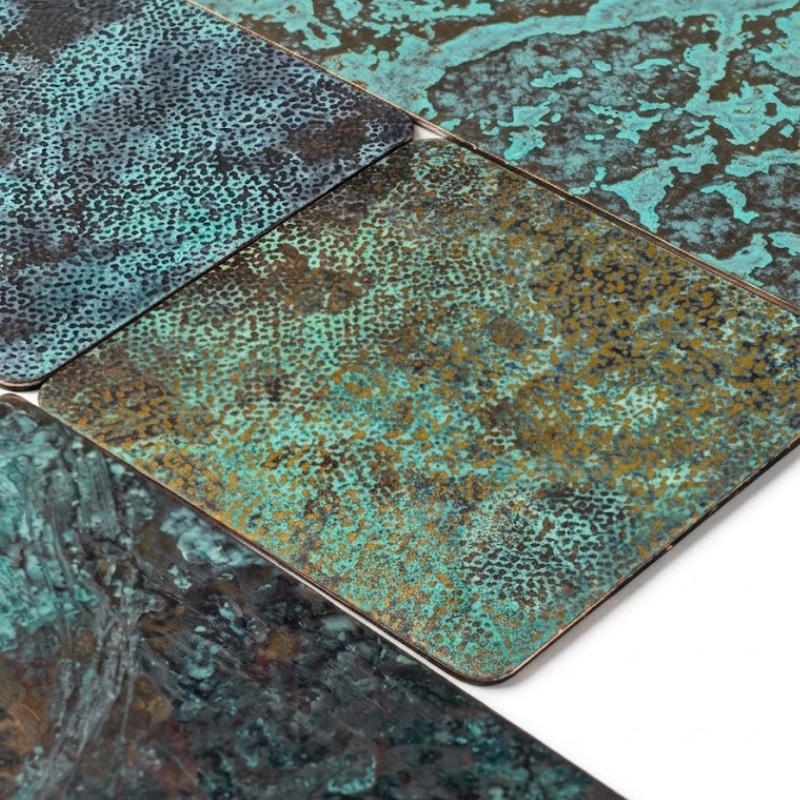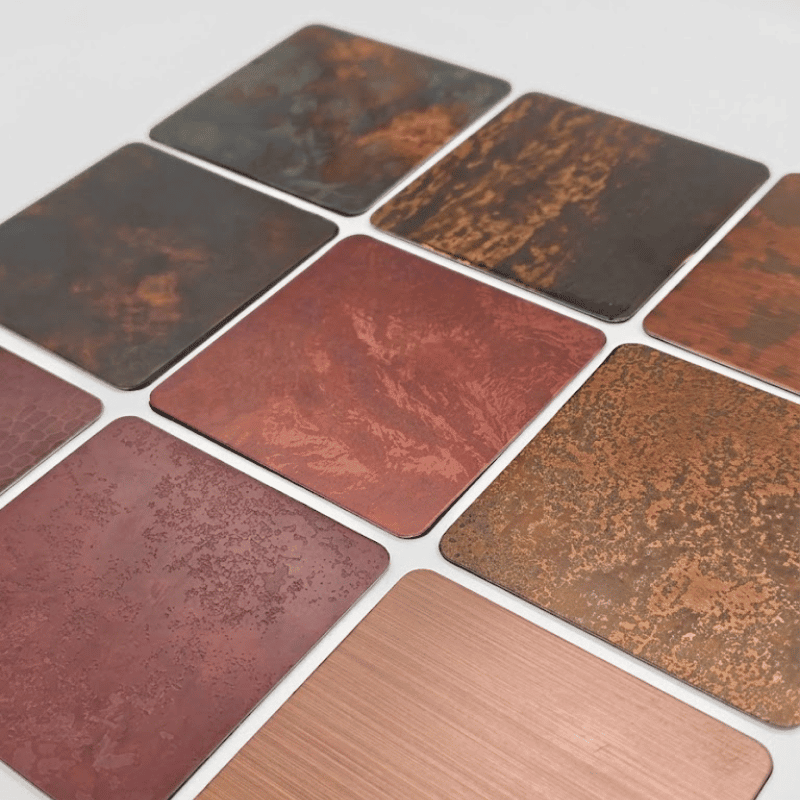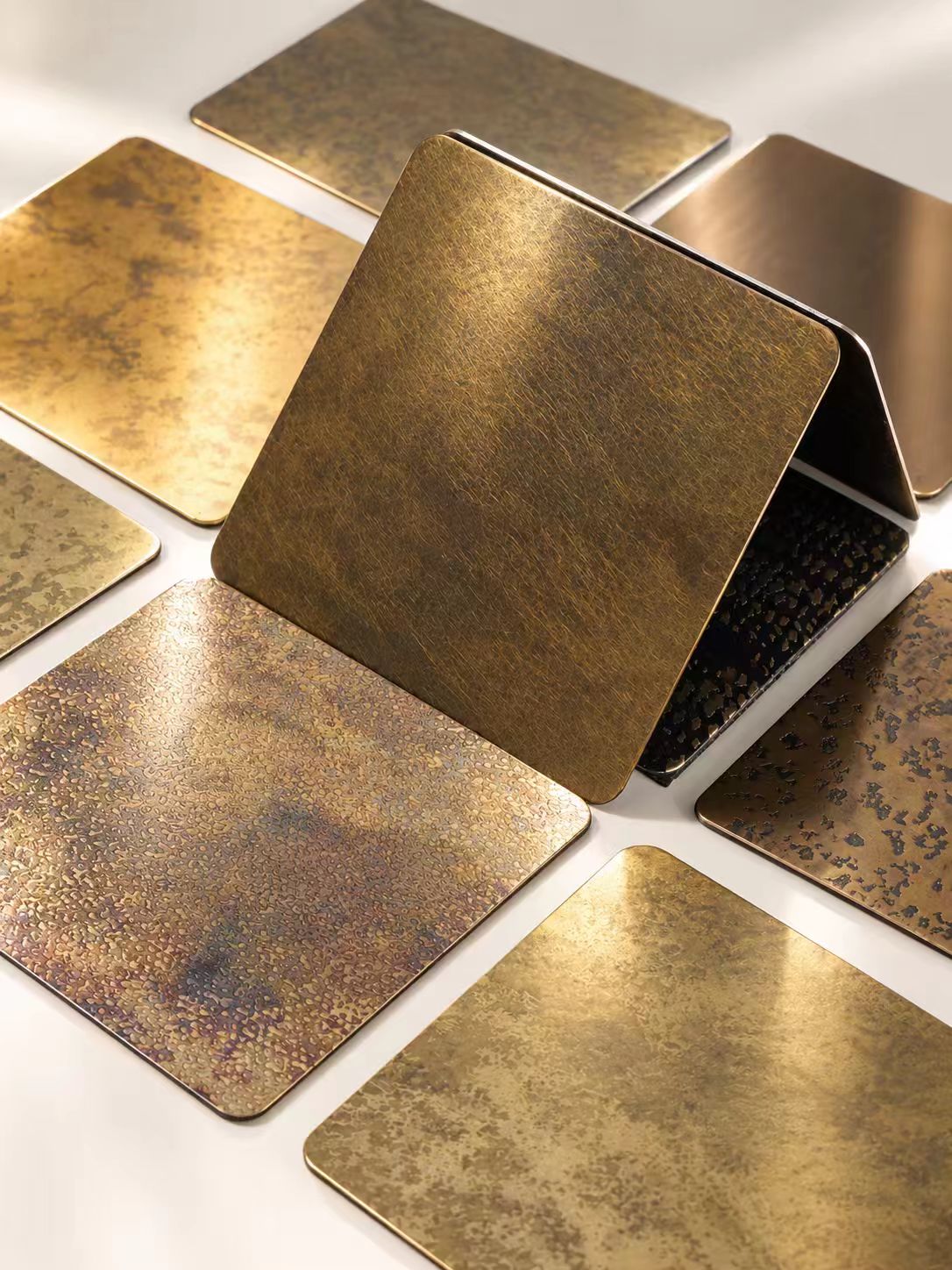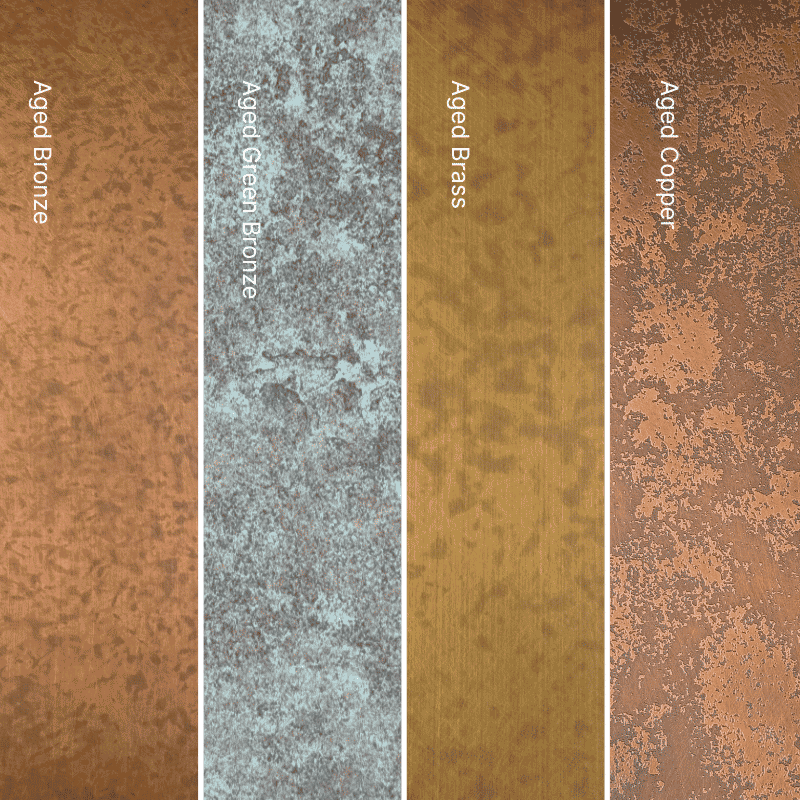




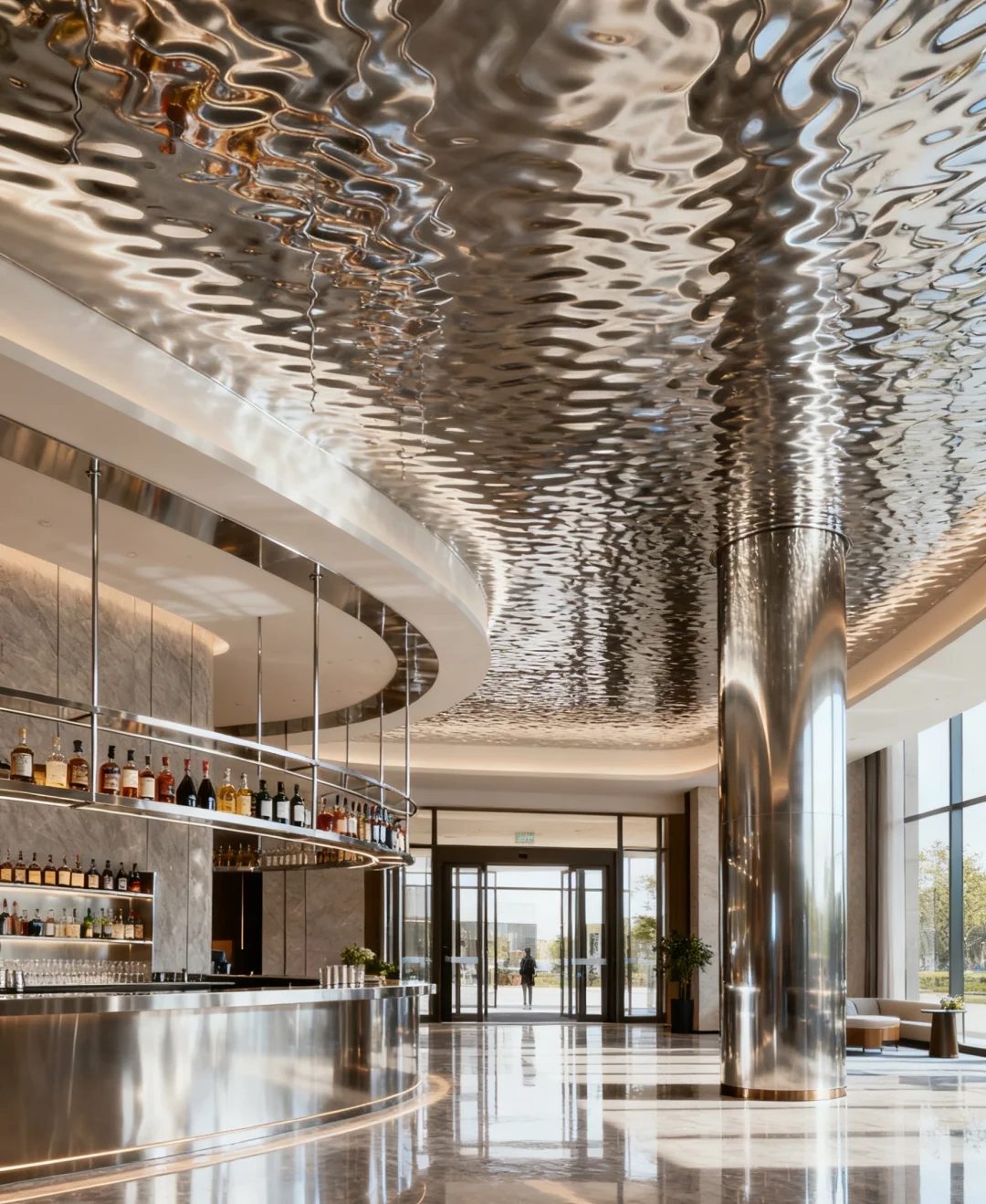






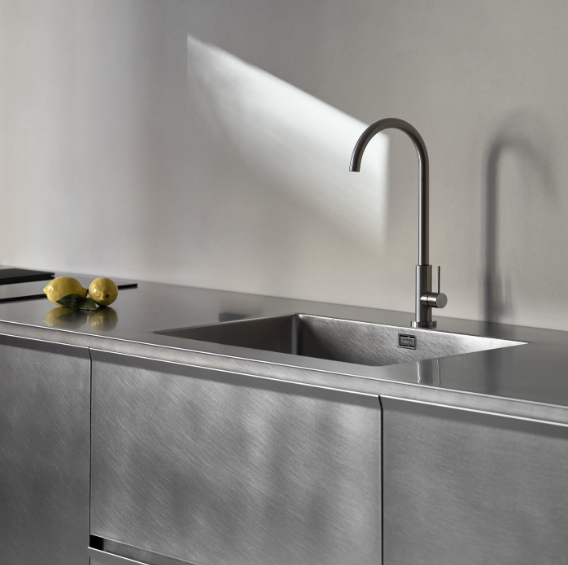
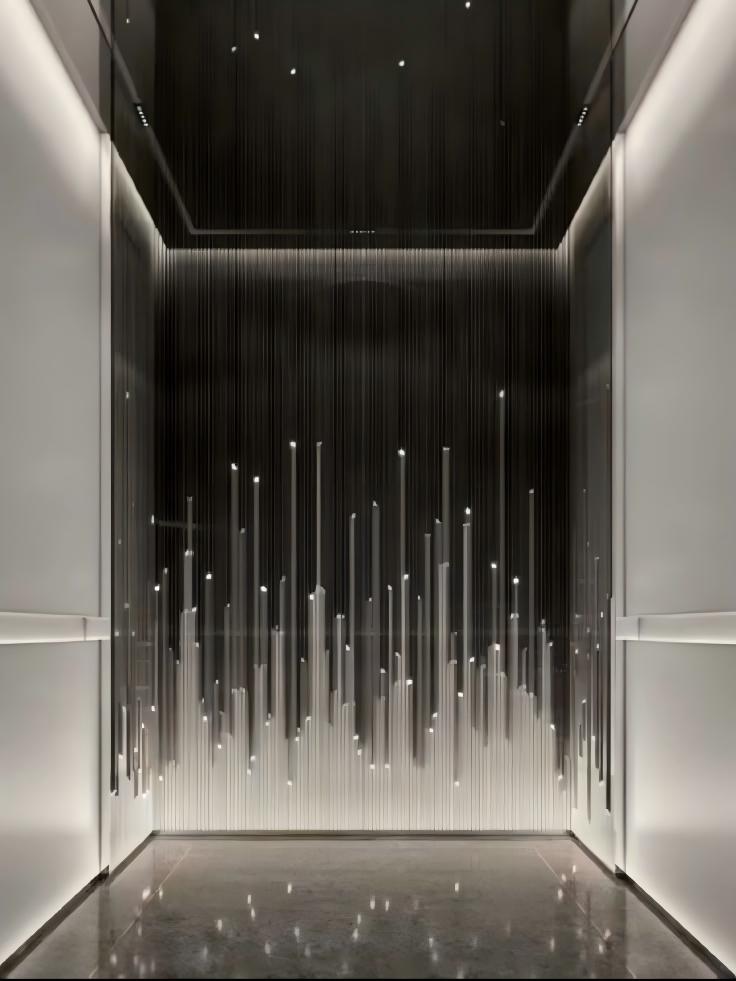
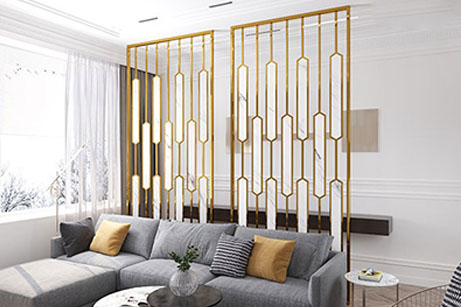
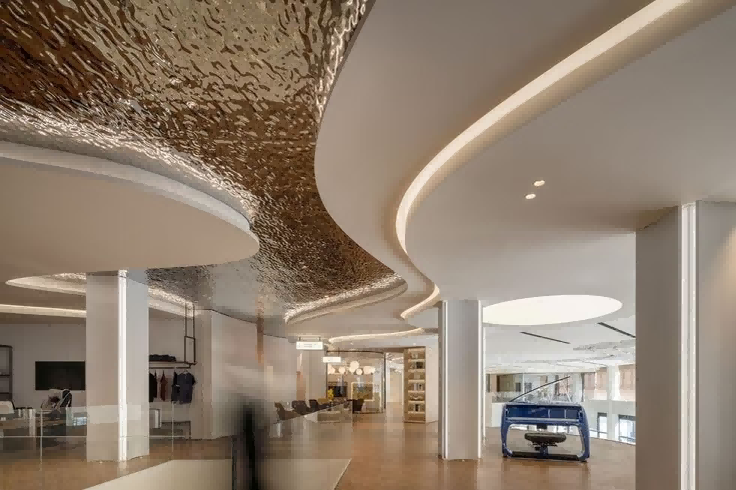


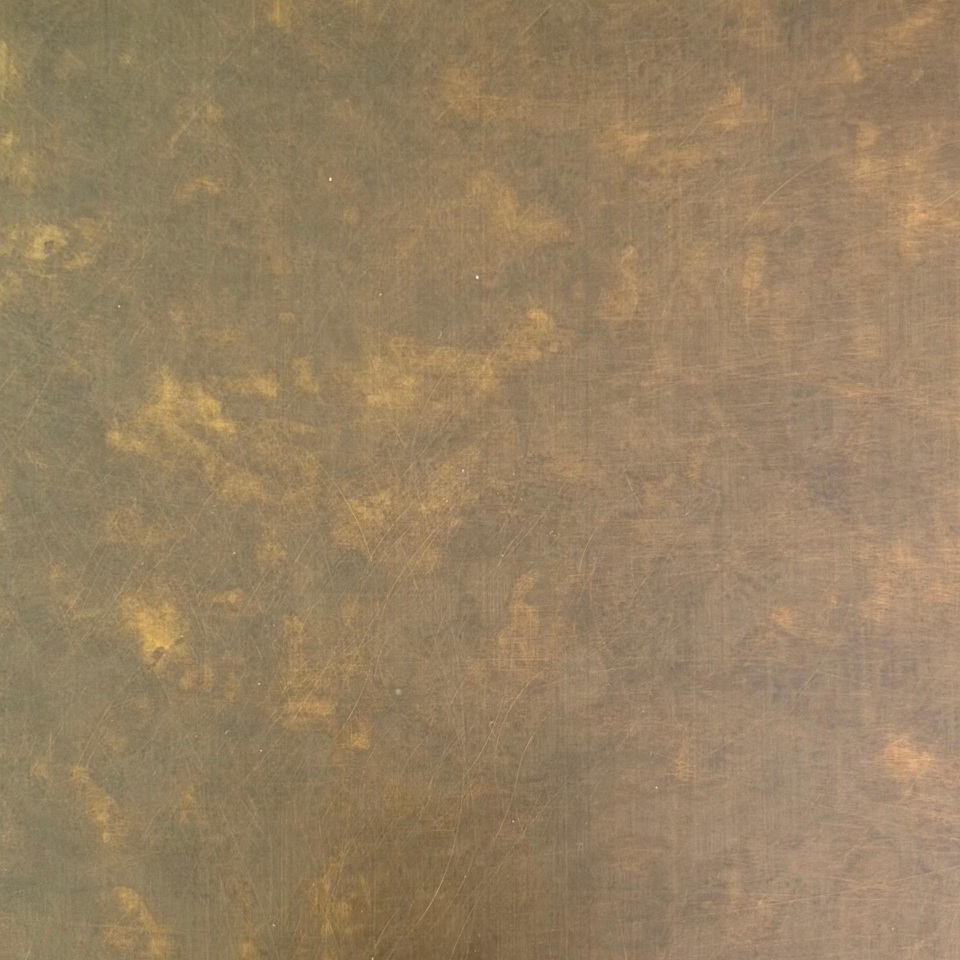
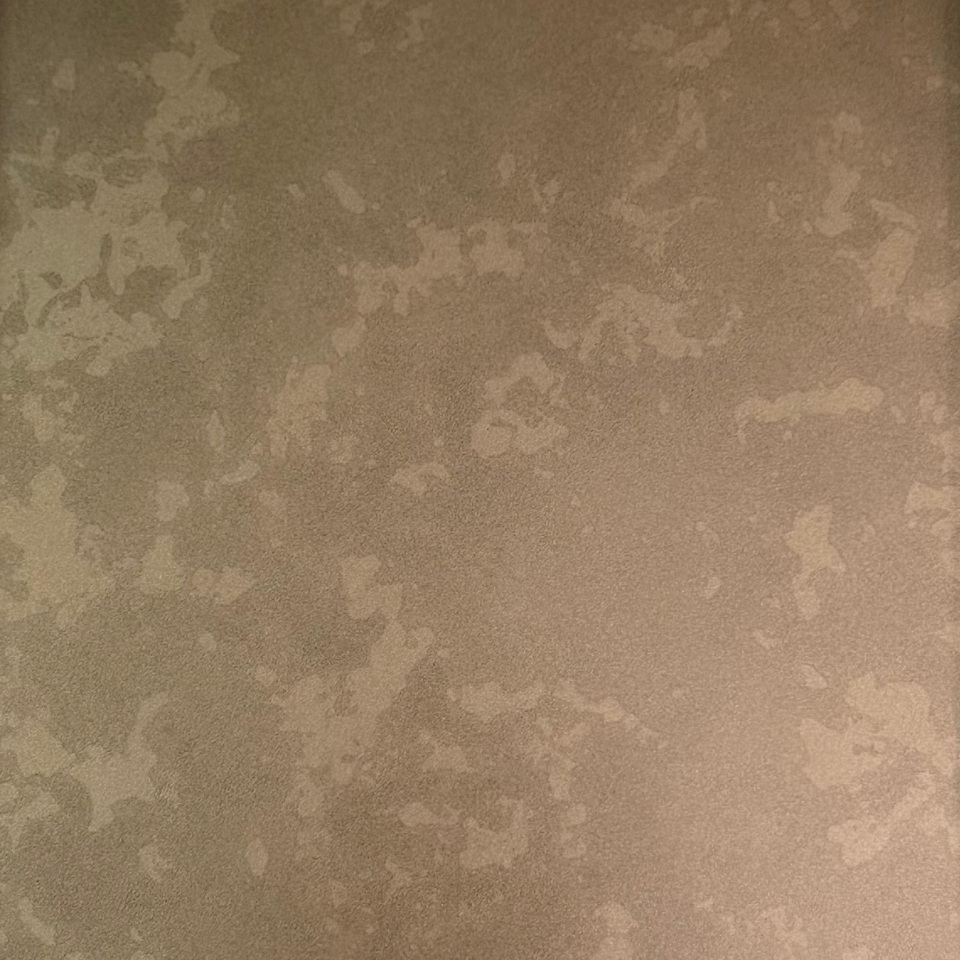
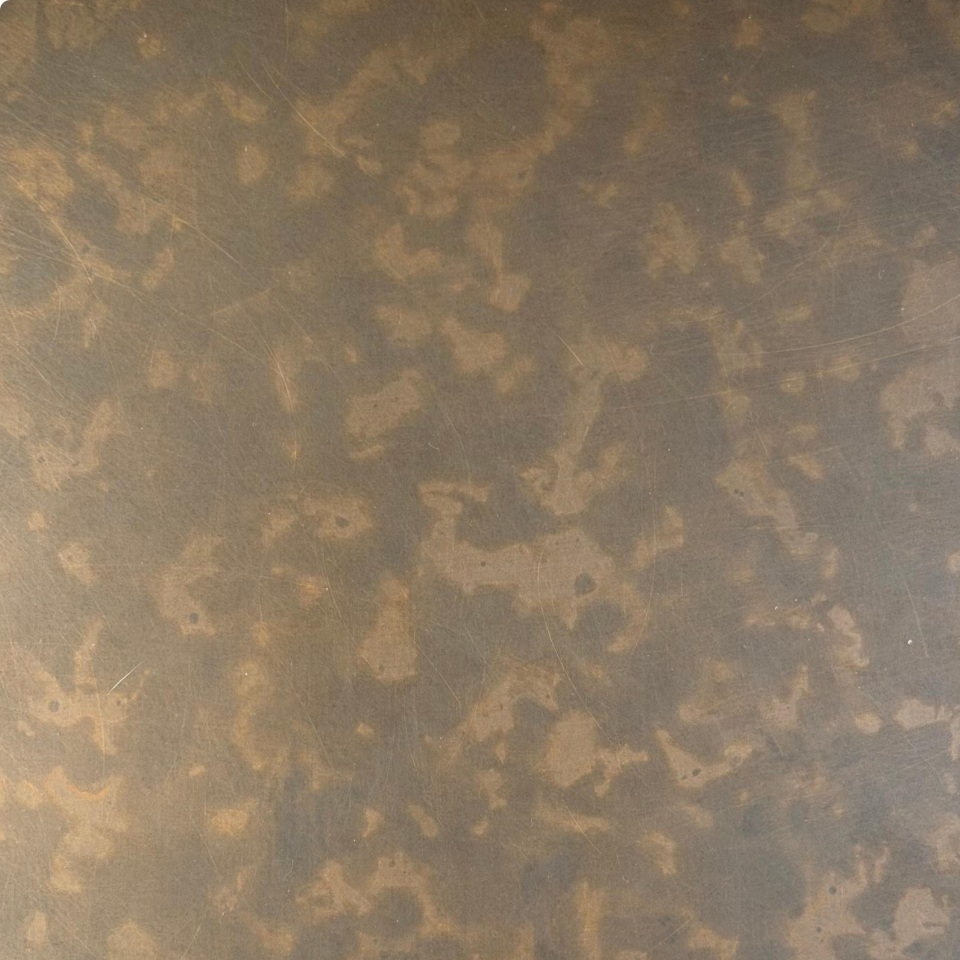
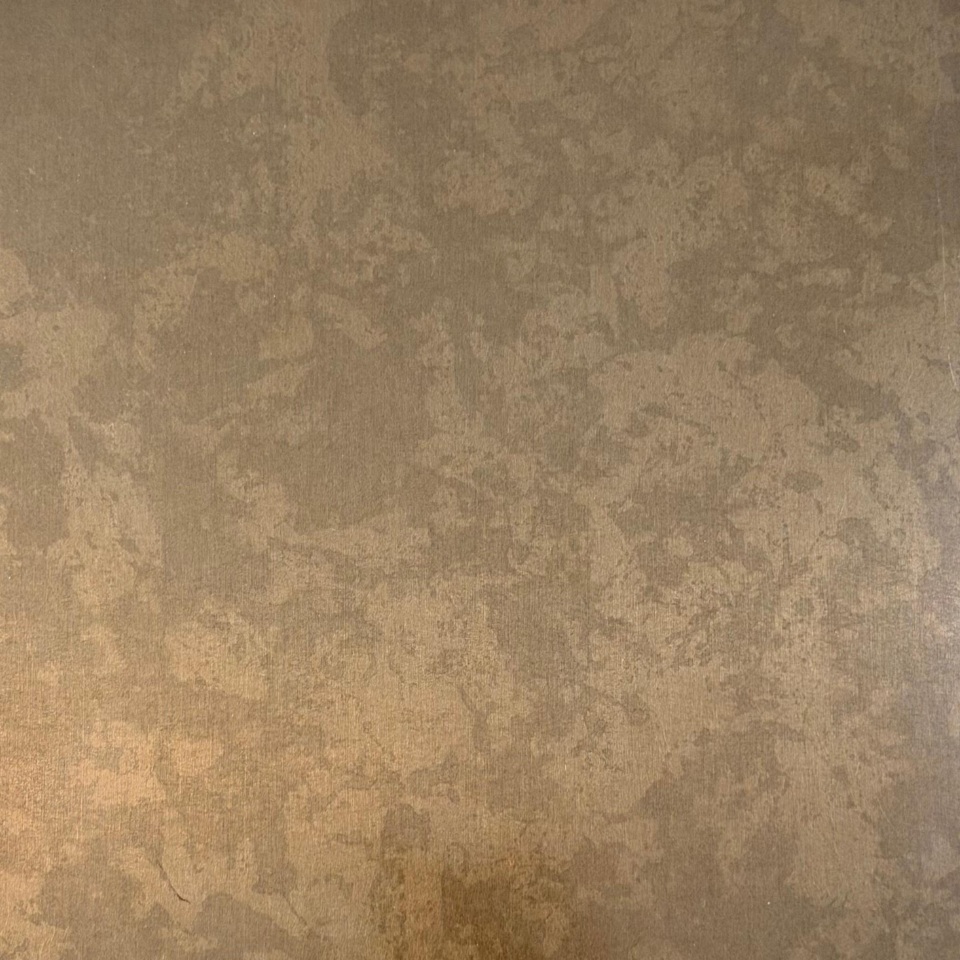


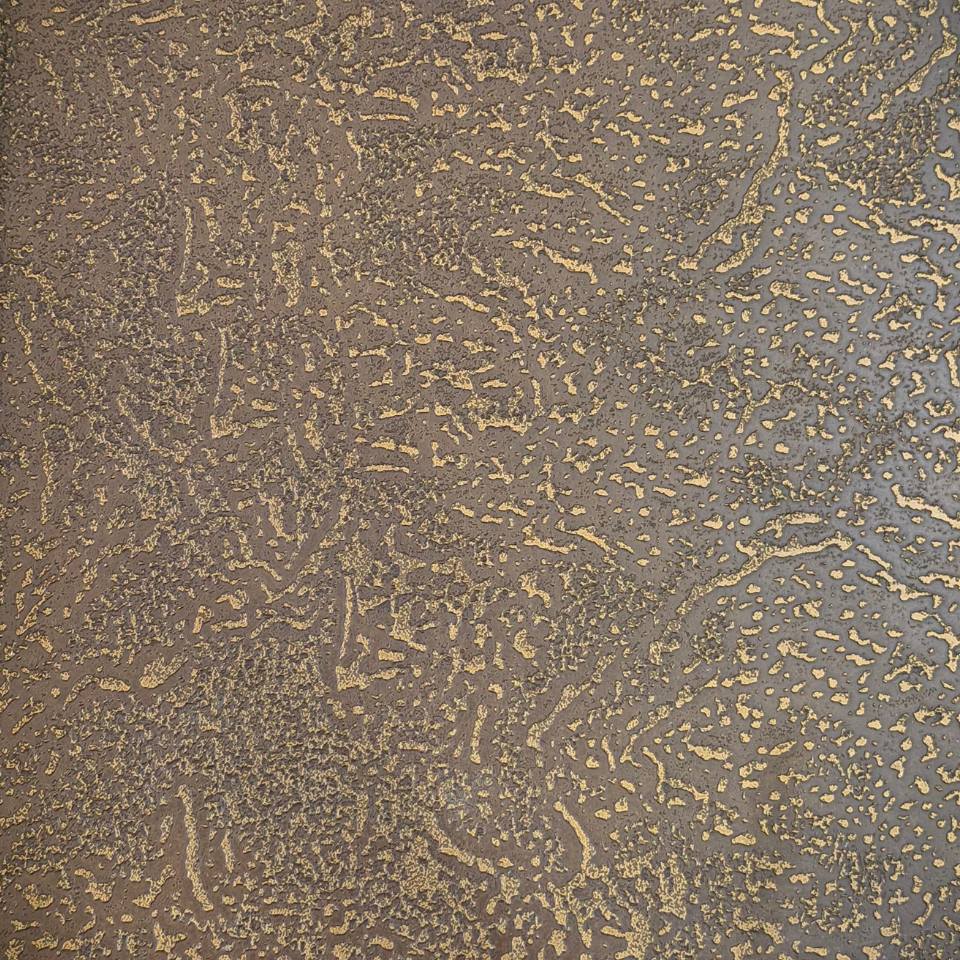
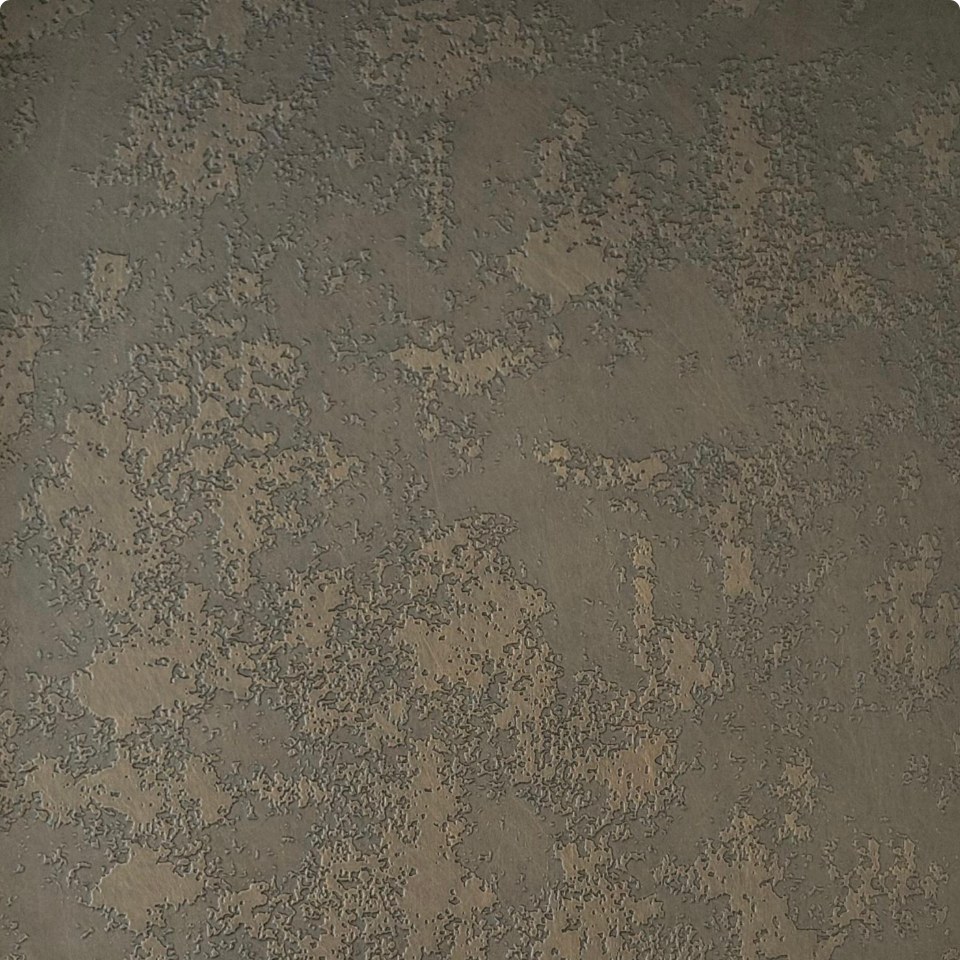
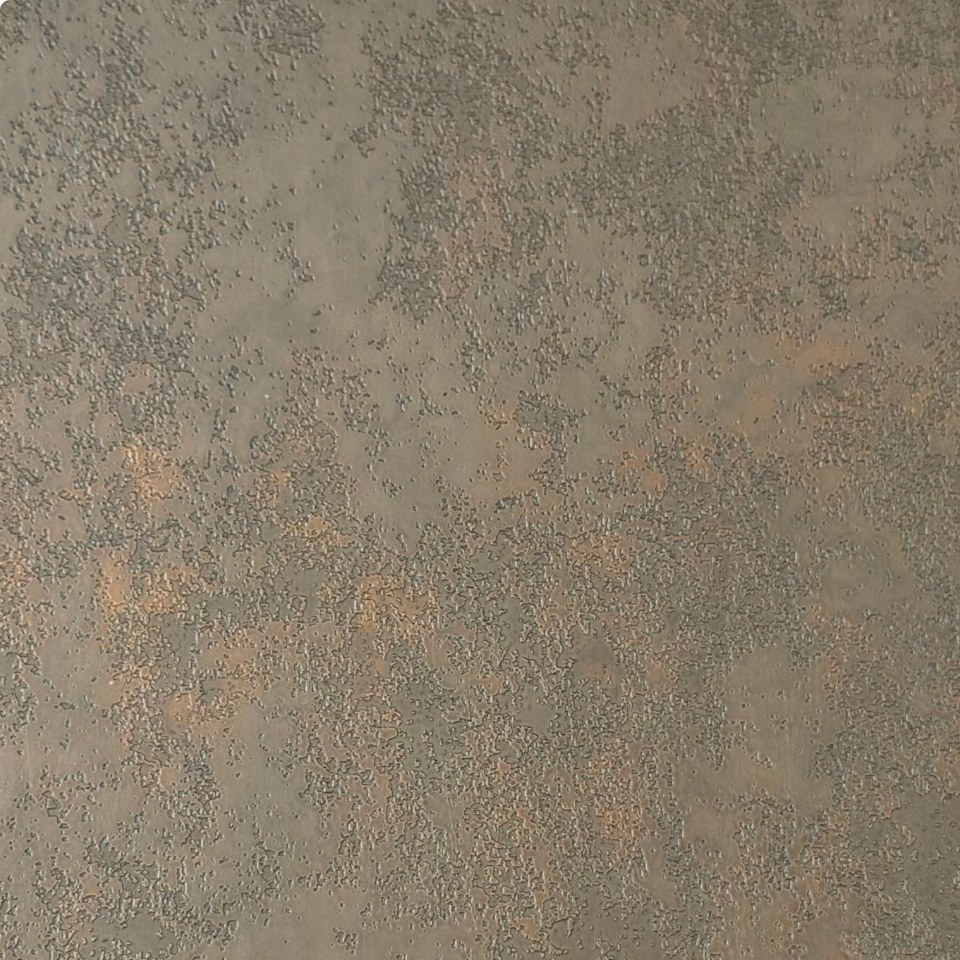
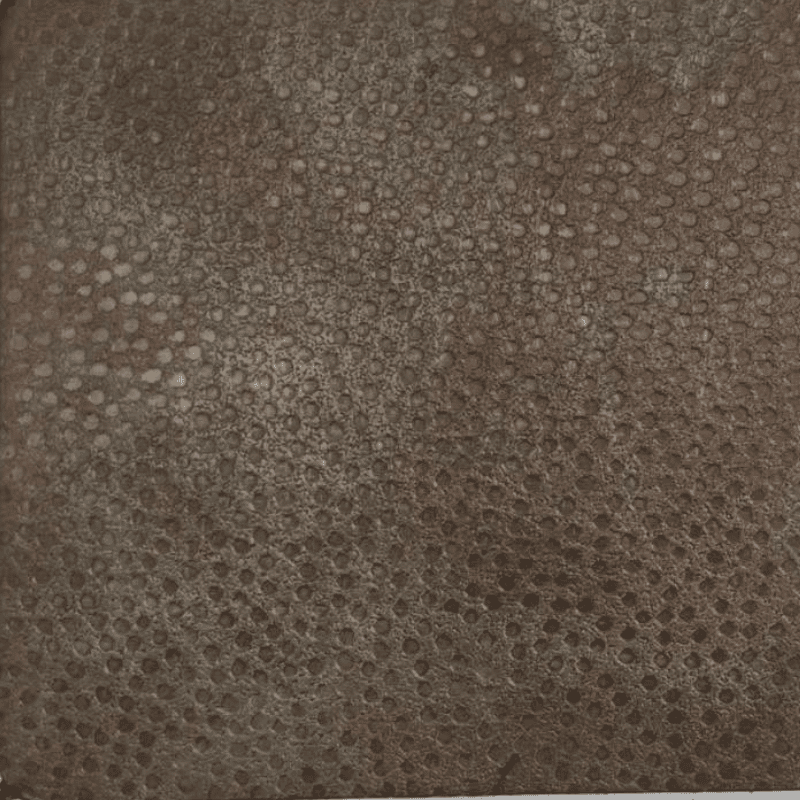
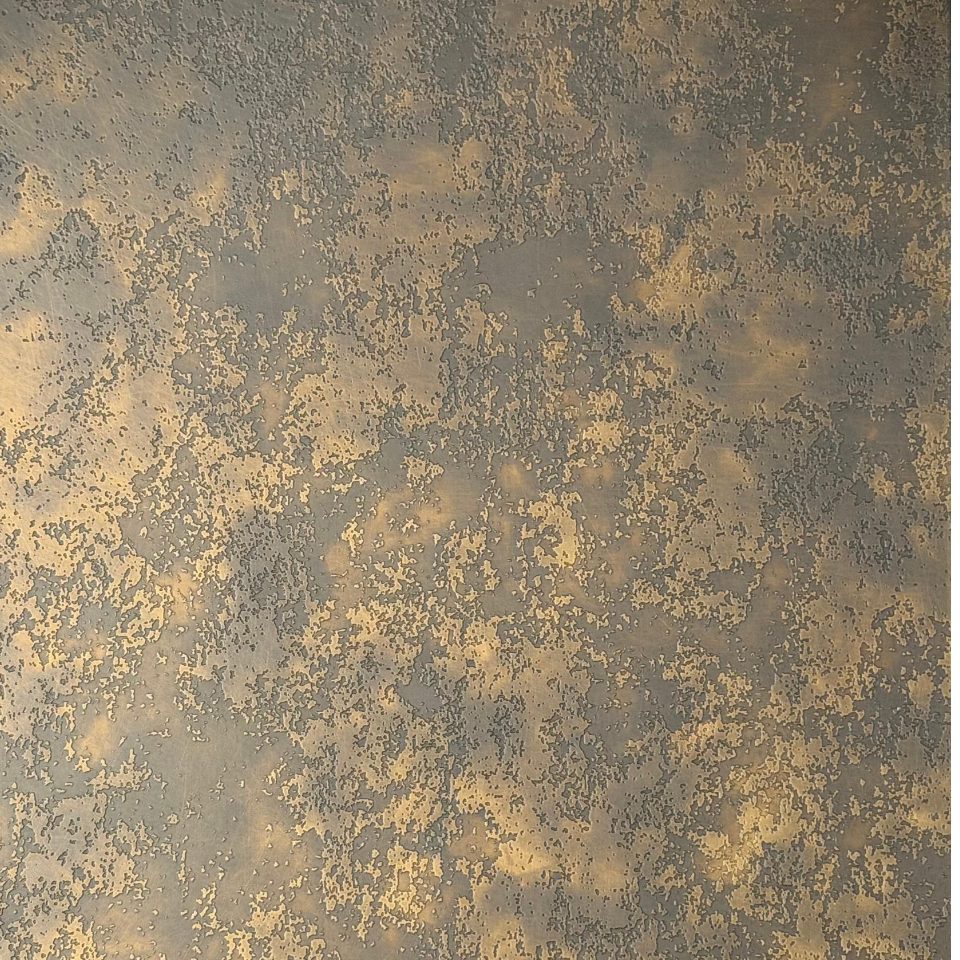
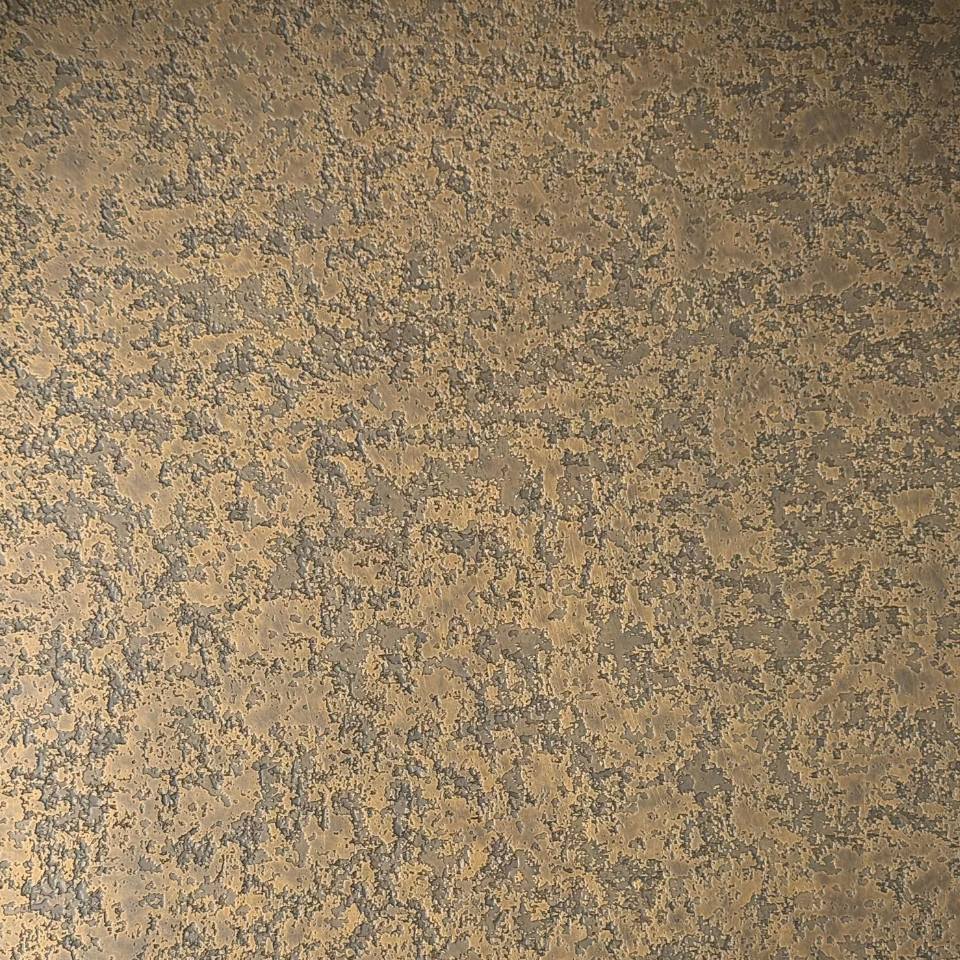
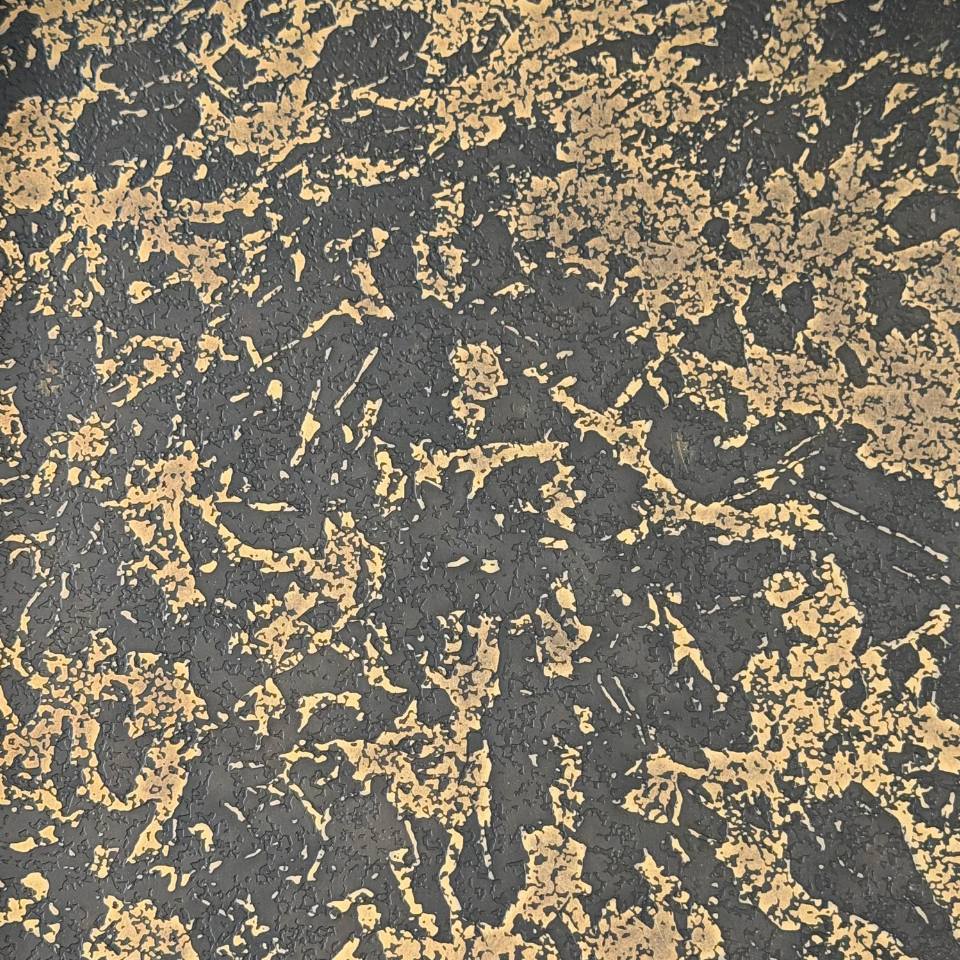
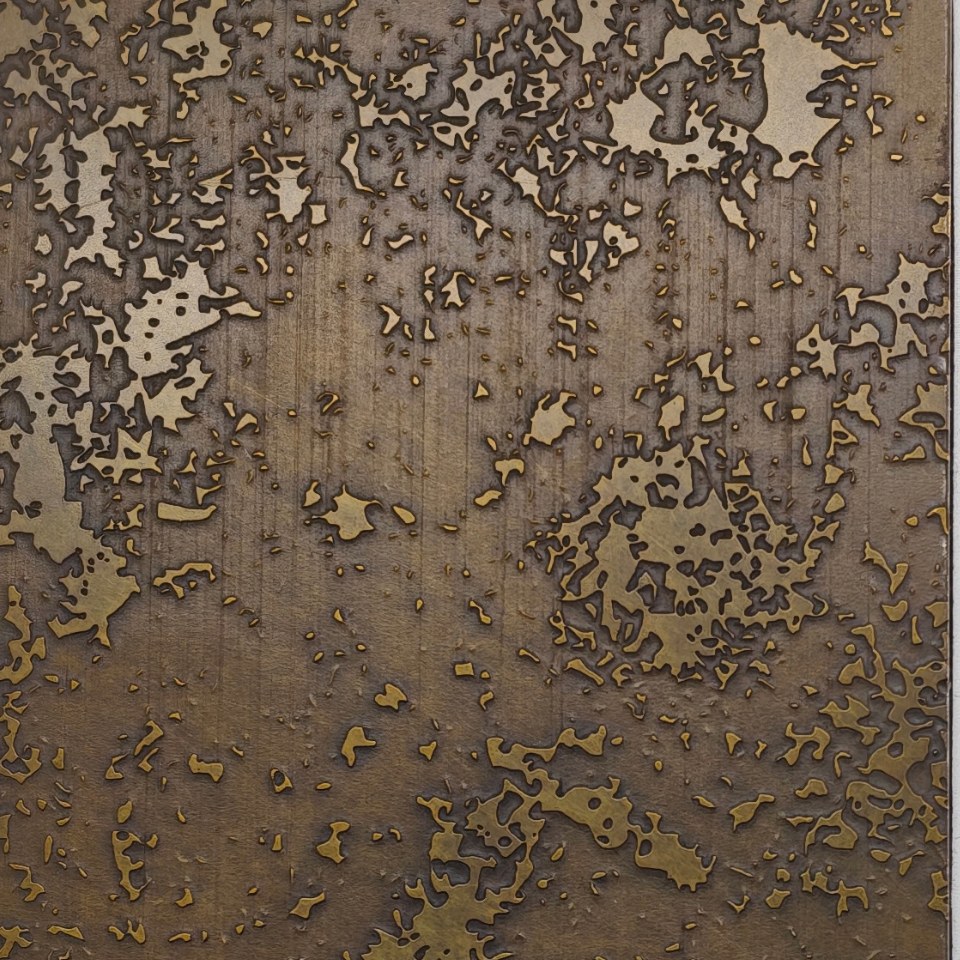


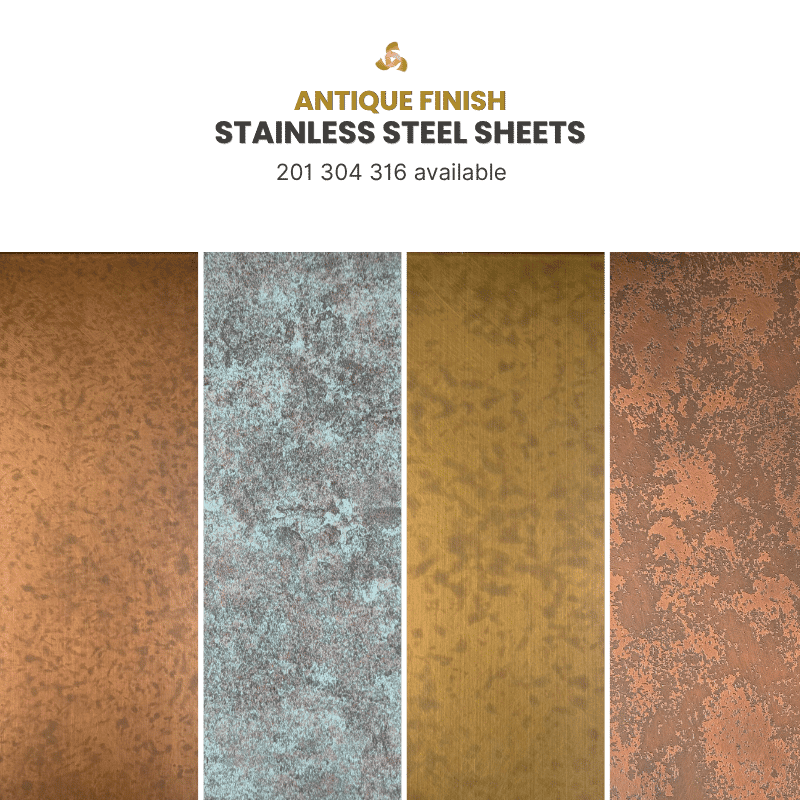
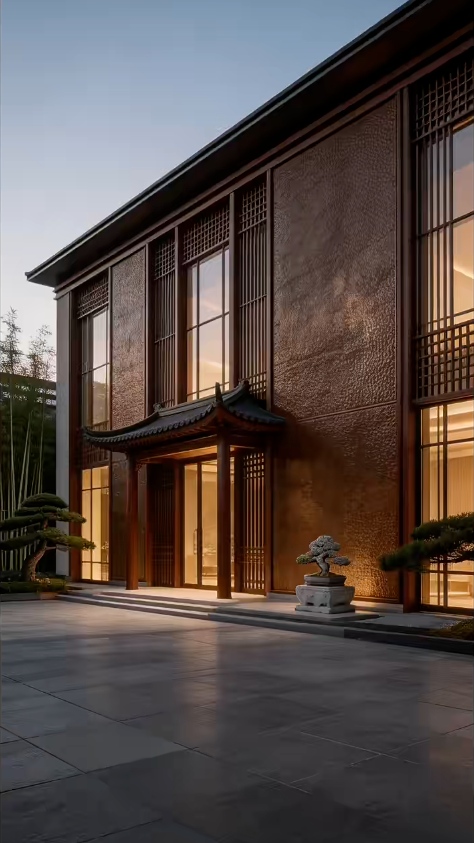
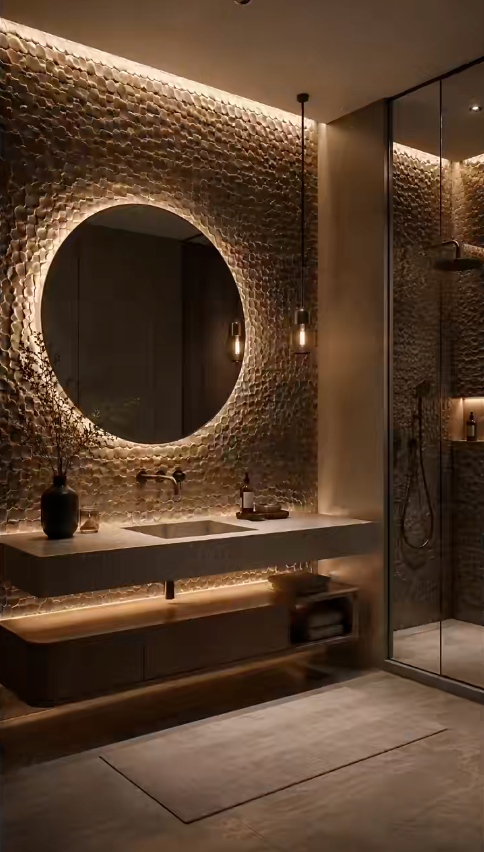
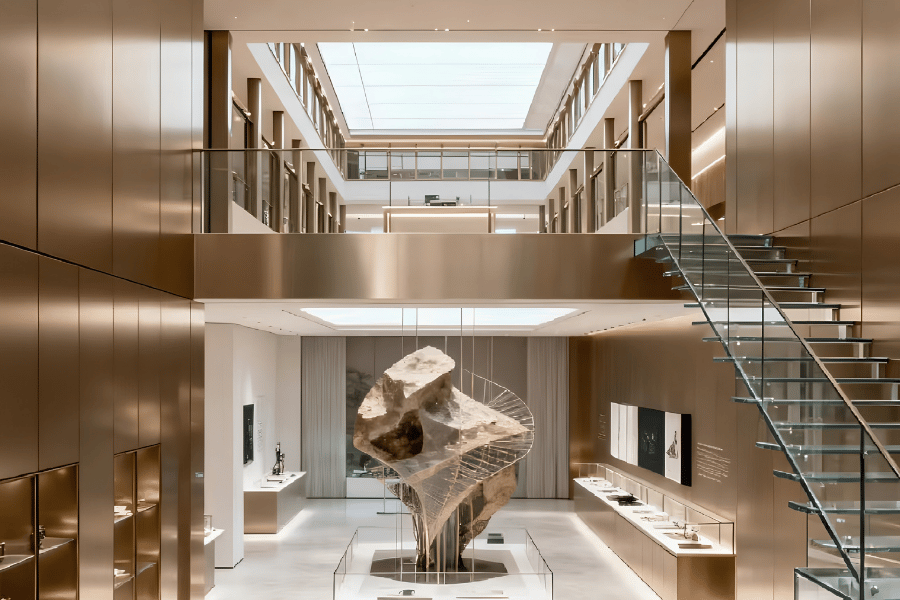
We match the pattern to your project drawings, or build a rendering based on the actual surface you're installing on before production. This lets us plan how the mottling and tonal variation should flow across multiple panels, so the finished wall or cladding reads as one coordinated surface rather than mismatched individual sheets.

- Home
- ProductsSummaryBy Color
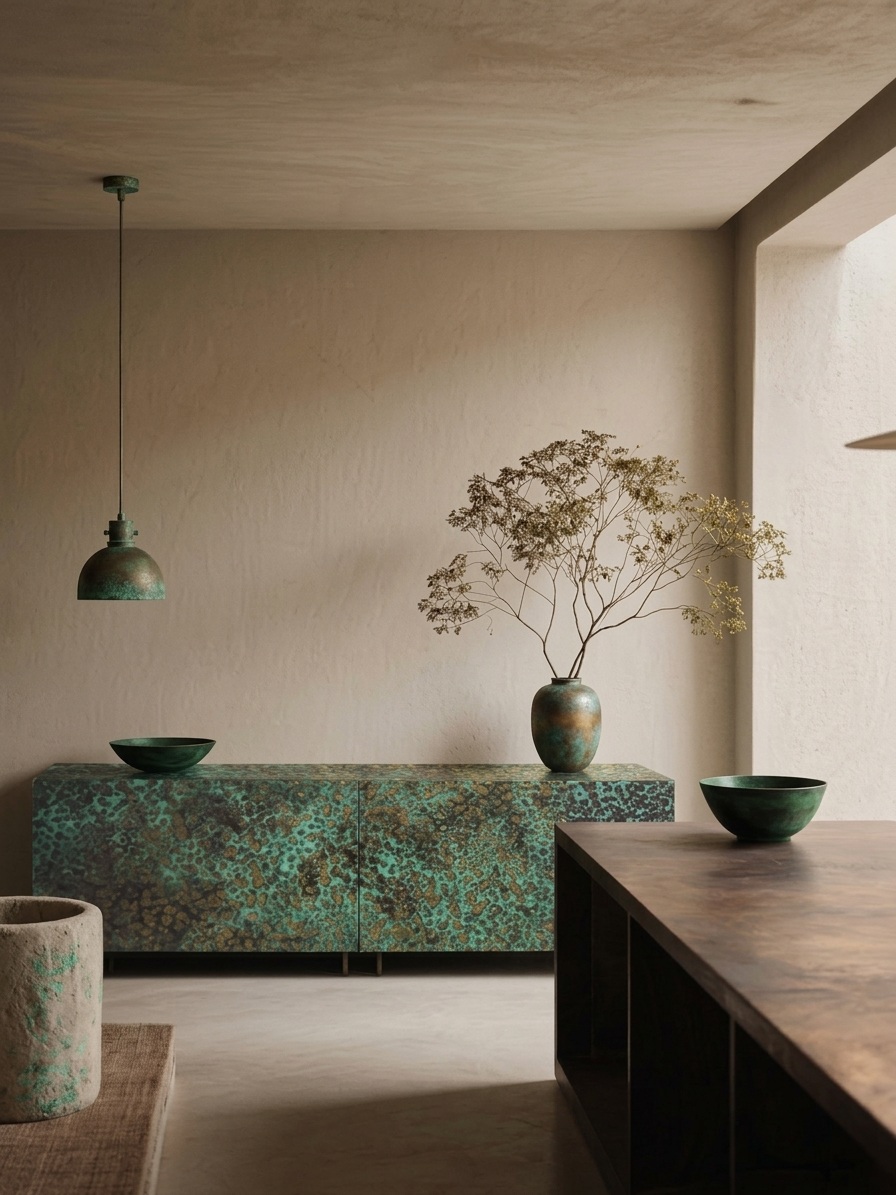 Green Copper SS→
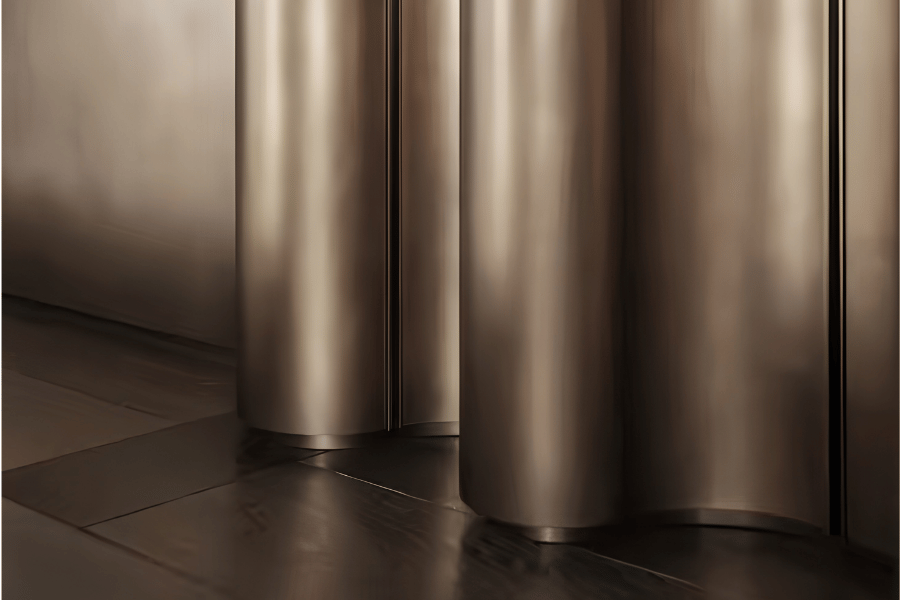 Bronze SS→
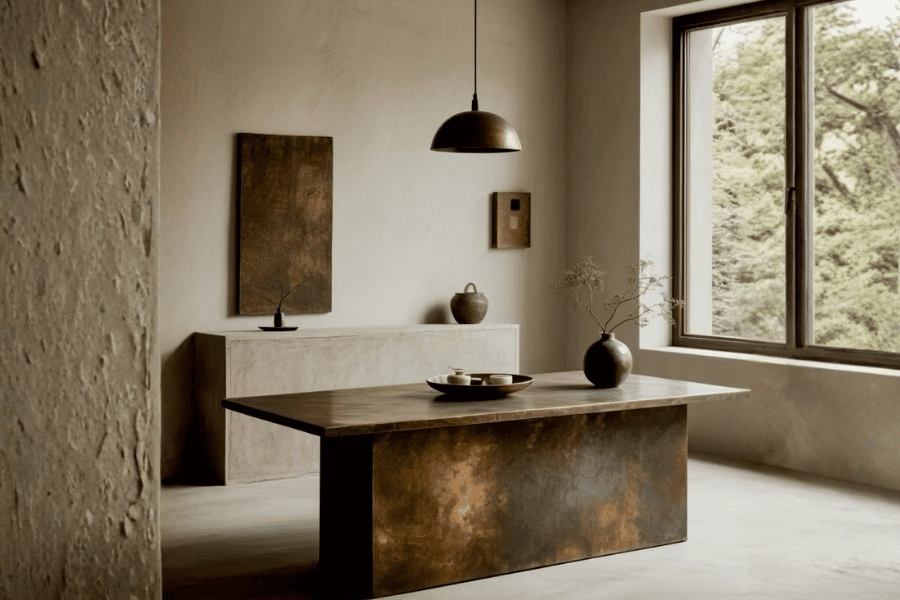 Aged Bronze SS→
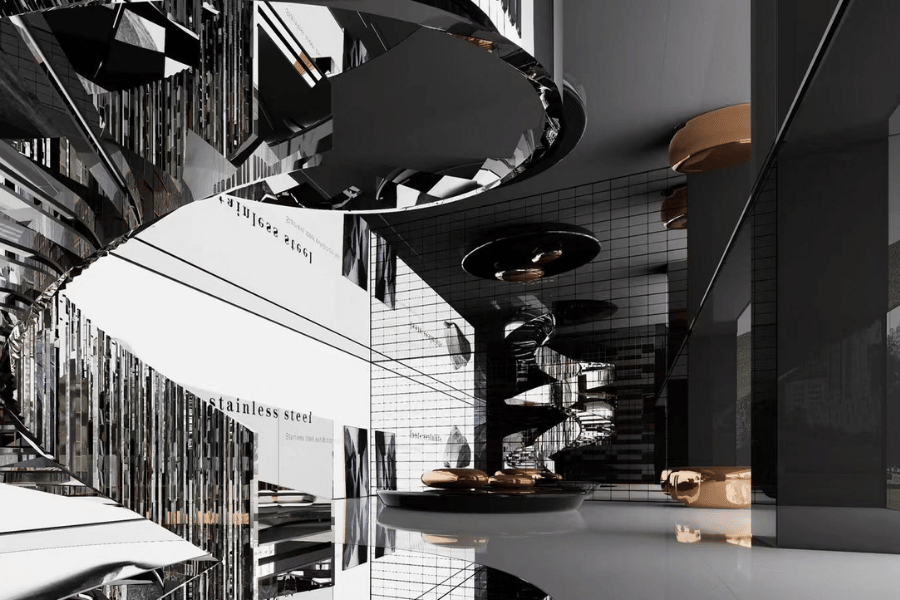 Black SS→
 Ti Yellow Gold SS→
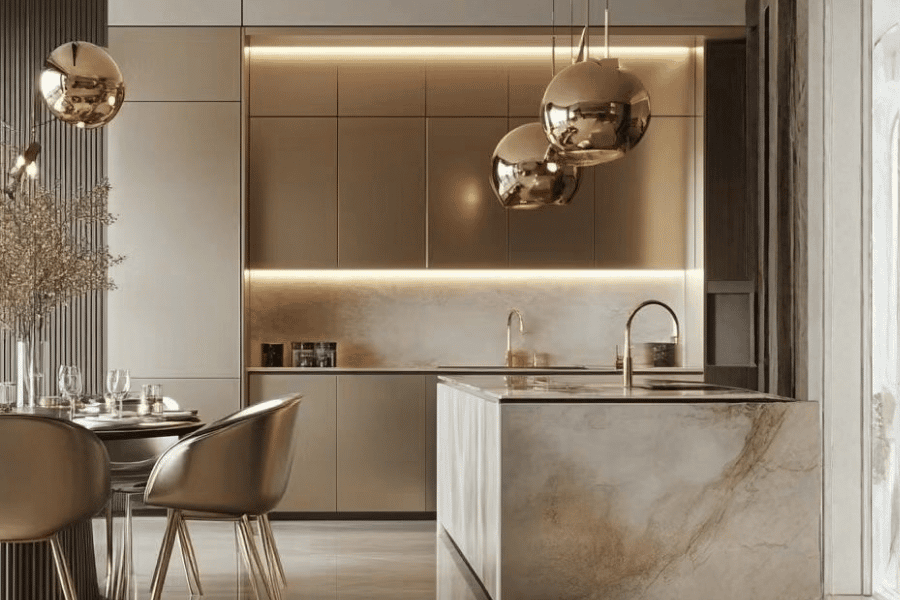 Champagne Gold SS→
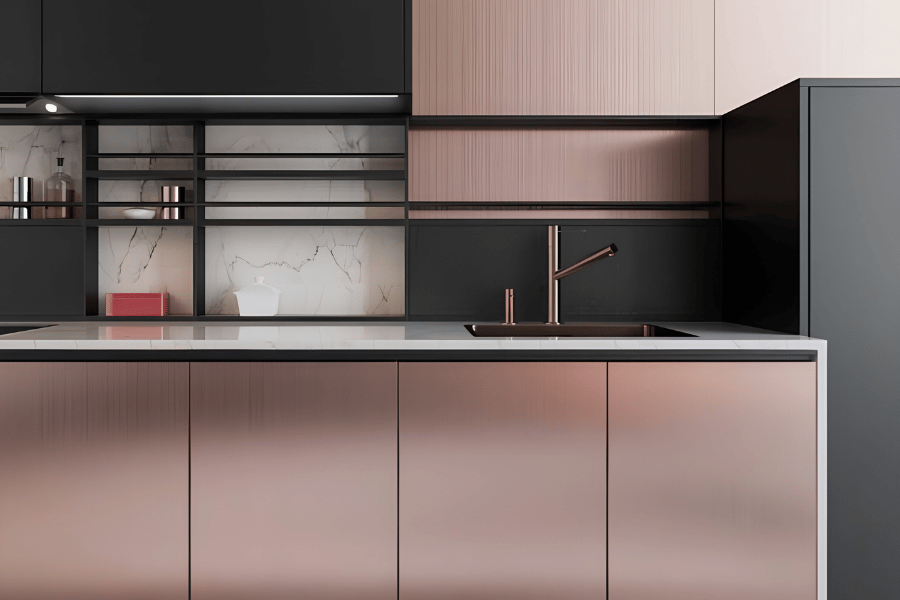 Rose Gold SS→
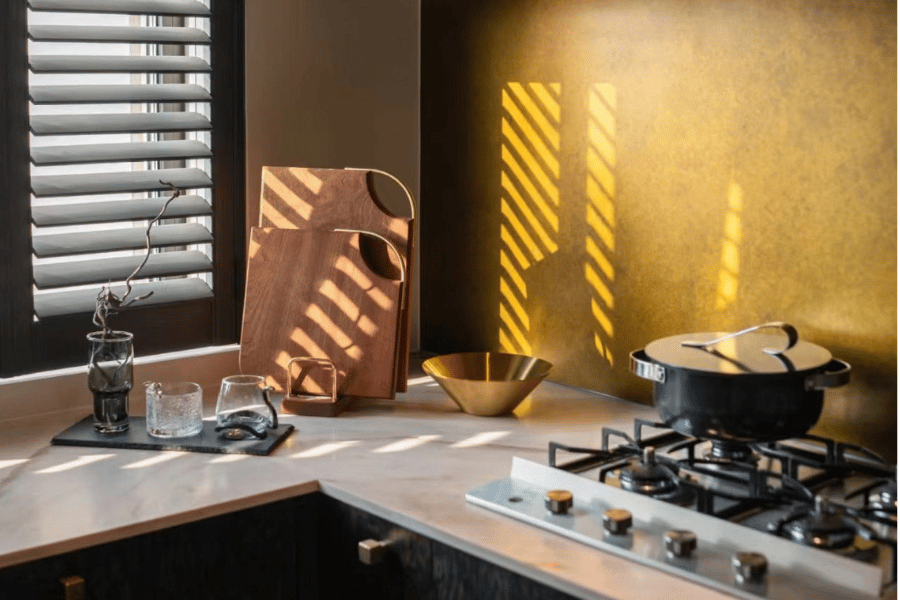 Aged Brass SS→
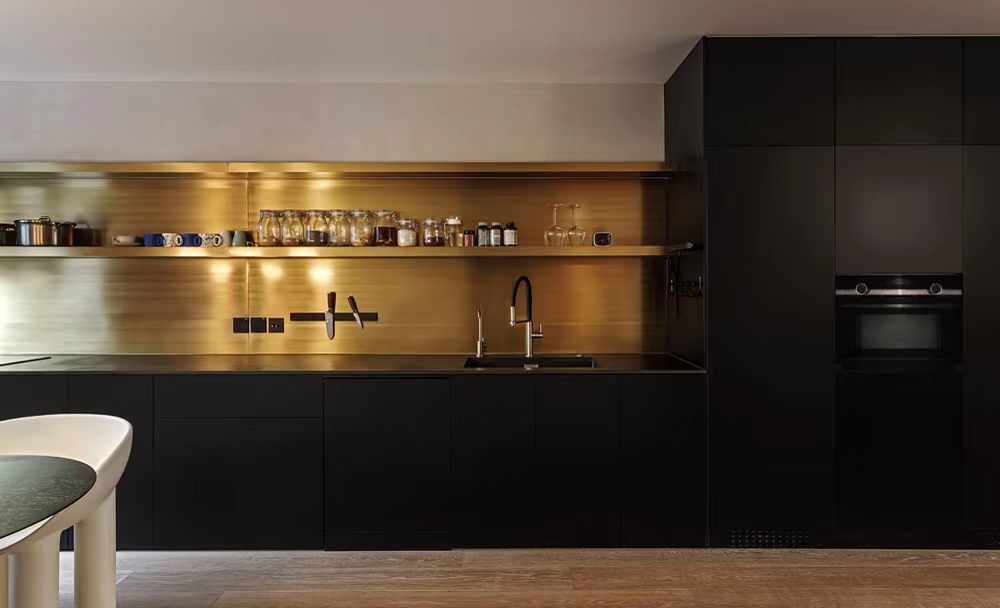 Brass SS→
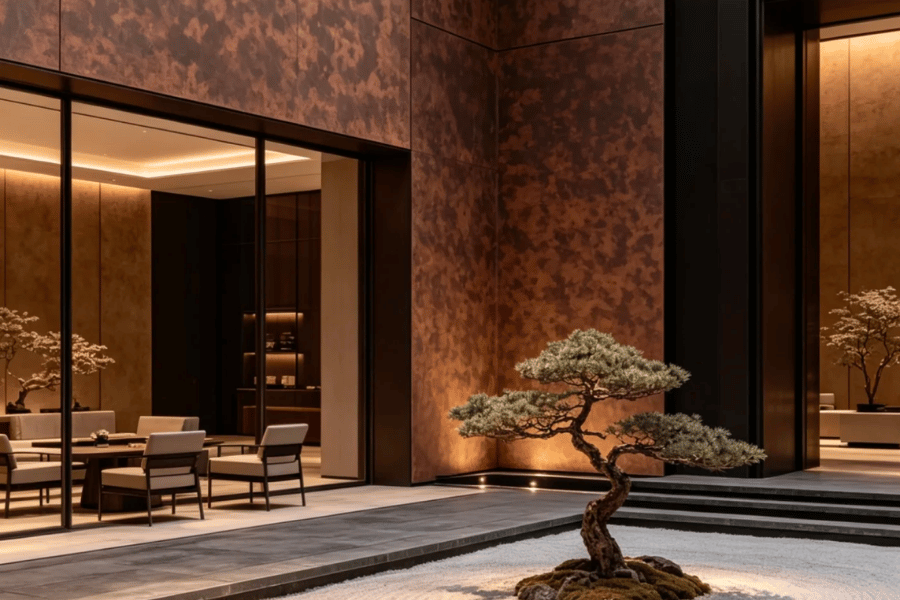 Antique Copper S→
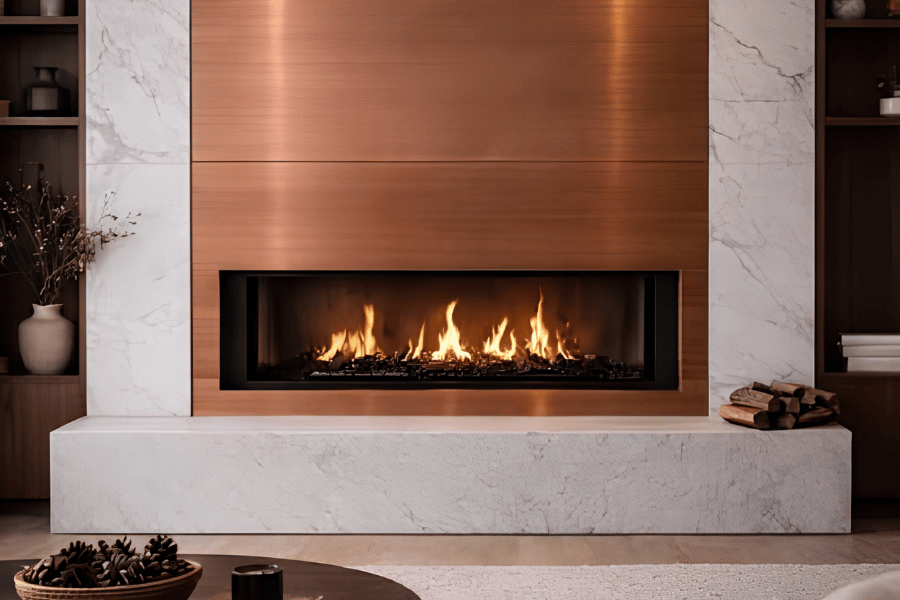 Copper SS→
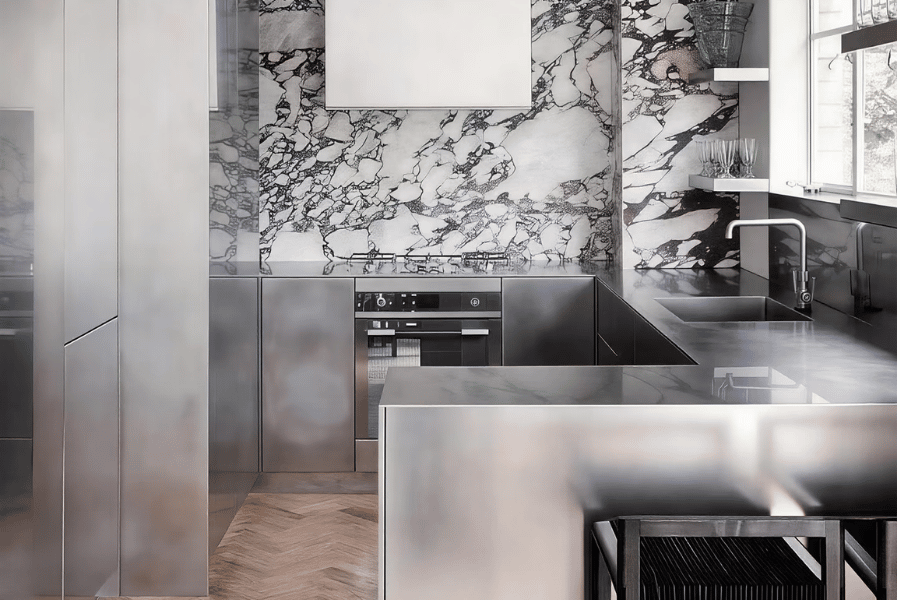 Nickel Silver SS→By Style
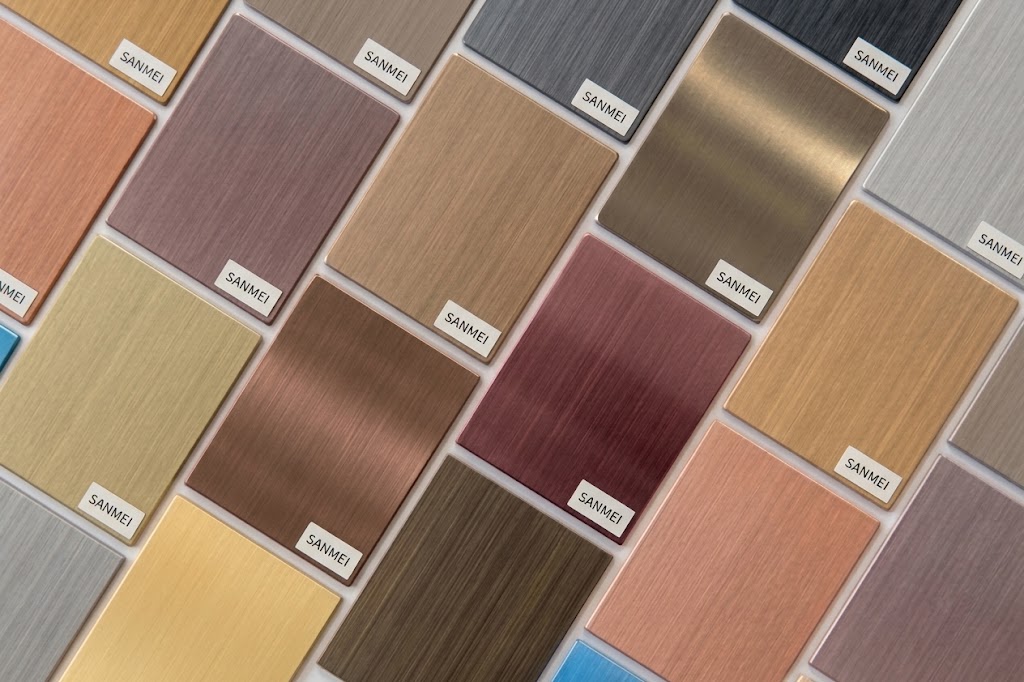 Hairline Sheet→
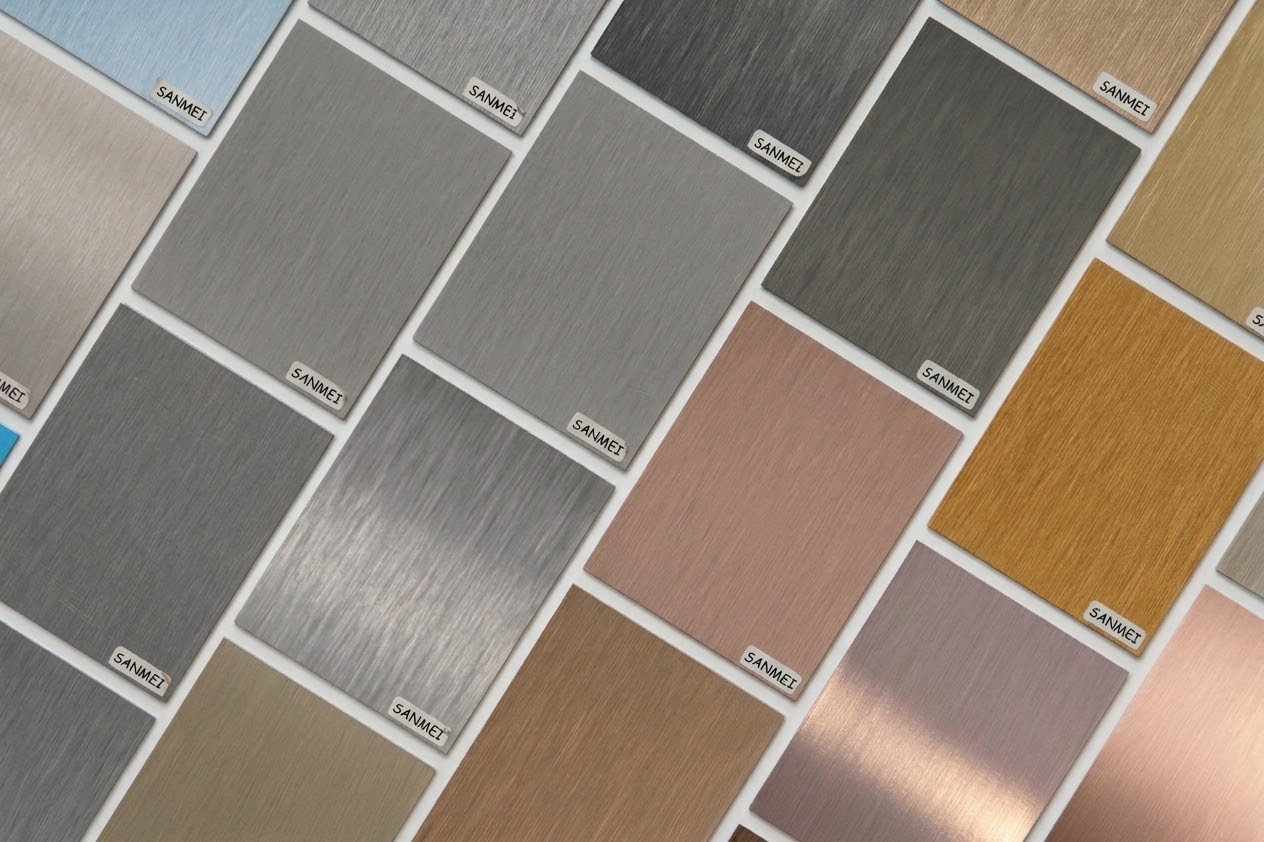 No.4 Satin Sheet→
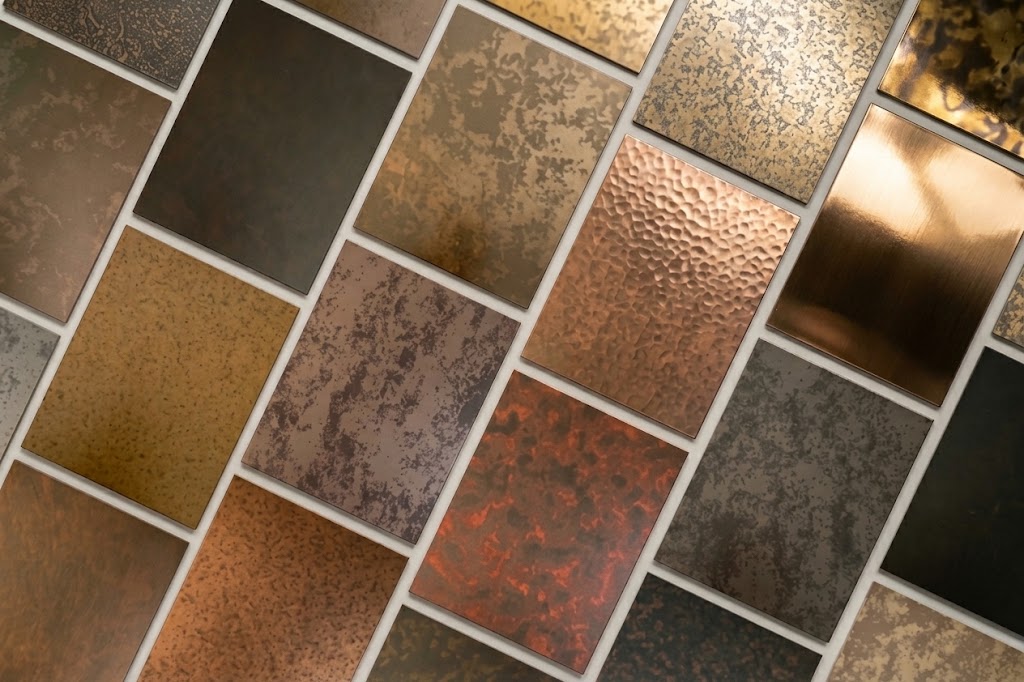 Antique Finish Sheet→
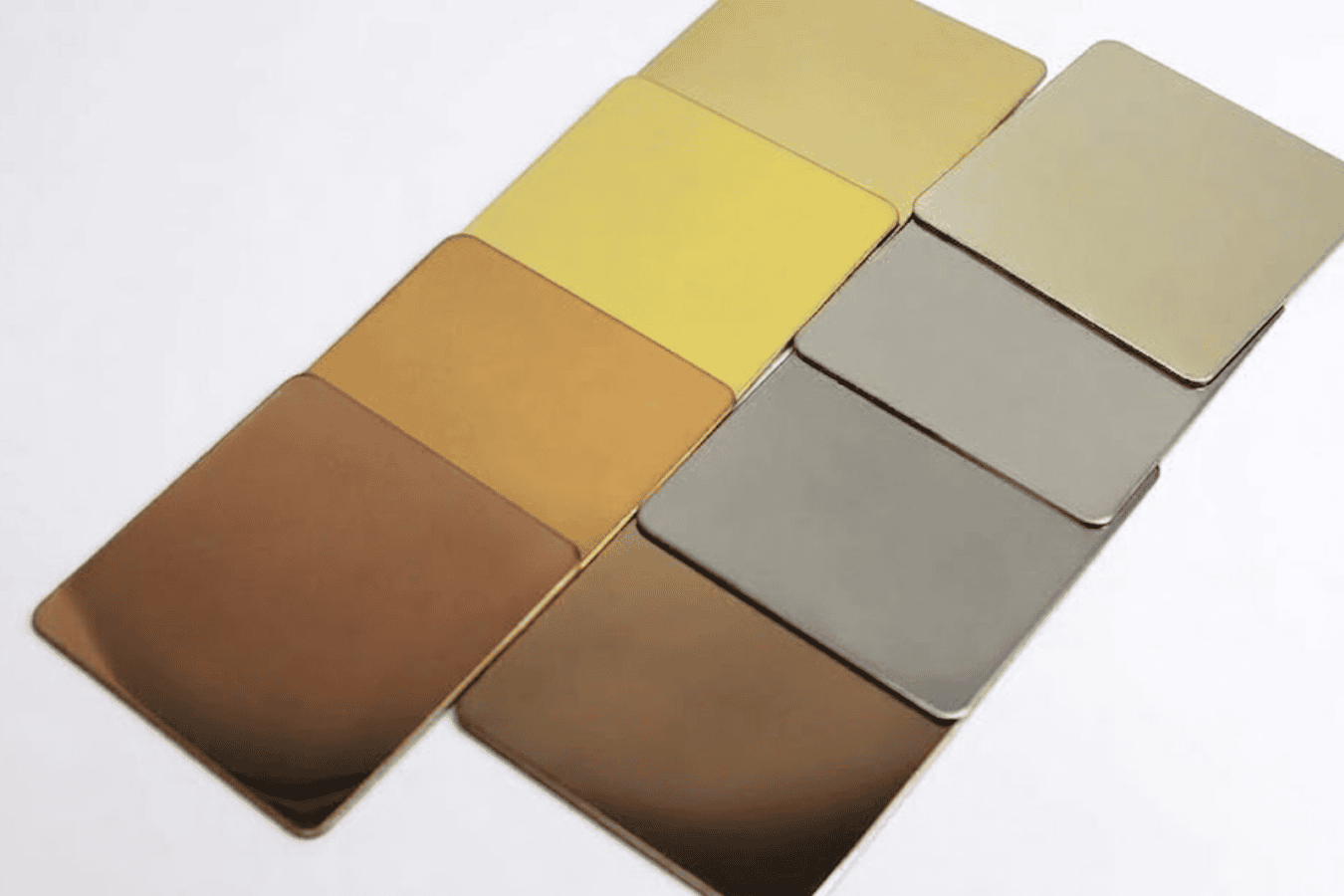 Mirror Polished Sheets→
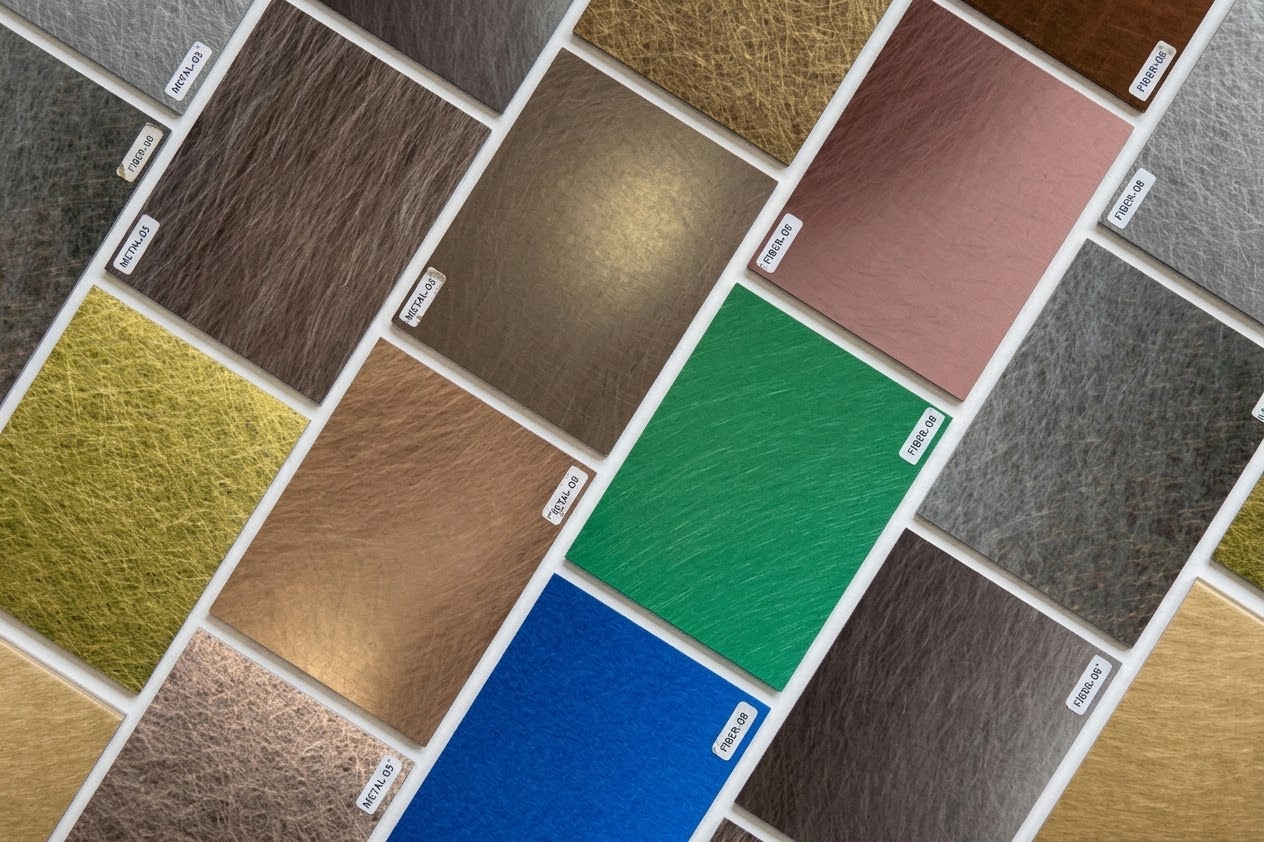 Vibration Sheet→
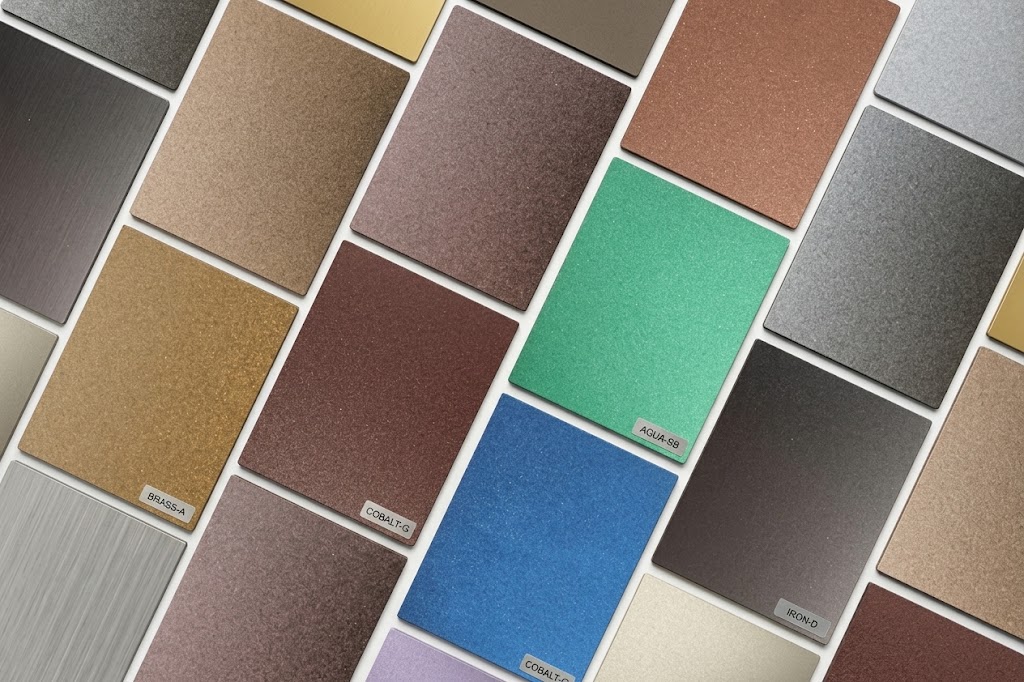 Bead Blasting Sheet→
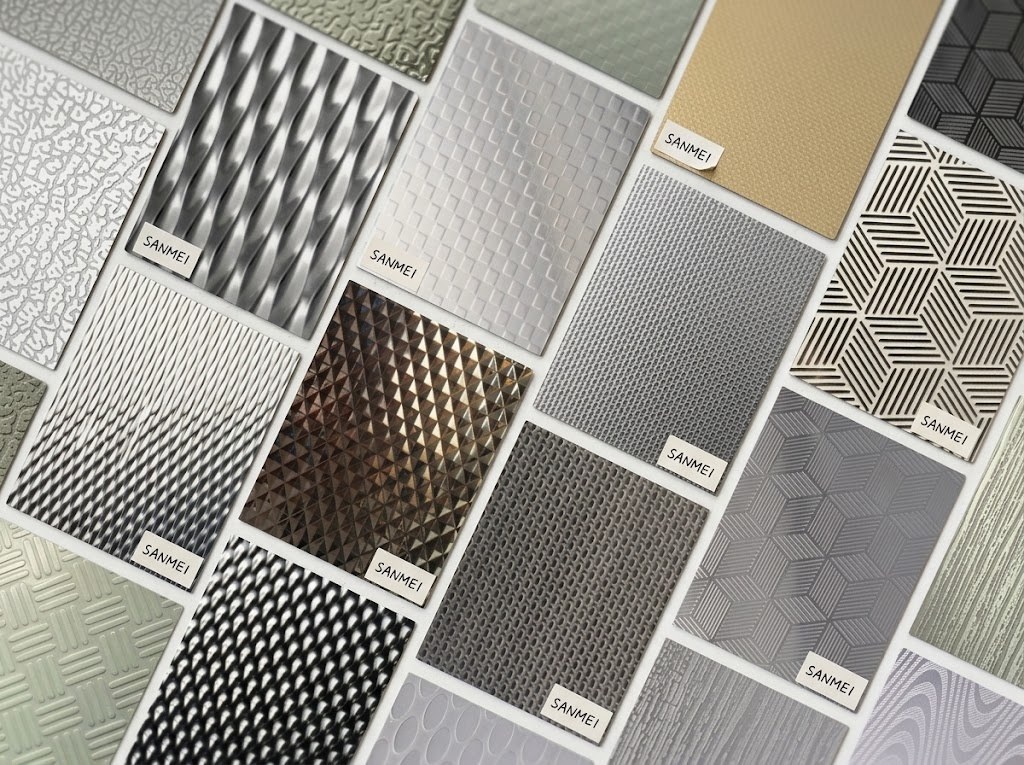 Embossed Sheet→
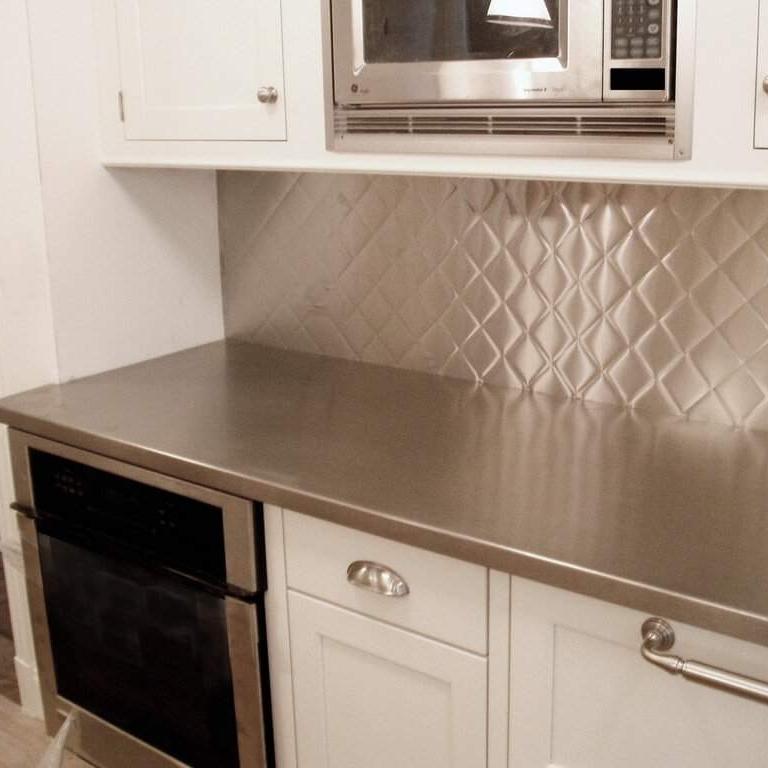 Quilted Diamond Sheet→
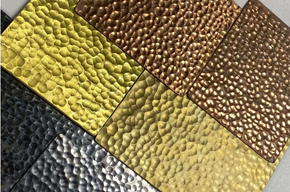 Hammered Sheets→
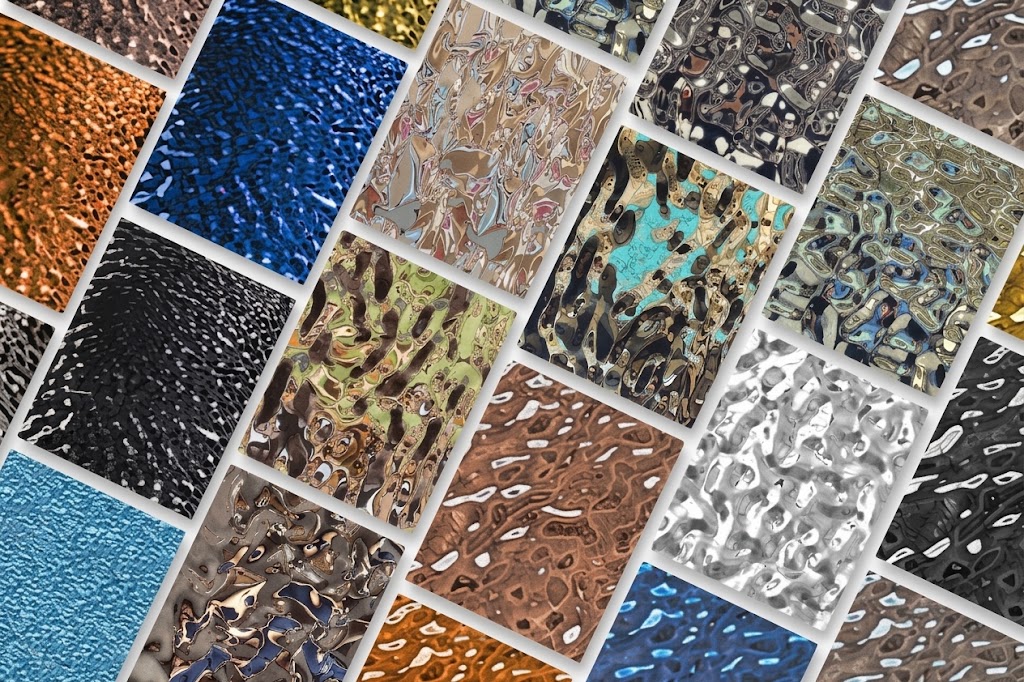 Water Ripple Sheet→
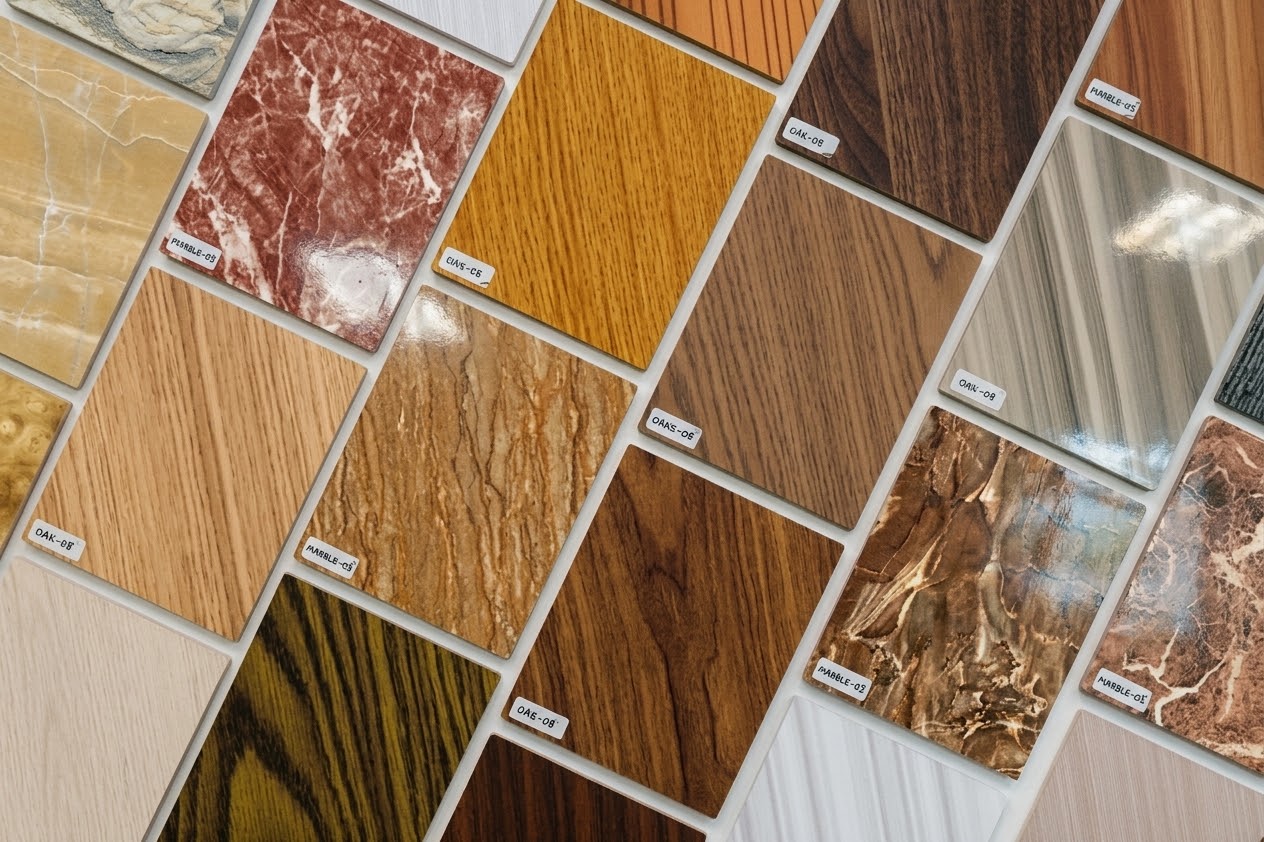 Laminated Sheet→
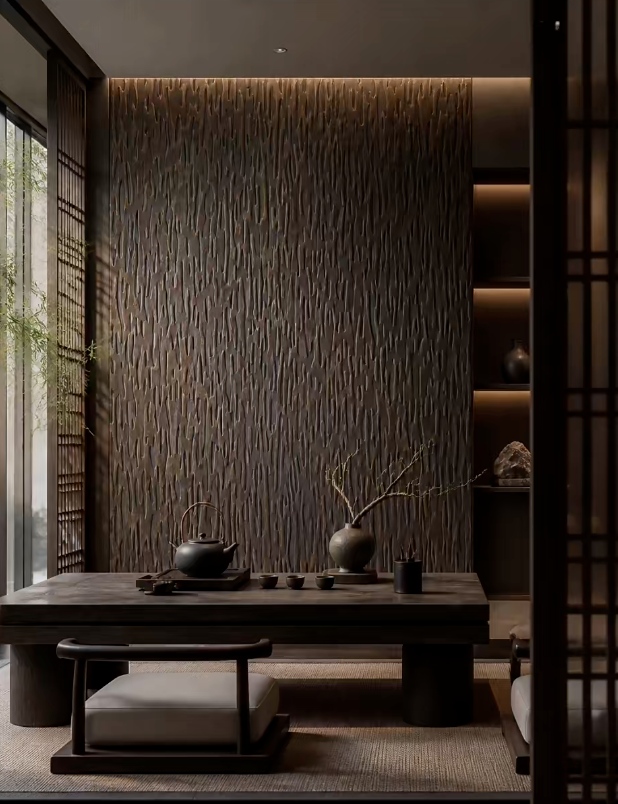 Wood Grain Sheet→
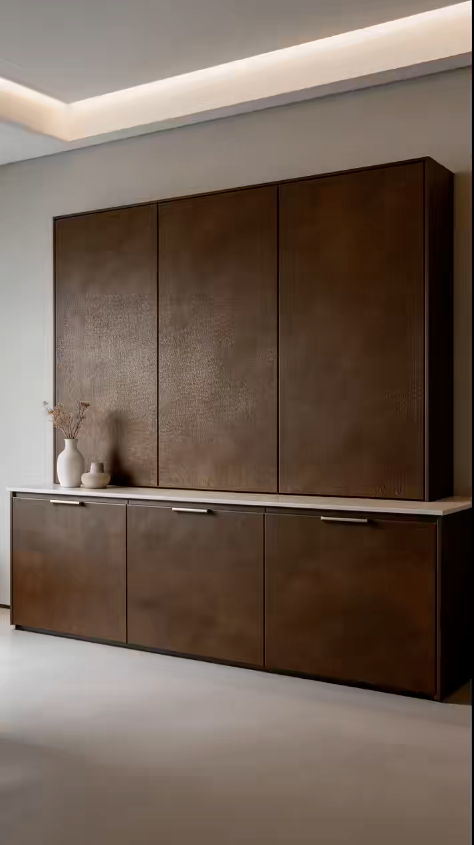 Etched Sheet→Colored and Textured CoilSummaryBy FormBy GradeSummaryStructural ComponentsArchitectural FabricationView Full Details →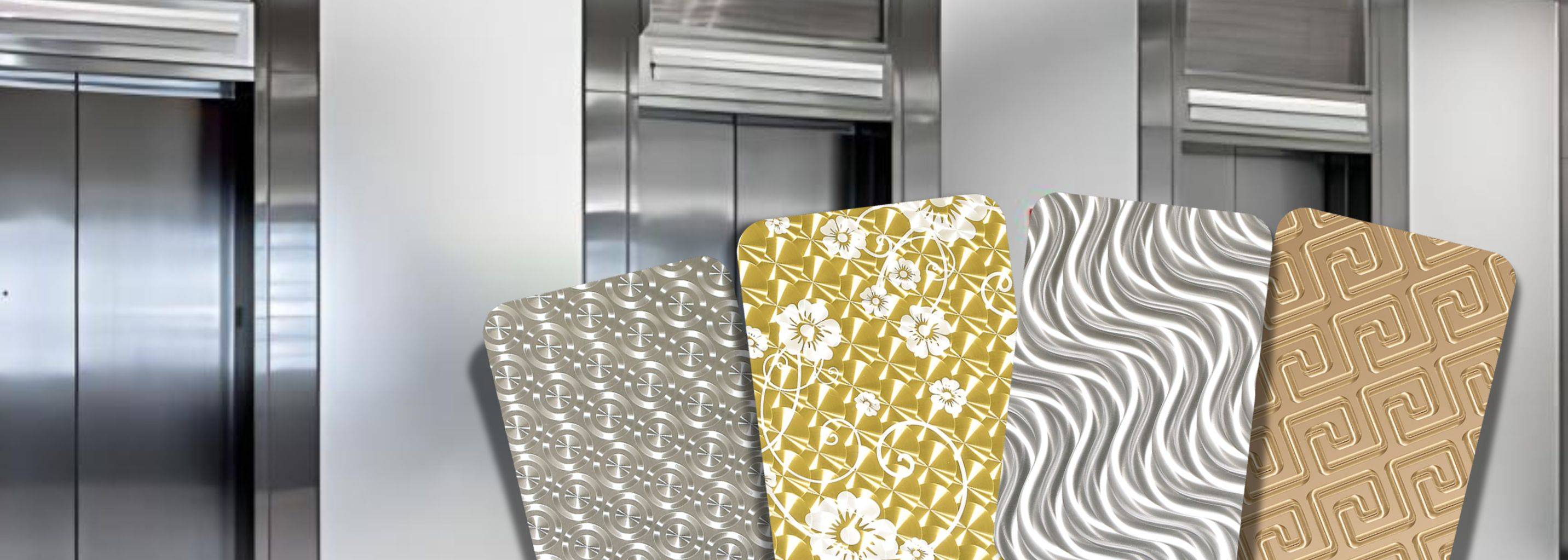
All about Our Decorative Stainless Steel Sheets
- Fabrication
- Projects
- Packing and Filming
- Catalog
- Insights
- Contact us
- Finish ➔
- Materials ➔
- Structural Steel Components ➔
- Architectural Metal Works ➔
← Back to Categories